
Barbuda, Antigua and Barbuda Travel Guide
Discover the tranquil beauty of Barbuda, where pink sand beaches, crystal-clear waters, and rich wildlife create a perfect Caribbean escape.
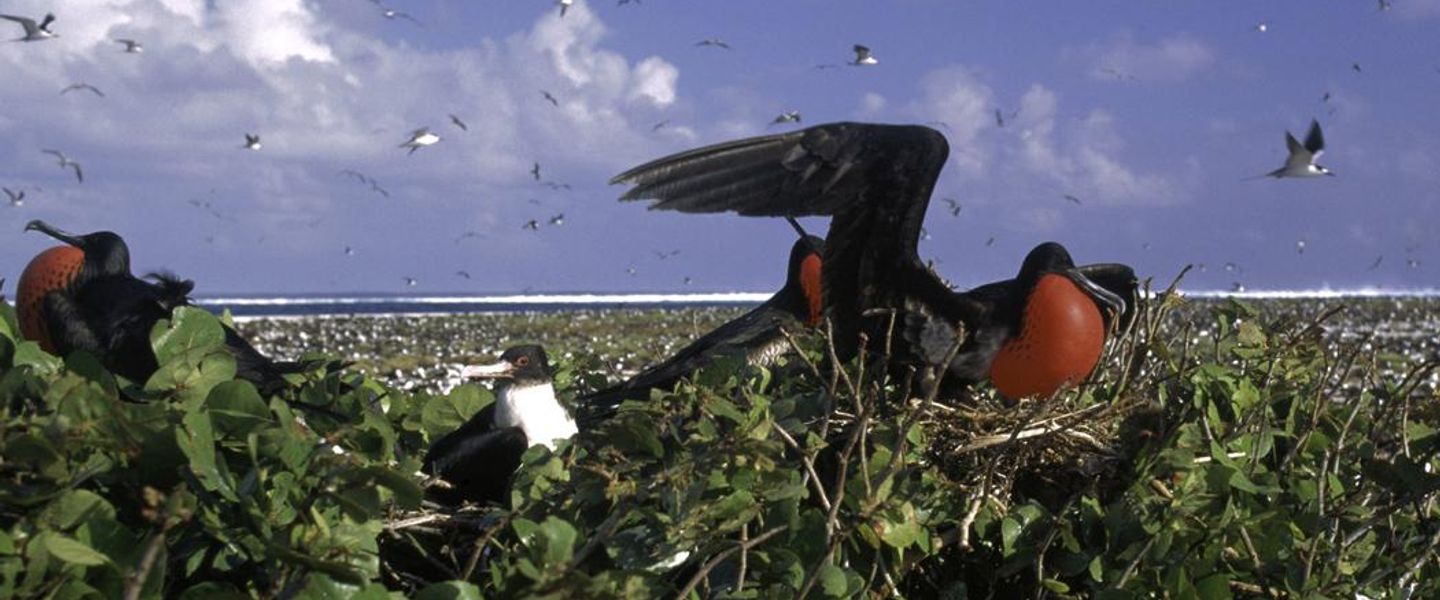
Barbuda is a hidden gem in the Caribbean, offering visitors a peaceful retreat away from the hustle and bustle of everyday life. With its pristine beaches, crystal-clear waters, and untouched natural beauty, Barbuda is a paradise for those looking to unwind and reconnect with nature. The island is known for its stunning pink sand beaches, particularly the famous Pink Sand Beach, which stretches for miles and provides a perfect backdrop for leisurely walks and sunbathing. The waters surrounding Barbuda are teeming with marine life, making it an ideal destination for snorkeling and diving enthusiasts. Barbuda is also home to the largest Frigate Bird Sanctuary in the Western Hemisphere. A visit to the sanctuary offers a unique opportunity to observe these magnificent birds in their natural habitat. The island's rich history is reflected in its charming villages, where you can explore ruins from colonial times and learn about the local culture and traditions. Whether you're looking to relax on the beach, explore the underwater world, or immerse yourself in the island's history and culture, Barbuda offers a tranquil and unforgettable experience.

Know before you go
Hi, I'm Eve. Here are a few practical things to know before exploring Barbuda.
- Visit the Pink Sand Beach early in the morning to enjoy the serene atmosphere and avoid the heat of the day.
- Don't miss the Frigate Bird Sanctuary; consider hiring a local guide for a more informative experience.
- Pack plenty of sunscreen and insect repellent, as the island's natural environment can be harsh.
- Explore the local villages to get a sense of Barbuda's rich history and culture.
- Water shoes are recommended for snorkeling to protect your feet from sharp coral and rocks.
Top City Travel Guides in Barbuda
The cities of Barbuda, and the easiest places to base yourself.

Explore Barbuda: Things to Do, Places to Eat, Hotels & More
Handpicked recommendations for top attractions, local dining, accommodations, and more

Top Attractions & Sightseeing in Barbuda
Top-rated picks
Best Attractions

Heritage Quay Complex
Discover duty-free shopping, dining, and entertainment at Heritage Quay, St. John's – a vibrant hub in the heart of Antigua.

Galleon Beach
Discover tranquility at Galleon Beach: Pristine sands, calm waters, and vibrant marine life await in Antigua's stunning English Harbour.
The Blockhouse
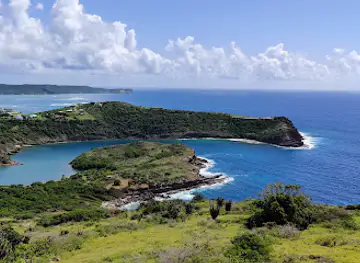
Explore Antigua's colonial past at The Blockhouse: panoramic views, historical ruins, and tranquil beauty await near Piccadilly.

Dickenson Bay Beach
Experience the quintessential Caribbean at Dickenson Bay Beach: white sands, turquoise waters, and vibrant beachfront fun in Antigua.

Best landmarks in Barbuda
Top-rated picks
Best Landmarks

Heritage Quay Complex
Explore the Heritage Quay Complex in St. John's for a unique blend of shopping, dining, and cultural experiences in Antigua.

Nelson's Dockyard
Discover the captivating maritime history and stunning landscapes at Nelson's Dockyard, a UNESCO World Heritage Site in Antigua.

Antigua
Experience Antigua: A Caribbean paradise with stunning beaches, rich history, and vibrant culture awaits every traveler.

Stingray City Antigua
Experience the thrill of swimming with stingrays in the stunning Caribbean waters at Stingray City Antigua, a unique aquatic adventure for all ages.

Best restaurants in Barbuda
Top-rated picks
Best Restaurants

Sheer Rocks
Experience exquisite tapas and breathtaking views at Sheer Rocks - the ultimate dining destination in Antigua.

Roti King
Experience authentic Caribbean flavors at Roti King in St. John's - where every bite tells a story.

Road House Restaurant And Bar
Discover the flavors of Antigua at Road House Restaurant And Bar - where local charm meets delicious cuisine.

Abracadabra
Experience authentic Italian cuisine at Abracadabra in Antigua - where dining meets vibrant nightlife.

Best bars in Barbuda
Top-rated picks
Best Bars

Sheer Rocks
Experience the ultimate fine dining at Sheer Rocks with stunning beach views and exquisite tapas in Antigua's culinary paradise.

JR's Spot Bar and Grill
Discover the local flavors and vibrant atmosphere at JR's Spot Bar and Grill, the ultimate sports bar destination in St. John's.

Dre Bar & Restaurant (Pasta Box)
Experience the vibrant ambiance and delicious pasta at Dre Bar & Restaurant, a gem in St John's, Antigua.

Skullduggery's Cafe
Experience the vibrant atmosphere and delightful beverage selection at Skullduggery's Cafe in Piccadilly, the perfect spot for relaxation and socializing.

Best nightclubs in Barbuda
Top-rated picks
Best Nightclubs

The Lime
Experience the vibrant nightlife of English Harbour at The Lime, where cocktails and good vibes collide under the Caribbean stars.

Rum Runners By The Sea
Discover the vibrant nightlife of St. John's at Rum Runners By The Sea, where great music, delicious food, and unforgettable memories await.

The Boardroom - The Premium Gentleman's Club
Experience vibrant nightlife at The Boardroom, the premium gentleman's club in Jolly Harbour, Saint Johns, where dining meets dancing in an unforgettable atmosphere.

Diamond Edge Night Club
Immerse yourself in the vibrant nightlife at Diamond Edge Night Club, where great music and a lively atmosphere await in St. John's.

Best shops in Barbuda
Top-rated picks
Best Shops

Redcliffe Quay
Explore the vibrant shopping scene at Redcliffe Quay, where local culture meets unique shopping and dining experiences in St. John's, Antigua.

Royal Palm Place
Discover the lively Royal Palm Place, Antigua's premier shopping mall, offering a blend of retail, dining, and cultural experiences for every visitor.

Village Walk Shopping Centre
Discover the Village Walk Shopping Centre – St. John's premier shopping and entertainment destination, blending local charm with global brands.

Fresh & Eazy Neighbourhood Grocery
Experience the vibrant local culture and flavors at Fresh & Eazy Neighbourhood Grocery in St. John's, Antigua, a must-visit for every tourist.

Explore Barbuda on the Map
A handpicked selection of must-see spots in Barbuda, mapped for you.
Barbuda Essentials
-
Barbuda is accessible by air and sea. The most common way to reach Barbuda is by taking a short flight from V.C. Bird International Airport in Antigua to Codrington Airport in Barbuda. The flight takes approximately 20 minutes. Alternatively, you can take a ferry from St. John's Harbour in Antigua to Barbuda. The ferry journey takes around 90 minutes to 2 hours, depending on sea conditions.
-
Barbuda is a small island, and transportation options are limited. The primary mode of transport is by taxi or rental car. Taxis are available at the ferry terminal and airport, but it is advisable to arrange transportation in advance. Rental cars are available, but be sure to book early as availability can be limited. Bicycles are also a popular way to explore the island, and they can be rented from local shops.
-
The official currency of Barbuda is the Eastern Caribbean Dollar (XCD). U.S. Dollars are widely accepted, and most prices are quoted in both currencies. Credit cards are accepted at some hotels, restaurants, and shops, but it is advisable to carry cash, especially when visiting remote areas. ATMs are available in Codrington, but it is wise to withdraw sufficient cash before traveling to ensure you have enough funds.
-
Barbuda is generally a safe destination for tourists. However, it is always advisable to take standard precautions. Avoid walking alone at night in unfamiliar areas and keep an eye on your belongings in crowded places. While Barbuda has a low crime rate, it is best to stay vigilant and aware of your surroundings. Areas such as Codrington are generally safe, but exercise caution in isolated areas.
-
In case of emergency, dial 911 for immediate assistance. The local police station and medical clinic are located in Codrington. It is recommended to have travel insurance that covers medical emergencies. For minor health issues, there is a pharmacy in Codrington where you can purchase over-the-counter medications.
-
Fashion: Do dress casually and comfortably, but avoid wearing overly revealing clothing, especially when visiting local communities. Religion: Do respect local customs and traditions. While Barbuda is not particularly religious, showing respect for local practices is appreciated. Public Transport: Do be patient, as public transport is limited and schedules may not always be reliable. Greetings: Do greet people with a friendly 'hello' or 'good day.' A smile goes a long way. Eating & Drinking: Do try local delicacies and accept food offerings graciously. Don't refuse hospitality, as it is considered impolite.
-
To experience Barbuda like a local, visit the local markets where you can buy fresh produce and traditional goods. Engage with locals, as they are often friendly and willing to share stories about the island's history and culture. Don't miss visiting the Frigate Bird Sanctuary, which is one of the largest in the world. For a unique experience, explore the island's pink sand beaches and the Two Foot Bay Caves, which offer stunning views and historical significance.
When is the best time to visit Barbuda?
Useful Local Phrases for Barbuda
You don't need to speak the language perfectly. Even learning a few simple words can make conversations warmer—and locals usually appreciate the effort.
— Eve

Here are the phrases I use most often in Barbuda. Try a few—you'll be surprised how far they go! 😊
❤️
-
- HelloWah Gwaan
[Wah Gwaan] - GoodbyeLata
[Lata] - YesYea
[Yea] - NoNah
[Nah] - Please/You're welcomeNo problem
[No problem] - Thank youTank yuh
[Tank yuh] - Excuse me/SorryScuse me/Sorry
[Scuse me/Sorry] - How are you?How yuh doing?
[How yuh doing?] - Fine. And you?I good. And yuh?
[I good. And yuh?] - Do you speak English?Yuh speak English?
[Yuh speak English?] - I don't understandMi nuh undastand
[Mi nuh undastand]
- HelloWah Gwaan
-
- I'd like to see the menu, pleaseMi would like fi see di menu, please
[Mi would like fi see di menu, please] - I don't eat meatMi nuh eat meat
[Mi nuh eat meat] - Cheers!Cheers!
[Cheers!] - I would like to pay, pleaseMi would like fi pay, please
[Mi would like fi pay, please]
- I'd like to see the menu, pleaseMi would like fi see di menu, please
-
- Help!Help!
[Help!] - Go away!Go way!
[Go way!] - Call the Police!Call di Police!
[Call di Police!] - Call a doctor!Call a doctor!
[Call a doctor!] - I'm lostMi lost
[Mi lost] - I'm illMi sick
[Mi sick]
- Help!Help!
-
- I'd like to buy...Mi would like fi buy...
[Mi would like fi buy...] - I'm just lookingMi just a look
[Mi just a look] - How much is it?How much dat cost?
[How much dat cost?] - That's too expensiveDat too expensive
[Dat too expensive] - Can you lower the price?Can yuh lower di price?
[Can yuh lower di price?]
- I'd like to buy...Mi would like fi buy...
-
- What time is it?Wah time it?
[Wah time it?] - It's one o'clockIt one o'clock
[It one o'clock] - Half past (10)Half past ten
[Half past ten] - MorningMornin'
[Mornin'] - AfternoonAfternoon
[Afternoon] - EveningEvenin'
[Evenin'] - YesterdayYesterday
[Yesterday] - TodayToday
[Today] - TomorrowTomorrow
[Tomorrow] - 1One
[One] - 2Two
[Two] - 3Three
[Three] - 4Four
[Four] - 5Five
[Five] - 6Six
[Six] - 7Seven
[Seven] - 8Eight
[Eight] - 9Nine
[Nine] - 10Ten
[Ten]
- What time is it?Wah time it?
-
- Where's a/the...?Wheh di...?
[Wheh di...?] - What's the address?Wah di address?
[Wah di address?] - Can you show me (on the map)?Can yuh show mi (pon di map)?
[Can yuh show mi (pon di map)?] - When's the next (bus)?When di next (bus)?
[When di next (bus)?] - A ticket (to ....)A ticket (to ....)
[A ticket (to ....)]
- Where's a/the...?Wheh di...?
History of Barbuda
-
Barbuda was originally inhabited by the Ciboney, followed by the Arawak and Carib peoples. These indigenous groups lived off the land and sea, leaving behind archaeological evidence such as pottery and tools that date back thousands of years.
-
In 1493, Christopher Columbus is believed to have sighted Barbuda during his second voyage to the New World. However, it wasn’t until the 17th century that the island saw significant European interest. The British colonized Barbuda in 1628, and it eventually became part of the British colony of Antigua and Barbuda.
-
In 1685, the Codrington family leased Barbuda from the British Crown. They established a large plantation and used enslaved Africans for labor. The Codringtons turned the island into a provision ground to supply their other estates in the Caribbean, and their influence is still evident in place names and ruins on the island.
-
The British Empire abolished slavery in 1834, which had a profound impact on Barbuda. Former slaves gained their freedom and many became small-scale farmers, fishermen, and craftspeople. The island’s economy and social structure began to transform, moving away from the plantation system.
-
Following emancipation, Barbuda continued to evolve. In 1967, Antigua and Barbuda became an associated state of the United Kingdom with internal self-governance. Full independence was achieved in 1981, and Barbuda became part of the sovereign nation of Antigua and Barbuda, though it maintained a degree of autonomy.
-
In September 2017, Hurricane Irma devastated Barbuda, destroying nearly all buildings and infrastructure. The entire population was evacuated to Antigua. Since then, there has been a substantial effort to rebuild and restore the island, with a focus on sustainable development and disaster resilience.
-
Barbuda is rich in cultural heritage, with traditions that reflect its African, European, and indigenous influences. The island is known for its unique dialect, vibrant festivals, and communal land ownership system, where land is traditionally owned by the people and managed by the local council.
-
One of Barbuda’s most famous natural attractions is the Frigate Bird Sanctuary, located in the Codrington Lagoon. It is home to one of the largest colonies of frigate birds in the world. This sanctuary is not only a wildlife haven but also a symbol of Barbuda’s commitment to preserving its natural environment.
Neighbouring Regions of Barbuda
The closest regions to Barbuda, if you have time for more than one.




Your all‑in‑one travel companion app
Explore expert travel guides, compare and book tours, experiences, hotels, and more—all from the palm of your hand. Download now for seamless trip planning wherever your wanderlust takes you.


Explore More of Antigua and Barbuda
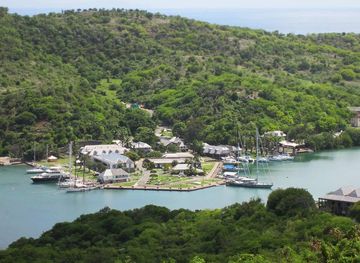
Looking beyond Barbuda? Discover Antigua and Barbuda for broader travel guides, local hot-spots, and regional highlights.
Explore Antigua and BarbudaBarbuda in Photos
Browse through our photo collection highlighting the charm and character of the destination.


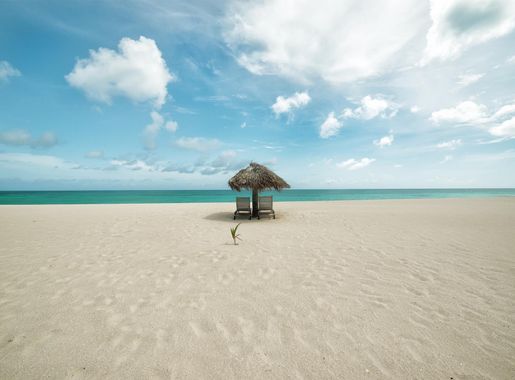


The Serene Beauty of Barbuda
Barbuda is a hidden gem in the Caribbean, offering visitors a peaceful retreat away from the hustle and bustle of everyday life. With its pristine beaches, crystal-clear waters, and untouched natural beauty, Barbuda is a paradise for those looking to unwind and reconnect with nature. The island is known for its stunning pink sand beaches, particularly the famous Pink Sand Beach, which stretches for miles and provides a perfect backdrop for leisurely walks and sunbathing. The waters surrounding Barbuda are teeming with marine life, making it an ideal destination for snorkeling and diving enthusiasts. Barbuda is also home to the largest Frigate Bird Sanctuary in the Western Hemisphere. A visit to the sanctuary offers a unique opportunity to observe these magnificent birds in their natural habitat. The island's rich history is reflected in its charming villages, where you can explore ruins from colonial times and learn about the local culture and traditions. Whether you're looking to relax on the beach, explore the underwater world, or immerse yourself in the island's history and culture, Barbuda offers a tranquil and unforgettable experience.