
Saint Peter, Antigua and Barbuda Travel Guide
Experience the serene beauty and rich cultural heritage of Saint Peter in Antigua and Barbuda, where pristine beaches meet historic charm.
Saint Peter is a picturesque parish in Antigua and Barbuda, renowned for its breathtaking landscapes and vibrant culture. Nestled on the northeastern side of Antigua, Saint Peter offers a blend of serene beaches, lush greenery, and historic sites that captivate every visitor. One of the main attractions in Saint Peter is the beautiful Long Bay Beach. With its crystal-clear waters and soft white sand, it’s the perfect spot for swimming, snorkeling, and sunbathing. The coral reefs near the shore are teeming with marine life, making it a haven for underwater enthusiasts. Beyond the beaches, the parish is home to the historic village of Parham, which boasts one of the oldest churches in the Caribbean, St. Peter's Church. Exploring this quaint village gives you a glimpse into the rich history and culture of the island. Don’t miss out on the local markets where you can find handcrafted souvenirs and taste traditional Antiguan cuisine. Nature lovers will appreciate the scenic hiking trails that wind through the verdant hills of Saint Peter. These trails offer stunning views of the coastline and opportunities to spot local wildlife. For a more leisurely experience, consider a boat tour to explore the nearby islands and hidden coves. Saint Peter is not just about natural beauty; it also offers a warm and welcoming community. The locals are friendly and eager to share their customs and stories, making your visit an enriching experience.

Know before you go
Hi, I'm Eve. Here are a few practical things to know before exploring Saint Peter.
- Visit Long Bay Beach early in the morning to avoid crowds and enjoy the tranquility.
- Bring snorkeling gear to explore the vibrant coral reefs just off the shore.
- Take a guided tour of Parham to learn about the history and significance of St. Peter's Church.
- Check out the local markets for unique handcrafted souvenirs and delicious Antiguan snacks.
- Wear comfortable hiking shoes if you plan to explore the scenic trails in the area.
- Consider a boat tour to discover the hidden coves and nearby islands for a different perspective of Saint Peter.
Destinations in Saint Peter
Resorts, valleys and scenic spots worth a trip of their own.



Explore Saint Peter: Things to Do, Places to Eat, Hotels & More
Handpicked recommendations for top attractions, local dining, accommodations, and more

Top Attractions & Sightseeing in Saint Peter
Top-rated picks
Best Attractions

Stingray City Antigua
Swim with gentle stingrays in their natural habitat at Stingray City Antigua, a unique and unforgettable Caribbean experience for all ages.

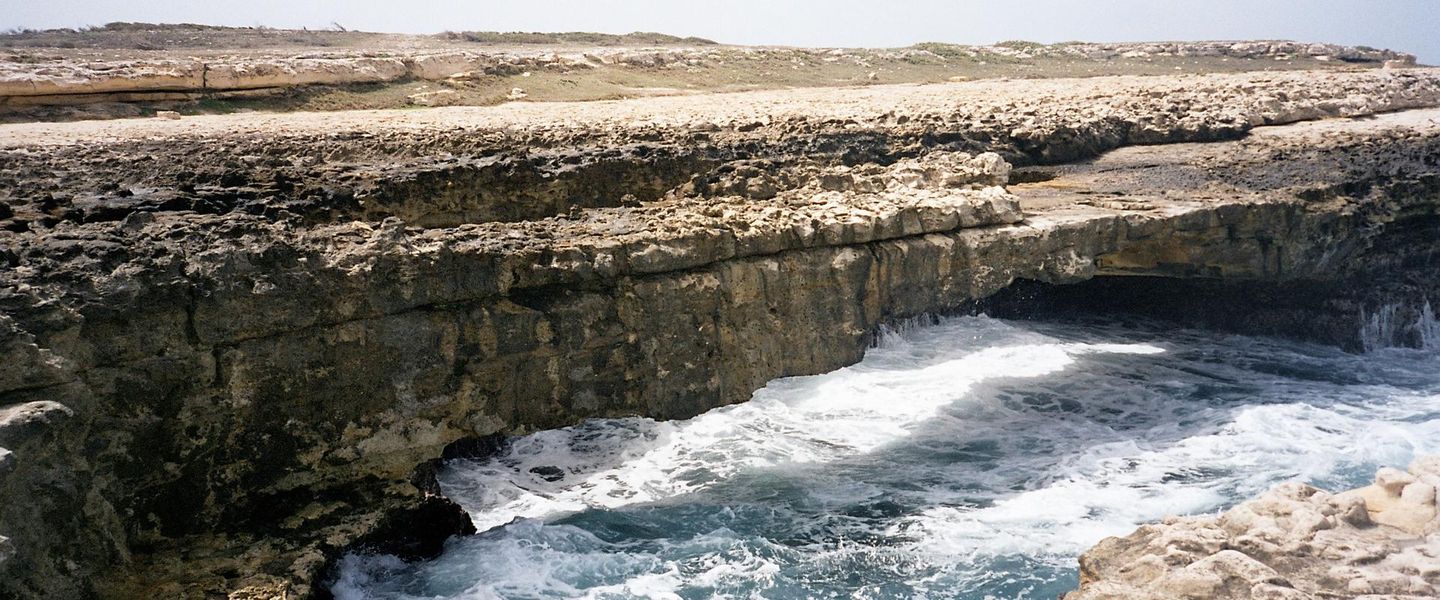
Devil's Bridge National Park
Witness nature's power at Devil's Bridge National Park: a dramatic coastal landmark with a haunting history in Antigua.

Long Bay Beach
Discover Antigua's Long Bay Beach: Tranquil turquoise waters, soft white sands, and unforgettable Caribbean bliss await!

Betty's Hope Historic Sugar Plantation
Discover Antigua's colonial past at Betty's Hope, a historic sugar plantation with restored windmills and poignant reminders of its complex history.

Best landmarks in Saint Peter
Top-rated picks
Best Landmarks

Heritage Quay Complex
Discover the vibrant Heritage Quay Complex in St. John's, Antigua—your ultimate shopping and dining destination with stunning Caribbean views.

Nelson's Dockyard
Discover the historical charm of Nelson's Dockyard in Antigua, a UNESCO World Heritage Site showcasing the island's rich maritime past and stunning coastal views.

Antigua
Discover Antigua, a Caribbean paradise with pristine beaches, rich history, and vibrant culture, perfect for an unforgettable getaway.

Stingray City Antigua
Experience the magic of swimming with friendly stingrays in the crystal-clear waters of Antigua at Stingray City, an unforgettable adventure for all ages.

Best restaurants in Saint Peter
Top-rated picks
Best Restaurants

Sheer Rocks
Discover exquisite tapas and breathtaking ocean views at Sheer Rocks – Antigua's premier fine dining destination overlooking Ffryes Beach.

Ana's On The Beach
Experience exquisite dining with ocean views at Ana's On The Beach in Antigua - where every meal is a taste of paradise.

Roti King
Experience authentic Caribbean flavors at Roti King – where every bite is a journey through island cuisine.

Bay House Restaurant & Bar
Experience family-friendly dining at Bay House Restaurant & Bar in Antigua - perfect for breakfast lovers seeking a taste of the Caribbean.

Best bars in Saint Peter
Top-rated picks
Best Bars

Shirley Heights Lookout
Discover the stunning vistas and vibrant atmosphere of Shirley Heights Lookout, a gem in English Harbour offering delicious food and unforgettable sunsets.

Sheer Rocks
Discover the exquisite flavors of Caribbean fine dining at Sheer Rocks, where breathtaking views and tantalizing tapas unite for an unforgettable culinary experience.

Ana's On The Beach
Discover the flavors of the Caribbean at Ana's On The Beach, where stunning views and delicious cuisine create an unforgettable dining experience.

Bay House Restaurant & Bar
Experience the essence of Antiguan hospitality at Bay House Restaurant & Bar, where every meal is a celebration of local flavors and stunning views.

Best nightclubs in Saint Peter
Top-rated picks
Best Nightclubs

The Lime
Discover the vibrant nightlife at The Lime in English Harbour, Antigua – a bar serving exquisite cocktails in a lively atmosphere.

The Boardroom - The Premium Gentleman's Club
Discover the vibrant nightlife of Jolly Harbour at The Boardroom, a premier gentleman's club offering exquisite drinks, delicious food, and unforgettable entertainment.

Diamond Edge Night Club
Dive into the nightlife at Diamond Edge Night Club, where electrifying dance floors and vibrant atmosphere await in St John's, Antigua.

Stables Bar
Discover the lively atmosphere of Stables Bar in Cassada Gardens, where locals and tourists mingle over delicious drinks and vibrant nightlife.

Best shops in Saint Peter
Top-rated picks
Best Shops

Heritage Quay Complex
Experience the bustling Heritage Quay Complex, a vibrant shopping mall and cruise terminal in St. John's, offering unique local shops and dining.

Redcliffe Quay
Explore the vibrant Redcliffe Quay in St. John's, Antigua, where unique shops, delicious food, and stunning waterfront views await.

Royal Palm Place
Explore Royal Palm Place in Antigua: A vibrant shopping mall with diverse stores and delicious dining options, perfect for tourists seeking local flavor.

Village Walk Shopping Centre
Experience shopping, dining, and entertainment at the vibrant Village Walk Shopping Centre in St. John's, Antigua.

Explore Saint Peter on the Map
A handpicked selection of must-see spots in Saint Peter, mapped for you.
Saint Peter Essentials
-
Saint Peter is located in the northern part of Antigua. The nearest international airport is V.C. Bird International Airport in St. John's, approximately 20 kilometers away. From the airport, you can take a taxi or arrange for a rental car. The drive typically takes around 30 minutes. Alternatively, there are shuttle services available that can take you directly to your accommodation in Saint Peter.
-
Saint Peter is relatively small, and many attractions are within walking distance. For longer journeys, local taxis are readily available and relatively inexpensive. Public buses operate on the main roads and connect to other parts of Antigua. Renting a car is a convenient option if you plan to explore the island in detail. Bicycles and scooters are also popular for short distances and can be rented from local shops.
-
The official currency in Antigua and Barbuda is the Eastern Caribbean Dollar (XCD). U.S. dollars are widely accepted, but it is advisable to carry local currency for smaller transactions. Credit cards are accepted in most hotels, restaurants, and shops, but it's always good to have some cash on hand. ATMs are available throughout Saint Peter, making it easy to withdraw cash as needed.
-
Saint Peter is generally a safe destination for tourists. However, like any travel destination, it is advisable to take standard precautions. Avoid walking alone at night in unfamiliar areas and keep an eye on your belongings in crowded places. While there are no specific high-crime areas targeting tourists, it's always best to stay vigilant and aware of your surroundings.
-
In case of an emergency, dial 911 for immediate assistance. There is a local police station and medical facilities in Saint Peter. It is recommended to have travel insurance that covers medical emergencies. For minor health issues, there are pharmacies where you can purchase over-the-counter medications.
-
Fashion: Do dress casually but respectfully. Avoid wearing beachwear in places other than the beach. Religion: Do respect local customs and traditions. Remove your hat and cover your shoulders when entering churches. Public Transport: Do be respectful and give up your seat to elderly passengers. Don't eat or drink on public transport. Greetings: Do greet people with a friendly 'Good morning' or 'Good afternoon.' A handshake is also common. Eating & Drinking: Do try local delicacies and accept food offerings graciously. Don't refuse hospitality, as it is considered impolite.
-
To experience Saint Peter like a local, visit the local markets where you can buy fresh produce and traditional Antiguan goods. Engage with locals, as they are often friendly and willing to share stories about the area's history and culture. Don't miss visiting the historic Betty's Hope, the island’s first large sugar plantation. For a unique experience, take a boat tour around the scenic coastline, offering breathtaking views and opportunities for snorkeling.
When is the best time to visit Saint Peter?
Useful Local Phrases for Saint Peter
You don't need to speak the language perfectly. Even learning a few simple words can make conversations warmer—and locals usually appreciate the effort.
— Eve

Here are the phrases I use most often in Saint Peter. Try a few—you'll be surprised how far they go! 😊
❤️
-
- HelloWah gwaan
[Wah gwan] - GoodbyeLata
[Lata] - YesYea
[Yea] - NoNuh
[Nuh] - Please/You’re welcomePleas/No problem
[Pleas/No problem] - Thank youTanks
[Tanks] - Excuse me/SorryScuse mi/Sorry
[Scuse mi/Sorry] - How are you?How yuh doin?
[How yuh doin] - Fine. And you?Mi good. An yuh?
[Mi good. An yuh] - Do you speak English?Yuh speak English?
[Yuh speak English] - I don't understandMi nuh undastand
[Mi nuh undastand]
- HelloWah gwaan
-
- I’d like to see the menu, pleaseMi wan si di menu, please
[Mi wan si di menu, please] - I don’t eat meatMi nuh eat meat
[Mi nuh eat meat] - Cheers!Cheers!
[Cheers] - I would like to pay, pleaseMi wan pay, please
[Mi wan pay, please]
- I’d like to see the menu, pleaseMi wan si di menu, please
-
- Help!Help!
[Help] - Go away!Goh way!
[Goh way] - Call the Police!Call di Police!
[Call di Police] - Call a doctor!Call a doctor!
[Call a doctor] - I’m lostMi lost
[Mi lost] - I’m illMi sick
[Mi sick]
- Help!Help!
-
- I’d like to buy...Mi wan buy...
[Mi wan buy] - I’m just lookingMi jus a look
[Mi jus a look] - How much is it?How much it cost?
[How much it cost] - That’s too expensiveDat too expensive
[Dat too expensive] - Can you lower the price?Yuh can lower di price?
[Yuh can lower di price]
- I’d like to buy...Mi wan buy...
-
- What time is it?Wah time it?
[Wah time it] - It’s one o'clockIt one o'clock
[It one o'clock] - Half past (10)Half past ten
[Half past ten] - MorningMornin'
[Mornin'] - AfternoonAfternoon
[Afternoon] - EveningEvenin'
[Evenin'] - YesterdayYesterday
[Yesterday] - TodayToday
[Today] - TomorrowTomorrow
[Tomorrow] - 1One
[One] - 2Two
[Two] - 3Three
[Three] - 4Four
[Four] - 5Five
[Five] - 6Six
[Six] - 7Seven
[Seven] - 8Eight
[Eight] - 9Nine
[Nine] - 10Ten
[Ten]
- What time is it?Wah time it?
-
- Where's a/the...?Wheh di...?
[Wheh di] - What's the address?Wah di address?
[Wah di address] - Can you show me (on the map)?Yuh can show mi (pon di map)?
[Yuh can show mi pon di map] - When's the next (bus)?When di next (bus)?
[When di next bus] - A ticket (to ....)A ticket (to....)
[A ticket]
- Where's a/the...?Wheh di...?
History of Saint Peter
-
Saint Peter, located on the northeastern coast of Antigua, has its roots deeply embedded in the colonial era. Established by British settlers in the 17th century, the town quickly became a strategic point for the growing sugar industry. The fertile lands and favorable climate made it an ideal location for sugar cane plantations, which were cultivated by enslaved Africans brought to the island. The remnants of these plantations still dot the landscape, offering a glimpse into the island's colonial past.
-
One of the most significant historical sites in Saint Peter is Betty's Hope Plantation, the first large-scale sugar plantation on Antigua. Established in 1650 by Governor Christopher Keynell, it became a model for other plantations on the island. The plantation's twin windmills and the restored structures provide insight into the labor-intensive sugar production process and the harsh conditions endured by the enslaved workers. Today, Betty's Hope serves as an open-air museum, preserving the history of Antigua's sugar industry.
-
The strategic location of Saint Peter also made it a key naval point for the British during the colonial period. The nearby English Harbour and Nelson's Dockyard played crucial roles in the defense and maritime operations of the British Navy. Although not directly within Saint Peter, the naval influence extended to the community, with many locals being employed in the dockyards or serving in related maritime activities. The naval legacy is still celebrated through various events and the preservation of historical sites.
-
Saint Peter is not just steeped in history but also vibrant in culture. The annual Antigua Carnival, held in July and August, is a testament to the island's rich cultural heritage. While the main celebrations occur in St. John's, the spirit of the carnival spreads throughout the island, including Saint Peter. The colorful parades, calypso music, and traditional dances reflect the island's African and colonial influences, offering a lively and immersive cultural experience.
-
The religious architecture in Saint Peter offers another layer of historical insight. The St. Peter's Anglican Church, for example, is an architectural gem that dates back to the 18th century. Built with local limestone, the church stands as a testament to the island's colonial history and religious heritage. The churchyard, with its old tombstones, tells stories of the early settlers and prominent figures in the community.
-
While Saint Peter retains much of its historical charm, it has also seen significant modern developments. The area has become a popular destination for tourists seeking to explore Antigua's history and natural beauty. Investments in infrastructure, such as improved roads and amenities, have made it easier for visitors to explore historical sites and enjoy the local culture. Despite these modernizations, efforts have been made to preserve the historical integrity and cultural authenticity of Saint Peter.
Neighbouring Regions of Saint Peter
The closest regions to Saint Peter, if you have time for more than one.



Your all‑in‑one travel companion app
Explore expert travel guides, compare and book tours, experiences, hotels, and more—all from the palm of your hand. Download now for seamless trip planning wherever your wanderlust takes you.


Explore More of Antigua and Barbuda
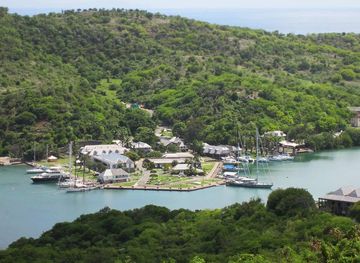
Looking beyond Saint Peter? Discover Antigua and Barbuda for broader travel guides, local hot-spots, and regional highlights.
Explore Antigua and BarbudaSaint Peter in Photos
Browse through our photo collection highlighting the charm and character of the destination.


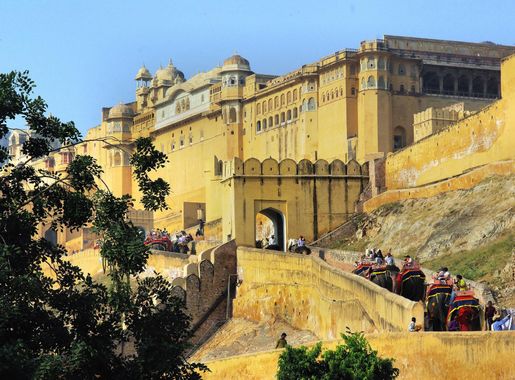


Discover the Enchanting Charm of Saint Peter in Antigua and Barbuda
Saint Peter is a picturesque parish in Antigua and Barbuda, renowned for its breathtaking landscapes and vibrant culture. Nestled on the northeastern side of Antigua, Saint Peter offers a blend of serene beaches, lush greenery, and historic sites that captivate every visitor. One of the main attractions in Saint Peter is the beautiful Long Bay Beach. With its crystal-clear waters and soft white sand, it’s the perfect spot for swimming, snorkeling, and sunbathing. The coral reefs near the shore are teeming with marine life, making it a haven for underwater enthusiasts. Beyond the beaches, the parish is home to the historic village of Parham, which boasts one of the oldest churches in the Caribbean, St. Peter's Church. Exploring this quaint village gives you a glimpse into the rich history and culture of the island. Don’t miss out on the local markets where you can find handcrafted souvenirs and taste traditional Antiguan cuisine. Nature lovers will appreciate the scenic hiking trails that wind through the verdant hills of Saint Peter. These trails offer stunning views of the coastline and opportunities to spot local wildlife. For a more leisurely experience, consider a boat tour to explore the nearby islands and hidden coves. Saint Peter is not just about natural beauty; it also offers a warm and welcoming community. The locals are friendly and eager to share their customs and stories, making your visit an enriching experience.