

Free Southern Patagonia Travel Guide & Mobile App
Explore Southern Patagonia with free travel guides. Discover regional history, expert tips, proposed trips, and audio guides on web or mobile app.


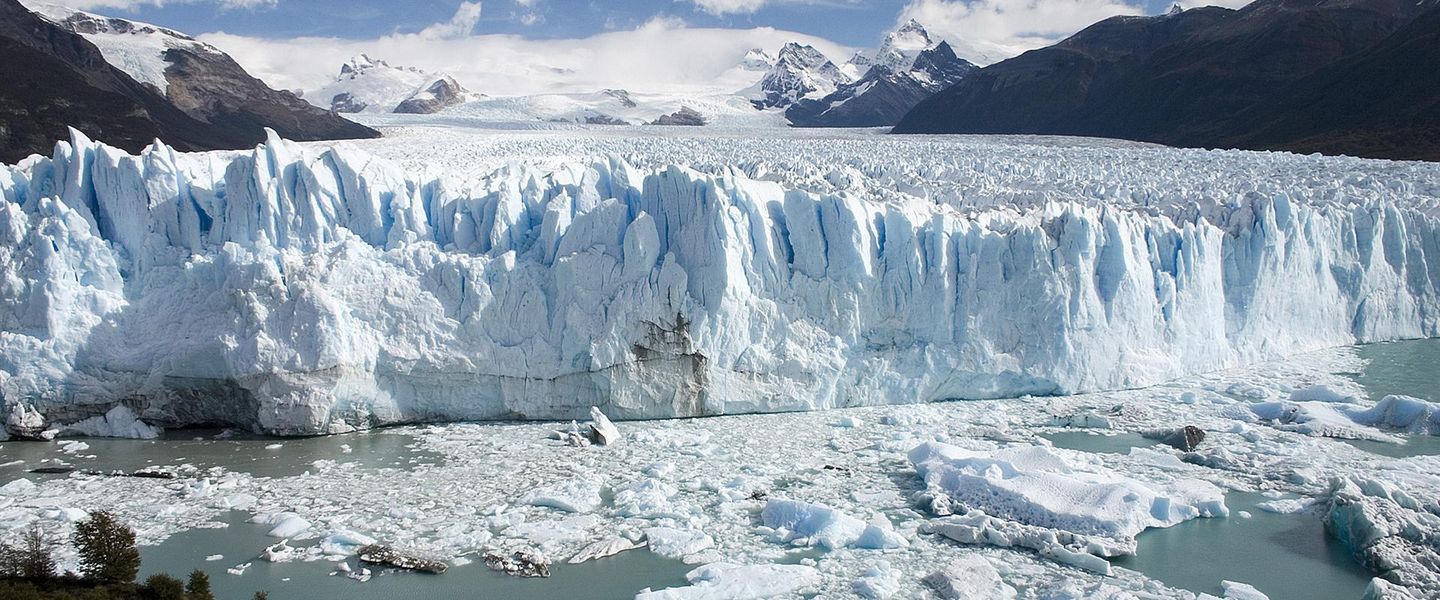


Explore Southern Patagonia for immense glaciers, Andean trails, windswept steppe, Fuegian forests and the maritime character of Ushuaia.
Read more about Southern Patagonia
When is the best time to visit Southern Patagonia?
Best: December–February · 17–18°C| Month | High (°C) | Rainfall (mm) |
|---|---|---|
| January (best) | 18 | 25 |
| February (best) | 18 | 20 |
| March | 15 | 25 |
| April | 12 | 30 |
| May | 9 | 35 |
| June | 6 | 40 |
| July | 6 | 40 |
| August | 7 | 35 |
| September | 11 | 30 |
| October | 14 | 25 |
| November | 16 | 25 |
| December (best) | 17 | 25 |
Getting to and around Southern Patagonia
How to get there
Transportation
Top city travel guides in Southern Patagonia
The cities of Southern Patagonia, and the easiest places to base yourself.
-

-

-


Swipe for more cities
Destinations in Southern Patagonia
Resorts, valleys and scenic spots worth a trip of their own.
-

-

-
-

-

-


Swipe for more destinations
Best attractions in Southern Patagonia
Southern Patagonia's attractions range from glacial landscapes to archaeological, coastal and wildlife sites. Los Glaciares National Park is the region's defining natural destination, with boat excursions and viewpoints around the Perito Moreno Glacier and mountain trails near El Chaltén. Tierra del Fuego National Park combines beech forest, peatland, lakes and the Beagle Channel, while Ushuaia provides access to maritime excursions and winter activities. Santa Cruz's eastern side offers a different experience at Monte León National Park, where steppe reaches cliffs and beaches, and at Bosques Petrificados de Jaramillo, where fossilised trees reveal an ancient environment. The Cueva de las Manos archaeological site presents some of the continent's most important prehistoric rock art. Estancias, local museums, rural roads and protected bird and marine habitats add cultural depth, although many sites require organised transport or careful planning because distances are substantial and services can be sparse.
-
National park
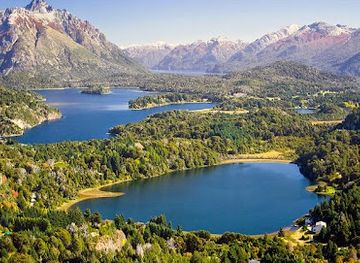
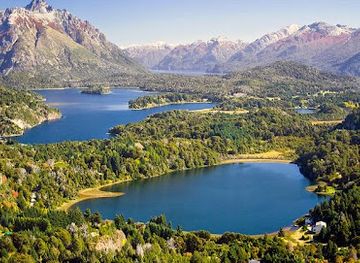
Parque Nacional Nahuel Huapi
Explore the breathtaking beauty of Parque Nacional Nahuel Huapi, Argentina's premier national park, rich in nature and adventure.
-
National park
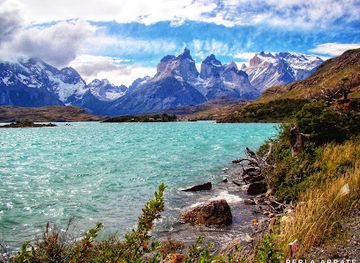
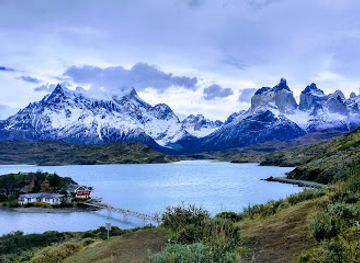
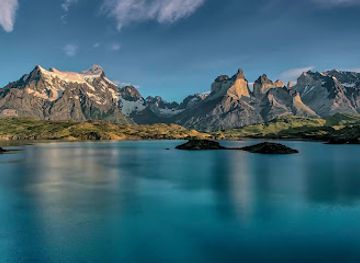
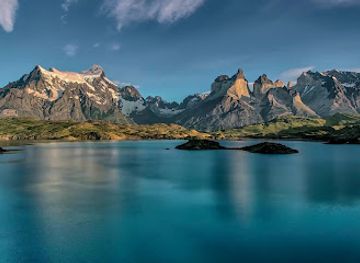
Torres del Paine National Park
Discover the majestic granite towers, glaciers, and turquoise lakes of Chile's iconic Torres del Paine National Park in Patagonia.
-
Observation deck
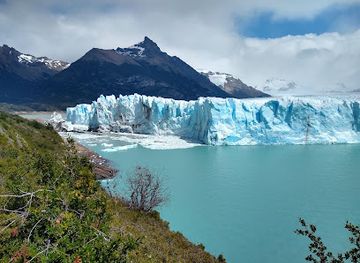
Perito Moreno Glacier Walkways
Explore the stunning Perito Moreno Glacier from a network of accessible walkways in Los Glaciares National Park, Argentina.
-
National park
Mylodon Cave Natural Monument
Explore the ancient world of Patagonia at Mylodon Cave, where prehistoric giants and early human settlements meet stunning natural beauty.
Best landmarks in Southern Patagonia
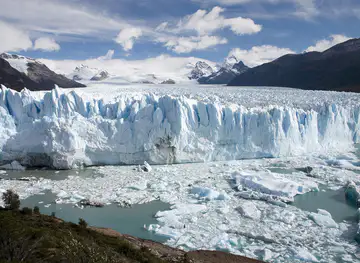
The Perito Moreno Glacier is Southern Patagonia's most recognisable natural landmark, a broad river of blue-white ice descending towards Lago Argentino within Los Glaciares National Park. Around El Chaltén, the sharply outlined massifs of Fitz Roy and Cerro Torre define the skyline and have become symbols of Patagonian mountaineering. Ushuaia's position between the Beagle Channel and the Fuegian ranges gives the city a distinctive geographic identity, while the channel itself is a major maritime landmark lined by forested and mountainous shores. Cueva de las Manos is both a physical and cultural landmark: rock shelters in the Pinturas River canyon preserve ancient hand stencils and hunting imagery. In Tierra del Fuego, the historic End of the World train corridor and the landscapes of Tierra del Fuego National Park reflect the area's penal-colony and transport history. Further east, Monte León's coastal cliffs and beaches show the dramatic meeting of Patagonian steppe and the Atlantic.
-
National park
Parque Nacional Nahuel Huapi
Discover Argentina's oldest national park: Hike scenic trails, kayak on pristine lakes, and experience the breathtaking beauty of Patagonia.
-
Tourist attraction
Hito Tres Fronteras (Argentina)
Experience the intersection of Argentina, Brazil, and Paraguay at this tri-border landmark with stunning views and cultural insights.
-
Park
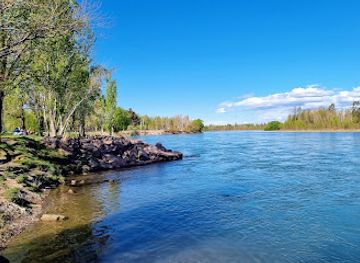
Paseo de la Costa
Discover Neuquén's scenic riverside park with walking paths, cultural events, and stunning views of the Limay River.
-
Historical landmark
Palacio Barolo
Explore Buenos Aires' Palacio Barolo: A symbolic skyscraper inspired by Dante's Divine Comedy, offering history, architecture, and panoramic city views.

Explore Southern Patagonia on the map
Plan your trip on one map. See where the top cities, national parks and sights are, and book hotels and experiences in a few clicks.
Best hotels in Southern Patagonia
Best restaurants in Southern Patagonia
Dining in Southern Patagonia is shaped by cold waters, open grasslands and a short growing season. Lamb is a regional staple, especially in Santa Cruz and Tierra del Fuego, where it is often prepared slowly or over an open fire. El Calafate and El Chaltén have restaurants and cafés oriented towards trekkers, with trout, stews, pasta, baked goods and berry-based desserts commonly appearing alongside Argentine standards. Ushuaia's maritime setting brings king crab, mussels and other seafood into prominence, while local menus may also feature black hake and smoked products. Calafate berries, named after the town, are used in preserves, sauces and sweets. In smaller settlements, simple bakeries, cafés, parrillas and estancia meals may offer a stronger sense of place than formal dining. Argentine wine is widely available, although it is produced mainly outside the region.
-
National park
Torres del Paine National Park
Explore Torres del Paine National Park: A breathtaking paradise of mountains, glaciers, and wildlife in Chilean Patagonia.
-
Argentinian
Bodegón Fueguino
Discover authentic Argentinian cuisine at Bodegón Fueguino in Ushuaia – where traditional Patagonian flavors meet warm hospitality.
-
Restaurant
Isabel Cocina al Disco
Discover authentic Patagonian cuisine at Isabel Cocina al Disco in El Calafate - where traditional flavors meet modern cooking techniques.
-
Argentinian
Taberna Del Viejo Lobo
Savor authentic Argentinian flavors at Taberna Del Viejo Lobo, a charming restaurant in Ushuaia offering delicious cuisine and exceptional coffee.
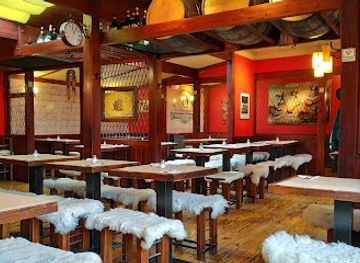
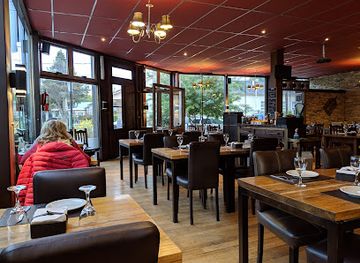
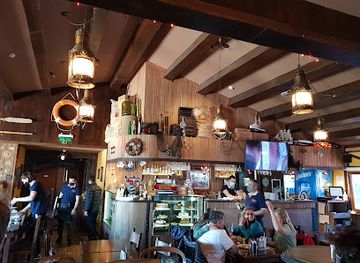
Best bars in Southern Patagonia
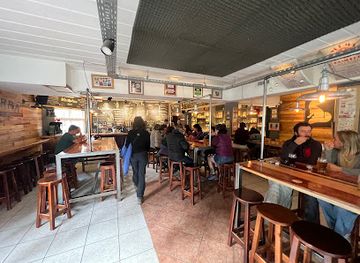
Nightlife is concentrated in El Calafate, El Chaltén and Ushuaia rather than spread evenly across the vast territory. In El Calafate, evening life centres on restaurants, wine bars, breweries and relaxed venues serving visitors after glacier excursions. El Chaltén has a compact, informal scene shaped by climbers, trekkers and seasonal workers, with pubs and cafés often more important than late-night clubs. Ushuaia offers the broadest choice, including traditional bars, breweries, restaurants, live music and venues open later during the busy summer season. Río Gallegos and Río Grande provide a more local urban evening culture, while smaller settlements generally favour cafés, social clubs and straightforward pubs. Opening patterns change with the season, and in remote areas the natural rhythm of daylight, weather and early departures often matters more than nightlife.
-
Brewpub
Cerveza Patagonia - Cerveceria Bariloche
Discover the essence of Bariloche at Cerveza Patagonia, where craft beer meets stunning mountain views in a lively brewpub atmosphere.
-
National park
Torres del Paine National Park
Explore the breathtaking beauty of Torres del Paine National Park, a UNESCO Biosphere Reserve in Chile, perfect for adventure and nature lovers.
-
Restaurant
Isabel Cocina al Disco
Experience the flavors of Argentina at Isabel Cocina al Disco, a unique restaurant in El Calafate offering traditional dishes and warm hospitality.
-
Brewpub
La Zorra Taproom
Discover the vibrant craft beer culture at La Zorra Taproom, a must-visit brewpub in El Calafate, showcasing local flavors and warm hospitality.
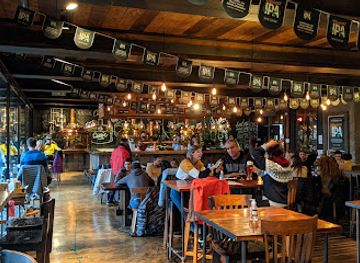

Best nightclubs in Southern Patagonia
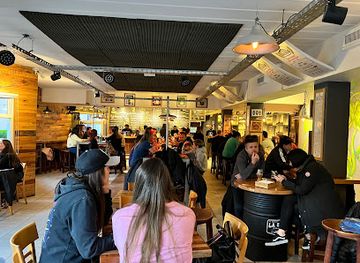
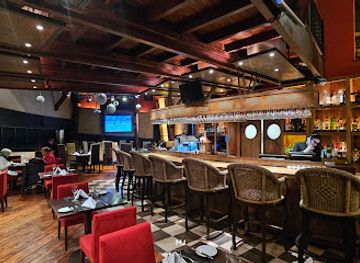
Nightlife is concentrated in El Calafate, El Chaltén and Ushuaia rather than spread evenly across the vast territory. In El Calafate, evening life centres on restaurants, wine bars, breweries and relaxed venues serving visitors after glacier excursions. El Chaltén has a compact, informal scene shaped by climbers, trekkers and seasonal workers, with pubs and cafés often more important than late-night clubs. Ushuaia offers the broadest choice, including traditional bars, breweries, restaurants, live music and venues open later during the busy summer season. Río Gallegos and Río Grande provide a more local urban evening culture, while smaller settlements generally favour cafés, social clubs and straightforward pubs. Opening patterns change with the season, and in remote areas the natural rhythm of daylight, weather and early departures often matters more than nightlife.
-
Brewpub
La Zorra Taproom
Discover the best craft beers and local dishes at La Zorra Taproom in El Calafate, a vibrant brewpub experience in Patagonia.
-
Bar
Mako Premium Bar
Discover the vibrant Mako Premium Bar in El Calafate, where Argentinian flavors and lively atmosphere create an unforgettable dining experience.
-
Bar
Yeti Ice Bar
Discover the unique icy ambiance of Yeti Ice Bar in El Calafate, where expertly crafted cocktails meet stunning ice sculptures for an unforgettable experience.
-
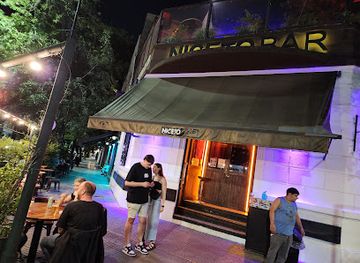
Night club
Niceto Club
Dive into the nightlife of Buenos Aires at Niceto Club, where music, culture, and unforgettable experiences await.

Best shops in Southern Patagonia
Shopping in Southern Patagonia is practical, regional and strongly influenced by outdoor travel. El Calafate and El Chaltén have shops selling trekking clothing, maps, equipment, locally made woollen goods, chocolates, preserves and calafate-flavoured products. Ushuaia offers the widest range, including outdoor gear, regional foods, wool, leather, handicrafts and maritime-themed souvenirs, alongside ordinary Argentine high-street shops. Río Gallegos and Río Grande function more as working commercial centres than specialist tourist markets, but their bakeries, supermarkets and independent retailers can be useful for provisions. Visitors may encounter craftwork associated with Fuegian and Patagonian traditions, but should ask about provenance and avoid purchasing archaeological objects, fossils or wildlife products. Small producers and estancia outlets can offer distinctive food gifts, although carrying restrictions and border rules matter if travelling through Chile or flying internationally.
-
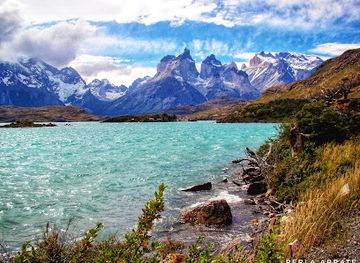
National park
Torres del Paine National Park
Explore the breathtaking landscapes of Torres del Paine National Park, a natural wonder in Chile, famous for its stunning mountains and diverse wildlife.
-
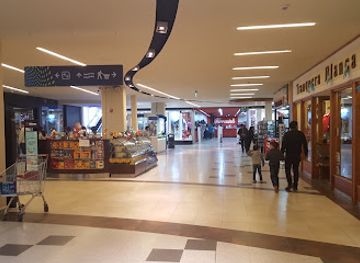
Shopping mall
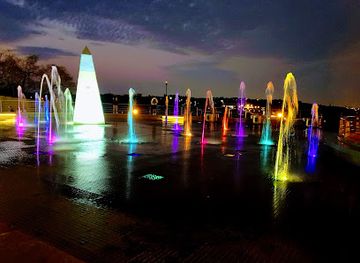
Paseo de la Patagonia Shopping Center
Explore the essence of Neuquén at Paseo de la Patagonia Shopping Center, where shopping meets dining and entertainment in a vibrant atmosphere.
-
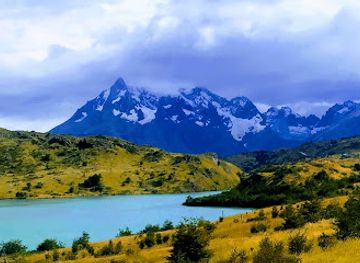
National park
Mylodon Cave Natural Monument
Explore Mylodon Cave Natural Monument, a stunning national park showcasing prehistoric history and breathtaking natural landscapes in Chile.
-
Shopping mall
Fire Walk Shopping Center
Explore the Fire Walk Shopping Center, Ushuaia's premier shopping destination featuring a variety of shops, dining options, and breathtaking views.

Get your free copy of our complete guide to Southern Patagonia, delivered straight to you.
Everything on this page, from attractions and restaurants to essentials and local phrases, in one PDF you can read offline, print or share.
Already have an account? Sign in
Your Southern Patagonia guide is ready.
We'll send it to · Not you? Sign out

Getting your guide ready…
We are putting together a fresh copy of the Southern Patagonia guide. This can take up to a minute.
This can take a few moments. If your browser asks, choose Allow so the download can start. You'll find the guide in your Downloads folder.
Nothing happened? Download it again
Sorry, the guide is taking longer than usual. Please try again in a minute, or get it by email instead.
Southern Patagonia essentials
Currency and Payment
Safety
Emergency Situations
Do's and Don'ts
Local Tips
From Eve
Local phrases worth knowing
You don't need to get them perfect. A few words go a long way, and locals appreciate the effort.
Basics
| English | Local | Say it |
|---|---|---|
| Hello | Hola | [OH-lah] |
| Goodbye | Adiós | [ah-DYOS] |
| Yes | Sí | [SEE] |
| No | No | [NO] |
| Please/You're welcome | Por favor | [por fah-VOR] |
| Thank you | Gracias | [GRAH-syahs] |
| Excuse me/Sorry | Perdón | [per-DON] |
| How are you? | ¿Cómo estás? | [KOH-moh es-TAS] |
| Fine. And you? | Bien. ¿Y tú? | [BYEN. ee TOO] |
| Do you speak English? | ¿Hablas inglés? | [AH-blas een-GLES] |
| I don't understand | No entiendo | [NO en-TIEN-do] |
Eating & Drinking
| English | Local | Say it |
|---|---|---|
| I'd like to see the menu, please | Me gustaría ver el menú, por favor | [meh goo-stah-REE-ah BEHR el meh-NOO, por fah-VOR] |
| I don't eat meat | No como carne | [NO KOH-moh KAR-neh] |
| Cheers! | ¡Salud! | [sah-LOOD] |
| I would like to pay, please | Me gustaría pagar, por favor | [meh goo-stah-REE-ah pah-GAR, por fah-VOR] |
Emergencies
| English | Local | Say it |
|---|---|---|
| Help! | ¡Ayuda! | [ah-YOO-dah] |
| Go away! | ¡Vete! | [VEH-teh] |
| Call the Police! | ¡Llama a la policía! | [YAH-ma ah la poh-lee-SEE-ah] |
| Call a doctor! | ¡Llama a un doctor! | [YAH-ma ah oon dok-TOR] |
| I'm lost | Estoy perdido | [es-TOY per-DI-do] |
| I'm ill | Estoy enfermo/enferma | [es-TOY en-FER-mo/en-FER-ma] |
Shopping
| English | Local | Say it |
|---|---|---|
| I'd like to buy... | Me gustaría comprar... | [meh goo-stah-REE-ah kom-PRAR] |
| I'm just looking | Solo estoy mirando | [SO-lo es-TOY mee-RAN-do] |
| How much is it? | ¿Cuánto cuesta? | [KWAN-to KWEH-stah] |
| That's too expensive | Eso es demasiado caro | [EH-so es deh-ma-SEE-ah-do KAH-ro] |
| Can you lower the price? | ¿Puedes bajar el precio? | [PWEH-des bah-HAR el PREH-syo] |
Time & Numbers
| English | Local | Say it |
|---|---|---|
| What time is it? | ¿Qué hora es? | [KEH OH-rah es] |
| It's one o'clock | Es la una | [es la OO-nah] |
| Half past (10) | Diez y media | [DYEZ ee MEH-dee-ah] |
| Morning | Mañana | [ma-NYAH-nah] |
| Afternoon | Tarde | [TAR-deh] |
| Evening | Noche | [NO-cheh] |
| Yesterday | Ayer | [ah-YER] |
| Today | Hoy | [OY] |
| Tomorrow | Mañana | [ma-NYAH-nah] |
| 1 | Uno | [OO-no] |
| 2 | Dos | [DOS] |
| 3 | Tres | [TRES] |
| 4 | Cuatro | [KWAT-ro] |
| 5 | Cinco | [SEEN-ko] |
| 6 | Seis | [SAYS] |
| 7 | Siete | [SYE-teh] |
| 8 | Ocho | [OH-cho] |
| 9 | Nueve | [NWEH-veh] |
| 10 | Diez | [DYEZ] |
Transport & Directions
| English | Local | Say it |
|---|---|---|
| Where's a/the...? | ¿Dónde está...? | [DON-deh es-TAH] |
| What's the address? | ¿Cuál es la dirección? | [KWAL es la dee-rek-SYON] |
| Can you show me (on the map)? | ¿Puedes mostrarme (en el mapa)? | [PWEH-des mos-TRAR-me (en el MAH-pah)] |
| When's the next (bus)? | ¿Cuándo sale el próximo (bus)? | [KWAN-do SAH-leh el PROK-see-mo (boos)] |
| A ticket (to ....) | Un boleto (a ...) | [OON bo-LEH-to (ah ...)] |
History of Southern Patagonia
Indigenous Southern Patagonia before European settlement
Southern Patagonia was shaped for millennia by Indigenous societies with detailed knowledge of its coasts, forests, rivers and steppe. The Tehuelche peoples travelled across continental Patagonia, while the Selk'nam, Haush and Yaghan inhabited different parts of Tierra del Fuego and its channels. Their histories are reflected in archaeological remains, oral traditions and rock art, most notably the hand stencils and hunting scenes at Cueva de las Manos in Santa Cruz. European descriptions often misunderstood these societies; contemporary interpretation increasingly places Indigenous knowledge and survival at the centre of the region's history.
Exploration of the southern waterways, sixteenth to nineteenth centuries
European voyages gradually charted the southern Atlantic coast, the Strait of Magellan and the waterways around Tierra del Fuego. These expeditions established geographical knowledge but also brought disease, commercial intrusion and sustained pressure on Indigenous communities. The Beagle Channel became particularly associated with nineteenth-century surveying, including the voyage of HMS Beagle. Place names from this period remain prominent, although they form only one layer of a much older human geography.
Argentine consolidation and the creation of territories
During the nineteenth century, the Argentine state expanded its effective control over Patagonia through military campaigns, administrative foundations and the establishment of settlements. This process caused profound dispossession and violence against Indigenous peoples, especially in Tierra del Fuego and on the mainland steppe. Santa Cruz and Tierra del Fuego were governed for long periods as national territories before achieving their present provincial status. Towns such as Río Gallegos, Ushuaia and Río Grande developed as administrative, military and maritime centres.
Estancias, sheep and the wool economy
From the late nineteenth century, sheep ranching transformed large areas of Santa Cruz and Tierra del Fuego. Estancias, fences, wool sheds and supply routes spread across the grasslands, linking remote properties to ports and towns. The industry generated considerable wealth for some landowners while depending on difficult labour and contributing to the marginalisation of Indigenous people. Its legacy remains visible in rural architecture, local cuisine, museum collections and the open steppe, although ranching today coexists with tourism, energy production and conservation.
The development of national parks and conservation
Argentina progressively protected important southern landscapes through national parks and other conservation measures. Los Glaciares National Park, created in 1937, safeguards a major section of the Southern Patagonian Ice Field and the glacial lakes and mountains around it. Tierra del Fuego National Park, established in 1960, protects forests, peatlands, coast and mountain environments near Ushuaia. Monte León and Bosques Petrificados de Jaramillo preserve contrasting coastal and fossil landscapes in Santa Cruz, marking a shift from extraction and settlement towards long-term environmental stewardship.
Cueva de las Manos and the recognition of ancient heritage
The rock-art shelters of Cueva de las Manos, in the Pinturas River canyon, document human activity in Santa Cruz over many thousands of years. Hand stencils, guanaco figures and hunting imagery survive on the walls in a dramatic but delicate setting. The site became internationally recognised as a cultural landmark because it links archaeological evidence with the daily lives and symbolic practices of early Patagonian communities. Its relative remoteness also underlines the practical challenge of protecting heritage across a vast territory.
Modern tourism, energy and the far-south economy
Since the late twentieth century, glacier tourism, trekking, wildlife travel and winter sports have become major parts of the regional economy. El Calafate, El Chaltén and Ushuaia expanded their visitor infrastructure while remaining connected to ranching, fishing, public administration, hydrocarbons and other industries. Tourism has created employment and improved access to remote landscapes, but it also brings pressure on trails, water, waste systems and housing. The region's contemporary identity is therefore shaped by both its protected environments and the practical demands of living at great distance from Argentina's main population centres.
Southern Patagonia in Photos
Browse through our photo collection highlighting the charm and character of the destination.
Neighbouring regions of Southern Patagonia
The closest regions to Southern Patagonia, if you have time for more than one.
-

-
-

-

-


Swipe for more regions
Explore more

Explore more of Argentina
Discover Argentina: From the lively streets of Buenos Aires to the breathtaking landscapes of Patagonia, experience the vibrant culture and diverse natural wonders of this South American gem.
Explore Argentina