
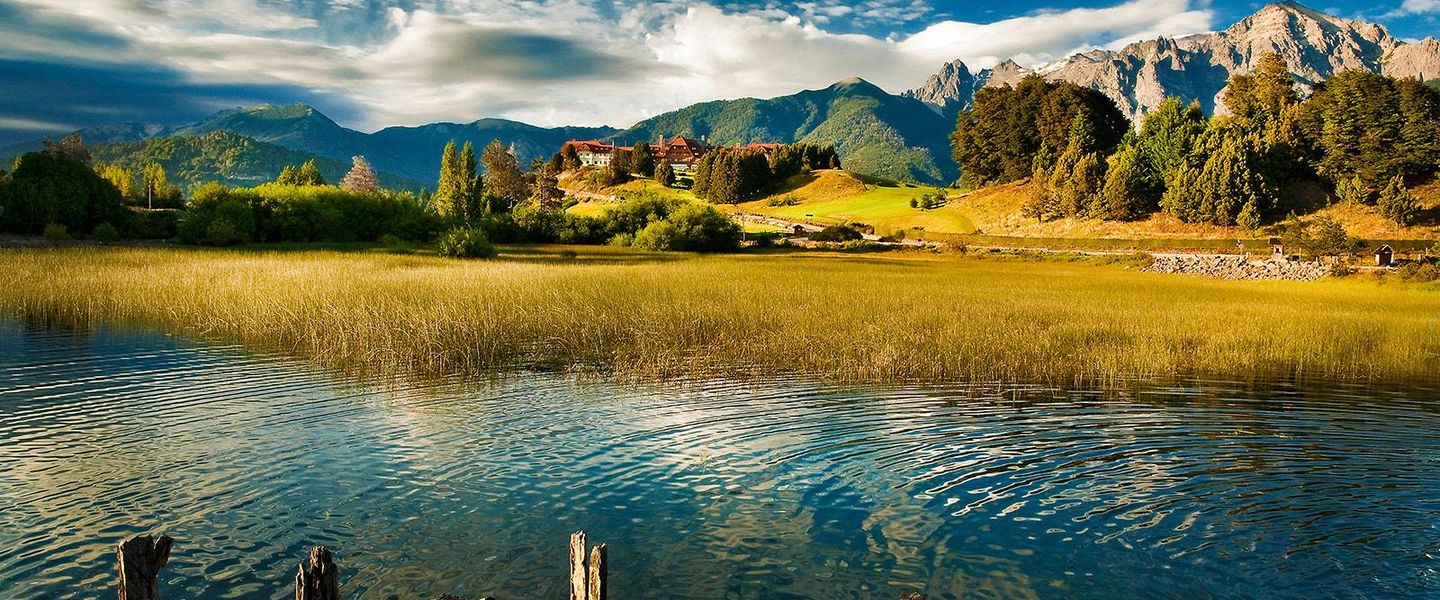
Northern Patagonia, Argentina Travel Guide
Discover the untouched beauty of Northern Patagonia in Argentina—an adventurer's paradise with stunning lakes, lush forests, and charming alpine towns.
Northern Patagonia in Argentina is a place of raw beauty and adventure. Here, you will find a landscape that seems almost untouched by time. The region is known for its stunning lakes, lush forests, and majestic mountains. These natural features create a breathtaking backdrop for outdoor activities like hiking, fishing, and skiing. The towns of Bariloche and San Martín de los Andes offer charming bases from which to explore the area. Bariloche, with its alpine architecture and chocolate shops, feels like a European village. Meanwhile, San Martín de los Andes is a quieter town, perfect for those looking to escape the hustle and bustle. The Lake District, with its crystal-clear waters and scenic drives, is a must-see. You can take a boat tour on Lake Nahuel Huapi or drive along the Seven Lakes Route. For those who love wildlife, the region is home to many species of birds, deer, and even pumas. Whether you are an adventurer or someone seeking peace and beauty, Northern Patagonia in Argentina has something for everyone.

Know before you go
Hi, I'm Eve. Here are a few practical things to know before exploring Northern Patagonia.
- Visit during the spring or fall to avoid the summer crowds and enjoy milder weather.
- Rent a car to explore the remote areas and scenic drives at your own pace.
- Try the local chocolates and craft beers in Bariloche for a taste of the region.
- Pack layers of clothing as the weather can change quickly in the mountains.
- Book accommodation in advance, especially during peak seasons, to secure the best spots.
Top City Travel Guides in Northern Patagonia
The cities of Northern Patagonia, and the easiest places to base yourself.


Destinations in Northern Patagonia
Resorts, valleys and scenic spots worth a trip of their own.


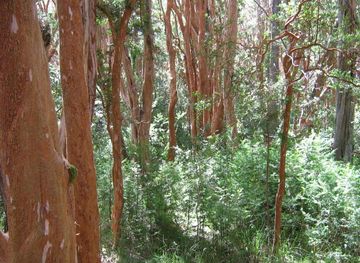

Explore Northern Patagonia: Things to Do, Places to Eat, Hotels & More
Handpicked recommendations for top attractions, local dining, accommodations, and more

Top Attractions & Sightseeing in Northern Patagonia
Top-rated picks
Best Attractions

Mylodon Cave Natural Monument
Discover the ancient wonders of Mylodon Cave Natural Monument, where nature and history intertwine in Chile's breathtaking Patagonia region.

Iberá National Park
Explore the unparalleled beauty and biodiversity of Iberá National Park, a nature lover's paradise in Argentina's Corrientes Province.

Salto Grande Lookout
Discover breathtaking views of waterfalls and granite peaks at Salto Grande Lookout in Torres de Paine National Park, Chile.

Centro Turístico Anticura Parque Nacional Puyehue
Experience the natural beauty of Parque Nacional Puyehue at Centro Turístico Anticura, where adventure meets tranquility.

Best landmarks in Northern Patagonia
Top-rated picks
Best Landmarks
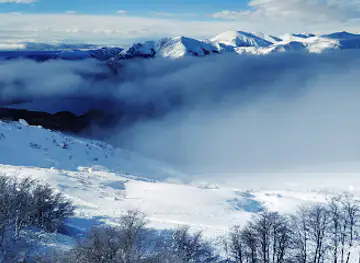
Catedral Alta Patagonia
Discover Catedral Alta Patagonia, where adventure meets breathtaking alpine beauty in the heart of San Carlos de Bariloche's enchanting landscapes.

Buenos Aires Marriott
Discover unparalleled luxury and world-class service at the Buenos Aires Marriott, your perfect base for exploring Argentina's vibrant capital.

El Zanjón de Granados
Explore El Zanjón de Granados, the captivating underground museum in Buenos Aires revealing the city's rich historical tapestry through archaeology and architecture.

Laguna de los Tres
Discover the breathtaking beauty of Laguna de los Tres in El Chaltén, a must-visit hiking destination in Patagonia's stunning landscape.

Best restaurants in Northern Patagonia
Top-rated picks
Best Restaurants

Cantina el Náutico
Experience authentic Argentinian cuisine at Cantina el Náutico in Puerto Madryn - where every meal is a celebration of flavor.

Bodegón Fueguino
Experience authentic Argentinian cuisine at Bodegón Fueguino in Ushuaia—where every dish tells a story of Tierra del Fuego's rich culinary heritage.

Isabel Cocina al Disco
Discover authentic Argentine flavors at Isabel Cocina al Disco in El Calafate - where culinary tradition meets stunning Patagonian scenery.

La Tablita
Discover the authentic taste of Patagonia at La Tablita in El Calafate - where exquisite mutton barbecue meets Argentinian hospitality.

Best bars in Northern Patagonia
Top-rated picks
Best Bars

Cerveza Patagonia - Cerveceria Bariloche
Discover the essence of Patagonia at Cerveza Patagonia, where craft beer meets stunning views in Bariloche's premier brewpub.
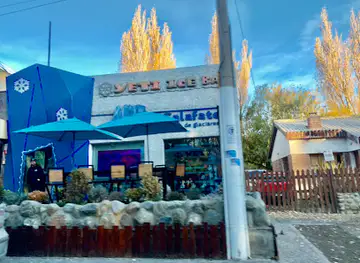
Yeti Ice Bar
Discover the unique ice-themed ambiance at Yeti Ice Bar in El Calafate, offering creative cocktails and a lively atmosphere for all visitors.

Hosteria Kaiken
Experience the serene beauty of Hosteria Kaiken, a tranquil hotel by Lago Fagnano offering cozy accommodations, local cuisine, and stunning Patagonian landscapes.

Cervecería y Restaurante Gilbert
Experience the best of Patagonian cuisine and craft beer at Cervecería y Restaurante Gilbert, a cozy brewpub in scenic San Carlos de Bariloche.

Best nightclubs in Northern Patagonia
Top-rated picks
Best Nightclubs

Niceto Club
Discover the electrifying atmosphere of Niceto Club, a premier nightlife destination in Buenos Aires, known for its eclectic music and vibrant crowd.

Club Bahrein
Discover the electrifying nightlife of Buenos Aires at Club Bahrein, a premier dance club featuring vibrant music, diverse crowds, and unforgettable experiences.

Glam Disco
Discover Glam Disco, a vibrant nightlife hotspot in Buenos Aires, perfect for dancing, socializing, and experiencing the city's electrifying atmosphere.

Terrazas del Este
Discover the vibrant nightlife of Buenos Aires at Terrazas del Este, a premier disco club with stunning river views and an electrifying atmosphere.

Best shops in Northern Patagonia
Top-rated picks
Best Shops

Paseo de la Patagonia Shopping Center
Experience the best of shopping and dining at Paseo de la Patagonia Shopping Center in Neuquén, Argentina, with a wide variety of local and international brands.

Shopping Patagonia
Explore Shopping Patagonia in Bariloche - your go-to destination for shopping, dining, and entertainment in the heart of Patagonia.

Fire Walk Shopping Center
Discover a vibrant shopping experience at Fire Walk Shopping Center in Ushuaia, offering unique stores, local cuisine, and stunning views.

Patagonia Showroom
Explore the great outdoors with top-notch rentals at Patagonia Showroom in San Carlos de Bariloche, your adventure starts here.

Explore Northern Patagonia on the Map
A handpicked selection of must-see spots in Northern Patagonia, mapped for you.
Northern Patagonia Essentials
-
Northern Patagonia in Argentina is accessible via several modes of transportation. The most common entry point is through the San Carlos de Bariloche Airport (BRC), which receives both domestic and international flights. Alternatively, you can fly into the Neuquén Airport (NQN) and then take a bus or rental car to your destination. Long-distance buses are another popular option for domestic travelers, offering routes from major cities like Buenos Aires and Mendoza.
-
Once in Northern Patagonia, you have several transportation options. Car rentals are widely available and offer the flexibility to explore remote areas at your own pace. Bus services connect most towns and cities, providing an affordable way to travel between destinations. In Bariloche, local buses and taxis are convenient for short trips. If you're planning to visit the national parks or more secluded areas, consider hiring a 4x4 vehicle.
-
The official currency in Argentina is the Argentine Peso (ARS). Credit cards are accepted in most hotels, restaurants, and shops in larger towns like Bariloche. However, in smaller towns and rural areas, it's advisable to carry cash. ATMs are available in major towns, but it's a good idea to withdraw sufficient cash before heading to more remote areas. Currency exchange services are available at airports and in larger towns.
-
Northern Patagonia is generally safe for tourists, but it's important to take standard precautions. Bariloche has some neighborhoods where petty crime, such as pickpocketing, can occur, particularly in crowded tourist areas. Avoid walking alone at night in unfamiliar places and keep your belongings secure. When exploring remote areas, inform someone of your plans and carry a map and adequate supplies.
-
In case of an emergency, dial 911 for immediate assistance. Major towns like Bariloche have hospitals and clinics for medical emergencies. It's recommended to have travel insurance that covers medical expenses. Pharmacies are available in towns for minor health issues. In remote areas, it's crucial to carry a first aid kit and be aware of the nearest medical facility.
-
Fashion: Do dress in layers, as weather can change rapidly. Avoid overly flashy clothing. Religion: Do respect local customs and traditions, especially in indigenous communities. Public Transport: Do be patient, as services can be less frequent in remote areas. Don't eat or drink on buses. Greetings: Do greet people with a smile and a handshake. Eating & Drinking: Do try local specialties like asado and Patagonian lamb. Don't refuse food or drink offers, as it can be seen as impolite.
-
To experience Northern Patagonia like a local, consider visiting during the off-peak seasons of spring and fall for fewer crowds. Engage with locals by attending festivals and events. Try artisanal chocolates and craft beers in Bariloche. Hike the lesser-known trails in Nahuel Huapi National Park for a more secluded experience. If you’re into fishing, the Limay River is a popular spot among locals for fly-fishing.
When is the best time to visit Northern Patagonia?
Useful Local Phrases for Northern Patagonia
You don't need to speak the language perfectly. Even learning a few simple words can make conversations warmer—and locals usually appreciate the effort.
— Eve

Here are the phrases I use most often in Northern Patagonia. Try a few—you'll be surprised how far they go! 😊
❤️
-
- HelloHola
[OH-lah] - GoodbyeAdiós
[ah-DYOS] - YesSí
[SEE] - NoNo
[NO] - Please/You're welcomePor favor
[por fah-VOR] - Thank youGracias
[GRAH-syahs] - Excuse me/SorryPerdón
[per-DON] - How are you?¿Cómo estás?
[KOH-moh es-TAS] - Fine. And you?Bien. ¿Y tú?
[BYEN. ee TOO] - Do you speak English?¿Hablas inglés?
[AH-blas een-GLES] - I don't understandNo entiendo
[NO en-TYEN-doh]
- HelloHola
-
- I'd like to see the menu, pleaseMe gustaría ver el menú, por favor
[meh goos-TAH-ree-ah BEHR el meh-NOO, por fah-VOR] - I don't eat meatNo como carne
[NO KOH-mo KAR-neh] - Cheers!¡Salud!
[sah-LOOD] - I would like to pay, pleaseMe gustaría pagar, por favor
[meh goos-TAH-ree-ah pah-GAR, por fah-VOR]
- I'd like to see the menu, pleaseMe gustaría ver el menú, por favor
-
- Help!¡Ayuda!
[ah-YOO-dah] - Go away!¡Vete!
[BEH-teh] - Call the Police!¡Llama a la policía!
[YAH-mah ah lah poh-lee-SYAH] - Call a doctor!¡Llama a un doctor!
[YAH-mah ah oon dok-TOR] - I'm lostEstoy perdido
[es-TOY per-DIDO] - I'm illEstoy enfermo/a
[es-TOY en-FER-mo/a]
- Help!¡Ayuda!
-
- I'd like to buy...Quisiera comprar...
[kee-SYEH-rah kom-PRAR] - I'm just lookingSolo estoy mirando
[SOH-lo es-TOY mee-RAN-do] - How much is it?¿Cuánto cuesta?
[KWAN-to KWEH-stah] - That's too expensiveEs demasiado caro
[es deh-mah-SYAH-doh KAH-roh] - Can you lower the price?¿Puedes bajar el precio?
[PWEH-des bah-HAR el PREH-syoh]
- I'd like to buy...Quisiera comprar...
-
- What time is it?¿Qué hora es?
[KEH OH-rah es] - It's one o'clockEs la una
[es lah OO-nah] - Half past (10)Y diez y media
[ee DYAS ee MEH-dee-ah] - MorningMañana
[mah-NYAH-nah] - AfternoonTarde
[TAR-deh] - EveningNoche
[NOH-cheh] - YesterdayAyer
[ah-YER] - TodayHoy
[OY] - TomorrowMañana
[mah-NYAH-nah] - 1Uno
[OO-no] - 2Dos
[DOS] - 3Tres
[TRES] - 4Cuatro
[KWA-tro] - 5Cinco
[SEEN-ko] - 6Seis
[SAYS] - 7Siete
[SYEH-teh] - 8Ocho
[OH-cho] - 9Nueve
[NWEH-veh] - 10Diez
[DYAS]
- What time is it?¿Qué hora es?
-
- Where's a/the...?¿Dónde está...?
[DON-deh es-TAH] - What's the address?¿Cuál es la dirección?
[KWAL es lah dee-rek-SYON] - Can you show me (on the map)?¿Puedes mostrarme (en el mapa)?
[PWEH-des mos-TRAR-me (en el MAH-pah)] - When's the next (bus)?¿Cuándo sale el próximo (bus)?
[KWAN-doh SAH-leh el PROK-simo (boos)] - A ticket (to ....)Un boleto (a ...)
[OON boh-LEH-to (ah ...)]
- Where's a/the...?¿Dónde está...?
History of Northern Patagonia
-
Before the arrival of European settlers, Northern Patagonia was inhabited by indigenous communities, primarily the Mapuche people. These groups lived in harmony with the land, practicing a nomadic lifestyle and engaging in hunting, gathering, and later, agriculture. The Mapuche are known for their rich cultural traditions, including intricate silverwork, weaving, and oral storytelling. Their resistance to Spanish conquest and later to Argentine colonization is a significant part of the region's history.
-
In 1834, Charles Darwin embarked on a journey through Northern Patagonia as part of his expedition on the HMS Beagle. His travels in the region provided crucial observations that contributed to his groundbreaking work on natural selection. Darwin documented the unique flora and fauna of Northern Patagonia, as well as the geology of the region. His encounters with the indigenous peoples and the rugged landscapes of Patagonia left a lasting impression on him and added to the scientific understanding of the area.
-
In the late 19th century, the Argentine government launched a military campaign known as the Conquest of the Desert. Led by General Julio Argentino Roca, the campaign aimed to subdue and displace the indigenous populations of Northern Patagonia to facilitate European settlement and agricultural development. This period was marked by violent clashes, forced relocations, and significant loss of life among the indigenous communities. The Conquest of the Desert remains a controversial chapter in Argentine history, reflecting the complex dynamics of colonization.
-
In 1865, a group of Welsh settlers arrived in Northern Patagonia, establishing the colony of Y Wladfa. They sought to create a new home where they could preserve their language and culture. The settlers faced numerous challenges, including harsh weather conditions and conflicts with the indigenous people. Despite these difficulties, they managed to establish thriving agricultural communities. The Welsh influence is still evident in the region today, particularly in the town of Trelew, where Welsh traditions, language, and festivals are celebrated.
-
San Carlos de Bariloche, commonly known as Bariloche, was founded in the early 20th century and rapidly developed into a key tourist destination in Northern Patagonia. The town's picturesque setting on the shores of Lake Nahuel Huapi, surrounded by the Andes mountains, made it a popular retreat for both Argentine and international visitors. Bariloche's growth was also spurred by the arrival of European immigrants, particularly from Germany and Switzerland, who contributed to its architectural style and cultural landscape. The town is renowned for its chocolate industry, outdoor activities, and as a gateway to the stunning Nahuel Huapi National Park.
-
Northern Patagonia is home to some of Argentina's most spectacular national parks, established to protect the region's diverse ecosystems and natural beauty. Nahuel Huapi National Park, the country's first national park, was created in 1934 and encompasses a vast area of forests, lakes, and mountains. Other significant parks include Lanín National Park, known for its towering Lanín Volcano, and Los Arrayanes National Park, famous for its unique arrayán trees. These parks play a crucial role in conservation efforts and are major attractions for eco-tourism, drawing visitors from around the world to experience the pristine wilderness of Northern Patagonia.
Neighbouring Regions of Northern Patagonia
The closest regions to Northern Patagonia, if you have time for more than one.



Your all‑in‑one travel companion app
Explore expert travel guides, compare and book tours, experiences, hotels, and more—all from the palm of your hand. Download now for seamless trip planning wherever your wanderlust takes you.


Explore More of Argentina

Looking beyond Northern Patagonia? Discover Argentina for broader travel guides, local hot-spots, and regional highlights.
Explore ArgentinaNorthern Patagonia in Photos
Browse through our photo collection highlighting the charm and character of the destination.
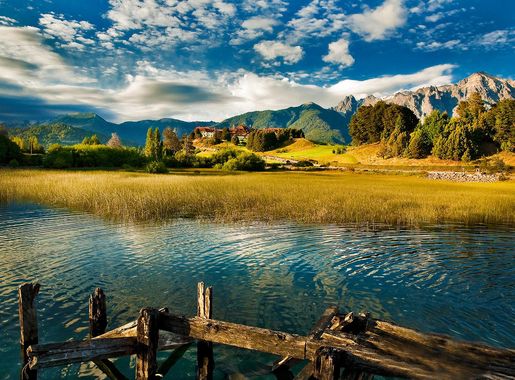


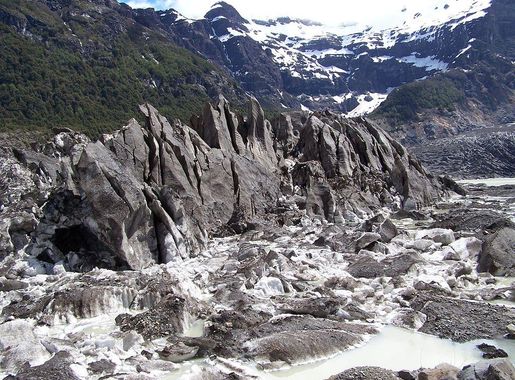


The Enchanted Wilderness of Northern Patagonia
Northern Patagonia in Argentina is a place of raw beauty and adventure. Here, you will find a landscape that seems almost untouched by time. The region is known for its stunning lakes, lush forests, and majestic mountains. These natural features create a breathtaking backdrop for outdoor activities like hiking, fishing, and skiing. The towns of Bariloche and San Martín de los Andes offer charming bases from which to explore the area. Bariloche, with its alpine architecture and chocolate shops, feels like a European village. Meanwhile, San Martín de los Andes is a quieter town, perfect for those looking to escape the hustle and bustle. The Lake District, with its crystal-clear waters and scenic drives, is a must-see. You can take a boat tour on Lake Nahuel Huapi or drive along the Seven Lakes Route. For those who love wildlife, the region is home to many species of birds, deer, and even pumas. Whether you are an adventurer or someone seeking peace and beauty, Northern Patagonia in Argentina has something for everyone.