Cochise Head: A Natural Profile in Stone
Hike to Cochise Head in Arizona's Chiricahua Mountains for panoramic views and a glimpse into Apache history.
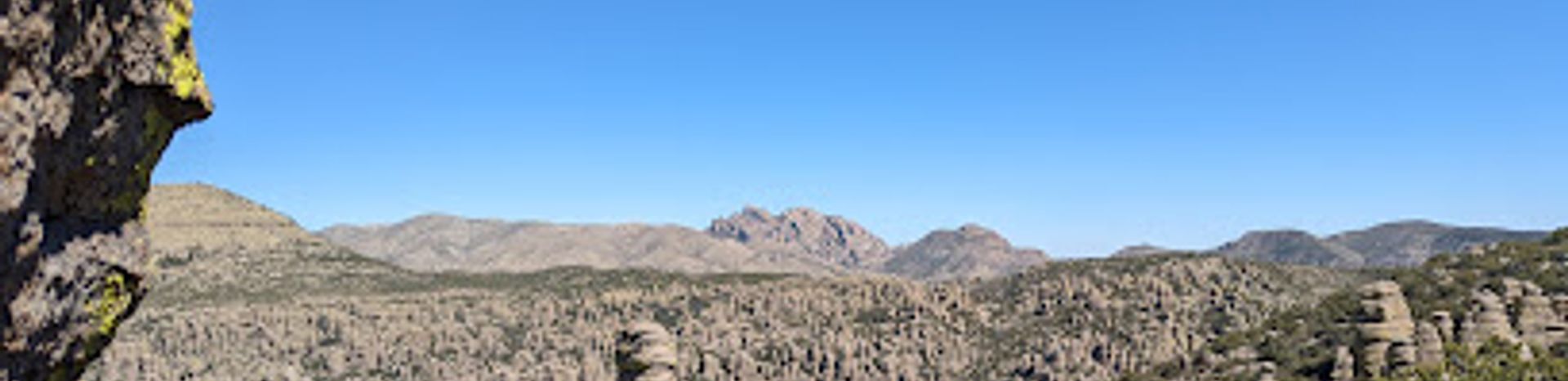
Cochise Head, a prominent peak in the Chiricahua Mountains of Arizona, is named for the famous Apache chief Cochise, whose profile it resembles when viewed from the south. This challenging but rewarding hike offers stunning views and a glimpse into the rugged beauty of the American Southwest.
A brief summary to Cochise Head
- Cochise Head, Arizona, 85632, US
Local tips
- Bring plenty of water, as the hike to Cochise Head is strenuous and exposed.
- Wear sturdy hiking boots and long pants to protect against brush and loose rocks.
- Download a GPS track or carry a map and compass, as the trail can be difficult to follow.
- Check the weather forecast before you go, and avoid hiking during thunderstorms or extreme heat.
- Be aware of wildlife, including mountain lions and snakes.

Getting There
-
Driving
From Willcox, Arizona, drive southeast on AZ-186 East for 31 miles to the signed turnoff for Chiricahua National Monument, AZ-181 East. Measure distance from the entrance station. Bonita Canyon Drive rises through rhyolite pinnacles. Pass the visitor center and campground. Park on the left in a paved pullout with an Ancient Stream Beds placard at 5.4 miles. This is 0.25 mile up the road from the actual trailhead, the dirt track to King of Lead Mine. There are no fees or passes required to enter the park.
-
Hiking
From the parking area, walk west down Bonita Canyon Drive for not quite a quarter mile. Turn right and walk a few passes down to a locked gate, easily skirted. Arrive at the King of Lead Mine at 1.4 miles, 6,920 feet. Continue on the track east to the southern end of the Horse Trail. Head north to Wood Canyon Saddle where the Horse Trail ends. (The ridge route is an alternative to the sidehill segment of the Horse Trail.) Climb northeast off-trail to the west ridge. Flank pillars and walls on the north. Upon reaching the saddle east of the crest, ascend west to the summit.
Discover more about Cochise Head
Iconic landmarks you can’t miss

Chiricahua Mountains
16.4 km
Explore a sky island of rock formations, hiking trails, and diverse wildlife in southeastern Arizona's Chiricahua Mountains. A natural wonderland!
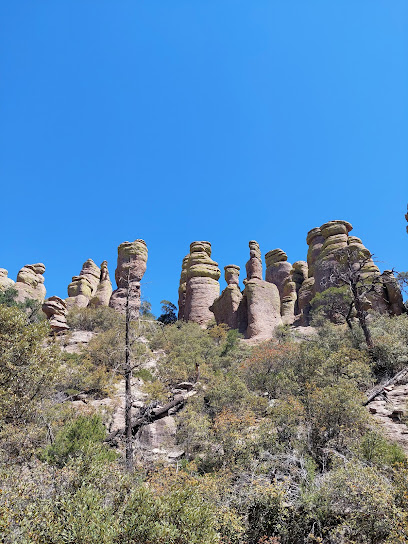
Indian Bread Rocks Recreation Area
27.4 km
Explore the rugged beauty of Arizona's Dos Cabezas Mountains at Indian Bread Rocks Recreation Area.
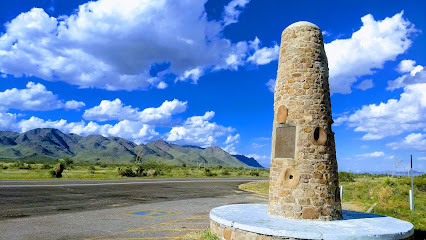
Geronimo Surrender Monument
43.5 km
Explore the Geronimo Surrender Monument in San Simon, Arizona, a historic landmark honoring the Apache leader's surrender and cultural significance.
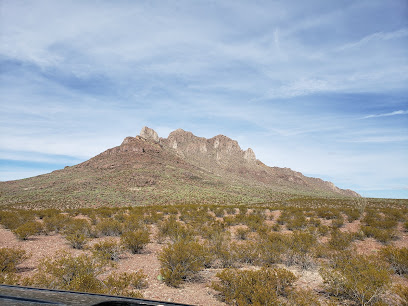
Hot Well Dunes Recreation Area
53.0 km
Explore Arizona's Hot Well Dunes: Ride the sands, soak in hot springs, and camp under the stars in this unique desert recreation area.
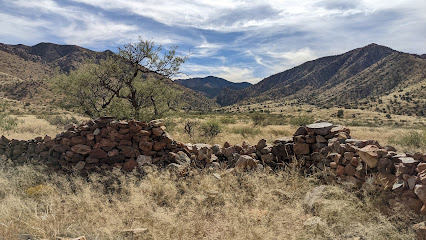
Dragoon Springs stagecoach stop
68.5 km
Discover the rich history of the Old West at the Dragoon Springs Stagecoach Stop, a significant landmark in Arizona's captivating landscape.
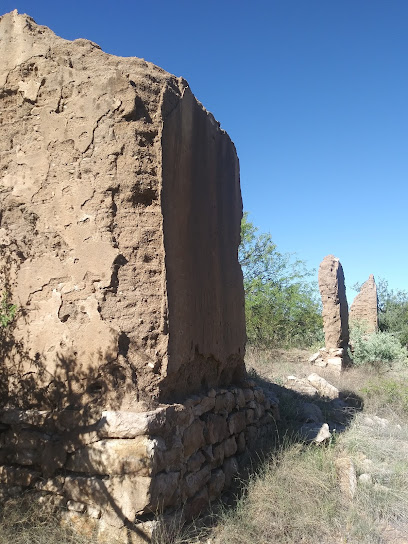
White House Ruins
71.5 km
Explore the historic White House Ruins in Dragoon, Arizona, and step back in time to experience the rugged beauty of the Old West.
E Allen St
81.9 km
Step back into the Wild West on Tombstone's historic Allen Street, where legends and history come alive.
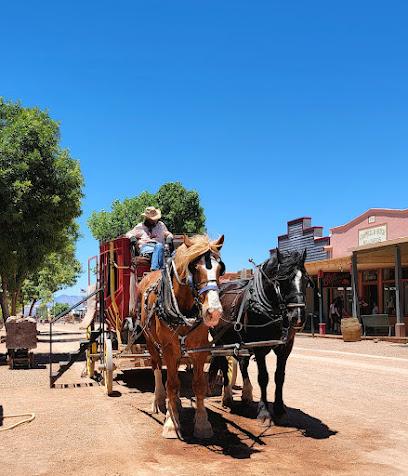
Wyatt Earp’s Oriental Saloon & Theater
82.0 km
Experience the Wild West at Wyatt Earp's Oriental Saloon & Theater in Tombstone: Gunfights, live music, and a taste of history await!
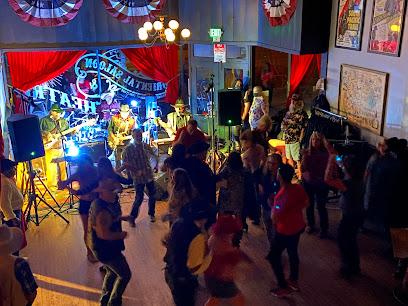
Boothill Graveyard
82.0 km
Discover the history of the Wild West at Boothill Graveyard in Tombstone, Arizona, where legendary figures rest in peace.
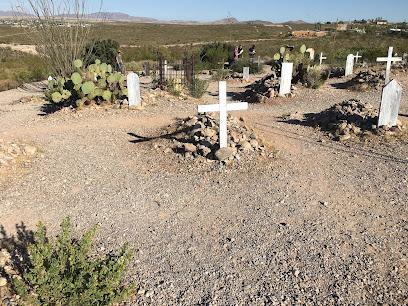
Dankworth Pond State Park
82.9 km
Discover a tranquil desert oasis at Dankworth Pond State Park: fishing, hiking, birdwatching, and Native American history await near Safford, Arizona.
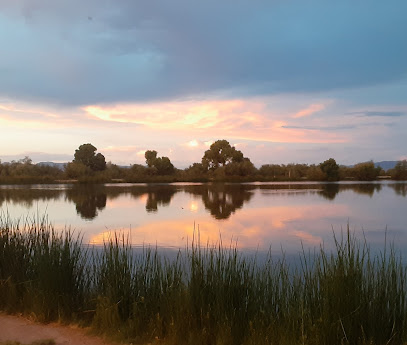
Ed Schieffelin Monument
84.2 km
Visit the final resting place of Tombstone's founder and discover the rich mining history of the Old West in the scenic Arizona desert.
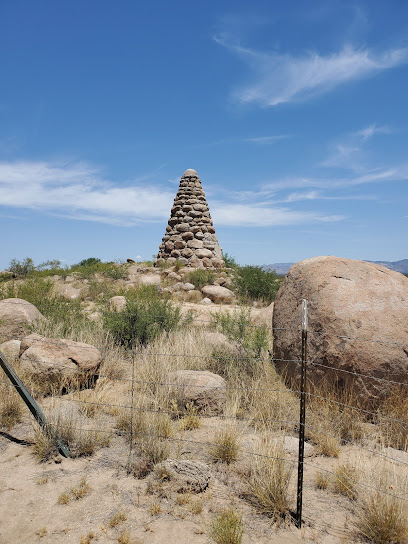
The Bisbee B
89.5 km
A symbol of Bisbee's enduring spirit, the iconic 'B' on Chihuahua Hill represents community pride and a rich mining history.
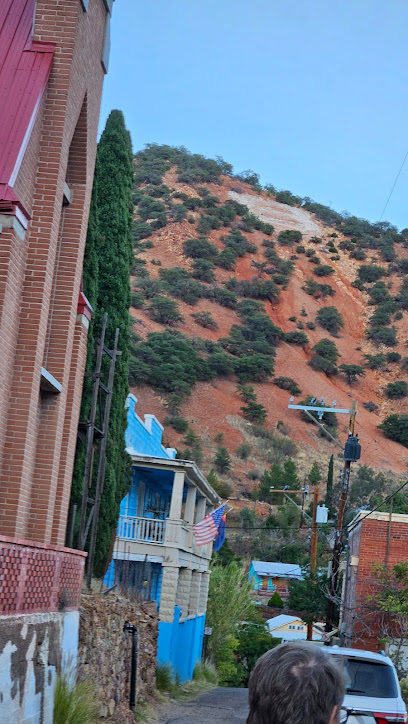
Rose's Place, Guest House
89.5 km
Experience Bisbee's charm at Rose's Place: A historic guest house in Brewery Gulch, offering comfort and easy access to local attractions.
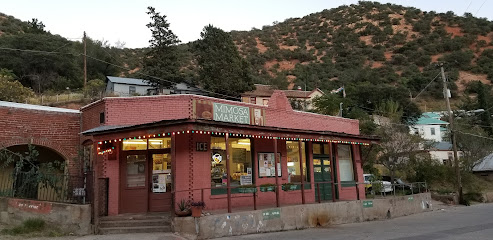
The Shady Dell
89.6 km
Experience retro charm at The Shady Dell in Bisbee, AZ: beautifully restored vintage trailers offering a unique and nostalgic getaway.
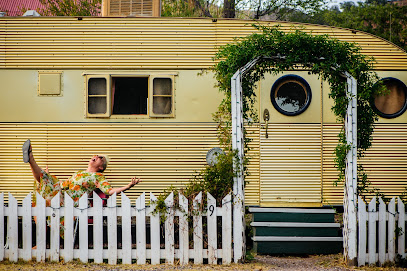
Abandoned Pool Snooker Joker Pool Libations
89.7 km
Step back in time at Bisbee's Abandoned Pool Snooker Joker Pool Libations, a relic of the town's vibrant past on Erie Street.
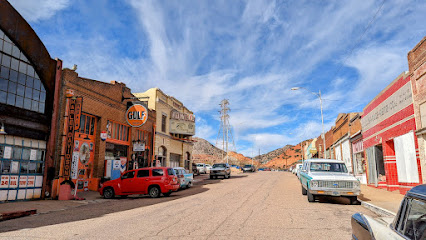
Unmissable attractions to see

Echo Canyon Trailhead
5.5 km
Explore the scenic trails of Echo Canyon Trailhead in Arizona, a hiker's paradise with stunning views and diverse landscapes perfect for outdoor adventures.
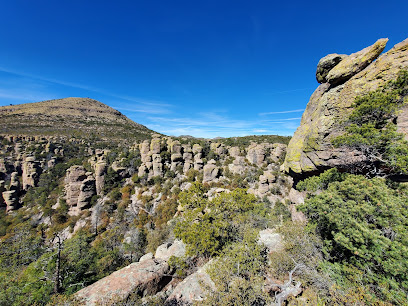
Sugarloaf Mountain Trail
5.5 km
Discover the stunning landscapes and invigorating adventures that await you on the Sugarloaf Mountain Trail in Willcox, Arizona.
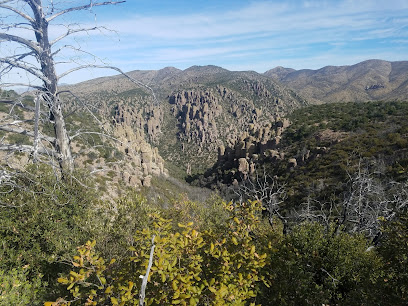
Massai Point
5.8 km
Experience breathtaking panoramic views and explore the unique rock formations at Massai Point in Chiricahua National Monument.
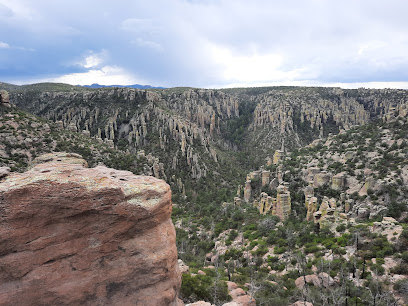
Echo Canyon Trail
5.8 km
Hike through a geological wonderland of towering rock formations and hidden grottoes in Arizona's Chiricahua National Monument.
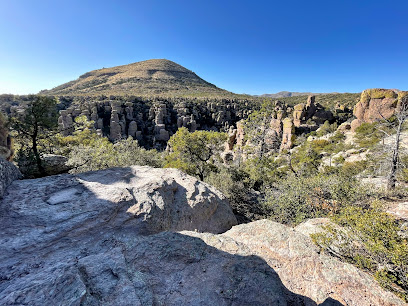
Ed Riggs Trail
6.1 km
Discover the breathtaking landscapes and serene hiking experience at Ed Riggs Trail in Willcox, Arizona, a hidden gem for outdoor enthusiasts.
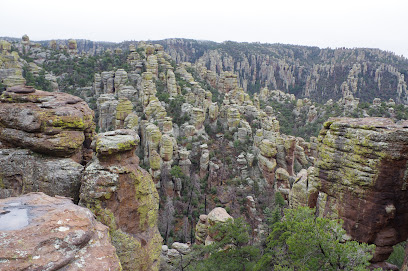
Chiricahua National Monument
6.6 km
Discover the majestic landscapes and rich history of Chiricahua National Monument, a hiking paradise in Arizona's stunning wilderness.
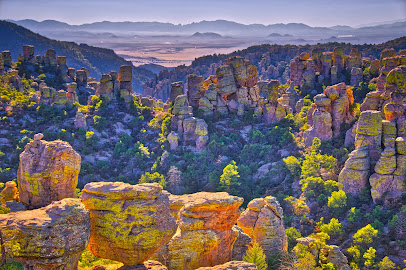
Inspiration Point
6.6 km
Experience the stunning beauty of Arizona's wilderness at Inspiration Point, a premier hiking destination with breathtaking views.
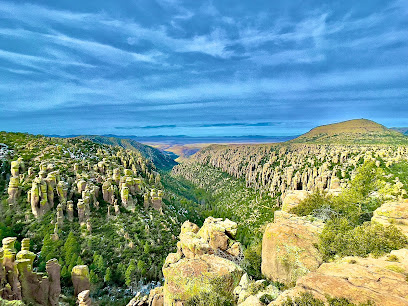
Duck on a Rock
7.2 km
Explore Duck on a Rock, a unique tourist attraction in Arizona with stunning scenery and a tranquil atmosphere perfect for outdoor enthusiasts.

Sarah Deming Trailhead
7.2 km
Discover the breathtaking beauty of Sarah Deming Trailhead in Willcox, Arizona, an ideal hiking area for nature enthusiasts and adventure seekers.
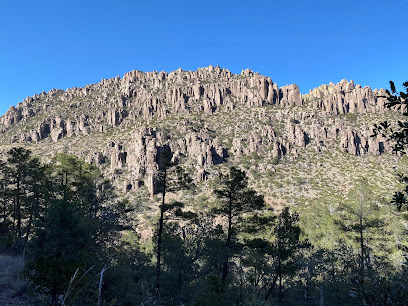
Heart of Rocks Loop
7.4 km
Discover the breathtaking beauty of Heart of Rocks Loop in Willcox, Arizona, a hiking paradise with stunning rock formations and vibrant desert scenery.
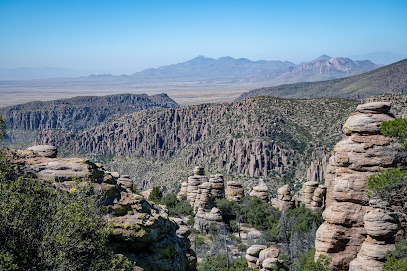
Bonita Canyon Campground
7.5 km
Explore the beauty of Bonita Canyon Campground in Willcox, AZ, a perfect getaway for nature lovers and adventure seekers with stunning scenery and outdoor activities.
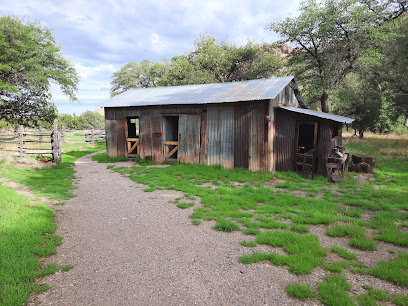
Balanced Rock Trail
7.5 km
Hike through a wonderland of rocks on the Balanced Rock Trail near Willcox, Arizona, and witness nature's artistry etched in stone.
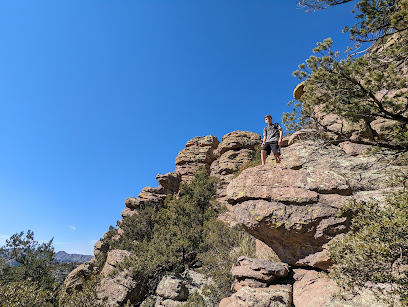
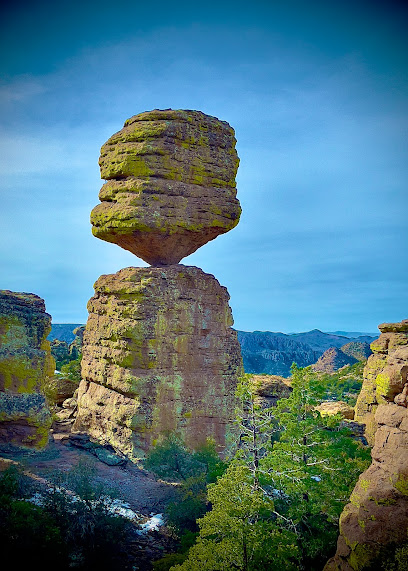
Big Balanced Rock
7.5 km
Discover the enchanting Big Balanced Rock in Fort Grant, Arizona, a stunning geological marvel surrounded by serene desert landscapes.
Chiricahua National Monument Visitor Center
8.0 km
Explore the breathtaking landscapes and unique geological formations at the Chiricahua National Monument Visitor Center in Arizona.
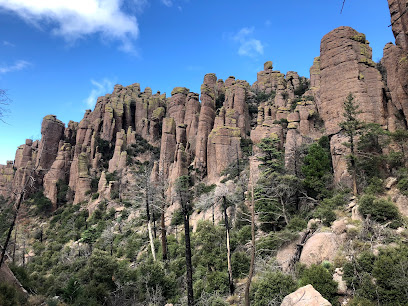
Bonita Creek Trail
9.1 km
Discover Bonita Creek Trail: A peaceful hiking haven in Fort Grant, Arizona, perfect for nature lovers and outdoor adventurers.
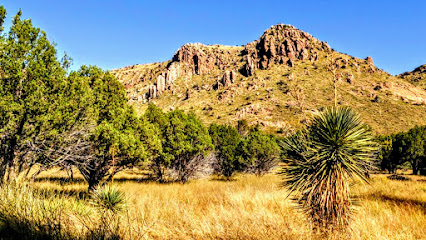
Essential places to dine

Godfather's Pizza Express
62.4 km
Savor the flavors of Italy at Godfather's Pizza Express - where delicious pizza meets warm hospitality in Lordsburg.
The Thirsty Lizard Bar + Grill + Events
83.9 km
Discover great food, local brews, and vibrant events at The Thirsty Lizard Bar + Grill + Events in McNeal - perfect for tourists seeking authentic experiences.
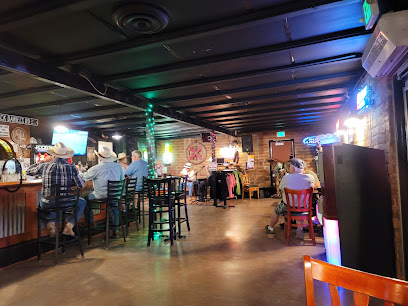
Dot’s Diner
89.6 km
Experience authentic American comfort food in Bisbee at Dot’s Diner - where every meal tells a story.
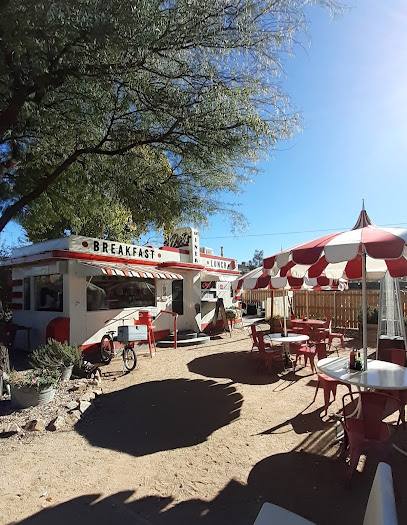
Bisbee Breakfast Club
89.7 km
Discover delightful breakfasts at Bisbee Breakfast Club - where hearty meals meet a cozy atmosphere in historic Bisbee.
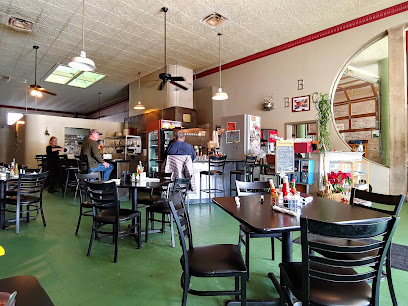
Lazy KJ Ranch BBQ
90.0 km
Discover authentic Southern barbecue at Lazy KJ Ranch BBQ in Bisbee, AZ - where flavor meets hospitality.
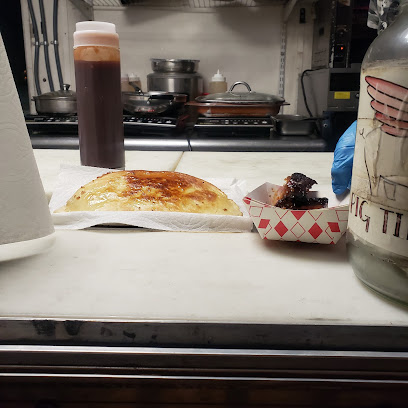
Bisbee's Table
90.0 km
Discover the exquisite New American cuisine at Bisbee's Table, where local flavors meet culinary creativity in charming Bisbee, Arizona.
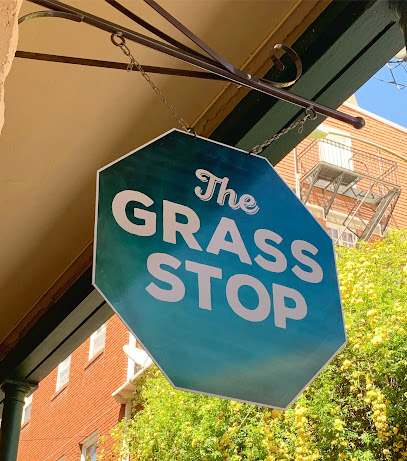
The Grass Stop Smoothie Bar
90.0 km
Discover refreshing smoothies and healthy breakfast delights at The Grass Stop Smoothie Bar in charming Bisbee, Arizona.
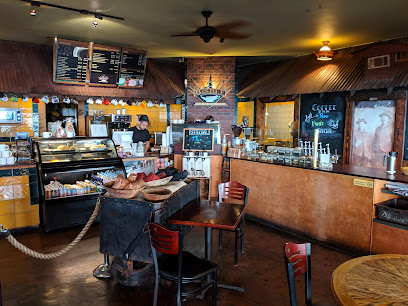
Bisbee Coffee Company Cafe & Roasters
90.0 km
Experience artisanal coffee at its finest at Bisbee Coffee Company Cafe & Roasters in Arizona's charming town of Bisbee.
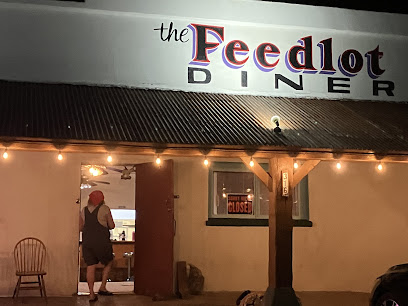
The Feedlot Diner
90.0 km
Experience delicious comfort food at The Feedlot Diner in Bisbee, AZ – where every meal is crafted with care and passion.
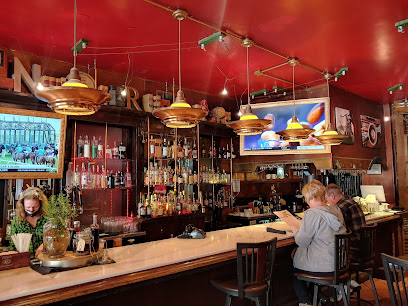
Poco Restaurant + Market
90.0 km
Experience vibrant vegan cuisine at Poco Restaurant + Market in Bisbee, where fresh ingredients meet local flavors in a charming setting.
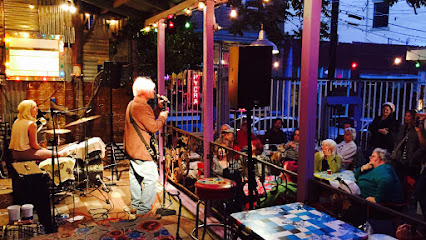
Le Cornucopia Café
90.1 km
Discover Le Cornucopia Café in Bisbee: A cozy restaurant offering delectable deli delights and artisanal coffee amidst charming local vibes.
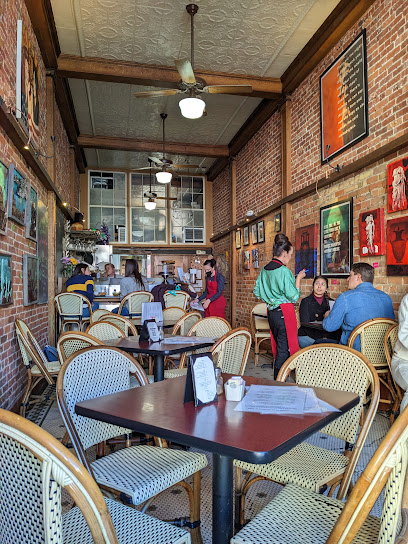
Cafe Roka
90.1 km
Experience the best of modern European cuisine at Cafe Roka in Bisbee – where innovation meets tradition in every bite.
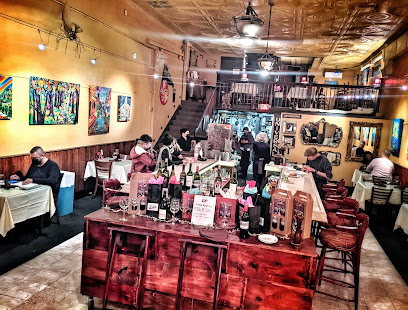
Mornings Cafe
90.1 km
Discover the charm of Mornings Cafe in Bisbee - where delicious breakfasts meet warm hospitality.
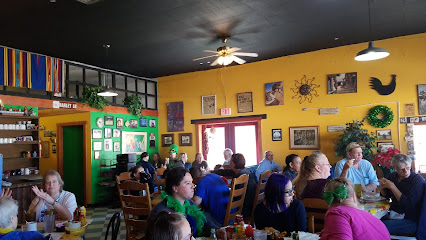
BisbeeGoodCakes
90.1 km
Discover delightful treats at Bisbee Good Cakes - your go-to bakery and coffee shop in the heart of Arizona's historic Bisbee.
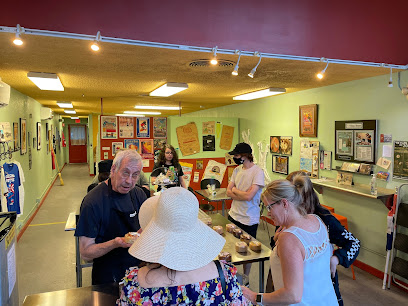
The Copper Pig
90.1 km
Discover delightful dishes at The Copper Pig in Bisbee—a culinary gem blending local flavors with artistic charm.
Markets, malls and hidden boutiques

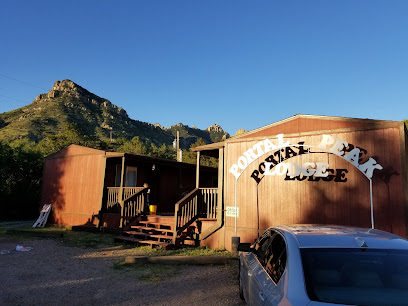
Portal Peak Lodge Store & Cafe
22.0 km
Experience the warmth of Southwestern flavors and local treasures at Portal Peak Lodge Store & Cafe in the heart of Arizona's breathtaking landscapes.
Tom's Bird Feeders & Reptile Supplies
24.7 km
Explore Tom's Bird Feeders & Reptile Supplies for the best in bird feeding and reptile care in San Simon, Arizona.

Tara Things
34.3 km
Discover the essence of local craftsmanship at Tara Things, a unique craft store filled with handmade treasures and artistic creations.
Mustang Mall
41.9 km
Explore Mustang Mall in Pearce, Arizona for unique finds and essential supplies, all in a charming shopping environment.
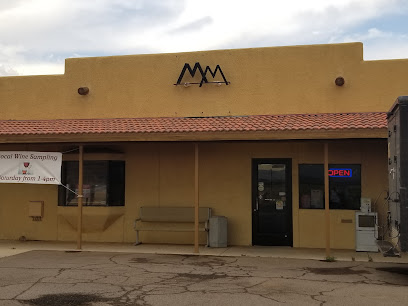
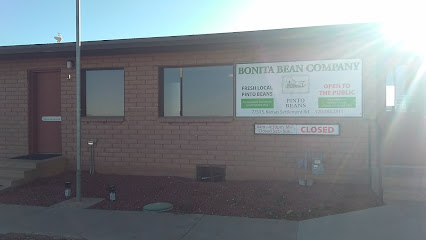
Bonita Bean Co
43.2 km
Explore Bonita Bean Co in Willcox, Arizona, for high-quality beans and local produce at great prices, embodying the region's agricultural heritage.
Elfrida Emporium
47.3 km
Discover unique handcrafted treasures at Elfrida Emporium, the ultimate gift shop celebrating local artistry in the heart of Elfrida.
D K Prickly Pear Emporium
52.1 km
Explore the unique offerings of D K Prickly Pear Emporium, where local artistry meets Southwest charm in Pearce, Arizona.
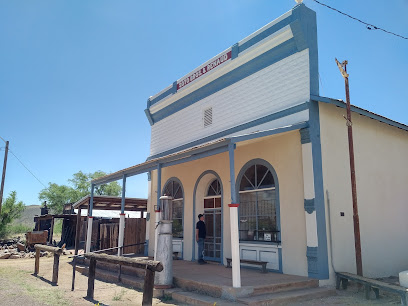
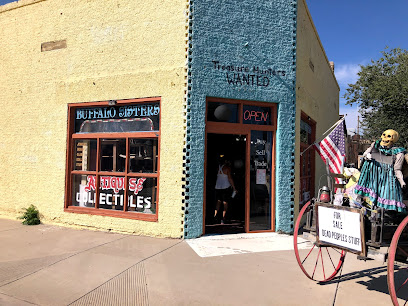
Buffalo Sisters Trading Post
54.4 km
Discover unique antiques, collectibles, and Native American crafts at Buffalo Sisters Trading Post in Willcox, Arizona, an essential stop for every traveler.
Amarillo by Morning
54.4 km
Explore Amarillo by Morning: a charming boutique in Willcox, AZ offering unique western apparel and fashion accessories for every style.
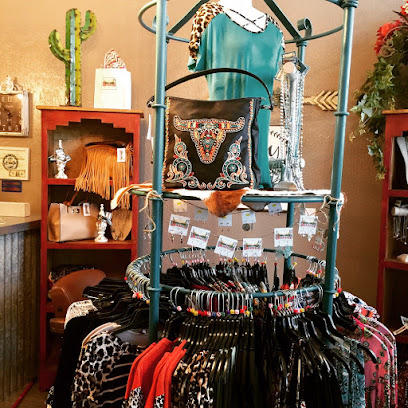
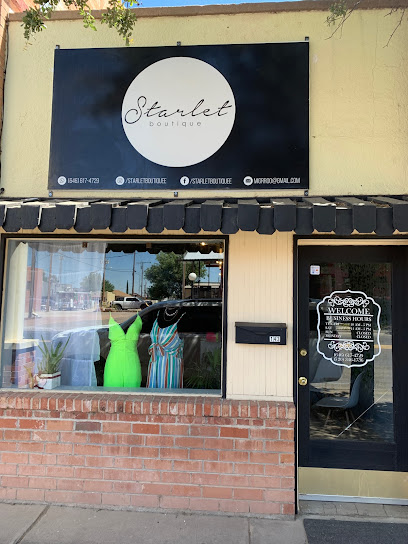
Starlet Boutique
54.5 km
Explore unique women's fashion at Starlet Boutique in Willcox, AZ, where style meets local charm in a delightful shopping experience.
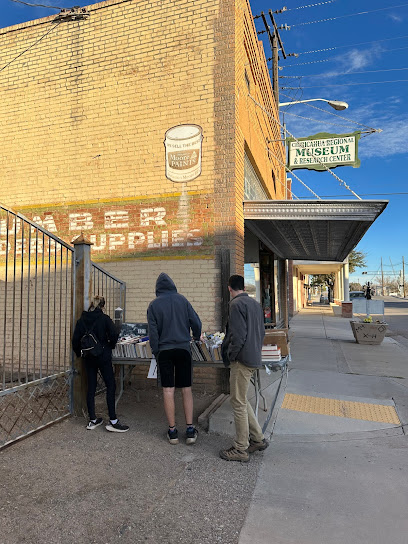
The Friendly Bookstore
54.5 km
Discover a charming literary haven at The Friendly Bookstore in Willcox, AZ, where readers find their next favorite book amidst a warm and inviting atmosphere.
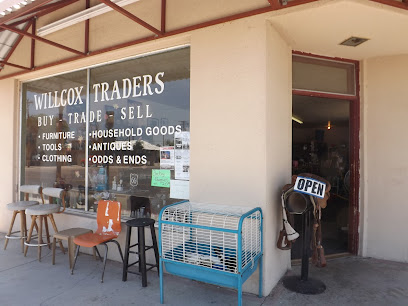
Willcox Traders
54.6 km
Discover hidden treasures and vintage gems at Willcox Traders, Arizona's charming antique store for collectors and enthusiasts alike.
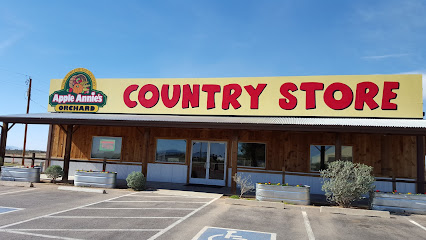
Apple Annie's Country Store
56.2 km
Experience the authentic flavors of Arizona at Apple Annie's Country Store, a charming farm shop and bakery in Willcox, perfect for lunch and unique gifts.
REYNAS CHAPARRAL LLC
56.5 km
Explore the rich offerings of Reynas Chaparral LLC in Cochise, Arizona, where nature's healing powers meet artisanal craftsmanship in herbal goods and candles.
Amerind Museum Store
73.4 km
Explore the Amerind Museum Store for unique Native American gifts and cultural treasures in Dragoon, Arizona.
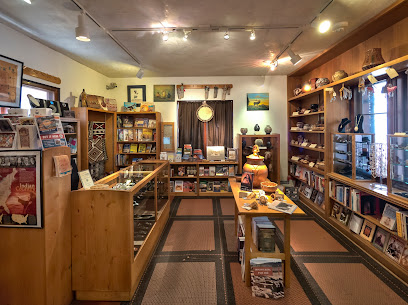
Essential bars & hidden hideouts

Bar Boot Ranch LLC
22.9 km
Experience the essence of the American West at Bar Boot Ranch LLC in Pearce, Arizona, where rustic charm meets breathtaking landscapes.
DreamCatcher Inn at Chiricahua
26.2 km
Experience the serene beauty of the Chiricahua Mountains at DreamCatcher Inn, a cozy bed & breakfast offering a perfect blend of comfort and nature.
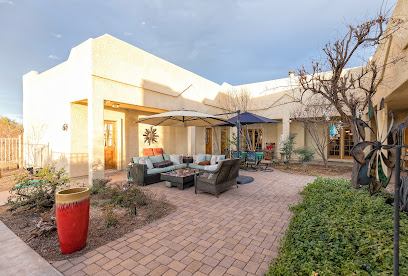
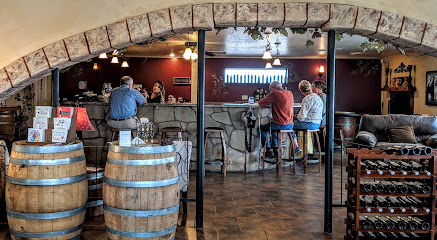
Sonoran Wines / Vineyards
26.4 km
Experience the beauty of Arizona's wine country at Sonoran Wines, where exquisite wines and stunning vineyard landscapes await.
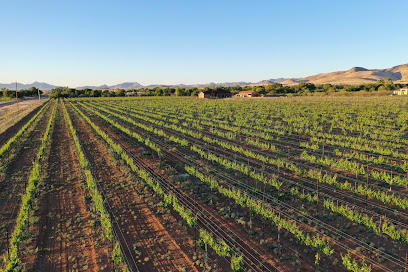
Tirrito Farm
43.6 km
Discover the rich flavors of American cuisine at Tirrito Farm, a unique dining experience featuring farm-fresh ingredients and local craft brews in Willcox, AZ.
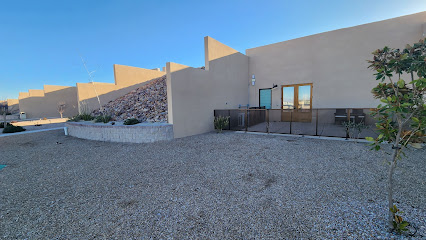
Coronado Vineyards
53.6 km
Experience the beauty of Coronado Vineyards, where exquisite wines meet charming dining and breathtaking Arizona landscapes.
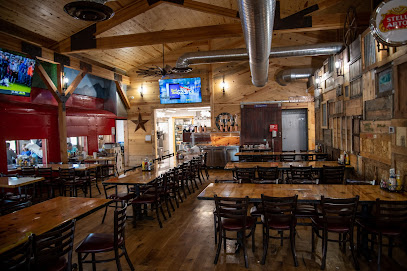
Big Tex BBQ
54.5 km
Discover the authentic taste of southern barbecue at Big Tex BBQ in Willcox, Arizona – a haven for food lovers seeking exceptional smoked meats.
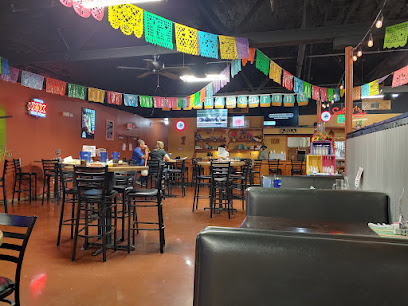
Isabel's South of the Border
54.5 km
Experience the rich flavors of Mexico at Isabel's South of the Border in Willcox, Arizona - a culinary destination for every traveler.
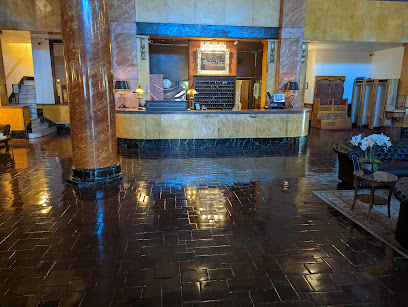
The Gadsden Hotel
83.0 km
Discover the elegance of the past at The Gadsden Hotel, a historic landmark in Douglas, Arizona, offering rich history and modern comforts.
Gene’s Place
89.8 km
Experience the vibrant nightlife of Bisbee at Gene’s Place, a local bar offering craft drinks, live music, and a welcoming atmosphere for all.
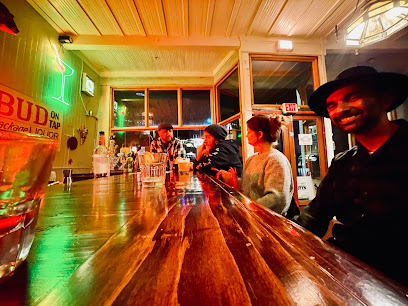
Hitching Post Saloon
90.0 km
Discover the vibrant atmosphere and local charm of the Hitching Post Saloon in Bisbee, Arizona, a must-visit bar with a rich history.
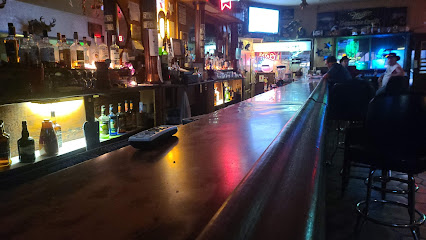
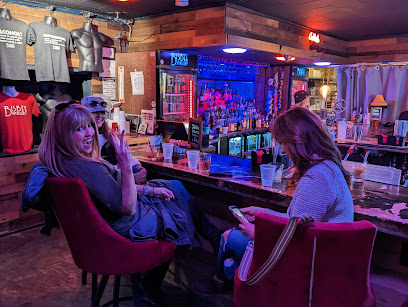
Bisbee Social Club
90.2 km
Discover the hidden charm of Bisbee Social Club, a unique underground bar offering a vibrant atmosphere and exceptional drink selection in Bisbee, AZ.
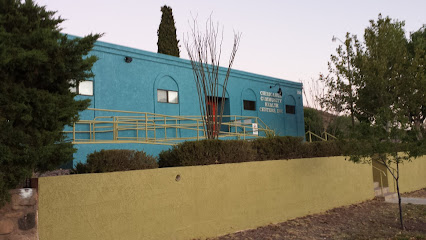
Chiricahua Community Health Center
90.5 km
Explore health and wellness at Chiricahua Community Health Center, a cornerstone of community care in Bisbee, Arizona.
Benson City Grille
94.3 km
Experience authentic American cuisine at Benson City Grille in Benson, Arizona, where every meal is crafted with care and local flavors.
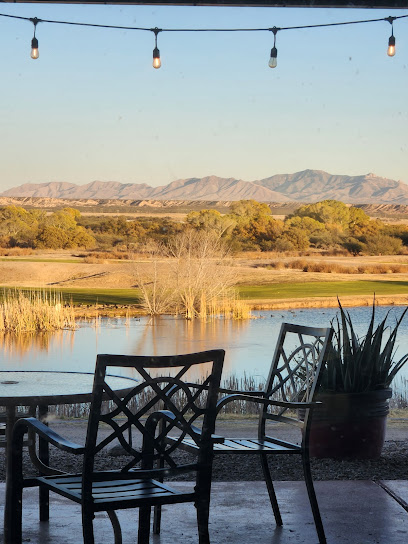
Pages Palace
94.4 km
Discover the historical charm and vibrant atmosphere at Pages Palace in Benson, Arizona, where every visit is a new experience.
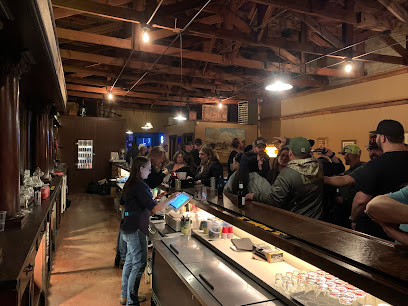
The Horseshoe
94.5 km
Discover the flavors of Benson at The Horseshoe, where delicious local cuisine meets warm hospitality in a charming atmosphere.
Nightclubs & after hour spots

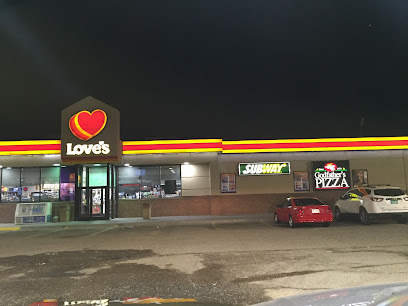
Love's Travel Stop
62.4 km
Experience convenience and comfort at Love's Travel Stop in Lordsburg, New Mexico, your essential travel companion on the road.
The Kilimanjaharo
90.0 km
Discover the vibrant nightlife of Bisbee at The Kilimanjaharo, where music, dancing, and local flavor come together for an unforgettable experience.