

Free Coconino County Travel Guide & Mobile App
Explore Coconino County with free travel guides. Discover regional history, expert tips, proposed trips, and audio guides on web or mobile app.


Explore Coconino County for the Grand Canyon, red-rock country, ponderosa forests, ancient sites and wide-open northern Arizona landscapes.
Read more about Coconino County
Getting to and around Coconino County
How to get there
Transportation
Top city travel guides in Coconino County
The cities of Coconino County, and the easiest places to base yourself.
-

-

-

-

-

-


Swipe for more cities
Destinations in Coconino County
Resorts, valleys and scenic spots worth a trip of their own.
-

-

-

-

-

-


Swipe for more destinations
Best attractions in Coconino County
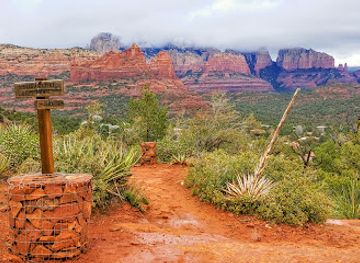
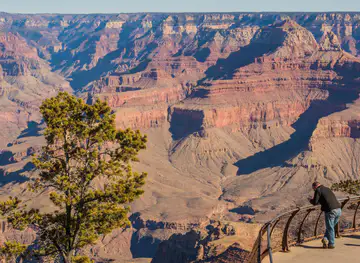
Coconino County's attractions range from major protected landscapes to places that reward close observation. Grand Canyon National Park provides the county's most famous experience, with South Rim viewpoints, rim walks, mule-related visitor activities and access to demanding trails into the gorge; the North Rim offers a quieter, higher-elevation perspective when seasonally open. Around Flagstaff, Walnut Canyon National Monument, Sunset Crater Volcano National Monument and Wupatki National Monument combine archaeological remains with volcanic and high-desert scenery. Glen Canyon National Recreation Area and Lake Powell bring boating, paddling and river landscapes to the north, while Horseshoe Bend offers a dramatic Colorado River overlook near Page. Sedona's Coconino County landscapes are suited to hiking, cycling, photography and scenic drives among red-rock formations. The county's national forests add woodland trails, wildlife watching, winter snow activities and camping, although access, permits and road conditions vary. Astronomy, museums and historic streets give Flagstaff a cultural dimension, while guided canyon excursions provide safer and more informed access to fragile sandstone environments.
-
Tourist attraction
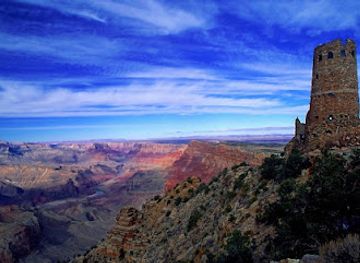
Desert View Watchtower
Discover the breathtaking views and rich history at the Desert View Watchtower in Grand Canyon Village, a must-visit tourist attraction.
-
Park
Standin' on The Corner Foundation
Experience the nostalgia of classic rock at Standin' on The Corner in Winslow, AZ—a charming tribute to the Eagles and a unique slice of Americana.
-
Scenic spot
Grandview Point
Experience stunning vistas and breathtaking beauty at Grandview Point, a must-visit scenic spot in the Grand Canyon.
-
Tourist attraction
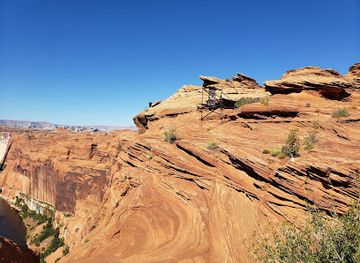
Glen Canyon Dam Overlook
Explore the breathtaking views at Glen Canyon Dam Overlook, a scenic vista point showcasing the stunning beauty of Arizona's landscape.
Best landmarks in Coconino County
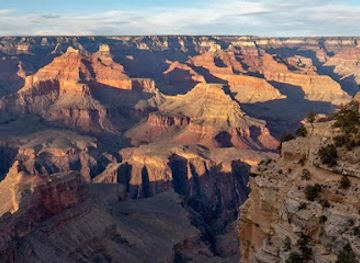
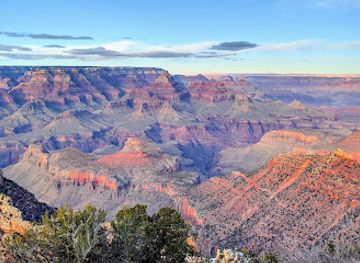
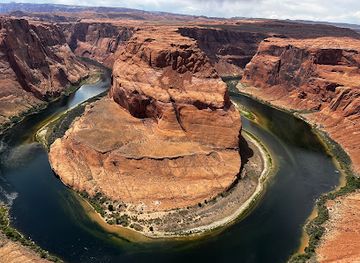
The Grand Canyon is Coconino County's dominant landmark, a vast geological and cultural landscape whose South Rim overlooks include Mather Point, Yavapai Point and other established viewpoints; the North Rim presents the same river-carved system from a more elevated and seasonally isolated setting. In Flagstaff, the historic downtown area and Lowell Observatory reflect the city's railway, civic and scientific development, while San Francisco Mountain forms a prominent backdrop across the northern Arizona plateau. Sunset Crater's dark volcanic cone and lava fields provide a striking contrast to the surrounding pine forest. Wupatki Pueblo and Walnut Canyon's cliff dwellings are important architectural and archaeological landmarks, interpreted within the continuing history of Indigenous peoples. Around Page, Glen Canyon Dam marks a major twentieth-century transformation of the Colorado River, while Horseshoe Bend is a powerful natural landmark where the river curves around a sandstone promontory. Sedona's red-rock formations, including Cathedral Rock and Bell Rock, are among northern Arizona's most recognisable natural silhouettes, although the town itself straddles the Coconino and Yavapai county boundary.
-
National forest
Coconino National Forest
Explore Arizona's diverse landscapes, from red rocks to alpine peaks, in the vast and historic Coconino National Forest.
-
Scenic spot
Horseshoe Bend
Witness the stunning beauty of the Colorado River as it carves a dramatic horseshoe bend through the Arizona desert landscape.
-
Historical landmark
Desert View Watchtower
Iconic 1930s stone tower inspired by ancestral Puebloan architecture, offering panoramic Grand Canyon views from the South Rim.
-
Tourist attraction
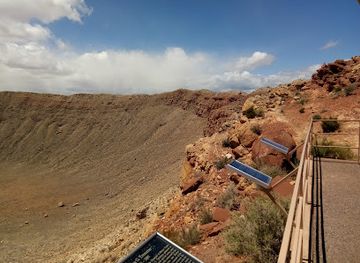
Meteor Crater Natural Landmark
Explore the awe-inspiring Meteor Crater in Arizona, the best-preserved meteorite impact site on Earth, and discover its fascinating космический history.
Explore Coconino County on the map
Plan your trip on one map. See where the top cities, national parks and sights are, and book hotels and experiences in a few clicks.
Best hotels in Coconino County
Best restaurants in Coconino County
Dining in Coconino County reflects northern Arizona's distance, elevation and mixture of communities rather than one single regional cuisine. Flagstaff has the broadest selection, from cafés, breweries and independent restaurants to establishments using Southwestern ingredients and locally sourced produce when available. Traditional American diner food, Mexican and New Mexican-influenced dishes, pizza, vegetarian cooking and contemporary small plates are all readily represented. Around the Grand Canyon and Page, restaurants serve travellers needing practical meals before or after outdoor activities, with casual dining and hotel-based options especially common. Sedona offers a larger concentration of restaurants, including cafés, bakeries, Southwestern menus, international cooking and more formal dining. Farmers' markets and specialist shops in Flagstaff and other towns can provide regional products, while menus may feature prickly pear, local honey, chile, trout or game-inspired dishes without every such ingredient being exclusive to Coconino County. Water and food planning are important on long drives, where services can be widely spaced.
-
American
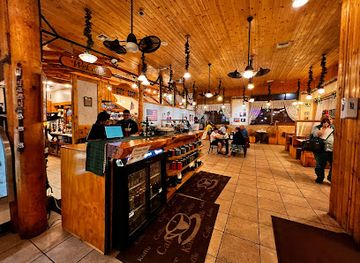
Pine Country Restaurant
Experience authentic American cuisine at Pine Country Restaurant in Williams, Arizona—where hearty meals meet cozy charm.
-
Italian
Fat Olives
Discover authentic Italian cuisine at Fat Olives in Flagstaff, where every meal is crafted with passion and quality ingredients.
-
Mexican
MartAnnes Burrito Palace
Experience authentic Mexican cuisine at MartAnnes Burrito Palace in Flagstaff - where flavor meets tradition!
-
Mexican
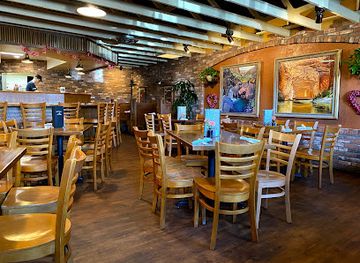
Salsa Brava
Experience authentic Mexican flavors at Salsa Brava in Flagstaff; where delicious food meets vibrant culture and lively atmosphere.
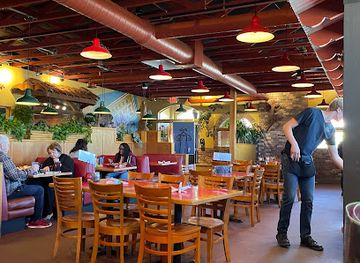
Best bars in Coconino County
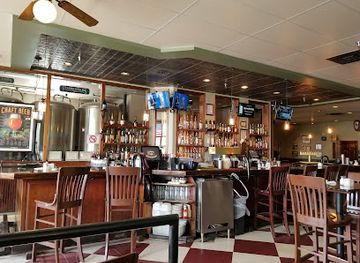
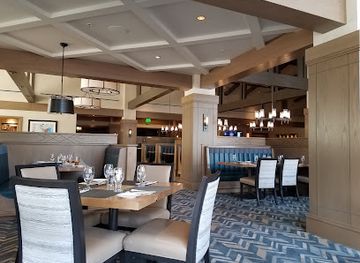
Evening life is concentrated in Flagstaff, Sedona, Page and the communities serving the Grand Canyon rather than spread evenly across the county. Flagstaff has the most varied scene, with traditional pubs, craft breweries, cocktail bars, restaurants, live music and venues connected with its university population. Sedona's evenings tend towards wine bars, hotel lounges, restaurants, galleries and occasional live performances rather than a large nightclub circuit. Page and South Rim gateway communities offer casual bars and hotel-based social spaces for visitors returning from the lake or canyon. In rural areas, evenings are quieter and commonly centre on an inn, restaurant or community event. Clear skies are themselves an attraction: Flagstaff's dark-sky commitments and the county's high desert setting make astronomy and stargazing an important alternative to late-night entertainment. Check local licensing and transport arrangements before drinking, particularly when staying outside a town.
-
Brewpub
Beaver Street Brewery
Discover the vibrant flavors of Beaver Street Brewery, a top brewpub in Flagstaff, AZ, where craft beer meets delicious American cuisine.
-
Restaurant
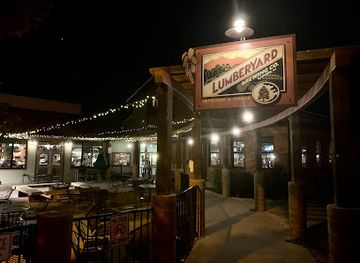
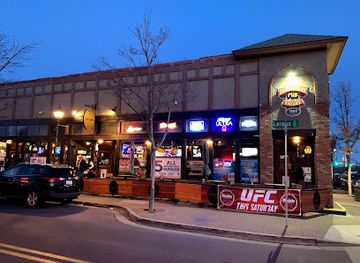
Lumberyard Brewing Co
Discover Flagstaff's vibrant brewpub scene at Lumberyard Brewing Co, where craft beer meets delicious American comfort food.
-
Grill
Collins Irish Pub
Discover the vibrant atmosphere and delicious flavors at Collins Irish Pub, Flagstaff's iconic spot for food, drinks, and live entertainment.
-
American
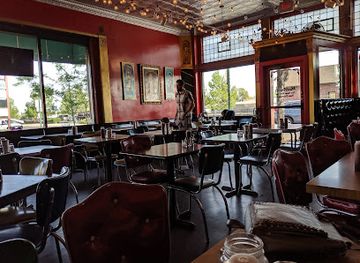
Silver Pine Restaurant and Bar
Experience the best of American cuisine in Flagstaff at Silver Pine Restaurant and Bar, where quality meets comfort in every bite.
Best nightclubs in Coconino County
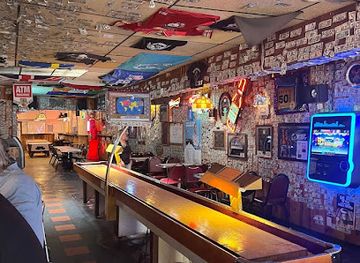
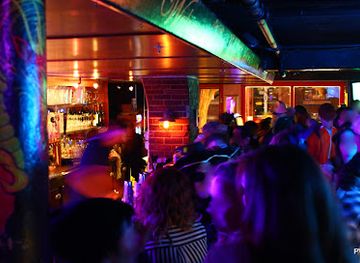
Evening life is concentrated in Flagstaff, Sedona, Page and the communities serving the Grand Canyon rather than spread evenly across the county. Flagstaff has the most varied scene, with traditional pubs, craft breweries, cocktail bars, restaurants, live music and venues connected with its university population. Sedona's evenings tend towards wine bars, hotel lounges, restaurants, galleries and occasional live performances rather than a large nightclub circuit. Page and South Rim gateway communities offer casual bars and hotel-based social spaces for visitors returning from the lake or canyon. In rural areas, evenings are quieter and commonly centre on an inn, restaurant or community event. Clear skies are themselves an attraction: Flagstaff's dark-sky commitments and the county's high desert setting make astronomy and stargazing an important alternative to late-night entertainment. Check local licensing and transport arrangements before drinking, particularly when staying outside a town.
-
Cocktail bar
Canyon Club
Experience the lively atmosphere of Canyon Club, a cocktail and karaoke bar in Williams, Arizona, perfect for nightlife enthusiasts.
-
Bar
Stockmans Club
Discover Stockmans Club in Flagstaff, Arizona – a vibrant bar offering local brews, lively ambiance, and unforgettable evenings.
-
Night club
Halloween at Hotel Monte Vista
Hauntingly fun experiences await at Hotel Monte Vista, Flagstaff's premier Halloween night club, where history meets lively entertainment.

Best shops in Coconino County
Flagstaff has the county's most varied shopping, with independent bookshops, outdoor retailers, galleries, vintage stores, cafés, craft businesses and locally oriented shops around its historic centre and adjacent commercial areas. Farmers' markets, when in season, are useful for regional produce and prepared food, while specialist retailers often stock coffee, honey, hot sauces, artwork and outdoor equipment suited to the high country. Sedona is known for galleries, jewellery, Native-inspired and Southwestern-themed goods, crystals, clothing and craft products, but buyers should distinguish genuinely Indigenous-made work from generic souvenirs and ask about provenance. Page and Grand Canyon gateway communities focus more on practical outdoor supplies, photography-related goods, books and regional mementoes. Across the county, quality Navajo and other Native-made art should be purchased from reputable sellers who identify artists and materials clearly. Markets and shop opening arrangements can be seasonal, so smaller towns and remote areas should not be treated as dependable places for last-minute supplies.
-
Shopping mall
Flagstaff Mall
Explore Flagstaff Mall: Your one-stop shopping haven in Flagstaff, Arizona, offering a delightful blend of stores, eateries, and family-friendly entertainment.
-
Used book store
Bookmans Flagstaff Entertainment Exchange
Discover a treasure trove of used books, video games, and a cozy coffee shop at Bookmans Flagstaff Entertainment Exchange.
-
Shopping mall
University Plaza Shopping Center
Discover shopping, dining, and entertainment at the University Plaza Shopping Center in Flagstaff, Arizona – your ultimate shopping destination.
-
Shopping mall
Old Town Shops
Explore Old Town Shops in Flagstaff, Arizona, where unique shopping meets local culture amidst a charming atmosphere.



Get your free copy of our complete guide to Coconino County, delivered straight to you.
Everything on this page, from attractions and restaurants to essentials and local phrases, in one PDF you can read offline, print or share.
Already have an account? Sign in
Your Coconino County guide is ready.
We'll send it to · Not you? Sign out

Getting your guide ready…
We are putting together a fresh copy of the Coconino County guide. This can take up to a minute.
This can take a few moments. If your browser asks, choose Allow so the download can start. You'll find the guide in your Downloads folder.
Nothing happened? Download it again
Sorry, the guide is taking longer than usual. Please try again in a minute, or get it by email instead.
Coconino County essentials
Currency and Payment
Safety
Emergency Situations
Do's and Don'ts
Local Tips
From Eve
Local phrases worth knowing
You don't need to get them perfect. A few words go a long way, and locals appreciate the effort.
Basics
| English | Local | Say it |
|---|---|---|
| Hello | Hi | [Hai] |
| Goodbye | See ya | [See yah] |
| Yes | Yep | [Yep] |
| No | Nope | [Nope] |
| Please/You're welcome | Sure thing | [Shur thing] |
| Thank you | Thanks | [Thangs] |
| Excuse me/Sorry | Pardon me | [Pardon mee] |
| How are you? | How's it going? | [How's it goin?] |
| Fine. And you? | Good, you? | [Good, you?] |
| Do you speak English? | You speak English? | [You speak English?] |
| I don't understand | I'm not getting it | [I'm not gettin it] |
Eating & Drinking
| English | Local | Say it |
|---|---|---|
| I'd like to see the menu, please | Can I see the menu? | [Can I see the menu?] |
| I don't eat meat | I'm vegetarian | [I'm vege-tar-ian] |
| Cheers! | Cheers! | [Cheers!] |
| I would like to pay, please | Can I get the check? | [Can I get the check?] |
Emergencies
| English | Local | Say it |
|---|---|---|
| Help! | Help! | [Help!] |
| Go away! | Leave me alone! | [Leave me alone!] |
| Call the Police! | Call 911! | [Call nine-one-one!] |
| Call a doctor! | Get a doctor! | [Get a doctor!] |
| I'm lost | I can't find my way | [I can't find my way] |
| I'm ill | I'm not feeling well | [I'm not feeling well] |
Shopping
| English | Local | Say it |
|---|---|---|
| I'd like to buy... | I want to buy... | [I want to buy...] |
| I'm just looking | Just browsing | [Just browsing] |
| How much is it? | What's the price? | [What's the price?] |
| That's too expensive | That's pricey | [That's pricy] |
| Can you lower the price? | Can you give me a deal? | [Can you give me a deal?] |
Time & Numbers
| English | Local | Say it |
|---|---|---|
| What time is it? | What’s the time? | [What’s the time?] |
| It's one o'clock | It's one | [It's one] |
| Half past (10) | Ten-thirty | [Ten-thirty] |
| Morning | Morning | [Morning] |
| Afternoon | Afternoon | [Afternoon] |
| Evening | Evening | [Evening] |
| Yesterday | Yesterday | [Yesterday] |
| Today | Today | [Today] |
| Tomorrow | Tomorrow | [Tomorrow] |
| 1 | One | [One] |
| 2 | Two | [Two] |
| 3 | Three | [Three] |
| 4 | Four | [Four] |
| 5 | Five | [Five] |
| 6 | Six | [Six] |
| 7 | Seven | [Seven] |
| 8 | Eight | [Eight] |
| 9 | Nine | [Nine] |
| 10 | Ten | [Ten] |
Transport & Directions
| English | Local | Say it |
|---|---|---|
| Where's a/the...? | Where's the...? | [Where's the...?] |
| What's the address? | What's the address? | [What's the address?] |
| Can you show me (on the map)? | Can you point it out? | [Can you point it out?] |
| When's the next (bus)? | When's the next bus? | [When's the next bus?] |
| A ticket (to ....) | A ticket to... | [A ticket to...] |
History of Coconino County
Ancestral Puebloan communities and early agriculture
The high desert and volcanic fields of northern Coconino County have been inhabited for many centuries. Ancestral Puebloan communities built settlements, farmed in difficult conditions and developed trade networks across the Colorado Plateau. Wupatki and nearby sites preserve multi-storey masonry buildings and evidence of a society that expanded during a comparatively warm and productive period before changing conditions encouraged movement. Walnut Canyon preserves cliff dwellings and agricultural traces associated with Sinagua communities. These places are not abandoned curiosities: they remain part of a wider Indigenous history that connects archaeological landscapes with living Native nations.
Volcanic landscapes and the ancient Colorado Plateau
Much of Coconino County lies on the Colorado Plateau, where uplift, erosion and volcanic activity created the landforms seen today. Around Flagstaff, the San Francisco volcanic field includes numerous cinder cones and lava flows, with Sunset Crater being the most recent major eruption in the area, occurring roughly a millennium ago. The Colorado River subsequently cut deeply through layers of rock to form the Grand Canyon, while wind and water shaped the sandstone country around Page and Sedona. These geological processes continue to determine settlement, transport, recreation and the visual identity of the county.
European exploration and the changing Southwest
Spanish expeditions entered the broader Grand Canyon and northern Arizona during the sixteenth century, followed later by missionaries, traders, surveyors and military parties connected to the expanding United States. Their journeys took place across lands already inhabited and governed by Native peoples, including communities associated with the Navajo Nation and other regional nations. Mapping and scientific expeditions in the nineteenth century brought wider outside attention to the Colorado River and the Grand Canyon. Exploration narratives often overlooked Indigenous knowledge, but the routes and descriptions produced during this period helped shape later government policy and tourism.
Railways, Route 66 and the growth of Flagstaff
The arrival of the Atlantic and Pacific Railroad in the 1880s helped establish Flagstaff as a regional supply, timber and transport centre. The railway connected northern Arizona with national markets and encouraged the growth of ranching, logging and related businesses. Later, Route 66 reinforced Flagstaff's role as a road-travel stop between the Midwest and California; much of the historic route remains associated with the city's commercial and cultural memory. The town's elevation, access to forests and position near the Grand Canyon later supported universities, scientific institutions and an expanding visitor economy.
Grand Canyon conservation and national tourism
The Grand Canyon became a focus of conservation campaigns in the late nineteenth and early twentieth centuries, notably through the advocacy of figures such as John Muir and Theodore Roosevelt's support for protecting the landscape. Grand Canyon Forest Reserve status preceded national monument and national park designations, with Grand Canyon National Park established in 1919. Tourist railways, roads, lodges and formal viewpoints then transformed access while also creating pressure on a fragile environment. The canyon's history as a protected landscape now includes debates about water, infrastructure, Indigenous rights, visitor numbers and the limits of development.
Indigenous sovereignty and twentieth-century development
Modern Coconino County includes or borders lands connected with Native nations whose sovereignty, communities and cultural practices remain central to the region. The expansion of highways, dams, federal recreation areas and tourism sometimes brought economic opportunities but also displacement, restricted access and environmental conflict. Glen Canyon Dam, completed in the 1960s near Page, generated hydroelectric power and created Lake Powell while flooding parts of Glen Canyon and transforming the river system. Contemporary travel increasingly recognises the importance of tribal jurisdiction, Indigenous-led interpretation and responsible access to culturally significant places.
Flagstaff, science and the contemporary visitor economy
Flagstaff developed into a centre for education, astronomy, environmental research and public-land management, complementing its older roles in transport and forestry. Lowell Observatory's work, including observations that contributed to the discovery of Pluto, helped give the city a scientific profile, while Northern Arizona University strengthened its academic and cultural life. Elsewhere, Sedona's arts and outdoor-tourism economy and Page's canyon, lake and river businesses expanded alongside Grand Canyon visitation. These industries now coexist with conservation concerns, housing pressures, water limitations and the continuing importance of ranching and tribal communities.
Coconino County in Photos
Browse through our photo collection highlighting the charm and character of the destination.
Neighbouring regions of Coconino County
The closest regions to Coconino County, if you have time for more than one.
-

-
-

-

-


Swipe for more regions
Explore more

Explore more of Arizona
Discover Arizona: From the majestic Grand Canyon and red rocks of Sedona to the vibrant cities of Phoenix and Scottsdale, explore the diverse beauty and culture of the Grand Canyon State.
Explore Arizona