

Free San Rafael Valley Travel Guide & Mobile App
Explore San Rafael Valley with free travel guides. Discover regional history, expert tips, proposed trips, and audio guides on web or mobile app.


San Rafael Valley, Arizona, offers open grasslands, ranching history, borderland landscapes and rewarding birdwatching near Patagonia and Mexico.
Read more about San Rafael Valley
Getting to and around San Rafael Valley
How to get there
Transportation
Best attractions in San Rafael Valley
San Rafael Valley’s attractions are primarily landscape-based rather than built around a dense collection of ticketed sites. The San Rafael State Natural Area is the most important protected destination, preserving broad grasslands, seasonal drainages and wildlife habitat, although facilities and public access can be limited. Visitors come for quiet driving, birdwatching, wildlife observation, open-country photography and an unusually clear appreciation of the relationship between ranching and conservation. The surrounding mountain edges create opportunities to see grassland species alongside oak woodland and higher-elevation habitats. Historic ranch landscapes, including the setting associated with San Rafael Ranch, add cultural depth, but much of the property is private or managed under restricted arrangements rather than as a conventional visitor attraction. Nearby Patagonia and Sonoita, outside the remote core of the valley, provide useful bases for exploring the wider borderlands, while Patagonia Lake State Park is a separate nearby excursion rather than a San Rafael Valley attraction. Visitors should plan around distance, sparse services and changing road conditions, and should confirm access rules before entering public conservation land.
-
Natural history museum
Arizona-Sonora Desert Museum
Explore the Arizona-Sonora Desert Museum, where wildlife, art, and nature combine to showcase the beauty of the Sonoran Desert.
-
Restaurant
Colossal Cave Mountain Park
Discover the stunning beauty and adventure of Colossal Cave Mountain Park in Arizona, featuring unique cave tours, hiking trails, and outdoor activities.
-
Theme park
Old Tombstone Western Theme Park
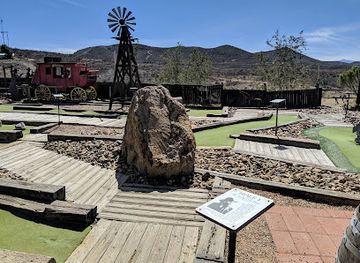
Discover the Wild West's charm at Old Tombstone Western Theme Park, featuring thrilling reenactments, cowboy shootouts, and rich historical experiences.
-
Scenic spot
Lavender Pit
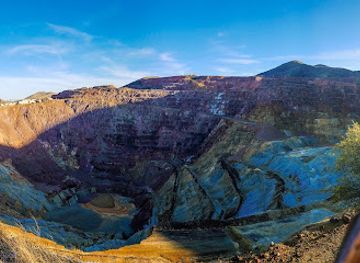
Explore the Lavender Pit, a stunning scenic spot in Bisbee, Arizona, where history meets breathtaking natural beauty.
Best landmarks in San Rafael Valley
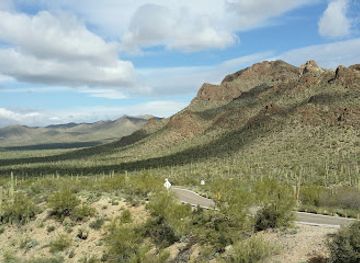
The defining landmark of San Rafael Valley is its broad, open grassland basin, framed by the Patagonia and Huachuca mountain systems and extending towards the United States–Mexico boundary. Unlike a single monumental building, this expansive view conveys the valley’s geographical identity and its importance as a rare large-scale grassland landscape in southern Arizona. The San Rafael State Natural Area is the principal protected landmark, with rolling range, seasonal watercourses and long sightlines that reveal how conservation and cattle grazing overlap. The historic San Rafael Ranch setting, including ranch buildings and associated features where access permits, represents the valley’s nineteenth-century cattle economy, although it should not be approached as an open museum or photographed from private land without permission. Historic roads, fencing, wells and corrals are also part of the working landscape, but many are private or operational rather than public monuments. The international border adds political and geographical significance, yet border infrastructure is not a visitor attraction and should be viewed only from lawful public locations.
-
Ghost town
Goldfield Ghost Town and Mine Tours Inc.
Relive the Wild West at this historic Arizona ghost town, featuring mine tours, gunfights, and family-friendly attractions.
-
Natural history museum
Arizona-Sonora Desert Museum
Explore the wonders of the Sonoran Desert! A fusion of zoo, botanical garden, and museum showcasing the region's unique natural history.
-
National reserve
Montezuma Castle National Monument
Discover the ancient cliff dwellings of the Sinagua people at Montezuma Castle National Monument, a remarkably preserved window into the past in Camp Verde, Arizona.
-
Historical landmark
O.K. Corral
Explore the legendary O.K. Corral, a historical landmark in Tombstone, Arizona, and relive the iconic Wild West gunfight that defined an era.
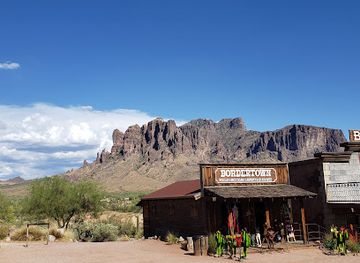
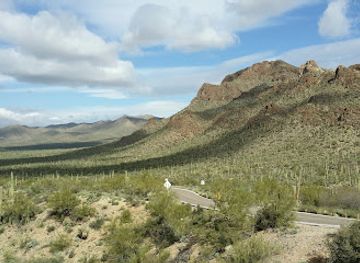
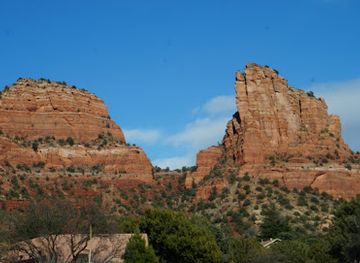

Explore San Rafael Valley on the map
Plan your trip on one map. See where the top cities, national parks and sights are, and book hotels and experiences in a few clicks.
Best hotels in San Rafael Valley
Best restaurants in San Rafael Valley
There is no substantial restaurant scene within the remote San Rafael Valley itself, so visitors normally eat in nearby Patagonia, Sonoita or other southern Arizona service communities. Dining in the wider area reflects the borderlands of Arizona: Mexican-influenced cooking, tacos, enchiladas, burritos and other regional specialities sit alongside American café food, burgers, salads and ranch-country breakfasts. Local establishments may also feature Arizona-grown produce, seasonal fruit, baked goods and locally made drinks, although availability varies. Patagonia’s small-town cafés, restaurants and food businesses are the most convenient choice for travellers approaching from the north, while Sonoita is particularly useful for provisions and wine-country stops outside the valley. Picnicking is often more practical than seeking a meal on the road, but food should be packed securely and all rubbish removed. Visitors should not expect regular roadside services, late dining or extensive dietary choice once they leave the valley’s neighbouring communities.
-
American
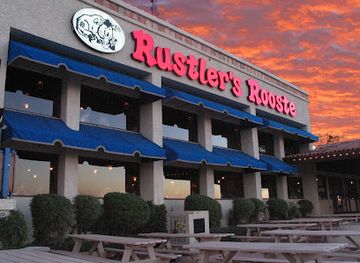
Rustler’s Rooste
Discover the flavors and fun of the Wild West at Rustler's Rooste – where every meal is an adventure!
-
Mexican
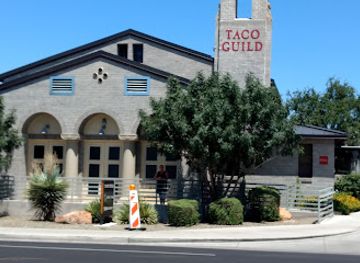
Taco Guild
Discover Taco Guild: A vibrant Mexican restaurant and bar in Phoenix serving authentic tacos and creative cocktails in a lively atmosphere.
-
Grill
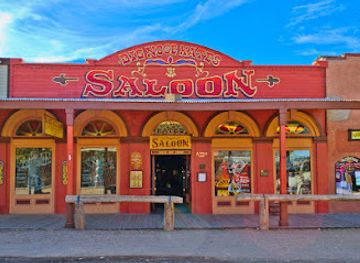
Big Nose Kate's Saloon
Discover authentic Wild West dining at Big Nose Kate's Saloon in Tombstone - where history meets hearty meals and lively entertainment.
-
Brewpub
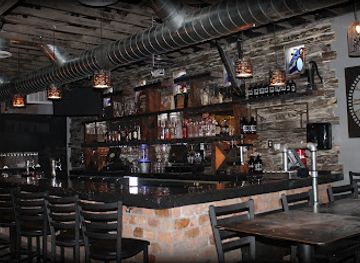
The Perch Brewery
Experience craft beer excellence at The Perch Brewery - where gourmet food meets lively entertainment in Chandler's vibrant downtown.
Best bars in San Rafael Valley
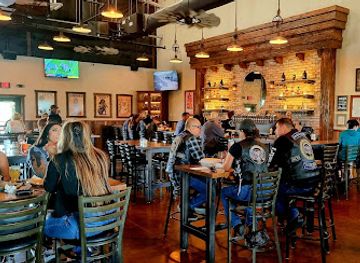
San Rafael Valley has no meaningful nightclub district or concentrated evening entertainment, and darkness arrives across a largely undeveloped ranch landscape. Evening life is found mainly in nearby Patagonia and Sonoita, outside the remote grassland, where small restaurants, traditional bars, tasting rooms and occasional live-music settings provide a low-key alternative to city nightlife. The surrounding Sonoita wine country contributes tasting opportunities, while local pubs and cafés are more relevant than late-night clubs. Opening arrangements and events can change, so visitors should check locally rather than assume that a venue will be operating late. The valley itself is better suited to sunset viewing, quiet stargazing and listening to natural sounds than to organised nightlife; anyone staying in remote accommodation should arrange transport in advance and never drink and drive on isolated roads.
-
Grill
Big Nose Kate's Saloon
Savor the spirit of the Old West at Big Nose Kate's Saloon, where delicious meals meet live music in Tombstone, Arizona.
-
Bar
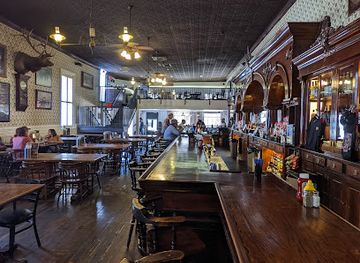
Crystal Palace Saloon
Step into the Wild West at Crystal Palace Saloon, where history, great food, and live entertainment come together in Tombstone, Arizona.
-
Brewpub
Copper Brothel Brewery
Experience the essence of craft brewing at Copper Brothel Brewery in Sonoita, Arizona - a perfect blend of delicious beers and delectable dishes.
-
Bar
Urbano Bar & Bistro
Discover the best of Sierra Vista with artisanal dishes, unique drinks, and a cozy atmosphere at Urbano Bar & Bistro.

Best nightclubs in San Rafael Valley
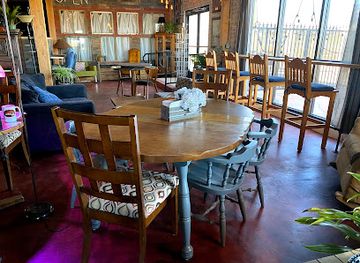
San Rafael Valley has no meaningful nightclub district or concentrated evening entertainment, and darkness arrives across a largely undeveloped ranch landscape. Evening life is found mainly in nearby Patagonia and Sonoita, outside the remote grassland, where small restaurants, traditional bars, tasting rooms and occasional live-music settings provide a low-key alternative to city nightlife. The surrounding Sonoita wine country contributes tasting opportunities, while local pubs and cafés are more relevant than late-night clubs. Opening arrangements and events can change, so visitors should check locally rather than assume that a venue will be operating late. The valley itself is better suited to sunset viewing, quiet stargazing and listening to natural sounds than to organised nightlife; anyone staying in remote accommodation should arrange transport in advance and never drink and drive on isolated roads.
-
Night club
Pretty Please Lounge
Discover the lively ambiance of Pretty Please Lounge in Downtown Scottsdale, where cocktails, dancing, and unforgettable nights await.

Best shops in San Rafael Valley
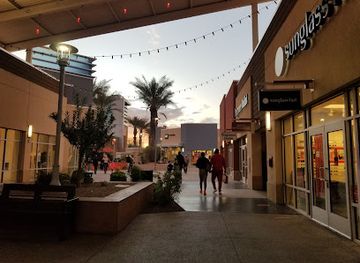
Shopping within San Rafael Valley is effectively limited to what visitors bring with them, so provisions should be purchased before travelling into the grasslands. Nearby Patagonia offers independent food businesses, galleries, small shops and locally oriented goods, while Sonoita provides broader rural services and access to the area’s wine-producing identity. Depending on the season, visitors may find regional wines, Arizona-made foods, fruit, preserves, arts and crafts, books, jewellery and practical outdoor supplies. These communities are better suited to browsing than to large-scale retail, and stock can be seasonal or limited. Useful regional purchases include locally produced food, wine from the Sonoita area and work by southern Arizona artists, provided goods are bought from legitimate businesses rather than removed from ranches or conservation land. There are no major shopping centres, designer districts or dependable retail facilities inside the remote valley.
-
Outlet mall
Tanger Outlets Phoenix
Discover unbeatable deals and a vibrant shopping experience at Tanger Outlets Phoenix, where style meets savings in Glendale, Arizona.
-
Outlet mall
Tucson Premium Outlets
Discover amazing deals on top brands at Tucson Premium Outlets, your ultimate shopping destination in Arizona.
-
Gift shop
Brass Armadillo Antique Mall - Phoenix
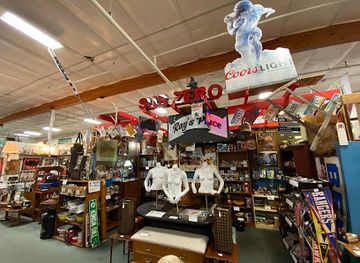
Discover unique antiques, collectibles, and vintage treasures at the Brass Armadillo Antique Mall in Phoenix, a paradise for shoppers and nostalgia lovers.
-
Shopping mall
The Shops At Lake Havasu
Discover The Shops At Lake Havasu, where shopping meets scenic beauty in a vibrant lakeside atmosphere, perfect for visitors of all ages.

Get your free copy of our complete guide to San Rafael Valley, delivered straight to you.
Everything on this page, from attractions and restaurants to essentials and local phrases, in one PDF you can read offline, print or share.
Already have an account? Sign in
Your San Rafael Valley guide is ready.
We'll send it to · Not you? Sign out

Getting your guide ready…
We are putting together a fresh copy of the San Rafael Valley guide. This can take up to a minute.
This can take a few moments. If your browser asks, choose Allow so the download can start. You'll find the guide in your Downloads folder.
Nothing happened? Download it again
Sorry, the guide is taking longer than usual. Please try again in a minute, or get it by email instead.
San Rafael Valley essentials
Currency and Payment
Safety
Emergency Situations
Do's and Don'ts
Local Tips
From Eve
Local phrases worth knowing
You don't need to get them perfect. A few words go a long way, and locals appreciate the effort.
Basics
| English | Local | Say it |
|---|---|---|
| Hello | Hola | [OH-lah] |
| Goodbye | Adiós | [ah-DYOS] |
| Yes | Sí | [SEE] |
| No | No | [NO] |
| Please/You're welcome | Por favor/De nada | [por fah-VOR/deh NAH-dah] |
| Thank you | Gracias | [GRAH-syahs] |
| Excuse me/Sorry | Perdón | [pehr-DON] |
| How are you? | ¿Cómo estás? | [KOH-moh ehs-TAHS] |
| Fine. And you? | Bien. ¿Y tú? | [BYEN. ee TOO?] |
| Do you speak English? | ¿Hablas inglés? | [AH-blas een-GLES] |
| I don't understand | No entiendo | [NO ehn-TYEN-do] |
Eating & Drinking
| English | Local | Say it |
|---|---|---|
| I'd like to see the menu, please | Me gustaría ver el menú, por favor | [meh goos-tah-REE-ah vehr el meh-NOO, por fah-VOR] |
| I don't eat meat | No como carne | [NO KOH-mo KAR-neh] |
| Cheers! | ¡Salud! | [sah-LOOD] |
| I would like to pay, please | Me gustaría pagar, por favor | [meh goos-tah-REE-ah pah-GAR, por fah-VOR] |
Emergencies
| English | Local | Say it |
|---|---|---|
| Help! | ¡Ayuda! | [ah-YOO-dah] |
| Go away! | ¡Vete! | [VEH-teh] |
| Call the Police! | ¡Llama a la policía! | [YAH-mah ah lah poh-lee-SEE-ah] |
| Call a doctor! | ¡Llama a un médico! | [YAH-mah ah oon MEH-dee-koh] |
| I'm lost | Estoy perdido | [es-TOY pehr-DEE-doh] |
| I'm ill | Estoy enfermo/enferma | [es-TOY en-FER-mo/en-FER-mah] |
Shopping
| English | Local | Say it |
|---|---|---|
| I'd like to buy... | Me gustaría comprar... | [meh goos-tah-REE-ah kom-PRAR...] |
| I'm just looking | Solo estoy mirando | [SO-lo es-TOY mee-RAN-do] |
| How much is it? | ¿Cuánto cuesta? | [KWAN-toh KWEHS-tah?] |
| That's too expensive | Eso es muy caro | [EH-so es MOOY KAH-ro] |
| Can you lower the price? | ¿Puedes bajar el precio? | [PWEH-des bah-HAR el PREH-syo?] |
Time & Numbers
| English | Local | Say it |
|---|---|---|
| What time is it? | ¿Qué hora es? | [KEH OH-rah es?] |
| It's one o'clock | Es la una | [es lah OO-nah] |
| Half past (10) | Y diez y media | [ee DYESS ee MEH-dee-ah] |
| Morning | Mañana | [mah-NYAH-nah] |
| Afternoon | Tarde | [TAR-deh] |
| Evening | Noche | [NOH-cheh] |
| Yesterday | Ayer | [ah-YER] |
| Today | Hoy | [OY] |
| Tomorrow | Mañana | [mah-NYAH-nah] |
| 1 | Uno | [OO-no] |
| 2 | Dos | [DOS] |
| 3 | Tres | [TRES] |
| 4 | Cuatro | [KWAH-tro] |
| 5 | Cinco | [SEEN-koh] |
| 6 | Seis | [SAYS] |
| 7 | Siete | [SYEH-teh] |
| 8 | Ocho | [OH-cho] |
| 9 | Nueve | [NWEH-beh] |
| 10 | Diez | [DYESS] |
Transport & Directions
| English | Local | Say it |
|---|---|---|
| Where's a/the...? | ¿Dónde está un/una...? | [DON-deh es-TAH oon/OO-na...?] |
| What's the address? | ¿Cuál es la dirección? | [KWAL es lah dee-rek-SYON?] |
| Can you show me (on the map)? | ¿Puedes mostrarme (en el mapa)? | [PWEH-des mos-TRAR-me (en el MAH-pah)?] |
| When's the next (bus)? | ¿Cuándo es el próximo (autobús)? | [KWAN-doh es el PROK-see-mo (ow-toh-BOOS)?] |
| A ticket (to ....) | Un boleto (a ....) | [OON boh-LEH-toh (ah ....)] |
History of San Rafael Valley
Indigenous Borderlands and Early Settlement
The San Rafael Valley formed part of a wider network of movement and settlement linking the grasslands and mountain ranges of present-day southern Arizona and northern Mexico. Indigenous communities used varied environments for hunting, gathering, travel and cultivation long before European mapping or ranch boundaries. Archaeological evidence in the surrounding region reflects long interaction with valleys, watercourses and uplands, although the valley is better known today for its open ranching landscape than for a single monumental archaeological site.
Spanish and Mexican Land Administration
Spanish colonial influence reached southern Arizona through missions, presidios, routes and ranching practices, while the area later became part of Mexico after independence in 1821. San Rafael Valley was associated with the San Rafael de la Zanja land grant, part of the system through which Mexican authorities allocated large tracts for settlement and agriculture. The grant’s history helps explain the valley’s enduring pattern of extensive landholding and its cultural connections across the modern border.
The Gadsden Purchase and a New International Boundary
The United States acquired southern Arizona from Mexico through the Gadsden Purchase of 1853, establishing the international boundary that now runs south of San Rafael Valley. The change did not erase older travel, trade and family connections across the region, but it introduced a new political geography. Later surveying, customs enforcement and border administration increasingly shaped routes through the valley and the surrounding ranch country.
Nineteenth-Century Ranching
After the area became part of the United States, cattle ranching expanded across the grasslands of southern Arizona. The valley’s open terrain, seasonal water and proximity to established settlements suited large-scale grazing, while ranch families developed systems of wells, corrals, roads and range management. The San Rafael Ranch became one of the best-known operations associated with the valley. Ranching remains important to the landscape’s appearance and to understanding why so much of the valley is privately managed.
Railways, Mines and Regional Towns
The late nineteenth and early twentieth centuries brought stronger connections to mining districts, railway corridors and market towns elsewhere in southern Arizona. Although San Rafael Valley did not become an industrial centre, nearby development affected cattle marketing, supplies and population movement. Patagonia and Sonoita grew as service points for surrounding ranches and mines, while the valley itself remained relatively lightly settled. Its present quiet character is therefore partly a result of development occurring around, rather than across, the grasslands.
Conservation and the Modern Working Landscape
During the late twentieth and early twenty-first centuries, conservation organisations and public agencies increasingly recognised the ecological value of San Rafael’s extensive grasslands. The San Rafael State Natural Area protects a substantial portion of this landscape, while other holdings combine habitat conservation with ranching or restricted private management. Contemporary debates about water, wildlife, border infrastructure and rural land use continue to shape the valley, where conservation and working agriculture coexist rather than forming separate worlds.
San Rafael Valley in Photos
Browse through our photo collection highlighting the charm and character of the destination.
Neighbouring regions of San Rafael Valley
The closest regions to San Rafael Valley, if you have time for more than one.
-

-

-
-
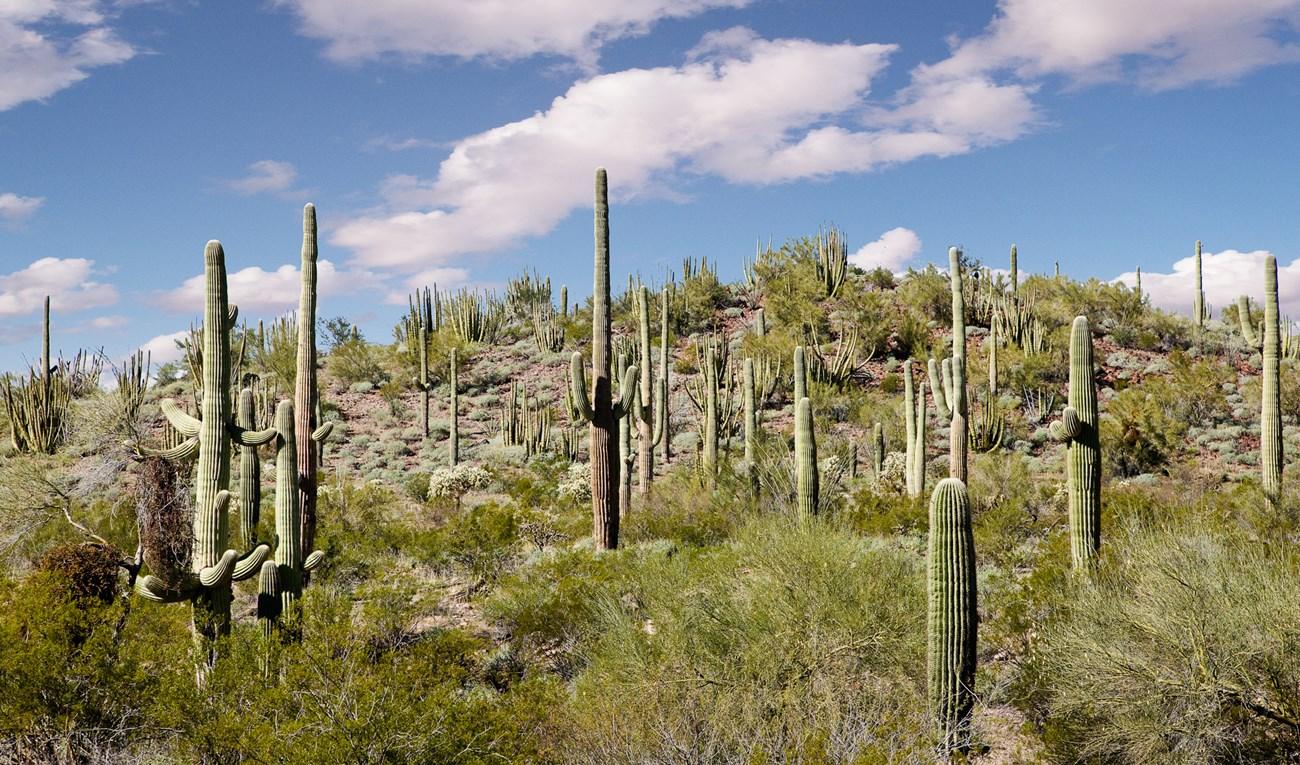 Saguaro National Park
 surrounds Tucson with giant cacti, desert wildlife, mountain trails, scenic drives and enduring Sonoran Desert heritage.
Saguaro National Park
Saguaro National Park surrounds Tucson with giant cacti, desert wildlife, mountain trails, scenic drives and enduring Sonoran Desert heritage.
-


Swipe for more regions
Explore more

Explore more of Arizona
Discover Arizona: From the majestic Grand Canyon and red rocks of Sedona to the vibrant cities of Phoenix and Scottsdale, explore the diverse beauty and culture of the Grand Canyon State.
Explore Arizona