

Free Santa Catalina Mountains Travel Guide & Mobile App
Explore Santa Catalina Mountains with free travel guides. Discover regional history, expert tips, proposed trips, and audio guides on web or mobile app.


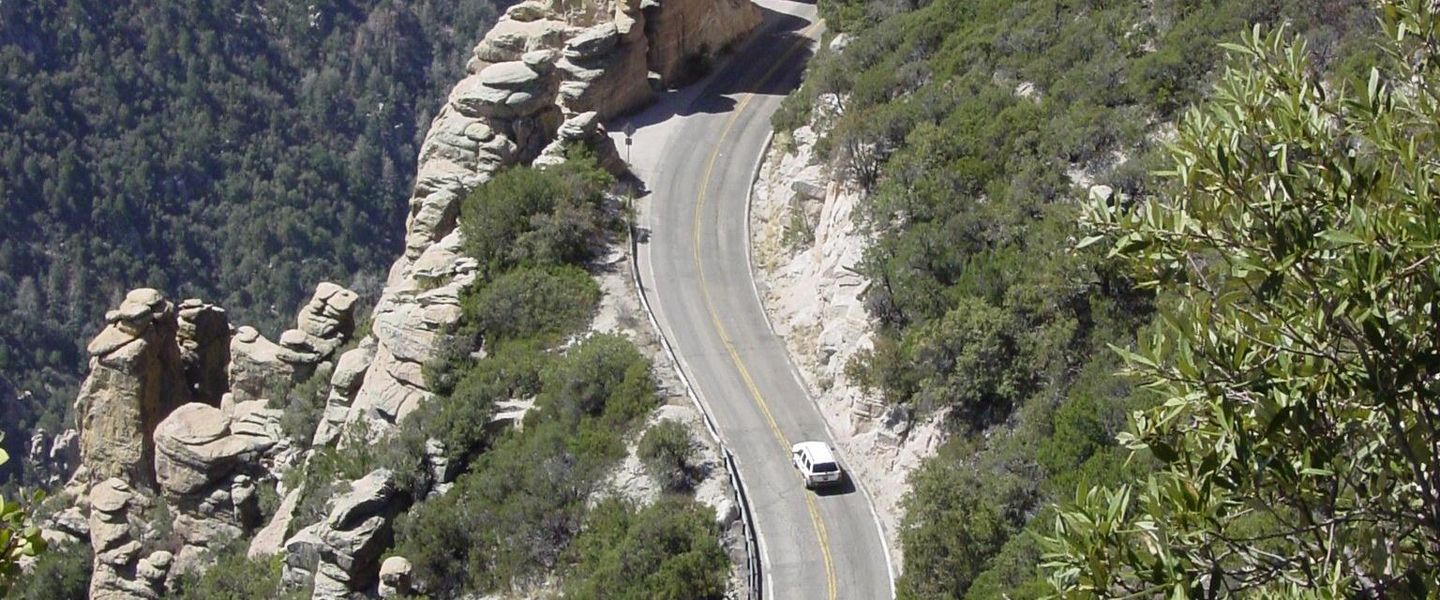


Explore the Santa Catalina Mountains near Tucson for desert trails, forested peaks, scenic drives, wildlife and high-elevation outdoor adventures.
Read more about Santa Catalina Mountains
When is the best time to visit Santa Catalina Mountains?
Best: May, September–October · 21–27°C| Month | High (°C) | Rainfall (mm) |
|---|---|---|
| January | 11 | 23 |
| February | 13 | 24 |
| March | 16 | 21 |
| April | 20 | 13 |
| May (best) | 25 | 8 |
| June | 31 | 10 |
| July | 32 | 49 |
| August | 31 | 54 |
| September (best) | 27 | 39 |
| October (best) | 21 | 23 |
| November | 14 | 18 |
| December | 11 | 23 |
Getting to and around Santa Catalina Mountains
How to get there
Transportation
Top city travel guides in Santa Catalina Mountains
The cities of Santa Catalina Mountains, and the easiest places to base yourself.
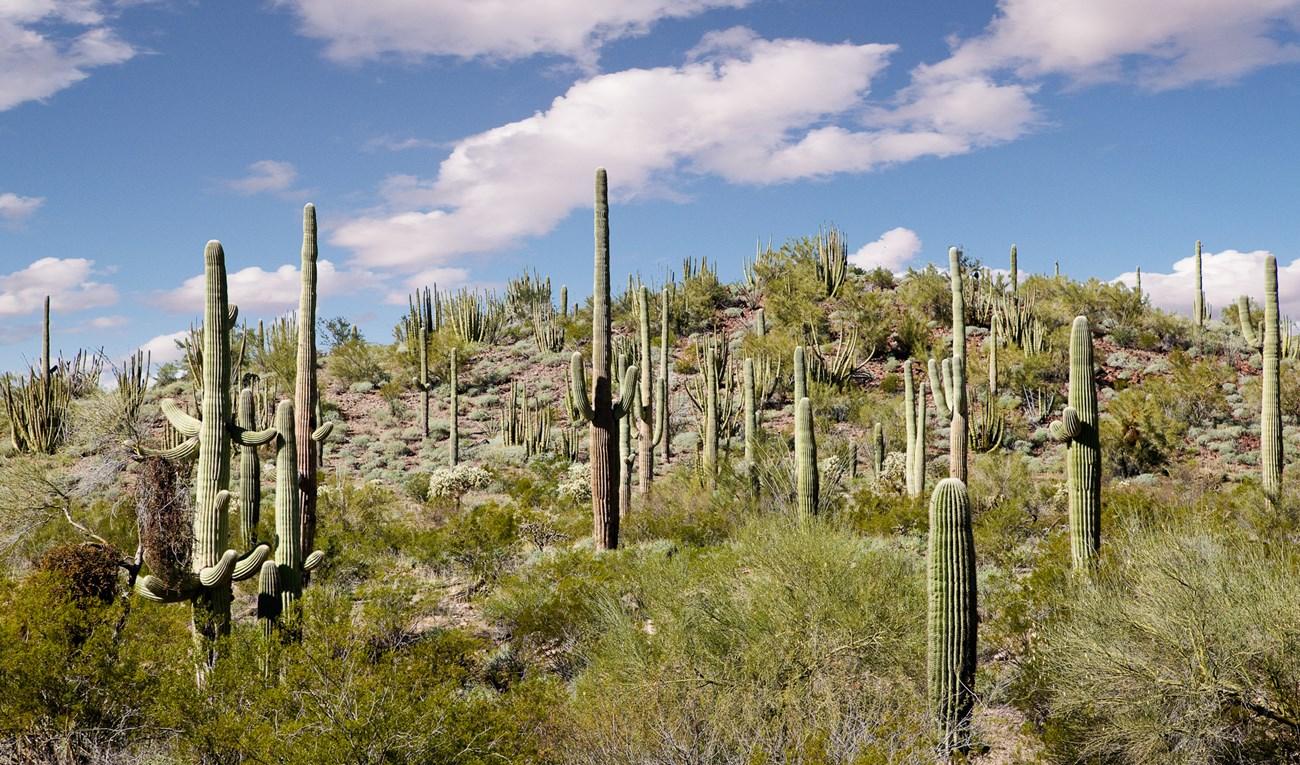
Swipe for more cities
Destinations in Santa Catalina Mountains
Resorts, valleys and scenic spots worth a trip of their own.
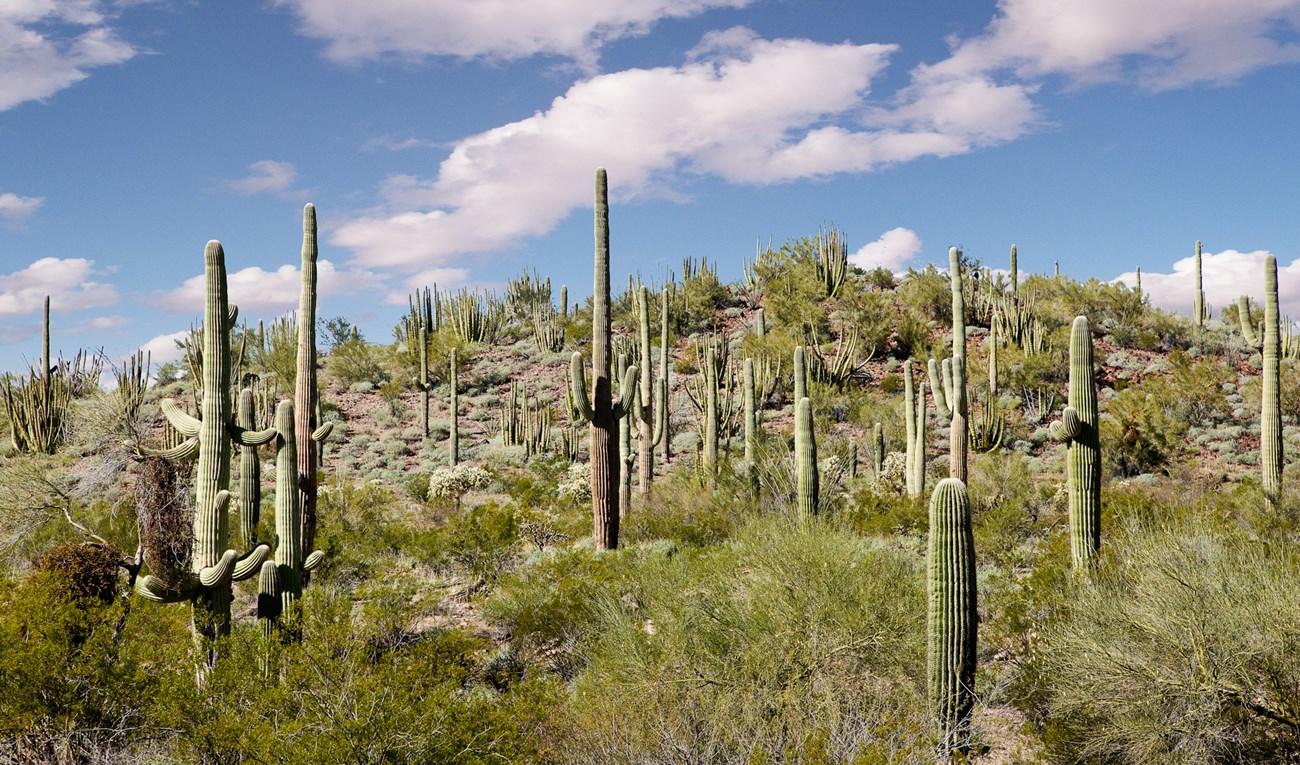
Swipe for more destinations
Best attractions in Santa Catalina Mountains
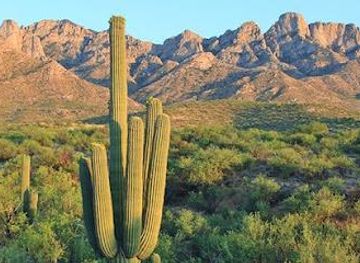
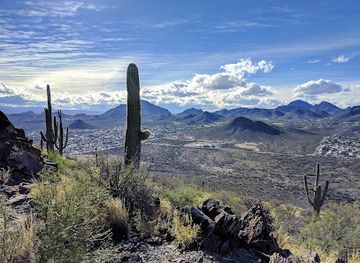
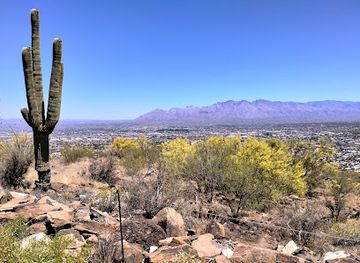
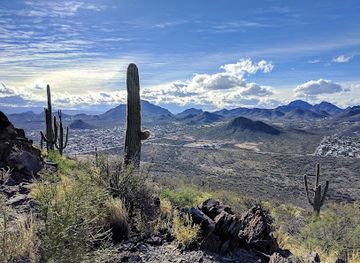
The Santa Catalina Mountains offer an unusually concentrated range of outdoor attractions. Sabino Canyon on the southern slopes combines a dramatic desert canyon with riparian vegetation, walking routes and seasonal shuttle arrangements, while nearby lower-elevation trails reveal saguaro woodland, rocky washes and broad views over Tucson. Catalina State Park, at the western foothills, provides additional trails and campsites in a desert setting beneath the mountains. The Catalina Highway is itself a major attraction, climbing through successive ecological zones to high-country viewpoints, picnic areas and forested walks. Around Summerhaven and Mount Lemmon, visitors can find cooler-weather hiking, seasonal skiing at Mount Lemmon Ski Valley, scenic chairlift rides when operating and access to trails through pine and fir forest. The Mount Lemmon SkyCenter adds an astronomy-focused dimension to the upper mountain. Birdwatching, wildflower observation and photography are rewarding, but conditions are seasonal and facilities are dispersed. Snow, monsoon storms, wildfire recovery and occasional road restrictions can alter access, so visitors should check current public-land information before travelling.
-
Tohono Chul | Gardens, Galleries, and Bistro
Explore Tohono Chul, Tucson's enchanting gardens, art galleries, and bistro, where nature and creativity harmoniously blend in a serene desert oasis.
-
State park
Catalina State Park
Explore the breathtaking landscapes and diverse wildlife of Catalina State Park, a premier destination for outdoor adventure in Arizona.
-
Tourist attraction
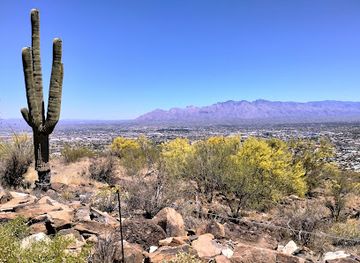
Tumamoc Hill Hiking Trail
Explore Tumamoc Hill Hiking Trail in Tucson, Arizona – a scenic hiking destination offering breathtaking views and a rich desert experience.
-
Tourist attraction
Tumamoc Hill
Explore Tumamoc Hill, a nature preserve in Tucson, Arizona, offering breathtaking views, serene hiking trails, and rich ecological diversity.
Best landmarks in Santa Catalina Mountains
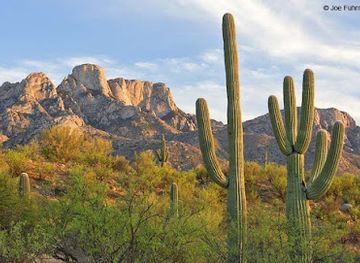
Mount Lemmon, rising to about 9,157 feet, is the best-known summit of the Santa Catalina Mountains and the visual focus of the upper range. The Catalina Highway, designated the Sky Island Scenic Byway, is another landmark in its own right: its ascent from saguaro-covered foothills to conifer forest illustrates the range's remarkable vertical geography. Sabino Canyon is a defining natural feature on the southern side, with steep rock walls and a wash lined by desert and riparian vegetation. The forested slopes around Summerhaven and the Mount Lemmon Ski Valley area mark the high-country character of the range, while the Mount Lemmon SkyCenter represents its scientific and astronomical importance. At the foot of the mountains, Catalina State Park provides a recognisable foreground of desert washes, saguaros and rugged slopes. These places are significant not merely as viewpoints but as expressions of the Catalinas' contrasting ecological zones, public-land history and continuing role in research, recreation and water-sensitive desert landscapes.
-
State park
Catalina State Park
Explore the beauty of the Sonoran Desert at Catalina State Park, where hiking, camping, and history meet at the foot of the Santa Catalina Mountains.
-
Hiking area
Tumamoc Hill Hiking Trail
Discover the stunning beauty and rich history of Tumamoc Hill Hiking Trail in Tucson, Arizona, an essential stop for outdoor enthusiasts and nature lovers.
-
Nature preserve
Tumamoc Hill
Explore Tumamoc Hill in Tucson, Arizona – a serene nature preserve with stunning views, diverse wildlife, and rich cultural history perfect for outdoor enthusiasts.
-
Park
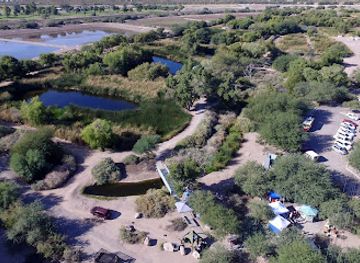
Sweetwater Wetlands Park
Discover Tucson's hidden gem: a unique blend of urban oasis, wildlife refuge, and water conservation at Sweetwater Wetlands Park.
Explore Santa Catalina Mountains on the map
Plan your trip on one map. See where the top cities, national parks and sights are, and book hotels and experiences in a few clicks.
Best hotels in Santa Catalina Mountains
Best restaurants in Santa Catalina Mountains
Dining in the Santa Catalina Mountains is limited and concentrated in Summerhaven, where mountain cafés, casual restaurants, bakeries and small food shops serve visitors travelling the Catalina Highway. Menus tend to favour practical comfort food, hot drinks, sandwiches, burgers, pizza and sweet treats suited to a cool high-country setting rather than a large regional culinary scene. Apple-based desserts and other mountain-town specialities are associated with the upper community, while the broader Tucson area outside the range offers southern Arizona cooking, Mexican influences and a far greater choice of restaurants. At lower trailheads and in Coronado National Forest, visitors should bring food and water because services are widely spaced and picnic facilities may be basic. Farmers' markets, specialist food shops and the strongest representation of Sonoran-style cuisine are generally found in Tucson, not in the mountain range itself. Check seasonal opening arrangements before relying on a particular establishment.
-
Botanical garden
Tohono Chul | Gardens, Galleries, and Bistro
Explore Tohono Chul: A unique fusion of botanical beauty, local art exhibitions, and delicious dining set against Tucson's stunning desert backdrop.
-
American
The Parish
Discover the rich flavors of Cajun cuisine at The Parish in Tucson – where Southern hospitality meets innovative culinary artistry.
-
American
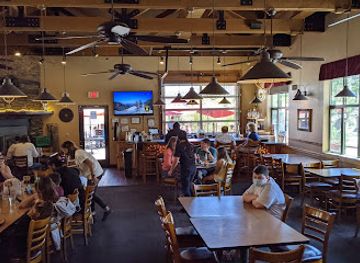
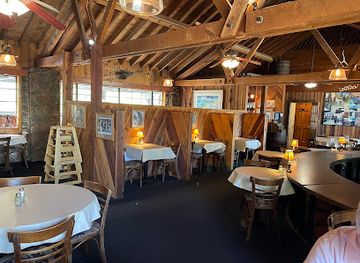
Sawmill Run Restaurant
Discover family-friendly American dining at Sawmill Run Restaurant in Mt. Lemmon, where delicious meals meet breathtaking mountain views.
-
American
Iron Door
Discover Iron Door in Mt. Lemmon: where classic American cuisine meets breathtaking mountain views.

Best bars in Santa Catalina Mountains
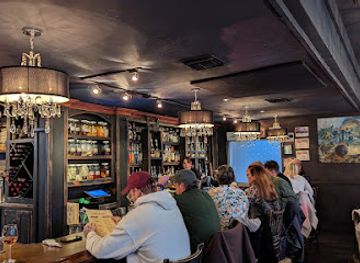
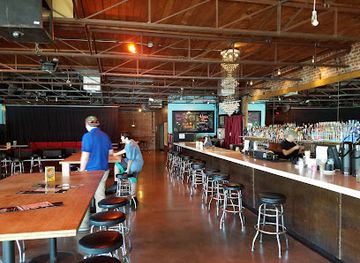
The Santa Catalina Mountains do not have a conventional nightclub district. Evening life centres on relaxed restaurants, cafés and pub-style venues in Summerhaven, where the atmosphere is shaped by mountain weather, stargazing and visitors returning from trails or winter activities. In the forest and around trailheads, nights are quiet and dark-sky conditions are part of the appeal, although visitors must follow current fire and camping rules. The main nightlife, live-music scene and wider choice of bars are in Tucson outside the range, especially in the city's established central districts. Mountain businesses may operate seasonally or keep limited hours, so an evening in the Catalinas is best planned around an early meal, a scenic sunset or an astronomy programme rather than late-night entertainment.
-
American
Culinary Dropout
Experience the vibrant flavors of American cuisine at Culinary Dropout, Tucson's go-to spot for brunch, live music, and culinary creativity.
-
American
The Parish
Experience the vibrant blend of Cajun and American cuisine at The Parish in Tucson, where every dish tells a delicious story.
-
American
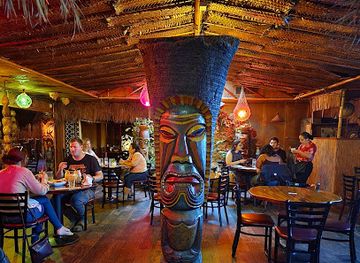
Kon Tiki Restaurant & Lounge
Discover a blend of Polynesian and American cuisine at Kon Tiki Restaurant & Lounge, a vibrant escape in Tucson, Arizona.
-
Bar
Sky Bar Tucson
Discover the perfect blend of stunning views, live music, and refreshing cocktails at Sky Bar Tucson, your must-visit destination in Tucson, Arizona.

Best nightclubs in Santa Catalina Mountains
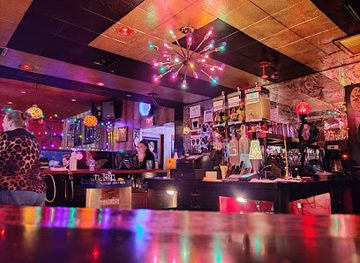
The Santa Catalina Mountains do not have a conventional nightclub district. Evening life centres on relaxed restaurants, cafés and pub-style venues in Summerhaven, where the atmosphere is shaped by mountain weather, stargazing and visitors returning from trails or winter activities. In the forest and around trailheads, nights are quiet and dark-sky conditions are part of the appeal, although visitors must follow current fire and camping rules. The main nightlife, live-music scene and wider choice of bars are in Tucson outside the range, especially in the city's established central districts. Mountain businesses may operate seasonally or keep limited hours, so an evening in the Catalinas is best planned around an early meal, a scenic sunset or an astronomy programme rather than late-night entertainment.
-
Bar
The Shelter Bar
Experience the retro charm and flavorful cocktails at The Shelter Bar, Tucson's favorite lounge for a perfect night out.
-
Grill
Whiskey Roads
Discover the vibrant flavors of Tucson at Whiskey Roads, where delicious grills meet a lively bar atmosphere, perfect for any occasion.
-
Live music bar
The Maverick King of Clubs
Discover the pulse of Tucson nightlife at The Maverick King of Clubs, where live music, delicious burgers, and vibrant energy unite.
-
Event planner
club 4th
Discover Club 4th in Tucson, AZ - the perfect venue for unforgettable events, weddings, and celebrations with expert planning and rental services.



Best shops in Santa Catalina Mountains
Shopping within the Santa Catalina Mountains is small-scale and practical, centred mainly on Summerhaven. Visitors can find mountain-town gifts, snacks, books, outdoor necessities and locally themed items in its independent shops, while seasonal produce and baked goods may be available through established local businesses. The upper community is not a large retail centre, so food, fuel and specialist hiking supplies are better obtained in Tucson before ascending the Catalina Highway. Tucson, outside the range, provides the region's broader selection of galleries, Native arts and crafts, jewellery, books, farmers' markets and specialist food shops. When buying Indigenous art or craftwork, choose reputable sellers who identify artists and communities clearly and avoid items made from protected wildlife or plant materials. Practical souvenirs from the mountains include locally made food products, artwork inspired by the sky-island landscape and maps or field guides, but stock and availability can vary by season.
-
Outlet mall
Tucson Premium Outlets
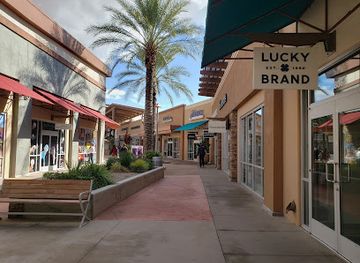
Experience an unparalleled shopping adventure at Tucson Premium Outlets, where fashion meets affordability amidst a beautiful outdoor setting.
-
Shopping mall
La Encantada
Explore La Encantada in Tucson, Arizona — a luxurious shopping experience with stunning mountain views and diverse dining options.
-
Cookies
Mt Lemmon Cookie Cabin
Experience the sweet side of Mt. Lemmon at the Cookie Cabin, featuring delicious cookies and homemade fudge amidst stunning mountain scenery.
-
Gift shop
Mt Lemmon General Store & Gift Shop
Explore the Mt. Lemmon General Store & Gift Shop for unique souvenirs, local products, and expert advice in the heart of Arizona's beautiful mountains.
Get your free copy of our complete guide to Santa Catalina Mountains, delivered straight to you.
Everything on this page, from attractions and restaurants to essentials and local phrases, in one PDF you can read offline, print or share.
Already have an account? Sign in
Your Santa Catalina Mountains guide is ready.
We'll send it to · Not you? Sign out

Getting your guide ready…
We are putting together a fresh copy of the Santa Catalina Mountains guide. This can take up to a minute.
This can take a few moments. If your browser asks, choose Allow so the download can start. You'll find the guide in your Downloads folder.
Nothing happened? Download it again
Sorry, the guide is taking longer than usual. Please try again in a minute, or get it by email instead.
Santa Catalina Mountains essentials
Currency and Payment
Safety
Emergency Situations
Do's and Don'ts
Local Tips
From Eve
Local phrases worth knowing
You don't need to get them perfect. A few words go a long way, and locals appreciate the effort.
Basics
| English | Local | Say it |
|---|---|---|
| Hello | Howdy | [Ha-oo-dee] |
| Goodbye | See ya later | [See yah lay-ter] |
| Yes | Yep | [Yep] |
| No | Nope | [Nope] |
| Please/You’re welcome | Sure thing | [Shur thing] |
| Thank you | Thanks a bunch | [Thanks a bunch] |
| Excuse me/Sorry | Pardon me | [Par-don mee] |
| How are you? | How’s it going? | [How's it go-ing] |
| Fine. And you? | Good. You? | [Good. You?] |
| Do you speak English? | Do ya know English? | [Doo yah noe Eng-lish] |
| I don’t understand | I don’t get it | [I don’t get it] |
Eating & Drinking
| English | Local | Say it |
|---|---|---|
| I’d like to see the menu, please | Can I see the menu? | [Can I see the men-u?] |
| I don’t eat meat | I’m a vegetarian | [I’m a ve-ge-ta-rian] |
| Cheers! | Bottoms up! | [Bot-toms up] |
| I would like to pay, please | Can I get the check? | [Can I get the chek?] |
Emergencies
| English | Local | Say it |
|---|---|---|
| Help! | Help! | [Help!] |
| Go away! | Leave me alone! | [Leave me a-lone!] |
| Call the Police! | Call 911! | [Call nine-one-one] |
| Call a doctor! | Get a doctor! | [Get a doc-tor] |
| I’m lost | I can’t find my way | [I can’t find my way] |
| I’m ill | I’m not feeling well | [I’m not feel-ing well] |
Shopping
| English | Local | Say it |
|---|---|---|
| I’d like to buy... | I want to buy... | [I want to buy...] |
| I’m just looking | Just browsing | [Just brows-ing] |
| How much is it? | What’s the price? | [What’s the price?] |
| That’s too expensive | That costs too much | [That costs too much] |
| Can you lower the price? | Can you make it cheaper? | [Can you make it chee-per?] |
Time & Numbers
| English | Local | Say it |
|---|---|---|
| What time is it? | What’s the time? | [What’s the time?] |
| It’s one o’clock | It’s one | [It’s one] |
| Half past (10) | Half past ten | [Half past ten] |
| Morning | Morning | [Morn-ing] |
| Afternoon | Afternoon | [Af-ter-noon] |
| Evening | Evening | [Eve-ning] |
| Yesterday | Yesterday | [Yes-ter-day] |
| Today | Today | [To-day] |
| Tomorrow | Tomorrow | [To-mor-row] |
| 1 | One | [One] |
| 2 | Two | [Two] |
| 3 | Three | [Three] |
| 4 | Four | [Four] |
| 5 | Five | [Five] |
| 6 | Six | [Six] |
| 7 | Seven | [Seven] |
| 8 | Eight | [Eight] |
| 9 | Nine | [Nine] |
| 10 | Ten | [Ten] |
Transport & Directions
| English | Local | Say it |
|---|---|---|
| Where's a/the...? | Where’s the...? | [Where’s the...?] |
| What’s the address? | What’s the address? | [What’s the ad-dress?] |
| Can you show me (on the map)? | Can you point it out? | [Can you point it out?] |
| When’s the next (bus)? | When’s the next bus? | [When’s the next bus?] |
| A ticket (to ....) | One ticket to... | [One tick-et to...] |
History of Santa Catalina Mountains
Indigenous landscapes and O'odham traditions
The Santa Catalina Mountains form part of the long-inhabited cultural landscape of southern Arizona. O'odham communities, including the Tohono O'odham, maintained detailed knowledge of desert plants, water sources, seasonal movement and mountain environments. The range was not an empty wilderness before modern recreation and forestry: its canyons, foothills and passes were connected to wider patterns of travel, hunting, gathering and settlement. Indigenous place knowledge remains an important context for understanding the relationship between Tucson, the surrounding desert and the higher Catalinas.
Spanish and Mexican-era encounters
Spanish explorers, missionaries and later Mexican settlers entered a region already shaped by Indigenous communities and established routes. The name Santa Catalina reflects the Spanish colonial naming tradition, although the mountains themselves were never separate from the wider social and environmental world of southern Arizona. During the Mexican period, the surrounding Tucson area developed through ranching, agriculture and trade, while the mountain slopes remained comparatively remote and were used for grazing, gathering and travel.
United States expansion and changing land use
After the Gadsden Purchase of 1854 and the later incorporation of Arizona into the United States, Tucson and its surrounding mountains became part of an expanding military, ranching and commercial frontier. Mining, grazing, settlement and transport altered the lowlands, while the higher Catalinas supplied timber and seasonal relief from desert heat. Roads and trails gradually connected the range more closely with Tucson, laying foundations for later scientific and recreational use.
Reserved forest and public-land protection
Federal forest protection began in the early twentieth century, when the Santa Catalina slopes became part of the system of forest reserves that developed into the Coronado National Forest. This change helped place watershed protection, timber management and public access within a formal administrative framework. Today the range is managed as public forest and associated protected land, balancing recreation, habitat conservation, fire management and the needs of communities around Tucson.
The road to Mount Lemmon
Improved road access transformed the visitor experience of the Catalinas. The route now known as the Catalina Highway, or Sky Island Scenic Byway, made it possible to travel from Tucson's desert edge to the high country in a single outing. Its construction and subsequent improvements supported tourism, scientific activity, forestry and mountain recreation, while also making the range more vulnerable to congestion, wildfire impacts and pressure on limited facilities.
Science, astronomy and the sky-island idea
The sharp ecological changes with elevation made the Santa Catalinas important for biological study and field observation. Their high slopes also provide a valuable setting for astronomy, including facilities near Mount Lemmon associated with the University of Arizona's observatory programmes. The term sky island describes isolated mountain ranges rising above surrounding desert, each supporting cooler and often distinct habitats. The Catalinas have consequently become an important example of how altitude, climate and isolation shape biodiversity in the Southwest.
The Aspen Fire and contemporary resilience
The 2003 Aspen Fire burned a large area of the upper Santa Catalina Mountains, affecting forest communities, roads, homes and recreation facilities. Its effects remain visible in stands of dead and recovering trees, altered views and changing vegetation patterns. Fire is a natural force in these forests, but drought, warmer conditions and accumulated fuels can influence its severity. The fire also highlighted the continuing need for preparedness, restoration and careful management where public land meets mountain communities.
Santa Catalina Mountains in Photos
Browse through our photo collection highlighting the charm and character of the destination.
Neighbouring regions of Santa Catalina Mountains
The closest regions to Santa Catalina Mountains, if you have time for more than one.
-
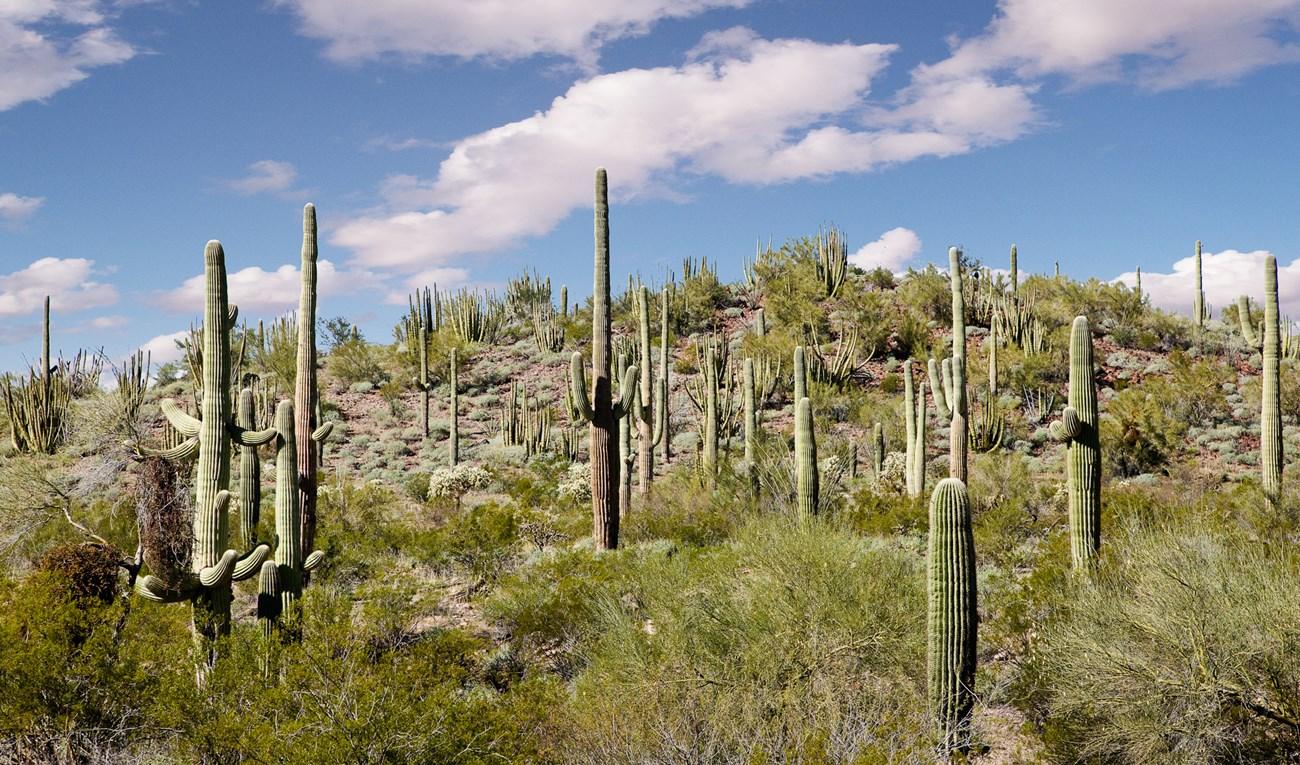 Saguaro National Park
 surrounds Tucson with giant cacti, desert wildlife, mountain trails, scenic drives and enduring Sonoran Desert heritage.
Saguaro National Park
Saguaro National Park surrounds Tucson with giant cacti, desert wildlife, mountain trails, scenic drives and enduring Sonoran Desert heritage.
-

-
-

-


Swipe for more regions
Explore more

Explore more of Arizona
Discover Arizona: From the majestic Grand Canyon and red rocks of Sedona to the vibrant cities of Phoenix and Scottsdale, explore the diverse beauty and culture of the Grand Canyon State.
Explore Arizona