

Free Pinal County Travel Guide & Mobile App
Explore Pinal County with free travel guides. Discover regional history, expert tips, proposed trips, and audio guides on web or mobile app.


Explore Pinal County for ancient desert ruins, copper-country history, mountain trails, arboretum gardens and wide-open Arizona landscapes between Phoenix and Tucson.
Read more about Pinal County
Getting to and around Pinal County
How to get there
Transportation
Top city travel guides in Pinal County
The cities of Pinal County, and the easiest places to base yourself.
-

-
 Tucson
Discover Tucson, Arizona: A desert oasis rich in cultural heritage, natural beauty, and culinary delights, perfect for explorers and food enthusiasts alike.
-

-

-

-


Swipe for more cities
Destinations in Pinal County
Resorts, valleys and scenic spots worth a trip of their own.
-
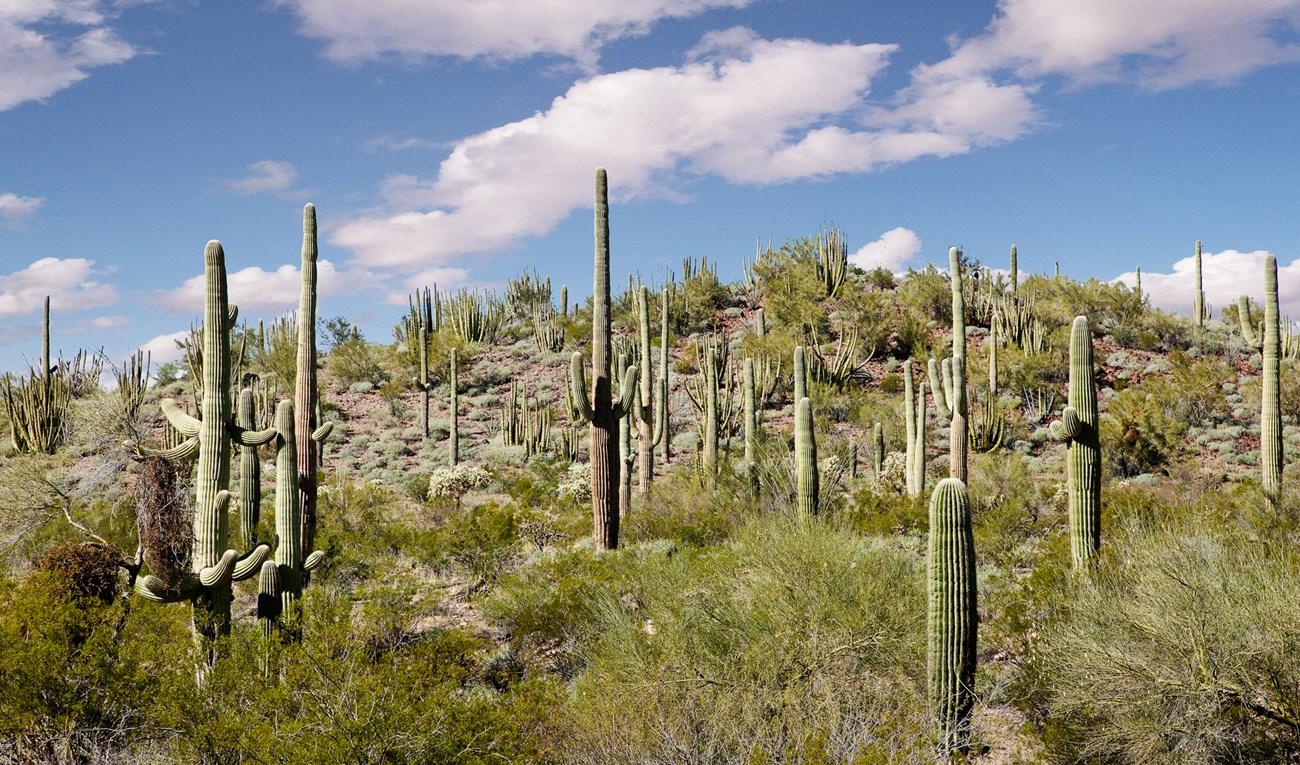
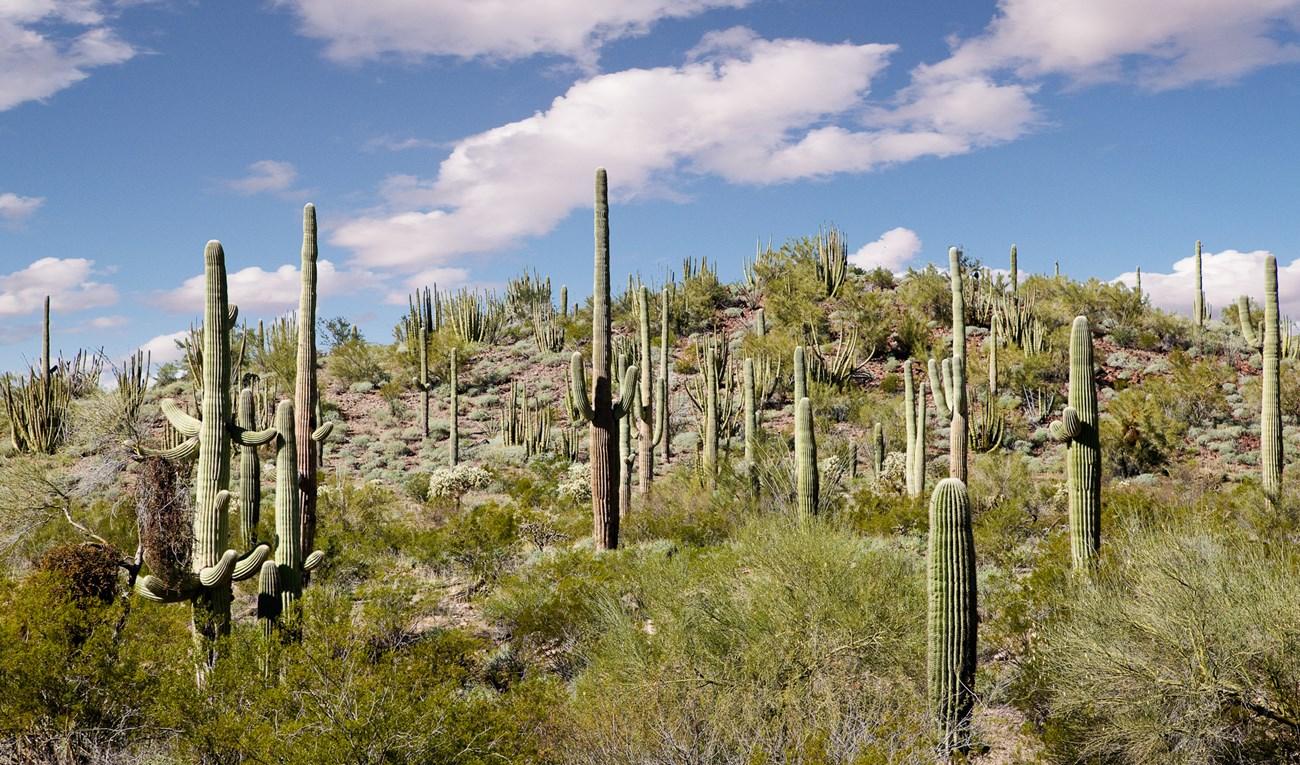 Saguaro National Park
 in Arizona reveals giant cacti, desert trails, Tucson sunsets, wildlife and Sonoran Desert heritage across two distinct districts.
-

-


Swipe for more destinations
Best attractions in Pinal County
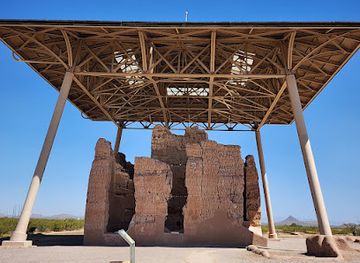
Pinal County's attractions range from major archaeological remains to mountain parks and working landscapes. Casa Grande Ruins National Monument near Coolidge protects a large ancestral Sonoran Desert earthen structure and offers the clearest introduction to the region's ancient irrigation-based settlements. Florence provides territorial-era architecture and a historic civic centre, while the communities around Casa Grande and Eloy reveal the continuing importance of farming, railways and transport corridors. In the east, Lost Dutchman State Park offers trails beneath the Superstition Mountains, and Picacho Peak State Park presents a demanding climb to a prominent desert landmark beside Interstate 10. Boyce Thompson Arboretum near Superior combines botanical collections with canyon scenery and native desert habitats. Around Oracle, Biosphere 2 explores ecological research at an extraordinary scale, while Oracle State Park protects higher-elevation desert grassland and oak woodland. The county's appeal lies in the contrast between open agricultural valleys, rugged volcanic ranges, carefully preserved heritage and accessible scientific attractions.
-
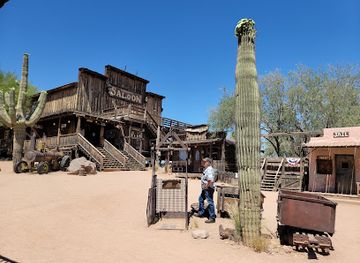
Ghost town
Goldfield Ghost Town and Mine Tours Inc.
Experience the Wild West at Goldfield Ghost Town, a captivating historic site with mine tours, charming shops, and breathtaking desert views.
-
Shopping mall
Mesa Market Place Swap Meet
Discover unique treasures, local crafts, and live entertainment at Mesa Market Place, Arizona's largest outdoor shopping market.
-
National reserve
Casa Grande Ruins National Monument
Explore the ancient architectural wonders of Casa Grande Ruins National Monument and immerse yourself in Arizona's rich Native American history.
-
Tourist attraction
Veterans Oasis Park
Discover a peaceful desert oasis in Chandler, Arizona, offering fishing, trails, wildlife, and veteran memorials.


Best landmarks in Pinal County
Casa Grande Ruins National Monument is Pinal County's defining historic landmark: the surviving great house, built from earthen walls by ancestral Sonoran Desert communities, rises conspicuously from the flat landscape near Coolidge. Florence's historic courthouse-centred streets and territorial-era buildings provide a different kind of landmark, recalling the county's role in Arizona's early civic administration. The Superstition Mountains form the most recognisable natural backdrop in the east, with jagged ridges and dark volcanic slopes visible from Apache Junction and Lost Dutchman State Park. Picacho Peak, a sharply projecting volcanic remnant beside Interstate 10, has long served as a visual marker for travellers crossing the desert. Superior's mountain setting and mining infrastructure express the county's copper heritage, while Coolidge Dam represents the twentieth-century attempt to regulate the Gila River for irrigation. Near Oracle, the great glass structures of Biosphere 2 stand out as a modern scientific landmark against the high desert, contrasting with the county's much older archaeological and geological features.
-
National reserve
Casa Grande Ruins National Monument
Discover the mysteries of the Hohokam civilization at Casa Grande Ruins National Monument, where the desert whispers tales of the past.
-
Park
Veterans Oasis Park
Discover a peaceful desert oasis in Chandler, AZ, offering recreation, education, and a tribute to veterans amidst lush greenery and tranquil waters.
-
Historical landmark
Tom Mix Memorial
A roadside tribute to Tom Mix, the original King of Cowboys, honoring his legacy in film and the Wild West on Arizona's Highway 79.
-
Museum
Pinal County Historical Museum
Explore Pinal County's captivating past through fascinating exhibits and artifacts at the Pinal County Historical Museum in Florence, Arizona.


Explore Pinal County on the map
Plan your trip on one map. See where the top cities, national parks and sights are, and book hotels and experiences in a few clicks.
Best hotels in Pinal County
Best restaurants in Pinal County
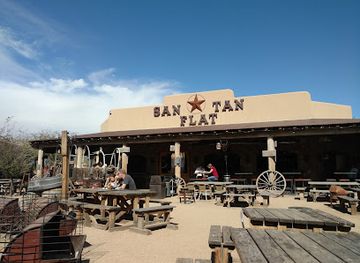
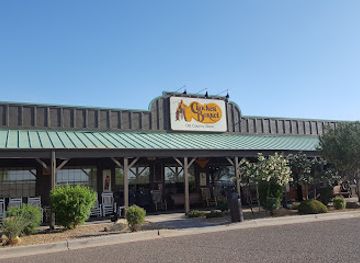
Dining in Pinal County reflects central Arizona's mixture of desert agriculture, Mexican-American influence, ranching traditions and contemporary growth. In Casa Grande, Maricopa, Apache Junction, Florence and the larger highway communities, visitors will find Mexican restaurants, family-run cafés, diners, national chains and independent venues serving familiar Southwestern fare. Local menus commonly draw on ingredients and tastes associated with the wider region, including maize, beans, chillies, tortillas and grilled meats, rather than a single dish exclusive to the county. Farm stands and seasonal produce sellers appear along agricultural routes, while food shopping in larger towns is useful for picnics in parks and desert areas. Historic-town cafés, casual restaurants and rural venues provide a more relaxed setting than roadside service areas, and Superior's mining-town character adds a distinctive setting for meals near the mountain parks. Craft beer and Arizona wines may appear on menus, but local availability varies by community.
-
Steak
San Tan Flat
Experience the vibrant flavors of San Tan Flat: where expertly grilled steaks meet lively entertainment in the heart of Queen Creek.
-
Hamburger
In-N-Out Burger
Savor the iconic taste of In-N-Out Burger in Mesa, Arizona - where quality meets fast food perfection.
-
American
Cracker Barrel Old Country Store
Discover the charm of Southern cuisine at Cracker Barrel Old Country Store in Casa Grande - where every meal feels like home.
-
Italian
Olive Garden Italian Restaurant
Discover the rich flavors of Italy at Olive Garden in Casa Grande—where every meal feels like a family gathering.


Best bars in Pinal County
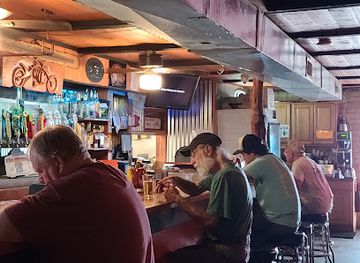
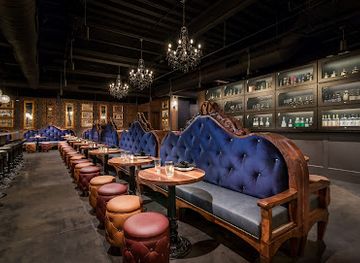
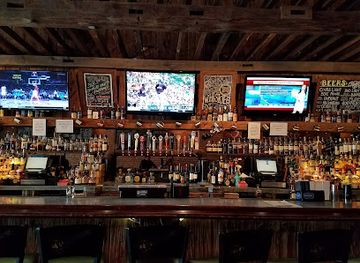
Evening life in Pinal County is generally low-key and community-centred rather than built around a large club scene. Casa Grande, Apache Junction, Maricopa, Florence and Superior have the broadest selection of bars, restaurants and informal evening venues, while smaller settlements tend to rely on neighbourhood pubs, sports bars and family dining. Historic-style taverns and local bars can offer a glimpse of the social life of long-established desert and mining communities, but opening arrangements and entertainment change, so current checks are sensible. Live music and seasonal events appear in some towns, particularly where community organisations or local venues host them. In rural areas, darkness arrives quickly and distances between towns are substantial; visitors should arrange transport before drinking and should not assume that a late-night taxi or rideshare will be readily available. The region's evening appeal often lies in quiet meals, desert sunsets and clear skies rather than nightclubs.
-
American
River Bottom Bar & Grill
Discover a vibrant American dining experience at River Bottom Bar & Grill in Florence, AZ, where good food and live music create unforgettable memories.
-
Bar
Li'l Abner's Steakhouse
Experience the best of Tucson dining at Li'l Abner's Steakhouse, where delicious steaks and live music create unforgettable memories.
-
Cocktail bar
The White Rabbit
Discover The White Rabbit, a top-rated cocktail bar in Gilbert, AZ, offering an exceptional nightlife experience with exquisite drinks and vibrant ambiance.
-
Live music bar
Bourbon Jacks American Tavern
Discover Bourbon Jacks American Tavern in Chandler, AZ, where live music and American cuisine create an unforgettable dining experience.

Best nightclubs in Pinal County
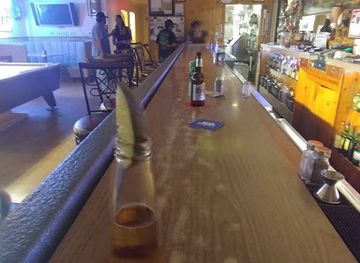
Evening life in Pinal County is generally low-key and community-centred rather than built around a large club scene. Casa Grande, Apache Junction, Maricopa, Florence and Superior have the broadest selection of bars, restaurants and informal evening venues, while smaller settlements tend to rely on neighbourhood pubs, sports bars and family dining. Historic-style taverns and local bars can offer a glimpse of the social life of long-established desert and mining communities, but opening arrangements and entertainment change, so current checks are sensible. Live music and seasonal events appear in some towns, particularly where community organisations or local venues host them. In rural areas, darkness arrives quickly and distances between towns are substantial; visitors should arrange transport before drinking and should not assume that a late-night taxi or rideshare will be readily available. The region's evening appeal often lies in quiet meals, desert sunsets and clear skies rather than nightclubs.
-
Bar
JEWELS DESERT SANDS INC
Discover the vibrant nightlife of Casa Grande at Jewels Desert Sands Inc, a bar offering an extensive drink selection and welcoming atmosphere.
-
Bar
Viktoria's Nightclub
Experience the vibrant nightlife at Viktoria's Nightclub in Eloy, where music, dancing, and great drinks create unforgettable nights.
-
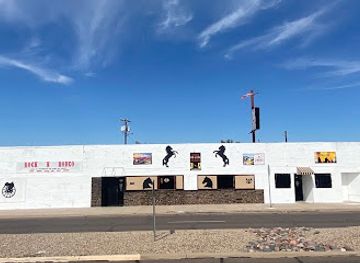
Night club
Rock N Rodeo
Experience the vibrant nightlife of Eloy, Arizona at Rock N Rodeo, a premier night club and event venue for unforgettable celebrations.
Best shops in Pinal County
Shopping in Pinal County is practical and locally varied, with the strongest selections in Casa Grande, Apache Junction, Maricopa and the larger suburban communities. Historic Florence offers small-town streets and independent businesses, while Superior retains shops and galleries connected to its mining-town identity. Roadside stands and seasonal farm sellers are useful places to look for locally grown produce, though availability depends on harvests and operating days. Visitors can find Southwestern foods, chilli products, regional crafts, artwork, books, Native-inspired designs and desert-themed gifts in independent shops and visitor-oriented outlets, but should distinguish authentic locally made work from generic souvenirs. Supermarkets and shopping areas in Casa Grande are convenient for provisions before travelling to parks or monuments. Near Oracle and Superior, galleries, plant nurseries and craft-oriented businesses reflect the higher-desert landscape. There is little reason to expect a major luxury-shopping district; the county's more characteristic purchases are food products, practical outdoor supplies, local art and small gifts tied to Arizona's desert and mining heritage.
-
Shopping mall
Mesa Market Place Swap Meet
Experience the lively atmosphere of the Mesa Market Place Swap Meet, where local culture meets unique shopping in the heart of Arizona.
-
Shopping mall
Promenade at Casa Grande
Explore the Promenade at Casa Grande – a premier shopping destination in Arizona offering diverse stores, dining options, and entertainment for everyone!
-
 Department store
Walmart Supercenter
Explore Walmart Supercenter in Mesa, Arizona - your go-to destination for groceries, clothing, and more, all at budget-friendly prices.
-
Gift shop
Mt Lemmon General Store & Gift Shop
Explore unique gifts and local treasures at the Mt. Lemmon General Store & Gift Shop, your perfect stop in the picturesque Mt. Lemmon region.


Get your free copy of our complete guide to Pinal County, delivered straight to you.
Everything on this page, from attractions and restaurants to essentials and local phrases, in one PDF you can read offline, print or share.
Already have an account? Sign in
Your Pinal County guide is ready.
We'll send it to · Not you? Sign out

Getting your guide ready…
We are putting together a fresh copy of the Pinal County guide. This can take up to a minute.
This can take a few moments. If your browser asks, choose Allow so the download can start. You'll find the guide in your Downloads folder.
Nothing happened? Download it again
Sorry, the guide is taking longer than usual. Please try again in a minute, or get it by email instead.
Pinal County essentials
Currency and Payment
Safety
Emergency Situations
Do's and Don'ts
Local Tips
From Eve
Local phrases worth knowing
You don't need to get them perfect. A few words go a long way, and locals appreciate the effort.
Basics
| English | Local | Say it |
|---|---|---|
| Hello | Hola | [O-la] |
| Goodbye | Adiós | [A-dee-os] |
| Yes | Sí | [See] |
| No | No | [No] |
| Please/You're welcome | Por favor/De nada | [Por fa-vor/De na-da] |
| Thank you | Gracias | [Gra-thee-as] |
| Excuse me/Sorry | Perdón | [Per-don] |
| How are you? | ¿Cómo estás? | [Ko-mo es-tas] |
| Fine. And you? | Bien. ¿Y tú? | [Bee-en. Ee tu] |
| Do you speak English? | ¿Hablas inglés? | [A-blas in-glez] |
| I don't understand | No entiendo | [No en-tee-en-do] |
Eating & Drinking
| English | Local | Say it |
|---|---|---|
| I'd like to see the menu, please | Me gustaría ver el menú, por favor | [Me gus-ta-ree-a ver el me-nu, por fa-vor] |
| I don't eat meat | No como carne | [No ko-mo kar-ne] |
| Cheers! | ¡Salud! | [Sa-lud] |
| I would like to pay, please | Quisiera pagar, por favor | [Kee-see-era pa-gar, por fa-vor] |
Emergencies
| English | Local | Say it |
|---|---|---|
| Help! | ¡Ayuda! | [A-yu-da] |
| Go away! | ¡Vete! | [Ve-te] |
| Call the Police! | ¡Llama a la policía! | [Ya-ma a la po-li-cia] |
| Call a doctor! | ¡Llama a un doctor! | [Ya-ma a un doc-tor] |
| I'm lost | Estoy perdido | [Es-toy per-di-do] |
| I'm ill | Estoy enfermo | [Es-toy en-fer-mo] |
Shopping
| English | Local | Say it |
|---|---|---|
| I'd like to buy... | Me gustaría comprar... | [Me gus-ta-ree-a com-prar] |
| I'm just looking | Solo estoy mirando | [So-lo es-toy mi-ran-do] |
| How much is it? | ¿Cuánto cuesta? | [Kwan-to kwes-ta] |
| That's too expensive | Eso es muy caro | [E-so es muy ka-ro] |
| Can you lower the price? | ¿Puedes bajar el precio? | [Pwe-des ba-har el pre-sio] |
Time & Numbers
| English | Local | Say it |
|---|---|---|
| What time is it? | ¿Qué hora es? | [Ke o-ra es] |
| It's one o'clock | Es la una | [Es la u-na] |
| Half past (10) | Diez y media | [Dyez ee me-dia] |
| Morning | Mañana | [Ma-nyana] |
| Afternoon | Tarde | [Tar-de] |
| Evening | Noche | [No-che] |
| Yesterday | Ayer | [A-yer] |
| Today | Hoy | [Oy] |
| Tomorrow | Mañana | [Ma-nyana] |
| 1 | Uno | [Oo-no] |
| 2 | Dos | [Dos] |
| 3 | Tres | [Tres] |
| 4 | Cuatro | [Kua-tro] |
| 5 | Cinco | [Sin-co] |
| 6 | Seis | [Says] |
| 7 | Siete | [Syet-e] |
| 8 | Ocho | [O-cho] |
| 9 | Nueve | [Nwe-ve] |
| 10 | Diez | [Dyez] |
Transport & Directions
| English | Local | Say it |
|---|---|---|
| Where's a/the...? | ¿Dónde está un/una...? | [Don-de es-ta un/una] |
| What's the address? | ¿Cuál es la dirección? | [Kwal es la di-rec-cion] |
| Can you show me (on the map)? | ¿Puedes mostrarme (en el mapa)? | [Pwe-des mos-trar-me (en el ma-pa)] |
| When's the next (bus)? | ¿Cuándo es el próximo (autobús)? | [Kwan-do es el pro-xi-mo (au-to-bus)] |
| A ticket (to ....) | Un boleto (a ....) | [Un bo-le-to (a ....)] |
History of Pinal County
Hohokam Irrigation and Casa Grande
From roughly the first millennium CE, ancestral Sonoran Desert communities developed extensive irrigation networks in the valleys of central and southern Arizona. Their agriculture supported substantial settlements, craft production and long-distance exchange. The four-storey earthen structure now protected at Casa Grande Ruins National Monument was built during the late prehistoric period, probably in the fourteenth century, and formed part of a larger community. Although the society is often known by the archaeological term Hohokam, contemporary Indigenous peoples maintain their own connections and interpretations of this heritage. Irrigation remains one of the defining historical threads of central Pinal County.
Spanish and Mexican-era Routes
Spanish expeditions and missionaries travelled through the wider Gila and Sonoran Desert region from the seventeenth century onwards, linking Indigenous communities and settlements to trading and religious networks. After Mexican independence, the area remained a sparsely settled frontier crossed by routes between Tucson, the Gila River and settlements farther north. These movements did not erase established Indigenous societies, whose presence and knowledge continued to shape travel, agriculture and relations across the desert. The period laid some of the geographic foundations for later roads, ranches and towns.
The Founding of Florence and Territorial Settlement
Florence was established in the 1860s and became one of the key early communities in what is now Pinal County. Its position near the Gila River and along routes between Tucson and the Salt River settlements encouraged farming, commerce and public administration. The town's historic centre retains buildings associated with Arizona's territorial period, when county government, law courts, churches and trading businesses helped turn a remote frontier settlement into a civic hub. Florence also became associated with the Arizona State Prison, reflecting the institutional development of the territory and later state.
Copper Mining and Superior
Copper mining transformed the mountains around Superior and brought railways, investment and a more industrial economy to eastern Pinal County. The Magma Copper Mine began large-scale operations in the early twentieth century, and mining supported a tightly connected community in a demanding mountain environment. The industry employed successive generations and left a strong mark on the town's architecture, social history and landscape. Although mining activity and employment have changed over time, copper remains essential to understanding Superior and the county's broader relationship with Arizona's mineral economy.
Water Engineering and Agricultural Expansion
The construction of Coolidge Dam on the Gila River, completed in the late 1920s, formed San Carlos Lake and supported the San Carlos Irrigation Project. Water engineering enabled more reliable farming in a region where agriculture had always depended on careful management of scarce river flows and canals. Cotton, grains, cattle feed and other crops became important to the county's economy, while irrigation altered settlement patterns and the appearance of the desert floor. The project also has a complex history involving the San Carlos Apache Tribe and the management of Indigenous water resources.
Railways, Highways and Modern Growth
Rail connections and later highways tied Pinal County to Phoenix, Tucson and national markets, reinforcing the roles of Casa Grande, Eloy and Coolidge as transport and agricultural centres. In the later twentieth and early twenty-first centuries, population growth spread through communities such as Maricopa, Apache Junction and San Tan Valley, with new housing and logistics development alongside long-established farms and desert ranges. The result is a county where prehistoric sites, territorial towns, mining settlements, industrial corridors and rapidly changing suburban landscapes exist within the same broad geographical setting.
Pinal County in Photos
Browse through our photo collection highlighting the charm and character of the destination.
Neighbouring regions of Pinal County
The closest regions to Pinal County, if you have time for more than one.
-

-
-
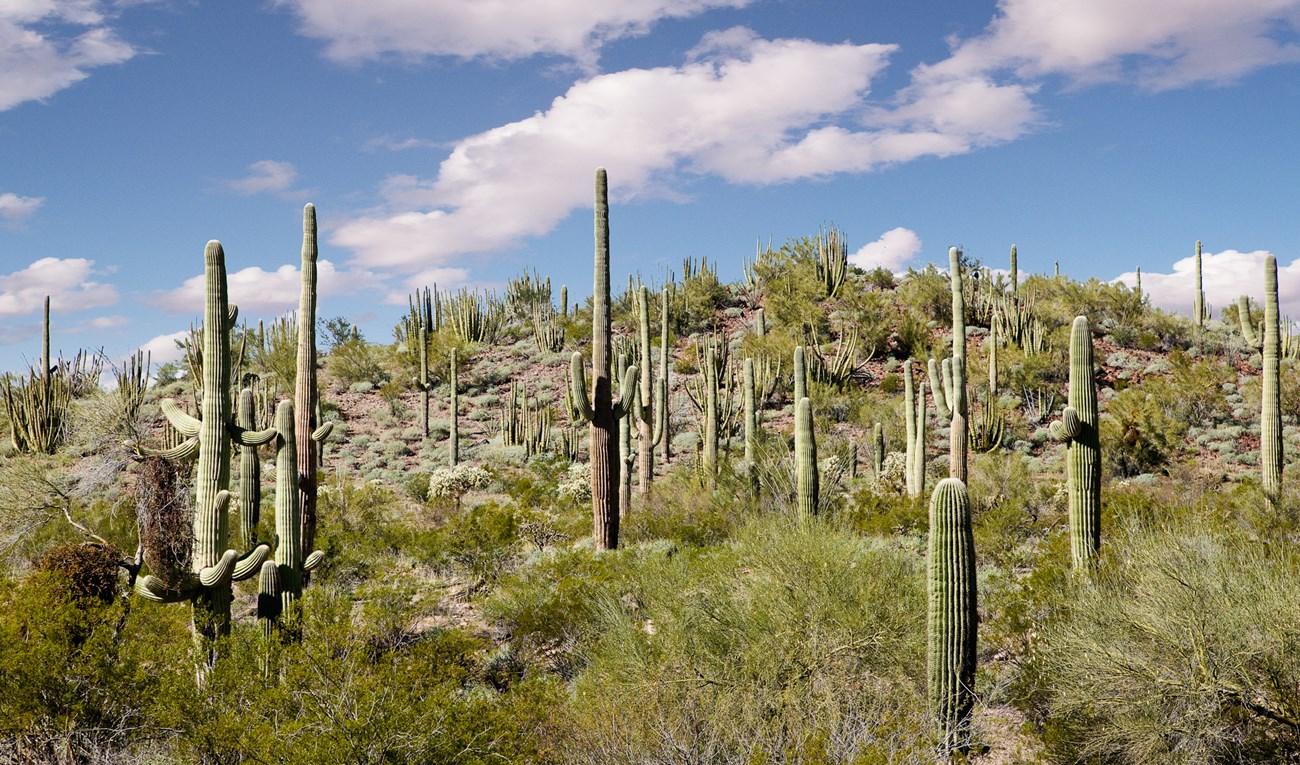 Saguaro National Park
 surrounds Tucson with giant cacti, desert wildlife, mountain trails, scenic drives and enduring Sonoran Desert heritage.
-
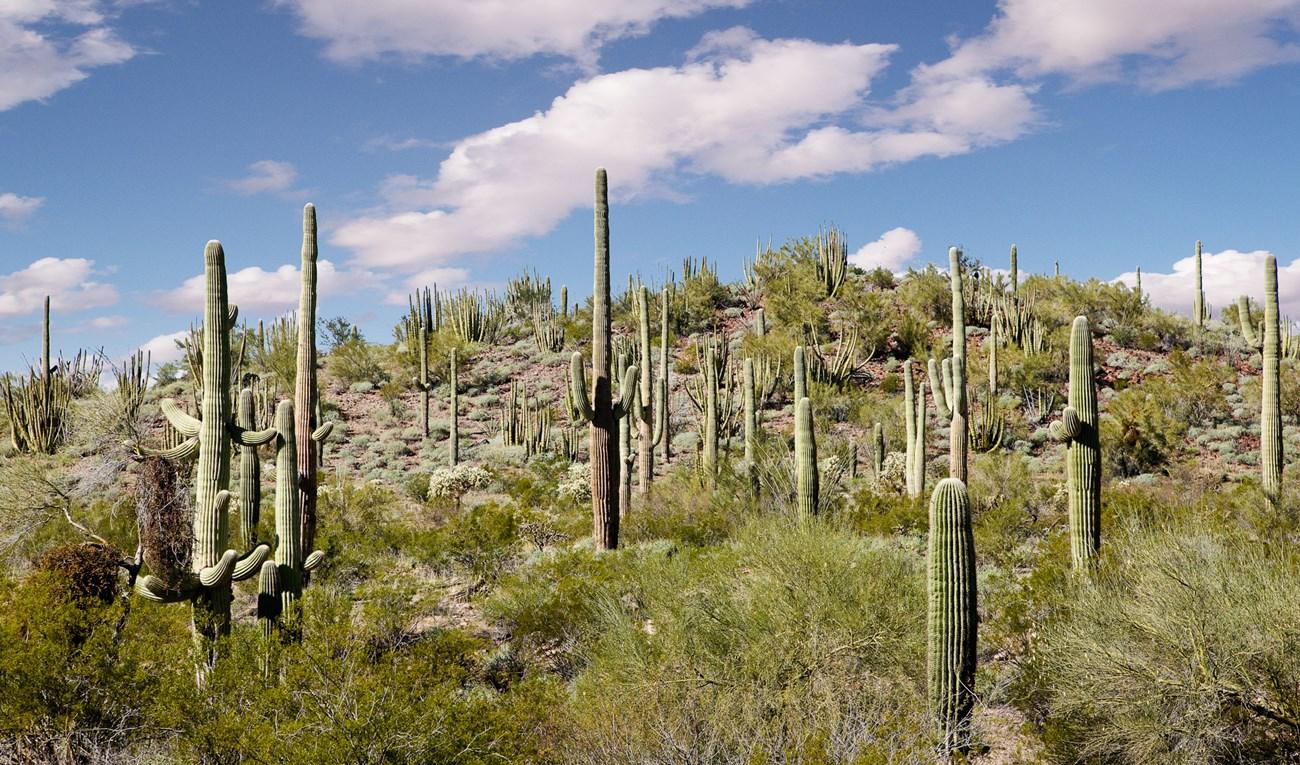 Pima County
Explore Pima County for Tucson's food and heritage, saguaro-filled parks, mountain trails, Indigenous culture and remote Sonoran Desert landscapes.
-
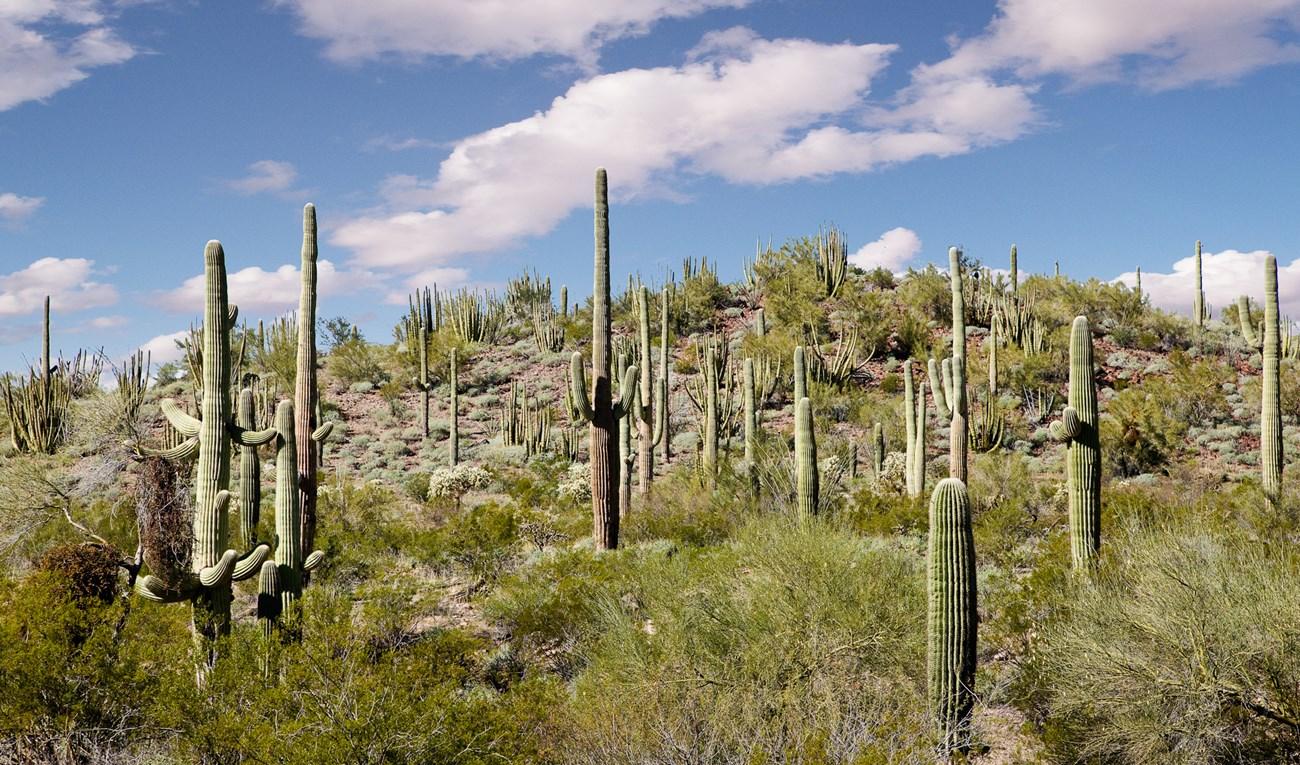 Sonoran Desert
Explore Arizona’s Sonoran Desert through saguaro forests, mountain preserves, Indigenous heritage, desert wildlife and distinctive Phoenix and Tucson landscapes.


Swipe for more regions
Explore more

Explore more of Arizona
Discover Arizona: From the majestic Grand Canyon and red rocks of Sedona to the vibrant cities of Phoenix and Scottsdale, explore the diverse beauty and culture of the Grand Canyon State.
Explore Arizona