

Free Arkansas Highland Travel Guide & Mobile App
Explore Arkansas Highland with free travel guides. Discover regional history, expert tips, proposed trips, and audio guides on web or mobile app.


Explore Arkansas Highland landscapes of Ozark forests, limestone caves, historic towns, clear rivers, folk music and outdoor adventure.
Read more about Arkansas Highland
Getting to and around Arkansas Highland
How to get there
Transportation
Best attractions in Arkansas Highland
The Arkansas Highland’s attractions are anchored in its geology and topography. The Buffalo National River provides canoeing, swimming, fishing, hiking and access to limestone bluffs, while Blanchard Springs Caverns offers a guided journey beneath the Ozark forest. State parks including Devil’s Den, Hobbs and Lake Fort Smith add trails, lakes, historic structures and camping, and the White River and its tributaries support further outdoor recreation. Eureka Springs supplies a very different experience, with steep historic streets, Victorian architecture, galleries and springs. Mountain View is a centre for Ozark music and traditional craft at the Ozark Folk Center. In the north-west, Crystal Bridges Museum of American Art and the extensive cycling culture around Bentonville and Fayetteville provide major contemporary attractions. Scenic drives, wildlife watching, fishing, caving and short walks are often as important as formal visitor sites, but distances and road conditions mean that each part of the highland is best explored at a measured pace.
-
State park
Petit Jean State Park
Discover Arkansas's first state park: breathtaking views, historic sites, and outdoor adventures await at Petit Jean State Park in Morrilton.
-
Tourist attraction
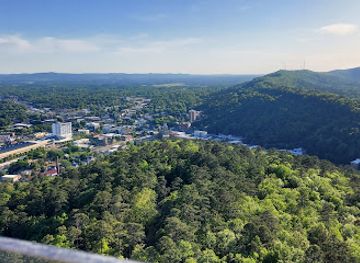
Hot Springs Mountain Tower
Reach new heights at Hot Springs Mountain Tower for unmatched views of the Ouachita Mountains and Hot Springs National Park.
-
State park
Mammoth Spring State Park
Discover Arkansas's largest spring, historic train depot, and scenic beauty at Mammoth Spring State Park, a natural and historical treasure.
-
Historical landmark
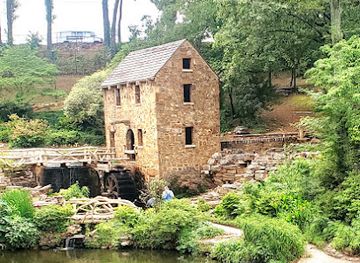
The Old Mill
Step back in time at The Old Mill in North Little Rock, a historic and scenic landmark featured in 'Gone With the Wind'.

Best landmarks in Arkansas Highland
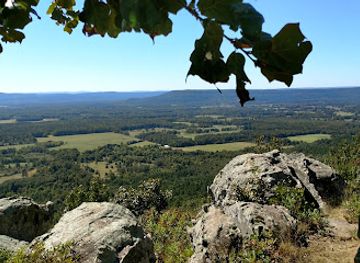
The most recognisable landmarks of the Arkansas Highland reflect both its built heritage and its upland geology. Eureka Springs Historic District is notable for Victorian commercial buildings, churches, hotels and homes arranged along steep, irregular streets and ravines. The Crescent Hotel is one of the town’s prominent historic structures, while Thorncrown Chapel presents a more modern architectural landmark in a wooded setting. In the natural landscape, the limestone bluffs and river corridor of the Buffalo National River form the region’s defining visual emblem, particularly around areas such as Steel Creek and Center Point, where cliffs rise above the water. Blanchard Springs Caverns is an important underground landmark created by soluble limestone and flowing water. The historic courthouse square at Mountain View remains closely associated with Ozark music and community life, while the old zinc-mining landscapes of north-west Arkansas reveal the industrial history beneath the forested hills.
-
National park
Hot Springs National Park
Discover thermal springs, historic bathhouses, and scenic trails in the heart of Hot Springs, Arkansas, at America's oldest national park.
-
Tourist attraction
Hot Springs Mountain Tower
Reach new heights at Hot Springs Mountain Tower for unmatched views of the Ouachita Mountains and Hot Springs National Park.
-
State park
Mammoth Spring State Park
Discover Arkansas's largest spring, explore a historic train depot, and enjoy outdoor adventures at Mammoth Spring State Park in the Ozark Mountains.
-
Park
Buffalo National River
Discover the untamed beauty of America's first National River, where the Ozark Mountains meet crystal-clear waters and endless outdoor adventures await.


Explore Arkansas Highland on the map
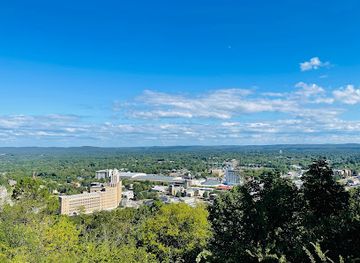
Plan your trip on one map. See where the top cities, national parks and sights are, and book hotels and experiences in a few clicks.
Best hotels in Arkansas Highland
Best restaurants in Arkansas Highland
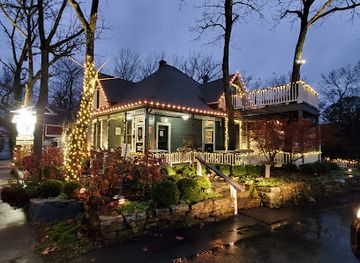
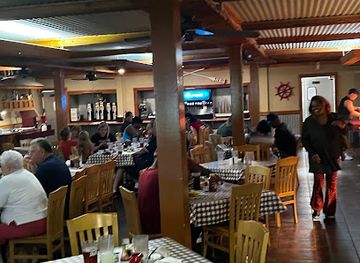
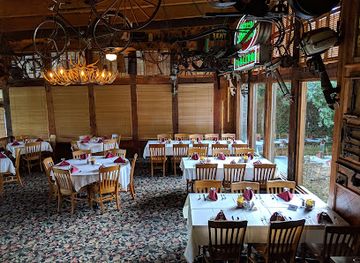
Dining in the Arkansas Highland moves between traditional Southern cooking, Ozark home-style food and an increasingly diverse contemporary scene. Barbecue, fried catfish, biscuits, cornbread, chicken, beans and seasonal vegetables appear in local cafés, family restaurants and roadside establishments, while trout and other freshwater fish are associated with the region’s rivers. Mountain towns often have diners, bakeries, country cafés and restaurants serving generous portions rather than formal dining rooms. Bentonville, Fayetteville, Rogers and Springdale offer the broadest choice, including international cuisines, craft breweries, coffee shops and restaurants using produce from nearby farms. Farmers’ markets and farm shops are useful for fruit, preserves, honey, baked goods and locally raised products, and rural inns can provide a more traditional setting. Visitors should distinguish genuinely local Ozark and Southern dishes from the wider American food culture also represented across Arkansas.
-
Italian
Ermilio's Italian Home Cooking
Savor authentic Italian cuisine at Ermilio's in Eureka Springs - where every dish tells a story.
-
Buffet
Golden Corral Buffet & Grill
Experience an endless variety of delicious American cuisine at Golden Corral Buffet & Grill in Jonesboro - perfect for families and food lovers alike!
-
Restaurant
Ron's Catfish
Experience authentic Southern seafood at Ron's Catfish in Jonesboro - where flavor meets hospitality!
-
American
Gaston's Restaurant
Discover exceptional American cuisine and fresh seafood at Gaston's Restaurant in Lakeview, Arkansas—where stunning lake views enhance your dining experience.

Best bars in Arkansas Highland
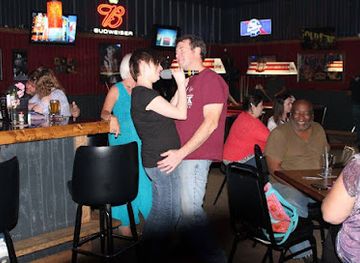
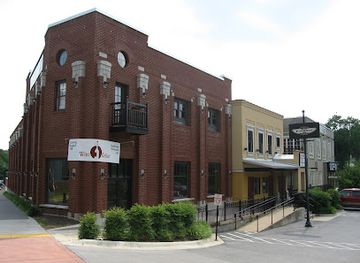
Evening life in the Arkansas Highland varies sharply by location. Eureka Springs has the most concentrated visitor-oriented choice of pubs, bars, restaurants and live entertainment, with historic buildings providing much of the setting. Fayetteville supports a larger evening scene shaped by the University of Arkansas, including live music, independent bars and late-night restaurants, while Bentonville and Rogers offer breweries, cocktail bars, wine bars and restaurant-led evenings. Mountain View is better known for informal traditional music and community performances than for nightclubs. In the rural Ozarks, evenings usually centre on a local pub, restaurant, lodge or outdoor gathering, and options can be widely spaced. Seasonal festivals and performances may change the atmosphere, so check current arrangements rather than assuming that a small town has late-night venues.
-
Bar
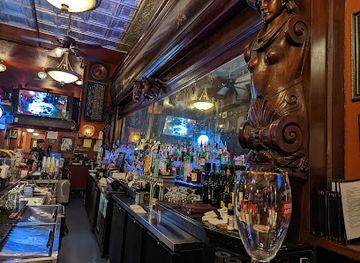
Ohio Club
Discover the vibrant culture of Hot Springs at The Ohio Club, a historic bar and grill with live music and delicious American cuisine.
-
American
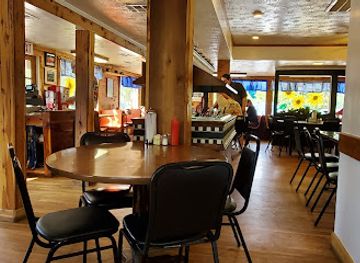
Carol's Lakeview Restaurant
Delight in American breakfast favorites with stunning lake views at Carol's Lakeview Restaurant in Cherokee Village.
-
American
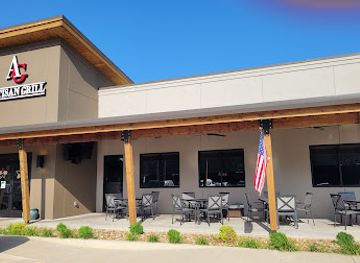
Artisan Grill
Experience the best of American cuisine at Artisan Grill in Ash Flat, Arkansas, renowned for its burgers, steaks, and family-friendly atmosphere.
-
American
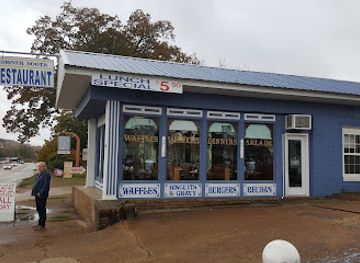
Corner Booth
Experience the heart of American breakfast culture at Corner Booth in Hardy, AR, with delicious dishes and a cozy atmosphere.
Best nightclubs in Arkansas Highland
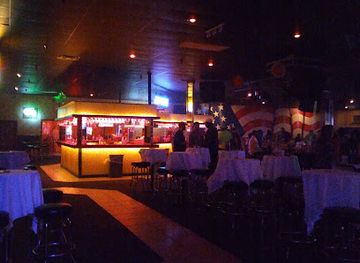
Evening life in the Arkansas Highland varies sharply by location. Eureka Springs has the most concentrated visitor-oriented choice of pubs, bars, restaurants and live entertainment, with historic buildings providing much of the setting. Fayetteville supports a larger evening scene shaped by the University of Arkansas, including live music, independent bars and late-night restaurants, while Bentonville and Rogers offer breweries, cocktail bars, wine bars and restaurant-led evenings. Mountain View is better known for informal traditional music and community performances than for nightclubs. In the rural Ozarks, evenings usually centre on a local pub, restaurant, lodge or outdoor gathering, and options can be widely spaced. Seasonal festivals and performances may change the atmosphere, so check current arrangements rather than assuming that a small town has late-night venues.
-
Event venue
Club 27
Discover the heart of Little Rock's nightlife at Club 27, where vibrant energy meets stylish elegance for unforgettable celebrations.
-
Karaoke bar
Jimmy Ray's Karaoke and Dance Club
Discover the ultimate karaoke experience at Jimmy Ray's, where every night is a celebration of music, dance, and delicious food in North Little Rock.
-
Night club
C4 Nightclub & Lounge
Discover C4 Nightclub & Lounge, a leading nightlife destination in Fayetteville, AR, where music, drinks, and an inclusive atmosphere await.
-
Night club
Electric Cowboy
Experience the electrifying nightlife of Little Rock at Electric Cowboy, the ultimate destination for dancing, drinks, and fun.

Best shops in Arkansas Highland
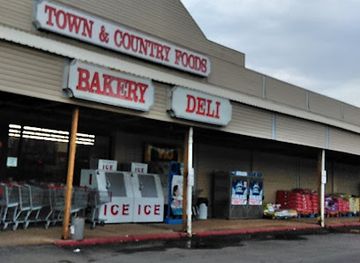
Shopping in the Arkansas Highland is strongest in its market towns and north-western urban corridor rather than in one continuous retail district. Eureka Springs has galleries, craft shops, bookshops, antiques and independent boutiques in and around its historic streets. Mountain View is a useful place to look for Ozark music recordings, handmade instruments, quilts, pottery, woodwork and other traditional crafts, while local markets and farm shops sell honey, preserves, baked goods and seasonal produce. Bentonville, Fayetteville, Rogers and Springdale provide larger selections of independent retailers, galleries, speciality food shops and contemporary design stores, alongside ordinary national chains. Visitors seeking regional souvenirs should favour work made by Arkansas artists and craftspeople, locally produced food and music connected with the Ozarks. Opening patterns can be seasonal in small communities, particularly outside the main tourist period.
-
Grocery store
Harps Food Stores
Discover local flavors at Harps Food Stores, a community grocery offering fresh produce, local products, and a welcoming atmosphere in Highland, Arkansas.
-
Candy store
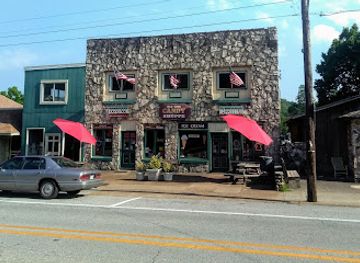
Hardy Sweet Shop
Discover the sweetest treats at Hardy Sweet Shop, Arkansas' charming candy and ice cream store, perfect for all ages and occasions.
-
Shopping mall
Highland Park Shopping Center
Explore Highland Park Shopping Center in Siloam Springs, AR for unique shops, delightful dining, and a vibrant community atmosphere.
-
Donuts
Donut Palace
Indulge in delicious, freshly-made donuts at Donut Palace in Highland, Arkansas – a sweet haven for every donut lover.


Get your free copy of our complete guide to Arkansas Highland, delivered straight to you.
Everything on this page, from attractions and restaurants to essentials and local phrases, in one PDF you can read offline, print or share.
Already have an account? Sign in
Your Arkansas Highland guide is ready.
We'll send it to · Not you? Sign out

Getting your guide ready…
We are putting together a fresh copy of the Arkansas Highland guide. This can take up to a minute.
This can take a few moments. If your browser asks, choose Allow so the download can start. You'll find the guide in your Downloads folder.
Nothing happened? Download it again
Sorry, the guide is taking longer than usual. Please try again in a minute, or get it by email instead.
Arkansas Highland essentials
Currency and Payment
Safety
Emergency Situations
Do's and Don'ts
Local Tips
From Eve
Local phrases worth knowing
You don't need to get them perfect. A few words go a long way, and locals appreciate the effort.
Basics
| English | Local | Say it |
|---|---|---|
| Hello | Howdy | [Ha-dee] |
| Goodbye | See ya later | [See ya lay-ter] |
| Yes | Yep | [Yep] |
| No | Nah | [Nah] |
| Please/You're welcome | Please/No problem | [Pleez/No prob-lem] |
| Thank you | Thank ya | [Thank ya] |
| Excuse me/Sorry | Excuse me/Sorry 'bout that | [Ex-cuze me/Sor-ree 'bout that] |
| How are you? | How ya doin'? | [How ya doin'?] |
| Fine. And you? | I’m good. How 'bout you? | [I’m good. How 'bout you?] |
| Do you speak English? | Ya speakin' English? | [Ya speakin' In-glish?] |
| I don't understand | I ain't followin' | [I ain't fol-lo-win'] |
Eating & Drinking
| English | Local | Say it |
|---|---|---|
| I'd like to see the menu, please | Can I see the menu, please? | [Can I see the men-yoo, pleez?] |
| I don't eat meat | I don't eat no meat | [I don't eat no meet] |
| Cheers! | Cheers! | [Cheers!] |
| I would like to pay, please | I'd like to settle up, please | [I'd like to set-tle up, pleez] |
Emergencies
| English | Local | Say it |
|---|---|---|
| Help! | Help! | [Help!] |
| Go away! | Get away! | [Get a-way!] |
| Call the Police! | Call the cops! | [Call the cops!] |
| Call a doctor! | Get a doc! | [Get a doc!] |
| I'm lost | I’m lost | [I’m lost] |
| I'm ill | I feel bad | [I feel bad] |
Shopping
| English | Local | Say it |
|---|---|---|
| I'd like to buy... | I wanna buy... | [I wanna buy...] |
| I'm just looking | Just browsin' | [Just brows-in'] |
| How much is it? | What’s the price? | [What’s the price?] |
| That's too expensive | That’s too pricey | [That’s too pry-see] |
| Can you lower the price? | Can ya knock down the price? | [Can ya knock down the price?] |
Time & Numbers
| English | Local | Say it |
|---|---|---|
| What time is it? | What time ya got? | [What time ya got?] |
| It's one o'clock | It’s one o'clock | [It’s one o'clock] |
| Half past (10) | Half past ten | [Half past ten] |
| Morning | Mornin' | [Mornin'] |
| Afternoon | Afternoon | [Afternoon] |
| Evening | Evenin' | [Evenin'] |
| Yesterday | Yestiddy | [Yes-tid-dee] |
| Today | Today | [To-day] |
| Tomorrow | Tomorrow | [To-mor-row] |
| 1 | One | [One] |
| 2 | Two | [Two] |
| 3 | Three | [Three] |
| 4 | Four | [Four] |
| 5 | Five | [Five] |
| 6 | Six | [Six] |
| 7 | Seven | [Seven] |
| 8 | Eight | [Eight] |
| 9 | Nine | [Nine] |
| 10 | Ten | [Ten] |
Transport & Directions
| English | Local | Say it |
|---|---|---|
| Where's a/the...? | Where's the...? | [Where's the...?] |
| What's the address? | What’s the address? | [What’s the ad-dress?] |
| Can you show me (on the map)? | Can ya point it out on the map? | [Can ya point it out on the map?] |
| When's the next (bus)? | When's the next bus? | [When's the next bus?] |
| A ticket (to ....) | A ticket to ... | [A tick-et to ...] |
History of Arkansas Highland
Indigenous Homelands and Ancient Ozark Settlement
The Arkansas Highland has been inhabited for thousands of years by peoples who hunted, gathered, farmed and travelled through the Ozark uplands and river valleys. Archaeological evidence includes rock shelters, pottery, stone tools and settlements associated with the long Indigenous history of the region. Historic Indigenous communities connected with the wider area included Osage, Quapaw, Caddo and others, although modern political and cultural identities should not be reduced to a single generic ‘Ozark’ tradition. Rivers, springs and sheltered valleys continued to shape movement and settlement long before European-American expansion.
French and Spanish Frontier Influence
The region formed part of the contested interior of North America during the period of French and Spanish colonial influence, although European settlement remained limited in the uplands. Trade routes and river systems linked the Ozarks with the Mississippi Valley and the Arkansas River country. After the Louisiana Purchase in 1803, the United States asserted control over the territory, accelerating surveying, migration and the eventual transformation of Indigenous lands. The highland landscape remained difficult to access, helping preserve a dispersed settlement pattern.
Nineteenth-Century Settlement and Statehood
Arkansas became a state in 1836, and settlers gradually established farms, mills, small towns and roads across the Ozark uplands. The terrain favoured mixed subsistence agriculture rather than the large plantation economy associated with parts of the lowland South. Communities developed around springs, river crossings, religious congregations and county seats. The Civil War disrupted the region, with divided loyalties, guerrilla warfare and military movement affecting many upland communities. Historic courthouses, churches, cemeteries and town plans preserve parts of this nineteenth-century landscape.
Minerals, Timber and Commercial Expansion
During the late nineteenth and early twentieth centuries, mining, timber cutting, quarrying and small-scale manufacturing expanded the highland economy. Zinc mining was particularly important around the north-western Ozarks, while lead and other minerals were worked in parts of the wider region. Railways and improved roads connected isolated communities with larger markets, although some industries later declined as resources became less profitable or transport patterns changed. The legacy remains visible in old mine landscapes, railway corridors, mills, commercial buildings and towns such as Eureka Springs, which also developed as a health resort.
Eureka Springs and the Rise of Highland Tourism
Eureka Springs grew rapidly in the late nineteenth century after visitors were drawn to its springs, steep ravines and claims of therapeutic waters. Hotels, bathhouses, churches and elaborate Victorian buildings followed, creating an unusual townscape adapted to a sharply sloping site. Although the health-resort fashion faded, the town’s architecture later supported heritage tourism. Across the Ozarks, scenic roads, lakes, caves and rustic accommodation gradually turned landscapes once considered remote into a major recreational destination.
The Buffalo National River and Conservation
The Buffalo River became a focus of a major twentieth-century conservation effort as proposals for dams and intensive development confronted campaigns to protect its free-flowing character. In 1972, the Buffalo became the United States’ first national river, establishing a protected corridor through the Ozark landscape. The designation helped preserve bluffs, forests, caves, archaeological resources and river habitats while supporting canoeing, hiking and environmentally aware tourism. It remains one of the defining conservation achievements of the Arkansas Highland.
Folk Culture and the Contemporary Highlands
Music, craft and storytelling associated with the Ozarks became central to regional cultural presentation during the twentieth century. Mountain View developed a national reputation for old-time music, particularly through the Ozark Folk Center and informal performances around the courthouse square. At the same time, north-west Arkansas grew into a major business, education and arts corridor, led by communities including Bentonville and Fayetteville. Museums, cycling routes, food enterprises and creative industries now sit alongside farming, forestry and outdoor recreation in the region’s evolving economy.
Arkansas Highland in Photos
Browse through our photo collection highlighting the charm and character of the destination.
Neighbouring regions of Arkansas Highland
The closest regions to Arkansas Highland, if you have time for more than one.
-
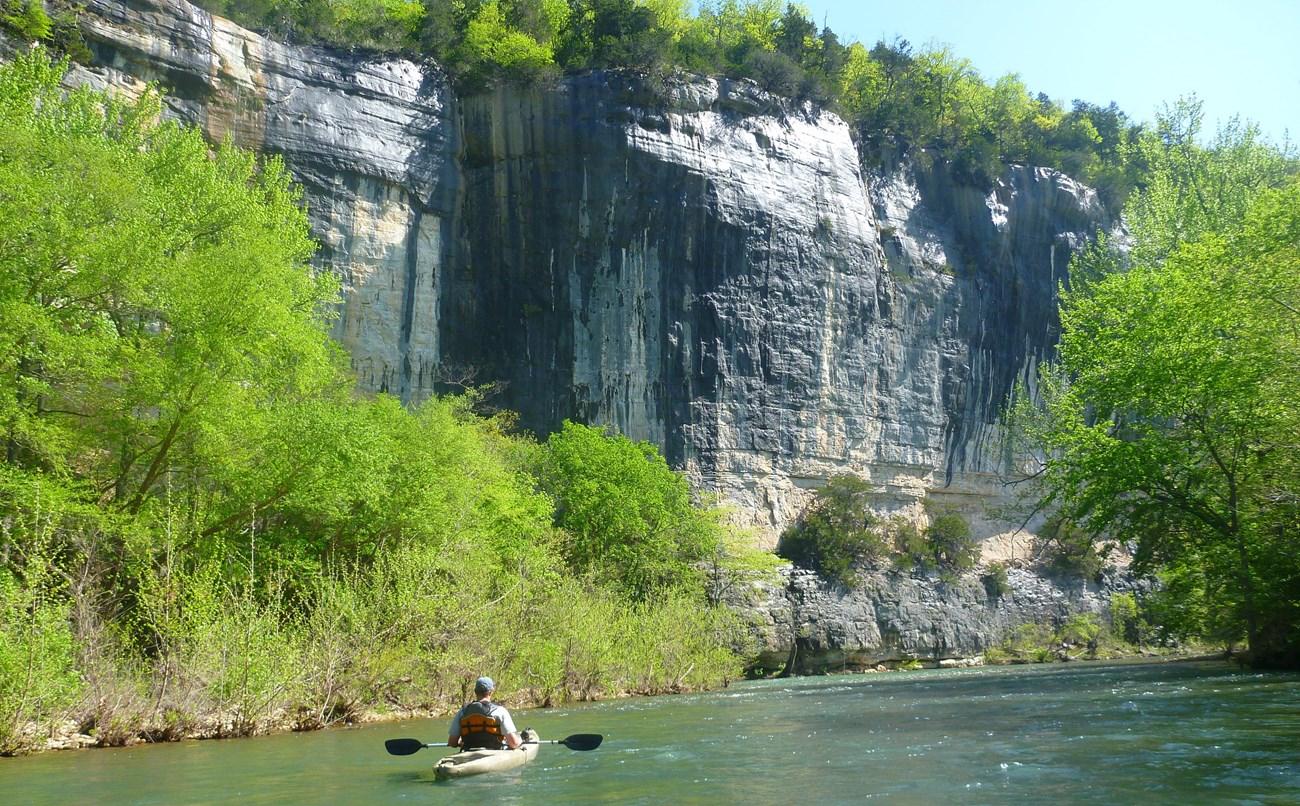 Ozark Mountains
Explore Arkansas's Ozark Mountains for limestone bluffs, clear rivers, forest trails, historic towns and enduring music traditions.
-

-

-

-


Swipe for more regions
Explore more

Explore more of Arkansas
Explore Arkansas: The Natural State with its stunning landscapes, rich history, and vibrant cultural experiences. Perfect for adventurers and culture seekers alike.
Explore Arkansas