

Free Jonesboro Travel Guide & Mobile App
Plan your Jonesboro trip with Evendo. Get free guides to top attractions, restaurants, hotels, and bars. Web access or download the mobile app.


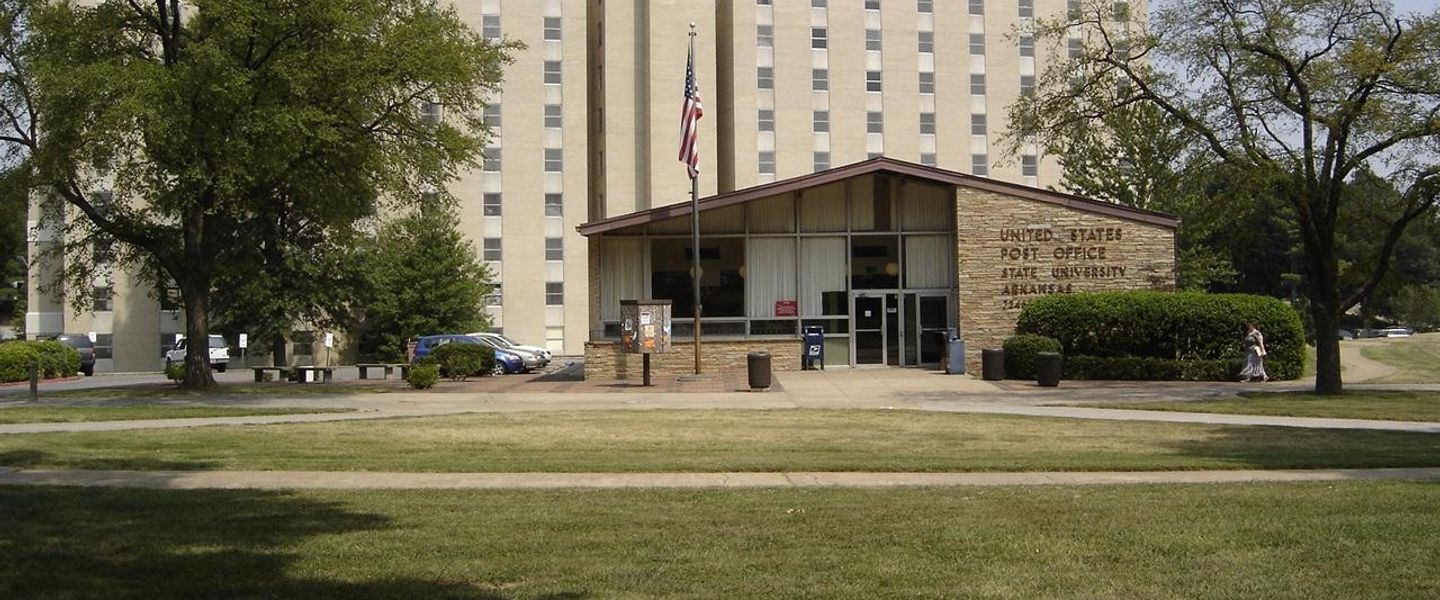


Jonesboro, Arkansas blends Crowley’s Ridge landscapes, university culture, local museums, historic downtown streets and Northeast Arkansas sightseeing.
A City on Crowley’s Ridge
Jonesboro stands in northeast Arkansas along Crowley’s Ridge, a long, elevated strip of fertile loess landscape rising above the surrounding Mississippi Delta plain. The setting gives the city a character distinct from the flat agricultural country nearby: wooded roads, rolling ground and expansive views shape its parks and outer neighbourhoods, while the urban centre serves as a regional hub for education, healthcare, shopping and the arts. Jonesboro is the largest city in northeast Arkansas and the home of Arkansas State University, whose campus adds a youthful, intellectual presence to the community.Read more about Jonesboro
Heritage, Museums and Local Life
A Regional Arkansas Base
When is the best time to visit Jonesboro?
Best: April, September–October · 23–29°C| Month | High (°C) | Rainfall (mm) |
|---|---|---|
| January | 10 | 84 |
| February | 12 | 89 |
| March | 17 | 113 |
| April (best) | 23 | 116 |
| May | 28 | 123 |
| June | 32 | 94 |
| July | 34 | 85 |
| August | 34 | 85 |
| September (best) | 29 | 86 |
| October (best) | 23 | 87 |
| November | 16 | 90 |
| December | 10 | 93 |
Getting to and around Jonesboro
How to get there
Transportation
Best attractions in Jonesboro
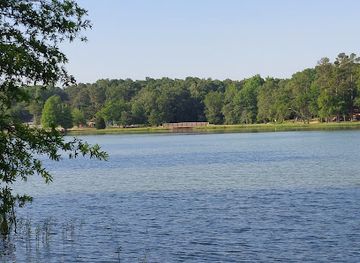
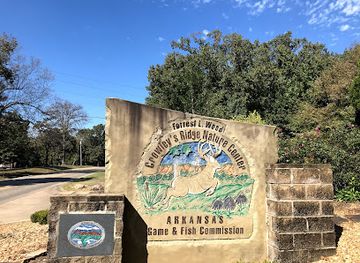
Jonesboro’s attractions reflect its role as a university city and regional centre on Crowley’s Ridge. The ASU Museum on the Arkansas State University campus introduces the history and cultures of the region through changing exhibitions and educational displays, while the Bradbury Art Museum presents contemporary and modern art in a university setting. At the Forrest L. Wood Crowley’s Ridge Nature Center, interpretive exhibits, wildlife information and trails explain the ridge’s geology and ecology. Craighead Forest Park provides one of the city’s broadest outdoor escapes, with woodland, a lake and opportunities for walking, fishing and other recreation. Downtown Jonesboro offers a more urban experience through civic buildings, local businesses, public events and the community’s developing arts presence. Sports, performances and exhibitions at Arkansas State University add a lively calendar, particularly when the academic year is under way.
-
Tourist attraction
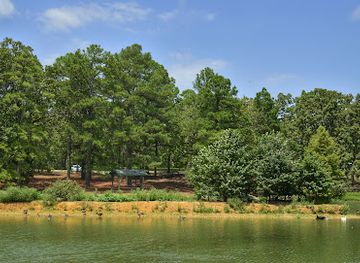
Craighead Forest Park
Explore nature's beauty in Jonesboro at Craighead Forest Park: hiking, biking, fishing, camping, playgrounds, and more in a scenic 692-acre setting.
21 min drive · 6.9 km from city centre
-
Amusement center
Ultimate Air Trampoline Park
Experience high-flying fun at Jonesboro's premier trampoline park, offering a variety of activities for all ages and skill levels!
14 min drive · 4.7 km from city centre
-
Tourist attraction
AGFC Forrest L. Wood Crowley's Ridge Nature Center
Discover the natural beauty and unique ecosystems of Crowley's Ridge at this Jonesboro nature center, offering indoor exhibits and outdoor trails.
25 min drive · 8.2 km from city centre
-
Tourist attraction
Lake Frierson State Park
Discover a peaceful retreat on Crowley's Ridge with fishing, hiking, and natural beauty at Lake Frierson State Park in Jonesboro, Arkansas.
35 min drive · 15 km from city centre

Best landmarks in Jonesboro
Jonesboro’s most significant landmarks are closely tied to education, civic life and the Crowley’s Ridge landscape. The Arkansas State University campus is the city’s major institutional landmark, its buildings and public spaces representing the transformation of a 1909 agricultural school into a modern university. The ASU Museum and Bradbury Art Museum add cultural significance to the campus, while the Craighead County Courthouse anchors the city’s role as the county seat and helps explain the development of the surrounding civic centre. The Forrest L. Wood Crowley’s Ridge Nature Center is a landmark of regional identity rather than monumental architecture, interpreting the elevated landform that shaped settlement and ecology across northeast Arkansas. Downtown’s historic commercial buildings, churches and civic streets complete a modest but readable architectural record of Jonesboro’s growth from nineteenth-century county seat to regional city.
-
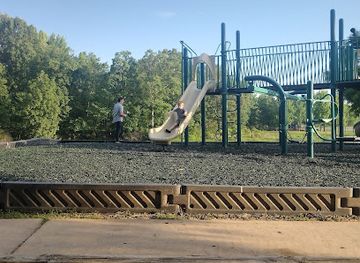
Park
Craighead Forest Park
Explore the natural beauty and recreational delights of Craighead Forest Park in Jonesboro, Arkansas, a perfect getaway for nature lovers and families alike.
21 min drive · 6.9 km from city centre
-
Bowling alley
Hijinx: The Funtivity Spot | Bowling, Laser Tag, Arcade Games, Ropes Course, Playground | JT's Grill Restaurant
Discover endless fun at Hijinx: The Funtivity Spot in Jonesboro, Arkansas, featuring bowling, laser tag, arcade games, and a family-friendly grill.
13 min drive · 4.5 km from city centre
-
Steak
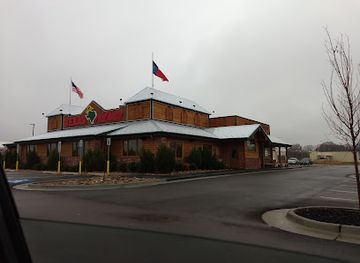
Texas Roadhouse
Savor hand-cut steaks and Southwestern flavors at Texas Roadhouse in Jonesboro, a legendary dining experience for the whole family.
9 min drive · 3.1 km from city centre
-
Dessert shop
Crumbl - Jonesboro
Gourmet cookies with a rotating menu, baked fresh daily in Jonesboro, Arkansas. Experience the Crumbl difference!
14 min drive · 4.6 km from city centre


Explore Jonesboro on the map
Plan your Jonesboro trip on one map. See where the top attractions, landmarks, restaurants, bars and hotels are, find what's near where you're staying, and book hotels and experiences in a few clicks.
Best hotels in Jonesboro
Best restaurants in Jonesboro
Jonesboro’s dining scene reflects northeast Arkansas’s position between the agricultural Delta and the broader traditions of the American South. Barbecue, fried catfish, burgers, biscuits, sandwiches and homestyle plates are familiar local choices, while restaurants also draw on Mexican, Asian and other international influences brought by the university and the city’s growing population. Downtown and the areas around Arkansas State University contain independent cafés, casual restaurants and gathering places, with larger commercial corridors adding national chains and practical everyday dining. Regional produce and Southern pantry staples appear in seasonal menus, bakeries and markets rather than in a single defining dish. Breakfast and informal lunches are important parts of the local rhythm, while university events and community festivals can broaden the city’s food offering through pop-up vendors and mobile kitchens.
-
American
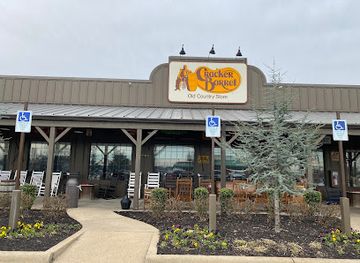
Cracker Barrel Old Country Store
Discover the taste of traditional American cuisine at Cracker Barrel Old Country Store in Jonesboro—where every meal feels like home.
13 min drive · 4.5 km from city centre
-
Steak
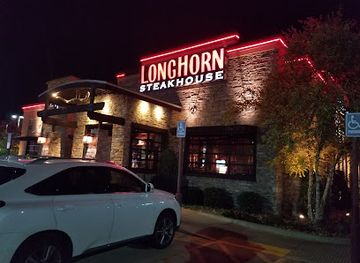
LongHorn Steakhouse
Experience top-notch steaks and traditional American cuisine at LongHorn Steakhouse in Jonesboro – perfect for families and food lovers alike!
14 min drive · 4.6 km from city centre
-
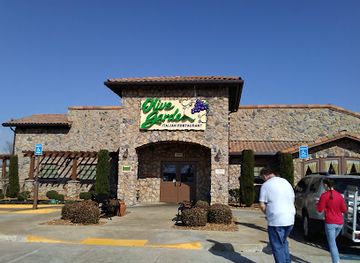
Italian
Olive Garden Italian Restaurant
Experience authentic Italian cuisine at Olive Garden in Jonesboro—delicious meals served in a warm, welcoming atmosphere perfect for families and friends.
12 min drive · 3.9 km from city centre
-
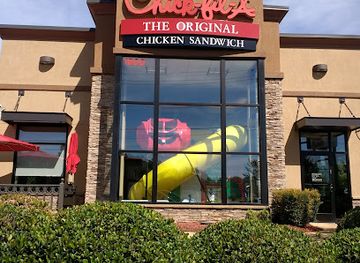
Fast Food
Chick-fil-A
Experience the heart of Southern hospitality with delicious chicken sandwiches and family-friendly service at Chick-fil-A in Jonesboro.
12 min drive · 3.8 km from city centre
Best bars in Jonesboro
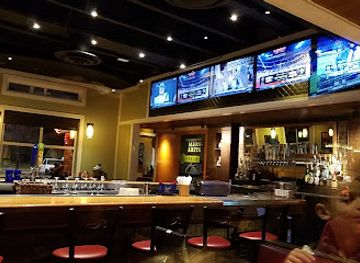
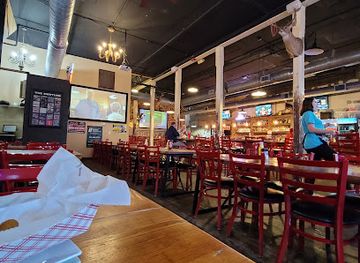
Jonesboro’s evening scene is modest but varied, shaped by Arkansas State University, downtown businesses and the habits of a regional city rather than by a concentrated club district. Downtown provides locally oriented bars, casual evening venues and places for conversation, while the university area brings student-focused social activity, live events and performances during the academic year. Nightlife may include live music, comedy, cultural programming and sporting events as well as drinks, with larger concerts and productions often connected to university or local arts organisations. Hours, age policies and entertainment schedules vary, so checking individual venues and event listings is important. Outside the central areas, evenings tend to be quieter, with restaurants, cinemas and informal gatherings providing much of the after-dark activity.
-
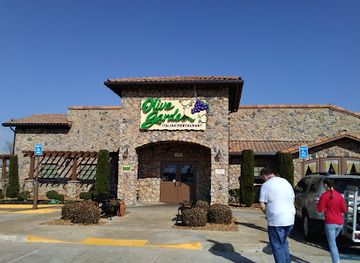
Italian
Olive Garden Italian Restaurant
Experience authentic Italian cuisine at Olive Garden in Jonesboro, where family and friends gather over delicious meals and fine wines.
12 min drive · 3.9 km from city centre
-
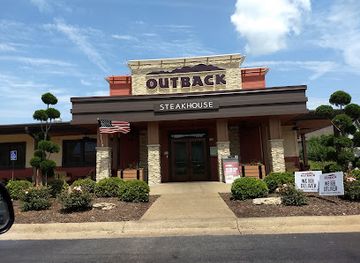
Bar
Outback Steakhouse
Experience the unique flavors of Australia at Outback Steakhouse in Jonesboro, Arkansas, where hearty meals and a lively atmosphere await.
10 min drive · 3.5 km from city centre
-
Bar
Chili's Grill & Bar
Savor the best of American and Tex-Mex cuisine at Chili's Grill & Bar in Jonesboro, perfect for family gatherings and casual dining.
12 min drive · 3.9 km from city centre
-
American
Skinny J's Jonesboro
Discover the best of American cuisine at Skinny J's Jonesboro, where delicious burgers and steaks meet a warm, vibrant atmosphere.
2 min walk · 0.1 km from city centre
Best nightclubs in Jonesboro
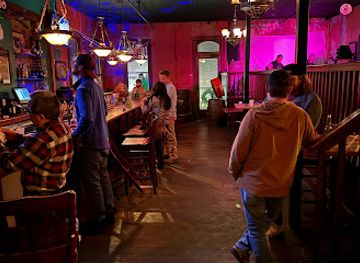
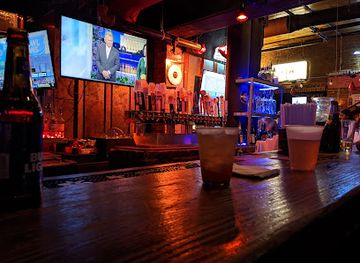
Jonesboro’s evening scene is modest but varied, shaped by Arkansas State University, downtown businesses and the habits of a regional city rather than by a concentrated club district. Downtown provides locally oriented bars, casual evening venues and places for conversation, while the university area brings student-focused social activity, live events and performances during the academic year. Nightlife may include live music, comedy, cultural programming and sporting events as well as drinks, with larger concerts and productions often connected to university or local arts organisations. Hours, age policies and entertainment schedules vary, so checking individual venues and event listings is important. Outside the central areas, evenings tend to be quieter, with restaurants, cinemas and informal gatherings providing much of the after-dark activity.
-
Irish pub
Cregeen's Jonesboro
Discover authentic Irish cuisine and vibrant nightlife at Cregeen's Jonesboro, the perfect spot for a memorable dining experience.
2 min walk · 0.1 km from city centre
-
Grill
Brickhouse Bar & Grill
Experience the lively ambiance and delicious American cuisine at Brickhouse Bar & Grill, a favorite spot in Jonesboro, Arkansas for food and fun.
1 min walk · 0.1 km from city centre
-
Family-friendly
The Parsonage
Discover family-friendly dining at The Parsonage in Jonesboro, where eclectic flavors and a warm atmosphere create a memorable meal experience.
1 min walk · 0.1 km from city centre
-
Bar
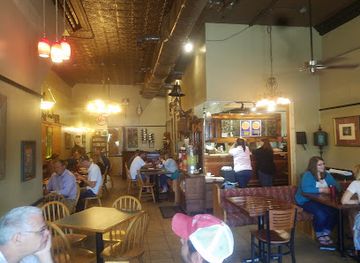
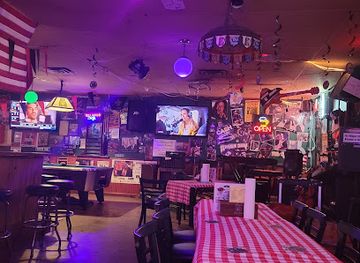
The Office Bar And Grill
Experience the vibrant nightlife at The Office Bar And Grill in Jonesboro, where great food, drinks, and live music create unforgettable moments.
8 min drive · 2.7 km from city centre
Best shops in Jonesboro
Shopping in Jonesboro is concentrated along modern commercial corridors, with additional independent businesses and community events in and around downtown. Visitors will find everyday retail, national shops and practical services alongside locally owned boutiques, gift stores, cafés and small specialist businesses. Downtown is the best area for a more local browsing experience, while the university district adds bookstores, collegiate merchandise and businesses serving students and staff. Regional Arkansas products may include preserves, baked goods, crafts, artwork and university-related souvenirs, although the city is not primarily known for one exclusive handicraft tradition. Farmers’ markets and seasonal festivals can provide opportunities to meet local producers and buy food or handmade items, but schedules vary. Shopping is therefore best understood as part of Jonesboro’s contemporary regional life rather than as a single historic market experience.
-
Shopping mall
Highland Square Shopping Center
Discover a shopper's paradise at Highland Square Shopping Center in Jonesboro, Arkansas, where diverse retail and dining options await.
10 min drive · 3.5 km from city centre
-
Used clothing store
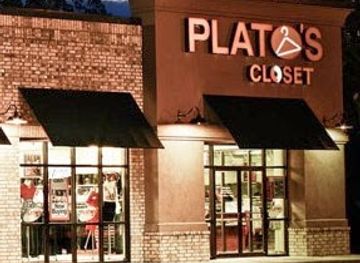
Plato's Closet
Explore stylish savings at Plato's Closet in Jonesboro - your go-to destination for trendy second-hand fashion and accessories!
13 min drive · 4.2 km from city centre
-
Boutique
Curvy Plus Size Boutique
Explore fashionable plus-size clothing at Curvy Plus Size Boutique in Jonesboro, where style meets inclusivity and confidence.
9 min drive · 2.9 km from city centre
-
Children's clothing store
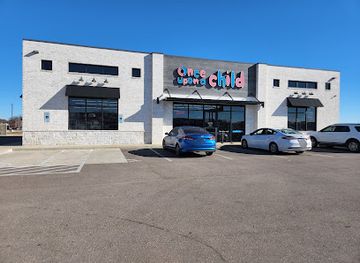
Once Upon A Child
Discover quality, affordable children's clothing at Once Upon A Child in Jonesboro, Arkansas - where style meets sustainability.
12 min drive · 3.9 km from city centre

Get your free copy of our complete guide to Jonesboro, delivered straight to you.
Everything on this page, from attractions and restaurants to essentials and local phrases, in one PDF you can read offline, print or share.
Already have an account? Sign in
Your Jonesboro guide is ready.
We'll send it to · Not you? Sign out

Getting your guide ready…
We are putting together a fresh copy of the Jonesboro guide. This can take up to a minute.
This can take a few moments. If your browser asks, choose Allow so the download can start. You'll find the guide in your Downloads folder.
Nothing happened? Download it again
Sorry, the guide is taking longer than usual. Please try again in a minute, or get it by email instead.
Jonesboro essentials
Currency and Payment
Safety
Emergency Situations
Do's and Don'ts
Local Tips
From Eve
Local phrases worth knowing
You don't need to get them perfect. A few words go a long way, and locals appreciate the effort.
Basics
| English | Local | Say it |
|---|---|---|
| Hello | Howdy | [haʊ-di] |
| Goodbye | See ya | [siː jə] |
| Yes | Yep | [yɛp] |
| No | Nah | [nɑ] |
| Please/You're welcome | Please/No problem | [pliːz/no ˈprɑbləm] |
| Thank you | Thanks | [θæŋks] |
| Excuse me/Sorry | Pardon me/My bad | [pɑrdn mi/maɪ bæd] |
| How are you? | How y'all doin'? | [haʊ jɔːl ˈduɪn] |
| Fine. And you? | Fine. And y'all? | [faɪn. ænd jɔːl] |
| Do you speak English? | Y'all speak English? | [jɔːl spiːk ˈɪŋɡlɪʃ] |
| I don't understand | I ain't gettin' it | [aɪ eɪnt ˈɡɛtɪn ɪt] |
Eating & Drinking
| English | Local | Say it |
|---|---|---|
| I'd like to see the menu, please | Can I check out the menu, please | [kæn aɪ ʧɛk aʊt ðə ˈmɛnjuː pliːz] |
| I don't eat meat | I don't do meat | [aɪ doʊnt duː mit] |
| Cheers! | Cheers! | [ʧɪrz] |
| I would like to pay, please | Can I settle up, please | [kæn aɪ ˈsɛtəl ʌp pliːz] |
Emergencies
| English | Local | Say it |
|---|---|---|
| Help! | Help! | [hɛlp] |
| Go away! | Get lost! | [ɡɛt lɔst] |
| Call the Police! | Ring the cops! | [rɪŋ ðə kɑps] |
| Call a doctor! | Call a doc! | [kɑl ə dɑk] |
| I'm lost | I'm turned around | [aɪm tɜrnd əˈraʊnd] |
| I'm ill | I'm feelin' under the weather | [aɪm ˈfilɪn ˈʌndər ðə ˈwɛðər] |
Shopping
| English | Local | Say it |
|---|---|---|
| I'd like to buy... | I wanna get... | [aɪ ˈwɑnə ɡɛt] |
| I'm just looking | I'm just browsin' | [aɪm ˈdʒʌst ˈbraʊzɪn] |
| How much is it? | How much does it run? | [haʊ mʌt ˈdəz ɪt rʌn] |
| That's too expensive | That's a bit steep | [ðæts ə bɪt stip] |
| Can you lower the price? | Can ya knock it down a tad? | [kæn jə nɑk ɪt daʊn ə tæd] |
Time & Numbers
| English | Local | Say it |
|---|---|---|
| What time is it? | What's the time? | [wɑts ðə taɪm] |
| It's one o'clock | It's one | [ɪts wʌn] |
| Half past (10) | Ten-thirty | [tɛn-ˈθɜrti] |
| Morning | Mornin' | [ˈmɔrnɪn] |
| Afternoon | Afternoon | [ˌæftərˈnun] |
| Evening | Evenin' | [ˈivnɪn] |
| Yesterday | Yest'day | [ˈjɛstˌdeɪ] |
| Today | Today | [təˈdeɪ] |
| Tomorrow | Tomorra | [təˈmɔrə] |
| 1 | One | [wʌn] |
| 2 | Two | [tu] |
| 3 | Three | [θri] |
| 4 | Four | [fɔr] |
| 5 | Five | [faɪv] |
| 6 | Six | [sɪks] |
| 7 | Seven | [ˈsɛvən] |
| 8 | Eight | [eɪt] |
| 9 | Nine | [naɪn] |
| 10 | Ten | [tɛn] |
Transport & Directions
| English | Local | Say it |
|---|---|---|
| Where's a/the...? | Where's the... at? | [wɛərz ðə at] |
| What's the address? | What's the addy? | [wɑts ðə ˈædi] |
| Can you show me (on the map)? | Can you point me out (on the map)? | [kæn jə pɔɪnt mi aʊt (ɑn ðə mæp)] |
| When's the next (bus)? | When's the next (bus) comin'? | [wɛnz ðə nɛkst (bʌs) ˈkʌmɪn] |
| A ticket (to ....) | A pass (to ....) | [ə pæs (tʊ)] |
History of Jonesboro
Settlement on Crowley’s Ridge
Jonesboro developed on Crowley’s Ridge, the elevated landform that runs through northeast Arkansas between the Mississippi and St Francis river lowlands. Before the modern city emerged, the wider region was inhabited and used by Indigenous peoples, including communities associated with the Quapaw and later Osage spheres of influence. American settlement expanded during the nineteenth century as land was surveyed, farms were established and transport links connected the ridge with surrounding agricultural country. Craighead County was created in 1859, and Jonesboro was selected as its seat that year. The town was named for State Senator William A. Jones, who supported the county’s formation. Its county-courthouse role gave the young settlement an administrative purpose that helped it grow beyond a small farming community.
A County Seat Takes Shape
During the late nineteenth and early twentieth centuries, Jonesboro grew as a commercial and governmental centre for Craighead County. Agriculture shaped the local economy, while rail connections and improved roads strengthened links with neighbouring communities and larger markets. The town’s courthouse, shops, banks, churches and residences formed the civic framework of a regional centre rather than an isolated rural settlement. Like many Arkansas communities, Jonesboro experienced social and economic change during this period, including the enduring effects of the post-Civil War order, segregation and later efforts towards greater equality. Surviving buildings and the arrangement of the older commercial district reflect this gradual development, even as twentieth-century expansion moved much of retail and civic life beyond the original centre.
The Founding of a State College
Education became central to Jonesboro’s identity with the establishment of the First District Agricultural School in 1909. The institution was created as part of Arkansas’s movement to provide practical education in agriculture and related subjects, responding to the needs of a predominantly rural state. It later became the First District Agricultural and Mechanical College, then Arkansas State College in 1930. The campus expanded its curriculum and influence as Jonesboro developed, drawing students, staff and cultural activity to the city. Its evolution illustrates the importance of public higher education in transforming regional towns across the American South, while the university grounds and institutions that grew from the original school remain among Jonesboro’s most significant civic assets.
From College to University
Arkansas State College became Arkansas State University in 1967, reflecting the breadth of its programmes and its increasing role in the state’s education system. The university’s growth helped Jonesboro diversify beyond agriculture and county administration, supporting professional services, healthcare, research and cultural activity. The campus also became a place where wider American changes were visible, including the expansion of access to higher education and the gradual transformation of public institutions during the civil-rights era. Museums, galleries, performance spaces and sporting facilities subsequently strengthened the university’s connection with the wider community. Today, Arkansas State remains a defining influence on Jonesboro’s population, economy and cultural calendar.
Modern Regional Growth
In the late twentieth and early twenty-first centuries, Jonesboro expanded as northeast Arkansas’s principal regional centre. Retail corridors, medical facilities, new housing and business development spread beyond the historic core, while the city continued to serve surrounding agricultural communities. Its location on Crowley’s Ridge encouraged attention to outdoor recreation and environmental interpretation, represented by Craighead Forest Park and the Forrest L. Wood Crowley’s Ridge Nature Center. Contemporary Jonesboro combines the functions of a university city, county seat and commercial hub, with local museums, arts organisations and community events carrying the area’s history into the present. Growth has brought new infrastructure and institutions, while the ridge landscape remains a persistent geographical foundation for the city’s identity.
Jonesboro in Photos
Browse through our photo collection highlighting the charm and character of the destination.
Cities near Jonesboro
The closest cities to Jonesboro, if you have time for more than one stop.
-
-

-

-

-


Swipe for more cities
Explore more

Explore more of Arkansas
Explore Arkansas: The Natural State with its stunning landscapes, rich history, and vibrant cultural experiences. Perfect for adventurers and culture seekers alike.
Explore Arkansas