

Free Little Rock Travel Guide & Mobile App
Plan your Little Rock trip with Evendo. Get free guides to top attractions, restaurants, hotels, and bars. Web access or download the mobile app.


Little Rock blends Arkansas history, Civil Rights landmarks, riverfront trails and Southern culture with museums, markets and welcoming neighbourhoods.
Capital on the Arkansas River
Little Rock occupies a central position in Arkansas, where the Arkansas River cuts through the state capital and separates the city from North Little Rock. The riverfront is the setting for parks, trails, bridges and the polished River Market District, while the older streets rise gently into neighbourhoods shaped by nineteenth- and early twentieth-century architecture. The city takes its name from the natural rock outcrop once used as a navigational landmark by travellers on the river.Read more about Little Rock
History in the Streets
Neighbourhoods and Outdoor Life
When is the best time to visit Little Rock?
Best: April, September–October · 23–31°C| Month | High (°C) | Rainfall (mm) |
|---|---|---|
| January | 12 | 80 |
| February | 14 | 90 |
| March | 18 | 100 |
| April (best) | 23 | 110 |
| May | 28 | 120 |
| June | 33 | 100 |
| July | 35 | 90 |
| August | 34 | 90 |
| September (best) | 31 | 90 |
| October (best) | 24 | 100 |
| November | 17 | 110 |
| December | 13 | 100 |
Getting to and around Little Rock
How to get there
Transportation
Best attractions in Little Rock
Little Rock's principal attractions range from civic history to riverfront recreation. The Old State House introduces Arkansas's early government in the state's former capitol building, while the nearby River Market District combines public spaces, cultural venues and access to the Arkansas River Trail. At the William J. Clinton Presidential Library and Museum, exhibits examine the presidency through documents, artefacts and a full-scale replica of the Oval Office. The Arkansas Museum of Fine Arts presents collections and exhibitions in a modern building in MacArthur Park, close to the MacArthur Museum of Arkansas Military History. The Central High School National Historic Site offers exceptionally important historical interpretation, and the Little Rock Zoo provides a family-oriented attraction in War Memorial Park. For outdoor sightseeing, the Big Dam Bridge and river trails provide elevated views, while Pinnacle Mountain State Park, outside the city, adds forests, rock formations and Lake Maumelle scenery to the wider itinerary.
-
Science museum
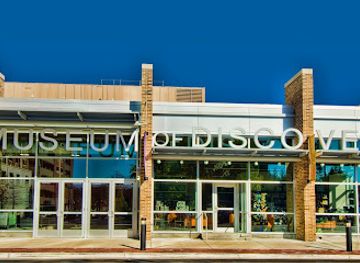
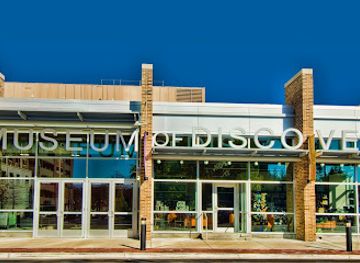
Museum of Discovery
Explore interactive science exhibits, witness a Tesla coil performance, and discover the wonders of STEM at Little Rock's leading museum.
7 min drive · 2.3 km from city centre
-
Tourist attraction
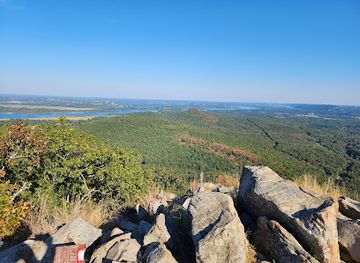
Pinnacle Mountain State Park
Hike, bike, and explore the natural beauty and historical significance of this iconic Arkansas landmark, just a short drive from Little Rock.
39 min drive · 19 km from city centre
-
Performing arts theater
Robinson Center
Experience world-class performances and events at Little Rock's historic Robinson Center, a premier destination for arts and culture.
18 min walk · 1.4 km from city centre
-
Bar
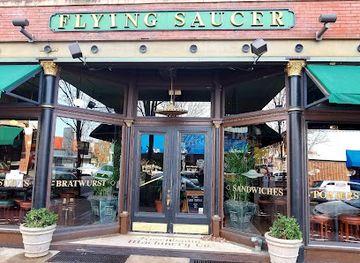
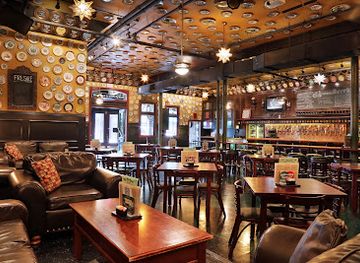
Flying Saucer Draught Emporium
Experience a vibrant atmosphere with over 200 beers at Flying Saucer Draught Emporium in Little Rock, your ultimate beer destination.
6 min drive · 2.0 km from city centre

Best landmarks in Little Rock
Little Rock's landmarks trace the political, architectural and social history of Arkansas. The Old State House, a Greek Revival-style building completed in 1842, was the state's capitol until the present Arkansas State Capitol took over the legislative role in the early twentieth century. The newer Capitol, modelled in part on the US Capitol, stands on a prominent hill north of downtown. Little Rock Central High School is both an imposing 1920s school building and a national symbol of the struggle to desegregate American education. The William J. Clinton Presidential Center adds a contemporary architectural presence beside the river, while the Quapaw Quarter preserves streets of Victorian-era homes and churches. Mount Holly Cemetery, established in 1843, contains the graves of prominent Arkansans and is noted for its historic landscape. The Junction Bridge and Big Dam Bridge, meanwhile, express the city's continuing relationship with the Arkansas River through transport, recreation and public space.
-
Zoo
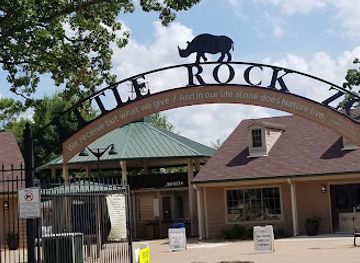
Little Rock Zoo
Discover wildlife from around the globe at the Little Rock Zoo, Arkansas's premier zoological park, offering fun for the whole family.
11 min drive · 3.7 km from city centre
-
Historical landmark
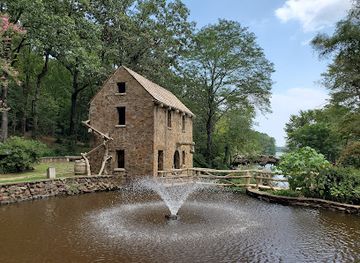
The Old Mill
Explore The Old Mill, a historic landmark in North Little Rock, Arkansas, where history, architecture, and nature intertwine for an unforgettable experience.
19 min drive · 6.2 km from city centre
-
Science museum
Museum of Discovery
Discover interactive science exhibits and Tesla innovation at the Museum of Discovery in Little Rock, a family-friendly attraction that sparks curiosity.
7 min drive · 2.3 km from city centre
-
Bridge
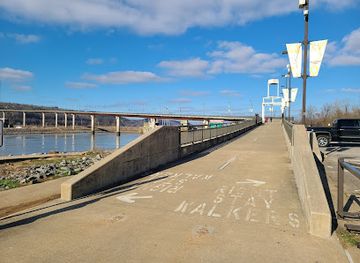
Big Dam Bridge
Experience breathtaking views and outdoor adventures at the iconic Big Dam Bridge in North Little Rock, Arkansas, the longest pedestrian bridge in North America.
24 min drive · 8.1 km from city centre
Explore Little Rock on the map
Plan your Little Rock trip on one map. See where the top attractions, landmarks, restaurants, bars and hotels are, find what's near where you're staying, and book hotels and experiences in a few clicks.
Neighbourhoods in Little Rock
-

-


Swipe for more neighbourhoods
Best hotels in Little Rock
Best restaurants in Little Rock
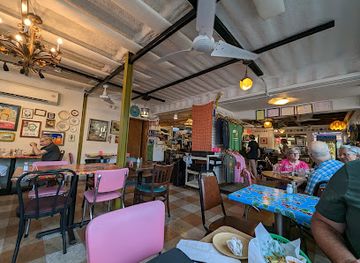
Little Rock's food culture draws on Arkansas's Southern and Delta traditions while reflecting the capital's growing range of international and contemporary cooking. Barbecue, fried catfish, chicken, biscuits, greens and other comfort-food staples appear alongside restaurants exploring the produce and flavours of the Arkansas River Valley. Cheese dip is a particularly local talking point: Little Rock is closely associated with the Arkansas-style dish, although its precise origin is debated. The River Market area offers casual dining and food stalls, while SoMa and Main Street are known for independent restaurants, cafés, bakeries and bars. West Little Rock has a broader spread of modern dining, and the city also supports Mexican, Asian and other immigrant-influenced cuisines. Farmers' markets and seasonal menus bring local produce into the urban food scene, while traditional breakfast counters and neighbourhood eateries provide a less formal view of local dining habits.
-
American
The Root Cafe
Experience the heart of American cuisine at The Root Cafe in Little Rock—where fresh ingredients meet innovative flavors.
6 min drive · 2.0 km from city centre
-
American
Flying Fish
Experience the taste of fresh seafood and classic American dishes at Flying Fish in Downtown Little Rock – a family-friendly culinary haven.
7 min drive · 2.2 km from city centre
-
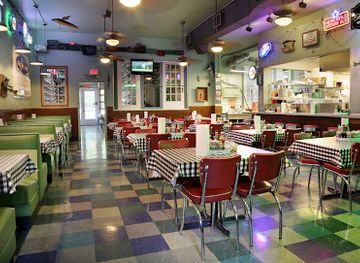
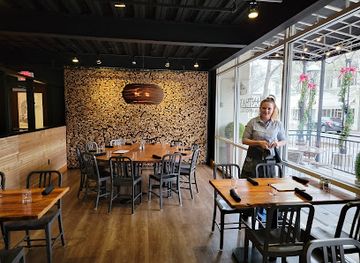
Grill
Samantha's Tap Room & Wood Grill
Discover the vibrant flavors of Samantha's Tap Room & Wood Grill in Little Rock - where every meal is a celebration of culinary excellence.
5 min drive · 1.7 km from city centre
-
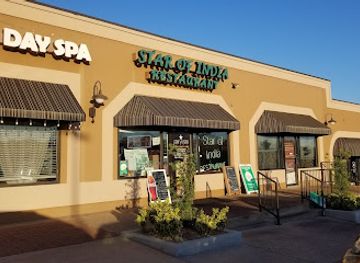
Indian
Star of India Restaurant
Experience the best of Indian cuisine at Star of India Restaurant - from flavorful curries to exquisite brunches in Little Rock.
28 min drive · 9.4 km from city centre
Best bars in Little Rock
Little Rock's evening life is concentrated around downtown, the River Market, Main Street and SoMa, with a mixture of cocktail bars, breweries, wine-focused venues, live music and relaxed neighbourhood establishments rather than a single all-night club district. The River Market area is convenient for pre-performance drinks and entertainment near the Arkansas River, while SoMa has a more independent, locally rooted atmosphere shaped by small bars, cafés and cultural venues. Live music can include rock, blues, country and jazz, reflecting the wider musical traditions of Arkansas. The Robinson Center and other downtown performance spaces provide theatre, concerts and touring productions for visitors seeking an organised evening. Across the river, Argenta in North Little Rock is another established entertainment area, but it is a separate city. Evening activity varies by venue and day, so visitors should check current arrangements and use sensible precautions when travelling late.
-
American
Flying Fish
Experience the best of American seafood dining at Flying Fish in Little Rock, where fresh flavors and family-friendly vibes come together.
7 min drive · 2.2 km from city centre
-
Grill
Samantha's Tap Room & Wood Grill
Discover the flavors of Arkansas at Samantha's Tap Room & Wood Grill, where grilled specialties meet a vibrant atmosphere in downtown Little Rock.
5 min drive · 1.7 km from city centre
-
Irish pub
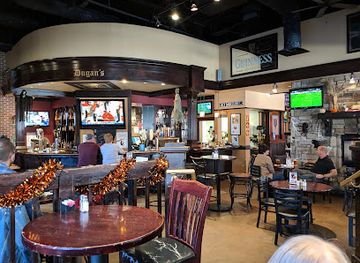
Dugan's Pub
Experience the charm of Dugan's Pub in Little Rock, where delicious Irish cuisine meets vibrant live music and an inviting atmosphere.
6 min drive · 2.1 km from city centre
-
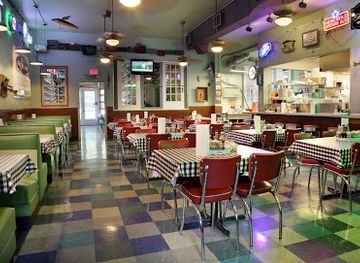
Bar
Flying Saucer Draught Emporium
Discover the Flying Saucer Draught Emporium, where an extensive beer selection meets delicious American cuisine in a lively atmosphere in Little Rock.
6 min drive · 2.0 km from city centre
Best nightclubs in Little Rock
Little Rock's evening life is concentrated around downtown, the River Market, Main Street and SoMa, with a mixture of cocktail bars, breweries, wine-focused venues, live music and relaxed neighbourhood establishments rather than a single all-night club district. The River Market area is convenient for pre-performance drinks and entertainment near the Arkansas River, while SoMa has a more independent, locally rooted atmosphere shaped by small bars, cafés and cultural venues. Live music can include rock, blues, country and jazz, reflecting the wider musical traditions of Arkansas. The Robinson Center and other downtown performance spaces provide theatre, concerts and touring productions for visitors seeking an organised evening. Across the river, Argenta in North Little Rock is another established entertainment area, but it is a separate city. Evening activity varies by venue and day, so visitors should check current arrangements and use sensible precautions when travelling late.
-
Bar
Flying Saucer Draught Emporium
Discover the Flying Saucer Draught Emporium - a vibrant bar in Little Rock, offering an unparalleled selection of beers and delicious American cuisine.
6 min drive · 2.0 km from city centre
-
Night club
Brewski's Pub & Grub
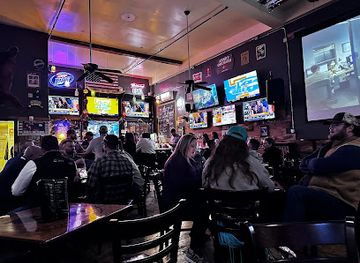
Discover Brewski's Pub & Grub in Downtown Little Rock, where delicious food meets lively nightlife in a unique sports bar experience.
5 min drive · 1.7 km from city centre
-
Piano bar
Willy D's Rock & Roll Piano Bar
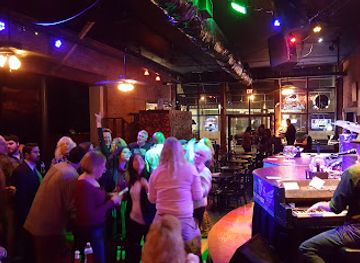
Discover the lively ambiance of Willy D's Rock & Roll Piano Bar in Little Rock, where live music, great drinks, and unforgettable fun await every visitor.
6 min drive · 2.1 km from city centre
-
Concert hall
Revolution Music Room (The Rev Room)
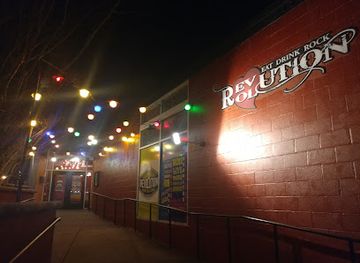
Discover the heart of Little Rock's music scene at Revolution Music Room, where live performances create unforgettable memories.
6 min drive · 2.0 km from city centre
Best shops in Little Rock
Shopping in Little Rock is divided between revitalised historic districts, independent neighbourhood businesses and conventional retail areas. SoMa and South Main Street are the most distinctive places for browsing locally owned boutiques, vintage clothing, galleries, books, gifts and small design-led shops, with restaurants and cultural venues woven into the same streets. The River Market area provides access to downtown shops and occasional public-market activity, while the Hillcrest neighbourhood has an established community retail atmosphere around Kavanaugh Boulevard. Visitors seeking Arkansas-made products can look for regional foodstuffs, pottery, prints, handmade goods and crafts rather than relying only on mass-produced souvenirs. The Little Rock Farmers' Market, held in the River Market District, connects shopping with seasonal produce and local producers when operating. Larger shopping centres and national retailers are found mainly beyond the historic core, particularly in West Little Rock, making the city's retail landscape a blend of independent urban districts and suburban commerce.
-
Outlet mall
Outlets of Little Rock
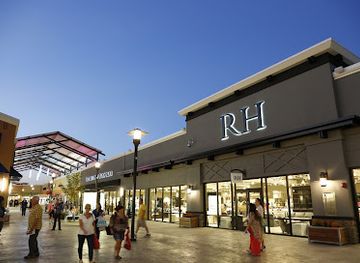
Experience unbeatable shopping at the Outlets of Little Rock, where top brands meet incredible discounts in a vibrant outlet mall atmosphere.
34 min drive · 14 km from city centre
-
Shopping mall
Pleasant Ridge Town Center
Discover the charm of Pleasant Ridge Town Center, Little Rock's premier shopping destination featuring boutiques, dining, and a vibrant atmosphere for all.
31 min drive · 11 km from city centre
-
Gift basket store
Gifts of Arkansas (4Square Cafe & Gifts)
Explore unique handcrafted gifts and local flavors at Gifts of Arkansas, a charming cafe and gift basket store in Little Rock.
6 min drive · 2.1 km from city centre
-
Restaurant
Ottenheimer Market Hall
Explore Ottenheimer Market Hall in Little Rock for a delightful mix of local flavors, unique shops, and a vibrant atmosphere in the heart of the city.
6 min drive · 2.1 km from city centre
Get your free copy of our complete guide to Little Rock, delivered straight to you.
Everything on this page, from attractions and restaurants to essentials and local phrases, in one PDF you can read offline, print or share.
Already have an account? Sign in
Your Little Rock guide is ready.
We'll send it to · Not you? Sign out

Getting your guide ready…
We are putting together a fresh copy of the Little Rock guide. This can take up to a minute.
This can take a few moments. If your browser asks, choose Allow so the download can start. You'll find the guide in your Downloads folder.
Nothing happened? Download it again
Sorry, the guide is taking longer than usual. Please try again in a minute, or get it by email instead.
Little Rock essentials
Currency and Payment
Safety
Emergency Situations
Do's and Don'ts
Local Tips
From Eve
Local phrases worth knowing
You don't need to get them perfect. A few words go a long way, and locals appreciate the effort.
Basics
| English | Local | Say it |
|---|---|---|
| Hello | Howdy | [haw-dee] |
| Goodbye | See ya | [see yuh] |
| Yes | Yep | [yep] |
| No | Nah | [nah] |
| Please/You're welcome | Please/You're welcome | [please/yer welcome] |
| Thank you | Thanks | [thanks] |
| Excuse me/Sorry | Excuse me/Sorry | [excuse me/sorry] |
| How are you? | How y'all doin'? | [how y'all doin'] |
| Fine. And you? | Fine. How 'bout you? | [fine. how 'bout yuh] |
| Do you speak English? | Ya speak English? | [ya speak english?] |
| I don't understand | I ain't gettin' it | [I ain't get-tin it] |
Eating & Drinking
| English | Local | Say it |
|---|---|---|
| I'd like to see the menu, please | Can I see the menu, please | [kan I see the menu, please] |
| I don't eat meat | I don't eat meat | [I don't eat meat] |
| Cheers! | Cheers! | [cheers] |
| I would like to pay, please | Check, please | [check, please] |
Emergencies
| English | Local | Say it |
|---|---|---|
| Help! | Help! | [help] |
| Go away! | Get outta here! | [get out-ta here] |
| Call the Police! | Call the cops! | [call the cops] |
| Call a doctor! | Get a doctor! | [get a doctor] |
| I'm lost | I'm lost | [I'm lost] |
| I'm ill | I'm sick | [I'm sick] |
Shopping
| English | Local | Say it |
|---|---|---|
| I'd like to buy... | I wanna buy... | [I wanna buy...] |
| I'm just looking | Just lookin' | [just lookin'] |
| How much is it? | How much? | [how much?] |
| That's too expensive | That's too much | [that's too much] |
| Can you lower the price? | Can ya do better on the price? | [can yuh do better on the price?] |
Time & Numbers
| English | Local | Say it |
|---|---|---|
| What time is it? | What time is it? | [what time is it?] |
| It's one o'clock | It's one | [it's one] |
| Half past (10) | Half past ten | [half past ten] |
| Morning | Morning | [morning] |
| Afternoon | Afternoon | [afternoon] |
| Evening | Evening | [evening] |
| Yesterday | Yesterday | [yesterday] |
| Today | Today | [today] |
| Tomorrow | Tomorrow | [tomorrow] |
| 1 | One | [wun] |
| 2 | Two | [too] |
| 3 | Three | [three] |
| 4 | Four | [four] |
| 5 | Five | [fahyv] |
| 6 | Six | [siks] |
| 7 | Seven | [sev-uhn] |
| 8 | Eight | [ayt] |
| 9 | Nine | [nahyn] |
| 10 | Ten | [ten] |
Transport & Directions
| English | Local | Say it |
|---|---|---|
| Where's a/the...? | Where's the...? | [where's the] |
| What's the address? | What's the address? | [what's the address] |
| Can you show me (on the map)? | Can you show me? | [can you show me] |
| When's the next (bus)? | When's the next bus? | [when's the next bus] |
| A ticket (to ....) | A ticket to... | [a ticket to] |
History of Little Rock
Quapaw Country and the Little Rock
The central Arkansas River valley was home to the Quapaw and other Indigenous peoples long before European settlement. In 1722, the French explorer Bernard de la Harpe recorded the limestone outcrop that became known as the Little Rock, distinguishing it from a larger rock formation farther along the river. The site served as a useful crossing and navigation point, linking river travel with routes across the interior. European and American settlement expanded during the early nineteenth century, bringing changing patterns of trade, land ownership and political control. The name of the landmark eventually became the name of the settlement and, later, the state capital.
A New State Capital
Little Rock was incorporated in 1831 and selected as Arkansas's capital in 1821, shortly after Arkansas became a territory. Its position on the Arkansas River made it a centre for commerce and administration, while roads and river traffic connected it with plantations, farms and settlements across the state. The Old State House, completed in 1842, housed the legislature and courts during an important period of territorial growth and state formation. As the nineteenth century progressed, the town developed a civic core, churches, commercial buildings and residential districts that laid the foundations of the modern city.
Civil War and Reconstruction
The Civil War disrupted Little Rock's political and commercial life. Confederate forces held the capital until Union troops captured the city in September 1863, after which the Union army used Little Rock as an important base in the Trans-Mississippi theatre. The conflict brought military occupation, displacement and economic damage, while emancipation and Reconstruction transformed the legal and political position of African Americans. After the war, Black institutions, congregations, businesses and civic organisations became central to the city's development. The tensions of Reconstruction and the segregation that followed would shape Little Rock's neighbourhoods, public institutions and politics for generations.
Growth, Industry and Segregated City Life
Railways and expanding state government helped Little Rock grow during the late nineteenth and early twentieth centuries. Commercial districts developed around Main Street and the river, while areas such as the Quapaw Quarter acquired substantial homes and civic buildings. At the same time, Jim Crow laws enforced racial segregation and restricted African Americans' access to education, housing, employment and public life. The West Ninth Street area became an important centre of Black commerce and culture. Institutions, newspapers, churches and community leaders sustained organised resistance to discrimination, creating the social and political groundwork for the confrontation over school desegregation in the 1950s.
Central High and the Civil Rights Era
In 1957, Little Rock Central High School became the focus of an international constitutional and civil rights crisis. Nine African American students, later known as the Little Rock Nine, attempted to enrol after the Supreme Court's decision in Brown v. Board of Education had declared segregated public schooling unconstitutional. Governor Orval Faubus initially used the Arkansas National Guard to prevent their entry; President Dwight D. Eisenhower then federalised the Guard and sent troops to enforce the court order. The students attended Central High amid intense hostility, and the site remains a powerful place of education about federal authority, segregation and the struggle for equal rights.
A Riverfront Capital in Transformation
During the late twentieth and early twenty-first centuries, Little Rock invested in its riverfront, public spaces, cultural institutions and heritage districts. The River Market development and the Arkansas River Trail strengthened connections between downtown, the water and neighbouring communities, while the William J. Clinton Presidential Center added a major national institution to the city in 2004. Restoration efforts in districts such as SoMa and the Quapaw Quarter have supported independent businesses alongside historic buildings. Contemporary Little Rock continues to balance its role as Arkansas's governmental centre with the preservation of Civil Rights memory, African American heritage and the landscapes that define the river valley.
Little Rock in Photos
Browse through our photo collection highlighting the charm and character of the destination.
Cities near Little Rock
The closest cities to Little Rock, if you have time for more than one stop.
-

-
-

-

-
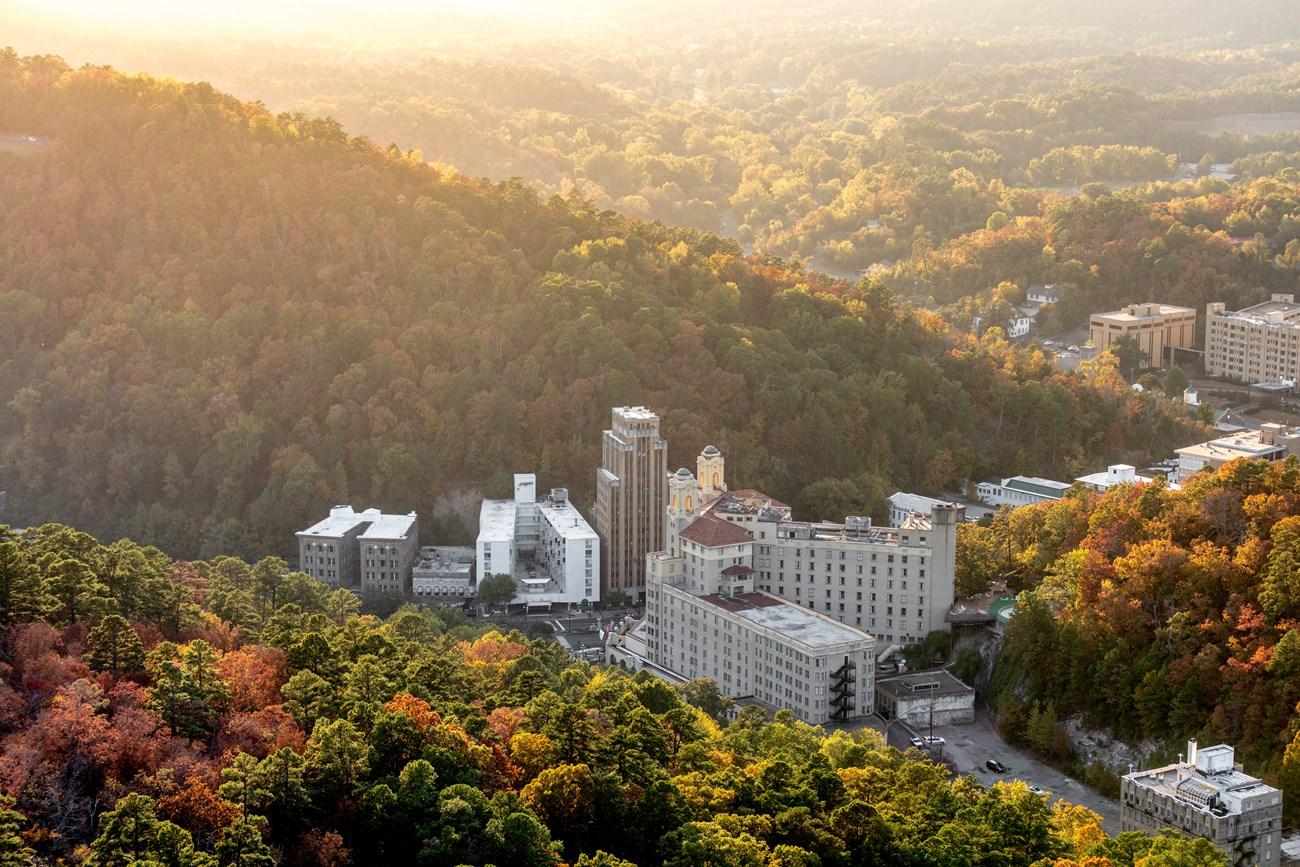 Hot Springs
, Arkansas blends thermal waters, Bathhouse Row, mountain scenery, historic architecture, arts, racing and lively Southern cuisine and arts.
1 h 35 min drive · 75 km from city centre
Hot Springs
Hot Springs, Arkansas blends thermal waters, Bathhouse Row, mountain scenery, historic architecture, arts, racing and lively Southern cuisine and arts.
1 h 35 min drive · 75 km from city centre


Swipe for more cities
Explore more

Explore more of Arkansas
Explore Arkansas: The Natural State with its stunning landscapes, rich history, and vibrant cultural experiences. Perfect for adventurers and culture seekers alike.
Explore Arkansas