

Free Hot Springs Travel Guide & Mobile App
Plan your Hot Springs trip with Evendo. Get free guides to top attractions, restaurants, hotels, and bars. Web access or download the mobile app.


Hot Springs, Arkansas blends thermal waters, Bathhouse Row, mountain scenery, historic architecture, arts, racing and lively Southern cuisine and arts.
Thermal Waters and Mountain Heritage
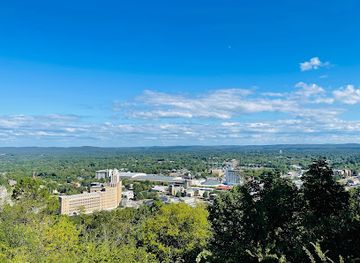
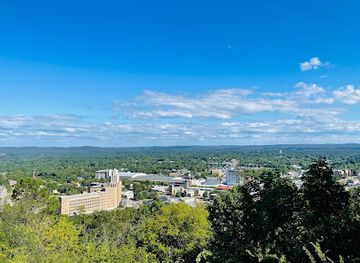
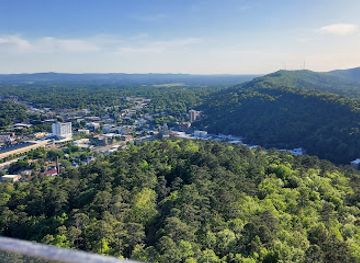
Hot Springs lies among the wooded ridges of the Ouachita Mountains in central Arkansas, a city shaped by the warm mineral springs that rise along the lower slopes of Hot Springs Mountain. The springs have drawn visitors for centuries, first as a place of Indigenous gathering and later as a nationally known resort. Today, Hot Springs National Park protects the springs, forested uplands and historic Bathhouse Row, where ornate buildings line Central Avenue and preserve the visual character of the city’s bathing era.Read more about Hot Springs
Bathhouse Row and Downtown Life
Culture, Lakes and the Outdoors
When is the best time to visit Hot Springs?
Best: April, September–October · 23–29°C| Month | High (°C) | Rainfall (mm) |
|---|---|---|
| January | 13 | 93 |
| February | 15 | 95 |
| March | 19 | 114 |
| April (best) | 23 | 107 |
| May | 28 | 122 |
| June | 33 | 104 |
| July | 34 | 91 |
| August | 33 | 91 |
| September (best) | 29 | 97 |
| October (best) | 23 | 94 |
| November | 17 | 109 |
| December | 12 | 109 |
Getting to and around Hot Springs
How to get there
Transportation
Best attractions in Hot Springs
Hot Springs National Park provides the city’s defining sightseeing experience, combining thermal springs, wooded mountain trails, the Grand Promenade and the preserved bathhouses of Central Avenue. Fordyce Bathhouse, furnished as a museum and park visitor centre, reveals how early twentieth-century guests were treated, while Buckstaff Bathhouse and Quapaw Baths & Spa show how bathing traditions continue in different forms. The Hot Springs Mountain Tower offers a high viewpoint over the Ouachita landscape, and the Gangster Museum of America interprets the city’s more notorious resort-era stories. Families can explore the Mid-America Science Museum, while Garvan Woodland Gardens extends the attraction beyond downtown with landscaped grounds beside Lake Hamilton. Oaklawn Racing Casino Resort adds live horse racing during its season, and nearby lakes, trails and scenic drives provide a natural counterpoint to the historic core.
-
National park
Hot Springs National Park
Experience the healing waters and stunning landscapes of Hot Springs National Park, a unique natural retreat in Arkansas.
14 min drive · 4.5 km from city centre
-
National park
Hot Springs National Park
Discover thermal springs, historic bathhouses, and scenic trails in this unique urban national park nestled in the Ouachita Mountains.
14 min drive · 4.5 km from city centre
-
Tourist attraction
Hot Springs Mountain Tower
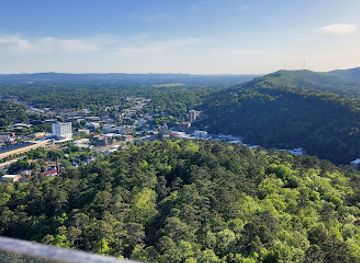
Experience breathtaking panoramic views of Hot Springs National Park and the Ouachita Mountains from the iconic Hot Springs Mountain Tower.
9 min drive · 3.1 km from city centre
-
Performing arts group
Magic Springs
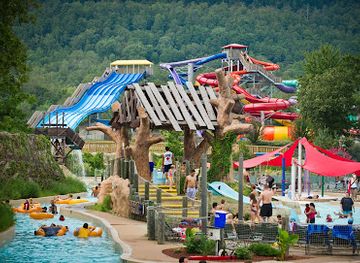
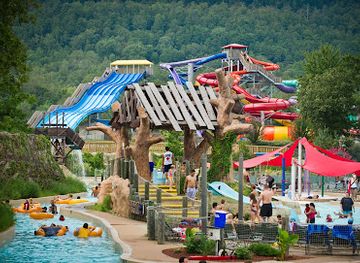
Arkansas's premier theme and water park, offering thrilling rides, refreshing water slides, and live entertainment for the whole family.
13 min drive · 4.5 km from city centre

Best landmarks in Hot Springs
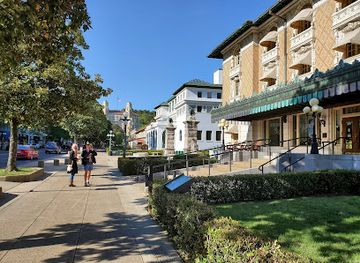
Bathhouse Row is Hot Springs’ most important architectural ensemble, a line of historic bathhouses whose grand façades express the city’s transformation into a national health resort. Fordyce Bathhouse is significant both for its preserved interiors and for its role as the principal interpretive centre of Hot Springs National Park, while the restored Maurice Bathhouse now houses park offices and exhibits. The Arlington Resort Hotel & Spa, with its prominent position near the historic core, recalls the grand-hotel era that supported the springs. The Grand Promenade provides a formal elevated walkway behind the bathhouses, linking the built resort landscape with the mountain. Hot Springs Mountain Tower is a later landmark rather than a historic bathhouse, but its elevated structure has become a recognisable marker of the city’s relationship with the Ouachita hills.
-
National park
Hot Springs National Park
Experience the unique blend of natural hot springs and rich history in the heart of Hot Springs, Arkansas. A relaxing and accessible national park.
14 min drive · 4.5 km from city centre
-
Tourist attraction
Hot Springs Mountain Tower
Experience breathtaking views and rich history at Hot Springs Mountain Tower, a must-visit tourist attraction in Arkansas.
9 min drive · 3.1 km from city centre
-
Performing arts group
Magic Springs
Discover the magic of adventure at Magic Springs, a thrilling amusement and water park in Hot Springs, Arkansas, perfect for family fun and excitement.
13 min drive · 4.5 km from city centre
-
Spa
Quapaw Baths & Spa
Experience the healing waters of Hot Springs at the beautifully restored Quapaw Baths & Spa, a historic bathhouse offering modern spa treatments.
8 min drive · 2.7 km from city centre
Explore Hot Springs on the map
Plan your Hot Springs trip on one map. See where the top attractions, landmarks, restaurants, bars and hotels are, find what's near where you're staying, and book hotels and experiences in a few clicks.
Best hotels in Hot Springs
Best restaurants in Hot Springs
Hot Springs dining reflects Arkansas cooking, resort history and the city’s mixture of long-established local institutions and newer independent businesses. Barbecue is central to the local food identity, with McClard’s Bar-B-Q associated with the city’s enduring smoked-meat tradition, while The Pancake Shop represents the classic American breakfast counter. Central Avenue and the blocks around Bathhouse Row offer cafés, casual restaurants, breweries and more contemporary menus, making the historic centre the easiest area for sampling several styles on foot. Southern staples, burgers, catfish, biscuits and seasonal produce appear alongside salads, craft beer and modern comfort food. Superior Bathhouse Brewery occupies a former bathhouse and is especially characteristic of Hot Springs, using the city’s thermal water in its brewing process. Lake Hamilton adds waterfront dining and resort-oriented restaurants beyond downtown.
-
Seafood
Fisherman's Wharf Steak & Seafood
Experience the best seafood and steak in Hot Springs at Fisherman's Wharf Steak & Seafood - where flavor meets beautiful views.
21 min drive · 7.0 km from city centre
-
Steak
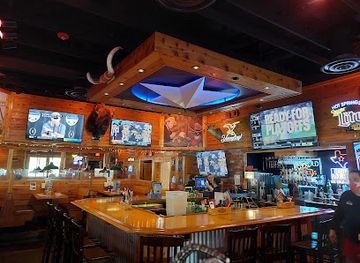
Texas Roadhouse
Experience authentic American cuisine at Texas Roadhouse in Hot Springs - home of hand-cut steaks and delicious comfort food.
8 min drive · 2.6 km from city centre
-
Pizza
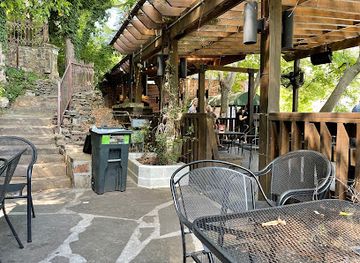
Grateful Head Pizza Oven and Beer Garden
Discover unique pizzas with fresh ingredients at Grateful Head Pizza Oven and Beer Garden in Hot Springs - where flavor meets relaxation.
8 min drive · 2.8 km from city centre
-
American
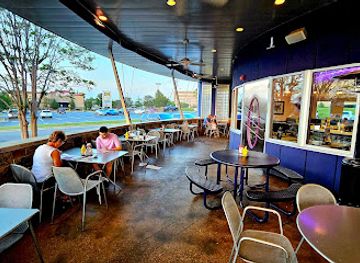
The Purple Cow Restaurant
Experience the whimsical charm and delicious American cuisine at The Purple Cow Restaurant in Hot Springs National Park.
9 min drive · 3.1 km from city centre
Best bars in Hot Springs
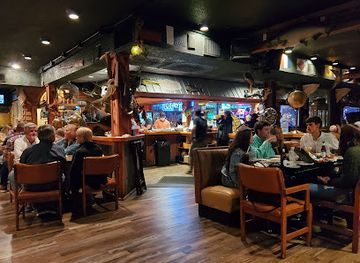
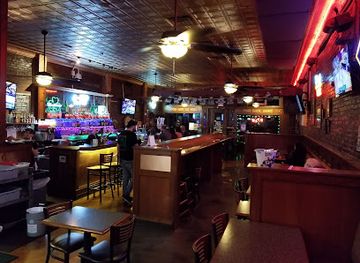
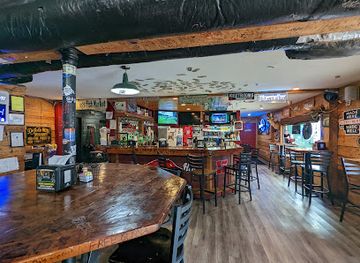
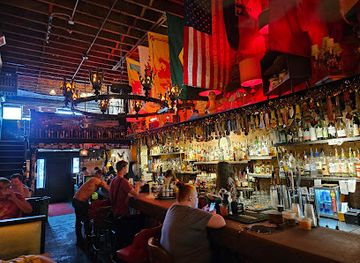
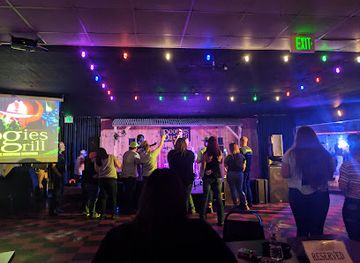
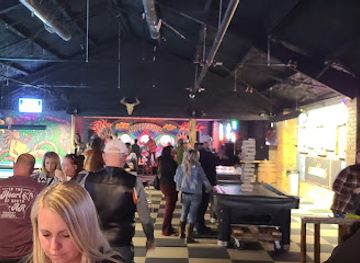
Evenings in Hot Springs tend to centre on relaxed bars, breweries, live music and restaurants rather than a large nightclub district. Central Avenue and the surrounding downtown streets provide the greatest concentration of places for craft beer, cocktails, wine and occasional performances, with Superior Bathhouse Brewery offering an especially local setting in a former bathhouse. The city’s entertainment calendar can include live bands, comedy, theatre and cultural events, while Oaklawn Racing Casino Resort contributes a more energetic evening atmosphere during the racing season and offers casino entertainment subject to US legal and venue rules. Lakeside resorts and restaurants around Lake Hamilton provide a quieter alternative to downtown. Schedules, age requirements and opening arrangements vary, so evening plans are best checked locally, particularly outside major events and holiday periods.
-
Bar
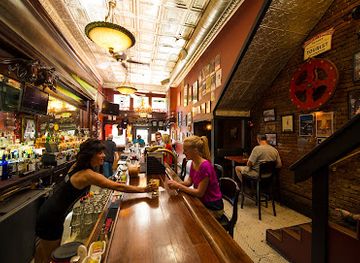
Ohio Club
Experience the rich history and vibrant atmosphere of the Ohio Club, a legendary bar and grill in the heart of Hot Springs National Park.
9 min drive · 2.9 km from city centre
-
Pub
Copper Penny Pub
Experience the lively atmosphere, diverse menu, and exceptional drinks at Copper Penny Pub in Hot Springs, Arkansas, a local favorite for relaxation and fun.
7 min drive · 2.3 km from city centre
-
Restaurant
Fat Jacks
Discover Fat Jacks in Hot Springs, Arkansas - a vibrant restaurant and bar offering delicious American cuisine and a lively atmosphere for every occasion.
10 min drive · 3.3 km from city centre
-
Bar
Maxine's Live
Experience the vibrant nightlife and live entertainment at Maxine's Live in Hot Springs, AR, where fun, food, and music come together.
7 min drive · 2.4 km from city centre
Best nightclubs in Hot Springs
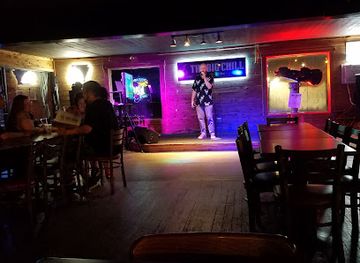
Evenings in Hot Springs tend to centre on relaxed bars, breweries, live music and restaurants rather than a large nightclub district. Central Avenue and the surrounding downtown streets provide the greatest concentration of places for craft beer, cocktails, wine and occasional performances, with Superior Bathhouse Brewery offering an especially local setting in a former bathhouse. The city’s entertainment calendar can include live bands, comedy, theatre and cultural events, while Oaklawn Racing Casino Resort contributes a more energetic evening atmosphere during the racing season and offers casino entertainment subject to US legal and venue rules. Lakeside resorts and restaurants around Lake Hamilton provide a quieter alternative to downtown. Schedules, age requirements and opening arrangements vary, so evening plans are best checked locally, particularly outside major events and holiday periods.
-
Bar
Ohio Club
Experience the rich history and vibrant atmosphere of The Ohio Club, Hot Springs' oldest bar and a premier live music venue.
9 min drive · 2.9 km from city centre
-
Night club
The Big Chill
Experience the vibrant nightlife at The Big Chill, Hot Springs' premier night club featuring live music, delicious food, and a lively atmosphere.
6 min drive · 2.1 km from city centre
-
Bar
Boogies Bar & Grill
Discover the lively atmosphere of Boogies Bar & Grill in Hot Springs, Arkansas – where great food, karaoke, and live music come together!
9 min drive · 3.0 km from city centre
-
Sports bar
Taphouse Club
Experience the thrill of sports and a vibrant atmosphere at Taphouse Club in Hot Springs National Park, where fun meets great food.
8 min drive · 2.7 km from city centre

Best shops in Hot Springs
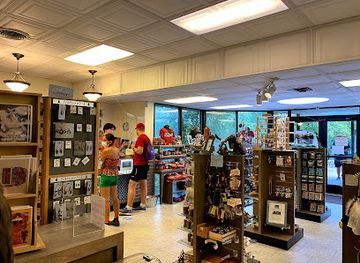
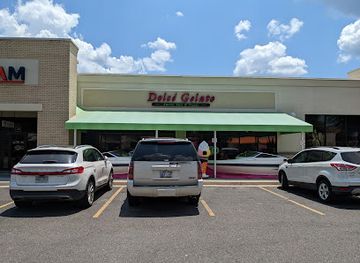
Shopping in Hot Springs is concentrated around Central Avenue, the historic downtown blocks and nearby streets, where independent galleries, art shops, gift stores, bookshops and locally oriented retailers occupy buildings associated with the old resort district. Visitors will find Arkansas-made art, ceramics, prints, jewellery, bath products and food gifts alongside more conventional clothing and souvenirs. The bathhouse setting gives thermal and spa-related products a natural presence, while the city’s arts community brings work by regional makers into the centre. Antique and vintage shopping appears in smaller independent businesses rather than one dominant market. Commercial areas outside downtown provide everyday retail and larger shops, but they offer a less distinctive experience than the historic streets around Bathhouse Row. Availability and individual businesses change, so the shopping scene is best approached as a collection of independent stops.
-
Gift shop
Hot Springs Mountain Tower
Experience breathtaking views and local charm at Hot Springs Mountain Tower, a must-visit destination in Arkansas for every traveler.
9 min drive · 3.1 km from city centre
-
Shopping mall
Cornerstone Market Place
Discover the ultimate shopping experience at Cornerstone Market Place in Hot Springs, where retail and dining come together in a vibrant atmosphere.
9 min drive · 3.1 km from city centre
-
Shopping mall
Uptown Hot Springs
Explore Uptown Hot Springs, the ultimate shopping destination in Hot Springs, Arkansas, where retail and local charm come together for an unforgettable experience.
16 min drive · 5.3 km from city centre
-
Shopping mall
Temperance Hill Square
Experience shopping like never before at Temperance Hill Square, where local charm meets national brands in Hot Springs, Arkansas.
14 min drive · 4.6 km from city centre
Get your free copy of our complete guide to Hot Springs, delivered straight to you.
Everything on this page, from attractions and restaurants to essentials and local phrases, in one PDF you can read offline, print or share.
Already have an account? Sign in
Your Hot Springs guide is ready.
We'll send it to · Not you? Sign out

Getting your guide ready…
We are putting together a fresh copy of the Hot Springs guide. This can take up to a minute.
This can take a few moments. If your browser asks, choose Allow so the download can start. You'll find the guide in your Downloads folder.
Nothing happened? Download it again
Sorry, the guide is taking longer than usual. Please try again in a minute, or get it by email instead.
Hot Springs essentials
Currency and Payment
Safety
Emergency Situations
Do's and Don'ts
Local Tips
From Eve
Local phrases worth knowing
You don't need to get them perfect. A few words go a long way, and locals appreciate the effort.
Basics
| English | Local | Say it |
|---|---|---|
| Hello | Howdy | [haw-dee] |
| Goodbye | See ya later | [see ya lay-ter] |
| Yes | Yep | [yep] |
| No | Nah | [nuh] |
| Please/You're welcome | Please | [pleez] |
| Thank you | Thanks | [thaynks] |
| Excuse me/Sorry | Pardon me | [par-dn me] |
| How are you? | How y'all doin'? | [how y'all doin'] |
| Fine. And you? | Fine. How 'bout you? | [fine. how 'bout you?] |
| Do you speak English? | Ya speak English? | [ya speak ing-glish?] |
| I don't understand | I don't get it | [I don't get it] |
Eating & Drinking
| English | Local | Say it |
|---|---|---|
| I'd like to see the menu, please | Can I check out the menu? | [can I check out the menu?] |
| I don't eat meat | I don't do meat | [I don't do meat] |
| Cheers! | Cheers! | [Cheers!] |
| I would like to pay, please | I need to settle up | [I need to settle up] |
Emergencies
| English | Local | Say it |
|---|---|---|
| Help! | Help! | [Help!] |
| Go away! | Git! | [git!] |
| Call the Police! | Ring up the cops! | [ring up the cops!] |
| Call a doctor! | Get a doc! | [get a doc!] |
| I'm lost | I'm turned around | [I'm turned around] |
| I'm ill | I'm under the weather | [I'm under the weather] |
Shopping
| English | Local | Say it |
|---|---|---|
| I'd like to buy... | I wanna buy... | [I wanna buy...] |
| I'm just looking | Just browsing | [just browsing] |
| How much is it? | How much does it run? | [how much does it run?] |
| That's too expensive | That's too steep | [that's too steep] |
| Can you lower the price? | Can you knock it down? | [can you knock it down?] |
Time & Numbers
| English | Local | Say it |
|---|---|---|
| What time is it? | What's the time? | [what's the time?] |
| It's one o'clock | It's one | [it's one] |
| Half past (10) | Ten-thirty | [ten-thirty] |
| Morning | Mornin' | [mornin'] |
| Afternoon | Afternoon | [afternoon] |
| Evening | Evenin' | [evenin'] |
| Yesterday | Yest'day | [yest'day] |
| Today | Today | [today] |
| Tomorrow | Tomorra | [tomorra] |
| 1 | One | [one] |
| 2 | Two | [two] |
| 3 | Three | [three] |
| 4 | Four | [four] |
| 5 | Five | [five] |
| 6 | Six | [six] |
| 7 | Seven | [seven] |
| 8 | Eight | [eight] |
| 9 | Nine | [nine] |
| 10 | Ten | [ten] |
Transport & Directions
| English | Local | Say it |
|---|---|---|
| Where's a/the...? | Where's the...? | [where's the...?] |
| What's the address? | What's the addy? | [what's the addy?] |
| Can you show me (on the map)? | Can you point it out (on the map)? | [can you point it out (on the map)?] |
| When's the next (bus)? | When's the next (bus)? | [when's the next (bus)?] |
| A ticket (to ....) | A ticket (to ....) | [a ticket (to ....)] |
History of Hot Springs
Indigenous Use of the Springs
The thermal springs were known and used by Indigenous peoples long before the arrival of the United States. Archaeological evidence and historical accounts indicate that Native communities visited the area for the warm waters and the surrounding forested landscape, sometimes meeting here despite wider regional rivalries. The springs’ importance was therefore cultural and social as well as therapeutic. Their location in the Ouachita Mountains also placed them within an established network of movement across what is now Arkansas. Later settlers and visitors often described the waters through European medical ideas, but the springs already possessed a long history of human use. That earlier connection remains part of the national park’s interpretation of the site.
European Exploration and Settlement
Spanish expeditions travelled through the Arkansas region during the sixteenth century, and Hernando de Soto’s 1541 expedition is traditionally associated with the springs, although details of the route are debated by historians. More sustained American settlement followed in the nineteenth century, when the thermal waters began attracting people seeking relief from illness and the pressures of frontier life. Temporary shelters and bathing facilities gradually replaced informal use of the springs. The area’s reputation spread well beyond the surrounding settlements, creating demand for roads, accommodation, medical services and commercial businesses.
America’s First Federal Reservation
In 1832, the United States set aside the Hot Springs area as the country’s first federal reservation, protecting the springs for public use. This designation preceded the modern national-park system and reflected the growing belief that the waters should not be controlled solely by private interests. Administration was initially limited, and illegal or unregulated development continued around the reservation. Even so, the federal protection established a lasting principle: the springs and their immediate setting were a national resource. The reservation formed the legal foundation for the later preservation of Bathhouse Row and the creation of Hot Springs National Park.
The Rise of Bathhouse Row
During the late nineteenth and early twentieth centuries, Hot Springs developed into a nationally prominent health resort. Bathhouses, hotels, restaurants and entertainment venues grew around the springs, while physicians and bath attendants promoted structured courses of soaking, bathing and medical treatment. The present Bathhouse Row reflects this period, particularly in its grand masonry buildings and decorative façades. The city also acquired a reputation as a place where gamblers, politicians, entertainers and organised-crime figures could mingle with ordinary health seekers. That reputation forms part of the city’s complicated social history, but the bathhouses themselves remain the clearest architectural record of its resort economy.
National Park Preservation
The federal reservation became Hot Springs National Park in 1921, a change that placed the city’s thermal landscape within the National Park Service system. Preservation and public access increasingly shaped decisions about the springs, the mountain slopes and the historic bathhouses. As medical practice changed and resort bathing declined in importance, several bathhouses closed or changed purpose, while others continued operating. Fordyce Bathhouse was restored as a museum and visitor centre, and the row became an unusually intact record of American spa architecture. The park today protects both natural features and cultural resources rather than treating the springs as an isolated natural curiosity.
A Modern Arkansas Destination
After the heyday of therapeutic bathing, Hot Springs broadened its economy through tourism, arts, outdoor recreation and horse racing. Oaklawn, established in the nineteenth century and rebuilt over successive periods, became central to the city’s sporting identity. Lake Hamilton encouraged boating and waterfront development, while attractions such as Garvan Woodland Gardens and the Mid-America Science Museum extended the visitor offer beyond downtown. Contemporary Hot Springs continues to balance preservation with new uses for historic buildings, including spas, breweries, galleries and cultural venues. Its modern identity is therefore rooted in the thermal springs but sustained by a wider relationship with heritage, entertainment and the Ouachita landscape.
Hot Springs in Photos
Browse through our photo collection highlighting the charm and character of the destination.
Cities near Hot Springs
The closest cities to Hot Springs, if you have time for more than one stop.
-

-

-

-
-


Swipe for more cities
Explore more

Explore more of Arkansas
Explore Arkansas: The Natural State with its stunning landscapes, rich history, and vibrant cultural experiences. Perfect for adventurers and culture seekers alike.
Explore Arkansas