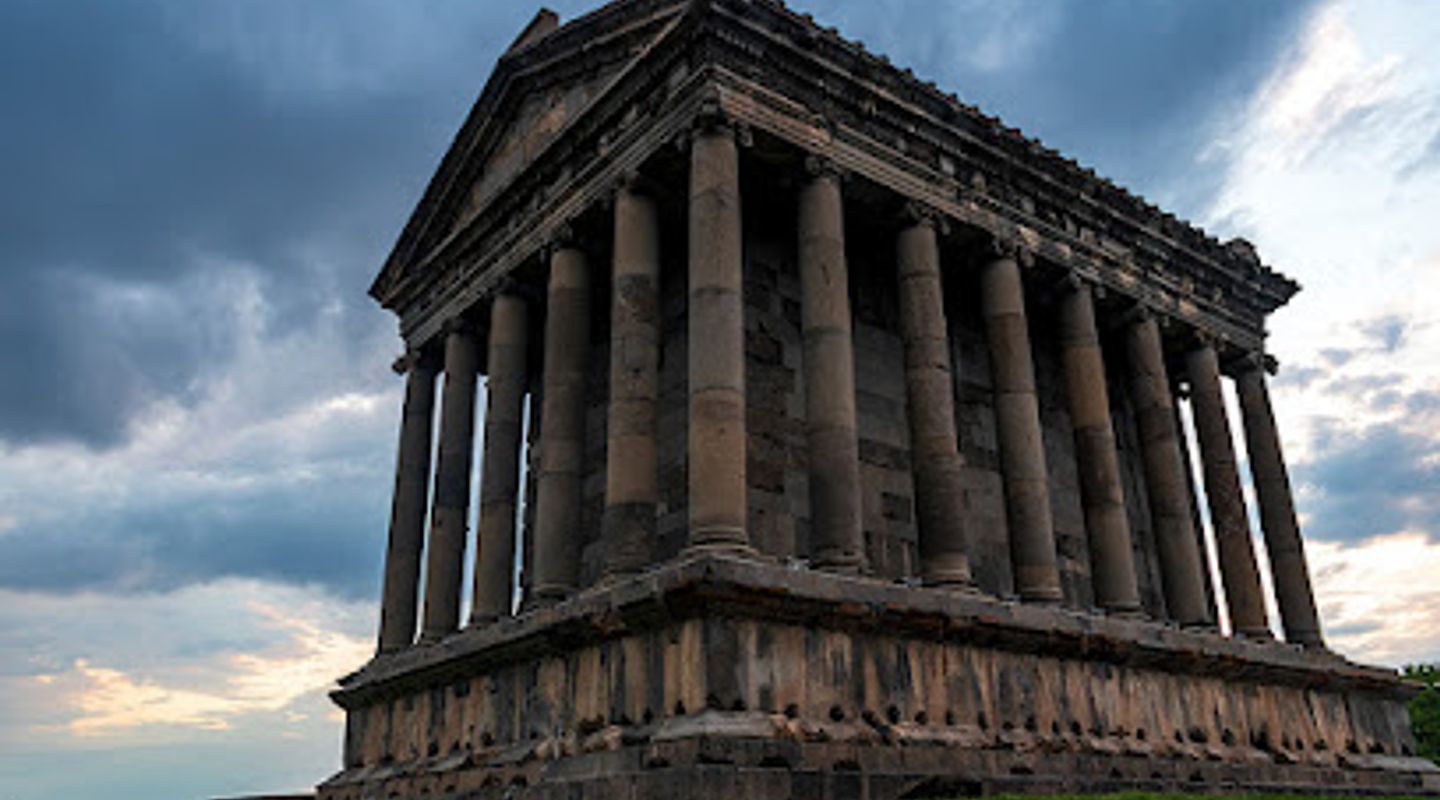
Garni Temple, Ararat Travel Guide
Explore Armenia's only Greco-Roman temple, a majestic monument to the sun god Mihr and a symbol of pre-Christian heritage.
The Garni Temple, located in the village of Garni, Armenia, is a classical colonnaded structure and the only standing Greco-Roman temple in the country. Dedicated to the sun god Mihr, it offers a glimpse into pre-Christian Armenia and stands as a testament to the region's rich cultural heritage.
A brief summary to Garni Temple
- Garni, 2215, AM
- Tuesday 10 am-6 pm
- Wednesday 10 am-6 pm
- Thursday 10 am-6 pm
- Friday 10 am-6 pm
- Saturday 10 am-6 pm
- Sunday 10 am-6 pm

Know before you go
Hi, I'm Eve. Here are a few practical things to know before exploring Garni Temple.
- Wear comfortable shoes, as you'll be walking on uneven surfaces and climbing stairs.
- Visit early in the morning or late in the afternoon to avoid crowds and enjoy the best lighting for photography.
- Don't miss the ruins of the Roman bathhouse with its well-preserved mosaic floor.
- Combine your visit with a trip to the nearby Geghard Monastery and the Symphony of Stones for a full-day excursion.
Do you manage this location?
Take control to get all the benefits, like improved information, better appearance, and stronger visibility across AI-powered discovery. Learn more about listing your business on Evendo
Activate your presenceOther nearby places you may find interesting
The closest places of the same kind, if this one is not quite what you had in mind.




Explore Garni Temple on the Map
A handpicked selection of must-see spots near Garni Temple, mapped for you.
Getting There
-
Public Transport
To reach Garni Temple from Yerevan, take bus No. 266 or 284 from Gai Bus Station (located near the Mercedes-Benz dealership on Gai Avenue). The bus trip takes approximately 40-60 minutes and costs around 250-500 AMD. From the Garni bus stop, the temple is a short walk away.
-
Taxi
A taxi from Yerevan to Garni Temple takes about 30-45 minutes and costs approximately 2700-3900 AMD. Use a taxi app like Yandex Taxi for transparent pricing. Negotiate a return fare with the driver if you want them to wait for you.
Discover more about Garni Temple













Your all‑in‑one travel companion app
Explore expert travel guides, compare and book tours, experiences, hotels, and more—all from the palm of your hand. Download now for seamless trip planning wherever your wanderlust takes you.


Explore More of Ararat

Looking beyond Garni Temple? Discover Ararat for broader travel guides, local hot-spots, and regional highlights.
Explore Ararat
Experience breathtaking views and serene landscapes at Cross & View Point in Mets Gilanlar, a must-visit destination for nature lovers and photographers.

Explore the Garni Historical and Cultural Museum and dive deep into the rich tapestry of Armenia's cultural heritage and ancient legacy.