Spitakavor Monastery: A White Jewel in Vayots Dzor
Discover Spitakavor Monastery in Armenia: a 14th-century architectural gem with stunning views and a rich history, nestled in the Vayots Dzor mountains.
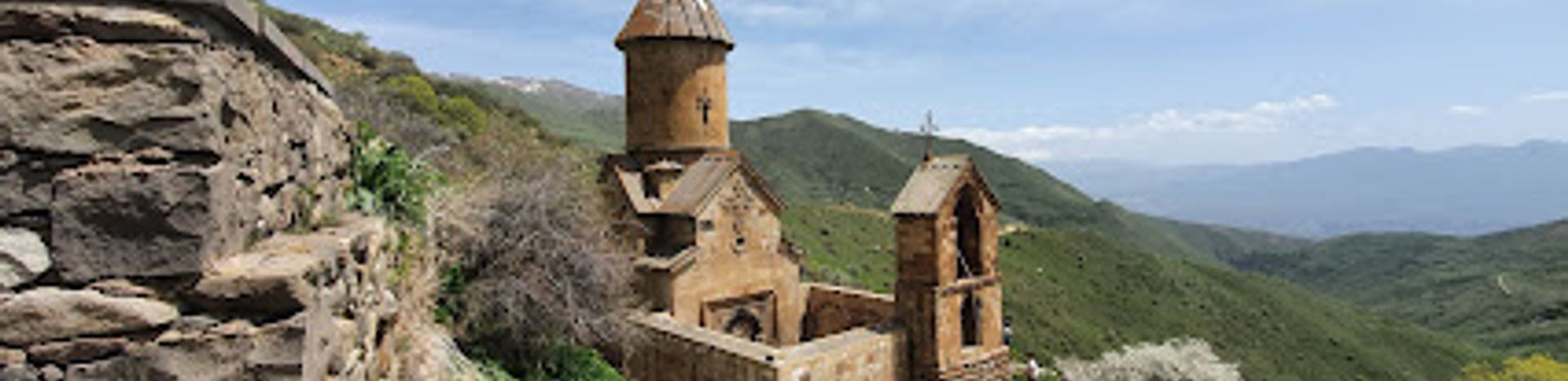
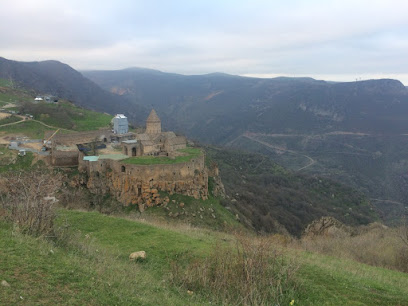
Nestled in the rugged landscape of Vayots Dzor, Armenia, Spitakavor Monastery, also known as Tsakhkavank, stands as a testament to medieval Armenian architecture and religious significance. Built in the 14th century from polished white felsite, the monastery offers breathtaking views and a serene escape.
A brief summary to Spitakavor
- R9H7+WFJ, Vernashen, AM
Local tips
- The road to the monastery is rough; a 4x4 vehicle or hiking is recommended.
- Visit in spring to see the surrounding slopes burst into bloom, giving the monastery its nickname, the 'Flower Monastery'.
- Look for the grave of Garegin Nzhdeh, a prominent Armenian military and political figure, in the monastery courtyard.

Getting There
-
Hiking
From Vernashen village, a 7-kilometer trail leads to Spitakavor Monastery. The moderate hike climbs 500 meters in elevation, offering scenic views of the rocky gorges and surrounding landscape. The trail is part of the larger Transcaucasian Trail and is clearly marked. Be prepared for a 2-3 hour hike each way. Sturdy footwear and water are recommended.
-
4x4 Vehicle
A rough, winding dirt track (8.4km) is accessible by 4WD vehicles from Vernashen. From Yeghegnadzor, drive towards Vernashen and past the Museum of Gladzor University. At the T-junction, take the road to the left. The road will take you all the way up to the monastery. Be prepared for challenging road conditions.
Discover more about Spitakavor
Iconic landmarks you can’t miss

Yeghegis Jewish Cemetary
4.3 km
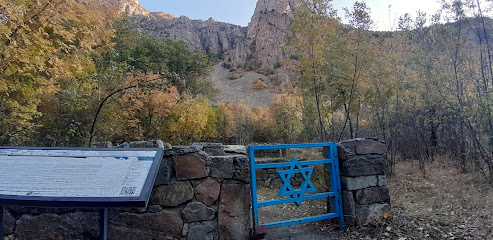
Explore the Yeghegis Jewish Cemetery, a captivating historical site showcasing Armenia's rich Jewish heritage through its ancient tombstones and serene landscapes.
Medieval Jewish Cemetery
4.3 km
Discover the serene Medieval Jewish Cemetery in Yeghegis, a testament to Armenia's rich Jewish heritage amid stunning natural beauty.
Hotel Arevi
4.4 km
Discover the serene charm of Hotel Arevi in Yeghegis, Armenia, where comfort meets stunning natural beauty and rich cultural heritage.

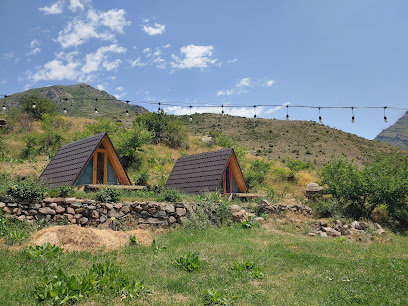
Elegis Village Resort
4.6 km
Discover Elegis Village Resort in Yeghegis, a tranquil camping cabin retreat surrounded by nature and rich history, perfect for an unforgettable getaway.
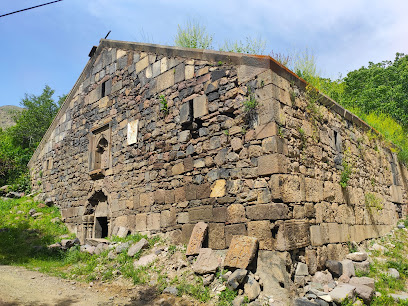
Surb Astvatsatsin Church
4.7 km
Discover the serene beauty and rich history of Surb Astvatsatsin Church in Yeghegis, a stunning example of Armenian religious architecture.
Yeghegis
6.5 km
Experience the tranquil beauty and historical richness of Yeghegis River, a hidden gem in the heart of Armenia's stunning landscapes.
B&B Old Bridge
7.2 km
Experience Armenian hospitality in the heart of wine country at this family-run B&B, offering comfortable stays and access to local vineyards.
Under The Walnut Tree
7.2 km
Experience the warmth of Armenian hospitality at Under The Walnut Tree, a charming restaurant and bed & breakfast in Yeghegnadzor, offering traditional cuisine and cozy accommodations.
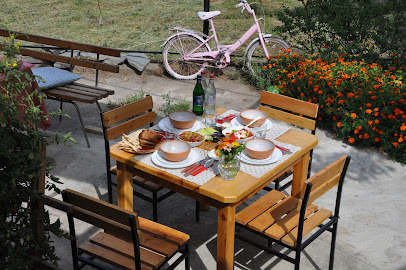
Mikoyan's Statue
8.2 km
Explore Mikoyan's Statue in Yeghegnadzor, a tribute to aviation history set against Armenia's stunning landscapes. A must-visit for travelers and history enthusiasts.
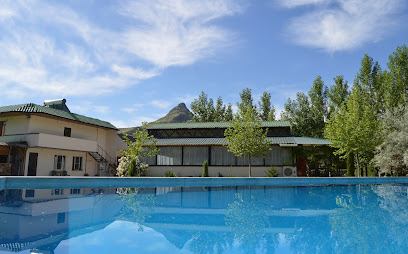
Crossway Camping
10.1 km
Experience eco-friendly camping in Armenia's Vayots Dzor, near historical sites and wineries. Relax by the pool and enjoy mountain views.
Arates Monastery
10.6 km
Discover the peaceful embrace of Arates Monastery, an ancient sanctuary nestled in the serene Armenian landscape, perfect for spiritual reflection and cultural exploration.
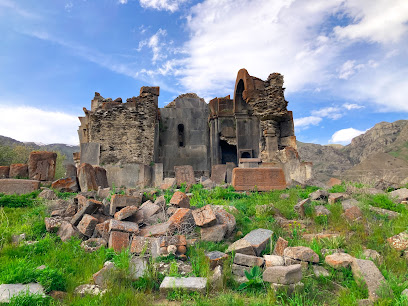
Tukh Manuk
11.5 km
Discover serenity and spiritual heritage at Tukh Manuk Chapel in the stunning Vayoc dzor region of Karaglux, Armenia.
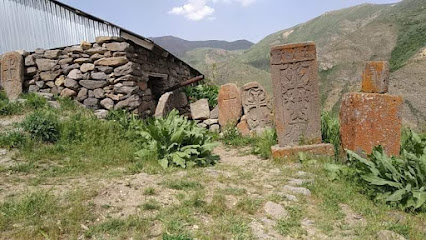
Matevosyans' HOUSE
12.9 km
Experience the authentic taste of Armenia at Matevosyans' House, where traditional flavors meet warm hospitality in the heart of Vayots' Dzor.
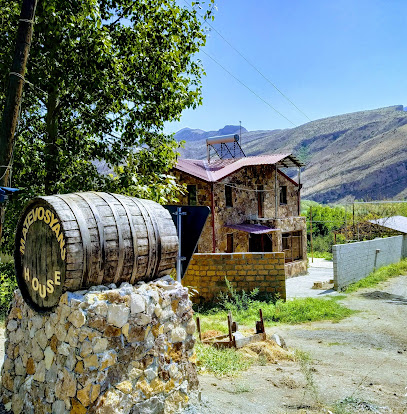
Jrovank
14.4 km
Discover the tranquility of Jrovank Chapel in Arpi, a testament to Armenia's rich religious and architectural heritage.
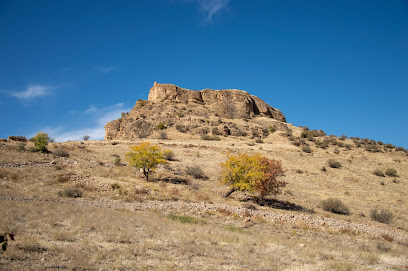
Trinity Canyon Vineyards
14.8 km
Discover Armenia's ancient winemaking traditions at Trinity Canyon Vineyards in Vayots Dzor, where organic wines meet stunning landscapes.
Unmissable attractions to see

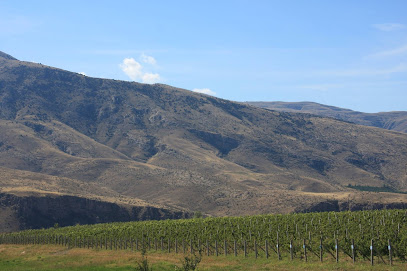
Եղեգնաձորի արգելավայր
3.2 km
Explore Armenia's Yeghegnadzor Sanctuary: A protected haven of forests, rare wildlife, and stunning natural beauty in the Vayots Dzor region.
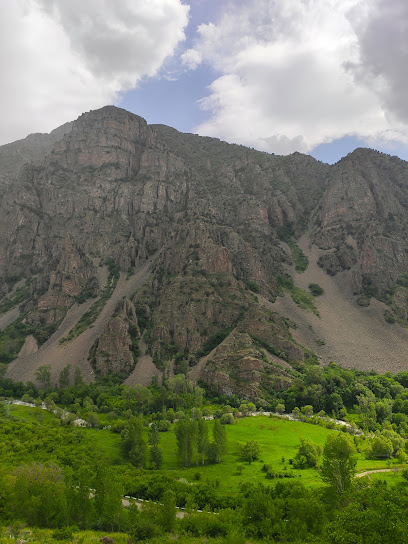
Shativank
3.5 km
Discover Shativank Monastery: A historic Armenian spiritual center with stunning architecture and serene landscapes in Vayots Dzor.
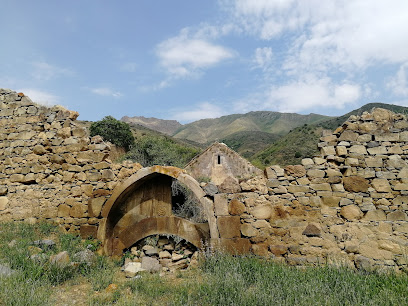
Mountain Goat observation deck
4.4 km
Discover breathtaking vistas and tranquil atmosphere at the Mountain Goat Observation Deck in Artabuynk, Armenia.
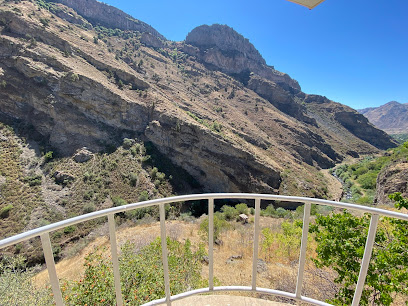
Zorats Church
4.7 km
Discover the spiritual beauty and rich history of Zorats Church in Yeghegis, a hidden gem of Armenian architecture and culture.
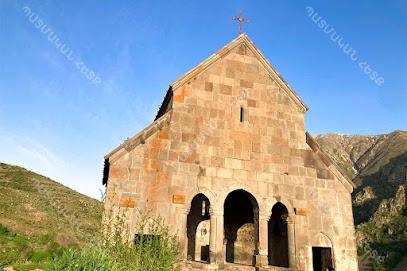
Smbataberd
5.1 km
Explore the medieval majesty of Smbataberd Fortress, a historic Armenian stronghold with breathtaking views and captivating legends.
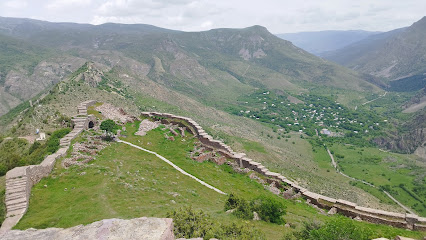
Getap Sightseeing
6.2 km
Explore Getap Sightseeing in Shatin, where stunning landscapes meet rich cultural heritage in a captivating tourist attraction.
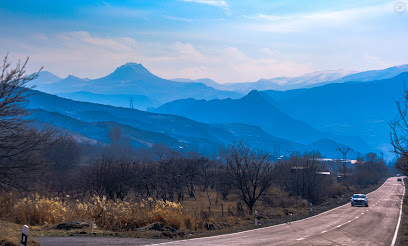
Tanahat Monastery
6.3 km
Discover the serene beauty and rich history of Tanahat Monastery in Yeghegnadzor, a hidden gem in Armenia's spiritual landscape.
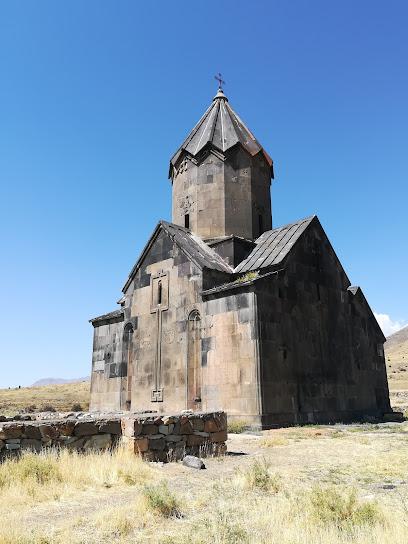
Ուռենի
6.5 km
Discover the scenic trails and breathtaking views of Getap, Armenia, a hiker's paradise nestled in nature's embrace.
Globus
6.6 km
Discover the serene beauty and cultural richness of Yeghegnadzor at Globus, a tranquil escape amidst Armenia's stunning landscapes.
Tsakhats Kar
6.8 km
Experience the tranquil beauty and rich heritage of Tsakhats Kar, a stunning Armenian church nestled in the picturesque landscapes of Horbategh.
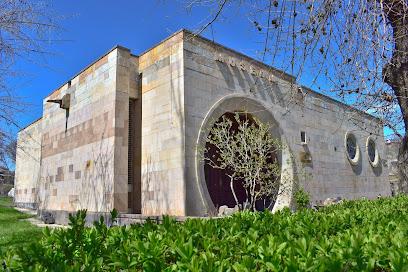
Yeghegnadzor Regional Museum
7.8 km
Explore 9,000 years of history and culture in Armenia's Vayots Dzor region, from ancient artifacts to medieval treasures at the Yeghegnadzor Regional Museum.
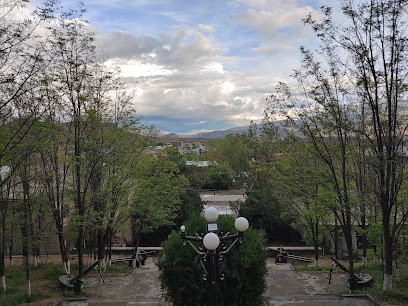
Great Patriotic War Memorial Park
8.1 km
Explore the Great Patriotic War Memorial Park in Yeghegnadzor, a serene tribute to history and valor nestled in breathtaking natural beauty.
Парк
8.2 km
Escape to Yeghegnadzor Park: A serene oasis in the heart of Armenia, perfect for relaxation, picnics, and family fun.
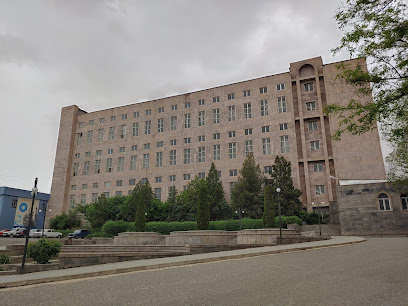
Yeghegnadzor Writing
9.1 km
Find literary inspiration in Yeghegnadzor, Armenia, a haven for writers and literature lovers amidst stunning landscapes and rich culture.
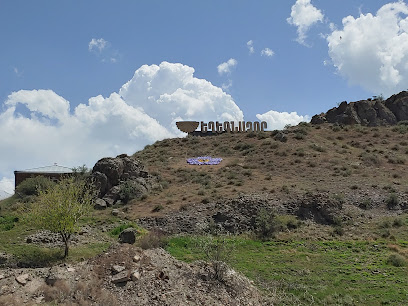
Old Bridge Winery
9.4 km
Discover the exquisite flavors of Armenian wines amidst breathtaking landscapes at Old Bridge Winery, a perfect retreat in Vayots Dzor.
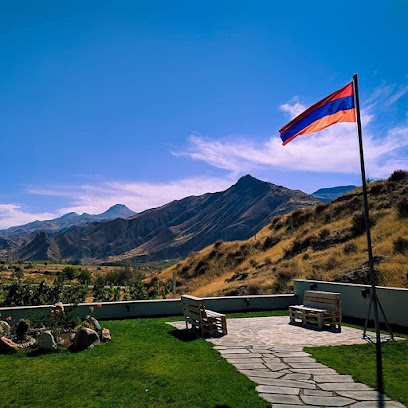
Essential places to dine

Sisakan Restaurant
6.1 km
Experience authentic Armenian cuisine at Sisakan Restaurant in Getap - a culinary delight filled with local flavors and warm hospitality.
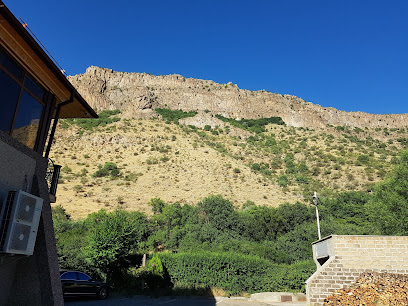
Tanahat House
6.5 km
Discover Tanahat House: A Family-Friendly Restaurant in Yeghegnadzor Offering Delicious Local Cuisine and Warm Hospitality.
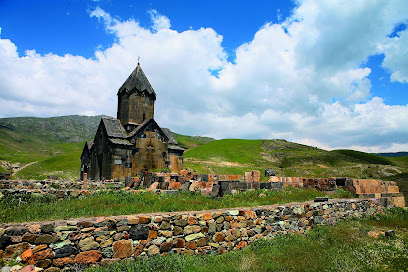
Sun House
7.1 km
Discover the rich flavors of authentic Hakka cuisine at Sun House in Yeghegnadzor - a culinary delight not to be missed!
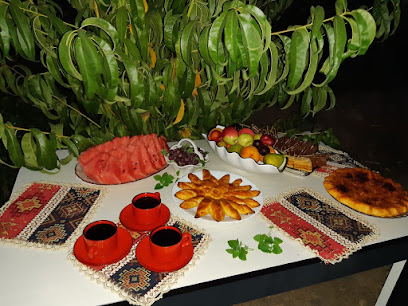
Lada's Gastro Yard
7.2 km
Discover authentic Armenian cuisine at Lada's Gastro Yard in Yeghegnadzor, where every dish tells a story.
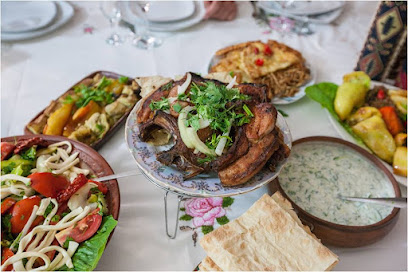
LD Armenia
7.2 km
Experience authentic Armenian cuisine at LD Armenia – where families come together in Yeghegnadzor's warmest dining atmosphere.
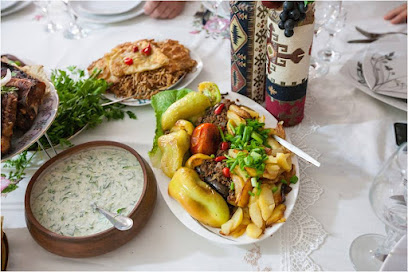
Gastro Yard Arman Hakhverdyan
7.4 km
Discover the rich flavors of Armenia at Gastro Yard Arman Hakhverdyan, where family-friendly dining meets cultural authenticity.
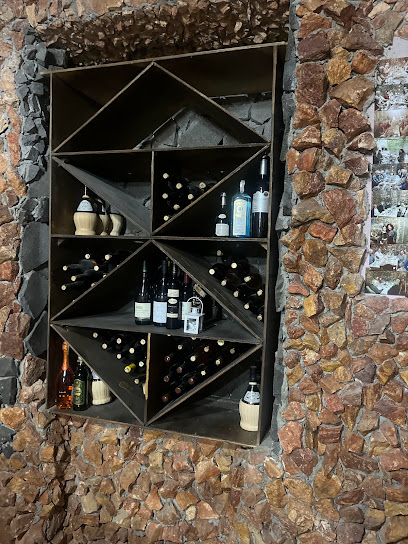
Fast food- Hamov Lunch
7.9 km
Discover Hamov Lunch in Yeghegnadzor: A charming bistro serving delicious fast food delights perfect for travelers seeking quality and flavor.
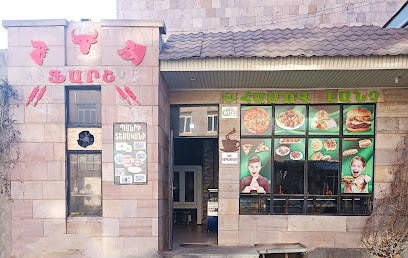
MooD Cafe
8.0 km
Discover MooD Cafe: A Sweet Retreat in Yeghegnadzor Offering Delectable Desserts and Cozy Ambiance Perfect for Relaxation.
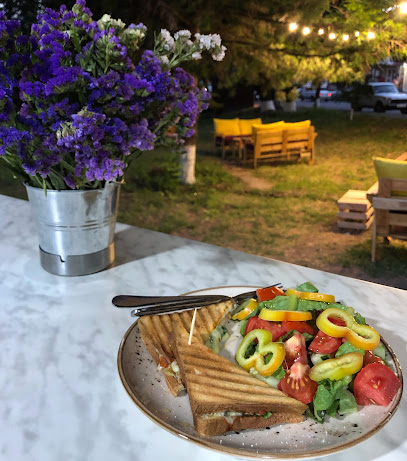
Պիցցա Եղեգնաձոր
8.2 km
Experience authentic Italian pizza at Pizza Yeghegnadzor – where every slice tells a story!
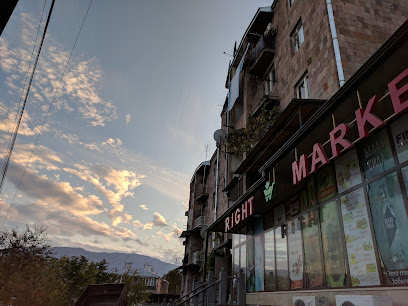
Fast Food
8.3 km
Experience quick bites bursting with flavor in Yeghegnadzor's vibrant fast food scene - perfect for hungry travelers!
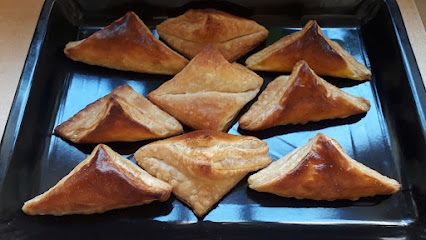
Food Court Yeghegnadzor
8.5 km
Explore diverse culinary delights at Food Court Yeghegnadzor - your gateway to authentic Armenian cuisine amidst vibrant local culture.
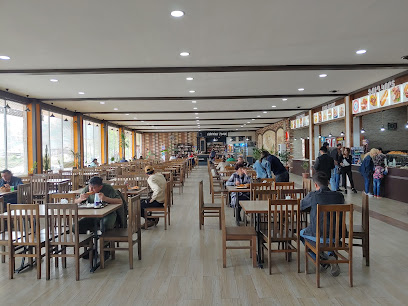
Bistro
8.5 km
Discover authentic Armenian flavors at Bistro in Yeghegnadzor - where tradition meets modern culinary art.
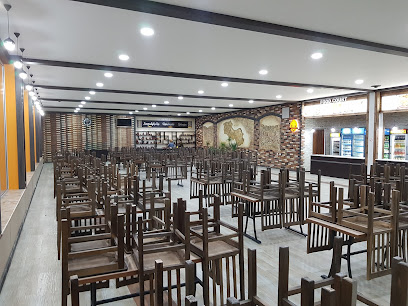
Shushan's Bed & Breakfast
8.5 km
Experience unparalleled hospitality at Shushan's Bed & Breakfast in Yeghegnadzor—where comfort meets authentic Armenian cuisine.
Hamov Tun
8.6 km
Experience authentic Armenian cuisine in the heart of Yeghegnadzor at Hamov Tun - where every meal tells a story.
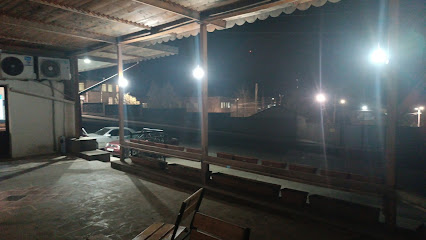
Եղեգն Restaurant
8.7 km
Experience authentic Armenian cuisine at Yeghegn Restaurant in Yeghegnadzor - a family-friendly haven for food lovers.
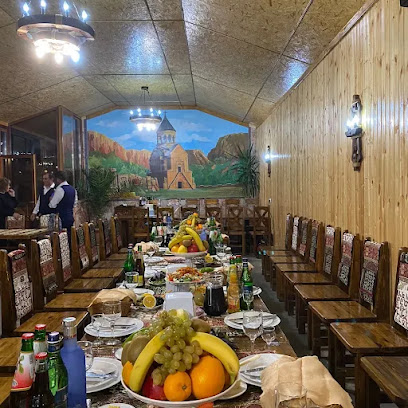
Markets, malls and hidden boutiques

KRYA WINES
4.4 km
Discover the essence of Armenian wine at KRYA WINES, a scenic winery in Vernashen offering exquisite tastings and breathtaking views.
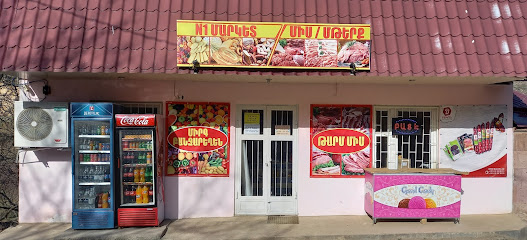
N1 MARKET
5.7 km
Discover N1 Market in Shatin: your destination for shopping, dining, and cultural experiences in a lively atmosphere.
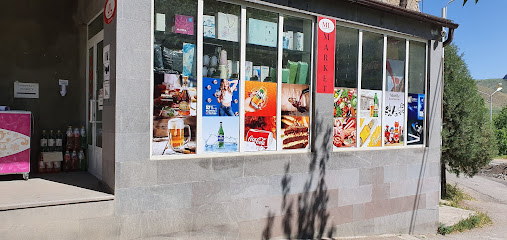
ML Market
5.9 km
Discover ML Market in Shatin: A lively shopping mall filled with diverse stores, dining options, and entertainment for an unforgettable experience.
Сельпо
7.0 km
Discover the heart of Armenian culinary culture at Сельпо in Yeghegnadzor, where fresh local products meet warm hospitality.
Vachik-jan Market | Магазин Продуктов
7.1 km
Discover the authentic flavors of Armenia at Vachik-jan Market, a vibrant grocery store in Yeghegnadzor offering local produce and delicacies.
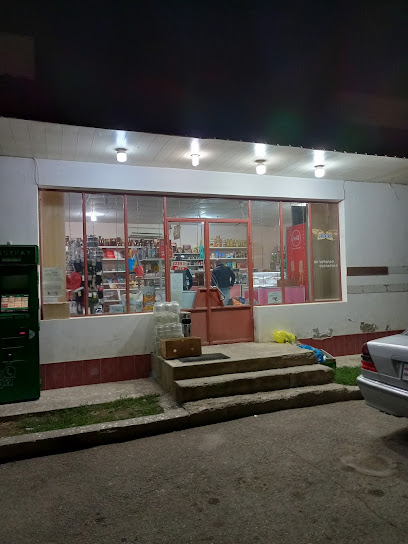
Ехегнадзор Микояна 8/1
7.9 km
Experience the charm of Yeghegnadzor through its local store, where authentic Armenian goods and friendly faces await.
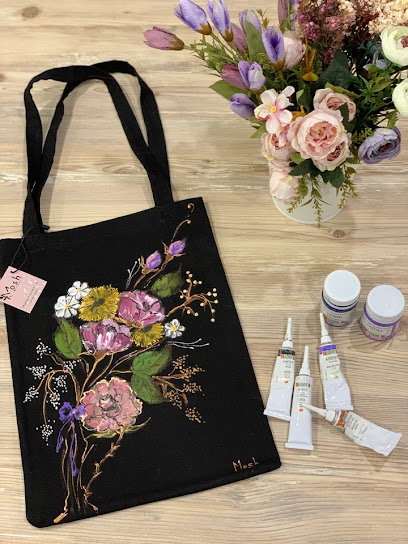
MOSH studio
8.1 km
Explore the heart of Armenian craftsmanship at MOSH Studio in Yeghegnadzor, a haven for unique handmade treasures and creative inspiration.
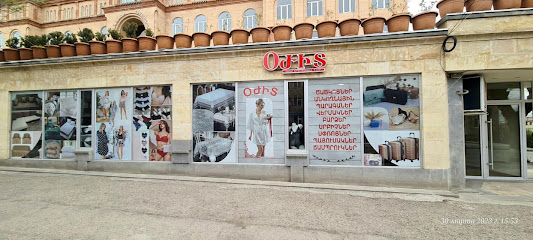
Օժիտ խանութ սրահ Եղեգնաձորում
8.2 km
Shop unique local fashion at Ozhit Clothing Store in Yeghegnadzor, where every piece tells a story of Armenian culture and style.
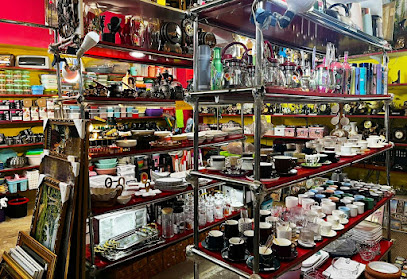
1001 Мелочей
8.2 km
Explore the unique blend of Armenian culture and craftsmanship at 1001 Мелочей, a charming home goods store in Yeghegnadzor, perfect for souvenirs.
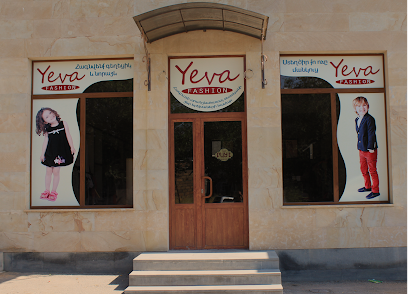
YEVA FASHION
8.2 km
Explore stylish clothing at Yeva Fashion in Yeghegnadzor, where local trends meet contemporary designs for a unique shopping experience.
RIGHT MARKET
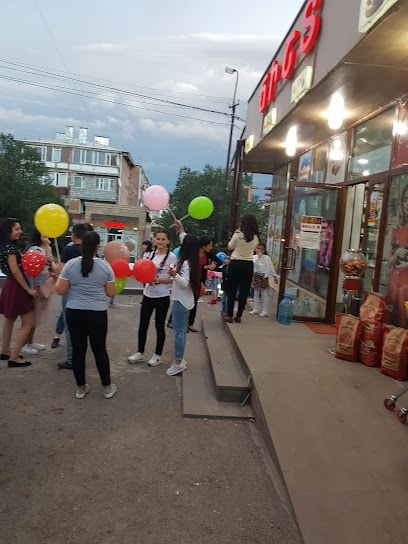
8.2 km
Explore the flavors of Armenia at Right Market in Yeghegnadzor, where local produce meets international delicacies.
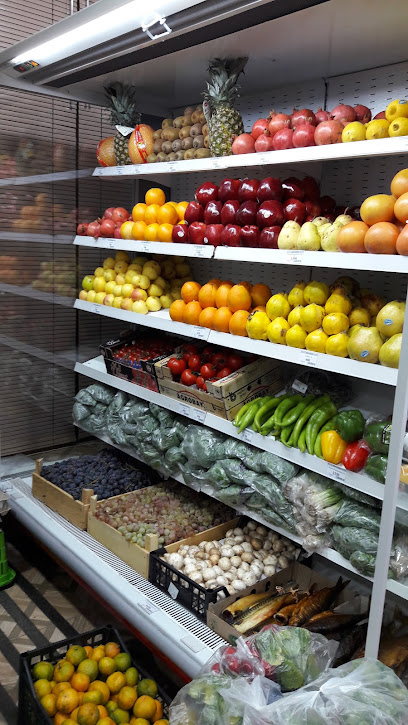
Sevaki A4
8.2 km
Explore Yeghegnadzor with ease at Sevaki A4, the supermarket providing local flavors and international goods for every traveler.
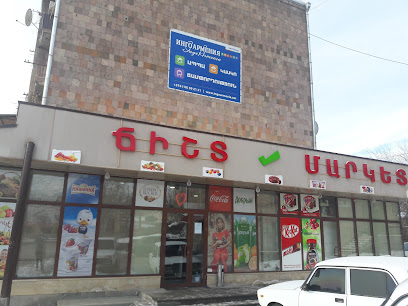
Ճիշտ Մարկետ
8.2 km
Discover the charm of Yeghegnadzor at Ճիշտ Մարկետ, a modern shopping mall offering local crafts, international brands, and delightful dining options.
VAN's Flowers Shop
8.2 km
Explore the vibrant floral artistry at VAN's Flowers Shop in Yeghegnadzor, where fresh blooms meet local craftsmanship.
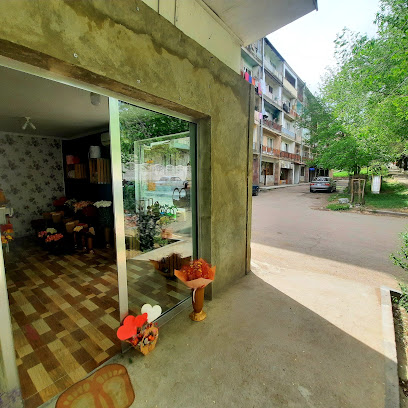
Prestige
8.3 km
Experience the vibrant shopping culture of Yeghegnadzor at Prestige, where local charm meets modern retail in a delightful atmosphere.
Essential bars & hidden hideouts

Սրճարան Ռայ
8.2 km
Experience the warmth and flavor of Armenia at Srrjaran Ray, a cozy lounge in Yeghegnadzor perfect for travelers seeking local charm.
Jun Simon Resto Bar Food
10.6 km
Experience authentic Armenian barbecue at Jun Simon Resto Bar Food in Getap, where every dish is a celebration of local flavors.
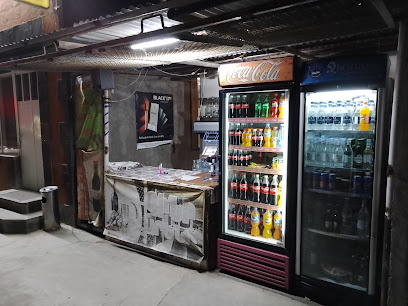
Qarap
16.1 km
Discover Qarap, a delightful restaurant offering authentic Armenian cuisine near a beautiful river, perfect for your culinary adventures.
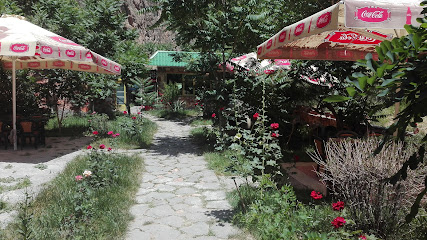
ES CAFE
16.7 km
Experience the vibrant atmosphere of ES CAFE in Vayk, a perfect spot for socializing and enjoying local drinks amidst Armenian culture.
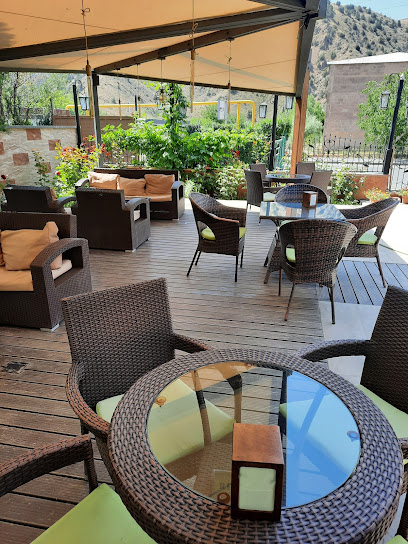
Hambardzumian's Wine
18.2 km
Experience the rich tradition of Armenian winemaking at Hambardzumian's Wine, a charming wine bar in Areni offering exquisite local selections.
Vayk Food Court
18.3 km
Discover the vibrant flavors of Vayk Food Court, where diverse cuisines meet a lively atmosphere for an unforgettable dining experience.
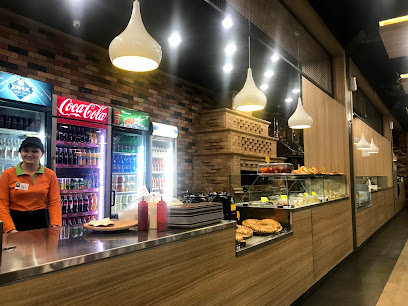
Вино доашнее
18.3 km
Experience the essence of Armenian wine culture at Вино доашное in Areni, where every sip tells a story.
Домашнее вкусное вино у Айка
19.0 km
Experience the authentic flavors of Armenian homemade wines at Domashnee Vkusnoe Vino u Aika in Areni, a delightful bar surrounded by stunning vineyards.
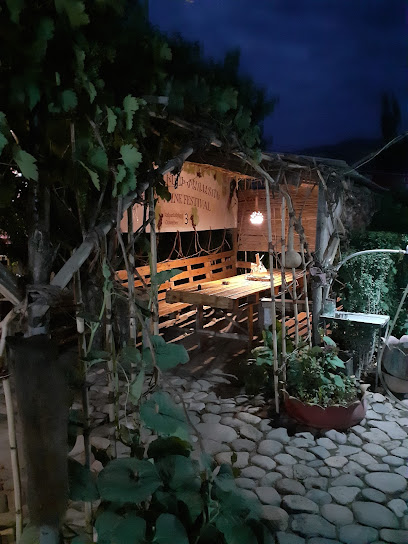
Mshosh
19.3 km
Experience the authentic flavors of Armenia at Mshosh, a charming restaurant in Areni offering traditional dishes and a warm atmosphere.
Arpa cafe
19.4 km
Discover the flavors of Armenia at Arpa Cafe in Areni, where local cuisine meets a cozy atmosphere.

Noravank Hatsatun
19.6 km
Discover the flavors of Armenia at Noravank Hatsatun, where culinary traditions meet stunning landscapes for an unforgettable dining experience.
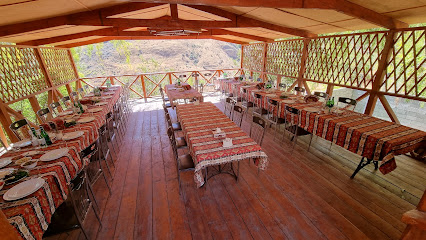
Vardges' Stone Bar
19.7 km
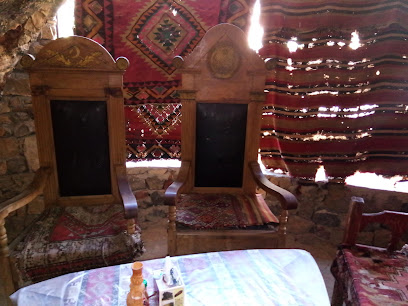
Experience the charm of Vardges' Stone Bar, a uniquely carved bar in the heart of nature, near the breathtaking Noravank Monastery.
Nightclubs & after hour spots

Jermuk Hotel
25.9 km
Experience luxurious relaxation and wellness at Jermuk Hotel, nestled in Armenia's breathtaking natural landscapes.
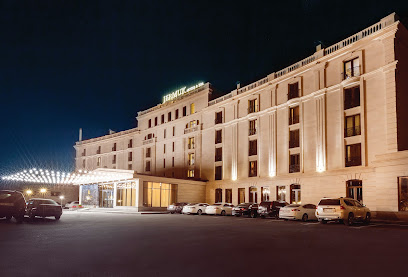
Olympia Sanatorium
26.0 km
Discover holistic wellness and rejuvenation at Olympia Sanatorium, a premier health resort in Jermuk, combining nature's beauty with expert care.
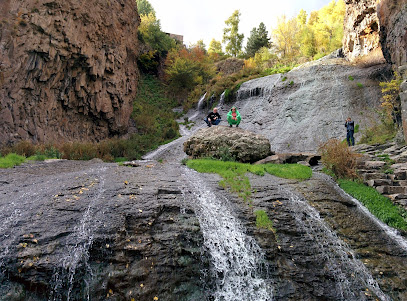
Jermuk Waterfall
26.0 km
Discover the stunning Jermuk Waterfall, a natural gem in Armenia surrounded by lush landscapes and perfect for outdoor adventures.
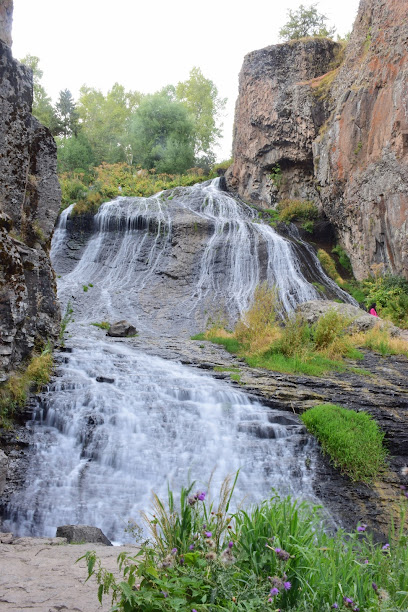
Jermuk Terrace Restaurant
26.1 km
Experience authentic Armenian cuisine with breathtaking views at Jermuk Terrace Restaurant, a culinary gem in the heart of Jermuk.
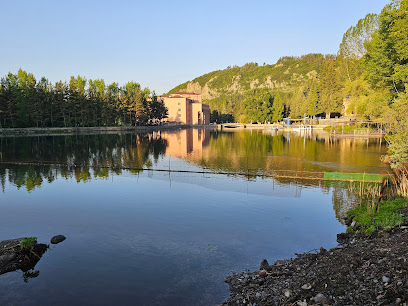
Jermuk restaurant
26.6 km
Experience authentic Armenian cuisine with stunning views at Jermuk Restaurant, a culinary treasure in the heart of Jermuk.
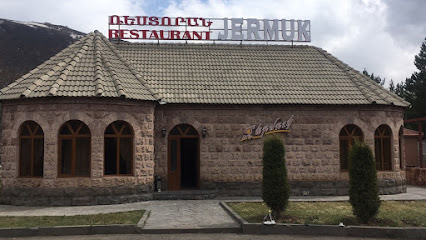
Forte restaurant
27.4 km
Discover the flavors of Armenia at Forte Restaurant, where culinary excellence meets the charm of Jermuk.
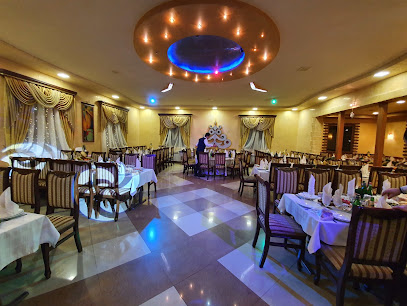
Imperia
50.3 km
Experience the electrifying nightlife at Imperia, Gegharkunik's premier night club, where unforgettable moments await.
ƏZİZİN VİLLASI
57.8 km
Discover the electrifying nightlife of Kulus at ƏZİZİN VİLLASI, a premier night club with vibrant music and a lively atmosphere.
Hotel
61.5 km
Experience the serene beauty of Garni at Garni Lounge, where relaxation meets local charm in the heart of Armenia.
Kippentent
66.3 km
Experience the electrifying nightlife at Kippentent, Lusarat's top night club, where music, dance, and unforgettable memories await.
SVstudio
68.5 km
Discover the perfect blend of relaxation and local charm at SVstudio in Nakhchivan, an inviting lounge for every traveler.
La Case De Mafia
69.2 km
Experience the vibrant nightlife of Nakhchivan at La Case De Mafia, a karaoke bar where every night is a musical celebration.

Genclik Merkezi
69.4 km
Discover the cinematic charm of Nakhchivan at Genclik Merkezi, a must-visit movie theater offering diverse films and a welcoming atmosphere.
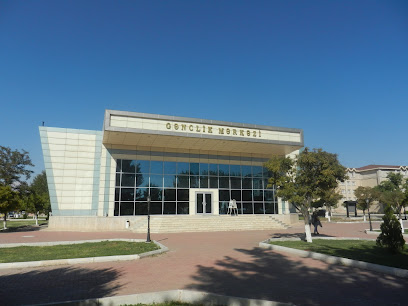
Gold Star show club
74.5 km
Experience the electrifying nightlife of Berkanush at Gold Star Show Club, where music, dance, and entertainment come together.
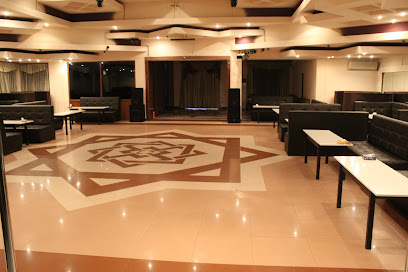
Matreshka Show Club
78.1 km
Discover Yerevan's vibrant nightlife at Matreshka Show Club with electrifying performances and an unforgettable atmosphere.