
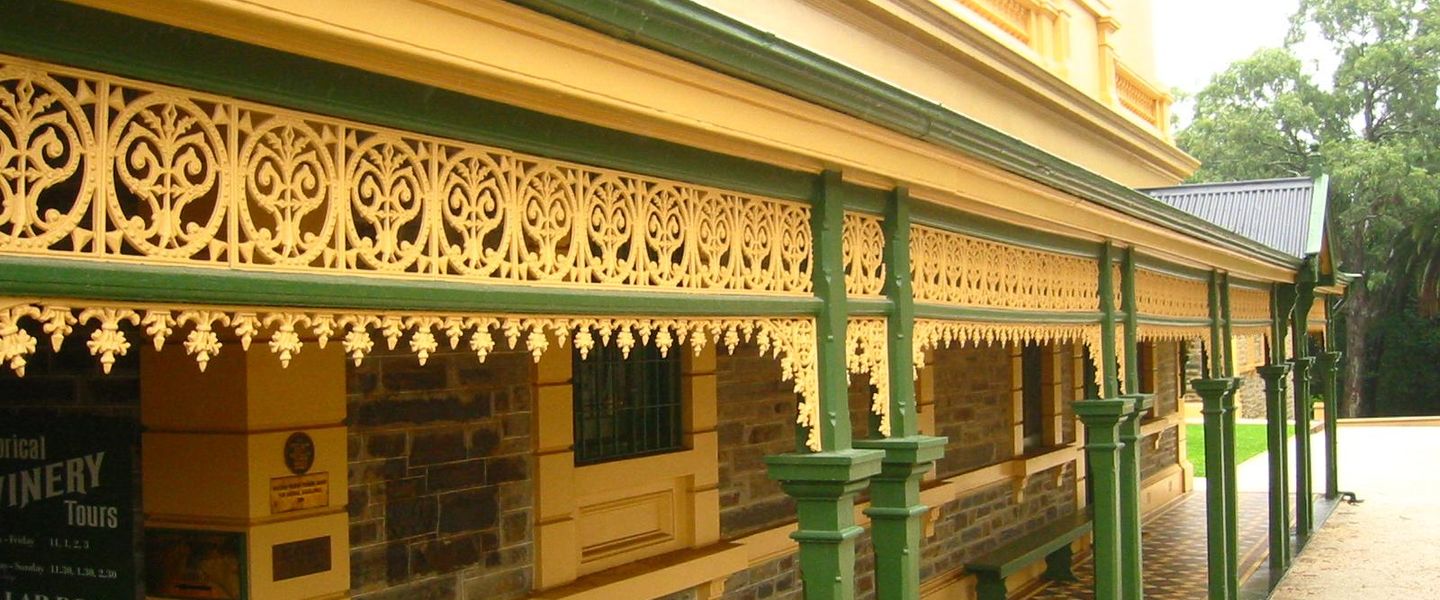
Barossa Valley, Australia Travel Guide
Discover Barossa Valley: Australia’s premier wine region, offering world-class wines, gourmet food, and scenic beauty. Perfect for wine lovers and nature enthusiasts alike.
Welcome to Barossa Valley, a serene and picturesque region in South Australia, world-renowned for its rich winemaking history. Nestled just an hour's drive from Adelaide, Barossa Valley is a haven for wine enthusiasts and those seeking a tranquil escape into the countryside. The valley is home to some of Australia's oldest vineyards and wineries, many of which offer tastings, tours, and cellar door experiences. Stroll through the lush vineyards, sip on exquisite Shiraz, and learn about the region's deep-rooted winemaking traditions directly from local vintners. But Barossa Valley is not just about wine. The region boasts gourmet food, charming villages, and scenic landscapes that are perfect for exploring. Visit the local farmers' markets to taste fresh produce, artisanal cheeses, and handmade chocolates. Wander through the quaint town of Tanunda with its historic buildings and boutique shops, or explore the rolling hills and walking trails of the Barossa Ranges. With its combination of fine wines, delicious food, and stunning scenery, Barossa Valley promises an unforgettable experience for every visitor.

Know before you go
Hi, I'm Eve. Here are a few practical things to know before exploring Barossa Valley.
- Visit the Barossa Farmers Market on Saturday mornings for fresh local produce and gourmet delights.
- Book a guided wine tour to learn about the valley's winemaking history and sample a variety of wines.
- Explore the charming village of Tanunda for boutique shopping and historic architecture.
- Take a hot air balloon ride at sunrise for breathtaking views of the valley.
- Don't miss the Whispering Wall, an acoustic marvel offering a unique experience.
Explore Barossa Valley: Things to Do, Places to Eat, Hotels & More
Handpicked recommendations for top attractions, local dining, accommodations, and more

Top Attractions & Sightseeing in Barossa Valley
Top-rated picks
Best Attractions

Gorge Wildlife Park
Experience the beauty of wildlife at Gorge Wildlife Park in Cudlee Creek, South Australia, where unforgettable animal encounters await every visitor.

Big Rocking Horse
Discover the magic of the Big Rocking Horse, a charming family-friendly attraction in Gumeracha with an animal park, café, and delightful souvenirs.

Kies Family Wines - Cellar Door Barossa Valley
Experience the best of Barossa Valley at Kies Family Wines, where world-class wines meet breathtaking vineyard views.

Chateau Yaldara
Discover the enchanting Chateau Yaldara in the Barossa Valley, where exquisite wines and stunning landscapes await every visitor.

Best landmarks in Barossa Valley
Top-rated picks
Best Landmarks

Whispering Wall
Experience the enchantment of the Whispering Wall, a unique acoustic wonder in South Australia, perfect for families and nature lovers alike.

Kies Family Wines - Cellar Door Barossa Valley
Experience the rich flavors and stunning landscapes at Kies Family Wines, a premier winery in the heart of Barossa Valley.

Barossa Sculpture Park
Explore Barossa Sculpture Park: An Artistic Haven Amidst Scenic Vineyards in South Australia.

Seppeltsfield Wines
Experience the rich history and exquisite wines at Seppeltsfield Wines in the stunning Barossa Valley, a must-visit destination for all wine lovers.

Best restaurants in Barossa Valley
Top-rated picks
Best Restaurants

The Lord Lyndoch
Discover exquisite local cuisine at The Lord Lyndoch in Barossa Valley - where culinary artistry meets warm hospitality.

The Clubhouse
Experience the best of Barossa Valley at The Clubhouse—where great food meets exceptional local wines in a vibrant atmosphere.

Barossa 50s Diner
Discover the charm of Barossa 50s Diner: A nostalgic dining experience serving classic American cuisine in a vibrant retro setting.
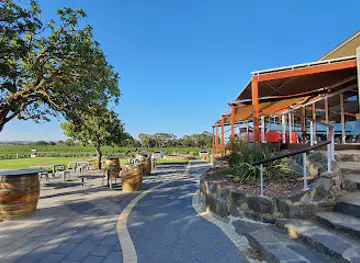
Harvest Kitchen
Discover exquisite local cuisine paired with fine wines at Harvest Kitchen in Barossa Valley – a culinary experience like no other.

Best bars in Barossa Valley
Top-rated picks
Best Bars

Maggie Beer's Farm Shop
Discover the culinary delights of Maggie Beer's Farm Shop, where local flavors and farm experiences come together in South Australia's Barossa Valley.

Willaston Hotel
Discover the vibrant atmosphere and delicious local cuisine at Willaston Hotel, the heart of social life in Willaston, South Australia.

Vine Inn Barossa
Discover the Vine Inn Barossa, where South Australian flavors meet a warm, inviting atmosphere in the heart of the Barossa Valley.

The Lord Lyndoch
Discover The Lord Lyndoch: a delightful restaurant in Australia's Barossa Valley, offering exquisite local cuisine and a stunning ambiance.

Best nightclubs in Barossa Valley
Top-rated picks
Best Nightclubs
Vine Inn Barossa
Discover the charm of Vine Inn Barossa, where comfort meets culinary excellence in the heart of South Australia's beautiful Barossa Valley.
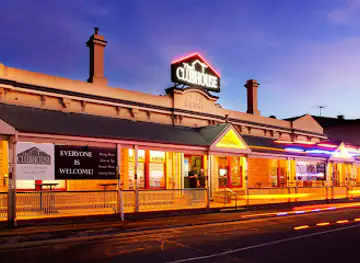
The Clubhouse
Discover The Clubhouse in Tanunda, where delightful dining meets the heart of Barossa Valley's vibrant wine culture.
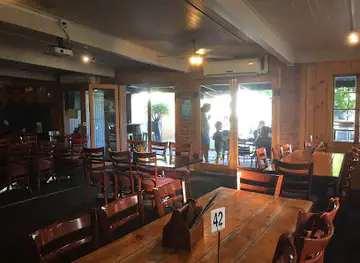
The Greenock
Discover The Greenock, a cozy bar and restaurant in Greenock, offering delightful pub fare and local beverages in a welcoming atmosphere.

Bar:Musque
Discover the culinary delights of Tanunda at Bar:Musque, where exceptional tapas and a vibrant atmosphere await.

Best shops in Barossa Valley
Top-rated picks
Best Shops

Maggie Beer's Farm Shop
Discover the flavors of South Australia at Maggie Beer's Farm Shop—your destination for gourmet delights, cooking classes, and local produce.

Barossa Central
Experience the charm of Barossa Central, the premier shopping destination in South Australia’s Barossa Valley, blending local culture with diverse retail options.

Barossa Farmers Market
Experience the heart of South Australian produce at the vibrant Barossa Farmers Market, where local flavors and community come together.

Wohlers Tanunda
Discover Wohlers Tanunda, where unique furniture and local craftsmanship meet in the heart of South Australia, creating an unforgettable shopping experience.

Explore Barossa Valley on the Map
A handpicked selection of must-see spots in Barossa Valley, mapped for you.
Barossa Valley Essentials
-
Barossa Valley is located in South Australia, approximately 60 kilometers northeast of Adelaide. The nearest international airport is Adelaide Airport. From Adelaide, you can reach Barossa Valley by car, bus, or train. Driving is the most convenient option, taking around 1 to 1.5 hours via the Northern Expressway. Alternatively, several bus services operate routes from Adelaide to Barossa Valley, and the journey typically takes around 2 hours. For a scenic route, you can take the Adelaide Metro train to Gawler and then transfer to a bus heading to Barossa Valley.
-
Within Barossa Valley, transportation options include rental cars, taxis, and bicycles. Renting a car is the most flexible option for exploring the region at your own pace. Taxis are available but can be costly for long distances. Cycling is popular, especially along the Barossa Trail, which offers picturesque views and connects several towns and vineyards. Some local tour companies also offer guided tours with transport included.
-
The official currency in Australia is the Australian Dollar (AUD). Credit cards are widely accepted in most hotels, restaurants, and shops in Barossa Valley. ATMs are available in major towns like Tanunda, Nuriootpa, and Angaston. It is advisable to carry some cash for smaller establishments or markets. Contactless payments and mobile payment options like Apple Pay and Google Pay are also commonly accepted.
-
Barossa Valley is generally a safe destination for tourists. However, it is always wise to take standard precautions. Avoid leaving valuables in plain sight in your vehicle and be cautious when walking alone at night, especially in less populated areas. There are no specific high-crime areas targeting tourists in Barossa Valley, but as always, remain vigilant and aware of your surroundings.
-
In case of emergency, dial 000 for police, fire, or medical assistance. The nearest hospitals with emergency departments are Gawler Health Service and Lyell McEwin Hospital in Elizabeth. For minor health issues, several pharmacies are available in towns like Tanunda, Nuriootpa, and Angaston. It is recommended to have travel insurance that covers medical emergencies.
-
Fashion: Do wear comfortable clothing suitable for outdoor activities and vineyard tours. Don't wear overly casual attire when dining in upscale restaurants. Religion: Do respect local customs and traditions, though Barossa Valley is predominantly secular. Public Transport: Do be punctual and respectful to drivers and fellow passengers. Don't eat or drink on public transport. Greetings: Do greet people with a friendly 'hello' or a handshake. Don't be overly formal; the locals are generally laid-back. Eating & Drinking: Do try local wines and delicacies. Don't refuse hospitality or invitations to taste wine, as it can be seen as impolite.
-
To experience Barossa Valley like a local, visit the weekly farmers' markets in towns like Angaston and Tanunda. Engage with winemakers and artisans who are often happy to share their knowledge and stories. Take advantage of the many walking and cycling trails to explore the scenic vineyards and countryside. Don't miss the chance to attend local events and festivals, such as the Barossa Vintage Festival, to immerse yourself in the region's culture and traditions.
When is the best time to visit Barossa Valley?
Useful Local Phrases for Barossa Valley
You don't need to speak the language perfectly. Even learning a few simple words can make conversations warmer—and locals usually appreciate the effort.
— Eve

Here are the phrases I use most often in Barossa Valley. Try a few—you'll be surprised how far they go! 😊
❤️
-
- HelloG'day
[g'day] - GoodbyeSee ya
[see ya] - YesYep
[yep] - NoNah
[nah] - Please/You’re welcomeNo worries
[no worries] - Thank youCheers
[cheers] - Excuse me/SorrySorry
[sorry] - How are you?How ya going?
[how ya going] - Fine. And you?Good, you?
[good, you?] - Do you speak English?Do ya speak English?
[do ya speak English?] - I don't understandI don’t get it
[I don’t get it]
- HelloG'day
-
- I'd like to see the menu, pleaseCan I get a look at the menu?
[can I get a look at the menu?] - I don't eat meatI’m a vegetarian
[I’m a vegetarian] - Cheers!Cheers!
[cheers] - I would like to pay, pleaseCan I settle up, please?
[can I settle up, please?]
- I'd like to see the menu, pleaseCan I get a look at the menu?
-
- Help!Help!
[help] - Go away!Buzz off!
[buzz off] - Call the Police!Ring the cops!
[ring the cops] - Call a doctor!Get a doc!
[get a doc] - I'm lostI’m a bit lost
[I’m a bit lost] - I'm illI’m not feeling well
[I’m not feeling well]
- Help!Help!
-
- I'd like to buy...I’d like to grab...
[I’d like to grab] - I'm just lookingJust browsing, thanks
[just browsing, thanks] - How much is it?What’s the price?
[what’s the price?] - That's too expensiveThat’s a bit rich
[that’s a bit rich] - Can you lower the price?Can ya do a better price?
[can ya do a better price?]
- I'd like to buy...I’d like to grab...
-
- What time is it?What’s the time?
[what’s the time?] - It's one o'clockIt’s one o’clock
[it’s one o’clock] - Half past (10)Half past ten
[half past ten] - MorningMorning
[morning] - AfternoonArvo
[arvo] - EveningEvening
[evening] - YesterdayYesterday
[yesterday] - TodayToday
[today] - TomorrowTomorrow
[tomorrow] - 1One
[one] - 2Two
[two] - 3Three
[three] - 4Four
[four] - 5Five
[five] - 6Six
[six] - 7Seven
[seven] - 8Eight
[eight] - 9Nine
[nine] - 10Ten
[ten]
- What time is it?What’s the time?
-
- Where's a/the...?Where's the...?
[where's the?] - What's the address?What’s the address?
[what’s the address?] - Can you show me (on the map)?Can ya point it out?
[can ya point it out?] - When's the next (bus)?When’s the next bus?
[when’s the next bus?] - A ticket (to ....)A ticket to...
[a ticket to...]
- Where's a/the...?Where's the...?
History of Barossa Valley
-
Before European settlement, the Barossa Valley was home to the Peramangk and Ngadjuri people for thousands of years. These Indigenous groups thrived on the land, using its rich resources for sustenance and cultural practices. Evidence of their presence can still be found in the form of ancient rock carvings and artifacts scattered throughout the region.
-
The Barossa Valley's European history began in the early 19th century when Colonel William Light, the Surveyor-General of South Australia, first explored the region in 1837. Shortly thereafter, in 1842, the area saw its first European settlers, predominantly German immigrants escaping religious persecution. These settlers brought with them their winemaking traditions, which laid the foundation for the valley's future as a premier wine-producing region.
-
The German settlers established the first vineyards in the Barossa Valley in the mid-19th century. They planted grape varieties such as Riesling, Shiraz, and Grenache, which were well-suited to the region's Mediterranean climate. The early success of these vineyards attracted more settlers and investors, leading to the rapid expansion of viticulture in the area.
-
The Barossa Valley's reputation for producing high-quality wines grew steadily throughout the late 19th and early 20th centuries. By the 1950s, Barossa wines had gained international recognition, with several local wineries winning prestigious awards. This period also saw the introduction of more modern winemaking techniques, further enhancing the quality and diversity of wines produced in the region.
-
First held in 1947, the Barossa Vintage Festival is Australia's oldest and longest-running wine festival. Celebrating the region's rich viticultural heritage, the festival features wine tastings, food events, parades, and cultural activities. It has become a major attraction for both locals and tourists, showcasing the unique blend of history, culture, and winemaking expertise that defines the Barossa Valley.
-
Today, the Barossa Valley is recognized as one of the world's leading wine regions, home to over 150 wineries and cellar doors. The valley continues to embrace its German heritage while also incorporating contemporary winemaking practices and sustainable farming methods. The region's vibrant food and wine culture, combined with its stunning landscapes and historical landmarks, make it a must-visit destination for travelers seeking an immersive experience in Australian viticulture.
Neighbouring Regions of Barossa Valley
The closest regions to Barossa Valley, if you have time for more than one.



Your all‑in‑one travel companion app
Explore expert travel guides, compare and book tours, experiences, hotels, and more—all from the palm of your hand. Download now for seamless trip planning wherever your wanderlust takes you.


Explore More of Australia

Looking beyond Barossa Valley? Discover Australia for broader travel guides, local hot-spots, and regional highlights.
Explore AustraliaBarossa Valley in Photos
Browse through our photo collection highlighting the charm and character of the destination.
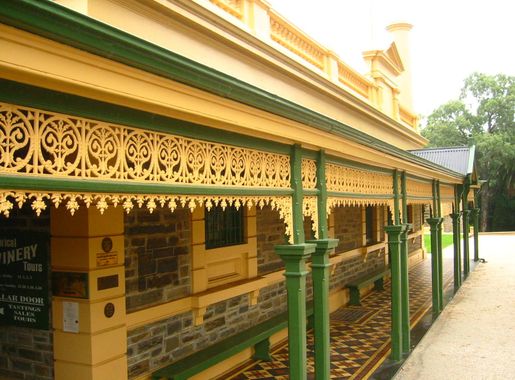


Barossa Valley: The Heart of Australian Wine Country
Welcome to Barossa Valley, a serene and picturesque region in South Australia, world-renowned for its rich winemaking history. Nestled just an hour's drive from Adelaide, Barossa Valley is a haven for wine enthusiasts and those seeking a tranquil escape into the countryside. The valley is home to some of Australia's oldest vineyards and wineries, many of which offer tastings, tours, and cellar door experiences. Stroll through the lush vineyards, sip on exquisite Shiraz, and learn about the region's deep-rooted winemaking traditions directly from local vintners. But Barossa Valley is not just about wine. The region boasts gourmet food, charming villages, and scenic landscapes that are perfect for exploring. Visit the local farmers' markets to taste fresh produce, artisanal cheeses, and handmade chocolates. Wander through the quaint town of Tanunda with its historic buildings and boutique shops, or explore the rolling hills and walking trails of the Barossa Ranges. With its combination of fine wines, delicious food, and stunning scenery, Barossa Valley promises an unforgettable experience for every visitor.