

Free North East South Australia Travel Guide & Mobile App
Explore North East South Australia with free travel guides. Discover regional history, expert tips, proposed trips, and audio guides on web or mobile app.


Explore North East South Australia for Murray River wetlands, river towns, inland wildlife, local produce and wide open landscapes.
Read more about North East South Australia
When is the best time to visit North East South Australia?
Best: April, October–November · 24–27°C| Month | High (°C) | Rainfall (mm) |
|---|---|---|
| January | 31 | 20 |
| February | 30 | 25 |
| March | 28 | 30 |
| April (best) | 24 | 35 |
| May | 20 | 40 |
| June | 16 | 45 |
| July | 16 | 40 |
| August | 17 | 35 |
| September | 21 | 30 |
| October (best) | 25 | 25 |
| November (best) | 27 | 20 |
| December | 30 | 20 |
Getting to and around North East South Australia
How to get there
Transportation
Best attractions in North East South Australia
North East South Australia is best explored through a mixture of river experiences, protected wetlands, agricultural landscapes and inland heritage. Murray River National Park provides access to floodplains, river red gums, backwaters and wildlife habitats across several separate sections, making it important to check the location and road conditions before setting out. Around Renmark, Berri, Loxton and Waikerie, visitors can combine walking, birdwatching, fishing, kayaking and boating with museums, galleries and local interpretation. The Riverland’s irrigation districts add another dimension, with orchards, vineyards, cellar doors and produce stalls contrasting with the dry mallee beyond the river. Historic river towns and former transport sites reveal the importance of paddle steamers and inland trade, while rural roads lead to broad horizons and sparse settlements. Farther north and east, the experience becomes more self-sufficient and outback in character, with longer distances and fewer facilities. Activities are seasonal: hot weather can limit walking and boating during the middle of the day, while flood conditions can change access to low-lying reserves.
-
Botanical garden
Adelaide Botanic Garden
Discover the beauty and tranquility of the Adelaide Botanic Garden, a vibrant green oasis in the heart of South Australia's capital city.
-
Zoo
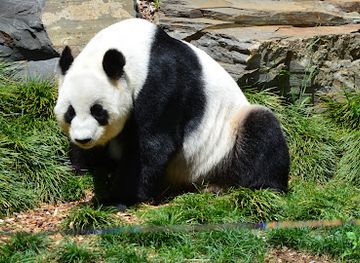
Adelaide Zoo
Explore Adelaide Zoo, where wildlife conservation meets family fun in a beautifully designed environment in the heart of South Australia.
-
Tourist attraction
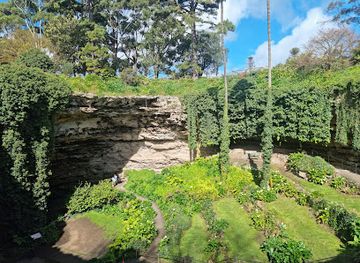
Umpherston Sinkhole / Balumbul
Experience the breathtaking beauty of Umpherston Sinkhole, a stunning sunken garden in Mount Gambier, South Australia, perfect for nature enthusiasts and photographers alike.
-
Natural history museum
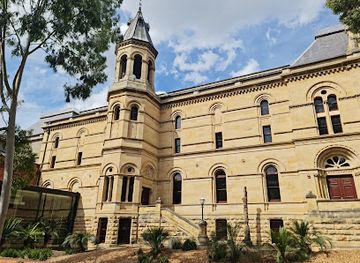
South Australian Museum
Discover the rich biodiversity and cultural heritage at the South Australian Museum, a must-visit destination in Adelaide.

Best landmarks in North East South Australia
The Murray River itself is North East South Australia’s most recognisable landmark, particularly where red cliffs, river red gums, lagoons and broad bends define the landscape around the Riverland towns. Historic river wharves, vessels and interpretive collections recall the paddle-steamer era, when inland waterways carried wool, grain and produce. The irrigation landscapes around Renmark, including orchards, vineyards and riverfront development, are significant because they demonstrate how engineering and cooperative settlement reshaped an arid environment. In Loxton, the Pioneer Village presents buildings and objects associated with earlier rural life, while the region’s historic churches, civic buildings and former commercial premises reflect the communities established along the river. Murray River National Park supplies a different kind of landmark: extensive floodplain, backwater and river-red-gum country whose appearance changes with water levels and season. Farther inland, the transition to mallee and open plain is itself a defining geographical marker, making the journey between the cultivated river corridor and dry country central to understanding the region.
-
Tourist attraction
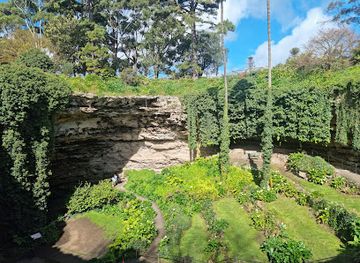
Umpherston Sinkhole / Balumbul
Discover the enchanting beauty of Umpherston Sinkhole, a breathtaking sunken garden in Mount Gambier, South Australia, perfect for nature lovers and explorers.
-
Tourist attraction
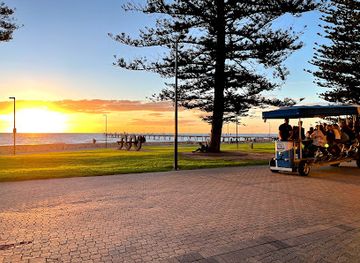
Glenelg Beach
Discover the vibrant beauty of Glenelg Beach, a coastal gem in South Australia offering sun, sand, and spectacular views.
-
Botanical garden
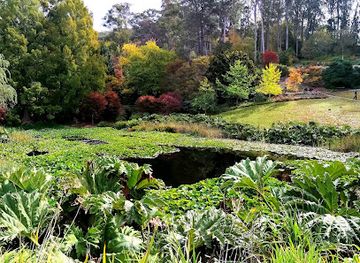
Mount Lofty Botanic Garden
Explore the stunning landscapes of Mount Lofty Botanic Garden, a breathtaking botanical haven nestled in the Adelaide Hills, perfect for nature lovers and tourists.
-
Park
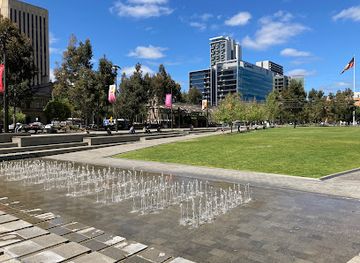
Victoria Square
Discover Victoria Square, Adelaide's vibrant green oasis, rich in culture and community spirit, perfect for relaxation and exploration.
Explore North East South Australia on the map
Plan your trip on one map. See where the top cities, national parks and sights are, and book hotels and experiences in a few clicks.
Best hotels in North East South Australia
Best restaurants in North East South Australia
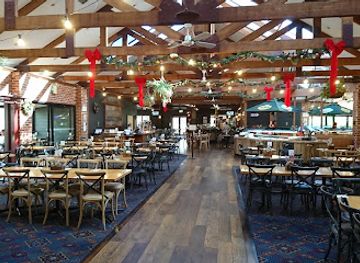
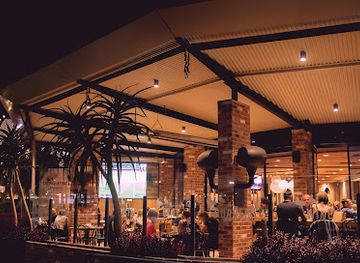
Dining in North East South Australia is closely tied to the Riverland’s irrigation economy and the produce of the Murray corridor. Citrus, grapes, almonds, stone fruit, vegetables and dried fruits appear in farm shops, markets, cafés and regional kitchens, while local wineries and cellar doors provide opportunities to taste wines grown in the warm inland climate. In Renmark, Berri, Loxton and Waikerie, dining ranges from bakeries and cafés to pubs, family restaurants and contemporary venues using seasonal ingredients. River fish may appear on local menus, although availability and provenance vary, and visitors should not assume that every dish is locally caught. Farm-gate shopping is particularly rewarding when orchards and roadside stands are operating, but opening arrangements are seasonal. The region’s food culture is practical and produce-led, reflecting irrigation, migrant farming traditions and the contrast between cultivated river flats and dry mallee country.
-
Italian
Osteria Oggi
Discover the flavors of Italy at Osteria Oggi in Adelaide – where authentic cuisine meets vibrant atmosphere.
-
Restaurant
The Gully Public House & Garden
Experience delightful dining at The Gully Public House & Garden in Tea Tree Gully – where great food meets a vibrant atmosphere.
-
Restaurant
The Pickled Duck
Discover The Pickled Duck: Modbury's favorite spot for delicious food, craft beers, and warm hospitality in South Australia.
-
Moroccan
Marrakech Restaurant
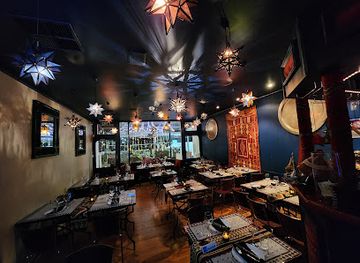
Experience authentic Moroccan cuisine at Marrakech Restaurant in North Adelaide - where every dish tells a story.
Best bars in North East South Australia
Evenings in North East South Australia generally centre on pubs, clubs, restaurants, cellar doors and community events rather than a large nightclub scene. Renmark, Berri, Loxton and Waikerie provide the broadest choice of places to dine, have a drink or hear occasional live music, while smaller settlements tend to close earlier and offer fewer late-night options. Historic-style pubs and local clubs remain important social venues, and wine-focused experiences are available in the Riverland’s agricultural districts. Boating communities may create a relaxed riverside atmosphere during holiday periods, but nightlife is seasonal and dispersed rather than concentrated in one entertainment precinct. Visitors should arrange transport before sampling local wine or beer, particularly when staying outside the main towns, and should not expect regular late-night public transport in rural areas.
-
Bar
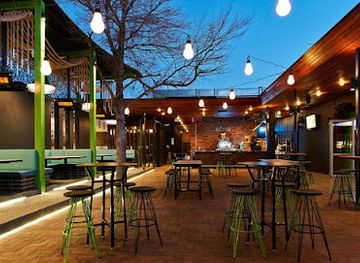
The Gully Public House & Garden
Experience the vibrant ambiance and delicious local cuisine at The Gully Public House & Garden in Tea Tree Gully, South Australia.
-
Bar
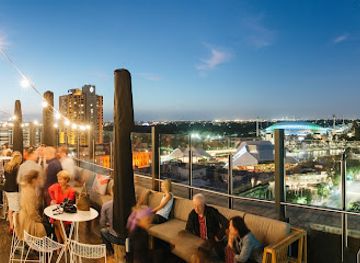
2KW Bar & Restaurant
Discover the chic rooftop dining at 2KW Bar & Restaurant, where exquisite cuisine meets stunning Adelaide skyline views.
-
Pub
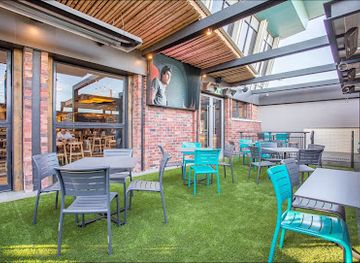
Alma Tavern
Discover the lively Alma Tavern in Norwood, a perfect blend of bistro dining, nightlife, and event spaces for every occasion.
-
Bar
The Highlander
Discover The Highlander in Gilles Plains, where food, drinks, and a welcoming atmosphere come together for an unforgettable experience.
Best nightclubs in North East South Australia
Evenings in North East South Australia generally centre on pubs, clubs, restaurants, cellar doors and community events rather than a large nightclub scene. Renmark, Berri, Loxton and Waikerie provide the broadest choice of places to dine, have a drink or hear occasional live music, while smaller settlements tend to close earlier and offer fewer late-night options. Historic-style pubs and local clubs remain important social venues, and wine-focused experiences are available in the Riverland’s agricultural districts. Boating communities may create a relaxed riverside atmosphere during holiday periods, but nightlife is seasonal and dispersed rather than concentrated in one entertainment precinct. Visitors should arrange transport before sampling local wine or beer, particularly when staying outside the main towns, and should not expect regular late-night public transport in rural areas.
-
Night club
Fabric Nightclub Adelaide
Immerse yourself in the electrifying nightlife of Fabric Nightclub Adelaide, where world-class DJs and live music create an unforgettable party atmosphere.
-
Night club
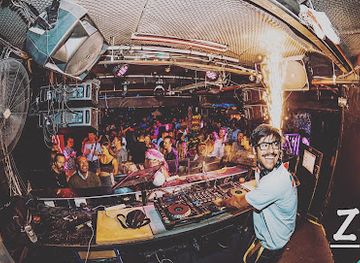
Zhivago
Experience the exhilarating nightlife at Zhivago, Adelaide's premier night club, where vibrant music and dancing come alive until dawn.
-
Night club
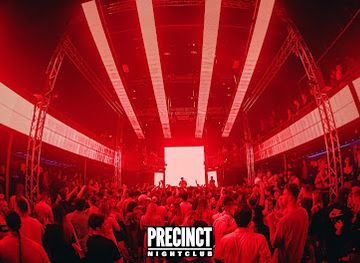
Precinct Nightclub
Discover the heart of Adelaide's nightlife at Precinct Nightclub, featuring cocktails, dancing, and arcade fun in one vibrant venue.
-
Night club
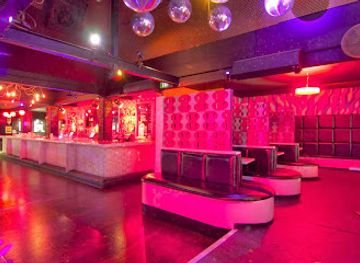
Sugar
Discover the electric atmosphere of Sugar, Adelaide's premier nightclub, where unforgettable nights and vibrant music come together.

Best shops in North East South Australia
Shopping in North East South Australia is concentrated in the high streets and small commercial centres of Renmark, Berri, Loxton and Waikerie, where supermarkets, practical services, cafés, galleries and independent retailers serve dispersed communities. Visitors are more likely to find regional character in farm shops, cellar doors, produce outlets and seasonal markets than in large shopping complexes. Look for citrus, dried fruit, almonds, preserves, wine and other Riverland products, checking provenance and availability at the point of sale. Local galleries and craft outlets may offer ceramics, artworks, textiles and gifts inspired by the Murray landscape, while museums and heritage sites often stock books about river history and regional settlement. Retail hours can be limited outside the main towns, particularly on weekends and in smaller communities, so buy fuel, provisions and specialist items before leaving the river corridor for remote areas.
-
Shopping mall
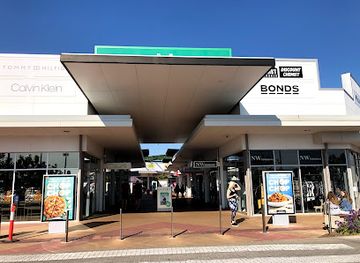
Harbour Town Premium Outlets Adelaide
Discover incredible deals and a delightful shopping atmosphere at Harbour Town Premium Outlets Adelaide, your go-to destination for all things fashion and flavor.
-
Shopping mall
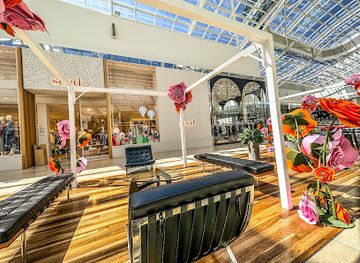
Burnside Village
Explore Burnside Village, a vibrant shopping mall in Glenside, South Australia, featuring unique boutiques, delicious dining, and a welcoming atmosphere.
-
Shopping mall
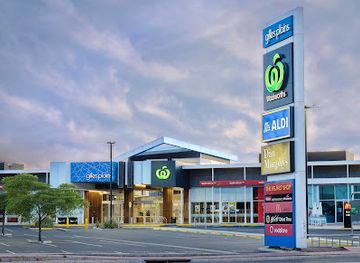
Gilles Plains Shopping Centre
Explore Gilles Plains Shopping Centre, a vibrant retail hub in South Australia, offering diverse shopping, dining, and family-friendly entertainment.
-
Formal wear store
Mia's Boutique After Five
Mia's Boutique After Five offers sophisticated formal wear in South Australia, ensuring you look stunning for every special occasion with personalized service.

Get your free copy of our complete guide to North East South Australia, delivered straight to you.
Everything on this page, from attractions and restaurants to essentials and local phrases, in one PDF you can read offline, print or share.
Already have an account? Sign in
Your North East South Australia guide is ready.
We'll send it to · Not you? Sign out

Getting your guide ready…
We are putting together a fresh copy of the North East South Australia guide. This can take up to a minute.
This can take a few moments. If your browser asks, choose Allow so the download can start. You'll find the guide in your Downloads folder.
Nothing happened? Download it again
Sorry, the guide is taking longer than usual. Please try again in a minute, or get it by email instead.
North East South Australia essentials
Currency and Payment
Safety
Emergency Situations
Do's and Don'ts
Local Tips
From Eve
Local phrases worth knowing
You don't need to get them perfect. A few words go a long way, and locals appreciate the effort.
Basics
| English | Local | Say it |
|---|---|---|
| Hello | G'day | [guh-day] |
| Goodbye | See ya | [see yah] |
| Yes | Yeah | [yeh] |
| No | Nah | [nah] |
| Please/You're welcome | No worries | [no wuh-reez] |
| Thank you | Thanks | [thanks] |
| Excuse me/Sorry | Sorry mate | [sorry mate] |
| How are you? | How ya goin'? | [how yah goin'?] |
| Fine. And you? | Good, and you? | [good, and you?] |
| Do you speak English? | Do ya speak English? | [do yah speak English?] |
| I don't understand | I don't get it | [I don't get it] |
Eating & Drinking
| English | Local | Say it |
|---|---|---|
| I'd like to see the menu, please | Can I see the menu, please? | [can I see the menu, please?] |
| I don't eat meat | I don't eat meat | [I don't eat meat] |
| Cheers! | Cheers! | [cheers] |
| I would like to pay, please | Can I get the bill, please? | [can I get the bill, please?] |
Emergencies
| English | Local | Say it |
|---|---|---|
| Help! | Help! | [help] |
| Go away! | Bugger off! | [bugger off] |
| Call the Police! | Call the coppers! | [call the coppers] |
| Call a doctor! | Get a doctor! | [get a doctor] |
| I'm lost | I'm lost | [I'm lost] |
| I'm ill | I'm crook | [I'm crook] |
Shopping
| English | Local | Say it |
|---|---|---|
| I'd like to buy... | I'd like to buy... | [I'd like to buy...] |
| I'm just looking | Just having a look | [just having a look] |
| How much is it? | How much is this? | [how much is this?] |
| That's too expensive | That's too pricey | [that's too pricey] |
| Can you lower the price? | Can ya bring the price down? | [can yah bring the price down?] |
Time & Numbers
| English | Local | Say it |
|---|---|---|
| What time is it? | What’s the time? | [what’s the time?] |
| It's one o'clock | It's one o'clock | [it's one o'clock] |
| Half past (10) | Half past ten | [half past ten] |
| Morning | Morning | [morning] |
| Afternoon | Arvo | [arvo] |
| Evening | Evening | [evening] |
| Yesterday | Yesterday | [yesterday] |
| Today | Today | [today] |
| Tomorrow | Tomorrow | [tomorrow] |
| 1 | One | [one] |
| 2 | Two | [two] |
| 3 | Three | [three] |
| 4 | Four | [four] |
| 5 | Five | [five] |
| 6 | Six | [six] |
| 7 | Seven | [seven] |
| 8 | Eight | [eight] |
| 9 | Nine | [nine] |
| 10 | Ten | [ten] |
Transport & Directions
| English | Local | Say it |
|---|---|---|
| Where's a/the...? | Where's the...? | [where's the...?] |
| What's the address? | What's the address? | [what's the address?] |
| Can you show me (on the map)? | Can you show me on the map? | [can you show me on the map?] |
| When's the next (bus)? | When's the next bus? | [when's the next bus?] |
| A ticket (to ....) | A ticket to... | [a ticket to...] |
History of North East South Australia
First Nations river cultures
The Murray and its floodplains have supported Aboriginal communities for many thousands of years. In the Riverland, the waterways are associated particularly with the Ngarrindjeri, Meru and other First Nations peoples, whose cultural knowledge, stories and responsibilities remain connected to the river, wetlands and surrounding country. Water channels, river red gum forests and floodplain resources shaped patterns of movement, food gathering and ceremony. Visitors should understand that the landscape is not an empty wilderness but a living cultural environment, and should follow access rules and interpretive guidance at cultural places.
Charles Sturt and European exploration, 1829–1830
Charles Sturt’s journey along the Murrumbidgee and Murray brought the river system to wider colonial attention and helped establish European knowledge of the interior. His expedition reached the lower Murray and Lake Alexandrina, travelling through country that would later become central to South Australia’s river trade and agricultural development. Exploration did not mark the beginning of the region’s history: it intersected with established Aboriginal societies and brought dispossession, changed land use and new pressures on waterways.
River transport and the paddle-steamer era
During the nineteenth century, the Murray became a vital inland transport route. Paddle steamers carried wool, grain, timber and general goods between river settlements and ports farther downstream, creating commercial importance for places such as Renmark, Berri and Loxton. Wharves, warehouses and river landings supported a network that was slower and more seasonal than modern road transport but essential to inland communities. Surviving museums, historic vessels and riverside structures recall the period when the river was the region’s principal commercial highway.
Irrigation colonies and horticulture
Irrigation transformed sections of the Murray corridor from dry mallee country into productive horticultural districts. Renmark developed from an irrigation settlement established in the late nineteenth century, and related schemes led to orchards, vineyards and dried-fruit production in neighbouring communities. Water management, cooperative enterprise and river transport shaped the region’s economy and settlement pattern. The legacy is visible in extensive citrus and grape plantings, irrigation infrastructure, packing industries and the contrast between intensively cultivated river flats and the dry country beyond them.
German and European agricultural settlement
Migration from German-speaking Europe and other parts of Europe influenced farming, food production and community life across inland South Australia. Settlers brought agricultural knowledge, religious traditions and approaches to horticulture that contributed to the development of vineyards, orchards and market gardens. Their influence was not uniform, and local communities also included Aboriginal people, British settlers and later migrants from many backgrounds. Historic buildings, cemeteries, family enterprises and regional food traditions provide reminders of these layered settlement histories.
Modern river management and environmental change
The Murray is now managed within a complex system affected by irrigation demand, drought, salinity, water policy and environmental restoration. The region’s wetlands and floodplains depend on carefully planned water flows, while agriculture remains economically important. River red gum forests, lagoons and backwaters have become central to conservation and nature-based tourism as well as farming. Contemporary North East South Australia therefore reflects both the achievements and costs of adapting an arid environment to intensive settlement, with water security and ecological health continuing to shape public debate.
North East South Australia in Photos
Browse through our photo collection highlighting the charm and character of the destination.
Neighbouring regions of North East South Australia
The closest regions to North East South Australia, if you have time for more than one.
-

-

-

-

-


Swipe for more regions
Explore more

Explore more of Australia
Discover the diverse landscapes, vibrant cities, and unique wildlife of Australia, a captivating destination offering endless adventures and unforgettable experiences.
Explore Australia