

Free Yorke Peninsula Travel Guide & Mobile App
Explore Yorke Peninsula with free travel guides. Discover regional history, expert tips, proposed trips, and audio guides on web or mobile app.


Explore Yorke Peninsula for Narungga culture, Copper Coast heritage, coastal walks, fishing towns, beaches and the wild landscapes of Innes National Park.
Read more about Yorke Peninsula
When is the best time to visit Yorke Peninsula?
Best: March, November–December · 24–26°C| Month | High (°C) | Rainfall (mm) |
|---|---|---|
| January | 27 | 15 |
| February | 28 | 15 |
| March (best) | 26 | 20 |
| April | 23 | 25 |
| May | 20 | 30 |
| June | 17 | 35 |
| July | 16 | 35 |
| August | 17 | 30 |
| September | 19 | 25 |
| October | 22 | 20 |
| November (best) | 24 | 20 |
| December (best) | 26 | 15 |
Getting to and around Yorke Peninsula
How to get there
Transportation
Top city travel guides in Yorke Peninsula
The cities of Yorke Peninsula, and the easiest places to base yourself.

Swipe for more cities
Best attractions in Yorke Peninsula
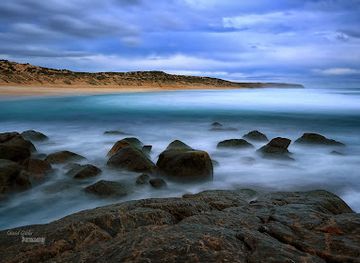
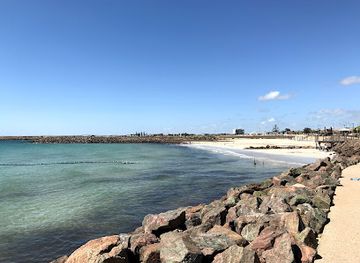
Yorke Peninsula's attractions range from industrial heritage to open coastal country. In the Copper Coast, Moonta, Wallaroo and Kadina reveal the region's nineteenth-century mining story through preserved streetscapes, mine relics, churches, cemeteries and museum collections. Coastal towns such as Port Hughes, Port Vincent, Stansbury and Edithburgh provide jetties, beaches, foreshore walks and access to fishing, boating and sheltered-water recreation. The peninsula's southern highlight is Innes National Park, where mallee, salt lakes, dunes, cliffs and beaches create opportunities for walking, birdwatching, photography and wildlife observation. Historic features including lighthouses, jetties, homesteads and shipwreck associations give many coastal settlements a strong maritime character. Minlaton's aviation heritage adds another strand, while rural roads lead through broad grain-growing country and market towns such as Maitland and Yorketown. Visitors should allow for changing conditions and limited services in remote areas, particularly around the national park and western coast.
-
Tourist attraction
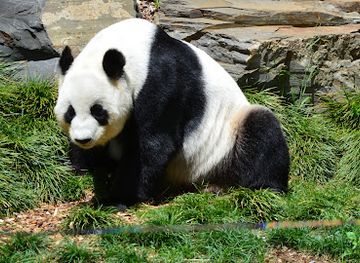
Adelaide Zoo
Explore the Adelaide Zoo, a lush wildlife sanctuary in South Australia, home to over 1,800 animals and dedicated to conservation and education.
-
Tourist attraction
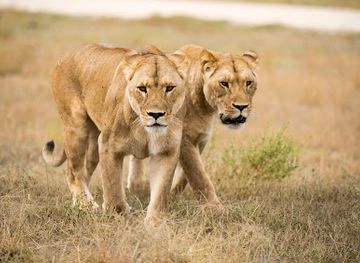
Monarto Safari Park
Explore Monarto Safari Park: A unique wildlife sanctuary and open-range experience in South Australia, perfect for family adventures and wildlife enthusiasts.
-
Tourist attraction
South Australian Museum
Explore the rich tapestry of Australia’s natural and cultural heritage at the South Australian Museum in the heart of Adelaide.
-
Tourist attraction
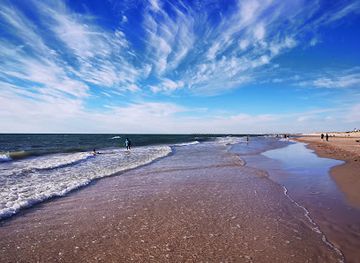
Semaphore Foreshore
Explore Semaphore Foreshore: A Coastal Haven with Stunning Beaches, Lush Parks, and Vibrant Local Culture in South Australia.
Best landmarks in Yorke Peninsula
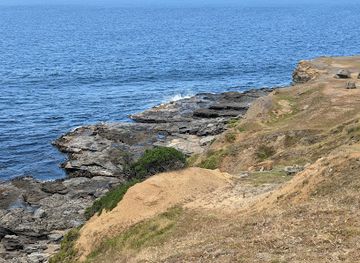
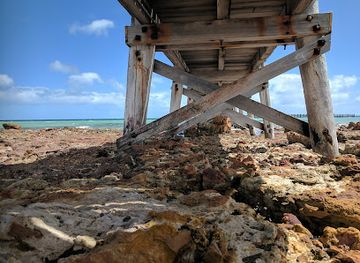
The most recognisable built landmarks of Yorke Peninsula are concentrated around the Copper Coast. Moonta's historic townscape and mining remains, Wallaroo's port and industrial heritage, and Kadina's civic and commercial buildings together express the scale of the nineteenth-century copper economy. Along the coast, jetties at places such as Port Victoria, Stansbury and Edithburgh are practical structures as well as enduring symbols of the peninsula's maritime history. Cape Spencer Lighthouse, at the southern end of the peninsula within Innes National Park, stands above a rugged coastline and helps explain the navigational importance of these waters; it is viewed from the surrounding park rather than used as a general public tower. The remains and landscapes of the park also carry the imprint of former pastoral and farming activity. Offshore Althorpe Island and its lighthouse form a distinctive southern seascape, although access is restricted and the island should be regarded as a viewed landmark rather than a casual excursion.
-
Wildlife and safari park
Monarto Safari Park
Explore Monarto Safari Park in South Australia: A premier wildlife destination featuring diverse species, engaging activities, and scenic landscapes.
-
Public beach
Moonta Bay Jetty
Explore the stunning Moonta Bay Jetty, a beautiful public beach offering scenic views, recreational activities, and a welcoming local atmosphere in South Australia.
-
Park
Dhilba Guuranda-Innes National Park
Experience the breathtaking landscapes of Dhilba Guuranda-Innes National Park, a stunning coastal gem on the Yorke Peninsula, rich in wildlife and history.
-
Fishing pier
Wallaroo Jetty
Experience the beauty and history of Wallaroo Jetty, a charming fishing pier offering stunning views and a vibrant local atmosphere in South Australia.
Explore Yorke Peninsula on the map
Plan your trip on one map. See where the top cities, national parks and sights are, and book hotels and experiences in a few clicks.
Best hotels in Yorke Peninsula
Best restaurants in Yorke Peninsula
Dining on Yorke Peninsula reflects the meeting of agricultural land and productive Gulf waters. Coastal towns commonly feature fish and seafood, while local suppliers and seasonal menus may include oysters, abalone and other South Australian produce when available. In the Copper Coast and larger settlements, cafés, bakeries, pubs and family restaurants provide practical stops for breakfast, lunch and evening meals; rural hotels remain important social and dining venues in smaller communities. Farm shops, roadside stalls and local markets can offer grain-based baking, fruit, preserves and regional goods, although availability changes with the season. The peninsula is not a single, narrowly defined food region, so its culinary identity is best understood through fresh seafood, farm produce and straightforward country hospitality rather than one signature dish. Advance planning is sensible outside the main towns, particularly in the evening or when travelling towards Innes National Park.
-
Barbecue
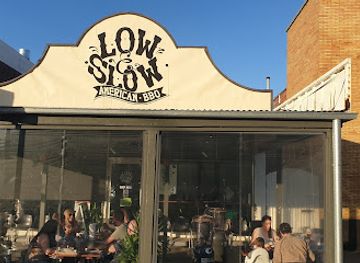
Low & Slow American BBQ
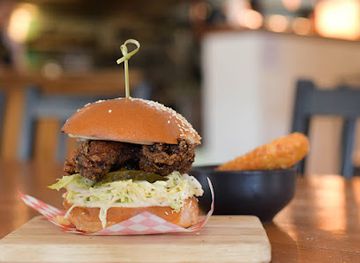
Experience authentic American barbecue at Low & Slow BBQ in Port Adelaide - where every meal is a celebration of flavor and tradition.
-
Grill
Coopers Alehouse Wallaroo
Discover the best of South Australian dining at Coopers Alehouse Wallaroo, where delicious grilled meals meet a welcoming atmosphere.
-
Brunch
The Banksia Tree Cafe and Restaurant
Discover delightful modern Australian cuisine at The Banksia Tree Cafe in Port Adelaide - perfect for brunch lovers seeking vegan options.
-
Restaurant
Capella's
Discover the rich flavors of Italy at Capella's in Moonta - where every meal is a celebration of culinary excellence.
Best bars in Yorke Peninsula
Evenings on Yorke Peninsula are centred more on pubs, hotel dining rooms, cafés and accommodation venues than on a large nightclub scene. Moonta, Kadina and Wallaroo provide the broadest choice of traditional pubs, restaurants and occasional live entertainment, while Port Vincent, Edithburgh, Stansbury and other coastal settlements offer relaxed waterfront or hotel-based evenings. Smaller towns generally quieten early, and options become more limited in remote areas and around Innes National Park, where the night is better suited to stargazing and listening to the coast than to late nightlife. Local hotels may host community events or live music at particular times, but schedules change, so check locally rather than assuming a regular programme. Drink-driving is a serious risk on long rural roads; arrange a safe return and do not treat alcohol as essential to experiencing the region.
-
Pub
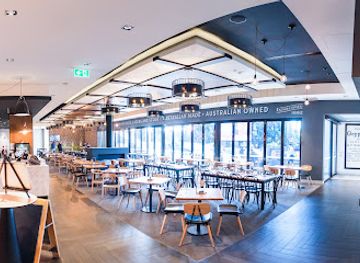
Coopers Alehouse Gepps Cross
Discover the vibrant atmosphere and delicious dining at Coopers Alehouse Gepps Cross, a must-visit pub in South Australia.
-
Pub
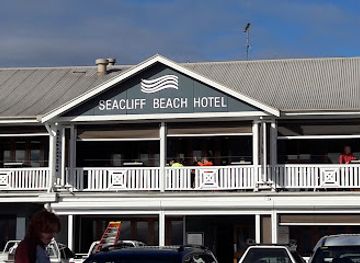
Seacliff Beach Hotel
Discover a vibrant coastal dining experience at Seacliff Beach Hotel, where stunning views meet delicious food and drinks.
-
Pub
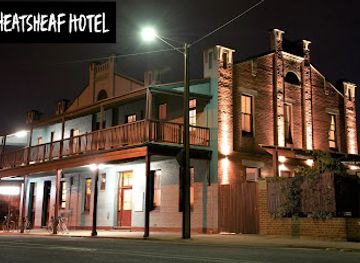
Wheatsheaf Hotel
Experience the best of local brews and live music at Wheatsheaf Hotel, Thebarton's premier pub and entertainment venue.
-
Pub
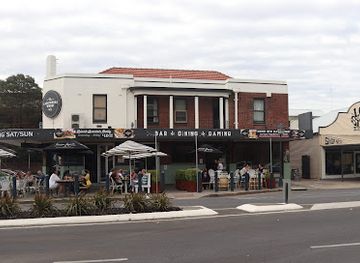
The Lighthouse Wharf Hotel
Discover the charm of Port Adelaide at The Lighthouse Wharf Hotel, a vibrant pub offering delicious food, refreshing drinks, and stunning waterfront views.
Best nightclubs in Yorke Peninsula
Evenings on Yorke Peninsula are centred more on pubs, hotel dining rooms, cafés and accommodation venues than on a large nightclub scene. Moonta, Kadina and Wallaroo provide the broadest choice of traditional pubs, restaurants and occasional live entertainment, while Port Vincent, Edithburgh, Stansbury and other coastal settlements offer relaxed waterfront or hotel-based evenings. Smaller towns generally quieten early, and options become more limited in remote areas and around Innes National Park, where the night is better suited to stargazing and listening to the coast than to late nightlife. Local hotels may host community events or live music at particular times, but schedules change, so check locally rather than assuming a regular programme. Drink-driving is a serious risk on long rural roads; arrange a safe return and do not treat alcohol as essential to experiencing the region.
-
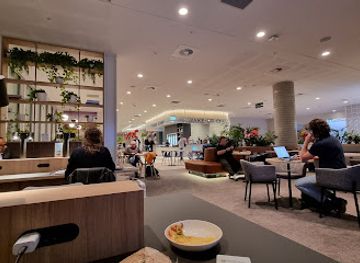
Travel lounge
Virgin Australia Lounge
Relax and rejuvenate at the Virgin Australia Lounge in Adelaide Airport, where comfort and premium service await every traveler.
-
Night club
Mary's Poppin
Discover the vibrant nightlife of Adelaide at Mary's Poppin, a welcoming gay night club featuring lively performances and creative cocktails.
-
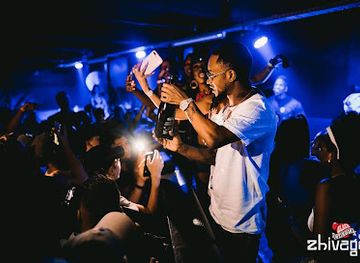
Night club
Zhivago
Immerse yourself in Adelaide's nightlife at Zhivago, a lively nightclub known for its vibrant atmosphere and unforgettable dance parties.
-
Night club
Precinct Nightclub
Discover Adelaide's nightlife at Precinct Nightclub, where dance, cocktails, and arcade fun await in a lively atmosphere.


Best shops in Yorke Peninsula
Shopping on Yorke Peninsula is mainly local and practical, with the largest clusters in Kadina, Moonta and Wallaroo and smaller services in Maitland, Yorketown and the coastal towns. Independent shops, bakeries, galleries, gift stores, second-hand outlets and heritage-related retailers offer alternatives to standardised urban shopping. Visitors can look for regional food products, preserves, seafood where legally and safely sold, books about Narungga and local history, artworks, handmade goods and souvenirs connected with the Copper Coast's mining past. Farm stalls and seasonal produce outlets appear along rural roads, but opening arrangements can vary. Markets and community events provide opportunities to meet local makers and producers when scheduled, while the peninsula's historic main streets are often more rewarding for browsing than shopping centres. Stock up on essentials before travelling to remote coastal areas or Innes National Park, where retail choices are limited.
-
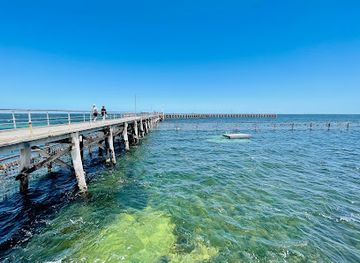
Public beach
Moonta Bay Jetty
Experience the beauty of Moonta Bay Jetty: a serene public beach with stunning views, recreational activities, and rich local culture on the Yorke Peninsula.
-
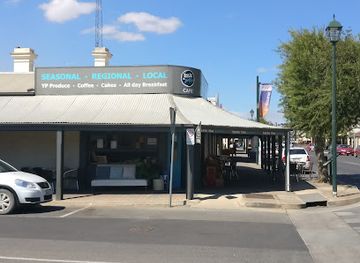
Cafe
Taste the Yorke
Experience the delightful flavors of Moonta at Taste the Yorke, where fresh local produce meets exceptional coffee in a cozy café atmosphere.
-
Bakery
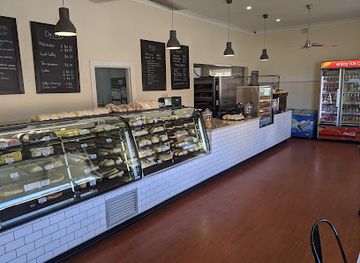
Jetty Road Bakehouse
Explore the sweet flavors of Jetty Road Bakehouse in Wallaroo, where every bite is a delicious experience in South Australia.
-
Jewelry store
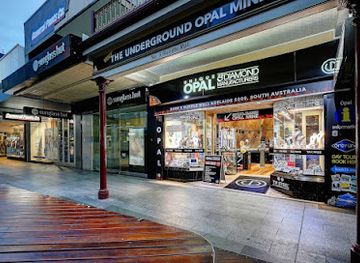
Unique Opal Mine - Australian Opal Jewelry Adelaide
Explore the Unique Opal Mine in Adelaide for exquisite Australian opal jewelry and a glimpse into the art of opal craftsmanship.
Get your free copy of our complete guide to Yorke Peninsula, delivered straight to you.
Everything on this page, from attractions and restaurants to essentials and local phrases, in one PDF you can read offline, print or share.
Already have an account? Sign in
Your Yorke Peninsula guide is ready.
We'll send it to · Not you? Sign out

Getting your guide ready…
We are putting together a fresh copy of the Yorke Peninsula guide. This can take up to a minute.
This can take a few moments. If your browser asks, choose Allow so the download can start. You'll find the guide in your Downloads folder.
Nothing happened? Download it again
Sorry, the guide is taking longer than usual. Please try again in a minute, or get it by email instead.
Yorke Peninsula essentials
Currency and Payment
Safety
Emergency Situations
Do's and Don'ts
Local Tips
From Eve
Local phrases worth knowing
You don't need to get them perfect. A few words go a long way, and locals appreciate the effort.
Basics
| English | Local | Say it |
|---|---|---|
| Hello | G'day | [guh-day] |
| Goodbye | See ya | [see ya] |
| Yes | Yeah | [yeh] |
| No | Nah | [nah] |
| Please/You're welcome | No worries | [no war-ees] |
| Thank you | Thanks mate | [thanks mate] |
| Excuse me/Sorry | Sorry mate | [sorry mate] |
| How are you? | How ya goin'? | [how ya goin'?] |
| Fine. And you? | Good. And you? | [good. And you?] |
| Do you speak English? | Do ya speak English? | [do ya speak English?] |
| I don't understand | I don’t get it | [I don't get it] |
Eating & Drinking
| English | Local | Say it |
|---|---|---|
| I'd like to see the menu, please | Can I see the menu, please? | [can I see the menu, please?] |
| I don't eat meat | I’m a vegetarian | [I'm a vegetarian] |
| Cheers! | Cheers! | [cheers] |
| I would like to pay, please | Can I get the bill, please? | [can I get the bill, please?] |
Emergencies
| English | Local | Say it |
|---|---|---|
| Help! | Help! | [help] |
| Go away! | Get lost! | [get lost] |
| Call the Police! | Call the cops! | [call the cops] |
| Call a doctor! | Get a doctor! | [get a doctor] |
| I'm lost | I’m lost | [I'm lost] |
| I'm ill | I’m not feeling well | [I'm not feeling well] |
Shopping
| English | Local | Say it |
|---|---|---|
| I'd like to buy... | I wanna buy... | [I wanna buy...] |
| I'm just looking | Just having a look | [just having a look] |
| How much is it? | How much is this? | [how much is this?] |
| That's too expensive | That's a bit pricey | [that's a bit pricey] |
| Can you lower the price? | Can ya lower the price? | [can ya lower the price?] |
Time & Numbers
| English | Local | Say it |
|---|---|---|
| What time is it? | What time is it? | [what time is it?] |
| It's one o'clock | It's one o'clock | [it's one o'clock] |
| Half past (10) | Half past ten | [half past ten] |
| Morning | Morning | [morning] |
| Afternoon | Arvo | [arvo] |
| Evening | Evening | [evening] |
| Yesterday | Yesterday | [yesterday] |
| Today | Today | [today] |
| Tomorrow | Tomorrow | [tomorrow] |
| 1 | One | [one] |
| 2 | Two | [two] |
| 3 | Three | [three] |
| 4 | Four | [four] |
| 5 | Five | [five] |
| 6 | Six | [six] |
| 7 | Seven | [seven] |
| 8 | Eight | [eight] |
| 9 | Nine | [nine] |
| 10 | Ten | [ten] |
Transport & Directions
| English | Local | Say it |
|---|---|---|
| Where's a/the...? | Where's the...? | [where's the...?] |
| What's the address? | What’s the address? | [what’s the address?] |
| Can you show me (on the map)? | Can ya show me on the map? | [can ya show me on the map?] |
| When's the next (bus)? | When’s the next bus? | [when’s the next bus?] |
| A ticket (to ....) | A ticket to... | [a ticket to...] |
History of Yorke Peninsula
Narungga Country Before European Settlement
Yorke Peninsula is the traditional Country of the Narungga people, whose communities have maintained cultural, spiritual and practical connections with the peninsula for many thousands of years. Coastal waters, dunes, salt lakes, mallee and grasslands all formed part of a carefully known environment that supported fishing, shellfish gathering, hunting and seasonal movement. Narungga cultural knowledge remains central to understanding the region, and contemporary Narungga people continue to assert connection, custodianship and cultural authority. Visitors should recognise that archaeological places and cultural landscapes are not simply attractions, and should follow local guidance when visiting significant sites.
European Exploration and Colonial Expansion
Matthew Flinders charted the peninsula's coast in 1802 during his survey of southern Australia and named it Yorke Peninsula after Charles Philip Yorke. European settlement expanded later in the nineteenth century as pastoralists, farmers, miners and maritime traders occupied land and coastal waters. This expansion brought profound disruption to Narungga communities through dispossession, introduced diseases, violence and restrictions on movement. The peninsula's early colonial economy developed around pastoralism, grain growing, coastal shipping and the search for mineral wealth.
The Copper Mining Boom, 1850s–1920s
Copper discoveries near Wallaroo in 1859 and at Moonta in 1861 transformed the northern peninsula. Mines, smelters, ports and railways developed rapidly, and large numbers of Cornish miners and their families arrived to work underground and in associated industries. Kadina, Moonta and Wallaroo became the centre of a major industrial community whose influence remains visible in mine ruins, workers' cottages, churches, cemeteries and local traditions. Production declined during the early twentieth century, but the Copper Coast's heritage landscape preserves the scale and social character of this important mining era.
Agriculture and Coastal Shipping
Outside the mining towns, Yorke Peninsula developed as an important grain-producing district. Its relatively dry climate and broad plains supported wheat and barley farming, although cultivation has always depended on careful management of limited rainfall and fragile soils. Coastal shipping connected farms and ports with Adelaide and other markets before roads and railways assumed greater importance. Jetties, warehouses, grain handling facilities and small port settlements record this earlier transport system. Agriculture remains a major force in the peninsula's economy and landscape, with harvest activity shaping both the countryside and the road network.
War, Aviation and Local Identity
The peninsula contributed people and resources to Australia's twentieth-century wars, while its isolated airfields and coastal settlements became part of wider national defence and transport networks. Minlaton is particularly associated with Harry Butler, a South Australian aviator who made a celebrated flight from Adelaide to Minlaton in 1919 and later became an important local figure. His aircraft, the Red Devil, is displayed at the Yorke Peninsula Heritage Aviation Museum. Such stories sit alongside maritime, farming and mining histories that have helped shape a strong local identity across the peninsula's separate communities.
Conservation and Contemporary Tourism
During the twentieth century, parts of Yorke Peninsula were progressively recognised for their ecological and scenic value. Innes National Park, established in 1970, protects much of the peninsula's south-western tip, including mallee vegetation, coastal cliffs, beaches, wetlands and islands visible offshore. Other conservation areas and marine environments support native plants, seabirds and coastal wildlife. Today the region combines farming, fishing, heritage tourism, recreation and conservation, while Narungga cultural presence and interpretation are increasingly important to how the peninsula presents its past and future.
Yorke Peninsula in Photos
Browse through our photo collection highlighting the charm and character of the destination.
Neighbouring regions of Yorke Peninsula
The closest regions to Yorke Peninsula, if you have time for more than one.
-

-

-

-

-


Swipe for more regions
Explore more

Explore more of Australia
Discover the diverse landscapes, vibrant cities, and unique wildlife of Australia, a captivating destination offering endless adventures and unforgettable experiences.
Explore Australia