

Free Fleurieu Peninsula Travel Guide & Mobile App
Explore Fleurieu Peninsula with free travel guides. Discover regional history, expert tips, proposed trips, and audio guides on web or mobile app.


Explore Fleurieu Peninsula vineyards, beaches, coastal walks, historic Victor Harbor and the rugged southern coast near Cape Jervis.
Read more about Fleurieu Peninsula
When is the best time to visit Fleurieu Peninsula?
Best: December–January · 25–28°C| Month | High (°C) | Rainfall (mm) |
|---|---|---|
| January (best) | 28 | 15 |
| February | 28 | 15 |
| March (best) | 25 | 20 |
| April | 22 | 30 |
| May | 19 | 45 |
| June | 16 | 55 |
| July | 15 | 55 |
| August | 16 | 50 |
| September | 19 | 40 |
| October | 21 | 30 |
| November | 23 | 25 |
| December (best) | 26 | 20 |
Getting to and around Fleurieu Peninsula
How to get there
Transportation
Best attractions in Fleurieu Peninsula
The Fleurieu Peninsula offers a varied set of attractions across a relatively compact but dispersed region. McLaren Vale and the surrounding hills are the centre of the peninsula's wine and food culture, with cellar doors, vineyards, olive groves, galleries and restaurants set among agricultural landscapes. Willunga adds heritage streets and a strong market tradition. Around Victor Harbor, visitors can explore the historic horse-drawn tramway, Granite Island, Encounter Bay beaches and coastal walking routes, while Goolwa provides riverfront scenery and maritime heritage at the Murray mouth. The southern coast is more rugged, with the coves and cliffs of Second Valley and Rapid Bay, Normanville's long beach and the walking country of Deep Creek National Park. Bushwalking, cycling, fishing, surfing, kayaking and seasonal whale watching are important outdoor pursuits. The attraction landscape is defined less by a single monumental site than by the contrast between vineyard country, historic settlements, river environments and open coast.
-
Tourist attraction
Victor Harbor Horse Drawn Tramway
Explore the Victor Harbor Horse Drawn Tramway for a nostalgic journey through South Australia's stunning coastal scenery and rich heritage.
-
Tourist attraction
Port Noarlunga Jetty
Explore the iconic Port Noarlunga Jetty: Dive into a world of underwater adventure and coastal charm on South Australia's Fleurieu Peninsula.
-
Tourist attraction
Urimbirra Wildlife Park
Experience Australia's unique wildlife up close at Urimbirra Wildlife Park, with daily animal encounters and a natural bushland setting just minutes from Victor Harbor.
-
Tourist attraction
Port Willunga Beach
Discover the serene beauty of Port Willunga Beach, where stunning coastlines and historic caves await your exploration in South Australia.


Best landmarks in Fleurieu Peninsula
The Fleurieu's most recognisable landmarks reflect its maritime setting and varied geology. Granite Island, linked to Victor Harbor by a causeway, is the visual centre of Encounter Bay and is associated with the town's historic horse-drawn tramway. The Bluff, at the western side of Encounter Bay, is a prominent coastal headland with broad views across the bay and towards offshore islands. Cape Jervis marks the peninsula's southern extremity and the mainland edge of Backstairs Passage, with cliffs and ocean vistas that convey the exposed character of the coast. The sheltered, curving shore of Normanville contrasts with the high cliffs and coves around Second Valley and Rapid Bay. Deep Creek National Park provides a larger natural landmark landscape of ridges, valleys and southern ocean viewpoints. In the north, the old streets and stone buildings of Willunga and the historic river-port fabric of Goolwa illustrate the region's agricultural and maritime past, while jetties and coastal structures remain recurring features of the peninsula's visual identity.
-
Park
Victoria Square
Discover the vibrant heart of Adelaide at Victoria Square, a scenic park filled with art, culture, and community events in South Australia.
-
Tourist attraction
Big Rocking Horse
Discover the magic of the Big Rocking Horse, a unique family attraction in Gumeracha, South Australia, featuring an animal park, café, and fun-filled adventures.
-
Park
Botanic Park
Explore the lush landscapes of Botanic Park in Adelaide, a serene escape filled with diverse flora and vibrant gardens perfect for relaxation.
-
Park
Rymill Park
Discover the beauty of Rymill Park, a tranquil retreat in Adelaide offering lush landscapes, recreational facilities, and vibrant local wildlife.



Explore Fleurieu Peninsula on the map
Plan your trip on one map. See where the top cities, national parks and sights are, and book hotels and experiences in a few clicks.
Best hotels in Fleurieu Peninsula
Best restaurants in Fleurieu Peninsula
Dining on the Fleurieu Peninsula is closely connected to its farming, fishing and wine-producing landscapes. McLaren Vale is the principal destination for vineyard restaurants, cellar-door lunches and contemporary menus built around South Australian produce, with local wines forming a central part of the experience. Around Willunga and the nearby agricultural districts, cafés, bakeries, markets and farm sellers reflect the area's long association with fruit, vegetables and small-scale producers. Victor Harbor and Encounter Bay offer fish and seafood alongside the familiar Australian seaside repertoire, while Goolwa's river setting contributes a strong maritime and paddling tradition to its food identity. Rural pubs, country bakeries and relaxed cafés are useful options between coastal excursions. Seasonal produce, regional cheeses, olive products and locally made sweets are commonly encountered, but offerings vary by season and town. Restaurant bookings are sensible in McLaren Vale and Victor Harbor at weekends and during school holidays.
-
Italian
Nino's of Victor Harbor
Experience authentic Italian cuisine at Nino's of Victor Harbor – where every meal feels like a celebration by the sea.
-
Fine Dining
Star of Greece
Experience exquisite Mediterranean fine dining with breathtaking ocean views at Star of Greece in Port Willunga.
-
 Restaurant
Hotel Victor
Experience exquisite dining at Hotel Victor – where fresh flavors meet stunning coastal views in the heart of Victor Harbor.
-
Asian Fusion
The Salopian Inn
Experience exquisite Asian fusion cuisine at The Salopian Inn in McLaren Vale—where fresh local ingredients meet innovative culinary artistry.


Best bars in Fleurieu Peninsula
Evening life on the Fleurieu Peninsula is generally social and food-led rather than centred on large nightclubs. McLaren Vale's cellar doors and wine-focused venues provide tastings and relaxed evenings, while Victor Harbor and Goolwa have pubs, hotel dining rooms, cafés and a small selection of bars where locals and visitors gather. Live music and community events may appear in larger towns or seasonal programmes, but schedules change and should be checked locally. In Normanville, Yankalilla and the smaller southern settlements, nightlife is quieter and often revolves around a pub meal, a restaurant or an early evening drink. Rural distances and limited late public transport make taxis, a pre-arranged transfer or a designated driver important. The region's evening character is best understood through its local produce, conversation and coastal-town atmosphere rather than a concentrated club scene.
-
Pub
Seacliff Beach Hotel
Experience coastal charm at Seacliff Beach Hotel, where stunning ocean views meet delicious cuisine and a welcoming atmosphere.
-
Pub
The Highway
Discover The Highway: A lively pub in Plympton offering delicious food, a wide selection of beverages, and a vibrant atmosphere for all visitors.
-
Italian
Nino's of Victor Harbor
Experience authentic Italian cuisine at Nino's of Victor Harbor, where delicious food meets stunning coastal views in a warm atmosphere.
-
Pub
Hotel Victor
Discover the perfect blend of coastal charm, delicious cuisine, and vibrant atmosphere at Hotel Victor in Victor Harbor, South Australia.


Best nightclubs in Fleurieu Peninsula
Evening life on the Fleurieu Peninsula is generally social and food-led rather than centred on large nightclubs. McLaren Vale's cellar doors and wine-focused venues provide tastings and relaxed evenings, while Victor Harbor and Goolwa have pubs, hotel dining rooms, cafés and a small selection of bars where locals and visitors gather. Live music and community events may appear in larger towns or seasonal programmes, but schedules change and should be checked locally. In Normanville, Yankalilla and the smaller southern settlements, nightlife is quieter and often revolves around a pub meal, a restaurant or an early evening drink. Rural distances and limited late public transport make taxis, a pre-arranged transfer or a designated driver important. The region's evening character is best understood through its local produce, conversation and coastal-town atmosphere rather than a concentrated club scene.
-
Night club
Fabric Nightclub Adelaide
Dive into Adelaide's lively nightlife at Fabric Nightclub, where music, fun, and unforgettable moments await every weekend.
-
Night club
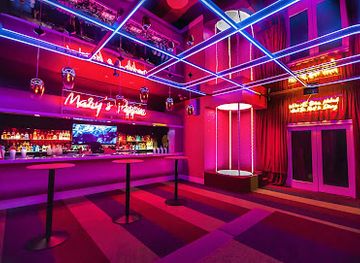
Mary's Poppin
Discover the lively atmosphere and inclusive spirit of Mary's Poppin, Adelaide's premier gay night club and cocktail bar, where every night is a celebration.
-
Night club
Zhivago
Discover the lively atmosphere of Zhivago, Adelaide's hotspot for nightlife with thrilling music, dancing, and unforgettable experiences.
-
Night club
Sugar
Discover Sugar Nightclub in Adelaide – the ultimate destination for nightlife, dancing, and unforgettable experiences.


Best shops in Fleurieu Peninsula
Shopping on the Fleurieu Peninsula is strongest in its market towns, food-producing districts and coastal centres rather than in large retail complexes. Willunga is known for its historic town setting, independent businesses and market culture, while McLaren Vale offers cellar-door purchases of wine, olive products and other regional foods. Farm shops, bakeries and roadside sellers provide seasonal fruit, vegetables, preserves and locally made goods, though locations and trading days vary. Victor Harbor has the broadest everyday retail selection in the southern part of the peninsula, including practical shops, galleries, souvenirs and coastal holiday goods. Goolwa's historic centre supports independent retailers, arts and crafts, books, antiques and maritime-themed purchases. Local wine, regional produce, Aboriginal art bought through reputable and authorised outlets, and work by Fleurieu artists make more meaningful souvenirs than generic beach merchandise. Check market dates before travelling, as many smaller events operate on particular weekends or seasonal schedules.
-
Shopping mall
Victor Central Shopping Centre
Explore Victor Central Shopping Centre: a vibrant shopping destination offering a delightful mix of local and international brands in Victor Harbor.
-
Shop
Yilki Store
Discover the delights of Yilki Store: where delicious coffee, fresh breakfast, and local goods await in Encounter Bay.
-
Gift shop
The German Village Shop Hahndorf
Discover unique gifts and handcrafted treasures at The German Village Shop in Hahndorf, a charming destination for cultural souvenirs.
-
Warehouse store
The Reject Shop
Discover unbeatable deals at The Reject Shop in McCracken, South Australia - your ultimate destination for budget-friendly shopping.


Get your free copy of our complete guide to Fleurieu Peninsula, delivered straight to you.
Everything on this page, from attractions and restaurants to essentials and local phrases, in one PDF you can read offline, print or share.
Already have an account? Sign in
Your Fleurieu Peninsula guide is ready.
We'll send it to · Not you? Sign out

Getting your guide ready…
We are putting together a fresh copy of the Fleurieu Peninsula guide. This can take up to a minute.
This can take a few moments. If your browser asks, choose Allow so the download can start. You'll find the guide in your Downloads folder.
Nothing happened? Download it again
Sorry, the guide is taking longer than usual. Please try again in a minute, or get it by email instead.
Fleurieu Peninsula essentials
Currency and Payment
Safety
Emergency Situations
Do's and Don'ts
Local Tips
From Eve
Local phrases worth knowing
You don't need to get them perfect. A few words go a long way, and locals appreciate the effort.
Basics
| English | Local | Say it |
|---|---|---|
| Hello | G’day | [g'day] |
| Goodbye | See ya | [see ya] |
| Yes | Yeah | [yeh] |
| No | Nah | [nah] |
| Please/You’re welcome | No worries | [no worries] |
| Thank you | Cheers | [cheers] |
| Excuse me/Sorry | Sorry mate | [sorry mate] |
| How are you? | How ya goin’? | [how ya goin'] |
| Fine. And you? | Good, and you? | [good, and you?] |
| Do you speak English? | Do ya speak English? | [do ya speak English?] |
| I don't understand | I don’t get it | [I don’t get it] |
Eating & Drinking
| English | Local | Say it |
|---|---|---|
| I’d like to see the menu, please | Can I see the menu, please? | [can I see the menu, please?] |
| I don't eat meat | I’m a vegetarian | [I’m a vegetarian] |
| Cheers! | Cheers! | [cheers] |
| I would like to pay, please | Can I get the bill, please? | [can I get the bill, please?] |
Emergencies
| English | Local | Say it |
|---|---|---|
| Help! | Help! | [help] |
| Go away! | Get lost! | [get lost] |
| Call the Police! | Call the cops! | [call the cops] |
| Call a doctor! | Get a doctor! | [get a doctor] |
| I’m lost | I’m a bit lost | [I’m a bit lost] |
| I’m ill | I’m not feeling well | [I’m not feeling well] |
Shopping
| English | Local | Say it |
|---|---|---|
| I’d like to buy... | I’d like to grab... | [I’d like to grab...] |
| I’m just looking | Just browsing | [just browsing] |
| How much is it? | What’s the price? | [what's the price?] |
| That’s too expensive | That’s a bit pricey | [that’s a bit pricey] |
| Can you lower the price? | Can you do a better deal? | [can you do a better deal?] |
Time & Numbers
| English | Local | Say it |
|---|---|---|
| What time is it? | What’s the time? | [what's the time?] |
| It’s one o’clock | It’s one | [it’s one] |
| Half past (10) | Half past ten | [half past ten] |
| Morning | Morning | [morning] |
| Afternoon | Arvo | [arvo] |
| Evening | Evening | [evening] |
| Yesterday | Yesterday | [yesterday] |
| Today | Today | [today] |
| Tomorrow | Tomorrow | [tomorrow] |
| 1 | One | [one] |
| 2 | Two | [two] |
| 3 | Three | [three] |
| 4 | Four | [four] |
| 5 | Five | [five] |
| 6 | Six | [six] |
| 7 | Seven | [seven] |
| 8 | Eight | [eight] |
| 9 | Nine | [nine] |
| 10 | Ten | [ten] |
Transport & Directions
| English | Local | Say it |
|---|---|---|
| Where's a/the...? | Where’s the...? | [where’s the...?] |
| What’s the address? | What’s the address? | [what’s the address?] |
| Can you show me (on the map)? | Can you point it out on the map? | [can you point it out on the map?] |
| When’s the next (bus)? | When’s the next bus? | [when’s the next bus?] |
| A ticket (to ....) | A ticket to... | [a ticket to...] |
History of Fleurieu Peninsula
Ramindjeri and Kaurna cultural landscapes
The Fleurieu Peninsula lies within a landscape with deep Aboriginal cultural significance. The Ramindjeri have enduring connections with Encounter Bay, Victor Harbor and the southern Fleurieu, while Kaurna cultural associations extend across the northern part of the region and adjoining Adelaide plains. Coastal waters, freshwater places, islands, hills and travelling routes were part of interconnected cultural landscapes long before European settlement. Visitors should understand that Aboriginal heritage is not confined to a museum or archaeological site: it remains living and continuing, and access to particular places may be guided by cultural protocols.
European exploration and the naming of Encounter Bay
Matthew Flinders and Nicolas Baudin encountered one another's expeditions in waters off the Fleurieu in 1802, an event commemorated in the name Encounter Bay. The meeting occurred during a period when British and French voyages were charting the southern Australian coast, although Aboriginal communities already knew and used these waters. Later European maps and place names transformed the way the coast was represented, while the sheltered bays, islands and river mouth attracted maritime activity and settlement.
Colonial settlement and agricultural expansion
After the establishment of South Australia in 1836, European settlement spread through the Fleurieu's valleys and coastal plains. Willunga became an important early settlement, supported by farming, quarrying and local trade, while wheat, sheep, dairy production and orchards shaped the countryside around Mount Compass, Yankalilla and the northern peninsula. Stone churches, farm buildings, town streets and old roads preserve fragments of this colonial agricultural history, although the changes brought to Aboriginal communities and land management were profound.
Whaling, sealing and maritime industries
During the nineteenth century, Encounter Bay and the southern coast were connected to sealing, whaling, fishing and coastal shipping. Victor Harbor developed as a maritime and transport centre, and its sheltered waters supported the movement of goods before modern roads transformed regional travel. The sea also brought danger: reefs, headlands and strong currents made navigation difficult. Today, jetties, coastal infrastructure, maritime collections and the historic transport traditions around Victor Harbor help convey the peninsula's dependence on the ocean.
The port and river world of Goolwa
Goolwa grew at the mouth of the Murray River and became closely associated with paddle-steamer traffic during the nineteenth century. Riverboats carried produce and supplies through the Murray-Darling river system, making Goolwa an important port despite the difficult entrance from the river to the sea. Boatbuilding, timber work and river trade influenced the town's economy and character. The town's historic buildings and maritime traditions remain linked to the wider story of inland water transport in South Australia.
Railways, tourism and the rise of Victor Harbor
Rail connections and improved roads helped move agricultural goods and visitors between Adelaide and the Fleurieu during the late nineteenth and early twentieth centuries. Victor Harbor increasingly became a seaside resort as South Australians sought coastal holidays, and the horse-drawn tramway to Granite Island developed into a distinctive visitor attraction. The growth of tourism did not replace farming, fishing or local industry, but it added a lasting recreational economy centred on beaches, coastal scenery and heritage transport.
The modern wine and food region
McLaren Vale's vineyards, first established in the nineteenth century, became the foundation of one of South Australia's most recognised wine districts. Over time, vineyards were joined by olive groves, orchards, restaurants, farm sellers and artisan producers, while traditional agricultural land uses continued elsewhere on the peninsula. Contemporary Fleurieu identity therefore rests on several overlapping economies: wine and food, coastal tourism, farming, conservation and maritime recreation.
Fleurieu Peninsula in Photos
Browse through our photo collection highlighting the charm and character of the destination.
Neighbouring regions of Fleurieu Peninsula
The closest regions to Fleurieu Peninsula, if you have time for more than one.
-

-
-

-

-


Swipe for more regions
Explore more

Explore more of Australia
Discover the diverse landscapes, vibrant cities, and unique wildlife of Australia, a captivating destination offering endless adventures and unforgettable experiences.
Explore Australia