

Free Hunter Valley Travel Guide & Mobile App
Explore Hunter Valley with free travel guides. Discover regional history, expert tips, proposed trips, and audio guides on web or mobile app.


Explore Hunter Valley vineyards, cellar doors, regional dining, gardens and rural landscapes across New South Wales wine country.
Read more about Hunter Valley
When is the best time to visit Hunter Valley?
Best: April, September–October · 22–25°C| Month | High (°C) | Rainfall (mm) |
|---|---|---|
| January | 30 | 90 |
| February | 29 | 80 |
| March | 27 | 90 |
| April (best) | 23 | 60 |
| May | 19 | 50 |
| June | 16 | 60 |
| July | 15 | 50 |
| August | 17 | 60 |
| September (best) | 22 | 60 |
| October (best) | 25 | 70 |
| November | 27 | 80 |
| December | 29 | 90 |
Getting to and around Hunter Valley
How to get there
Transportation
Best attractions in Hunter Valley
The Hunter Valley’s attractions are organised around its agricultural landscape rather than a single urban centre. In Pokolbin, visitors can combine cellar-door tastings with vineyard restaurants, cooking experiences, galleries, sculpture gardens and Hunter Valley Gardens, whose themed plantings provide a change of pace from the surrounding vines. Lovedale offers a more dispersed route through wineries, rural properties and food-focused venues, while Broke has a quieter landscape of vineyards, farms and views towards the Broken Back Range. Cessnock supplies regional museums, services and access to the broader valley, although many attractions require a vehicle or arranged transfer. Beyond wine, the region supports hot-air ballooning, horse riding, cycling, golf and scenic drives, with early morning often the most comfortable time for outdoor activities. Seasonal produce, farm shops and regional events add variety, while nearby bushland and foothills provide a natural contrast to the cultivated valley floor. The best itineraries allow for distances between estates and mix scheduled tastings with unhurried landscape, food and cultural stops.
-
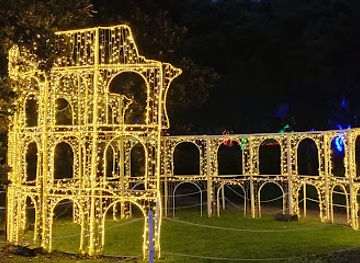
Garden
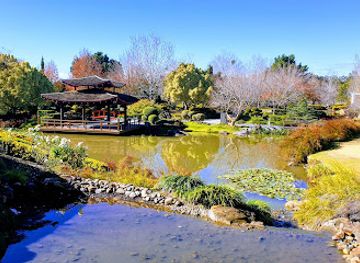
Hunter Valley Gardens
Discover the breathtaking beauty of Hunter Valley Gardens, a stunning floral paradise in New South Wales perfect for relaxation and exploration.
-
Zoo
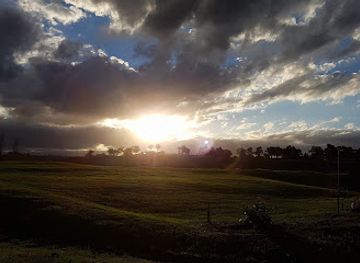
Hunter Valley Wildlife Park
Discover native wildlife and enjoy a family-friendly experience at Hunter Valley Wildlife Park in New South Wales, Australia.
-
Tourist attraction
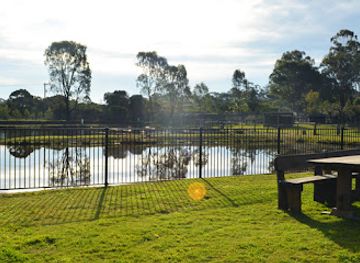
Sutton Estate Hunter Valley
Discover the charm of Sutton Estate in Hunter Valley, where exquisite wines meet breathtaking landscapes for an unforgettable experience.
-
Escape room center
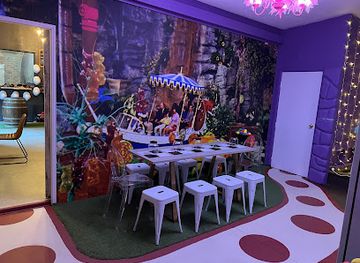
Hunter Valley Wine Escape Room
Experience the thrill of solving puzzles in the stunning Hunter Valley while indulging in wine culture at its best.
Best landmarks in Hunter Valley
The most recognisable landmarks of the Hunter Valley are closely linked to its landscape and agricultural history. The vineyards of Pokolbin form the region’s defining visual scene, with rows of vines, estate buildings and the Broken Back Range creating a distinctive rural panorama. Hunter Valley Gardens is a prominent landscaped landmark and an established visitor feature in Pokolbin, while the surrounding cellar-door estates express the valley’s long association with viticulture. The Broken Back Range provides a strong natural backdrop on the western side of the wine district and helps distinguish Broke from the more densely developed vineyard areas. Cessnock’s historic civic and commercial streets reflect its role as a regional town shaped by farming, mining and later tourism. Across the valley, older farm buildings, rural lanes and mature plantings reveal the transition from nineteenth-century agriculture to modern wine tourism. These places matter less as isolated monuments than as parts of a cultural landscape in which Aboriginal history, farming, industry and leisure remain visibly connected.
-
Garden
Hunter Valley Gardens
Explore the breathtaking beauty of Hunter Valley Gardens, a floral paradise in New South Wales featuring themed gardens and seasonal blooms.
-
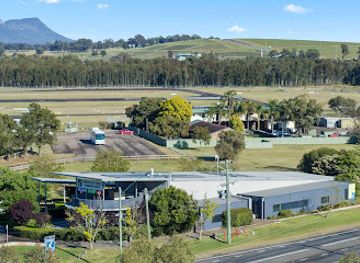
Tourist information center
Hunter Valley Visitor Information Centre, Shop and What's On
Explore the Hunter Valley Visitor Information Centre for the best local wines, cultural insights, and unforgettable experiences in Australia's premier wine region.
-
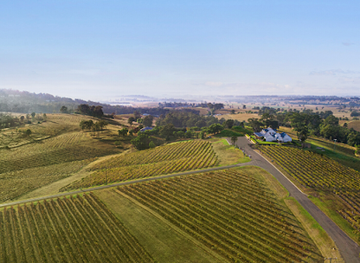
Winery
Audrey Wilkinson, Hunter Valley
Discover the rich history and exquisite wines at Audrey Wilkinson Winery in the heart of Hunter Valley, a must-visit destination for wine lovers.
-
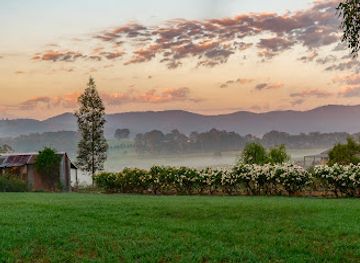
Winery
Hanging Tree Wines - Hunter Valley
Explore the beauty of the Hunter Valley at Hanging Tree Wines, where exquisite wines and serene landscapes create an unforgettable experience.
Explore Hunter Valley on the map
Plan your trip on one map. See where the top cities, national parks and sights are, and book hotels and experiences in a few clicks.
Best hotels in Hunter Valley
Best restaurants in Hunter Valley
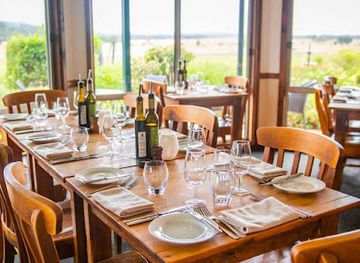
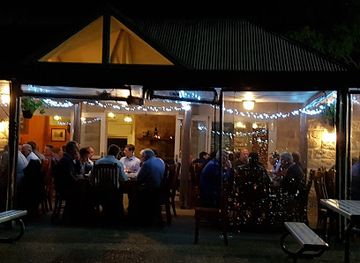
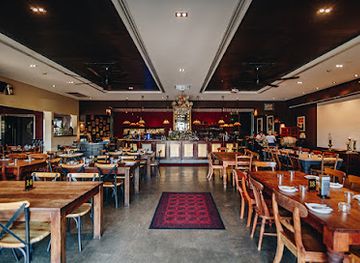
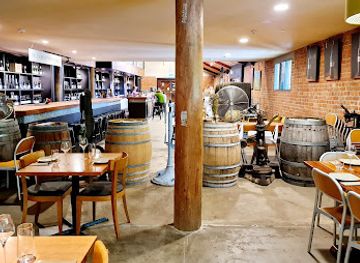
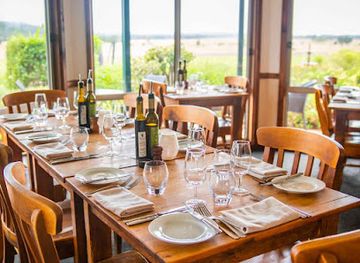
Dining in the Hunter Valley ranges from polished vineyard restaurants to cafés, country pubs, casual cellar-door kitchens and farm shops. Menus commonly draw on New South Wales produce, including local cheeses, olive oil, seasonal fruit, vegetables and artisan breads, with wine pairings forming a major part of the region’s dining culture. Pokolbin has the broadest concentration of estate restaurants and contemporary food venues, while Lovedale and Broke offer a more rural setting at scattered wineries and small producers. Cessnock and surrounding towns provide practical cafés, bakeries and pubs for less formal meals. Regional wine is the defining accompaniment, particularly Semillon and Shiraz, but visitors will also find craft beverages, coffee and produce designed for take-home purchases. Menus and opening arrangements can be seasonal, and advance reservations are sensible for popular lunches, dinners and tasting experiences.
-
Modern Australian
Amanda's on the Edge Restaurant
Discover Modern Australian cuisine at Amanda's on the Edge Restaurant amidst breathtaking vineyard views in Pokolbin.
-
Steak
Blaxland Inn
Discover Blaxland Inn: The premier steakhouse in Pokolbin’s stunning Hunter Valley region offering exquisite flavors and warm hospitality.
-
Restaurant
Goldfish Hunter Valley Restaurant
Experience exquisite dining at Goldfish Hunter Valley Restaurant with stunning views and vibrant atmosphere perfect for any occasion.
-
Restaurant
Baumé
Experience exquisite dining at Baumé in Pokolbin—where seasonal ingredients meet local wines in an unforgettable culinary journey.
Best bars in Hunter Valley
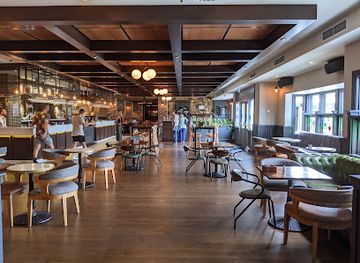
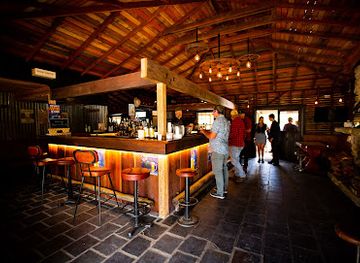
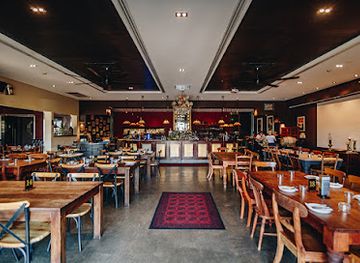
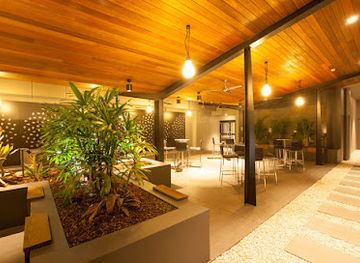
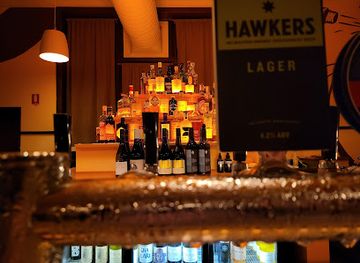
Evenings in the Hunter Valley generally centre on vineyard restaurants, cellar-door events, country pubs and accommodation venues rather than a large nightclub scene. Pokolbin has the greatest choice of wine bars, restaurant lounges and occasional live-music or food-and-wine events, while Cessnock provides a more conventional town setting with pubs, bars and casual evening dining. In Lovedale and Broke, nightlife is quieter and often tied to individual estates, seasonal programmes or special events. Some wineries and breweries offer tastings earlier in the day, but arrangements vary and should be checked before travelling. Because attractions are spread across rural roads, pre-booked transport is particularly important after drinking. Visitors seeking late-night clubs may find the valley limited compared with Newcastle or Sydney, both outside the region.
-
Bistro
Harrigan's Hunter Valley
Experience the essence of the Hunter Valley at Harrigan's, where exquisite dining meets vibrant live music in a charming setting.
-
Modern Australian
Amanda's on the Edge Restaurant
Experience the best of Modern Australian cuisine at Amanda's on the Edge, set in a stunning vineyard in Pokolbin, NSW.
-
Pub
Wollombi Tavern
Experience the charm of Wollombi Tavern, where history meets local cuisine and live music in the heart of the Hunter Valley.
-
Bar
Goldfish Hunter Valley Restaurant
Discover the vibrant flavors and lively atmosphere at Goldfish Hunter Valley Restaurant, where exceptional cuisine meets unforgettable experiences.
Best nightclubs in Hunter Valley
Evenings in the Hunter Valley generally centre on vineyard restaurants, cellar-door events, country pubs and accommodation venues rather than a large nightclub scene. Pokolbin has the greatest choice of wine bars, restaurant lounges and occasional live-music or food-and-wine events, while Cessnock provides a more conventional town setting with pubs, bars and casual evening dining. In Lovedale and Broke, nightlife is quieter and often tied to individual estates, seasonal programmes or special events. Some wineries and breweries offer tastings earlier in the day, but arrangements vary and should be checked before travelling. Because attractions are spread across rural roads, pre-booked transport is particularly important after drinking. Visitors seeking late-night clubs may find the valley limited compared with Newcastle or Sydney, both outside the region.
-
Bistro
Harrigan's Hunter Valley
Experience the best of Hunter Valley at Harrigan's Bistro, a blend of fine dining, live music, and comfortable accommodations.
-
Live Music
The Cambridge
Discover the pulse of Newcastle at The Cambridge, where live music meets vibrant nightlife in a dynamic venue.
-
Leagues club
Cessnock Leagues Club
Experience the lively atmosphere of Cessnock Leagues Club, where delicious dining, entertainment, and social events come together in one vibrant location.
-
Cocktail bar
Bar Mellow
Experience the vibrant cocktail culture at Bar Mellow, a chic cocktail bar in Newcastle West, offering innovative drinks and a relaxed ambiance.


Best shops in Hunter Valley
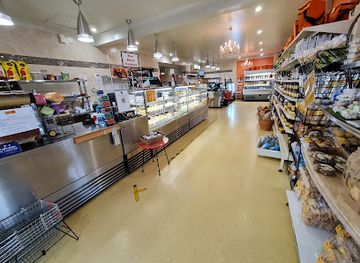
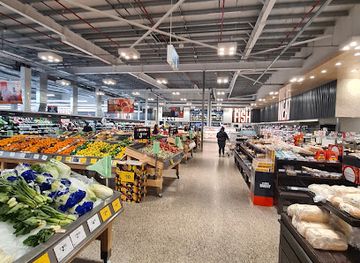
Shopping in the Hunter Valley is oriented towards regional produce, wine and independent makers rather than extensive urban retail. Cellar doors are the principal places to buy locally produced Semillon, Shiraz and other wines, often alongside olive oil, preserves, chocolate, cheese and gift packs. Pokolbin has the greatest concentration of gallery shops, craft outlets, food retailers and estate-based merchandise, while Lovedale and Broke offer smaller-scale purchases directly from wineries and producers. Farm shops and food markets, when operating, are useful for seasonal fruit, baked goods and rural specialities, but opening days and stock can vary. Cessnock has the broadest everyday shopping facilities, including supermarkets and practical services. Art galleries, ceramics, jewellery, textiles and locally themed gifts provide alternatives to wine, while visitors should pack bottles securely and check airline or transport allowances before carrying purchases onward.
-
Cheese shop
Hunter Valley Smelly Cheese Shop
Explore the Hunter Valley Smelly Cheese Shop for an unforgettable gourmet experience featuring artisan cheeses and local pairings.
-
Shopping mall
Huntlee Shopping Centre
Experience the best of shopping and dining at Huntlee Shopping Centre, the heart of Branxton's retail scene.
-
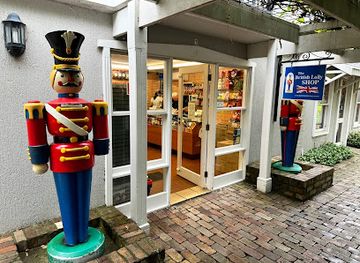
Confectionery Store
The British Lolly Shop
Explore a world of sweetness at The British Lolly Shop, where delightful British candies bring joy to sweet lovers in Pokolbin.
-
Shopping mall
Hunter Valley Gardens Shopping Village
Explore the Hunter Valley Gardens Shopping Village, a unique shopping destination surrounded by stunning gardens and local delights.
Get your free copy of our complete guide to Hunter Valley, delivered straight to you.
Everything on this page, from attractions and restaurants to essentials and local phrases, in one PDF you can read offline, print or share.
Already have an account? Sign in
Your Hunter Valley guide is ready.
We'll send it to · Not you? Sign out

Getting your guide ready…
We are putting together a fresh copy of the Hunter Valley guide. This can take up to a minute.
This can take a few moments. If your browser asks, choose Allow so the download can start. You'll find the guide in your Downloads folder.
Nothing happened? Download it again
Sorry, the guide is taking longer than usual. Please try again in a minute, or get it by email instead.
Hunter Valley essentials
Currency and Payment
Safety
Emergency Situations
Do's and Don'ts
Local Tips
From Eve
Local phrases worth knowing
You don't need to get them perfect. A few words go a long way, and locals appreciate the effort.
Basics
| English | Local | Say it |
|---|---|---|
| Hello | G'day | [guh-day] |
| Goodbye | See ya | [see yah] |
| Yes | Yeah | [yeh] |
| No | Nah | [nah] |
| Please/You're welcome | No worries | [no wurries] |
| Thank you | Cheers | [cheers] |
| Excuse me/Sorry | Sorry mate | [sorry mate] |
| How are you? | How ya goin'? | [how ya goin'] |
| Fine. And you? | Good, and you? | [good, and you?] |
| Do you speak English? | Do ya speak English? | [do ya speak English?] |
| I don't understand | I don't get it | [I don't get it] |
Eating & Drinking
| English | Local | Say it |
|---|---|---|
| I'd like to see the menu, please | Can I have a look at the menu, please? | [can I have a look at the menu, please?] |
| I don't eat meat | I'm a vegetarian | [I'm a vegetarian] |
| Cheers! | Cheers! | [cheers] |
| I would like to pay, please | Can I get the bill, please? | [can I get the bill, please?] |
Emergencies
| English | Local | Say it |
|---|---|---|
| Help! | Help! | [help] |
| Go away! | Rack off! | [rack off] |
| Call the Police! | Call the coppers! | [call the coppers] |
| Call a doctor! | Get a doc! | [get a doc] |
| I'm lost | I'm lost | [I'm lost] |
| I'm ill | I'm not feeling well | [I'm not feeling well] |
Shopping
| English | Local | Say it |
|---|---|---|
| I'd like to buy... | I wanna buy... | [I wanna buy...] |
| I'm just looking | Just having a look | [just having a look] |
| How much is it? | How much? | [how much?] |
| That's too expensive | That's a bit pricey | [that's a bit pricey] |
| Can you lower the price? | Can ya drop the price? | [can ya drop the price?] |
Time & Numbers
| English | Local | Say it |
|---|---|---|
| What time is it? | What's the time? | [what's the time?] |
| It's one o'clock | It's one o'clock | [it's one o'clock] |
| Half past (10) | Half past ten | [half past ten] |
| Morning | Mornin' | [mornin'] |
| Afternoon | Arvo | [arvo] |
| Evening | Evenin' | [evenin'] |
| Yesterday | Yesterday | [yesterday] |
| Today | Today | [today] |
| Tomorrow | Tomorrow | [tomorrow] |
| 1 | One | [one] |
| 2 | Two | [two] |
| 3 | Three | [three] |
| 4 | Four | [four] |
| 5 | Five | [five] |
| 6 | Six | [six] |
| 7 | Seven | [seven] |
| 8 | Eight | [eight] |
| 9 | Nine | [nine] |
| 10 | Ten | [ten] |
Transport & Directions
| English | Local | Say it |
|---|---|---|
| Where's a/the...? | Where's the...? | [where's the...?] |
| What's the address? | What's the address? | [what's the address?] |
| Can you show me (on the map)? | Can ya point it out on the map? | [can ya point it out on the map?] |
| When's the next (bus)? | When's the next bus? | [when's the next bus?] |
| A ticket (to ....) | A ticket to... | [a ticket to...] |
History of Hunter Valley
Wonnarua Country Before European Settlement
The Hunter Valley is the traditional Country of the Wonnarua people, whose cultural connection with the valley, rivers, foothills and adjoining woodland extends across many generations. Wonnarua communities managed and travelled through a varied environment that supported fishing, gathering and hunting, while story, ceremony and knowledge connected people to particular places. Other neighbouring Aboriginal groups, including the Darkinjung and Awabakal, also have connections with parts of the wider Hunter region. Visitors should understand that the valley’s agricultural and tourism landscapes overlay an older and continuing Aboriginal cultural history.
European Exploration and Early Farming
European exploration of the Hunter River and its tributaries expanded in the early nineteenth century, followed by pastoral settlement and the establishment of agricultural properties. The river valley’s fertile soils and relative proximity to the colony’s growing settlements made it valuable for grazing, crops and transport. Towns such as Maitland and Singleton developed as regional service centres, while roads and river routes gradually connected farms and settlements. Disease, dispossession and violence profoundly affected Aboriginal communities as colonial occupation expanded, consequences that remain an essential part of the region’s history.
The Beginnings of Hunter Valley Viticulture
Commercial grape growing became established in the Hunter Valley during the nineteenth century, helped by the region’s climate, soils and access to markets in New South Wales. Pioneering wine families and growers demonstrated that the valley could produce distinctive wines, with Semillon and Shiraz eventually becoming especially associated with its reputation. Early vineyards endured fluctuations in markets, weather and transport, but viticulture remained a defining agricultural activity. Some contemporary wineries trace their estates or traditions to this formative period, although the modern visitor landscape is considerably more diverse.
Coal, Railways and Regional Industry
Coal mining became another major force in the wider Hunter economy from the nineteenth century onwards, particularly around Cessnock and the Lower Hunter. Railways and improved roads supported the movement of coal, agricultural goods and people, linking inland settlements with Newcastle and the broader New South Wales economy. The mining industry brought employment and population growth but also reshaped land use and environmental conditions. The wine district and the coalfield are geographically connected within the wider Hunter but remain distinct landscapes, economies and visitor experiences.
Twentieth-Century Wine Expansion
During the twentieth century, Hunter Valley wine developed from a regional agricultural industry into an internationally recognised part of Australia’s wine sector. Advances in viticulture, winemaking, tourism infrastructure and road access encouraged more estates to welcome visitors for tastings and cellar-door sales. Semillon’s capacity to develop with age and Shiraz’s depth became important markers of the region’s identity, while newer plantings and contemporary winemaking broadened the range of styles. The growth of vineyard tourism transformed parts of Pokolbin and Lovedale without removing their agricultural foundations.
The Hunter as a Food and Leisure Destination
From the late twentieth century, the Hunter Valley increasingly combined wine with restaurants, accommodation, gardens, galleries, concerts and outdoor recreation. This diversification reduced reliance on cellar-door visits alone and created a destination suited to short breaks as well as longer regional itineraries. The valley’s contemporary economy still includes farming, mining and other industries, but tourism has become particularly visible around Pokolbin, Lovedale and Broke. Current visitor experiences therefore reflect both a long agricultural history and a more recent shift towards regional food, leisure and cultural tourism.
Hunter Valley in Photos
Browse through our photo collection highlighting the charm and character of the destination.
Neighbouring regions of Hunter Valley
The closest regions to Hunter Valley, if you have time for more than one.
-

-

-

-

-


Swipe for more regions
Explore more

Explore more of Australia
Discover the diverse landscapes, vibrant cities, and unique wildlife of Australia, a captivating destination offering endless adventures and unforgettable experiences.
Explore Australia