

Central Coast, Australia Travel Guide
Discover the Central Coast of Australia: A coastal paradise with pristine beaches, lush national parks, and vibrant local culture, situated between Sydney and Newcastle.
The Central Coast of Australia is a coastal gem nestled between Sydney and Newcastle. Known for its stunning beaches, tranquil national parks, and vibrant local culture, this destination offers a diverse range of activities for all types of travelers. From the pristine sands of Terrigal Beach to the lush forests of Bouddi National Park, the Central Coast is a haven for nature lovers and adventure seekers alike. Explore charming seaside towns like Avoca Beach and Ettalong Beach, where you can enjoy fresh seafood, boutique shopping, and a relaxed atmosphere. The region's rich Aboriginal heritage is also on display, with various cultural sites and experiences available to deepen your understanding of Australia's indigenous history. Water sports enthusiasts will find plenty to do, with opportunities for surfing, kayaking, and fishing. For a more laid-back experience, take a scenic coastal walk or visit one of the many local wineries and breweries. Whether you're looking for excitement or relaxation, the Central Coast has something to offer every visitor.

Know before you go
Hi, I'm Eve. Here are a few practical things to know before exploring Central Coast.
- Visit during the shoulder seasons (spring and autumn) for fewer crowds and pleasant weather.
- Public transport is limited, so consider renting a car for easier access to all attractions.
- Pack sunscreen and a hat, as the Australian sun can be quite strong.
- Check local surf conditions and safety warnings before heading to the beach.
- Explore local markets for unique souvenirs and fresh produce.
Explore Central Coast: Things to Do, Places to Eat, Hotels & More
Handpicked recommendations for top attractions, local dining, accommodations, and more

Top Attractions & Sightseeing in Central Coast
Top-rated picks
Best Attractions

Australian Reptile Park
Experience Australia's unique wildlife at the Australian Reptile Park, a top tourist attraction showcasing reptiles and more in a beautiful natural setting.

Memorial Park
Discover Memorial Park in The Entrance, a serene coastal park perfect for relaxation, picnics, and enjoying the beauty of New South Wales.

Ku-ring-gai Chase National Park
Explore the breathtaking landscapes and rich Aboriginal heritage at Ku-ring-gai Chase National Park in New South Wales, a must-visit for nature lovers.

Barrenjoey Lighthouse
Explore the iconic Barrenjoey Lighthouse in Palm Beach, where stunning coastal views meet rich history amidst scenic hiking trails.

Best landmarks in Central Coast
Top-rated picks
Best Landmarks

Australian Reptile Park
Discover the wonders of Australia's wildlife at the Australian Reptile Park, where adventure and education meet in a vibrant setting.
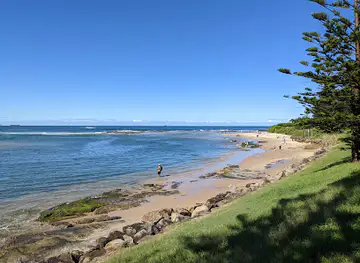
Memorial Park
Discover the natural beauty and vibrant community events at Memorial Park, a coastal gem in The Entrance, New South Wales.

Reflections Norah Head Lighthouse
Discover the historic Reflections Norah Head Lighthouse, a stunning coastal landmark in New South Wales, perfect for photography, exploration, and relaxation.
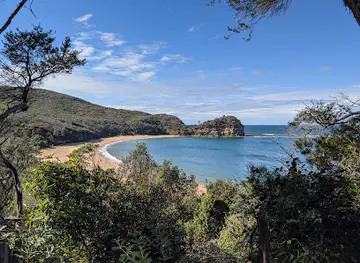
Bouddi National Park
Experience the breathtaking landscapes and unique wildlife of Bouddi National Park, a must-visit destination for nature lovers on the Central Coast of New South Wales.

Best restaurants in Central Coast
Top-rated picks
Best Restaurants

Gosford RSL Club
Explore diverse cuisines at Gosford RSL Club - where Argentinian flavors meet Asian fusion in a vibrant setting.

Woy Woy Fishermen's Wharf
Discover fresh seafood delights at Woy Woy Fishermen's Wharf - where local catches meet stunning waterfront views.

The BOX on the Water
Discover exceptional dining at The BOX on the Water in Ettalong Beach—where gourmet cuisine meets stunning waterfront views.

Diggers The Entrance
Experience vibrant dining at Diggers The Entrance - where great food meets lively entertainment in Long Jetty.

Best bars in Central Coast
Top-rated picks
Best Bars

Gosford RSL Club
Discover the vibrant culinary scene at Gosford RSL Club, featuring diverse dining options and a lively bar atmosphere in West Gosford.

The BOX on the Water
Experience the beauty of Ettalong Beach at The BOX on the Water, where delicious food meets stunning waterfront views in a vibrant atmosphere.

Railway Hotel Gosford Bar & Steakhouse
Indulge in exquisite steaks, vibrant live music, and a lively pub atmosphere at Railway Hotel Gosford, the ultimate destination for food lovers.

Motel Mezza Social Bar
Experience Wyong's vibrant dining scene at Motel Mezza Social Bar, where unique cocktails meet a warm, inviting atmosphere.

Best nightclubs in Central Coast
Top-rated picks
Best Nightclubs

Gosford RSL Club
Discover the vibrant culinary scene at Gosford RSL Club, featuring Argentinian, Asian fusion, and modern Australian delights in a welcoming atmosphere.

Mingara Recreation Club
Experience leisure and entertainment at Mingara Recreation Club, the ultimate destination for fitness, dining, and fun in Tumbi Umbi, New South Wales.

Central Coast Leagues Club
Central Coast Leagues Club offers a vibrant atmosphere with dining, recreation, and event facilities, embodying local culture and community spirit in Gosford.

Wallarah Bay Recreation Club
Experience vibrant dining, drinks, and events at Wallarah Bay Recreation Club, a top destination in Gorokan, New South Wales.

Best shops in Central Coast
Top-rated picks
Best Shops

Westfield Tuggerah
Explore Westfield Tuggerah, a bustling shopping mall in New South Wales with diverse stores, dining, and entertainment for every visitor.

Erina Fair
Discover the vibrant shopping, dining, and entertainment options at Erina Fair, a top destination in New South Wales for tourists and locals alike.

Imperial Centre Gosford
Discover the best shopping experience at Imperial Centre Gosford, featuring diverse retail options, dining experiences, and family-friendly entertainment.

Wyoming Shopping Centre
Explore the local charm of Wyoming Shopping Centre, where shopping meets community spirit and culinary delights await.

Explore Central Coast on the Map
A handpicked selection of must-see spots in Central Coast, mapped for you.
Central Coast Essentials
-
The Central Coast is conveniently located between Sydney and Newcastle in New South Wales. The closest airport is Newcastle Airport, approximately 90 kilometers away, which offers domestic flights. For international visitors, Sydney Kingsford Smith Airport is about 100 kilometers south. From either airport, you can rent a car or take a train to the Central Coast. Regular train services run from Sydney and Newcastle, with several stops along the Central Coast, including Gosford and Wyong.
-
Getting around the Central Coast is relatively easy, with various options available. The region is well-served by public buses operated by Busways and Red Bus Services, which connect major towns and suburbs. Trains operated by NSW TrainLink provide convenient travel between Sydney, Newcastle, and Central Coast stations. Taxis and rideshare services like Uber are readily available. For those who prefer more flexibility, car rentals are widely available and recommended for exploring the more remote areas and beaches.
-
Australia's official currency is the Australian Dollar (AUD). Credit and debit cards are widely accepted in hotels, restaurants, and shops throughout the Central Coast. ATMs are plentiful, particularly in larger towns such as Gosford, Wyong, and The Entrance. It's advisable to carry some cash for smaller establishments, local markets, and for use in more remote areas.
-
The Central Coast is generally a safe destination for tourists. However, like any travel location, it's important to take standard precautions. Avoid walking alone at night in unfamiliar areas and always keep an eye on your belongings in crowded places. Areas such as Wyong and Gosford have higher crime rates, so extra caution is advised, especially after dark. Always stay vigilant and aware of your surroundings.
-
In case of an emergency, dial 000 for immediate assistance. This number can connect you to police, fire, and ambulance services. Major hospitals such as Gosford Hospital and Wyong Hospital provide medical care, and there are numerous medical centers and pharmacies throughout the region. It is highly recommended to have travel insurance that covers medical emergencies. For minor health issues, local pharmacies can provide over-the-counter medications.
-
Fashion: Do dress casually and comfortably, especially for beach outings. However, avoid overly revealing clothing when visiting local communities or dining establishments. Religion: Do respect local customs and traditions, although the Central Coast is relatively secular. Public Transport: Do be respectful and give up your seat to elderly passengers. Don't eat or drink on public transport. Greetings: Do greet people with a friendly 'hello' or 'hi'. A handshake is also common. Eating & Drinking: Do try the local seafood and regional wines. Don't refuse hospitality, as it is considered impolite.
-
To experience the Central Coast like a local, visit the weekend farmers' markets where you can buy fresh produce and handmade goods. Engage with the locals, as they are often friendly and willing to share tips about the best secret beaches and walking trails. Don't miss visiting the beautiful Bouddi National Park and the scenic coastal walk from Putty Beach to Macmasters Beach. For a unique experience, take a ferry from Ettalong to Palm Beach, offering stunning views of the coastline.
When is the best time to visit Central Coast?
Useful Local Phrases for Central Coast
You don't need to speak the language perfectly. Even learning a few simple words can make conversations warmer—and locals usually appreciate the effort.
— Eve

Here are the phrases I use most often in Central Coast. Try a few—you'll be surprised how far they go! 😊
❤️
-
- HelloG’day
[g'day] - GoodbyeSee ya
[see ya] - YesYeah
[yeh] - NoNah
[nah] - Please/You're welcomeNo worries
[no worries] - Thank youCheers
[cheers] - Excuse me/SorrySorry mate
[sorry mate] - How are you?How’s it going?
[how's it going?] - Fine. And you?Good, you?
[good, you?] - Do you speak English?Do ya speak English?
[do ya speak English?] - I don't understandI don’t get it
[I don’t get it]
- HelloG’day
-
- I'd like to see the menu, pleaseCan I have a look at the menu?
[can I have a look at the menu?] - I don't eat meatI’m a vegetarian
[I'm a vegetarian] - Cheers!Cheers!
[cheers!] - I would like to pay, pleaseCan I get the bill, please?
[can I get the bill, please?]
- I'd like to see the menu, pleaseCan I have a look at the menu?
-
- Help!Help!
[help!] - Go away!Get lost!
[get lost!] - Call the Police!Call the cops!
[call the cops!] - Call a doctor!Get a doctor!
[get a doctor!] - I'm lostI’m lost
[I'm lost] - I'm illI’m sick
[I'm sick]
- Help!Help!
-
- I'd like to buy...I wanna buy...
[I wanna buy...] - I'm just lookingJust browsing, thanks
[just browsing, thanks] - How much is it?How much is this?
[how much is this?] - That's too expensiveThat's a bit steep
[that's a bit steep] - Can you lower the price?Can you do a better price?
[can you do a better price?]
- I'd like to buy...I wanna buy...
-
- What time is it?What’s the time?
[what's the time?] - It's one o'clockIt’s one o'clock
[it's one o'clock] - Half past (10)Half past ten
[half past ten] - MorningMorning
[morning] - AfternoonArvo
[arvo] - EveningEvening
[evening] - YesterdayYesterday
[yesterday] - TodayToday
[today] - TomorrowTomorrow
[tomorrow] - 1One
[one] - 2Two
[two] - 3Three
[three] - 4Four
[four] - 5Five
[five] - 6Six
[six] - 7Seven
[seven] - 8Eight
[eight] - 9Nine
[nine] - 10Ten
[ten]
- What time is it?What’s the time?
-
- Where's a/the...?Where's the...?
[where's the...?] - What's the address?What’s the address?
[what's the address?] - Can you show me (on the map)?Can you show me on the map?
[can you show me on the map?] - When's the next (bus)?When’s the next bus?
[when's the next bus?] - A ticket (to ....)One ticket to...
[one ticket to...]
- Where's a/the...?Where's the...?
History of Central Coast
-
The Central Coast has been home to the Darkinjung, Guringai, and Awabakal people for thousands of years. These Indigenous communities have left a rich legacy, including rock engravings, cave paintings, and shell middens. Their deep connection to the land is evident in the sacred sites scattered throughout the region, offering a glimpse into their spiritual and cultural practices.
-
The Central Coast was first mapped by European explorers in the late 18th century. Governor Arthur Phillip, the first Governor of New South Wales, explored the area in 1788. The region was initially overlooked for settlement due to its rugged terrain and dense forests, but it soon became a vital point of interest for timber and agriculture.
-
Settled in the early 19th century, Gosford quickly became the administrative and commercial hub of the Central Coast. The establishment of rail links in 1887 significantly boosted the town’s growth, transforming it into a vital link between Sydney and Newcastle. The development of Gosford is a cornerstone in the history of the Central Coast, marking the transition from isolated communities to a connected region.
-
Originally small fishing villages, Woy Woy and Ettalong saw significant growth with the advent of the railway and improved road connections in the early 20th century. These towns evolved into popular holiday destinations, attracting visitors with their stunning waterways and laid-back atmosphere. The Palm Beach ferry service, established in the 1920s, further cemented their status as key tourist spots.
-
Wyong's history is deeply linked to the dairy and timber industries. The town emerged as an important industrial center in the late 19th and early 20th centuries. The establishment of the Wyong Milk Factory in 1906 was a significant milestone, fostering economic growth and contributing to the region's development. This period marked Wyong’s transformation from a rural outpost to a bustling industrial town.
-
Terrigal and Avoca Beach are renowned for their vibrant surf culture. These coastal towns became popular in the mid-20th century, drawing surfers and beachgoers from all over Australia. Surf clubs, established in the 1920s and 1930s, played a crucial role in promoting beach safety and community spirit. Today, they remain iconic destinations, reflecting the Central Coast’s enduring love affair with the sea.
-
The Entrance has a storied past as a major recreational hub. Known for its scenic waterways and family-friendly attractions, the town has been a favorite holiday spot since the early 1900s. The establishment of the Tuggerah Lakes steamers and the construction of the bridge in 1934 were pivotal in making The Entrance accessible to tourists, solidifying its reputation as a premier destination for relaxation and leisure.
-
The Central Coast has a long history of environmental conservation. The establishment of national parks such as Bouddi National Park in 1935 and Brisbane Water National Park in 1959 highlights the region’s commitment to preserving its natural beauty. These protected areas are home to diverse flora and fauna, offering visitors the chance to experience the unspoiled wilderness that makes the Central Coast unique.
Neighbouring Regions of Central Coast
The closest regions to Central Coast, if you have time for more than one.




Your all‑in‑one travel companion app
Explore expert travel guides, compare and book tours, experiences, hotels, and more—all from the palm of your hand. Download now for seamless trip planning wherever your wanderlust takes you.


Explore More of Australia

Looking beyond Central Coast? Discover Australia for broader travel guides, local hot-spots, and regional highlights.
Explore AustraliaCentral Coast in Photos
Browse through our photo collection highlighting the charm and character of the destination.


Central Coast: Australia's Coastal Paradise
The Central Coast of Australia is a coastal gem nestled between Sydney and Newcastle. Known for its stunning beaches, tranquil national parks, and vibrant local culture, this destination offers a diverse range of activities for all types of travelers. From the pristine sands of Terrigal Beach to the lush forests of Bouddi National Park, the Central Coast is a haven for nature lovers and adventure seekers alike. Explore charming seaside towns like Avoca Beach and Ettalong Beach, where you can enjoy fresh seafood, boutique shopping, and a relaxed atmosphere. The region's rich Aboriginal heritage is also on display, with various cultural sites and experiences available to deepen your understanding of Australia's indigenous history. Water sports enthusiasts will find plenty to do, with opportunities for surfing, kayaking, and fishing. For a more laid-back experience, take a scenic coastal walk or visit one of the many local wineries and breweries. Whether you're looking for excitement or relaxation, the Central Coast has something to offer every visitor.