

Free Illawarra Travel Guide & Mobile App
Explore Illawarra with free travel guides. Discover regional history, expert tips, proposed trips, and audio guides on web or mobile app.


Explore Illawarra's beaches, escarpment forests, coastal towns, Aboriginal heritage, industrial history and relaxed food culture south of Sydney.
Read more about Illawarra
When is the best time to visit Illawarra?
Best: December–February · 25–27°C| Month | High (°C) | Rainfall (mm) |
|---|---|---|
| January (best) | 26 | 90 |
| February (best) | 27 | 100 |
| March | 24 | 110 |
| April | 21 | 90 |
| May | 18 | 80 |
| June | 15 | 70 |
| July | 14 | 70 |
| August | 15 | 80 |
| September | 18 | 90 |
| October | 20 | 100 |
| November | 22 | 110 |
| December (best) | 25 | 120 |
Getting to and around Illawarra
How to get there
Transportation
Best attractions in Illawarra
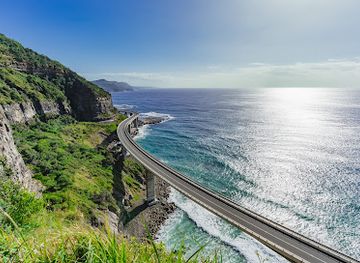
Illawarra's attractions range from urban waterfronts to forested escarpment trails. Wollongong's beaches, harbour and city cultural venues provide an accessible introduction to the region, while the Wollongong Botanic Garden offers landscaped grounds beneath Mount Keira. The Nan Tien Temple at Berkeley is a major Buddhist temple complex and a distinctive place for cultural visits, gardens and quiet reflection. Around Lake Illawarra, foreshore parks, boating areas and bird-rich wetlands create a calmer contrast to the open Pacific coast. Shellharbour combines beaches, a marina and coastal recreation, while Kiama is known for its blowhole, headland walks and historic town centre. The northern coastal road leads towards the Sea Cliff Bridge at Clifton, an engineering landmark with dramatic ocean views. Inland, the Illawarra Escarpment and adjacent reserves offer bushwalking, lookouts and opportunities to observe eucalyptus forest and rainforest species; conditions vary between accessible urban trails and more demanding tracks. Dharawal National Park on the region's western and northern side adds sandstone country, heath and Aboriginal cultural landscapes. The region's attraction pattern is therefore strongly geographical: beaches and harbours along the east, industrial and cultural sites around Wollongong and Port Kembla, and quieter forest and farming landscapes towards the escarpment.
-
Tourist attraction
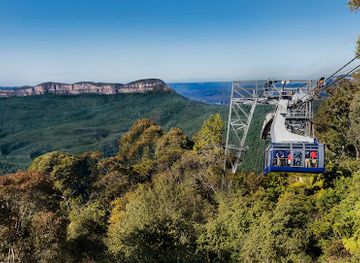
Scenic World
Explore Scenic World in Katoomba for breathtaking views, thrilling rides, and unforgettable adventures in the heart of the Blue Mountains.
-
Tourist attraction
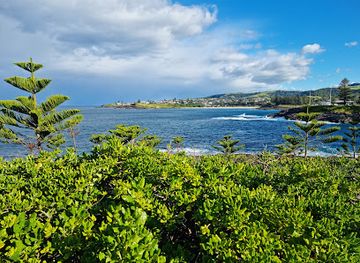
Kiama Lighthouse
Explore the historic Kiama Lighthouse on Blowhole Point, offering stunning views and a glimpse into maritime history. A must-see South Coast landmark.
-
Hindu temple
Sri Venkateswara Temple Helensburgh Limited NSW Australia
Discover the tranquil beauty and rich spiritual heritage of Sri Venkateswara Temple in Helensburgh, a unique tourist attraction in New South Wales.
-
Zoo
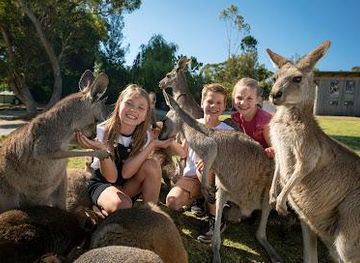
Symbio Wildlife Park
Experience the enchanting wildlife and engaging activities at Symbio Wildlife Park in Helensburgh, a premier destination for animal lovers and families.

Best landmarks in Illawarra
The Illawarra Escarpment is the region's defining natural landmark, rising sharply behind the coastal plain and forming a continuous green backdrop to Wollongong, Bulli and the southern coastal towns. Mount Keira is particularly closely associated with Wollongong, while the escarpment's cliffs, lookouts and forested slopes reveal the geological and industrial character of the region. Wollongong Harbour's lighthouse precinct marks the city's maritime history, and the nearby Flagstaff Point area combines coastal scenery with reminders of historic harbour defence. The Sea Cliff Bridge near Clifton carries the coastal road across a rocky shoreline beneath the northern escarpment and is one of the region's most recognisable pieces of infrastructure. Kiama Blowhole, set among volcanic headlands and ocean platforms, is a prominent natural symbol, although viewing conditions depend on swell and wind. Port Kembla's harbour and industrial skyline represent the modern economic history of steelmaking and heavy industry. The Nan Tien Temple at Berkeley provides a contrasting architectural landmark, with its substantial Buddhist buildings and grounds visible from the surrounding plain. Together these places express Illawarra's central contrasts: steep forested land, exposed coast, working harbours and a culturally diverse urban society.
-
Tourist attraction
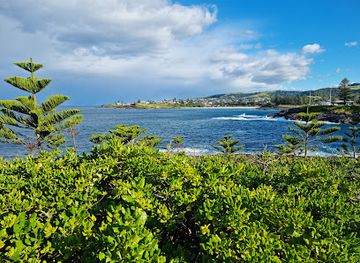
Kiama Lighthouse
Discover the breathtaking views and rich history at Kiama Lighthouse, a must-visit destination along the New South Wales coast.
-
Bridge
Sea Cliff Bridge
Discover the iconic Sea Cliff Bridge, a stunning coastal drive offering breathtaking views and unforgettable experiences in New South Wales.
-
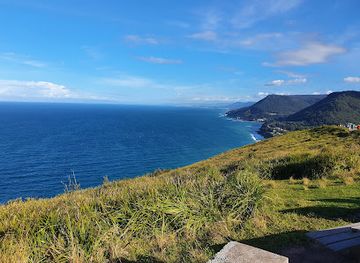
Vista point
Stanwell Tops Lookout
Experience the stunning views of the Illawarra coastline at Stanwell Tops Lookout, a must-visit destination for nature lovers and photographers alike.
-
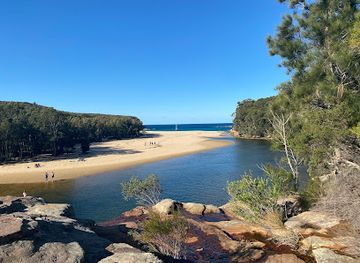
Public beach
Wattamolla Beach
Experience the tranquility and beauty of Wattamolla Beach, a hidden gem in Royal National Park, perfect for relaxation, hiking, and enjoying nature's wonders.
Explore Illawarra on the map
Plan your trip on one map. See where the top cities, national parks and sights are, and book hotels and experiences in a few clicks.
Best hotels in Illawarra
Best restaurants in Illawarra
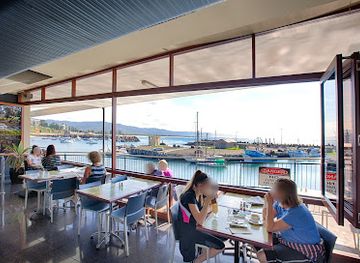
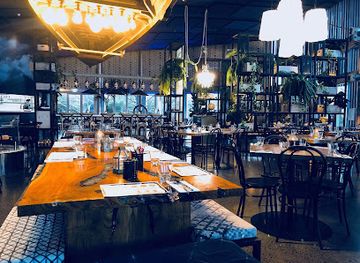
Illawarra dining reflects its position between the ocean, fertile coastal plain and multicultural cities. Wollongong has the broadest choice, from cafés and bakeries to restaurants influenced by the region's Italian, Greek, Lebanese, Asian and other migrant communities. Seafood features prominently in coastal menus, while fish-and-chip shops, harbour eateries and casual dining suit a relaxed seaside itinerary. Around Kiama and Shellharbour, visitors will find cafés, pubs and restaurants using familiar Australian produce alongside contemporary cooking; the surrounding dairy country is especially relevant to local food identity. Regional farmers' markets and produce stalls can offer fruit, vegetables, baked goods and small-scale products, though locations and schedules vary. Craft breweries and modern Australian menus complement traditional pubs, while rural districts retain country inns and family-run cafés. Rather than one defining regional dish, Illawarra's culinary character lies in the meeting of coastal seafood, agricultural produce and a diverse urban population, with the best choice of dining concentrated in Wollongong and the larger coastal town centres.
-
Seafood
Lagoon Seafood Restaurant
Discover exquisite seafood dining with breathtaking ocean views at Lagoon Seafood Restaurant in North Wollongong.
-
American
His Boy Elroy
Experience the vibrant taste of America at His Boy Elroy - where delicious food meets a lively atmosphere in Wollongong.
-
Seafood
Bombora Seafood Cafe/Restaurant
Discover Bombora Seafood Cafe in Wollongong - where fresh seafood meets stunning ocean views in a vibrant dining atmosphere.
-
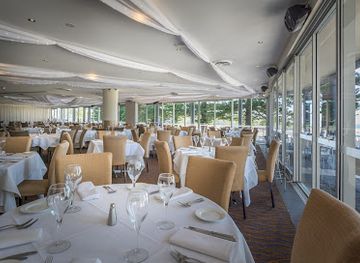
Restaurant
Steamers Bar and Grill
Discover fresh seafood and modern Australian cuisine at Steamers Bar and Grill in beautiful Wollongong.
Best bars in Illawarra
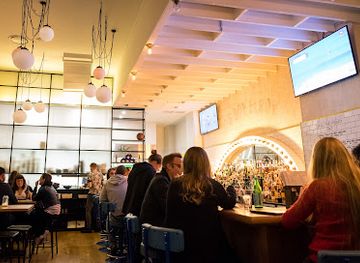
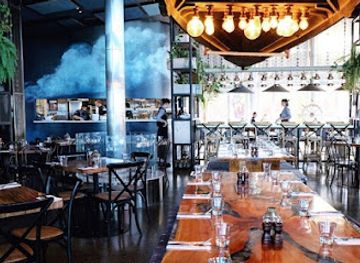
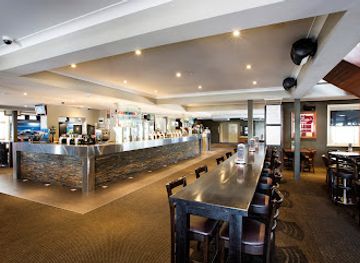
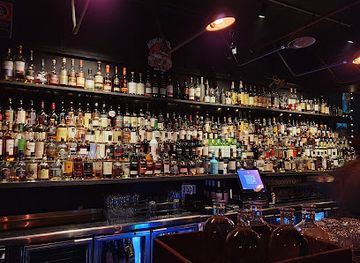
Evening life in Illawarra is concentrated mainly in Wollongong, where the city centre and nearby waterfront support pubs, cocktail bars, small live-music venues, restaurants and a modest club scene. University students contribute to the city's late-night calendar, while theatres, cinemas and cultural events provide alternatives to drinking-focused outings. Port Kembla and surrounding suburbs have a more local pub and live-music character, and Shellharbour, Kiama and the coastal villages generally favour restaurants, hotel bars, breweries and relaxed venues rather than large nightclubs. Friday and Saturday nights are usually the busiest, but opening arrangements and entertainment programmes change regularly. In rural and escarpment districts, evening options are limited and driving distances matter, so visitors should plan transport before staying out late. A coastal sunset, an oceanfront meal or a quiet drink in a historic pub often better reflects the region's evening rhythm than an intensive nightclub itinerary.
-
Bar
Steamers Bar and Grill
Discover the culinary delights of modern Australian cuisine at Steamers Bar and Grill, overlooking the stunning Wollongong coastline.
-
Pub
North Wollongong Hotel
Discover the North Wollongong Hotel - a vibrant pub and bistro offering delicious meals, refreshing drinks, and stunning coastal views in New South Wales.
-
Bar
Howlin' Wolf Whiskey Bar Wollongong
Discover Howlin' Wolf Whiskey Bar - Wollongong's premier destination for live music, exquisite whiskeys, and a vibrant nightlife experience.
-
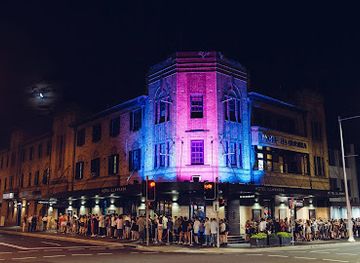
Pub
The Illawarra Hotel
Experience the lively atmosphere and delicious cuisine at The Illawarra Hotel, Wollongong's premier pub destination.
Best nightclubs in Illawarra
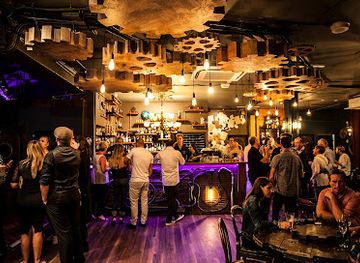
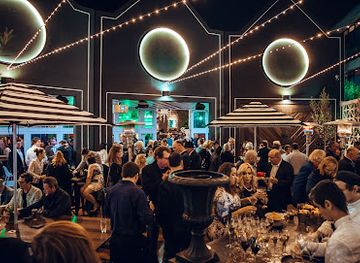
Evening life in Illawarra is concentrated mainly in Wollongong, where the city centre and nearby waterfront support pubs, cocktail bars, small live-music venues, restaurants and a modest club scene. University students contribute to the city's late-night calendar, while theatres, cinemas and cultural events provide alternatives to drinking-focused outings. Port Kembla and surrounding suburbs have a more local pub and live-music character, and Shellharbour, Kiama and the coastal villages generally favour restaurants, hotel bars, breweries and relaxed venues rather than large nightclubs. Friday and Saturday nights are usually the busiest, but opening arrangements and entertainment programmes change regularly. In rural and escarpment districts, evening options are limited and driving distances matter, so visitors should plan transport before staying out late. A coastal sunset, an oceanfront meal or a quiet drink in a historic pub often better reflects the region's evening rhythm than an intensive nightclub itinerary.
-
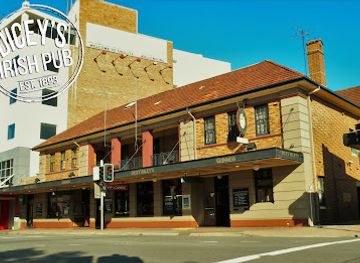
Irish pub
Dicey Riley's Hotel
Experience the lively atmosphere of Dicey Riley's Hotel, an Irish pub in Wollongong offering great food, drinks, and live music.
-
Leagues club
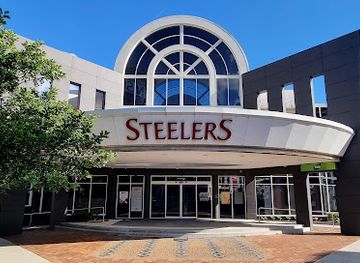
Illawarra Steelers
Discover the vibrant atmosphere of Illawarra Steelers, where sports, good food, and a lively bar unite in Wollongong.
-
Escape room center
Breakout Bar & Escape Rooms
Experience the thrill of escape rooms, enjoy a vibrant bar atmosphere, and sing your heart out at Breakout Bar & Escape Rooms in Wollongong, New South Wales.
-
Night club
Mr Crown
Experience the vibrant nightlife of Wollongong at Mr Crown, where live music and delicious dining create unforgettable nights out.
Best shops in Illawarra
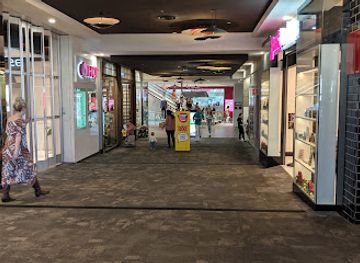
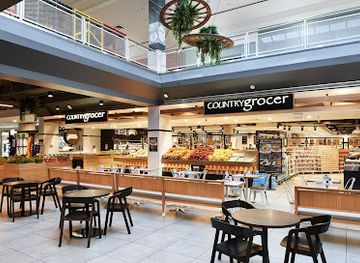
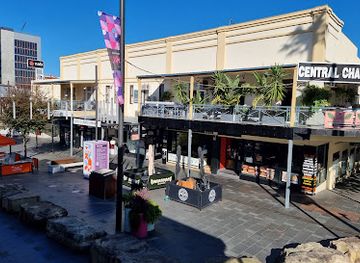
Shopping in Illawarra is centred on Wollongong's city centre and suburban commercial areas, with larger retail complexes serving everyday needs and independent businesses adding cafés, books, fashion, homewares and gifts. Kiama has a compact visitor-oriented centre with galleries, craft shops, local food products and boutiques, while Shellharbour offers a mixture of town-centre, marina and suburban retail. Farmers' markets and community markets are useful for seasonal produce, baked goods, preserves and small-scale crafts, but dates and locations vary. Regional food products make practical souvenirs, particularly carefully packaged dairy goods, preserves, chocolate, coffee and locally made drinks. Galleries and studios around the coastal towns may offer ceramics, prints, jewellery and Aboriginal art, but buyers should seek clear information about provenance and purchase from reputable sellers. The region is not primarily a luxury-shopping destination; its appeal lies in independent retail, practical coastal-town shopping and produce connected with the surrounding farms and food businesses.
-
Shopping mall
Wollongong Central Shopping Centre
Discover an array of shopping, dining, and entertainment options at Wollongong Central Shopping Centre, the heart of retail in Wollongong, Australia.
-
Shopping mall
Warrawong Plaza
Explore Warrawong Plaza: A vibrant shopping mall with diverse stores, dining, and a welcoming atmosphere in New South Wales.
-
Shopping mall
Crown Street Mall
Explore Crown Street Mall in Wollongong, a vibrant shopping and dining destination offering a delightful mix of local culture and retail therapy.
-
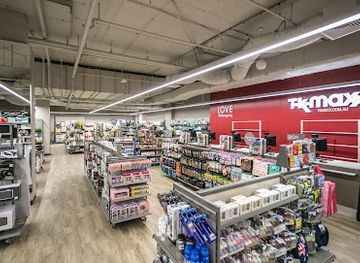
Department store
TK Maxx Wollongong
Uncover fantastic deals and unique finds at TK Maxx Wollongong – your go-to destination for affordable fashion and homeware.
Get your free copy of our complete guide to Illawarra, delivered straight to you.
Everything on this page, from attractions and restaurants to essentials and local phrases, in one PDF you can read offline, print or share.
Already have an account? Sign in
Your Illawarra guide is ready.
We'll send it to · Not you? Sign out

Getting your guide ready…
We are putting together a fresh copy of the Illawarra guide. This can take up to a minute.
This can take a few moments. If your browser asks, choose Allow so the download can start. You'll find the guide in your Downloads folder.
Nothing happened? Download it again
Sorry, the guide is taking longer than usual. Please try again in a minute, or get it by email instead.
Illawarra essentials
Currency and Payment
Safety
Emergency Situations
Do's and Don'ts
Local Tips
From Eve
Local phrases worth knowing
You don't need to get them perfect. A few words go a long way, and locals appreciate the effort.
Basics
| English | Local | Say it |
|---|---|---|
| Hello | G’day | [guh-day] |
| Goodbye | See ya | [see yah] |
| Yes | Yeah | [yeh] |
| No | Nah | [nah] |
| Please/You’re welcome | No worries | [no wuh-rees] |
| Thank you | Thanks mate | [thanks mate] |
| Excuse me/Sorry | Sorry mate | [sorry mate] |
| How are you? | How ya going? | [how yah goin] |
| Fine. And you? | Good, and you? | [good, an' you?] |
| Do you speak English? | You speakin’ English? | [ya speakin' English?] |
| I don’t understand | I don’t get it | [I don’t get it] |
Eating & Drinking
| English | Local | Say it |
|---|---|---|
| I’d like to see the menu, please | Can I see the menu? | [can I see the menu?] |
| I don’t eat meat | I’m a vegetarian | [I'm a veg-eh-tarian] |
| Cheers! | Cheers! | [cheers] |
| I would like to pay, please | Can I get the bill, please? | [can I get the bill, please?] |
Emergencies
| English | Local | Say it |
|---|---|---|
| Help! | Help! | [help] |
| Go away! | Get lost! | [get lost] |
| Call the Police! | Call the cops! | [call the cops] |
| Call a doctor! | Get a doctor! | [get a doctor] |
| I’m lost | I’m lost | [I'm lost] |
| I’m ill | I’m not feeling well | [I’m not feelin' well] |
Shopping
| English | Local | Say it |
|---|---|---|
| I’d like to buy... | I want to buy... | [I want to buy...] |
| I’m just looking | Just having a look | [just havin' a look] |
| How much is it? | How much? | [how much?] |
| That’s too expensive | That’s a bit steep | [that’s a bit steep] |
| Can you lower the price? | Can you do a deal? | [can you do a deal?] |
Time & Numbers
| English | Local | Say it |
|---|---|---|
| What time is it? | What’s the time? | [what’s the time?] |
| It’s one o’clock | It’s one o’clock | [it’s one o’clock] |
| Half past (10) | Half past ten | [half past ten] |
| Morning | Morning | [morning] |
| Afternoon | Arvo | [arvo] |
| Evening | Evening | [evening] |
| Yesterday | Yesterday | [yesterday] |
| Today | Today | [today] |
| Tomorrow | Tomorrow | [tomorrow] |
| 1 | One | [one] |
| 2 | Two | [two] |
| 3 | Three | [three] |
| 4 | Four | [four] |
| 5 | Five | [five] |
| 6 | Six | [six] |
| 7 | Seven | [seven] |
| 8 | Eight | [eight] |
| 9 | Nine | [nine] |
| 10 | Ten | [ten] |
Transport & Directions
| English | Local | Say it |
|---|---|---|
| Where's a/the...? | Where’s the...? | [where’s the...?] |
| What’s the address? | What’s the address? | [what’s the address?] |
| Can you show me (on the map)? | Can you show me on the map? | [can you show me on the map?] |
| When’s the next (bus)? | When’s the next bus? | [when’s the next bus?] |
| A ticket (to ....) | A ticket to... | [a ticket to...] |
History of Illawarra
Dharawal Country before European settlement
The Illawarra lies within Dharawal Country, whose Aboriginal communities developed detailed knowledge of the escarpment, rainforest, coastal lagoons, rivers and sea. Seasonal movement, food gathering, fishing and ceremonial life were connected to these environments rather than divided by modern municipal boundaries. European settlement brought dispossession, violence and profound disruption, but Dharawal culture and custodianship continue through community, education and cultural interpretation. Visitors encounter this living heritage in the names of local places, in public interpretation and through the continuing importance of Country to Aboriginal people.
Early colonial exploration and settlement
European knowledge of the Illawarra expanded during the early nineteenth century, after coastal exploration and the establishment of colonial routes south of Sydney. The escarpment made access difficult, while the fertile plain and sheltered waterways attracted pastoralists, farmers and timber workers. Small settlements developed around transport routes, coastal landings and agricultural districts. Dapto, for example, grew as a farming and transport centre, while Wollongong became the principal port and administrative town. The colonial landscape was built through the appropriation of Dharawal land and the labour of Aboriginal and non-Aboriginal workers.
Coal mining and the growth of Wollongong
Coal transformed the Illawarra from a largely agricultural district into an important industrial region. Mining expanded during the nineteenth century around Wollongong, Mount Keira, Mount Kembla, Bulli and neighbouring escarpment settlements, with coal transported to the coast by rail and shipping routes. The industry created mining communities, company infrastructure and a strong labour movement, but it also brought dangerous working conditions and lasting environmental change. The 1902 Mount Kembla mine disaster, one of Australia's worst mining disasters, remains a significant part of regional memory and industrial history.
Railways, ports and coastal connection
Railway construction in the late nineteenth century connected Illawarra's mines and settlements with Sydney and the wider New South Wales economy. Engineering the line through the escarpment was a major undertaking, and the railway helped establish Wollongong as the region's commercial centre. Coastal shipping and harbour improvements supported the movement of coal and agricultural goods, while roads gradually linked the coastal plain with the Southern Highlands. These transport developments reduced the region's isolation and shaped the pattern of towns that visitors see today.
Steelmaking and industrial Wollongong
Large-scale steel production became central to Wollongong's identity during the twentieth century, particularly after the establishment and expansion of major works at Port Kembla. The industry attracted workers from across Australia and from many overseas communities, contributing to the region's cultural diversity and urban growth. Port Kembla developed as a major industrial port, while suburban Wollongong expanded around employment, education and transport. Steelmaking remains an important part of the regional economy and landscape, even as the Illawarra has diversified into health, education, services, tourism and advanced manufacturing.
Migration, education and regional diversification
Post-war migration changed the social and culinary character of the Illawarra, with families from Europe, the Middle East, Asia and elsewhere joining established Aboriginal and Australian communities. Wollongong's university and broader education sector became increasingly important to the region's economy and public life. Cultural institutions, festivals, restaurants and community organisations reflect this history. More recently, former industrial areas and coastal precincts have been complemented by creative industries, recreation and visitor economies, while debates about employment, housing, environmental protection and the future of steel continue to shape the region.
Illawarra in Photos
Browse through our photo collection highlighting the charm and character of the destination.
Neighbouring regions of Illawarra
The closest regions to Illawarra, if you have time for more than one.
-

-

-

-

-


Swipe for more regions
Explore more

Explore more of Australia
Discover the diverse landscapes, vibrant cities, and unique wildlife of Australia, a captivating destination offering endless adventures and unforgettable experiences.
Explore Australia