

Free Sydney Basin Travel Guide & Mobile App
Explore Sydney Basin with free travel guides. Discover regional history, expert tips, proposed trips, and audio guides on web or mobile app.


Explore the Sydney Basin for harbour landmarks, sandstone bushland, Aboriginal heritage, mountain walks, coastal beaches and diverse Australian food.
Read more about Sydney Basin
When is the best time to visit Sydney Basin?
Best: October–December · 24–27°C| Month | High (°C) | Rainfall (mm) |
|---|---|---|
| January | 27 | 101 |
| February | 27 | 118 |
| March | 26 | 130 |
| April | 23 | 126 |
| May | 20 | 108 |
| June | 17 | 103 |
| July | 17 | 97 |
| August | 19 | 85 |
| September | 22 | 68 |
| October (best) | 24 | 83 |
| November (best) | 26 | 83 |
| December (best) | 27 | 77 |
Getting to and around Sydney Basin
How to get there
Transportation
Top city travel guides in Sydney Basin
The cities of Sydney Basin, and the easiest places to base yourself.
-

-


Swipe for more cities
Destinations in Sydney Basin
Resorts, valleys and scenic spots worth a trip of their own.
-

-


Swipe for more destinations
Best attractions in Sydney Basin
The Sydney Basin combines metropolitan culture with a remarkable concentration of protected bushland and waterways. In Sydney, museums, galleries, harbour cruises, beaches and historic neighbourhoods provide the densest cluster of experiences, while Parramatta adds riverfront heritage and major cultural venues. North-west of the city, Ku-ring-gai Chase National Park and the Hawkesbury area offer kayaking, boating, bushwalking and Aboriginal heritage within a landscape of ridges and tidal inlets. The Central Coast brings surf beaches, Brisbane Water, lagoons and coastal walks, while the Royal National Park south of Sydney is known for cliffs, beaches, rainforest gullies and long-distance walking. On the western plateau, the Blue Mountains provide lookouts, waterfalls, canyon scenery, eucalyptus forest and walking routes around Katoomba, Wentworth Falls and Blackheath. The southern edge towards Wollongong adds escarpment views, beaches and industrial heritage. Conditions vary widely between urban attractions and remote tracks, so park alerts, weather forecasts and transport arrangements are important parts of planning.
-
Tourist attraction
Darling Harbour
Discover the vibrant atmosphere of Darling Harbour, Sydney's premier waterfront destination with attractions, dining, and stunning views.
-
Royal Botanic Garden Sydney
Explore the Royal Botanic Garden Sydney – a breathtaking haven of flora, stunning landscapes, and serene views, perfect for nature lovers and tourists alike.
-
Bridge
Sydney Harbour Bridge
Explore the Sydney Harbour Bridge, an iconic structure offering breathtaking views and a glimpse into Sydney's rich history and vibrant culture.
-
Park
Hyde Park
Discover the beauty of Hyde Park, Sydney's iconic urban park, filled with lush greenery, historical monuments, and vibrant cultural events.


Best landmarks in Sydney Basin
Sydney Harbour Bridge and the Sydney Opera House are the basin’s most recognisable landmarks, together defining the city’s relationship with Port Jackson and its twentieth-century architectural ambition. The sandstone terraces, lanes and waterfront buildings of The Rocks preserve an important, though heavily redeveloped, part of the colonial port settlement. Parramatta’s historic core includes Government House, Old Government House and the remains of early colonial administration within the broader Parramatta Park landscape. Outside the city, the Hawkesbury River is a major geographical landmark, cutting through wooded sandstone country before reaching the coast. In the Blue Mountains, the Three Sisters at Echo Point form one of Australia’s best-known natural viewpoints, while the escarpment and deep valleys provide the region’s defining landform. South of Sydney, the coastal cliffs and beaches of Royal National Park, including the landscape around Bundeena and Wattamolla, show the basin’s contrast between elevated sandstone and the Pacific shore. These places carry Aboriginal, environmental, colonial and modern cultural meanings that extend beyond their visual appeal.
-
Performing arts theater
Sydney Opera House
Experience the artistry and stunning architecture of the Sydney Opera House, a premier performing arts venue and a symbol of Australia's creative spirit.
-
Tourist attraction
Darling Harbour
Experience the vibrant atmosphere of Darling Harbour, Sydney's premier waterfront destination, brimming with entertainment, dining, and cultural attractions.
-
Zoo
Taronga Zoo Sydney
Experience the beauty of wildlife and conservation at Taronga Zoo Sydney, where over 4,000 animals await in a stunning harbor setting.
-
Botanical garden
Royal Botanic Garden Sydney
Discover the beauty and tranquility of the Royal Botanic Garden Sydney, a lush oasis featuring diverse plant life and stunning harbor views.


Explore Sydney Basin on the map
Plan your trip on one map. See where the top cities, national parks and sights are, and book hotels and experiences in a few clicks.
Best hotels in Sydney Basin
Best restaurants in Sydney Basin
Dining across the Sydney Basin reflects Australia’s immigration history and its access to coastal and agricultural produce. Sydney offers one of the country’s broadest restaurant scenes, from Asian, Middle Eastern, Mediterranean and European cuisines to contemporary Australian cooking, bakeries, cafés and seafood restaurants. Neighbourhood centres outside the city often provide particularly strong multicultural food traditions, while harbour and beach districts focus on seafood, casual dining and views. In the Blue Mountains, cafés, pubs, country restaurants and produce-led menus suit visitors exploring the plateau, and the Central Coast combines fish and chips, modern cafés, farm shops and relaxed waterside dining. Farmers’ markets and specialist food shops are useful places to find local fruit, vegetables, cheese, bread and small-batch products. Australian wines, craft beer and coffee are widely available, but the region’s culinary character lies less in one signature dish than in the meeting of Aboriginal ingredients, migrant cooking, coastal produce and urban innovation.
-
Modern Australian
O Bar and Dining
Discover modern Australian cuisine with breathtaking views at O Bar and Dining in Sydney's iconic skyline.
-
Cantonese
Mr. Wong
Experience the best of Cantonese cuisine at Mr. Wong in Sydney - where tradition meets modern culinary excellence.
-
Restaurant
The Grounds of Alexandria
Explore The Grounds of Alexandria: A Culinary Oasis in Sydney Offering Unique Dining Experiences Amidst Lush Gardens.
-
French
Restaurant Hubert
Experience the finest modern French cuisine in Sydney at Restaurant Hubert, where elegance meets culinary excellence.


Best bars in Sydney Basin
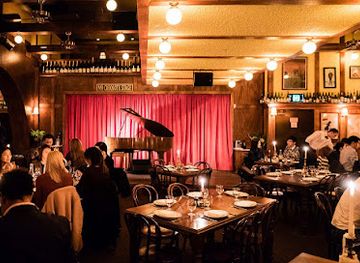
Nightlife is concentrated in Sydney, where the central city, Darling Harbour, small-bar precincts, live-music venues and theatre districts offer the widest choice. Inner-city neighbourhoods add wine bars, breweries, cocktail lounges, pubs and late-night restaurants, while beach suburbs generally favour relaxed bars and dining over large clubs. Parramatta has its own evening economy with restaurants, pubs, entertainment venues and cultural performances. In the Blue Mountains, Central Coast and southern basin, evenings are more commonly centred on historic pubs, hotel bars, breweries, live music, restaurants and early-closing cafés than on a dense nightclub scene. Summer weekends bring more activity to coastal towns, but visitors should not assume that rural or beach areas operate late every night. Licensing rules, venue entry policies and transport availability can vary, so arranging a safe journey back is important outside central Sydney.
-
Bar
The Baxter Inn
Discover The Baxter Inn, an iconic cocktail bar in Sydney, where exceptional drinks and a cozy ambiance create a memorable experience.
-
Cocktail bar
Stitch Bar
Immerse yourself in the lively atmosphere of Stitch Bar, a must-visit cocktail haven in Sydney offering delicious food and creative cocktails.
-
Restaurant
The Rook
Experience the vibrant culinary scene at The Rook, Sydney's premier rooftop bar and restaurant, where modern Australian cuisine meets stunning skyline views.
-
Bar
Marble Bar
Experience the nightlife of Sydney at Marble Bar, where exquisite cocktails meet thrilling live music in a luxurious setting.


Best nightclubs in Sydney Basin
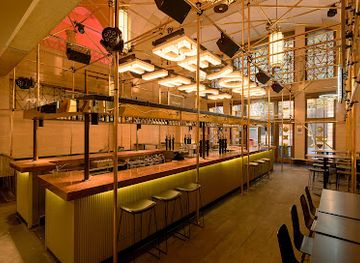
Nightlife is concentrated in Sydney, where the central city, Darling Harbour, small-bar precincts, live-music venues and theatre districts offer the widest choice. Inner-city neighbourhoods add wine bars, breweries, cocktail lounges, pubs and late-night restaurants, while beach suburbs generally favour relaxed bars and dining over large clubs. Parramatta has its own evening economy with restaurants, pubs, entertainment venues and cultural performances. In the Blue Mountains, Central Coast and southern basin, evenings are more commonly centred on historic pubs, hotel bars, breweries, live music, restaurants and early-closing cafés than on a dense nightclub scene. Summer weekends bring more activity to coastal towns, but visitors should not assume that rural or beach areas operate late every night. Licensing rules, venue entry policies and transport availability can vary, so arranging a safe journey back is important outside central Sydney.
-
Night club
Side Bar
Dive into Sydney's nightlife at Side Bar, a vibrant mix of dance, drinks, and diverse crowds in Haymarket.
-
RSL Club
Club Parramatta
Discover Club Parramatta: A lively hub for entertainment, dining, and relaxation right in the heart of the city.
-
Pub
Albion Hotel
Discover the lively Albion Hotel in Parramatta, where great food, drinks, and a vibrant atmosphere await every visitor.
-
Bar
The Carter Sydney
Experience the ultimate fusion of Asian cuisine and nightlife at The Carter Sydney, where dining meets dancing in a vibrant setting.


Best shops in Sydney Basin
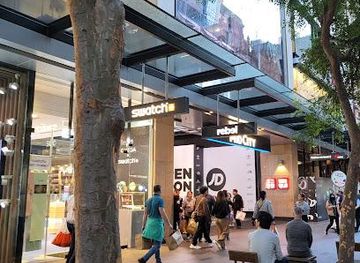
Shopping in the Sydney Basin ranges from major city retail to suburban high streets, village stores and produce markets. Central Sydney provides department stores, international brands, Australian designers, books, galleries and specialist food shops, while areas such as Paddington and the inner west are known for independent retail, fashion, vintage goods and cafés. Parramatta and other large suburban centres offer practical shopping and multicultural food stores. The Blue Mountains support smaller-scale shopping in towns including Katoomba and Leura, with galleries, books, crafts, homewares and locally made products rather than extensive luxury retail. Along the Central Coast and southern coast, visitors find surf shops, markets, independent makers and relaxed town-centre stores. Good regional purchases include Australian food products, Aboriginal art acquired through reputable and authorised sellers, locally made ceramics, textiles, books and natural skincare. Check provenance carefully for Aboriginal art and avoid buying cultural material with unclear or exploitative origins.
-
Shopping mall
Westfield Sydney
Discover a world of shopping, dining, and entertainment at Westfield Sydney, a premier destination in the heart of Australia's vibrant city.
-
Outlet mall
DFO Homebush
Discover unbeatable bargains and trendy finds at DFO Homebush, the ultimate outlet mall in New South Wales for unforgettable shopping experiences.
-
Department store
Myer
Explore Myer, Sydney's premier department store for fashion, homewares, and unique gifts, all in a stunning architectural setting.
-
Shopping mall
Pitt Street Mall
Experience the vibrant shopping scene at Pitt Street Mall, Sydney's iconic retail destination with shops, dining, and entertainment for everyone.


Get your free copy of our complete guide to Sydney Basin, delivered straight to you.
Everything on this page, from attractions and restaurants to essentials and local phrases, in one PDF you can read offline, print or share.
Already have an account? Sign in
Your Sydney Basin guide is ready.
We'll send it to · Not you? Sign out

Getting your guide ready…
We are putting together a fresh copy of the Sydney Basin guide. This can take up to a minute.
This can take a few moments. If your browser asks, choose Allow so the download can start. You'll find the guide in your Downloads folder.
Nothing happened? Download it again
Sorry, the guide is taking longer than usual. Please try again in a minute, or get it by email instead.
Sydney Basin essentials
Currency and Payment
Safety
Emergency Situations
Do's and Don'ts
Local Tips
From Eve
Local phrases worth knowing
You don't need to get them perfect. A few words go a long way, and locals appreciate the effort.
Basics
| English | Local | Say it |
|---|---|---|
| Hello | G'day | [guh-day] |
| Goodbye | See ya | [see yah] |
| Yes | Yeah | [yeh] |
| No | Nah | [nah] |
| Please/You're welcome | No worries | [no wurries] |
| Thank you | Cheers | [cheers] |
| Excuse me/Sorry | Sorry | [sorry] |
| How are you? | How's it going? | [how's it goin'?] |
| Fine. And you? | Good, you? | [good, you?] |
| Do you speak English? | Do ya speak English? | [do ya speak English?] |
| I don't understand | I dunno | [I dunno] |
Eating & Drinking
| English | Local | Say it |
|---|---|---|
| I'd like to see the menu, please | Can I see the menu, mate? | [can I see the menu, mate?] |
| I don't eat meat | I'm a vegetarian | [I'm a vegetarian] |
| Cheers! | Cheers! | [cheers] |
| I would like to pay, please | Can I get the bill, please? | [can I get the bill, please?] |
Emergencies
| English | Local | Say it |
|---|---|---|
| Help! | Help! | [help] |
| Go away! | Piss off! | [piss off] |
| Call the Police! | Call the cops! | [call the cops] |
| Call a doctor! | Get a doctor! | [get a doctor] |
| I'm lost | I'm a bit lost | [I'm a bit lost] |
| I'm ill | I'm not feeling well | [I'm not feeling well] |
Shopping
| English | Local | Say it |
|---|---|---|
| I'd like to buy... | I wanna buy... | [I wanna buy...] |
| I'm just looking | Just having a browse | [just having a browse] |
| How much is it? | What’s the price? | [what’s the price?] |
| That's too expensive | That's a bit steep | [that's a bit steep] |
| Can you lower the price? | Can ya do a better price? | [can ya do a better price?] |
Time & Numbers
| English | Local | Say it |
|---|---|---|
| What time is it? | What’s the time? | [what’s the time?] |
| It's one o'clock | It's one o'clock | [it's one o'clock] |
| Half past (10) | Half past ten | [half past ten] |
| Morning | Morning | [morning] |
| Afternoon | Arvo | [arvo] |
| Evening | Evening | [evening] |
| Yesterday | Yesterday | [yesterday] |
| Today | Today | [today] |
| Tomorrow | Tomorrow | [tomorrow] |
| 1 | One | [one] |
| 2 | Two | [two] |
| 3 | Three | [three] |
| 4 | Four | [four] |
| 5 | Five | [five] |
| 6 | Six | [six] |
| 7 | Seven | [seven] |
| 8 | Eight | [eight] |
| 9 | Nine | [nine] |
| 10 | Ten | [ten] |
Transport & Directions
| English | Local | Say it |
|---|---|---|
| Where's a/the...? | Where's the...? | [where's the...?] |
| What's the address? | What's the address? | [what's the address?] |
| Can you show me (on the map)? | Can ya show me on the map? | [can ya show me on the map?] |
| When's the next (bus)? | When’s the next bus? | [when’s the next bus?] |
| A ticket (to ....) | A ticket to... | [a ticket to...] |
History of Sydney Basin
Aboriginal custodianship before 1788
The Sydney Basin has been home to Aboriginal peoples for thousands of years, with Eora communities around the coastal Sydney area and Dharug, Dharawal, Darkinjung and Gundungurra peoples connected to adjoining waterways, forests and uplands. Rock engravings, shelters, shell middens, tools and named landscapes record long occupation and sophisticated knowledge of seasonal food sources, fire, travel routes and freshwater systems. These places are not simply archaeological remnants: they remain part of living cultural landscapes. Visitors encounter this history in national parks, cultural institutions and the continuing presence of Aboriginal communities across the region.
The First Fleet and early colonial Sydney
In 1788 the British established a penal colony at Sydney Cove, beginning a profound and often violent transformation of the basin’s coastal districts. The new settlement relied on harbour transport and gradually expanded along the coves and ridges around Port Jackson, while Aboriginal communities faced introduced disease, dispossession and conflict. Early colonial roads, farms, government buildings and military works spread beyond the original settlement. The surviving historic fabric of The Rocks, parts of Parramatta and other old river settlements reflects the first decades of British occupation, although much of the early landscape has since been absorbed into the metropolis.
Rivers, farming and transport expansion
The Parramatta River, Hawkesbury River and their tributaries shaped the colony’s economic development. Parramatta became an important agricultural and administrative centre, while the Hawkesbury lowlands supported farming despite repeated floods. Roads, ferries and later bridges connected scattered settlements, and the growth of coastal shipping strengthened Sydney’s relationship with surrounding districts. The opening of railway lines in the nineteenth century transformed access to the west, north and south, encouraging suburban growth and making mountain and coastal travel increasingly practical. These transport corridors still influence the region’s settlement pattern.
Sandstone, coal and industrial growth
The basin’s sandstone was widely quarried for buildings, walls, roads and harbour works, giving parts of Sydney a distinctive warm-coloured architectural character. Coal-bearing formations on the basin’s margins also supported mining, especially around the southern coalfields and the Illawarra. Port activity, manufacturing, engineering and construction expanded rapidly during the nineteenth and twentieth centuries, while Wollongong became a major steelmaking centre just south of Sydney. Industry altered waterways and shorelines but also created employment, transport infrastructure and communities whose history remains visible in museums, old workings and industrial districts.
The creation of national parks
Pressure from urban growth helped stimulate the protection of bushland, coastline and catchments. Royal National Park, established in 1879 south of Sydney, is widely recognised as the world’s second-oldest national park and set an important precedent for conserving accessible natural country near a major city. Ku-ring-gai Chase and other protected areas later safeguarded sandstone ridges, Aboriginal heritage, wetlands, forests and estuaries. In the Blue Mountains, national parks preserve extensive plateau and canyon landscapes. Conservation has not removed all pressures, but it has kept large areas of the basin available for ecological protection and recreation.
Post-war migration and metropolitan transformation
After the Second World War, Sydney and its surrounding basin expanded through immigration, suburban building, manufacturing and new motorways. Migrants from Europe, Asia, the Middle East and elsewhere reshaped the region’s food, commerce, faith communities and cultural life. Separate towns and rural districts became connected to a vast metropolitan economy, while Central Coast and mountain settlements developed as commuter, retirement and tourism centres. Contemporary Sydney Basin culture is therefore not a single local tradition but a layered combination of Aboriginal continuity, colonial institutions, migration, environmental activism and constantly changing urban life.
Sydney Basin in Photos
Browse through our photo collection highlighting the charm and character of the destination.
Neighbouring regions of Sydney Basin
The closest regions to Sydney Basin, if you have time for more than one.
-

-

-

-

-


Swipe for more regions
Explore more

Explore more of Australia
Discover the diverse landscapes, vibrant cities, and unique wildlife of Australia, a captivating destination offering endless adventures and unforgettable experiences.
Explore Australia