

Free Mid North Coast Travel Guide & Mobile App
Explore Mid North Coast with free travel guides. Discover regional history, expert tips, proposed trips, and audio guides on web or mobile app.


Explore Australia’s Mid North Coast for surf beaches, rainforest valleys, estuaries, Aboriginal heritage, coastal towns and fresh regional produce.
Read more about Mid North Coast
When is the best time to visit Mid North Coast?
Best: April, September–October · 23–26°C| Month | High (°C) | Rainfall (mm) |
|---|---|---|
| January | 28 | 130 |
| February | 28 | 140 |
| March | 27 | 150 |
| April (best) | 24 | 120 |
| May | 22 | 110 |
| June | 20 | 100 |
| July | 19 | 90 |
| August | 20 | 100 |
| September (best) | 23 | 110 |
| October (best) | 26 | 120 |
| November | 28 | 130 |
| December | 29 | 140 |
Getting to and around Mid North Coast
How to get there
Transportation
Best attractions in Mid North Coast
The Mid North Coast’s attractions are tied closely to its meeting of ocean, river and forest. Port Macquarie combines beaches, coastal walks, a historic penal-settlement story and the Koala Hospital, while nearby river and headland environments provide opportunities for kayaking, fishing and wildlife watching. Coffs Harbour is the main northern urban centre and a gateway to Solitary Islands Marine Park, where marine life, reefs and islands support diving, snorkelling and boat excursions subject to conditions. Around Forster and Tuncurry, the Great Lakes offer sheltered waterways, bird habitat and boating, with beaches and headlands nearby. South West Rocks adds coastal history through Trial Bay Gaol and access to Hat Head National Park. Further inland, Bellingen and the Bellinger Valley lead towards rainforest, waterfalls and escarpment walks, while the Manning and Macleay valleys offer farmland, historic settlements and quieter river landscapes. National parks, coastal reserves and forest tracks reward visitors prepared to travel beyond the main towns, but facilities and mobile coverage can be limited, so route planning is important.
-
Wildlife rescue service
Koala Conservation Hospital Port Macquarie
Witness koala rescue & rehabilitation efforts at this Port Macquarie conservation center. Learn about these marsupials and support their survival.
-
Tourist attraction
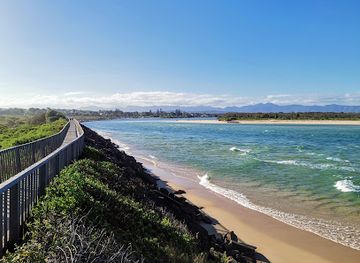
Urunga Boardwalk
Experience stunning river and ocean views on this accessible boardwalk, perfect for spotting wildlife and enjoying Urunga's natural beauty.
-
Tourist attraction
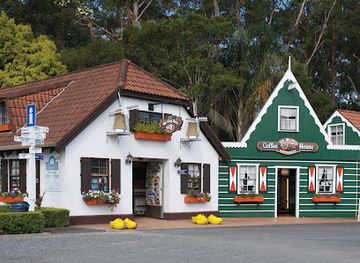
The Clog Barn Tourist Attraction & Caravan Park
Experience the unique cultural charm of The Clog Barn, a captivating tourist attraction blending tradition and nature in Coffs Harbour, New South Wales.
-
Tourist attraction
Sea Acres Rainforest Centre
Explore the lush beauty and biodiversity of Australia's coastal rainforests at Sea Acres Rainforest Centre in Port Macquarie.
Best landmarks in Mid North Coast
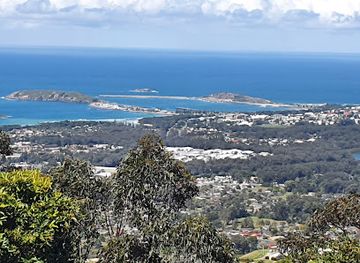
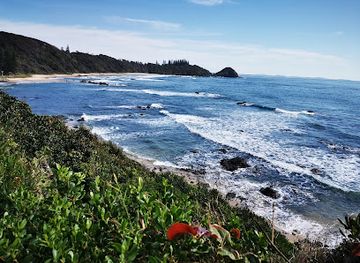
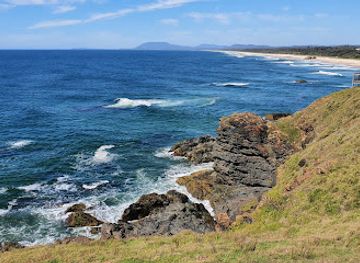
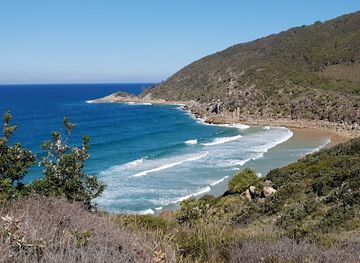
The region’s most recognisable landmarks include Port Macquarie’s historic St Thomas’ Anglican Church, one of the town’s prominent surviving colonial-era buildings, and the remains of the former penal settlement preserved in the surrounding historic precinct. Trial Bay Gaol near South West Rocks is a particularly evocative sandstone landmark, its unfinished walls recalling nineteenth-century punishment and its later wartime use. The unusual rock formations and headlands of the Solitary Islands create a defining seascape off Coffs Harbour, while the iconic Big Banana has long marked the city’s role as a gateway to the northern coast. In the Great Lakes district, the broad waterways around Forster and Tuncurry and the entrance between lake and ocean are central geographical features. The Bellinger Valley’s forested escarpment provides a contrasting inland landmark, with Dorrigo National Park lying beyond the immediate coastal plain but within the wider Mid North Coast travel area. Across the region, river mouths, bridges, lighthouses, coastal lookouts and historic wharves give individual towns their visual identity.
-
Vista point
Forest Sky Pier
Discover stunning views and serene nature at Forest Sky Pier, a must-visit vista point in Coffs Harbour, New South Wales.
-
Tourist attraction
Sea Acres Rainforest Centre
Experience the breathtaking beauty and unique biodiversity at Sea Acres Rainforest Centre, a tranquil escape in Port Macquarie's lush coastal rainforest.
-
Tourist attraction
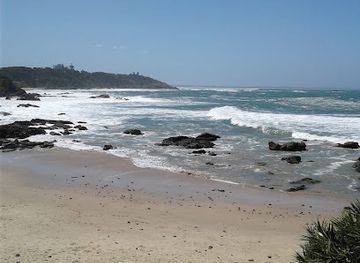
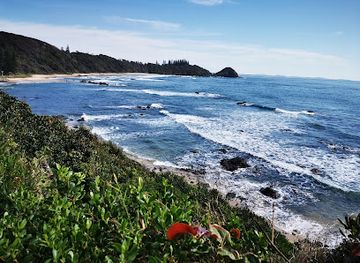
Tacking Point Lighthouse
Explore Tacking Point Lighthouse in Port Macquarie, a stunning coastal landmark offering breathtaking views and scenic hiking trails.
-
Historical landmark
Trial Bay Gaol
Discover the rich history and stunning landscapes of Trial Bay Gaol, a captivating historical landmark in New South Wales, Australia.
Explore Mid North Coast on the map
Plan your trip on one map. See where the top cities, national parks and sights are, and book hotels and experiences in a few clicks.
Best hotels in Mid North Coast
Best restaurants in Mid North Coast
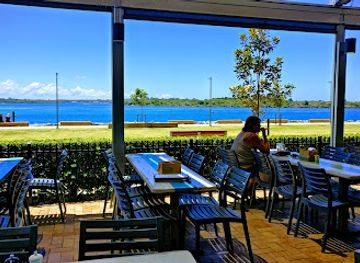
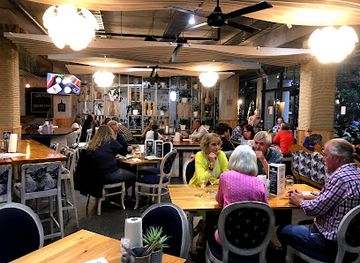
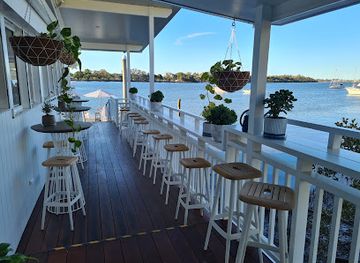
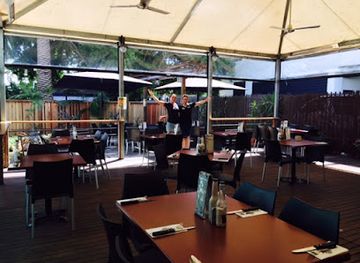
Dining across the Mid North Coast reflects its estuaries, farms and subtropical growing conditions. Seafood is prominent in coastal towns, with fish, prawns, oysters and other local catches appearing in restaurants, takeaway shops and casual waterfront dining, although availability depends on season and supply. The Manning, Hastings, Macleay, Nambucca and Bellinger systems also support oyster farming and other estuarine industries. Inland valleys contribute dairy products, beef, vegetables, fruit, coffee and artisan baking, while farmers’ markets and farm gates provide opportunities to buy regional produce directly. Port Macquarie and Coffs Harbour have the broadest choice of contemporary restaurants, cafés and international cuisines; smaller towns tend towards pubs, bakeries, cafés, seafood outlets and relaxed rural dining rooms. Bellingen is known for an independent food culture, while Forster–Tuncurry and other coastal centres suit meals built around waterways and the sea. Australian café habits, generous breakfasts and locally made gelato are common, but visitors should not assume that every rural venue opens every day.
-
Restaurant
The Beach House
Experience coastal dining at its finest at The Beach House in Port Macquarie - delicious food, stunning views & vibrant live music await!
-
Restaurant
Chop 'n Chill
Experience the best of Asian fusion cuisine at Chop 'n Chill in Port Macquarie - where flavor meets family-friendly dining.
-
Seafood
Whalebone Wharf Seafood Restaurant
Experience the best of coastal cuisine at Whalebone Wharf Seafood Restaurant in Port Macquarie - where fresh seafood meets stunning river views.
-
Restaurant
Hog's Breath Cafe Port Macquarie
Experience the best of casual dining at Hog's Breath Cafe Port Macquarie - home of succulent steaks and family-friendly service.
Best bars in Mid North Coast
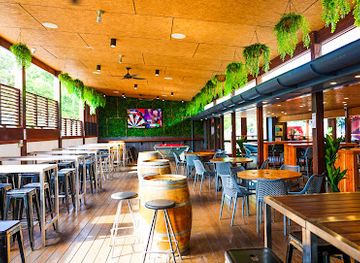
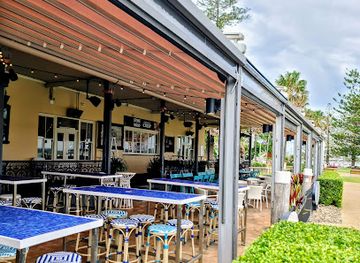
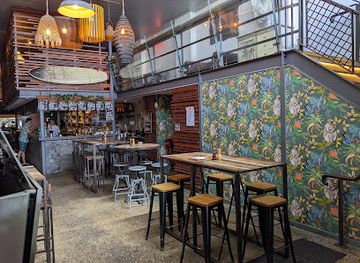
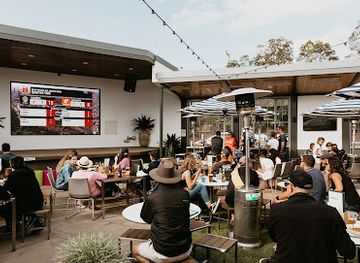
Evenings on the Mid North Coast are generally sociable but unhurried. Port Macquarie and Coffs Harbour have the region’s broadest selection of pubs, hotel bars, breweries, restaurants and live-music venues, with activity concentrated around town centres and waterfront areas rather than a single large club district. Forster–Tuncurry, Taree, Bellingen, Sawtell, Nambucca Heads and South West Rocks offer smaller scenes built around pubs, clubs, cafés, wine bars and occasional performances. In rural valleys, evening entertainment is more likely to mean a meal at a country pub, a community event or a quiet drink than late-night dancing. Coastal venues can become busier during summer and holiday periods, while some smaller businesses operate seasonally or close earlier outside peak times. Drink-driving laws are strictly enforced, so use a taxi, rideshare, designated driver or local accommodation when necessary rather than relying on long rural journeys after drinking.
-
Pub
The Hoey Moey
Experience the vibrant atmosphere of The Hoey Moey, Coffs Harbour's iconic pub with great food, drinks, and live music by the coast.
-
Bar
The Beach House
Experience the vibrant atmosphere and delicious cuisine at The Beach House in Port Macquarie, the perfect spot for food, drinks, and live music.
-
Bar
Element Bar
Experience the vibrant atmosphere of Element Bar in Coffs Harbour, where great food, live music, and refreshing drinks come together for an unforgettable night.
-
Pub
Tacking Point Tavern
Experience the essence of coastal dining at Tacking Point Tavern, Port Macquarie's favorite pub and bistro with stunning views and local flavors.
Best nightclubs in Mid North Coast
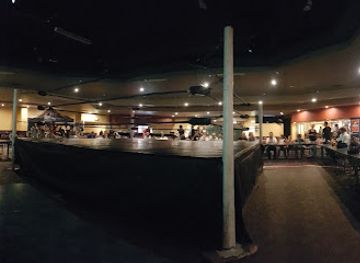
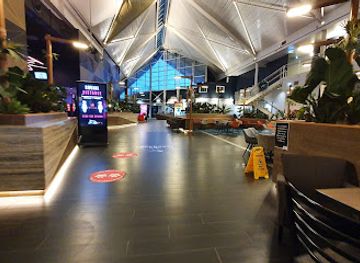
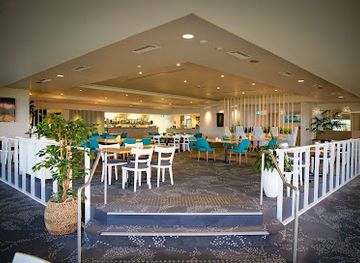
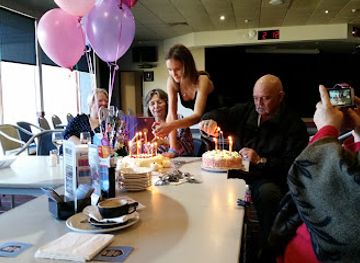
Evenings on the Mid North Coast are generally sociable but unhurried. Port Macquarie and Coffs Harbour have the region’s broadest selection of pubs, hotel bars, breweries, restaurants and live-music venues, with activity concentrated around town centres and waterfront areas rather than a single large club district. Forster–Tuncurry, Taree, Bellingen, Sawtell, Nambucca Heads and South West Rocks offer smaller scenes built around pubs, clubs, cafés, wine bars and occasional performances. In rural valleys, evening entertainment is more likely to mean a meal at a country pub, a community event or a quiet drink than late-night dancing. Coastal venues can become busier during summer and holiday periods, while some smaller businesses operate seasonally or close earlier outside peak times. Drink-driving laws are strictly enforced, so use a taxi, rideshare, designated driver or local accommodation when necessary rather than relying on long rural journeys after drinking.
-
Club
Club Forster
Discover the lively ambiance of Club Forster, your ultimate destination for dining, entertainment, and unforgettable live music experiences in New South Wales.
-
Social club
Panthers Port Macquarie
Discover the heart of Port Macquarie at Panthers, a lively social club offering entertainment, dining, and a taste of local culture.
-
Social club
The Westport Club
Experience the charm of Port Macquarie at The Westport Club, where delicious dining meets lively entertainment in a stunning waterfront setting.
-
Bowling club
Club North Haven
Discover Club North Haven - a vibrant bowling club in New South Wales offering relaxation, recreation, and delicious dining for all visitors.
Best shops in Mid North Coast
Shopping on the Mid North Coast is centred on practical town centres, independent coastal businesses and regional produce rather than a continuous luxury retail strip. Port Macquarie and Coffs Harbour provide the largest concentration of national retailers, supermarkets, department stores and specialist shops, while Taree, Forster–Tuncurry, Kempsey, Nambucca Heads, Bellingen and Sawtell have smaller high streets with cafés, galleries, bookshops, clothing stores and locally owned businesses. Bellingen is particularly associated with independent arts, crafts and design, and several other coastal towns support galleries featuring ceramics, photography, textiles and Aboriginal art; buy cultural works through reputable galleries and ask about provenance. Farmers’ markets and seasonal stalls are useful for fruit, vegetables, honey, baked goods, preserves, cheese and other regional products, though trading days vary. Suitable souvenirs include local food, handmade ceramics, woven goods, books about the coast and responsibly sourced Aboriginal art, while beach shells, plants and natural materials should be left where they are.
-
Shopping mall
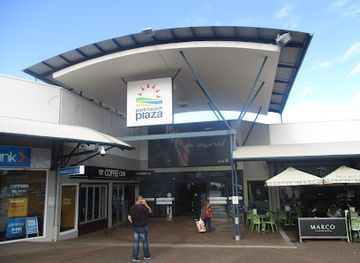
Park Beach Plaza
Experience the ultimate shopping destination at Park Beach Plaza, where retail therapy meets culinary delights in Coffs Harbour.
-
Shopping mall
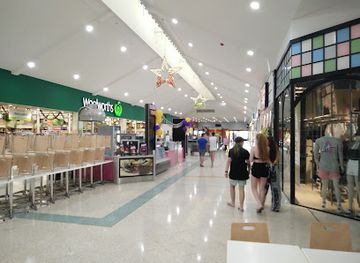
Settlement City
Discover the vibrant shopping and dining experiences at Settlement City, a premier destination in Port Macquarie, Australia.
-
Shopping mall
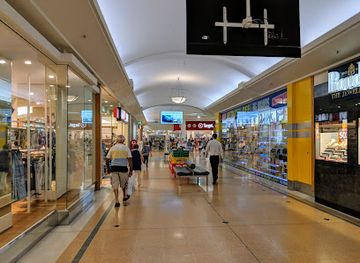
Port Central
Explore Port Central, the vibrant shopping mall in Port Macquarie, offering a diverse range of shops, eateries, and family-friendly activities.
-
Department store
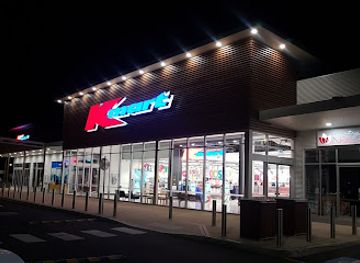
Kmart Port Macquarie
Discover Kmart Port Macquarie, your ultimate destination for affordable shopping, featuring a wide array of clothing, homewares, and toys for the whole family.
Get your free copy of our complete guide to Mid North Coast, delivered straight to you.
Everything on this page, from attractions and restaurants to essentials and local phrases, in one PDF you can read offline, print or share.
Already have an account? Sign in
Your Mid North Coast guide is ready.
We'll send it to · Not you? Sign out

Getting your guide ready…
We are putting together a fresh copy of the Mid North Coast guide. This can take up to a minute.
This can take a few moments. If your browser asks, choose Allow so the download can start. You'll find the guide in your Downloads folder.
Nothing happened? Download it again
Sorry, the guide is taking longer than usual. Please try again in a minute, or get it by email instead.
Mid North Coast essentials
Currency and Payment
Safety
Emergency Situations
Do's and Don'ts
Local Tips
From Eve
Local phrases worth knowing
You don't need to get them perfect. A few words go a long way, and locals appreciate the effort.
Basics
| English | Local | Say it |
|---|---|---|
| Hello | G'day | [g'day] |
| Goodbye | See ya | [see ya] |
| Yes | Yeah | [yeah] |
| No | Nah | [nah] |
| Please/You're welcome | No worries | [no worries] |
| Thank you | Cheers | [cheers] |
| Excuse me/Sorry | Sorry | [sorry] |
| How are you? | How ya going? | [how ya going] |
| Fine. And you? | Good, and you? | [good, and you] |
| Do you speak English? | Do ya speak English? | [do ya speak English] |
| I don't understand | I don't get it | [I don't get it] |
Eating & Drinking
| English | Local | Say it |
|---|---|---|
| I'd like to see the menu, please | Can I have a look at the menu? | [can I have a look at the menu] |
| I don't eat meat | I'm a vegetarian | [I'm a vegetarian] |
| Cheers! | Cheers! | [cheers] |
| I would like to pay, please | Can I get the bill, please? | [can I get the bill, please] |
Emergencies
| English | Local | Say it |
|---|---|---|
| Help! | Help! | [help] |
| Go away! | Bugger off! | [bugger off] |
| Call the Police! | Ring the cops! | [ring the cops] |
| Call a doctor! | Get a doctor! | [get a doctor] |
| I'm lost | I'm a bit lost | [I'm a bit lost] |
| I'm ill | I'm not feeling well | [I'm not feeling well] |
Shopping
| English | Local | Say it |
|---|---|---|
| I'd like to buy... | I wanna buy... | [I wanna buy] |
| I'm just looking | Just browsing, thanks | [just browsing, thanks] |
| How much is it? | What's the price? | [what's the price] |
| That's too expensive | That's a bit rich | [that's a bit rich] |
| Can you lower the price? | Can ya drop the price? | [can ya drop the price] |
Time & Numbers
| English | Local | Say it |
|---|---|---|
| What time is it? | What's the time? | [what's the time] |
| It's one o'clock | It's one o'clock | [it's one o'clock] |
| Half past (10) | Half past ten | [half past ten] |
| Morning | Morning | [morning] |
| Afternoon | Arvo | [arvo] |
| Evening | Evening | [evening] |
| Yesterday | Yesterday | [yesterday] |
| Today | Today | [today] |
| Tomorrow | Tomorrow | [tomorrow] |
| 1 | One | [one] |
| 2 | Two | [two] |
| 3 | Three | [three] |
| 4 | Four | [four] |
| 5 | Five | [five] |
| 6 | Six | [six] |
| 7 | Seven | [seven] |
| 8 | Eight | [eight] |
| 9 | Nine | [nine] |
| 10 | Ten | [ten] |
Transport & Directions
| English | Local | Say it |
|---|---|---|
| Where's a/the...? | Where's the...? | [where's the] |
| What's the address? | What's the address? | [what's the address] |
| Can you show me (on the map)? | Can you show me on the map? | [can you show me on the map] |
| When's the next (bus)? | When's the next bus? | [when's the next bus] |
| A ticket (to ....) | One ticket to... | [one ticket to] |
History of Mid North Coast
Aboriginal custodianship before European settlement
The Mid North Coast is Country for several Aboriginal peoples, including the Biripi around the Manning and Hastings areas, the Dunghutti around the Macleay and adjoining coastal districts, and the Gumbaynggirr across much of the northern section towards Coffs Harbour. These communities maintained sophisticated relationships with beaches, rivers, forests and seasonal resources, supported by knowledge of plants, animals, navigation and fire. Aboriginal cultural landscapes remain living places rather than simply archaeological remnants, and contemporary language, art, community organisations and cultural interpretation continue to shape the region’s identity.
The penal settlement at Port Macquarie
Port Macquarie was established in 1821 as a penal settlement for convicts who could not be accommodated at the older settlements farther south. Its location on the Hastings River made it strategically useful, while the surrounding country also supported agriculture and timber extraction. The penal phase declined after the 1840s, but surviving buildings, cemetery landscapes and the town’s street pattern preserve an important chapter in the expansion of colonial New South Wales. Port Macquarie later developed as a port, farming centre and coastal settlement.
Cedar-getting, timber and river transport
From the nineteenth century, red cedar and other valuable timbers drew European timber-getters into the river valleys and rainforests of the Mid North Coast. Logs were moved along rivers and shipped from coastal settlements, linking forest work with sawmills, wharves and trading towns. The industry transformed landscapes and provided an economic foundation for communities around the Manning, Hastings, Macleay, Nambucca and Bellinger systems. Some rainforest areas later gained protection, while historic structures and local museums recall the difficult work that shaped the region’s early colonial economy.
Pastoral expansion, dairying and agriculture
As timber resources declined in accessible areas, farming became increasingly important. River flats and cleared coastal country supported cattle, dairying, maize, vegetables and other crops, while towns such as Taree, Wauchope, Kempsey and Bellingen grew as service and market centres. Dairy farming became particularly significant in the wetter northern valleys, and the region’s fertile estuaries supported both agriculture and fishing. Modern production is more diversified than in the past, but farms, showgrounds, produce markets and rural settlements still reveal the importance of the agricultural hinterland.
Trial Bay Gaol and the coastal penal landscape
Trial Bay Gaol, near South West Rocks, was built in the nineteenth century as a place of secondary punishment and later used to hold German internees during the First World War. Its incomplete sandstone walls and exposed coastal position make the site an unusually tangible reminder of Australia’s penal and wartime history. The gaol formed part of a broader coastal network in which remote headlands, river mouths and small ports were used for transport, defence and detention. Its remains are now conserved within the local national-park landscape.
Railways, roads and regional connection
Transport changed the Mid North Coast from a collection of river- and coastal-linked settlements into a more integrated regional economy. Railway construction connected inland districts with ports and larger markets, while roads gradually improved access along the coast and across the ranges. The Pacific Highway became the principal north–south route, bringing tourism, freight and suburban growth but also bypassing some older town centres as alignments changed. Improved transport helped Port Macquarie and Coffs Harbour develop as major service and visitor centres while smaller communities retained more specialised local roles.
Modern conservation and coastal tourism
From the later twentieth century, public concern about rainforest clearing, wildlife habitat, water quality and coastal development contributed to the creation and expansion of national parks, marine reserves and other protected areas. Solitary Islands Marine Park, coastal national parks and estuarine reserves reflect this shift towards conserving connected land and sea environments. At the same time, beaches, whale watching, surfing, retirement migration and family holidays became major parts of the regional economy. Contemporary Mid North Coast communities therefore balance tourism and development with agriculture, forestry, fishing and Aboriginal cultural responsibilities.
Mid North Coast in Photos
Browse through our photo collection highlighting the charm and character of the destination.
Neighbouring regions of Mid North Coast
The closest regions to Mid North Coast, if you have time for more than one.
-

-

-

-

-


Swipe for more regions
Explore more

Explore more of Australia
Discover the diverse landscapes, vibrant cities, and unique wildlife of Australia, a captivating destination offering endless adventures and unforgettable experiences.
Explore Australia