

Free Mallee Travel Guide & Mobile App
Explore Mallee with free travel guides. Discover regional history, expert tips, proposed trips, and audio guides on web or mobile app.


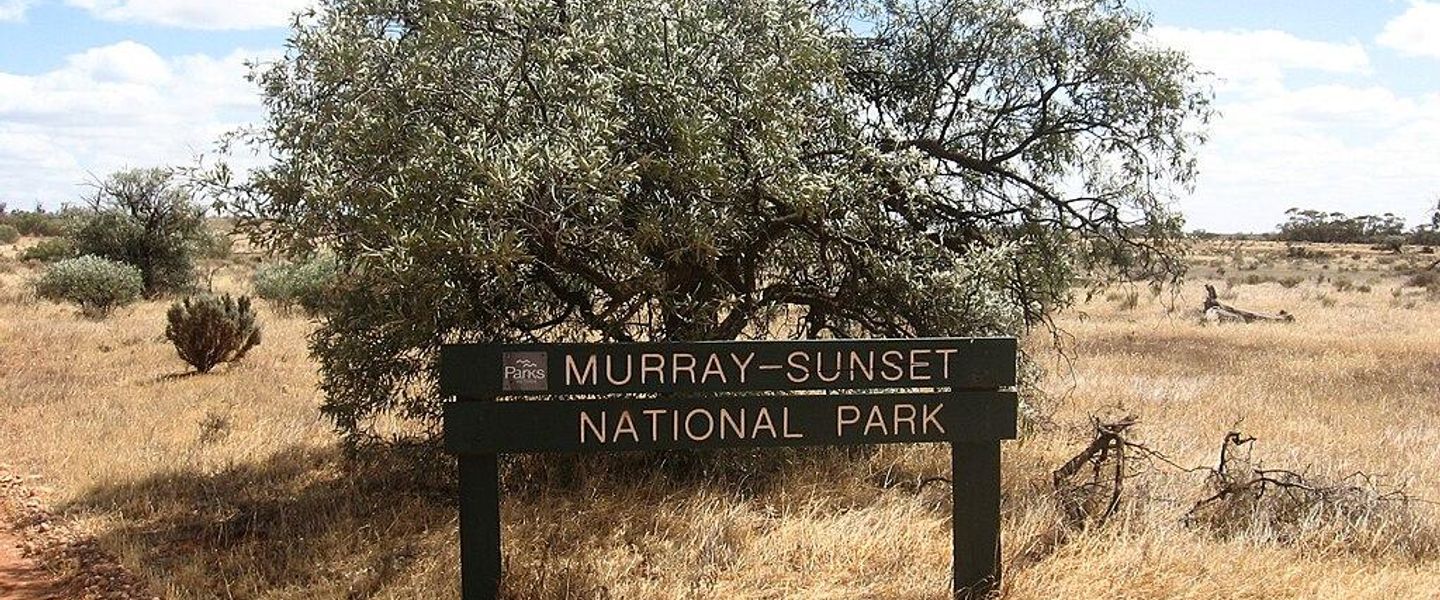


Explore the Mallee's Murray River towns, orchards, salt lakes, national parks and wide red-earth landscapes across north-western Victoria.
Read more about Mallee
When is the best time to visit Mallee?
Best: March–April, October · 23–27°C| Month | High (°C) | Rainfall (mm) |
|---|---|---|
| January | 31 | 20 |
| February | 31 | 19 |
| March (best) | 27 | 22 |
| April (best) | 23 | 25 |
| May | 18 | 31 |
| June | 15 | 32 |
| July | 14 | 33 |
| August | 16 | 30 |
| September | 21 | 26 |
| October (best) | 25 | 25 |
| November | 29 | 23 |
| December | 31 | 22 |
Getting to and around Mallee
How to get there
Transportation
Best attractions in Mallee
The Mallee's attractions are defined by scale, open space and the contrast between irrigated river country and dry inland landscapes. Around Mildura, visitors can explore the Murray River, riverside reserves, horticultural districts, galleries, museums, historic buildings and boat-based experiences. Swan Hill's Pioneer Settlement presents regional history through buildings, collections and demonstrations, while its river setting provides opportunities for walking, fishing and boating. In the southern Mallee, Sea Lake is the principal base for visiting Lake Tyrrell, a vast salt lake whose appearance changes with weather, water and light. Hattah-Kulkyne National Park combines freshwater lakes, red gums, mallee woodland and wildlife, while Murray-Sunset National Park offers remote drives, dunes and the Pink Lakes. Wyperfeld National Park protects ancient dunes, woodlands and seasonal waterways farther south. Walking, birdwatching, cycling, canoeing and four-wheel-drive touring are all possible, but conditions vary and some routes require careful preparation. The region's agricultural attractions, including produce outlets and cellar doors, add a working dimension to the natural scenery.
-
National park
Grampians National Park
Explore Grampians National Park, a stunning natural wonder in Victoria, Australia, offering breathtaking landscapes and rich Aboriginal heritage.
-
National park
Point Nepean National Park
Explore historic forts, stunning coastal views, and rich history at the tip of the Mornington Peninsula in Point Nepean National Park.
-
Park
William Ricketts Sanctuary
Explore the harmonious blend of art and nature at William Ricketts Sanctuary, a unique park in the Dandenong Ranges celebrating Indigenous culture.
-
Museum
Pioneer Settlement & Heartbeat Of The Murray Laser Spectacular
Experience Australia's history at Pioneer Settlement, where interactive exhibits and stunning laser shows bring the Murray River's past to life.
Best landmarks in Mallee
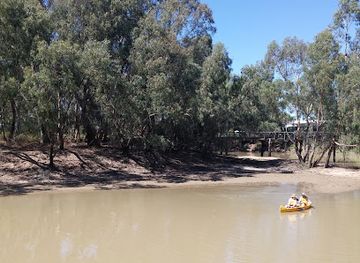
The Murray River is the Mallee's most important natural landmark, defining settlement, agriculture and recreation along the northern edge of Victoria. Mildura's historic irrigation precinct and riverside setting represent the transformation of dry country into an intensive horticultural district, while the city's Chaffey-related heritage reflects the ambitions behind that change. Swan Hill's Pioneer Settlement and river frontage preserve the visual and historical connection between inland communities and paddle-steamer-era commerce. Lake Tyrrell near Sea Lake is a major southern Mallee landmark: its broad salt surface, low horizon and changing reflections create a landscape unlike the river corridor. In the west, the Pink Lakes of Murray-Sunset National Park are recognised for mineral-rich salt basins set among mallee and open country. Hattah-Kulkyne's lakes and red-gum wetlands provide a contrasting landmark landscape where water and woodland interrupt the dry plains. Wyperfeld's inland dunes and seasonal outlet creek further demonstrate the geological forces that shaped the region. These places are valued not simply for scenic photography but for their ecological, cultural and historical significance.
-
Botanical garden
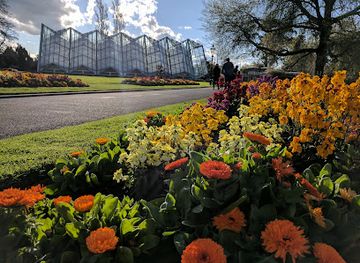
Ballarat Botanical Gardens
Explore the breathtaking Ballarat Botanical Gardens, a lush paradise of flora, art, and tranquility by Lake Wendouree in Victoria, Australia.
-
 National park
Grampians National Park
Explore Grampians National Park: A breathtaking retreat of mountains, waterfalls, and wildlife in Victoria, Australia, perfect for nature lovers and adventurers alike.
-
National park
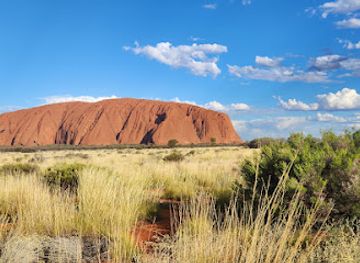
Uluṟu-Kata Tjuṯa National Park
Explore the stunning landscapes and rich Indigenous culture of Uluṟu-Kata Tjuṯa National Park in Australia’s breathtaking Red Centre.
-
Tourist attraction
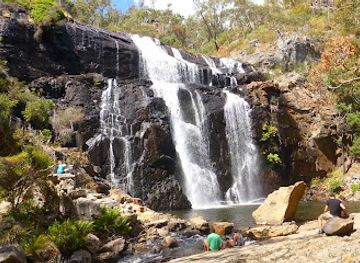
MacKenzie Falls
Experience the awe-inspiring beauty of MacKenzie Falls in Grampians National Park, a natural wonder perfect for all nature enthusiasts and adventure seekers.
Explore Mallee on the map
Plan your trip on one map. See where the top cities, national parks and sights are, and book hotels and experiences in a few clicks.
Best hotels in Mallee
Best restaurants in Mallee
Mallee dining reflects the Murray's orchards, vineyards, market gardens and broad agricultural hinterland. Mildura has the region's widest selection, from cafés and bakeries to pubs, contemporary restaurants and river-oriented dining, while Swan Hill and other larger towns provide dependable regional choices. Citrus, table grapes, stone fruit, almonds, olives and dried fruit are prominent local products, and seasonal availability changes throughout the year. Farm shops, cellar doors and produce markets are useful places to encounter the region's food economy directly. Menus may combine Australian pub traditions with modern cooking and ingredients drawn from nearby orchards and vineyards. In smaller settlements, dining is generally centred on cafés, hotel dining rooms, bakeries and takeaway outlets, with opening patterns reflecting local demand rather than metropolitan hours. Visitors travelling into national-park country should buy provisions in advance, as remote areas have few food services.
-
Restaurant
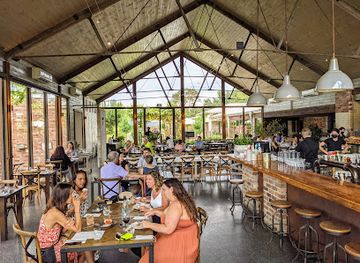
Meletos
Discover Meletos: A unique dining experience set amidst the stunning landscapes of Victoria's Yarra Valley with exceptional food and wine.
-
Restaurant
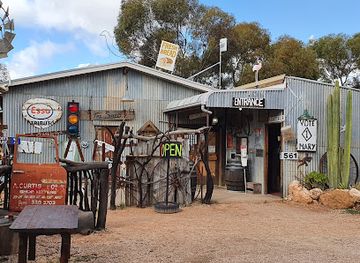
Mallee Fowl Restaurant
Discover exceptional Australian cuisine at Mallee Fowl Restaurant in Monash - where every meal tells a story.
-
Restaurant
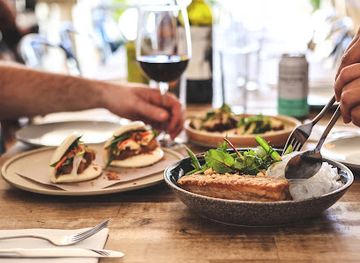
Brass Monkey
Discover Brass Monkey in Mildura: A vibrant restaurant offering delicious breakfast, brunch, and lunch options paired with exquisite wines.
-
Restaurant
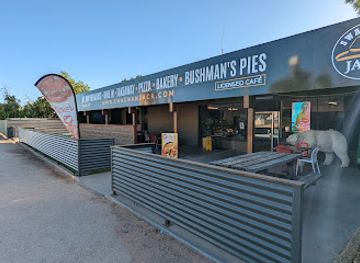
Swagman Jack Cafe
Discover delicious meals at Swagman Jack Cafe in Ouyen - where great food meets warm hospitality.
Best bars in Mallee
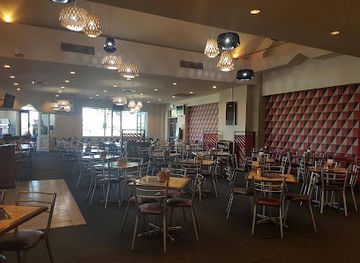
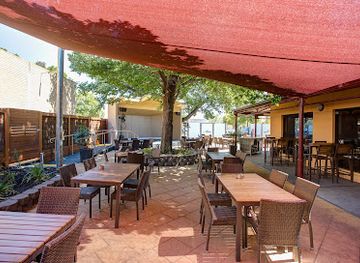
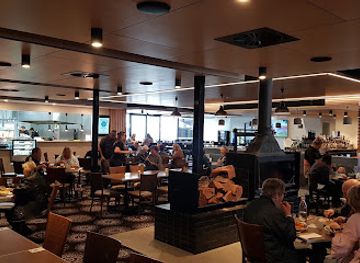
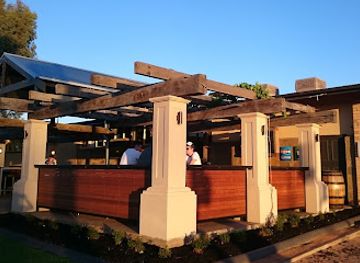
Evenings in the Mallee are generally sociable rather than club-focused. Mildura has the broadest choice of hotel bars, restaurants, wine venues, live-music spaces and occasional late-night entertainment, while Swan Hill offers a smaller town-centred evening scene. Traditional pubs and historic hotel dining rooms remain important meeting places across the region, particularly in agricultural towns where nightlife is linked to community events and local sport. Wineries and cellar doors near the Murray may provide tastings or relaxed evening settings, although arrangements vary and advance checking is sensible. In smaller settlements, the choice usually narrows to a pub, café or club rather than a dedicated nightclub. Riverfront walks, outdoor dining and seasonal cultural programmes can be as significant to an evening itinerary as bars, especially in warmer months. Visitors should plan transport carefully because distances are large and taxis or rideshare services may be limited outside Mildura.
-
Restaurant
The Gateway Mildura
Experience the vibrant culinary scene at The Gateway Mildura, offering diverse dishes, fine wines, and a family-friendly atmosphere.
-
Bar
Swan Hill Club
Discover Swan Hill Club, a vibrant bistro and bar offering live music and a cozy atmosphere perfect for a delightful dining experience.
-
Pub
Commercial Hotel
Discover the heart of Swan Hill at the Commercial Hotel, where local culture meets delicious food in a vibrant pub atmosphere.
-
Pub
Irymple Hotel
Experience the charm of Irymple Hotel, a vibrant pub offering delicious food, refreshing drinks, and a lively atmosphere in Victoria.
Best nightclubs in Mallee
Evenings in the Mallee are generally sociable rather than club-focused. Mildura has the broadest choice of hotel bars, restaurants, wine venues, live-music spaces and occasional late-night entertainment, while Swan Hill offers a smaller town-centred evening scene. Traditional pubs and historic hotel dining rooms remain important meeting places across the region, particularly in agricultural towns where nightlife is linked to community events and local sport. Wineries and cellar doors near the Murray may provide tastings or relaxed evening settings, although arrangements vary and advance checking is sensible. In smaller settlements, the choice usually narrows to a pub, café or club rather than a dedicated nightclub. Riverfront walks, outdoor dining and seasonal cultural programmes can be as significant to an evening itinerary as bars, especially in warmer months. Visitors should plan transport carefully because distances are large and taxis or rideshare services may be limited outside Mildura.
-
Night club
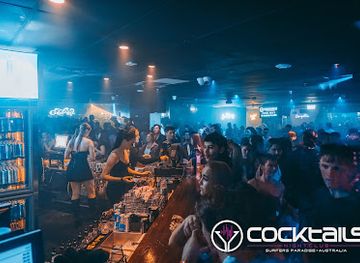
Cocktails Nightclub
Experience the vibrant nightlife of Surfers Paradise at Cocktails Nightclub, where expertly crafted cocktails and pulsating music await.
-
Disco club
Club Retro
Discover the vibrant nightlife at Club Retro, Melbourne's disco club blending dance, delicious burgers, and unforgettable music.
-
Night club
Glamorama Nightclub
Dive into the heart of Fitzroy's nightlife at Glamorama Nightclub, where exciting music and exquisite cocktails create an unforgettable party atmosphere.
-
Disco club
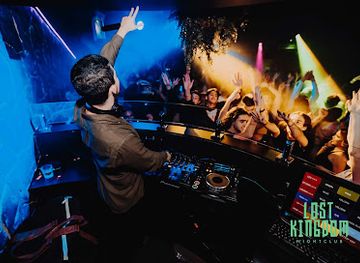
Lost Kingdom Nightclub
Dive into the electrifying nightlife of Surfers Paradise at Lost Kingdom Nightclub, where great music and vibrant crowds await you.

Best shops in Mallee
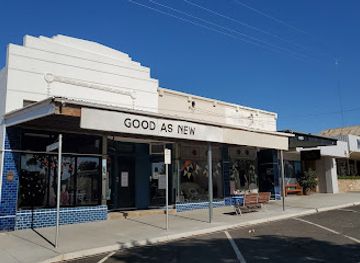
Shopping in the Mallee is concentrated in the high streets and service centres of Mildura, Swan Hill, Robinvale, Ouyen and Sea Lake, where practical retail sits alongside cafés, galleries, antiques and independent businesses. Mildura offers the largest choice of supermarkets, clothing, books, arts and crafts, while smaller towns are useful for locally made goods and provisions rather than extensive specialist shopping. Farmers' markets, farm outlets, cellar doors and regional food shops are good sources of citrus products, wine, dried fruit, almonds, olive products and seasonal produce. Galleries and craft outlets may offer ceramics, textiles, paintings, woodwork and Aboriginal art, but visitors should buy cultural works through reputable sellers and ask about provenance. Souvenirs linked to the Murray, mallee vegetation and local agricultural identity are more representative than generic Australian merchandise. Market days and small-town retail hours vary, so check locally before making a special journey.
-
Gemologist
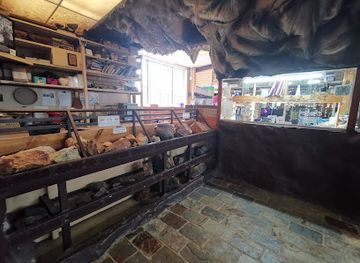
Woodsies Gem Shop
Explore the mesmerizing world of gemstones at Woodsies Gem Shop in Nichols Point, a unique destination for gem enthusiasts and families alike.
-
Bakery
Ouyen Mallee Bakery
Discover Ouyen Mallee Bakery, where fresh-baked delights and friendly service create a must-visit experience in Ouyen, Victoria.
-
Clothing store
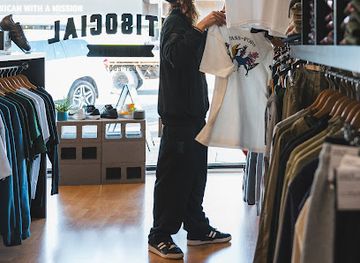
Antisocial Collective
Antisocial Collective: Your ultimate destination for trendy clothing, skateboards, and a vibrant community atmosphere in Mildura.
-
Confectionery Store
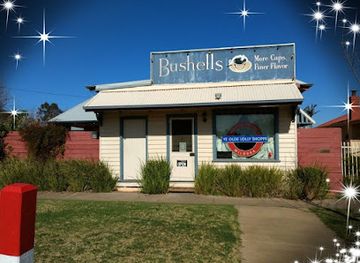
Bushells on Tenth Ye Olde Lolly Shoppe
Explore the enchanting Bushells on Tenth Ye Olde Lolly Shoppe in Mildura for a delightful array of nostalgic candies and gourmet treats.
Get your free copy of our complete guide to Mallee, delivered straight to you.
Everything on this page, from attractions and restaurants to essentials and local phrases, in one PDF you can read offline, print or share.
Already have an account? Sign in
Your Mallee guide is ready.
We'll send it to · Not you? Sign out

Getting your guide ready…
We are putting together a fresh copy of the Mallee guide. This can take up to a minute.
This can take a few moments. If your browser asks, choose Allow so the download can start. You'll find the guide in your Downloads folder.
Nothing happened? Download it again
Sorry, the guide is taking longer than usual. Please try again in a minute, or get it by email instead.
Mallee essentials
Currency and Payment
Safety
Emergency Situations
Do's and Don'ts
Local Tips
From Eve
Local phrases worth knowing
You don't need to get them perfect. A few words go a long way, and locals appreciate the effort.
Basics
| English | Local | Say it |
|---|---|---|
| Hello | G'day | [guh-day] |
| Goodbye | See ya | [see yah] |
| Yes | Yeah | [yeh] |
| No | Nah | [nah] |
| Please/You're welcome | No worries | [noh wuh-riz] |
| Thank you | Thanks | [thanks] |
| Excuse me/Sorry | Sorry mate | [saw-ree mate] |
| How are you? | How ya going? | [how yah goin] |
| Fine. And you? | Good, you? | [gud, you?] |
| Do you speak English? | Can ya speak English? | [kan yah speak ing-lish?] |
| I don't understand | I don't get it | [I don't get it] |
Eating & Drinking
| English | Local | Say it |
|---|---|---|
| I'd like to see the menu, please | Can I see the menu, please? | [kan I see the men-you, pleez?] |
| I don't eat meat | I'm a vego | [I'm a veh-go] |
| Cheers! | Cheers! | [cheers] |
| I would like to pay, please | Can I get the bill, please? | [kan I get the bil, pleez?] |
Emergencies
| English | Local | Say it |
|---|---|---|
| Help! | Help! | [help] |
| Go away! | Piss off! | [piss off] |
| Call the Police! | Call the cops! | [call the cops] |
| Call a doctor! | Get a doc! | [get a doc] |
| I'm lost | I'm lost | [I'm lost] |
| I'm ill | I'm crook | [I'm crook] |
Shopping
| English | Local | Say it |
|---|---|---|
| I'd like to buy... | I wanna buy... | [I wanna buy...] |
| I'm just looking | Just browsing | [just brow-zing] |
| How much is it? | How much? | [how much?] |
| That's too expensive | That's a rip-off | [that's a rip-off] |
| Can you lower the price? | Can ya bring it down? | [kan yah bring it down?] |
Time & Numbers
| English | Local | Say it |
|---|---|---|
| What time is it? | What’s the time? | [what's the time?] |
| It's one o'clock | It's one | [it's one] |
| Half past (10) | Half past ten | [half past ten] |
| Morning | Mornin' | [mornin'] |
| Afternoon | Arvo | [ar-vo] |
| Evening | Evenin' | [ee-venin'] |
| Yesterday | Yesterday | [yes-ter-day] |
| Today | Today | [to-day] |
| Tomorrow | Tomorrow | [to-morrow] |
| 1 | One | [one] |
| 2 | Two | [two] |
| 3 | Three | [three] |
| 4 | Four | [four] |
| 5 | Five | [five] |
| 6 | Six | [six] |
| 7 | Seven | [seven] |
| 8 | Eight | [eight] |
| 9 | Nine | [nine] |
| 10 | Ten | [ten] |
Transport & Directions
| English | Local | Say it |
|---|---|---|
| Where's a/the...? | Where's a...? | [where's a...?] |
| What's the address? | What's the addy? | [what's the addy?] |
| Can you show me (on the map)? | Can ya show me on the map? | [kan yah show me on the map?] |
| When's the next (bus)? | When's the next bus? | [when's the next bus?] |
| A ticket (to ....) | A ticket to ... | [a ticket to ...] |
History of Mallee
Aboriginal river and mallee cultures
The Murray corridor, freshwater lakes and mallee plains have supported Aboriginal communities for many thousands of years. Traditional Owner groups associated with different parts of the region include Latji Latji, Wergaia, Wemba Wemba and Yitha Yitha, among others. Their cultural knowledge is expressed through connection to waterways, plants, animals and ancestral places. Scarred river red gums, middens, artefacts and continuing cultural practices are reminders that the Mallee is not an empty wilderness but a lived and carefully managed cultural landscape.
European exploration and the inland rivers
European mapping and pastoral expansion increased during the nineteenth century as explorers and squatters followed the Murray and its tributaries. The river became an important transport route before dependable rail and road links were established. Paddle steamers carried wool, grain and other goods between inland settlements, helping places along the river develop as service and trading centres. Their legacy remains visible in river ports, historic wharves, museums and the continuing importance of the Murray to regional identity.
Irrigation settlement at Mildura
Mildura's modern development began in the 1880s when the Chaffey brothers promoted an irrigation colony on the Murray. Their scheme introduced horticulture, vineyards and planned settlement to a dry landscape, although the early venture faced financial and environmental difficulties. Irrigation later became the foundation of the Sunraysia economy, supporting citrus, grapes, vegetables and dried fruit. The contrast between productive orchards near the river and semi-arid country beyond them is one of the region's defining historical landscapes.
Railways, river trade and regional towns
Railway construction and improving roads connected Mallee settlements with Melbourne, Adelaide and other inland markets from the late nineteenth and early twentieth centuries. Rail reduced dependence on river transport and enabled agricultural produce, livestock and supplies to move more reliably. Towns including Ouyen, Sea Lake, Swan Hill and Mildura grew as agricultural service centres, with grain handling, engineering, stores and accommodation serving widely scattered farming districts. Their street plans and civic buildings reflect this period of regional expansion.
Soldier settlement and agricultural expansion
After the First World War, soldier-settlement schemes expanded farming in parts of the Mallee, often on marginal country where water, soil and climate imposed severe limits. New blocks required clearing, fencing and persistent adaptation to drought, salinity and wind. Irrigated districts along the Murray proved more reliable for horticulture, while dryland farmers developed grain and mixed-farming practices suited to the semi-arid environment. Many present-day communities retain institutions and landscapes shaped by these settlement schemes.
The Murray as a working and recreational landscape
During the twentieth century, irrigation infrastructure, locks, weirs and improved river management consolidated agriculture along the Murray, while tourism gradually became another important use of the waterway. Houseboats, fishing, boating and riverside camping now share the river with orchards, pumping stations and protected wetlands. At the same time, national parks were established to conserve mallee vegetation, dunes, lakes and wildlife. The region's contemporary identity therefore combines productive agriculture, environmental management and outdoor recreation.
Modern Mallee industries and environmental pressures
Today the Mallee economy remains closely linked to horticulture, grain growing, food processing, transport, tourism and public services. Irrigated production has brought prosperity but also continuing challenges involving water allocation, salinity, drought and climate variability. Conservation areas protect habitats that are vulnerable to altered water flows, fire and invasive species. Contemporary regional life is consequently shaped by both agricultural innovation and the need to manage a dry environment whose limits are always visible.
Mallee in Photos
Browse through our photo collection highlighting the charm and character of the destination.
Neighbouring regions of Mallee
The closest regions to Mallee, if you have time for more than one.
-

-

-

-

-


Swipe for more regions
Explore more

Explore more of Australia
Discover the diverse landscapes, vibrant cities, and unique wildlife of Australia, a captivating destination offering endless adventures and unforgettable experiences.
Explore Australia