

Free Western Victoria Travel Guide & Mobile App
Explore Western Victoria with free travel guides. Discover regional history, expert tips, proposed trips, and audio guides on web or mobile app.


Western Victoria combines Ballarat’s goldfields, Gariwerd’s sandstone ranges, productive plains and the rugged heritage coast of south-west Australia.
Read more about Western Victoria
When is the best time to visit Western Victoria?
Best: December–February · 24°C| Month | High (°C) | Rainfall (mm) |
|---|---|---|
| January (best) | 24 | 40 |
| February (best) | 24 | 35 |
| March | 22 | 45 |
| April | 19 | 52 |
| May | 16 | 58 |
| June | 14 | 61 |
| July | 13 | 60 |
| August | 15 | 63 |
| September | 17 | 58 |
| October | 20 | 54 |
| November | 22 | 49 |
| December (best) | 24 | 47 |
Getting to and around Western Victoria
How to get there
Transportation
Top city travel guides in Western Victoria
The cities of Western Victoria, and the easiest places to base yourself.

Swipe for more cities
Destinations in Western Victoria
Resorts, valleys and scenic spots worth a trip of their own.
-

-


Swipe for more destinations
Best attractions in Western Victoria
Western Victoria's attractions range from gold-rush heritage to national parks and culturally significant landscapes. Ballarat combines Sovereign Hill, the Art Gallery of Ballarat, Lake Wendouree and substantial nineteenth-century civic architecture, while nearby Clunes and Maryborough offer smaller-scale goldfields streetscapes and museums. In the Grampians, now widely known by the traditional name Gariwerd, walking tracks lead to sandstone lookouts, waterfalls, Aboriginal rock-art sites and wildlife habitats; Halls Gap is the main access point. The Wimmera and Little Desert provide a quieter experience of mallee, heath and open farming country, with opportunities for birdwatching and nature walks. Further south, Tower Hill offers a volcanic crater landscape and wildlife reserve, and the Budj Bim Cultural Landscape presents Gunditjmara aquaculture, history and continuing culture through approved interpretation. Warrnambool, Port Fairy and the coast add maritime museums, beaches, whale-watching opportunities in season and access to the Great Ocean Road's western end. Because many sites are separated by long drives, the region rewards travellers who select a coherent itinerary rather than treating every attraction as a day trip from Ballarat.
-
National park
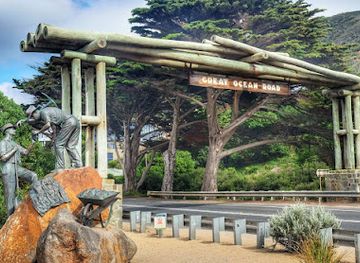
Port Campbell National Park
Explore the breathtaking landscapes of Port Campbell National Park, home to iconic rock formations and stunning coastal scenery along the Great Ocean Road.
-
Tourist attraction
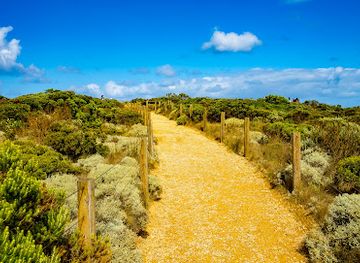
Bay Of Islands
Experience the natural beauty and unique landscapes of the Bay of Islands Coastal Park, a top destination for outdoor adventures in Victoria, Australia.
-
Scenic spot
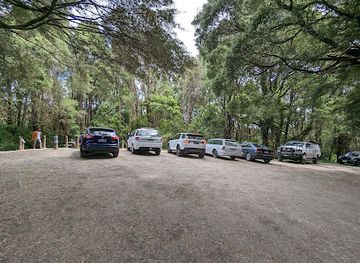
Hopetoun Falls
Explore Hopetoun Falls in Great Otway National Park, a breathtaking waterfall surrounded by lush forests, ideal for nature lovers and adventure seekers.
-
Wildlife park
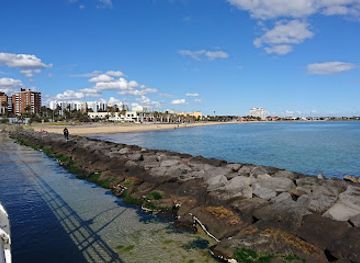
St Kilda Breakwater
Explore St Kilda Breakwater in Victoria: a captivating coastal attraction with stunning views, wildlife encounters, and a vibrant atmosphere for all visitors.
Best landmarks in Western Victoria
Ballarat's central streets form one of Western Victoria's clearest architectural records, with the gold boom visible in the former banks, civic buildings, churches and commercial façades around the city centre. The Eureka Stockade Memorial and related sites recall the 1854 miners' uprising, while Sovereign Hill reconstructs the appearance and industries of a gold-rush settlement. In Gariwerd, the sandstone escarpments, pinnacles and lookout formations are landmarks in their own right, rising sharply above the western plains and carrying enduring cultural significance for Aboriginal communities. Tower Hill's volcanic crater and internal lakes create a markedly different natural landmark near the coast. The Budj Bim Cultural Landscape is significant not for monumental architecture but for its extensive, culturally maintained aquaculture systems and evidence of Gunditjmara engineering. Along the south-west coast, the cliffs, beaches and harbour setting of Port Fairy and Warrnambool express the region's maritime character, while historic streets in Clunes, Maryborough and other goldfields towns preserve the scale of nineteenth-century regional settlement.
-
Scenic spot
Twelve Apostles
Experience the breathtaking beauty of the Twelve Apostles, iconic limestone stacks along the Great Ocean Road, a must-visit for nature lovers and adventurers.
-
Museum
Sovereign Hill
Step back in time at Sovereign Hill, an immersive open-air museum showcasing the vibrant history of Australia's gold rush era.
-
Tourist attraction
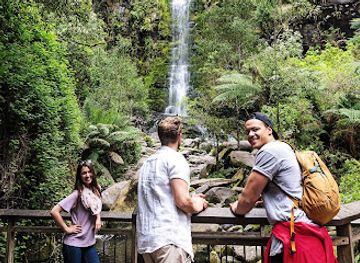
Erskine Falls
Explore the breathtaking Erskine Falls in Great Otway National Park - a stunning waterfall surrounded by lush rainforest, perfect for nature lovers and hikers.
-
Nature preserve
Tower Hill Wildlife Reserve
Explore the stunning landscapes and diverse wildlife at Tower Hill Wildlife Reserve, a unique nature preserve in Victoria, Australia.

Explore Western Victoria on the map
Plan your trip on one map. See where the top cities, national parks and sights are, and book hotels and experiences in a few clicks.
Best hotels in Western Victoria
Best restaurants in Western Victoria
Dining in Western Victoria reflects a productive agricultural region, an expanding wine and cider culture and the seafood traditions of the south-west coast. Ballarat has the broadest choice, from cafés and bakeries to contemporary restaurants using local meat, dairy, grains and seasonal produce. Goldfields towns add traditional pubs, tearooms and country bakeries, while farm shops and cellar-door venues appear along selected rural routes. Around the Western District, lamb, beef, dairy products and grain-based foods are closely connected with the local economy, and seasonal fruit is important in some farming districts. Warrnambool, Port Fairy and other coastal towns provide fish and shellfish alongside modern Australian menus, though availability varies with weather and catch. Farmers' markets are useful for regional cheeses, preserves, bread, honey and vegetables, but market days differ by town and season. Visitors should expect relaxed service, bring patience to rural dining and check booking arrangements when travelling during holiday periods.
-
Restaurant
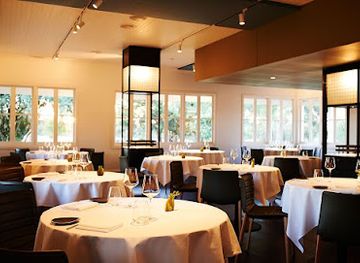
Brae Restaurant
Experience exceptional Australian cuisine at Brae Restaurant in Victoria’s stunning Otway region, where sustainability meets fine dining excellence.
Best bars in Western Victoria
Nightlife in Western Victoria is generally concentrated in Ballarat, larger regional towns and coastal centres rather than organised around a major club scene. Ballarat offers historic pubs, modern bars, breweries, restaurants, live music and occasional theatre or cultural events, with activity spread through the central city rather than confined to one large nightlife district. In goldfields towns, evening life is more likely to centre on a pub, hotel dining room, community event or small bar. Warrnambool and Port Fairy add coastal restaurants, traditional hotels and seasonal live music, while smaller communities tend to close earlier. Gariwerd and the rural districts are suited to quiet dinners, local produce and dark-sky stargazing rather than late-night entertainment. Trading hours, transport options and event programmes vary considerably, so visitors should arrange a safe return journey instead of assuming taxis or public transport will be available after midnight.
-
Cocktail bar
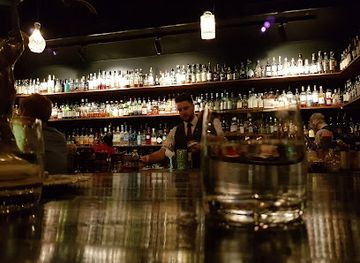
Eau De Vie Melbourne
Discover Eau De Vie Melbourne, a refined cocktail bar blending vintage charm with modern mixology for an unforgettable night out.
-
Cocktail bar
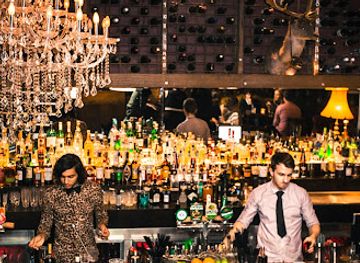
State of Grace
Discover the vibrant fusion of culinary delights and exquisite cocktails at State of Grace, Melbourne's premier dining destination.
-
Cocktail bar
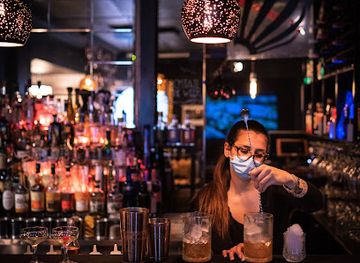
Berlin Bar
Experience Melbourne's vibrant nightlife at Berlin Bar, where unique cocktails and a lively atmosphere await in a hidden gem of the city.
-
Bar
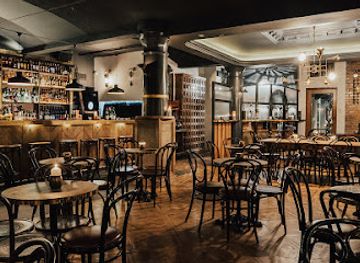
Beneath Driver Lane
Discover Beneath Driver Lane, an enchanting bar in Melbourne offering exquisite cocktails, live music, and an unforgettable atmosphere for every visitor.
Best nightclubs in Western Victoria
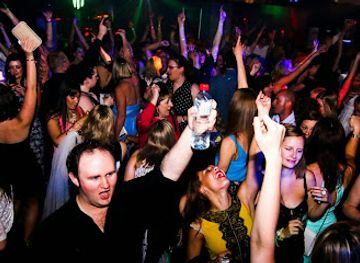
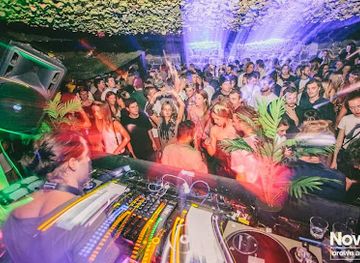
Nightlife in Western Victoria is generally concentrated in Ballarat, larger regional towns and coastal centres rather than organised around a major club scene. Ballarat offers historic pubs, modern bars, breweries, restaurants, live music and occasional theatre or cultural events, with activity spread through the central city rather than confined to one large nightlife district. In goldfields towns, evening life is more likely to centre on a pub, hotel dining room, community event or small bar. Warrnambool and Port Fairy add coastal restaurants, traditional hotels and seasonal live music, while smaller communities tend to close earlier. Gariwerd and the rural districts are suited to quiet dinners, local produce and dark-sky stargazing rather than late-night entertainment. Trading hours, transport options and event programmes vary considerably, so visitors should arrange a safe return journey instead of assuming taxis or public transport will be available after midnight.
-
Disco club
Club Retro
Discover the vibrant nightlife of Melbourne at Club Retro, where great food and dancing unite in an unforgettable experience.
-
Disco club
New Guernica
Explore the vibrant nightlife of Melbourne at New Guernica, a premier disco club in Collingwood offering electrifying music and a lively atmosphere.
-
Night club
Brown Alley
Discover Melbourne's iconic nightlife at Brown Alley, a vibrant night club offering unforgettable music and dance experiences.
-
Bar
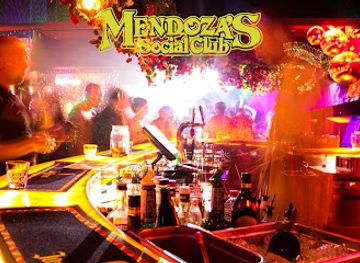
Mendoza's Social Club
Discover the heart of Melbourne's nightlife at Mendoza's Social Club, where music, dance, and great drinks come together for an unforgettable evening.
Best shops in Western Victoria
Shopping in Western Victoria is strongest in Ballarat and the historic goldfields towns, where central streets combine ordinary regional retail with independent bookshops, galleries, antiques, homewares and locally made goods. Ballarat is the most practical place for a broad selection of supplies, while Clunes, Maryborough and smaller centres have a more heritage-oriented character and may be particularly appealing for second-hand books, antiques and craft items. Farmers' markets and farm shops offer honey, preserves, bread, cheese, wine, cider, fruit and other regional produce, although locations and trading days vary. In the Grampians and Wimmera, galleries and craft outlets often focus on landscape, Aboriginal culture, ceramics, textiles and practical country products; buy cultural items only from reputable sellers who can explain their provenance. Coastal towns add locally themed artwork, maritime souvenirs and small independent shops, but the region is not primarily a designer-shopping destination. Rural opening hours can be limited, so plan purchases before travelling into remote park or farming areas.
-
 Shopping mall
Chadstone - The Fashion Capital
Discover the ultimate shopping experience at Chadstone, Australia's Fashion Capital, where luxury meets variety in a vibrant setting.
-
Shopping mall
Westfield Doncaster
Explore Westfield Doncaster – a shopping haven offering fashion, dining, and entertainment for all ages in Victoria, Australia.
-
Gift shop
Fletcher Jones Market
Explore Fletcher Jones Market in Warrnambool, a treasure trove of antiques, gifts, and unique finds in Victoria, Australia.
-
Bakery
Penshurst Store
Explore the delightful Penshurst Store, a charming bakery in Victoria offering fresh pastries and artisan bread, perfect for every traveler.


Get your free copy of our complete guide to Western Victoria, delivered straight to you.
Everything on this page, from attractions and restaurants to essentials and local phrases, in one PDF you can read offline, print or share.
Already have an account? Sign in
Your Western Victoria guide is ready.
We'll send it to · Not you? Sign out

Getting your guide ready…
We are putting together a fresh copy of the Western Victoria guide. This can take up to a minute.
This can take a few moments. If your browser asks, choose Allow so the download can start. You'll find the guide in your Downloads folder.
Nothing happened? Download it again
Sorry, the guide is taking longer than usual. Please try again in a minute, or get it by email instead.
Western Victoria essentials
Currency and Payment
Safety
Emergency Situations
Do's and Don'ts
Local Tips
From Eve
Local phrases worth knowing
You don't need to get them perfect. A few words go a long way, and locals appreciate the effort.
Basics
| English | Local | Say it |
|---|---|---|
| Hello | G'day | [guh-day] |
| Goodbye | See ya | [see yah] |
| Yes | Yeah | [yeh] |
| No | Nah | [nah] |
| Please/You're welcome | No worries | [no worr-ees] |
| Thank you | Thanks mate | [thanks mate] |
| Excuse me/Sorry | Sorry mate | [sorry mate] |
| How are you? | How ya going? | [how ya going] |
| Fine. And you? | Good, and you? | [good, and you] |
| Do you speak English? | Can ya speak English? | [can ya speak English] |
| I don't understand | I don’t get it | [I don’t get it] |
Eating & Drinking
| English | Local | Say it |
|---|---|---|
| I'd like to see the menu, please | Can I see the menu, please? | [can I see the menu, please?] |
| I don't eat meat | I’m a vegetarian | [I’m a vegetarian] |
| Cheers! | Cheers! | [cheers] |
| I would like to pay, please | Can I get the bill, please? | [can I get the bill, please?] |
Emergencies
| English | Local | Say it |
|---|---|---|
| Help! | Help! | [help] |
| Go away! | Get lost! | [get lost] |
| Call the Police! | Ring the cops! | [ring the cops] |
| Call a doctor! | Get a doctor! | [get a doctor] |
| I'm lost | I’m a bit lost | [I’m a bit lost] |
| I'm ill | I’m feeling crook | [I’m feeling crook] |
Shopping
| English | Local | Say it |
|---|---|---|
| I'd like to buy... | I wanna buy... | [I wanna buy] |
| I'm just looking | Just browsing, thanks | [just browsing, thanks] |
| How much is it? | What's the price? | [what's the price?] |
| That's too expensive | That's a rip-off! | [that's a rip-off] |
| Can you lower the price? | Can you do a better price? | [can you do a better price?] |
Time & Numbers
| English | Local | Say it |
|---|---|---|
| What time is it? | What’s the time? | [what’s the time?] |
| It's one o'clock | It’s one o’clock | [it’s one o’clock] |
| Half past (10) | Half past ten | [half past ten] |
| Morning | Morning | [morning] |
| Afternoon | Arvo | [arvo] |
| Evening | Evening | [evening] |
| Yesterday | Yesterday | [yesterday] |
| Today | Today | [today] |
| Tomorrow | Tomorrow | [tomorrow] |
| 1 | One | [one] |
| 2 | Two | [two] |
| 3 | Three | [three] |
| 4 | Four | [four] |
| 5 | Five | [five] |
| 6 | Six | [six] |
| 7 | Seven | [seven] |
| 8 | Eight | [eight] |
| 9 | Nine | [nine] |
| 10 | Ten | [ten] |
Transport & Directions
| English | Local | Say it |
|---|---|---|
| Where's a/the...? | Where’s the...? | [where’s the?] |
| What's the address? | What’s the address? | [what’s the address?] |
| Can you show me (on the map)? | Can you point it out on the map? | [can you point it out on the map?] |
| When's the next (bus)? | When’s the next bus? | [when’s the next bus?] |
| A ticket (to ....) | A ticket to... | [a ticket to...] |
History of Western Victoria
First Peoples and ancient landscapes
Western Victoria is Country for several Aboriginal peoples, including Wadawurrung, Dja Dja Wurrung, Djab Wurrung and Gunditjmara communities, among others. Their relationships with rivers, plains, wetlands, volcanic country and sandstone ranges extend over many thousands of years. In the south-west, Gunditjmara engineering of channels, weirs and ponds around Budj Bim supported the harvesting and management of kooyang, or short-finned eel, and other resources. Rock art, cultural landscapes and continuing community connections in Gariwerd and elsewhere demonstrate that the region's history began long before European settlement.
Volcanic country and the western plains
Much of western and south-western Victoria was shaped by relatively recent volcanic activity, which created fertile basalt plains, crater lakes and distinctive landforms. These environments influenced Aboriginal travel, seasonal resource use and later pastoral settlement. Tower Hill, near Warrnambool, is a prominent example of a volcanic maar and has long-standing significance to the Gunditjmara people. The region's soils subsequently supported sheep, cattle, grain and dairy production, although farming and introduced species also transformed wetlands, grasslands and native vegetation.
Pastoral expansion in the nineteenth century
From the 1830s, European pastoralists moved into western Victoria, establishing large sheep and cattle runs across land already occupied and managed by Aboriginal communities. This expansion brought violent frontier conflict, dispossession and major disruption to Aboriginal societies. Stations, roads, towns and stock routes followed, and wool became a major economic force. The surviving homesteads, pastoral buildings and town layouts of the Western District reflect this period, but they must be understood alongside the enduring cultural authority and historical experience of the region's First Peoples.
The Victorian gold rush, 1850s–1870s
Gold discoveries around Ballarat, Clunes, Maryborough, Avoca and other western Victorian centres triggered rapid population growth and connected the region to global migration networks. Ballarat became a major mining city, with banks, hotels, theatres, civic buildings and transport infrastructure built around the gold economy. The Eureka Stockade uprising at Ballarat in 1854, arising from conflict over mining licences and political representation, became an important episode in Australian democratic history. Goldfield towns and surviving civic architecture remain among Western Victoria's most visible historical legacies.
Railways, agriculture and regional towns
Later nineteenth-century railway construction linked Western Victoria's mines, farms and ports with Melbourne and other markets. Rail encouraged the growth of grain, wool, livestock and dairy industries while giving inland towns a more durable commercial role after many alluvial gold workings declined. Town halls, railway stations, flour mills, bluestone buildings and broad main streets still reveal this period of regional development. The Wimmera in particular became associated with wheat and other dryland farming, while the south-west developed important pastoral and dairy economies.
Conservation and changing land use
During the twentieth century, drought, salinity, vegetation clearance and changing agricultural markets reshaped the western plains and mallee. At the same time, national parks and reserves were established to protect distinctive landscapes and wildlife, including the Grampians, Little Desert and Tower Hill areas. Tourism increasingly became part of the regional economy, built around goldfields heritage, bushwalking, Aboriginal culture, volcanic landscapes and the coast. Modern conservation work now sits alongside farming, forestry, cultural tourism and efforts to restore habitat and recognise Indigenous stewardship.
Living Aboriginal culture and heritage recognition
Contemporary Western Victoria places increasing emphasis on Aboriginal knowledge, cultural authority and interpretation. The Budj Bim Cultural Landscape was added to the UNESCO World Heritage List in 2019 in recognition of the Gunditjmara aquaculture system and its continuing cultural significance. Around Gariwerd, community-led interpretation and consultation have strengthened understanding of Djab Wurrung and other traditions connected with the ranges. Visitors should regard these places as living cultural landscapes rather than simply archaeological attractions.
Western Victoria in Photos
Browse through our photo collection highlighting the charm and character of the destination.
Neighbouring regions of Western Victoria
The closest regions to Western Victoria, if you have time for more than one.
-

-

-

-

-


Swipe for more regions
Explore more

Explore more of Australia
Discover the diverse landscapes, vibrant cities, and unique wildlife of Australia, a captivating destination offering endless adventures and unforgettable experiences.
Explore Australia