

Free Grampians Travel Guide & Mobile App
Explore Grampians with free travel guides. Discover regional history, expert tips, proposed trips, and audio guides on web or mobile app.


Explore the Grampians in western Victoria for Gariwerd’s sandstone peaks, Aboriginal heritage, waterfalls, wildlife and rewarding bushwalks.
Read more about Grampians
When is the best time to visit Grampians?
Best: December–January · 25–27°C| Month | High (°C) | Rainfall (mm) |
|---|---|---|
| January (best) | 27 | 30 |
| February | 28 | 30 |
| March (best) | 25 | 35 |
| April | 21 | 40 |
| May | 17 | 45 |
| June | 14 | 50 |
| July | 13 | 45 |
| August | 15 | 40 |
| September | 18 | 35 |
| October | 21 | 40 |
| November | 24 | 45 |
| December (best) | 25 | 40 |
Getting to and around Grampians
How to get there
Transportation
Top city travel guides in Grampians
The cities of Grampians, and the easiest places to base yourself.

Swipe for more cities
Destinations in Grampians
Resorts, valleys and scenic spots worth a trip of their own.
-

-


Swipe for more destinations
Best attractions in Grampians
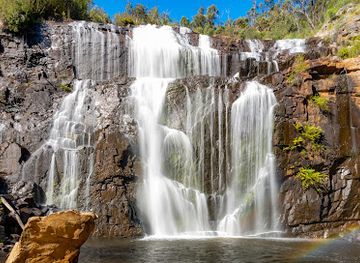
The Grampians’ attractions centre on Grampians National Park and the extraordinary concentration of experiences within its sandstone ranges. Around Halls Gap, visitors can combine short walks to Boroka Lookout, Reed Lookout and The Balconies with longer routes through the Wonderland Range or towards Mount William. Mackenzie Falls, one of Victoria’s best-known inland waterfalls, is a major stop, although access and walking conditions should be checked before travelling. Brambuk – The National Park and Cultural Centre introduces the living Djab Wurrung and Jardwadjali heritage of Gariwerd, while selected rock art shelters offer a direct connection with the region’s ancient cultural record under current access rules. Wildlife watching is rewarding in the valleys and open country, where kangaroos, emus and many bird species are often seen. The southern area around Dunkeld offers different walking and landscape perspectives, while Stawell contributes gold-mining history and regional town life. Camping, photography, climbing and bushwalking are important activities, but the park is a protected environment rather than an amusement landscape: weather, fire conditions, track grades and conservation notices should shape each visit.
-
Tourist attraction
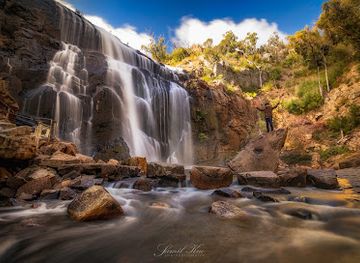
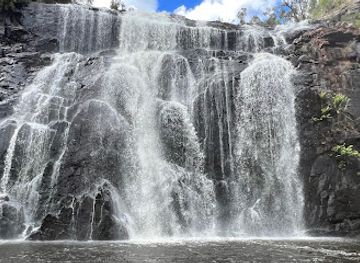
MacKenzie Falls
Experience the spectacular beauty of MacKenzie Falls, a natural wonder in the Grampians National Park, perfect for nature lovers and adventure seekers.
-
Tourist attraction
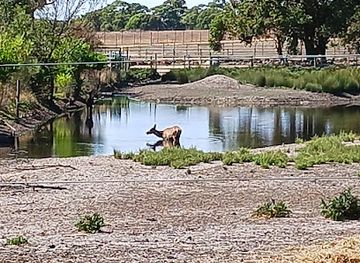
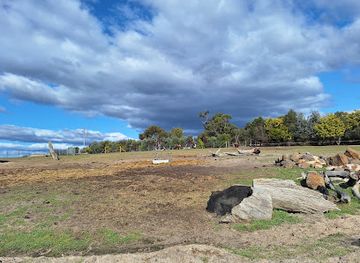
Halls Gap Zoo
Experience the wonders of wildlife at Halls Gap Zoo, where conservation meets adventure in Victoria's stunning Grampians region.
-
Tourist attraction
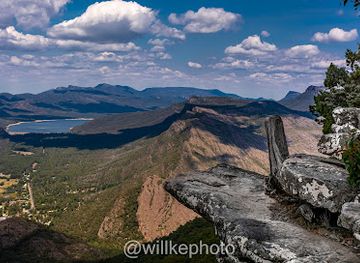
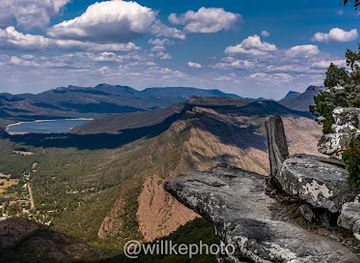
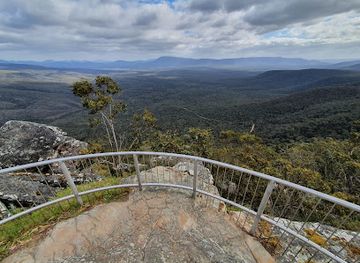
Boroka Lookout
Discover the breathtaking views of Boroka Lookout in the Grampians National Park, a must-visit destination for nature lovers and adventure seekers.
-
Tourist attraction
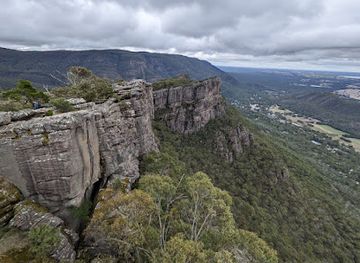
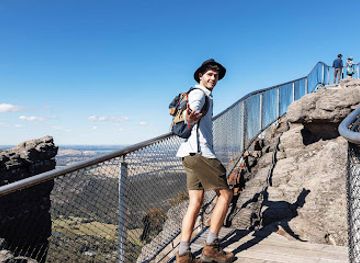
Pinnacle Lookout
Experience the breathtaking views from The Pinnacle Lookout in Grampians National Park, a must-visit destination for every nature lover.
Best landmarks in Grampians
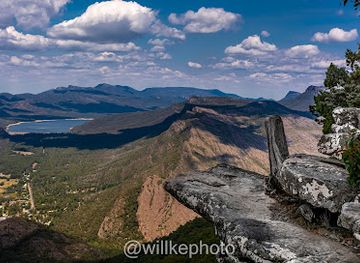
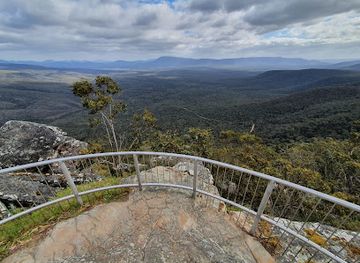
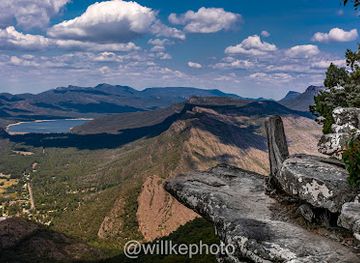
The Grampians’ defining landmarks are geological, cultural and landscape-based. The long sandstone escarpments of the Wonderland and Serra ranges give the region its distinctive profile, particularly when viewed from the open country around Halls Gap and Dunkeld. Mount William, the highest summit in the Grampians, is a prominent point within the park, while Boroka Lookout and Reed Lookout frame broad views across ranges, forests and plains. Mackenzie Falls is a notable natural landmark where water descends through the rugged terrain, although access routes can change with weather and conservation works. The rock art shelters of Gariwerd are among the region’s most significant cultural landmarks, representing the continuing heritage of Djab Wurrung and Jardwadjali peoples; visitors must follow current guidance and never touch or enter restricted sites. Brambuk’s cultural architecture and interpretation provide another important point of reference near Halls Gap. Around Stawell, surviving gold-era buildings and civic streetscapes recall the mining history that helped shape the northern approach to the mountains.
-
National park
Grampians National Park
Experience the breathtaking landscapes, diverse wildlife, and rich cultural heritage of Grampians National Park in Victoria, Australia.
-
Tourist attraction
MacKenzie Falls
Explore the breathtaking MacKenzie Falls in Grampians National Park, a serene destination filled with majestic views and rich wildlife.
-
Zoo
Halls Gap Zoo
Experience the beauty of wildlife at Halls Gap Zoo, nestled in the stunning Grampians, where adventure and education come together for an unforgettable visit.
-
Vista point
Boroka Lookout
Experience breathtaking views and invigorating hikes at Boroka Lookout in the stunning Grampians National Park, a must-visit for nature lovers.

Explore Grampians on the map
Plan your trip on one map. See where the top cities, national parks and sights are, and book hotels and experiences in a few clicks.
Best hotels in Grampians
Best restaurants in Grampians
Eating in the Grampians reflects western Victoria’s farming country and the needs of a dispersed rural destination. Halls Gap has cafés, bakeries, casual restaurants and places serving hearty meals to walkers, while Dunkeld is known for a more produce-focused dining culture and provides a southern base for exploring the ranges. Stawell and nearby towns offer country pubs, bakeries, cafés and everyday provisions. Menus commonly draw on local or Victorian produce, including lamb, beef, vegetables, bread, preserves and regional cheeses, while vineyards and cellar doors around western Victoria contribute local wine to the broader food scene. Picnics are practical for national park days, but visitors should buy supplies before heading to remote trailheads and take all rubbish away. Dining hours and choices are more limited than in Melbourne, particularly outside the main settlements, so advance planning is sensible for dinner, dietary requirements and busy periods. The region’s strongest food experience is often the combination of a country bakery or café, farm-influenced cooking and a meal enjoyed after time outdoors.
-
Tourist attraction
Boroka Lookout
Discover breathtaking views at Boroka Lookout in Grampians National Park—an essential stop for every traveler seeking nature's beauty.
-
Indian
Spirit of Punjab
Savor authentic Indian cuisine at Spirit of Punjab in Halls Gap - a culinary journey through India's vibrant flavors awaits.
-
Tourist attraction
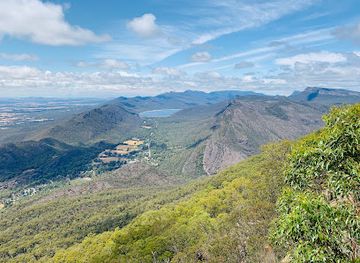
Reeds Lookout
Discover stunning vistas and hiking adventures at Reeds Lookout in Grampians National Park - a true gem for nature lovers.
-
Cafe
Livefast Cafe
Experience delightful breakfasts and exquisite coffee at Livefast Cafe in Halls Gap – your perfect pit stop in nature's embrace.
Best bars in Grampians
Evenings in the Grampians are generally understated and concentrated in Halls Gap, Dunkeld, Stawell and other established settlements rather than in a dedicated club district. Country pubs and hotel dining rooms provide traditional places for a meal or drink, while cafés, restaurants and occasional live music create a quieter social scene. Dunkeld’s food-and-wine identity gives the southern end of the region a more dining-led evening atmosphere, and Stawell has the broader town infrastructure of a regional centre. Halls Gap may be busier during holiday periods, but nightlife remains modest compared with Melbourne or larger Victorian cities. Visitors should not assume late-night transport between settlements, and rural roads require particular care after dark because of wildlife. Local breweries, wineries and tasting opportunities are best approached as food-and-drink experiences rather than as a continuous nightlife circuit, with availability varying by season and business.
-
Vista point
Boroka Lookout
Discover the natural beauty of the Grampians at Boroka Lookout, offering breathtaking views and unforgettable hiking experiences in Victoria.
-
Indian
Spirit of Punjab
Discover the rich flavors of India at Spirit of Punjab, a culinary haven in Halls Gap blending authentic dishes with local charm.
-
Tourist attraction
Pinnacle Lookout
Experience the stunning panoramic views and exhilarating hikes at Pinnacle Lookout in Grampians National Park, a true gem for nature lovers.
-
Vista point
Reeds Lookout
Discover the stunning vistas and hiking trails at Reeds Lookout in the heart of Grampians National Park, a paradise for nature lovers.
Best nightclubs in Grampians
Evenings in the Grampians are generally understated and concentrated in Halls Gap, Dunkeld, Stawell and other established settlements rather than in a dedicated club district. Country pubs and hotel dining rooms provide traditional places for a meal or drink, while cafés, restaurants and occasional live music create a quieter social scene. Dunkeld’s food-and-wine identity gives the southern end of the region a more dining-led evening atmosphere, and Stawell has the broader town infrastructure of a regional centre. Halls Gap may be busier during holiday periods, but nightlife remains modest compared with Melbourne or larger Victorian cities. Visitors should not assume late-night transport between settlements, and rural roads require particular care after dark because of wildlife. Local breweries, wineries and tasting opportunities are best approached as food-and-drink experiences rather than as a continuous nightlife circuit, with availability varying by season and business.
-
Tourist attraction
Boroka Lookout
Discover breathtaking views and natural beauty at Boroka Lookout in the Grampians National Park, a must-visit for every nature lover.
-
Brewpub
Paper Scissors Rock Brew Co
Experience the best of Victoria at Paper Scissors Rock Brew Co, where craft beers and local cuisine meet stunning natural beauty.
-
Pub
Halls Gap Hotel Restaurant
Discover the flavors of the Grampians at Halls Gap Hotel Restaurant, a vibrant pub and bistro offering local cuisine and live music.
-
Restaurant
Kookaburra Hotel
Discover the Kookaburra Hotel in Halls Gap - where local flavors and a cozy pub atmosphere come together for an unforgettable dining experience.


Best shops in Grampians
Shopping in the Grampians is practical, local and closely tied to food, craft and the region’s outdoor identity. Halls Gap has small independent shops and galleries where visitors can look for Aboriginal art and cultural material from appropriate, reputable sources, along with books, clothing, maps, outdoor supplies and locally made gifts. Country bakeries, farm shops and delicatessens provide regional food products such as preserves, sweets, wine and other Victorian produce, while Dunkeld offers a smaller, produce-led selection of shops and galleries. Stawell has the broadest everyday retail range, including supermarkets, services and traditional country high-street businesses. Markets and seasonal local-produce events may occur in surrounding towns, but dates and locations vary, so check locally rather than relying on an assumed weekly market. When buying Aboriginal art or cultural products, ask about provenance and prefer businesses that clearly identify the artist, community and appropriate permissions. Shopping is limited in remote park areas, making the main settlements the sensible places to obtain food, fuel, maps and walking essentials.
-
Tourist attraction
MacKenzie Falls
Experience the breathtaking beauty of MacKenzie Falls, a stunning waterfall located in the heart of Grampians National Park in Victoria, Australia.
-
Vista point
Boroka Lookout
Experience breathtaking views and explore nature's splendor at Boroka Lookout in the Grampians National Park.
-
Tourist attraction
Pinnacle Lookout
Explore Pinnacle Lookout in Grampians National Park for breathtaking views and memorable hiking adventures amidst stunning natural landscapes.
-
Vista point
Reeds Lookout
Explore the breathtaking views and hiking trails at Reeds Lookout, a stunning vista point in the Grampians National Park, Victoria.

Get your free copy of our complete guide to Grampians, delivered straight to you.
Everything on this page, from attractions and restaurants to essentials and local phrases, in one PDF you can read offline, print or share.
Already have an account? Sign in
Your Grampians guide is ready.
We'll send it to · Not you? Sign out

Getting your guide ready…
We are putting together a fresh copy of the Grampians guide. This can take up to a minute.
This can take a few moments. If your browser asks, choose Allow so the download can start. You'll find the guide in your Downloads folder.
Nothing happened? Download it again
Sorry, the guide is taking longer than usual. Please try again in a minute, or get it by email instead.
Grampians essentials
Currency and Payment
Safety
Emergency Situations
Do's and Don'ts
Local Tips
From Eve
Local phrases worth knowing
You don't need to get them perfect. A few words go a long way, and locals appreciate the effort.
Basics
| English | Local | Say it |
|---|---|---|
| Hello | G'day | [guh-day] |
| Goodbye | See ya later | [see yah lay-ter] |
| Yes | Yeah | [yeh] |
| No | Nah | [nah] |
| Please/You're welcome | No worries | [noh wuh-reez] |
| Thank you | Cheers | [cheers] |
| Excuse me/Sorry | Sorry mate | [saw-ree mate] |
| How are you? | How's it going? | [how's it goin'?] |
| Fine. And you? | Good, and you? | [good, an' you?] |
| Do you speak English? | Can ya speak English? | [can yah speak English?] |
| I don't understand | I don't get it | [I don’t get it] |
Eating & Drinking
| English | Local | Say it |
|---|---|---|
| I'd like to see the menu, please | Can I see the menu, please? | [can I see the menu, please?] |
| I don't eat meat | I’m a vegetarian | [I'm a ve-ge-ta-ryan] |
| Cheers! | Cheers! | [cheers] |
| I would like to pay, please | Can I get the bill, please? | [can I get the bill, please?] |
Emergencies
| English | Local | Say it |
|---|---|---|
| Help! | Help! | [help] |
| Go away! | Get lost! | [get lost] |
| Call the Police! | Call the cops! | [call the cops] |
| Call a doctor! | Get a doctor! | [get a doctor] |
| I'm lost | I’m lost | [I'm lost] |
| I'm ill | I’m sick | [I'm sick] |
Shopping
| English | Local | Say it |
|---|---|---|
| I'd like to buy... | I want to buy... | [I want to buy...] |
| I'm just looking | Just browsing, thanks | [just browsing, thanks] |
| How much is it? | What’s the price? | [what's the price?] |
| That's too expensive | That’s a bit steep | [that’s a bit steep] |
| Can you lower the price? | Can you do a better price? | [can you do a better price?] |
Time & Numbers
| English | Local | Say it |
|---|---|---|
| What time is it? | What’s the time? | [what's the time?] |
| It's one o'clock | It’s one o’clock | [it’s one o'clock] |
| Half past (10) | Half past ten | [half past ten] |
| Morning | Morning | [morning] |
| Afternoon | Arvo | [arvo] |
| Evening | Evening | [evening] |
| Yesterday | Yesterday | [yesterday] |
| Today | Today | [today] |
| Tomorrow | Tomorrow | [tomorrow] |
| 1 | One | [one] |
| 2 | Two | [two] |
| 3 | Three | [three] |
| 4 | Four | [four] |
| 5 | Five | [five] |
| 6 | Six | [six] |
| 7 | Seven | [seven] |
| 8 | Eight | [eight] |
| 9 | Nine | [nine] |
| 10 | Ten | [ten] |
Transport & Directions
| English | Local | Say it |
|---|---|---|
| Where's a/the...? | Where's the...? | [where's the...?] |
| What's the address? | What’s the address? | [what's the address?] |
| Can you show me (on the map)? | Can you show me on the map? | [can you show me on the map?] |
| When's the next (bus)? | When’s the next bus? | [when's the next bus?] |
| A ticket (to ....) | One ticket to... | [one ticket to...] |
History of Grampians
Djab Wurrung and Jardwadjali Gariwerd
Gariwerd has been home to Djab Wurrung and Jardwadjali peoples for many thousands of years. The ranges, watercourses, animals and rock shelters are embedded in living cultural traditions rather than representing only an archaeological past. Rock art shelters, tool-making evidence and painted motifs record long-standing occupation, while creation stories explain relationships between the landscape and its people. Visitors encounter this heritage at places such as Brambuk and at selected rock art sites, where conservation, cultural protocols and restricted access are important parts of responsible travel.
European Exploration and Pastoral Expansion
European pastoral expansion reached the western Victorian grasslands during the nineteenth century, bringing stations and new land-use patterns around the ranges. This process displaced Aboriginal communities and disrupted established cultural practices, with consequences that remain part of the region’s history. The mountains themselves were gradually mapped and described by colonial explorers, while pastoral properties developed on the more open country around the Grampians. The contrast between protected ranges and surrounding agricultural land still reflects these layered histories.
Gold at Stawell and the Western Victorian Fields
Gold discovery transformed Stawell and surrounding parts of western Victoria during the nineteenth century. Mining attracted prospectors, merchants, transport services and workers, turning a settlement on the edge of the ranges into an important regional town. Although the major rushes eventually subsided, mining remained significant in Stawell’s identity and economy. Historic buildings and local collections help explain how gold connected the Grampians with wider networks of migration, finance and transport across colonial Victoria.
Creation of the National Park
The ranges gained formal protection during the late nineteenth and early twentieth centuries as their scenic and natural importance became more widely recognised. The protected area developed into what is now Grampians National Park, one of Victoria’s major conservation landscapes. Park management has had to balance recreation, biodiversity, fire, infrastructure and the protection of Aboriginal cultural places. The park’s present form reflects both changing ideas about conservation and the continuing importance of Traditional Owner involvement.
Tourism, Walking and Landscape Interpretation
Improved roads, accommodation and walking infrastructure gradually made the Grampians accessible to visitors from Melbourne and regional Victoria. Halls Gap became the principal tourism settlement, supported by lookouts, waterfalls, camping areas and tracks through the central ranges. Tourism has increasingly moved beyond scenic appreciation alone, with stronger interpretation of Aboriginal history, geology and ecology. The region now presents Gariwerd as a cultural landscape as well as a destination for bushwalking and wildlife observation.
Gariwerd and Continuing Cultural Recognition
The use of the name Gariwerd alongside Grampians reflects growing public recognition that the landscape has an Aboriginal identity predating colonial naming. Cultural centres, Traditional Owner programs and revised interpretation have helped place Djab Wurrung and Jardwadjali knowledge more prominently in the visitor experience. This development is ongoing rather than complete: access arrangements, place names and conservation practices may change as consultation and cultural authority continue to shape management of the park.
Grampians in Photos
Browse through our photo collection highlighting the charm and character of the destination.
Neighbouring regions of Grampians
The closest regions to Grampians, if you have time for more than one.
-

-

-

-

-


Swipe for more regions
Explore more

Explore more of Australia
Discover the diverse landscapes, vibrant cities, and unique wildlife of Australia, a captivating destination offering endless adventures and unforgettable experiences.
Explore Australia