

Free Northern Victoria Travel Guide & Mobile App
Explore Northern Victoria with free travel guides. Discover regional history, expert tips, proposed trips, and audio guides on web or mobile app.


Explore Northern Victoria for Murray River towns, gold-rush heritage, orchards, wineries, wetlands and wide-ranging inland landscapes.
Read more about Northern Victoria
When is the best time to visit Northern Victoria?
Best: March, October–November · 24–27°C| Month | High (°C) | Rainfall (mm) |
|---|---|---|
| January | 28 | 30 |
| February | 28 | 25 |
| March (best) | 26 | 35 |
| April | 22 | 40 |
| May | 18 | 45 |
| June | 15 | 50 |
| July | 14 | 55 |
| August | 16 | 50 |
| September | 20 | 45 |
| October (best) | 24 | 40 |
| November (best) | 27 | 35 |
| December | 28 | 30 |
Getting to and around Northern Victoria
How to get there
Transportation
Top city travel guides in Northern Victoria
The cities of Northern Victoria, and the easiest places to base yourself.

Swipe for more cities
Destinations in Northern Victoria
Resorts, valleys and scenic spots worth a trip of their own.
-

-

-

-


Swipe for more destinations
Best attractions in Northern Victoria
Northern Victoria offers a varied mix of river recreation, goldfields heritage, agricultural landscapes and nature reserves. Around Echuca, restored wharf buildings and paddle-steamer cruises explain the working history of the Murray, while nearby Barmah National Park protects one of the world’s significant river red gum forests and supports abundant birdlife. Bendigo combines former mining landscapes with galleries, museums, gardens and historic civic architecture, and the Central Deborah Gold Mine provides an insight into the physical reality of underground mining. Mildura and the surrounding irrigation country appeal through food and wine experiences, riverside parks and access to semi-arid landscapes. Shepparton’s arts and cultural institutions reflect the Goulburn Valley’s diverse communities, while Beechworth, Chiltern and Yackandandah offer goldfields history, boutique food and walking opportunities in the north-east. Rail trails, fishing, birdwatching, boating, cycling and winery visits are among the region’s strongest outdoor experiences, but distances and seasonal heat mean that attractions are best grouped geographically.
-
Scenic spot
Twelve Apostles
Discover the breathtaking Twelve Apostles, iconic limestone formations along the Great Ocean Road, a remarkable natural wonder in Victoria, Australia.
-
Museum
Sovereign Hill
Explore Sovereign Hill, a unique open-air museum in Ballarat, where the vibrant history of Australia's gold rush comes to life through immersive experiences and engaging demonstrations.
-
Wildlife park
Penguin Parade
Witness the enchanting nightly ritual of little penguins at the stunning Penguin Parade, a wildlife park in Victoria dedicated to conservation and nature appreciation.
-
Botanical garden
Ballarat Botanical Gardens
Discover the stunning Ballarat Botanical Gardens, a tranquil escape filled with vibrant plant life, rich history, and picturesque landscapes by Lake Wendouree.


Best landmarks in Northern Victoria
The Murray River itself is Northern Victoria’s most significant natural landmark, forming a long border landscape of river red gums, wetlands, sandbars and historic ports. Echuca’s timber wharf is the region’s most recognisable river heritage structure, representing the period when paddle steamers connected inland producers with wider markets. Bendigo’s Sacred Heart Cathedral, grand Pall Mall streetscape and former mining infrastructure express the prosperity generated by the gold rush, while the Central Deborah Gold Mine preserves a more industrial physical legacy. Mildura’s Chaffey Avenue precinct and riverside setting reflect the ambitious irrigation settlement established in the late nineteenth century. In the north-east, Beechworth’s courthouse, gaol and stone civic buildings evoke its role as a goldfields administrative centre, while the historic towns of Yackandandah and Chiltern retain smaller-scale streetscapes shaped by mining and pastoral trade. Barmah’s river red gum forests are landmarks of a different kind: an extensive cultural and ecological landscape rather than a single monument.
-
Scenic spot
Twelve Apostles
Discover the breathtaking beauty of the Twelve Apostles, Australia's iconic limestone stacks along the Great Ocean Road, a must-visit natural wonder.
-
Museum
Sovereign Hill
Discover Australia's gold rush history at Sovereign Hill, a living museum where you can experience the excitement of the 1850s gold mining era.
-
War memorial
Shrine of Remembrance
Discover the Shrine of Remembrance, Melbourne's iconic war memorial, celebrating the courage and sacrifice of Australia's servicemen and women.
-
Tourist attraction
Erskine Falls
Explore the breathtaking Erskine Falls in Great Otway National Park, a stunning waterfall surrounded by lush nature and scenic hiking trails.


Explore Northern Victoria on the map
Plan your trip on one map. See where the top cities, national parks and sights are, and book hotels and experiences in a few clicks.
Best hotels in Northern Victoria
Best restaurants in Northern Victoria
Dining in Northern Victoria is closely linked to its farms, orchards, vineyards and river systems. The Murray and irrigation districts supply citrus, grapes, olives, stone fruit, vegetables and dried fruit, while the Goulburn Valley is known for horticulture, dairying and food processing. Town cafés, country pubs, bakeries and rural inns provide practical places to sample local produce, while cellar doors and contemporary restaurants around Bendigo, Beechworth, Rutherglen and Mildura interpret regional ingredients in more elaborate ways. Wine is particularly important in the north-east and central north, with styles ranging from fortified wines and reds to newer cool-climate expressions. Farmers’ markets and farm-gate outlets vary by season, so visitors should look for current local listings rather than assume year-round availability. Multicultural communities, especially in the Shepparton area, have also broadened the region’s restaurant and takeaway scene beyond traditional Australian country fare.
-
Seafood
Lobster Cave
Discover Lobster Cave in Beaumaris - A premier destination for fresh seafood and exquisite dining experiences along Victoria's stunning coastline.
-
Restaurant
Mjølner
Discover Mjølner: A unique Nordic dining experience paired with exceptional cocktails in the heart of Melbourne.
-
Family-friendly
The Red Stag Restaurant
Experience delightful family dining at The Red Stag Restaurant in Eurobin - where fresh ingredients meet breathtaking scenery.
-
Restaurant
Boatshed Restaurant
Experience exquisite dining at Boatshed Restaurant with stunning views over Lake Wendouree – perfect for breakfast, brunch, lunch or evening cocktails.


Best bars in Northern Victoria
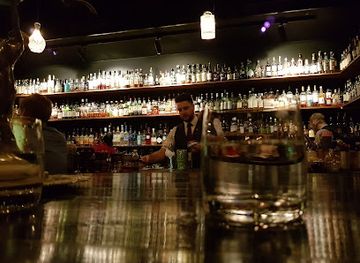
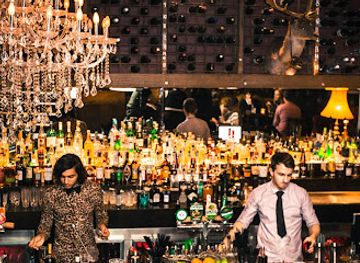
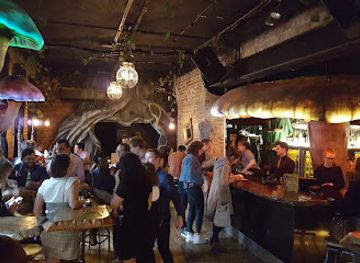
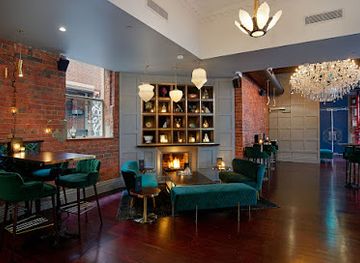
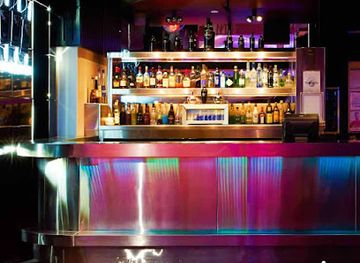
Evening life in Northern Victoria is concentrated in regional centres rather than spread across a major metropolitan-style club scene. Bendigo has the broadest choice of pubs, wine bars, live-music spaces, theatres and restaurants, while Mildura and Shepparton provide a mixture of hotel bars, cafés, dining venues and occasional live entertainment. Historic pubs and hotel bars remain important social spaces in smaller goldfields and river towns, often offering local beer, wine and straightforward meals. Wine bars and cellar-door events are especially relevant in the north-east and central north, although they may operate more often as daytime or early-evening venues than late-night destinations. Visitors staying in rural districts should expect quiet nights, limited transport after dark and earlier closing patterns, and should arrange a safe return rather than relying on an extensive taxi or rideshare network.
-
Cocktail bar
Eau De Vie Melbourne
Discover Eau De Vie Melbourne, an elegant cocktail bar that promises unique drinks, a cozy ambiance, and a memorable night out in the heart of the city.
-
Cocktail bar
State of Grace
Discover the vibrant cocktail culture at State of Grace, Melbourne's premier cocktail bar offering exquisite drinks and contemporary cuisine.
-
Bar
StoryVille
Discover StoryVille, Melbourne's vibrant bar offering exquisite cocktails in a cozy atmosphere, perfect for unwinding after a day of adventure.
-
Bar
Trinket Bar
Experience the vibrant nightlife of Melbourne at Trinket Bar, a cocktail haven serving delicious pizzas and creative drinks in a lively setting.
Best nightclubs in Northern Victoria
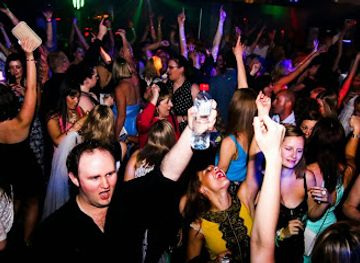
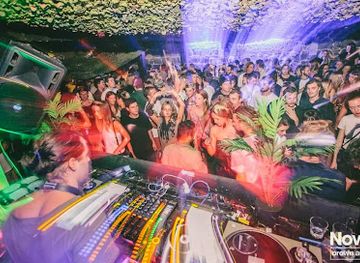
Evening life in Northern Victoria is concentrated in regional centres rather than spread across a major metropolitan-style club scene. Bendigo has the broadest choice of pubs, wine bars, live-music spaces, theatres and restaurants, while Mildura and Shepparton provide a mixture of hotel bars, cafés, dining venues and occasional live entertainment. Historic pubs and hotel bars remain important social spaces in smaller goldfields and river towns, often offering local beer, wine and straightforward meals. Wine bars and cellar-door events are especially relevant in the north-east and central north, although they may operate more often as daytime or early-evening venues than late-night destinations. Visitors staying in rural districts should expect quiet nights, limited transport after dark and earlier closing patterns, and should arrange a safe return rather than relying on an extensive taxi or rideshare network.
-
Disco club
Club Retro
Discover Melbourne's nightlife at Club Retro, a lively disco club offering great music, tasty food, and unforgettable dance experiences.
-
Disco club
New Guernica
Discover the energetic nightlife at New Guernica, a premier disco club in Collingwood, where music, dancing, and vibrant decor create an unforgettable experience.
-
Night club
Brown Alley
Discover the vibrant nightlife at Brown Alley, Melbourne's premier night club with electrifying music and an unforgettable atmosphere.
-
Disco club
Level 3 Nightclubs
Experience the vibrant nightlife of Melbourne at Level 3 Nightclubs, where dancing, entertainment, and excitement await you.

Best shops in Northern Victoria
Shopping in Northern Victoria centres on regional high streets, markets, farm-gate outlets and independent specialist stores rather than large luxury precincts. Bendigo offers the widest urban selection, including galleries, antiques, books, crafts, food shops and heritage-area businesses, while Echuca combines tourism-oriented shopping with local produce and river-themed goods. Mildura is a useful base for purchasing dried fruit, citrus products, wine and other foods associated with the irrigation districts. Beechworth, Yackandandah and nearby north-eastern towns are known for small galleries, artisan goods, local wine, preserves and craft products, though opening days can vary outside peak periods. Farmers’ markets and seasonal produce stalls provide opportunities to buy fruit, vegetables, honey, baked goods and regional specialities directly from growers or makers. Aboriginal art and cultural products should be purchased through reputable galleries or organisations that can explain provenance and support artists appropriately.
-
Shopping mall
Chadstone - The Fashion Capital
Discover Chadstone, Australia’s Fashion Capital, featuring over 500 retailers, exquisite dining options, and a vibrant atmosphere for the ultimate shopping experience.
-
Shopping mall
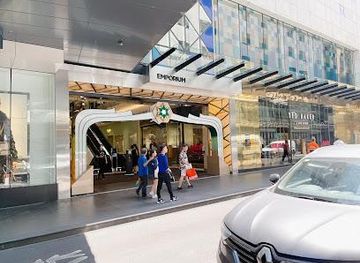
Emporium Melbourne
Emporium Melbourne: A premier shopping destination with over 200 stores, exquisite dining, and a stunning architectural design in the heart of the city.
-
Shopping mall
QV Melbourne
Explore QV Melbourne for a diverse shopping experience with dining, entertainment, and a vibrant atmosphere in the heart of the city.
-
Shopping mall
Westfield Doncaster
Explore a shopping paradise at Westfield Doncaster, featuring diverse stores, exceptional dining, and entertainment in a modern setting.



Get your free copy of our complete guide to Northern Victoria, delivered straight to you.
Everything on this page, from attractions and restaurants to essentials and local phrases, in one PDF you can read offline, print or share.
Already have an account? Sign in
Your Northern Victoria guide is ready.
We'll send it to · Not you? Sign out

Getting your guide ready…
We are putting together a fresh copy of the Northern Victoria guide. This can take up to a minute.
This can take a few moments. If your browser asks, choose Allow so the download can start. You'll find the guide in your Downloads folder.
Nothing happened? Download it again
Sorry, the guide is taking longer than usual. Please try again in a minute, or get it by email instead.
Northern Victoria essentials
Currency and Payment
Safety
Emergency Situations
Do's and Don'ts
Local Tips
From Eve
Local phrases worth knowing
You don't need to get them perfect. A few words go a long way, and locals appreciate the effort.
Basics
| English | Local | Say it |
|---|---|---|
| Hello | G’day | [g'day] |
| Goodbye | See ya | [see ya] |
| Yes | Yeah | [yeah] |
| No | Nah | [nah] |
| Please/You're welcome | No worries | [no worries] |
| Thank you | Cheers | [cheers] |
| Excuse me/Sorry | Sorry | [sorry] |
| How are you? | How ya going? | [how ya going?] |
| Fine. And you? | Good, you? | [good, you?] |
| Do you speak English? | Do ya speak English? | [do ya speak English?] |
| I don't understand | I don't get it | [I don't get it] |
Eating & Drinking
| English | Local | Say it |
|---|---|---|
| I'd like to see the menu, please | Can I see the menu, please? | [can I see the menu, please?] |
| I don't eat meat | I’m a vegetarian | [I'm a vegetarian] |
| Cheers! | Cheers! | [cheers!] |
| I would like to pay, please | Can I get the bill, please? | [can I get the bill, please?] |
Emergencies
| English | Local | Say it |
|---|---|---|
| Help! | Help! | [help!] |
| Go away! | Bugger off! | [bugger off!] |
| Call the Police! | Call the cops! | [call the cops!] |
| Call a doctor! | Get a doctor! | [get a doctor!] |
| I'm lost | I'm a bit lost | [I'm a bit lost] |
| I'm ill | I'm crook | [I'm crook] |
Shopping
| English | Local | Say it |
|---|---|---|
| I'd like to buy... | I wanna buy... | [I wanna buy...] |
| I'm just looking | Just browsing, thanks | [just browsing, thanks] |
| How much is it? | How much? | [how much?] |
| That's too expensive | That's a bit steep | [that's a bit steep] |
| Can you lower the price? | Can ya drop the price? | [can ya drop the price?] |
Time & Numbers
| English | Local | Say it |
|---|---|---|
| What time is it? | What’s the time? | [what's the time?] |
| It's one o'clock | It's one o’clock | [it's one o’clock] |
| Half past (10) | Half past ten | [half past ten] |
| Morning | Morning | [morning] |
| Afternoon | Arvo | [arvo] |
| Evening | Evening | [evening] |
| Yesterday | Yesterday | [yesterday] |
| Today | Today | [today] |
| Tomorrow | Tomorrow | [tomorrow] |
| 1 | One | [one] |
| 2 | Two | [two] |
| 3 | Three | [three] |
| 4 | Four | [four] |
| 5 | Five | [five] |
| 6 | Six | [six] |
| 7 | Seven | [seven] |
| 8 | Eight | [eight] |
| 9 | Nine | [nine] |
| 10 | Ten | [ten] |
Transport & Directions
| English | Local | Say it |
|---|---|---|
| Where's a/the...? | Where’s the...? | [where's the...?] |
| What's the address? | What’s the address? | [what's the address?] |
| Can you show me (on the map)? | Can ya show me on the map? | [can ya show me on the map?] |
| When's the next (bus)? | When’s the next bus? | [when's the next bus?] |
| A ticket (to ....) | A ticket to... | [a ticket to...] |
History of Northern Victoria
Aboriginal river and woodland cultures
Northern Victoria has been home to Aboriginal peoples for many thousands of years. The Murray, Goulburn and other waterways supported travel, fishing, gathering and trade, while wetlands and river red gum forests formed important cultural landscapes. Yorta Yorta Country extends around the central Murray and includes places of continuing cultural significance; Dja Dja Wurrung, Taungurung and other neighbouring peoples maintain deep connections across the goldfields, plains and north-east. Visitors should understand that Aboriginal heritage is living rather than confined to the archaeological past, and that some places and stories require respectful interpretation.
Pastoral expansion and colonial river trade
From the 1830s, pastoral expansion transformed northern Victoria as squatters established large runs across grasslands and along the waterways. European settlement brought conflict, dispossession and profound disruption to Aboriginal societies. By the mid-nineteenth century, the Murray became a commercial transport route linking inland stations and towns with markets further south. River ports grew around wool, grain and agricultural produce, creating the foundations for towns such as Echuca and Swan Hill and leaving a legacy visible in wharves, warehouses and historic streets.
The gold rushes of Bendigo and the north-east
Gold discoveries in the 1850s transformed Bendigo, Beechworth and surrounding districts. Thousands of miners arrived from other parts of Australia and overseas, and temporary camps developed into permanent towns with banks, hotels, schools, civic buildings and elaborate places of worship. Bendigo became one of Victoria’s major gold-producing centres, while Beechworth grew as an administrative and commercial town. Mining shaped local economies, landscapes and migration patterns, and its legacy remains visible in mine workings, heritage architecture, museums and the distinctive street plans of former goldfield settlements.
Irrigation and agricultural settlement
From the late nineteenth century, irrigation schemes changed parts of northern Victoria from dry pastoral country into intensive agricultural districts. Water diverted from the Murray and other rivers supported vineyards, citrus, stone fruit, olives, vegetables and dairying. Mildura became a major irrigation settlement, while the Goulburn Valley developed into an important orchard and food-processing region. These schemes brought economic opportunity but also created long-term environmental and water-management challenges, including salinity, river health concerns and debates over how the basin’s water should be shared.
Railways, federation and regional commerce
Railway construction during the late nineteenth and early twentieth centuries strengthened the links between northern Victorian towns, Melbourne and inland New South Wales. Rail transformed the movement of passengers, livestock, grain, fruit and manufactured goods, helping Bendigo, Shepparton, Wangaratta, Mildura and other centres consolidate their regional roles. The Murray also became a political boundary after Australian federation, although communities on both sides continued to share economic and social connections. Former stations, railway buildings and transport museums preserve aspects of this commercial era.
Migration, manufacturing and a changing rural economy
After the Second World War, migrants from Europe and later from Asia and the Middle East contributed to agriculture, food processing, manufacturing and community life across northern Victoria. Shepparton and surrounding districts became notably multicultural, while Mildura and the Goulburn Valley expanded their horticultural industries. Mechanisation, changing water policy, global food markets and population movement have since altered traditional rural economies. Today the region combines large-scale agriculture with tourism, education, healthcare, arts organisations and conservation initiatives.
Northern Victoria in Photos
Browse through our photo collection highlighting the charm and character of the destination.
Neighbouring regions of Northern Victoria
The closest regions to Northern Victoria, if you have time for more than one.
-

-

-

-

-


Swipe for more regions
Explore more

Explore more of Australia
Discover the diverse landscapes, vibrant cities, and unique wildlife of Australia, a captivating destination offering endless adventures and unforgettable experiences.
Explore Australia