

Mount Kosciuszko Travel Guide - Free Web & App
Your ultimate guide to Mount Kosciuszko. Discover top landmarks, proposed trips, and local tips. Free on the web or via the Evendo companion app.


Mount Kosciuszko in Australia offers alpine walks, glacial lakes, snowfields and mountain heritage within Kosciuszko National Park for all seasons.
High Country Landscapes
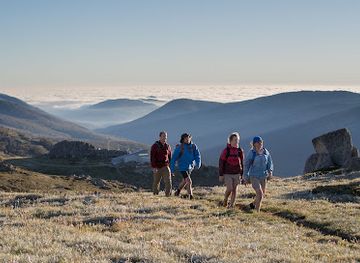
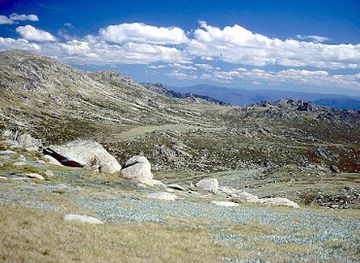
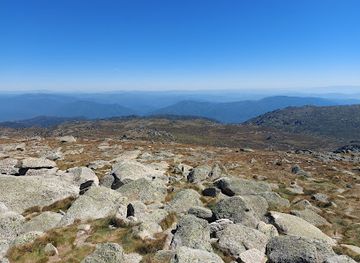
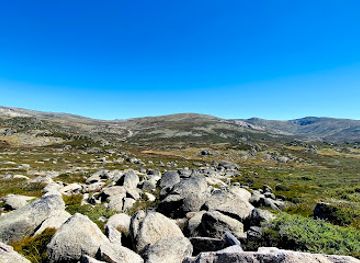
Mount Kosciuszko rises to 2,228 metres above sea level in the Snowy Mountains of New South Wales, within the alpine zone of Kosciuszko National Park. Australia’s highest mountain is less a solitary dramatic peak than the central high point of a broad, weather-shaped plateau of rounded ridges, granite outcrops, snow gums, alpine herbfields and glacial landforms. In summer, the slopes carry colourful wildflowers; in winter, snow transforms the landscape and access becomes more dependent on seasonal conditions.Read more about Mount Kosciuszko
Walking to the Summit
Culture and Conservation
When is the best time to visit Mount Kosciuszko?
Best: December–February · 21–22°C| Month | High (°C) | Rainfall (mm) |
|---|---|---|
| January (best) | 22 | 100 |
| February (best) | 21 | 90 |
| March | 18 | 80 |
| April | 14 | 70 |
| May | 8 | 60 |
| June | 4 | 50 |
| July | 4 | 50 |
| August | 6 | 50 |
| September | 10 | 60 |
| October | 15 | 70 |
| November | 17 | 80 |
| December (best) | 21 | 90 |
Getting to and around Mount Kosciuszko
How to get there
Transportation
Best attractions in Mount Kosciuszko
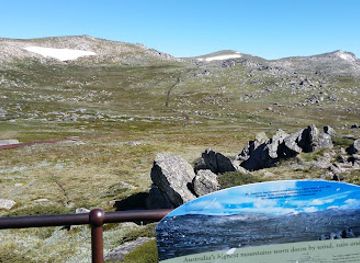
The principal attraction is the walk to the summit of Mount Kosciuszko, where broad ridges and open alpine terrain lead to views across the Snowy Mountains. From Thredbo, the route follows the elevated path beyond the Kosciuszko Express Chairlift and joins the Main Range track; from Charlotte Pass, visitors can make a longer journey through the high country. Along the way are glacial lakes and alpine features including Lake Cootapatamba, while the Ramshead Range adds granite outcrops and a more rugged southern perspective. In summer, the Main Range is known for alpine wildflowers and herbfields, and in winter the area becomes a snow-covered landscape requiring different preparation. The wider Kosciuszko National Park includes historic huts, valleys, forests and ski-country scenery, although many attractions lie well beyond the summit and are best approached from separate roads or settlements such as Thredbo and Jindabyne.
-
Tourist attraction
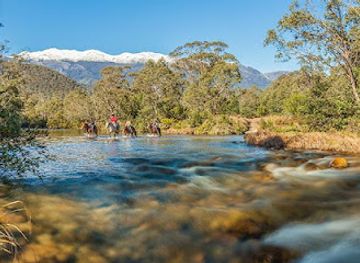
Kosciuszko National Park
Explore the awe-inspiring Kosciuszko National Park, a natural gem in New South Wales known for its stunning landscapes and diverse outdoor activities.
-
Tourist attraction
Kosciuszko Chairlift
Discover breathtaking views and adventure at the Kosciuszko Chairlift in Thredbo, the gateway to Australia's stunning alpine landscape.
-
Tourist attraction
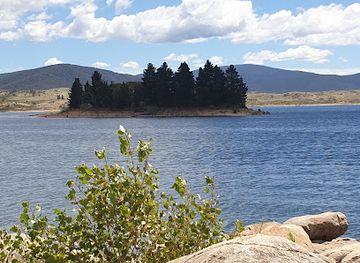
Banjo Paterson Park
Discover the breathtaking beauty of Banjo Paterson Park in Jindabyne, a perfect blend of tranquility, nature, and outdoor adventure.
-
Mountain cabin
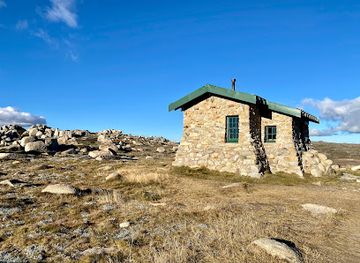
Seamans Hut
Discover the historic Seamans Hut in Kosciuszko National Park, a serene mountain retreat surrounded by breathtaking natural beauty.
Best landmarks in Mount Kosciuszko
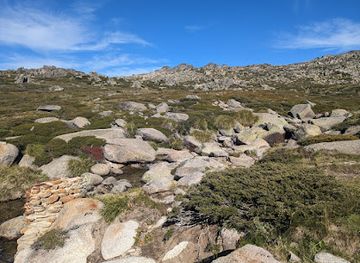
Mount Kosciuszko is the defining landmark, rising to 2,228 metres and forming the highest point on the Australian mainland. Its rounded summit and surrounding Main Range are characteristic of the Snowy Mountains’ old, eroded uplands, while glacial features such as Lake Cootapatamba reveal the effects of colder periods in the region’s past. The Ramshead Range, granite tors and exposed alpine ridges provide further natural reference points along the southern high country. Historic mountain huts in the wider national park, including those associated with pastoral and transport history, connect the landscape with seasonal grazing and early European settlement. The summit area also has cultural significance through its location on Ngarigo Country and historical significance through its naming by Paweł Edmund Strzelecki in 1840. Together, these natural and cultural landmarks give the mountain an identity extending beyond its elevation.
-
National park
Kosciuszko National Park
Discover the natural beauty of Kosciuszko National Park, Australia’s premier destination for alpine adventures, wildlife encounters, and breathtaking landscapes.
-
Ski resort
Kosciuszko Chairlift
Experience breathtaking alpine views and adventure at the Kosciuszko Chairlift in Thredbo, Australia's highest chairlift offering year-round outdoor activities.
-
Mountain peak
Mt Kosciuszko
Discover the breathtaking beauty and adventure of Mt Kosciuszko, Australia's highest peak, nestled in the stunning Snowy Mountains of New South Wales.
-
Tourist attraction
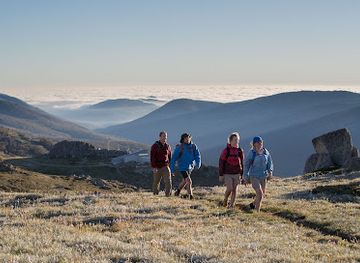
Mount Kosciuszko Summit walk (nr. Charlotte Pass)
Explore the stunning Mount Kosciuszko Summit Walk, featuring breathtaking views and a captivating alpine landscape in Australia's highest national park.

Explore Mount Kosciuszko on the map
Plan your trip on one map. See where the top attractions, landmarks, restaurants and hotels are, and book hotels and experiences in a few clicks.
Best hotels in Mount Kosciuszko
Best restaurants in Mount Kosciuszko
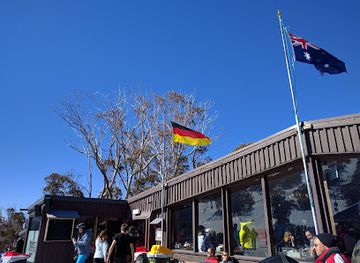
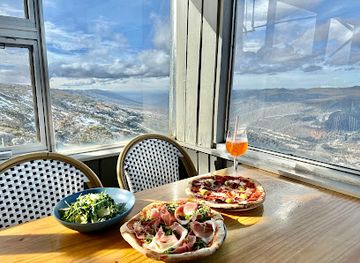
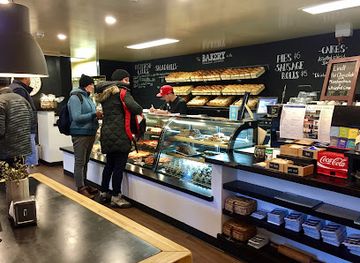
Mount Kosciuszko itself has no independent restaurant district, so dining is concentrated in Thredbo, Jindabyne and other Snowy Mountains settlements outside the summit area. Thredbo provides the most immediate choice near the principal walking access, with resort and village venues suited to breakfast, packed lunches, après-ski meals and evening dining when operating. Jindabyne has a broader year-round selection of cafés, pubs, takeaways and restaurants, reflecting its role as the region’s main service town. Regional menus commonly draw on Australian produce, hearty mountain fare, coffee culture and locally produced wine or beer, while convenience stores and supermarkets are useful for assembling food before a long walk. Visitors heading into the park should not expect cafés or food outlets along the remote tracks, and should check seasonal opening arrangements rather than relying on services at the trailhead.
-
Family-friendly
Merritts Mountain House
Experience exceptional dining at Merritts Mountain House with breathtaking views in Thredbo's stunning alpine landscape.
-
Restaurant
Eagles Nest Restaurant
Discover Eagles Nest Restaurant: A premier dining spot at Australia's highest elevation offering breathtaking views and exquisite local cuisine.
-
Restaurant
Thredbo Burger Bar
Experience gourmet burgers and refreshing drinks at Thredbo Burger Bar - your perfect alpine dining spot in New South Wales.
-
 Lodge
LodgeCandlelight Lodge
Discover your alpine escape at Candlelight Lodge in Thredbo—where comfort meets adventure amidst breathtaking landscapes.
Best bars in Mount Kosciuszko
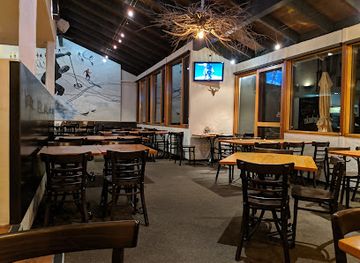
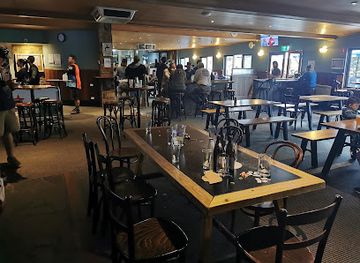
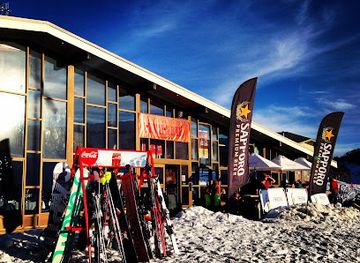
Evening entertainment around Mount Kosciuszko is centred on the resort village of Thredbo and the larger service town of Jindabyne rather than on the mountain itself. Thredbo’s après-ski culture creates a sociable evening atmosphere during the snow season, with resort bars, pubs and restaurants providing places to meet after skiing or walking when services are open. Jindabyne offers a broader selection of pubs, casual bars and live entertainment associated with a mountain town, although the atmosphere remains more relaxed than that of a major Australian city. Outside these settlements, evenings are defined by quiet accommodation, dark skies and the sounds of the alpine environment. Visitors should check seasonal operating arrangements, particularly outside the ski season, and should never plan to walk back across exposed mountain terrain after drinking.
-
Hotel
Banjo Paterson Inn
Discover the perfect blend of comfort, dining, and local brews at Banjo Paterson Inn in Jindabyne, your gateway to the Snowy Mountains.
-
Bar
Brumby Bar & Grill
Discover Brumby Bar & Grill in Jindabyne, where hearty meals and local brews meet stunning mountain views for an unforgettable dining experience.
-
Hotel
Bernti's Mountain Inn
Discover the perfect alpine retreat at Bernti's Mountain Inn, where comfort meets adventure in the heart of Thredbo.
-
Bar
Candlelight Lodge
Experience the alpine charm and warm hospitality of Candlelight Lodge, your perfect retreat in the heart of Thredbo, New South Wales.
Best nightclubs in Mount Kosciuszko
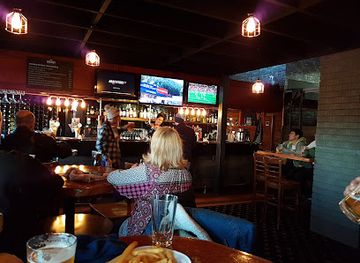
Evening entertainment around Mount Kosciuszko is centred on the resort village of Thredbo and the larger service town of Jindabyne rather than on the mountain itself. Thredbo’s après-ski culture creates a sociable evening atmosphere during the snow season, with resort bars, pubs and restaurants providing places to meet after skiing or walking when services are open. Jindabyne offers a broader selection of pubs, casual bars and live entertainment associated with a mountain town, although the atmosphere remains more relaxed than that of a major Australian city. Outside these settlements, evenings are defined by quiet accommodation, dark skies and the sounds of the alpine environment. Visitors should check seasonal operating arrangements, particularly outside the ski season, and should never plan to walk back across exposed mountain terrain after drinking.
-
Hiking area
Mount Kosciuszko
Explore Mount Kosciuszko: Australia's Highest Peak, Where Stunning Scenery Meets Adventurous Hiking Trails.
-
Bar
Candlelight Lodge
Discover the warmth and charm of Candlelight Lodge, Thredbo's premier destination for exquisite dining and vibrant nightlife in an alpine paradise.
-
Pub
The Local Pub
Experience authentic Australian hospitality at The Local Pub in Thredbo, where delicious food and stunning mountain views await.
-
Hotel
The Man From Snowy River Hotel
Discover the charm of The Man From Snowy River Hotel, your cozy retreat in Perisher Valley, surrounded by breathtaking alpine landscapes and thrilling outdoor adventures.
Best shops in Mount Kosciuszko
Shopping at Mount Kosciuszko is limited and practical rather than extensive. Thredbo has resort-oriented services and outdoor equipment provision associated with skiing, walking and mountain recreation, while Jindabyne is the main nearby place for groceries, fuel, clothing, technical outdoor gear and everyday supplies. Visitors may also find Australian regional produce, locally made food, artwork and gifts in Snowy Mountains businesses, though product ranges and opening arrangements vary by settlement and season. The most useful purchases before a summit walk are often food, water, weatherproof clothing and equipment suited to changing alpine conditions. There is no large shopping precinct on the mountain, and the national park’s remote areas contain no conventional retail facilities, so supplies should be organised in Thredbo, Jindabyne or another established gateway before entering the high country.
-
Hiking area
Mount Kosciuszko
Explore the breathtaking beauty of Mount Kosciuszko, Australia's highest peak, offering stunning views, diverse wildlife, and unforgettable hiking experiences.
-
Tourist attraction
Mount Kosciuszko Summit walk (nr. Charlotte Pass)
Explore the breathtaking Mount Kosciuszko Summit Walk and experience Australia's highest peak with stunning views and diverse landscapes.
-
Scenic spot
Kosciuszko lookout
Experience the stunning vistas of Kosciuszko Lookout in Kosciuszko National Park, a must-visit for nature lovers and outdoor enthusiasts.
-
Bakery
The Bakery in the Village Square
Discover the delightful flavors of Thredbo at The Bakery in the Village Square, where fresh pastries and warm bread await you in a charming alpine setting.
Get your free copy of our complete guide to Mount Kosciuszko, delivered straight to you.
Everything on this page, from attractions and restaurants to essentials and local phrases, in one PDF you can read offline, print or share.
Already have an account? Sign in
Your Mount Kosciuszko guide is ready.
We'll send it to · Not you? Sign out

Getting your guide ready…
We are putting together a fresh copy of the Mount Kosciuszko guide. This can take up to a minute.
This can take a few moments. If your browser asks, choose Allow so the download can start. You'll find the guide in your Downloads folder.
Nothing happened? Download it again
Sorry, the guide is taking longer than usual. Please try again in a minute, or get it by email instead.
Mount Kosciuszko essentials
Currency and Payment
Safety
Emergency Situations
Do's and Don'ts
Local Tips
From Eve
Local phrases worth knowing
You don't need to get them perfect. A few words go a long way, and locals appreciate the effort.
Basics
| English | Local | Say it |
|---|---|---|
| Hello | G'day | [G'day] |
| Goodbye | See ya | [See ya] |
| Yes | Yeah | [Yeah] |
| No | Nah | [Nah] |
| Please/You're welcome | Please/No worries | [Please/No worries] |
| Thank you | Cheers | [Cheers] |
| Excuse me/Sorry | Sorry | [Sorry] |
| How are you? | How ya goin'? | [How ya goin'?] |
| Fine. And you? | Good. You? | [Good. You?] |
| Do you speak English? | Speak English? | [Speak English?] |
| I don't understand | I don't get it | [I don't get it] |
Eating & Drinking
| English | Local | Say it |
|---|---|---|
| I'd like to see the menu, please | Can I see the menu, mate? | [Can I see the menu, mate?] |
| I don't eat meat | I'm a veggo | [I'm a veggo] |
| Cheers! | Cheers! | [Cheers!] |
| I would like to pay, please | Can I pay now, please | [Can I pay now, please] |
Emergencies
| English | Local | Say it |
|---|---|---|
| Help! | Help! | [Help!] |
| Go away! | Bugger off! | [Bugger off!] |
| Call the Police! | Ring the cops! | [Ring the cops!] |
| Call a doctor! | Get a doc! | [Get a doc!] |
| I'm lost | I'm lost | [I'm lost] |
| I'm ill | I'm crook | [I'm crook] |
Shopping
| English | Local | Say it |
|---|---|---|
| I'd like to buy... | I wanna buy... | [I wanna buy...] |
| I'm just looking | Just browsing | [Just browsing] |
| How much is it? | How much? | [How much?] |
| That's too expensive | Too pricey | [Too pricey] |
| Can you lower the price? | Can you do it cheaper? | [Can you do it cheaper?] |
Time & Numbers
| English | Local | Say it |
|---|---|---|
| What time is it? | What's the time? | [What's the time?] |
| It's one o'clock | It's one | [It's one] |
| Half past (10) | Half ten | [Half ten] |
| Morning | Mornin' | [Mornin'] |
| Afternoon | Arvo | [Arvo] |
| Evening | Evenin' | [Evenin'] |
| Yesterday | Yest'day | [Yest'day] |
| Today | Today | [Today] |
| Tomorrow | Tomorra | [Tomorra] |
| 1 | One | [One] |
| 2 | Two | [Two] |
| 3 | Three | [Three] |
| 4 | Four | [Four] |
| 5 | Five | [Five] |
| 6 | Six | [Six] |
| 7 | Seven | [Seven] |
| 8 | Eight | [Eight] |
| 9 | Nine | [Nine] |
| 10 | Ten | [Ten] |
Transport & Directions
| English | Local | Say it |
|---|---|---|
| Where's a/the...? | Where's the...? | [Where's the...?] |
| What's the address? | What's the addy? | [What's the addy?] |
| Can you show me (on the map)? | Can you show me? | [Can you show me?] |
| When's the next (bus)? | When's the next bus? | [When's the next bus?] |
| A ticket (to ....) | One ticket (to ....) | [One ticket (to ....)] |
History of Mount Kosciuszko
An Ancient Alpine Landscape
The Mount Kosciuszko region is part of the Snowy Mountains, an old upland landscape shaped by long-term erosion, uplift and periods of colder climate. During the Pleistocene, small glaciers occupied parts of the highest country, leaving cirques, lakes, moraines and other landforms around the Main Range. Lake Cootapatamba, tarns and broad, weathered ridges provide visible evidence of this glacial past. The summit itself forms part of a rounded massif rather than a sharply pointed alpine peak, reflecting the age and erosion of the Australian continent.
Ngarigo Country and Alpine Travel
The summit and surrounding Snowy Mountains lie within Country traditionally associated with the Ngarigo people. Aboriginal communities moved through the high country for generations, following seasonal patterns and maintaining cultural relationships with the alpine landscape. European accounts later recorded the movement of Aboriginal groups to gatherings in the mountains, including seasonal visits associated with Bogong moths. These connections are central to understanding the region as a lived cultural landscape rather than an empty wilderness encountered only through European exploration.
Strzelecki and the European Name
The mountain was named in 1840 by Paweł Edmund Strzelecki, a Polish explorer who climbed the summit during his survey of south-eastern Australia. He named it Mount Kosciuszko in honour of Tadeusz Kościuszko, the Polish military leader and national figure. Strzelecki’s journey helped bring the high country into European geographical knowledge, although the naming occurred within a landscape whose Aboriginal history was much older. The spelling used in Australia generally omits the accent found in the Polish form.
Pastoralism and the Snowy Mountains
From the nineteenth century, European pastoralists moved stock into the high country during warmer months, creating the tradition of seasonal grazing associated with the Snowy Mountains. The huts, bridle routes and working landscapes linked with this history remain part of the region’s cultural heritage, although grazing has been restricted in many alpine areas to protect fragile environments. The mountain also became associated with scientific surveying, recreation and mountaineering as roads, tracks and later ski infrastructure improved access from surrounding valleys.
National Park and Alpine Conservation
Kosciuszko National Park was established in 1944 as a major protected area in the Snowy Mountains and has since become central to the conservation of Australia’s alpine ecosystems. Management has addressed the effects of grazing, recreation, introduced species, fire and climate change on sensitive herbfields, wetlands and snow-gum woodlands. The summit area is now visited mainly through established walking routes, while park planning balances access with protection of rare habitats, waterways and species found nowhere else or in few other parts of Australia.
Mount Kosciuszko in Photos
Browse through our photo collection highlighting the charm and character of the destination.
Neighbouring destination travel guides
The closest destinations to Mount Kosciuszko, if you have time for more than one.
-

-

-

-

-


Swipe for more destinations
Explore more

Explore more of Snowy Mountains
Explore the Snowy Mountains: Australia's premier destination for year-round adventure, from winter sports to summer hikes, rich wildlife, and cultural heritage.
Explore Snowy Mountains
Explore more of Australia
Discover the diverse landscapes, vibrant cities, and unique wildlife of Australia, a captivating destination offering endless adventures and unforgettable experiences.
Explore Australia