

Wilson's Promontory National Park Travel Guide - Free Web & App
Your ultimate guide to Wilson's Promontory National Park. Discover top landmarks, proposed trips, and local tips. Free on the web or via the Evendo companion app.


Wilson's Promontory National Park in Australia offers granite peaks, wild beaches, wildlife, coastal walks and the historic Wilsons Promontory Lighthouse.
A Peninsula of Forest, Granite and Sea
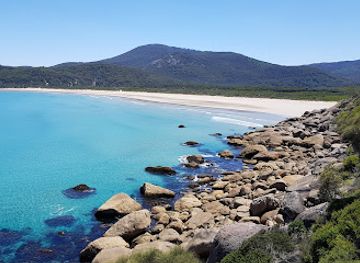
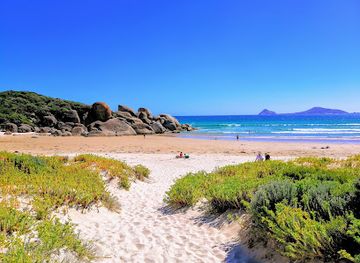
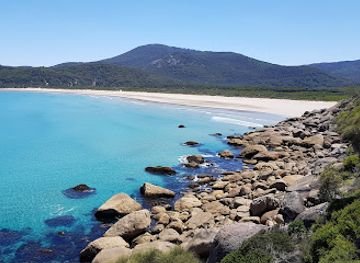
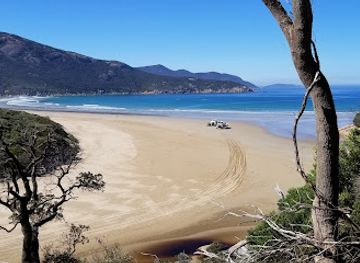
Wilson's Promontory National Park, usually known as Wilsons Prom or simply the Prom, occupies the southernmost point of mainland Australia in Victoria. Reached by road from Melbourne through Gippsland, the park protects a broad peninsula of granite mountains, eucalypt forest, heathland, tidal inlets, long beaches and exposed coastal headlands. Its landscapes are remarkably varied: the sheltered sands of Norman Beach contrast with the granite boulders of Squeaky Beach, while the southern coast becomes more remote and ocean-facing around the Wilsons Promontory Lighthouse.Read more about Wilson's Promontory National Park
Wild Landscapes and Wildlife
Tidal River and the Far South
When is the best time to visit Wilson's Promontory National Park?
Best: December–February · 20–21°C| Month | High (°C) | Rainfall (mm) |
|---|---|---|
| January (best) | 20 | 40 |
| February (best) | 21 | 40 |
| March | 19 | 50 |
| April | 17 | 60 |
| May | 15 | 70 |
| June | 13 | 80 |
| July | 12 | 80 |
| August | 13 | 70 |
| September | 14 | 60 |
| October | 17 | 50 |
| November | 19 | 40 |
| December (best) | 20 | 40 |
Getting to and around Wilson's Promontory National Park
How to get there
Transportation
Best attractions in Wilson's Promontory National Park
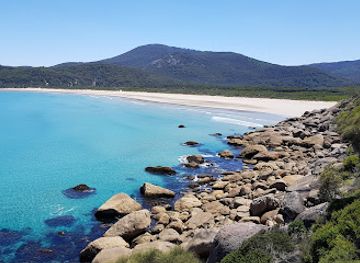
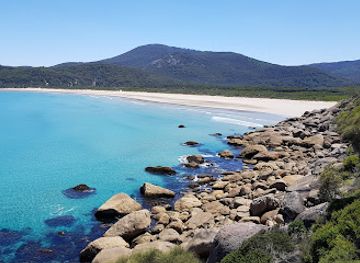
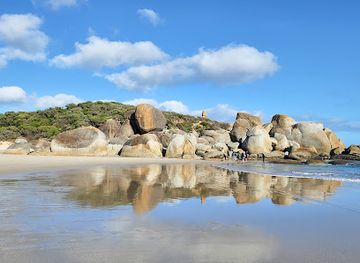
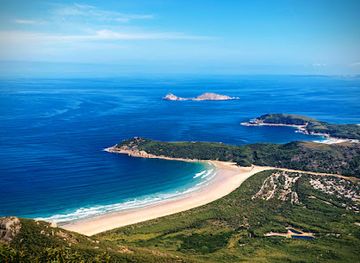
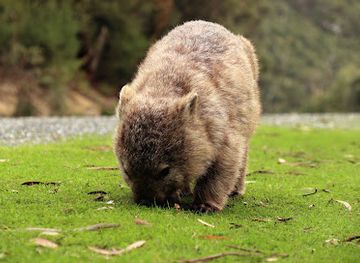
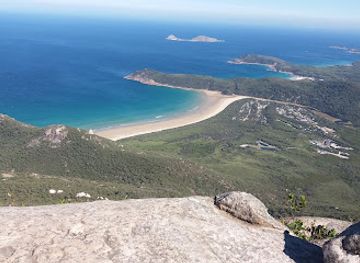
Wilsons Promontory's attractions are best approached as a sequence of contrasting landscapes rather than a compact collection of sights. Tidal River provides access to Norman Beach, where sand, dunes and coastal vegetation frame views across Bass Strait, while the track to Squeaky Beach leads through forest and granite country to a broad, famously resonant shoreline. Pillar Point offers a shorter coastal viewpoint, and Mount Oberon provides a more demanding ascent to elevated views over the peninsula and offshore islands. In the southern section, the Wilsons Promontory Lighthouse and its surrounding walking routes reveal a wilder, more exposed coastline, reached through planned longer walks. Wildlife is part of the experience around open areas and forest edges, with kangaroos, emus, wombats and wallabies often encountered but never guaranteed. Tidal River's estuary and the park's beaches, heathlands and wetlands add further variety for walkers and nature observers.
-
National park
Tongue Point
Experience the breathtaking coastal beauty and diverse wildlife of Tongue Point in Wilsons Promontory National Park, a paradise for nature lovers.
-
Camping Ground
Refuge Cove Hikers Camp
Experience the beauty of Refuge Cove Hikers Camp, a serene camping ground in Wilsons Promontory, perfect for hiking and nature exploration.
-
Tourist attraction
Norman Lookout
Experience the stunning vistas of Norman Lookout, a scenic gem in Wilsons Promontory National Park, where nature's beauty unfolds in every direction.
-
Tourist attraction
Whale Rock
Experience the breathtaking views and rich history of Whale Rock in the heart of Wilsons Promontory, a must-see natural landmark in Victoria.
Best landmarks in Wilson's Promontory National Park
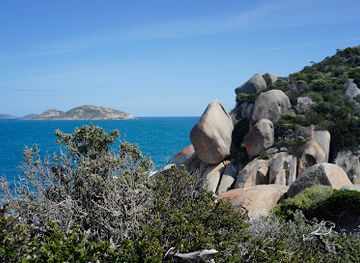
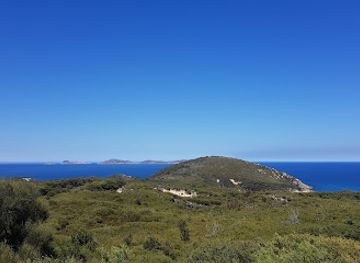
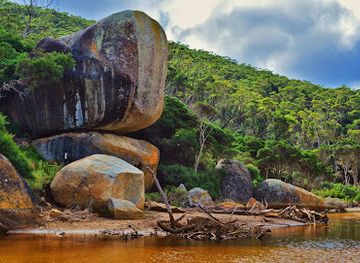
The defining natural landmark is the granite peninsula itself, projecting into Bass Strait and culminating in the southern headland of Wilsons Promontory. Mount Oberon is the park's best-known elevated walking destination, with views across forest, coast and offshore islands, while the granite formations at Pillar Point and Squeaky Beach provide a more immediate expression of the area's geology. The Wilsons Promontory Lighthouse, built in the nineteenth century at the remote southern extremity, remains an important navigational and historic landmark and is reached by longer walking routes rather than a public road. Tidal River and Norman Beach are central cultural and visitor landmarks because they form the park's principal base and gateway to the coast. Together, these features show why the Prom is valued simultaneously as a geological landscape, a maritime place, a protected habitat and a long-established destination for walking and camping.
-
National park
Wilsons Promontory National Park
Explore Wilsons Promontory National Park: A breathtaking natural wonder in Gippsland, rich in wildlife, stunning landscapes, and endless outdoor adventures.
-
Scenic spot
Mount Oberon Summit
Discover Mount Oberon Summit: A breathtaking vista point in Wilsons Promontory National Park, perfect for hiking and nature photography.
-
National park
Big Drift
Discover the breathtaking Big Drift in Wilsons Promontory, a stunning national park with unique landscapes, diverse wildlife, and unforgettable hiking trails.
-
Tourist attraction
Prom Wildlife Walk
Experience the breathtaking beauty and diverse wildlife of Wilsons Promontory at the Prom Wildlife Walk, a must-visit for nature lovers.


Explore Wilson's Promontory National Park on the map
Plan your trip on one map. See where the top attractions, landmarks, restaurants and hotels are, and book hotels and experiences in a few clicks.
Best hotels in Wilson's Promontory National Park
Best restaurants in Wilson's Promontory National Park
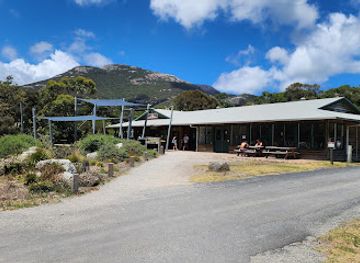
Dining within Wilsons Promontory National Park is limited and concentrated around Tidal River rather than spread across a network of restaurants. Visitors should plan on using the park's small general-store and café-style facilities where available, while self-catering is important for longer stays, camping and remote walks. The surrounding Gippsland towns, including Foster and Fish Creek, provide broader opportunities to buy provisions and find cafés, bakeries, pubs and restaurants before entering the park. Local food reflects South Gippsland's farming landscape, with regional produce, dairy products, baked goods and seasonal ingredients commonly encountered in the wider area. Fresh supplies, takeaway meals and dining hours should not be assumed at Tidal River, particularly outside busy periods, so walkers and campers need to carry suitable food and drinking water rather than relying on last-minute purchases.
-
National park
Wilsons Promontory National Park
Experience nature's grandeur at Wilsons Promontory National Park – Australia's iconic haven of wilderness with stunning views and diverse wildlife.
-
National park
Whisky Bay
Explore Whisky Bay: A Coastal Paradise in Wilsons Promontory National Park with Stunning Beaches and Diverse Wildlife.
-
Tourist attraction
Wilsons Promontory Cruises
Discover breathtaking landscapes and diverse wildlife at Wilsons Promontory Cruises - an unforgettable Australian adventure.
-
General store
Tidal River General Store & Take Away
Discover the charm of Tidal River General Store & Take Away - where local flavors meet convenience amidst breathtaking natural beauty.
Best bars in Wilson's Promontory National Park
Wilsons Promontory has no substantial nightlife scene and no concentration of bars or nightclubs. Evenings at Tidal River are generally quiet, shaped by camping, self-catered accommodation, the sounds of the surrounding bush and the changing light over the coast. Limited café or shop facilities should not be treated as late-night services, and visitors staying in the park normally plan meals and provisions in advance. Traditional pubs and more conventional evening hospitality can be found in surrounding Gippsland settlements such as Foster and Fish Creek, outside the national park, but travelling there after a day of walking requires careful planning. The park's evening appeal lies in stargazing, listening for nocturnal wildlife and enjoying the coastal atmosphere while observing fire rules, quiet hours and wildlife-protection requirements.
-
National park
Wilsons Promontory National Park
Explore Wilsons Promontory National Park: A stunning natural paradise in Victoria, Australia, brimming with scenic landscapes, rich wildlife, and outdoor adventures.
-
Scenic spot
Mount Oberon Summit
Discover stunning vistas and diverse wildlife at Mount Oberon Summit in Wilsons Promontory National Park, Victoria's natural gem.
-
Tourist attraction
Prom Wildlife Walk
Explore the enchanting Prom Wildlife Walk in Victoria, where stunning landscapes and unique wildlife await your discovery.
-
National park
Whisky Bay
Experience the serene beauty of Whisky Bay, a stunning coastal gem in Wilsons Promontory National Park with pristine beaches and vibrant wildlife.


Best nightclubs in Wilson's Promontory National Park
Wilsons Promontory has no substantial nightlife scene and no concentration of bars or nightclubs. Evenings at Tidal River are generally quiet, shaped by camping, self-catered accommodation, the sounds of the surrounding bush and the changing light over the coast. Limited café or shop facilities should not be treated as late-night services, and visitors staying in the park normally plan meals and provisions in advance. Traditional pubs and more conventional evening hospitality can be found in surrounding Gippsland settlements such as Foster and Fish Creek, outside the national park, but travelling there after a day of walking requires careful planning. The park's evening appeal lies in stargazing, listening for nocturnal wildlife and enjoying the coastal atmosphere while observing fire rules, quiet hours and wildlife-protection requirements.
-
National park
Wilsons Promontory National Park
Experience the breathtaking landscapes and diverse wildlife of Wilsons Promontory National Park, a must-visit destination for nature lovers in Victoria.
-
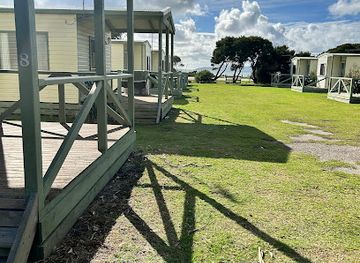
Caravan Park
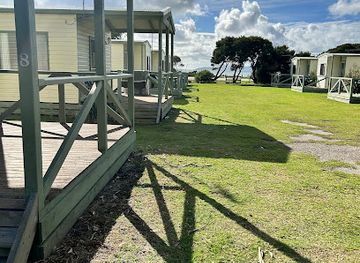
Wilsons Prom Holiday Park
Experience the natural beauty and adventure of Wilsons Prom Holiday Park, your gateway to Wilsons Promontory National Park in Victoria.
-
Tourist attraction
Prom Wildlife Walk
Explore the breathtaking Prom Wildlife Walk in Wilsons Promontory National Park, where stunning landscapes and unique wildlife await every visitor.
-
National park
Whisky Bay
Experience the natural wonder of Whisky Bay in Wilsons Promontory National Park, a haven for adventure and serene landscapes.
Best shops in Wilson's Promontory National Park
Shopping inside Wilsons Promontory National Park is restricted to basic visitor supplies and limited convenience retail around Tidal River, so the park is not a destination for extensive browsing or specialist shopping. Visitors commonly stock up in surrounding Gippsland towns such as Foster, Fish Creek or other settlements along the approach, where supermarkets, bakeries, independent shops, galleries and local-produce outlets may provide a wider choice. South Gippsland is associated with agricultural produce, regional food, artworks and small-scale craft businesses, although individual opening patterns vary. Practical purchases for the Prom include food, water, fuel, weatherproof clothing and walking supplies rather than souvenirs. Those seeking regional gifts or locally made products should treat town visits as part of the wider journey and check current business information before relying on a particular shop.
-
National park
Wilsons Promontory National Park
Explore Wilsons Promontory National Park, a stunning natural wonder in Victoria, Australia, known for its breathtaking landscapes and diverse wildlife.
-
Scenic spot
Mount Oberon Summit
Explore the breathtaking views and scenic trails at Mount Oberon Summit in Wilsons Promontory National Park.
-
Caravan Park
Wilsons Prom Holiday Park
Experience the natural beauty and adventure of Wilsons Promontory at Wilsons Prom Holiday Park, a perfect retreat for outdoor enthusiasts.
-
Tourist attraction
Prom Wildlife Walk
Experience the breathtaking natural beauty and rich wildlife of Prom Wildlife Walk at Wilsons Promontory, an unforgettable outdoor adventure in Victoria, Australia.
Get your free copy of our complete guide to Wilson's Promontory National Park, delivered straight to you.
Everything on this page, from attractions and restaurants to essentials and local phrases, in one PDF you can read offline, print or share.
Already have an account? Sign in
Your Wilson's Promontory National Park guide is ready.
We'll send it to · Not you? Sign out

Getting your guide ready…
We are putting together a fresh copy of the Wilson's Promontory National Park guide. This can take up to a minute.
This can take a few moments. If your browser asks, choose Allow so the download can start. You'll find the guide in your Downloads folder.
Nothing happened? Download it again
Sorry, the guide is taking longer than usual. Please try again in a minute, or get it by email instead.
Wilson's Promontory National Park essentials
Currency and Payment
Safety
Emergency Situations
Do's and Don'ts
Local Tips
From Eve
Local phrases worth knowing
You don't need to get them perfect. A few words go a long way, and locals appreciate the effort.
Basics
| English | Local | Say it |
|---|---|---|
| Hello | G'day | [g'day] |
| Goodbye | See ya | [see ya] |
| Yes | Yeah | [yeah] |
| No | Nah | [nah] |
| Please/You're welcome | Please/No worries | [please/no worries] |
| Thank you | Cheers | [cheers] |
| Excuse me/Sorry | Sorry | [sorry] |
| How are you? | How ya goin'? | [how ya goin'] |
| Fine. And you? | Good. And you? | [good. and you?] |
| Do you speak English? | Ya speak English? | [ya speak english?] |
| I don't understand | No idea mate | [no idea mate] |
Eating & Drinking
| English | Local | Say it |
|---|---|---|
| I'd like to see the menu, please | Can I have a squiz at the menu, mate? | [can i have a squiz at the menu, mate?] |
| I don't eat meat | I'm vego | [i'm vego] |
| Cheers! | Cheers! | [cheers!] |
| I would like to pay, please | Can I settle up, mate? | [can i settle up, mate?] |
Emergencies
| English | Local | Say it |
|---|---|---|
| Help! | Help! | [help!] |
| Go away! | Bugger off! | [bugger off!] |
| Call the Police! | Ring the coppers! | [ring the coppers!] |
| Call a doctor! | Get a doctor! | [get a doctor!] |
| I'm lost | I'm a bit lost | [i'm a bit lost] |
| I'm ill | I'm crook | [i'm crook] |
Shopping
| English | Local | Say it |
|---|---|---|
| I'd like to buy... | I'm keen on... | [i'm keen on...] |
| I'm just looking | Just browsing | [just browsing] |
| How much is it? | How much? | [how much?] |
| That's too expensive | Bit pricey, mate | [bit pricey, mate] |
| Can you lower the price? | Any chance of a discount? | [any chance of a discount?] |
Time & Numbers
| English | Local | Say it |
|---|---|---|
| What time is it? | What's the time? | [what's the time?] |
| It's one o'clock | It's one | [it's one] |
| Half past (10) | Half ten | [half ten] |
| Morning | Mornin' | [mornin'] |
| Afternoon | Arvo | [arvo] |
| Evening | Evenin' | [evenin'] |
| Yesterday | Yesty | [yesty] |
| Today | Today | [today] |
| Tomorrow | Tomorrow | [tomorrow] |
| 1 | One | [one] |
| 2 | Two | [two] |
| 3 | Three | [three] |
| 4 | Four | [four] |
| 5 | Five | [five] |
| 6 | Six | [six] |
| 7 | Seven | [seven] |
| 8 | Eight | [eight] |
| 9 | Nine | [nine] |
| 10 | Ten | [ten] |
Transport & Directions
| English | Local | Say it |
|---|---|---|
| Where's a/the...? | Where's the...? | [where's the...?] |
| What's the address? | What's the addy? | [what's the addy?] |
| Can you show me (on the map)? | Can you show me (on the map)? | [can you show me (on the map)?] |
| When's the next (bus)? | When's the next (bus)? | [when's the next (bus)?] |
| A ticket (to ....) | A ticket (to ....) | [a ticket (to ....)] |
History of Wilson's Promontory National Park
Granite Peninsula and Coastal Formation
Wilsons Promontory forms part of a granite peninsula extending into Bass Strait at the southern end of mainland Victoria. Its rounded granite hills, rocky headlands, beaches and offshore islands reflect the long geological development of the region and the continuing influence of weathering, waves and changing sea levels. The peninsula's exposed position has produced a varied coastal environment, while sheltered inlets and forested valleys provide contrasting habitats inland. This geological foundation is central to the character of the national park, particularly around the granite outcrops of Mount Oberon, Pillar Point and Squeaky Beach.
Traditional Custodian Connections
Wilsons Promontory lies within the cultural landscape of south-eastern Victoria, with Traditional Custodian connections held by the Gunnaikurnai and Bunurong peoples. The coast, wetlands, forests and offshore waters carry continuing cultural significance, and Aboriginal use of the peninsula predates European exploration by many thousands of years. Visitors encounter a landscape whose meaning extends beyond scenery and recreation. Cultural interpretation and contemporary park management increasingly recognise the importance of Traditional Knowledge, respectful access and the protection of places and natural resources with enduring Indigenous associations.
European Exploration and Settlement
European maritime exploration of the promontory began during the early period of charting Bass Strait, and the peninsula later became associated with sealing, grazing and other forms of resource use. Its remote position limited permanent settlement, but pastoral activity altered parts of the landscape before the area gained stronger protection. The headland's position at the entrance to Bass Strait also gave it practical significance for coastal navigation. These layers of exploration and land use remain part of the wider story of a place now valued primarily for its natural and cultural heritage.
Protection as a National Park
The peninsula was reserved for conservation in stages, with Wilsons Promontory becoming one of Victoria's earliest protected landscapes and later being managed as a national park. Protection helped retain extensive forests, coastal heathlands, wetlands and beaches while allowing carefully managed recreation. The park's isolation, varied habitats and scenic coast soon attracted walkers and holiday-makers, especially as road access improved. Tidal River developed as the principal visitor settlement and service area, while the lighthouse and southern walking routes preserved a more remote experience beyond the main hub.
Conservation and Visitor Management
Modern management at Wilsons Promontory balances public access with the protection of wildlife, coastal ecosystems and culturally significant places. Fire, storms, erosion, invasive species and changing visitor pressure all influence the condition of the park. Track maintenance, restrictions in sensitive areas and advice about food storage and wildlife behaviour are part of this ongoing work. The Prom's history is therefore not only a record of exploration and tourism but also of changing public attitudes towards protected landscapes and the responsibility to maintain them for future generations.
Wilson's Promontory National Park in Photos
Browse through our photo collection highlighting the charm and character of the destination.
Neighbouring destination travel guides
The closest destinations to Wilson's Promontory National Park, if you have time for more than one.
-

-

-

-

-


Swipe for more destinations
Explore more
Explore more of Eastern Victoria
Discover Eastern Victoria: From the serene Gippsland Lakes to the rugged Victorian Alps, explore Australia's diverse landscapes and vibrant culture.
Explore Eastern Victoria
Explore more of Australia
Discover the diverse landscapes, vibrant cities, and unique wildlife of Australia, a captivating destination offering endless adventures and unforgettable experiences.
Explore Australia