

Free Snowy Mountains Travel Guide & Mobile App
Explore Snowy Mountains with free travel guides. Discover regional history, expert tips, proposed trips, and audio guides on web or mobile app.


Explore the Snowy Mountains for alpine walks, ski resorts, mountain towns, Aboriginal heritage and the engineering legacy of Snowy Hydro.
Read more about Snowy Mountains
When is the best time to visit Snowy Mountains?
Best: December–February · 24–25°C| Month | High (°C) | Rainfall (mm) |
|---|---|---|
| January (best) | 25 | 100 |
| February (best) | 25 | 95 |
| March | 23 | 90 |
| April | 19 | 85 |
| May | 16 | 80 |
| June | 13 | 75 |
| July | 12 | 70 |
| August | 13 | 75 |
| September | 17 | 80 |
| October | 20 | 85 |
| November | 22 | 90 |
| December (best) | 24 | 95 |
Getting to and around Snowy Mountains
How to get there
Transportation
Destinations in Snowy Mountains
Resorts, valleys and scenic spots worth a trip of their own.
-

-


Swipe for more destinations
Best attractions in Snowy Mountains
The Snowy Mountains’ attractions range from demanding alpine walks to accessible heritage and nature experiences. Kosciuszko National Park provides the main setting, with routes across the Main Range, the summit area around Mount Kosciuszko, the Snowy River country and lower-elevation forests. Thredbo and Perisher are the principal winter resort centres, while warmer months bring hiking, cycling, fishing, horse riding and scenic drives. Around Jindabyne, the lake supports boating and fishing, and the town is a practical base for exploring the central mountains. Cooma offers museums and interpretation connected with the Snowy Mountains Hydro-electric Scheme, migration and regional life. In the western part of the region, Tumut and the upper valleys provide access to forest landscapes, reservoirs and historic mountain roads. Yarrangobilly Caves, within Kosciuszko National Park, add a significant limestone-cave experience, with guided access and surrounding walking tracks. Historic huts, mining remains and pastoral sites reveal earlier uses of the high country, while wildlife encounters may include kangaroos, wallabies, wombats and alpine birdlife. Each season presents a different landscape, but access, weather and conservation restrictions should be checked before travelling.
-
Tourist attraction
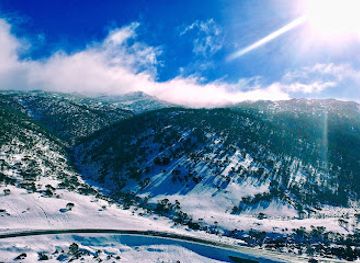
Dead Horse Gap
Explore Dead Horse Gap in New South Wales, Australia: A breathtaking tourist attraction with stunning views and outdoor adventures in the heart of nature.
-
Amusement park ride
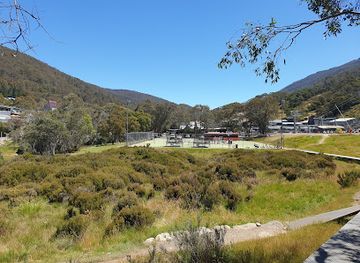
Thredbo Bobsled
Enjoy an exhilarating ride at Thredbo Bobsled, a must-visit amusement park attraction in the stunning landscapes of New South Wales.
-
Tourist attraction
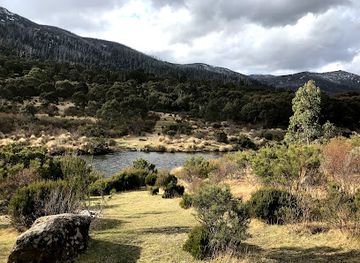
Bullocks Hut
Explore Bullocks Hut in Kosciuszko National Park, a charming historical site that showcases early Australian pastoral life amidst breathtaking alpine scenery.
-
Tourist attraction
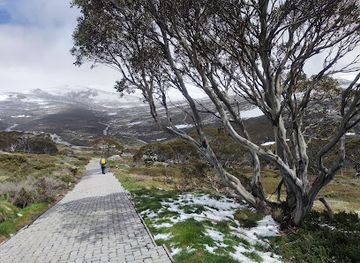
Snow Gums boardwalk
Experience the beauty and tranquility of the Snow Gums Boardwalk in the Australian Alps, a must-visit hiking trail for nature lovers and adventure seekers.
Best landmarks in Snowy Mountains
-
Ski resort
Thredbo
Discover Thredbo, Australia’s premier ski resort, where thrilling winter sports meet stunning alpine landscapes in New South Wales’ breathtaking Snowy Mountains.
-
National park
Kosciuszko National Park
Discover the natural beauty of Kosciuszko National Park, Australia’s premier destination for alpine adventures, wildlife encounters, and breathtaking landscapes.
-
Ski resort
Kosciuszko Chairlift
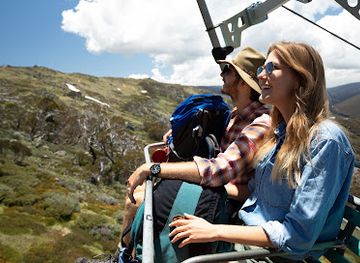
Discover the breathtaking views and thrilling adventures at the Kosciuszko Chairlift in Thredbo, the highest chairlift in Australia.
-
Mountain peak
Mt Kosciuszko
Experience the breathtaking beauty and adventure of Mt Kosciuszko, Australia's highest peak, perfect for hikers and nature lovers alike.


Explore Snowy Mountains on the map
Plan your trip on one map. See where the top cities, national parks and sights are, and book hotels and experiences in a few clicks.
Best hotels in Snowy Mountains
Best restaurants in Snowy Mountains
Dining in the Snowy Mountains reflects the region’s grazing country, cool climate and outdoor economy. Cooma, Jindabyne, Thredbo and Tumut provide the broadest choice, from cafés and bakeries to pubs, casual restaurants and accommodation-based dining. Menus often draw on local beef, lamb, trout, berries, apples, honey and cheeses, while farm shops and regional markets are useful places to find produce for self-catering. In the high country, meals are generally informal and shaped by the ski season, with hearty breakfasts, soups, grilled food, burgers and baked goods particularly common around resort and trailhead communities. Rural pubs and inns offer traditional Australian country fare, while newer venues may pair local produce with Australian wines and craft beverages. The Snowy Mountains does not have one single defining cuisine; its food identity comes from the combination of Monaro pastoral traditions, alpine produce and ingredients sourced from the wider southern New South Wales region. Book ahead during winter weekends and holiday periods, especially in smaller resort settlements where places to eat are limited.
-
Family-friendly
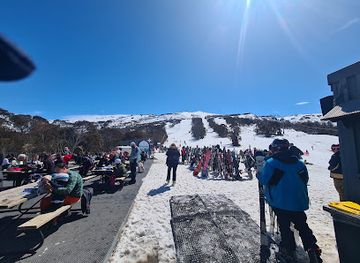
Merritts Mountain House
Experience exquisite dining at Merritts Mountain House with stunning views in Thredbo – where family-friendly meets culinary delight.
-
Restaurant
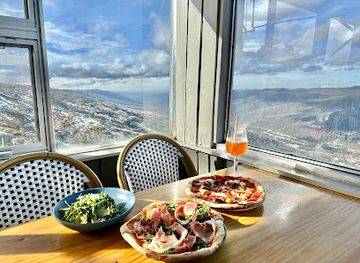
Eagles Nest Restaurant
Experience gourmet dining at Eagles Nest Restaurant, Australia’s highest eatery with stunning alpine views and exceptional local cuisine.
-
Restaurant
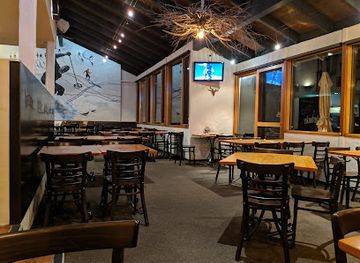
Thredbo Burger Bar
Experience delicious gourmet burgers and local brews at Thredbo Burger Bar – your go-to spot for great food in New South Wales' alpine paradise.
-
Hotel
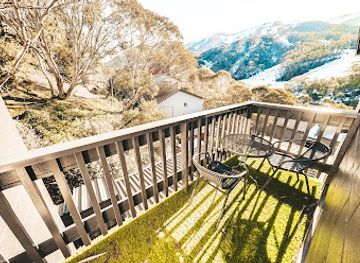
Bernti's Mountain Inn
Discover comfort and adventure at Bernti's Mountain Inn in Thredbo - your gateway to unforgettable alpine experiences.
Best bars in Snowy Mountains
Evenings in the Snowy Mountains are generally social rather than club-focused. Jindabyne has the region’s broadest concentration of pubs, bars, casual restaurants and venues associated with the winter visitor economy, while some establishments host live music or seasonal entertainment. Thredbo and Perisher offer après-ski gatherings, resort bars and dining after a day on the slopes, though the atmosphere and opening arrangements vary with the season. Cooma and Tumut are oriented towards traditional pubs, clubs, cafés and relaxed evening meals rather than a large late-night scene. Breweries, Australian wines and locally produced beverages may feature on regional menus, but alcohol is not central to every evening: outdoor operators, small cinemas, early dinners and quiet accommodation are also part of the local rhythm. In rural districts, distances and limited transport make it important to plan a safe journey back to accommodation rather than relying on late public transport.
-
 Hotel
HotelBanjo Paterson Inn
Discover the perfect blend of relaxation, local brews, and hearty cuisine at the Banjo Paterson Inn in Jindabyne, New South Wales.
-
Family-friendly
Merritts Mountain House
Experience gourmet dining with breathtaking views at Merritts Mountain House in Thredbo, a family-friendly restaurant in the heart of the Australian Alps.
-
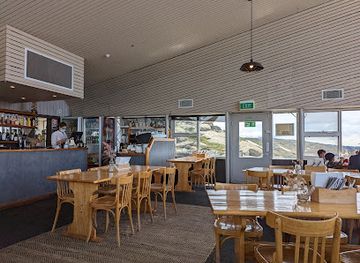
Restaurant
Eagles Nest Restaurant
Experience breathtaking views and exquisite cuisine at Eagles Nest Restaurant in Thredbo, the ultimate alpine dining destination.
-
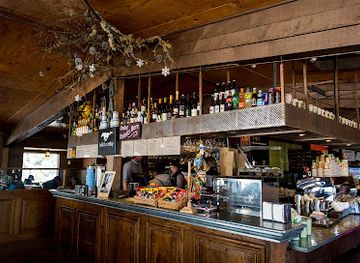
Bar
Brumby Bar & Grill
Discover the vibrant atmosphere and delicious offerings at Brumby Bar & Grill in Jindabyne, a perfect retreat after your mountain adventures.
Best nightclubs in Snowy Mountains
Evenings in the Snowy Mountains are generally social rather than club-focused. Jindabyne has the region’s broadest concentration of pubs, bars, casual restaurants and venues associated with the winter visitor economy, while some establishments host live music or seasonal entertainment. Thredbo and Perisher offer après-ski gatherings, resort bars and dining after a day on the slopes, though the atmosphere and opening arrangements vary with the season. Cooma and Tumut are oriented towards traditional pubs, clubs, cafés and relaxed evening meals rather than a large late-night scene. Breweries, Australian wines and locally produced beverages may feature on regional menus, but alcohol is not central to every evening: outdoor operators, small cinemas, early dinners and quiet accommodation are also part of the local rhythm. In rural districts, distances and limited transport make it important to plan a safe journey back to accommodation rather than relying on late public transport.
-
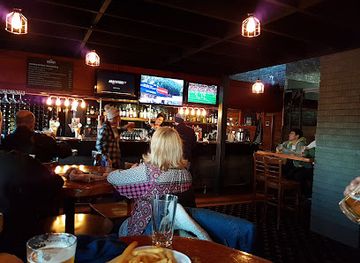
Pub
The Local Pub
Experience the warmth of The Local Pub in Thredbo, where delicious food and a vibrant atmosphere await you in the heart of the Snowy Mountains.
-
Cafe
Friday Flat, Bar & Bistro
Discover the charm of Friday Flat, Bar & Bistro in Thredbo, a perfect blend of cozy dining and breathtaking alpine views.
-
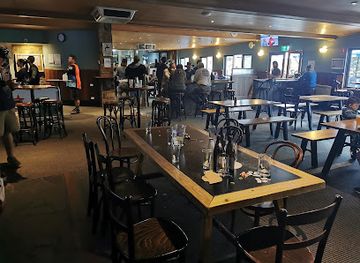
Bar
The Après Bar
Discover The Après Bar in Thredbo, a cozy haven for relaxation and socializing after your alpine adventures, featuring local brews and stunning mountain views.
-
Bar
Schuss Bar
Experience the vibrant après-ski culture at Schuss Bar in Thredbo, where relaxation meets breathtaking alpine views.
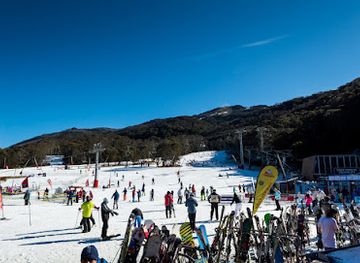
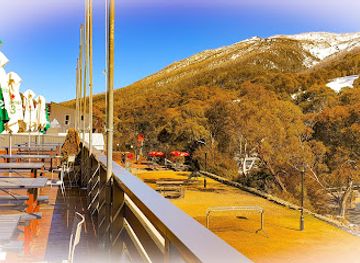
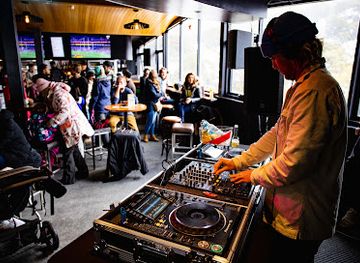
Best shops in Snowy Mountains
Shopping in the Snowy Mountains is concentrated in the service towns and resort villages rather than in large retail centres. Jindabyne has outdoor shops, supermarkets, galleries, cafés and stores selling equipment and clothing for walking, cycling and snow sports. Cooma provides a broader everyday retail base, while Tumut serves the western valleys with practical shops, food outlets and local businesses. Farmers’ markets, farm gates and regional food shops are good places to look for honey, preserves, berries, apples, cheeses, trout and other produce from the southern New South Wales high country. Galleries and craft outlets may feature photography, paintings, ceramics, textiles and locally themed goods, while heritage centres and visitor facilities sell books and material about Aboriginal culture, pastoral history and Snowy Hydro. Souvenirs are often practical or food-based rather than luxury items, and supplies become more limited as you travel deeper into the national park or towards alpine resorts. Plan major equipment purchases in the towns before heading into remote areas, particularly outside the main winter season.
-
Ski resort
Perisher Ski Resort
Discover the ultimate winter adventure at Perisher Ski Resort, Australia's largest ski destination, offering endless slopes and cozy accommodations.
-
Ski resort
Thredbo
Explore Thredbo, Australia's premier ski resort, where winter sports and summer adventures meet breathtaking alpine beauty.
-
Ski resort
Kosciuszko Chairlift
Discover breathtaking views and exhilarating experiences at the Kosciuszko Chairlift, the gateway to Australia's highest peak.
-
Shopping mall
Nuggets Crossing Shopping Centre
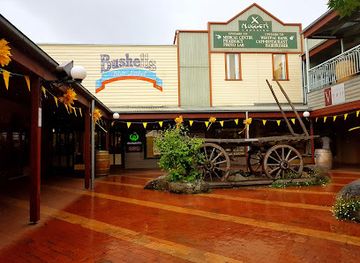
Discover shopping, dining, and local culture at Nuggets Crossing Shopping Centre in the heart of Jindabyne, New South Wales.

Get your free copy of our complete guide to Snowy Mountains, delivered straight to you.
Everything on this page, from attractions and restaurants to essentials and local phrases, in one PDF you can read offline, print or share.
Already have an account? Sign in
Your Snowy Mountains guide is ready.
We'll send it to · Not you? Sign out

Getting your guide ready…
We are putting together a fresh copy of the Snowy Mountains guide. This can take up to a minute.
This can take a few moments. If your browser asks, choose Allow so the download can start. You'll find the guide in your Downloads folder.
Nothing happened? Download it again
Sorry, the guide is taking longer than usual. Please try again in a minute, or get it by email instead.
Snowy Mountains essentials
Currency and Payment
Safety
Emergency Situations
Do's and Don'ts
Local Tips
From Eve
Local phrases worth knowing
You don't need to get them perfect. A few words go a long way, and locals appreciate the effort.
Basics
| English | Local | Say it |
|---|---|---|
| Hello | G'day | [g'day] |
| Goodbye | See ya | [see ya] |
| Yes | Yeah | [yeh] |
| No | Nah | [nah] |
| Please/You're welcome | No worries | [no worries] |
| Thank you | Cheers | [cheers] |
| Excuse me/Sorry | Sorry mate | [sorry mate] |
| How are you? | How's it going? | [how's it going?] |
| Fine. And you? | Good, you? | [good, you?] |
| Do you speak English? | Do ya speak English? | [do ya speak English?] |
| I don't understand | I don't get it | [I don't get it] |
Eating & Drinking
| English | Local | Say it |
|---|---|---|
| I'd like to see the menu, please | Can I see the menu, please? | [can I see the menu, please?] |
| I don't eat meat | I'm a vegetarian | [I'm a vegetarian] |
| Cheers! | Cheers! | [cheers!] |
| I would like to pay, please | Can I get the bill, please? | [can I get the bill, please?] |
Emergencies
| English | Local | Say it |
|---|---|---|
| Help! | Help! | [help!] |
| Go away! | Piss off! | [piss off!] |
| Call the Police! | Call the coppers! | [call the coppers!] |
| Call a doctor! | Get a doctor! | [get a doctor!] |
| I'm lost | I'm a bit lost | [I'm a bit lost] |
| I'm ill | I'm not well | [I'm not well] |
Shopping
| English | Local | Say it |
|---|---|---|
| I'd like to buy... | I wanna buy... | [I wanna buy...] |
| I'm just looking | Just browsing, thanks | [just browsing, thanks] |
| How much is it? | How much's this? | [how much's this?] |
| That's too expensive | That's a bit steep | [that's a bit steep] |
| Can you lower the price? | Can ya do a better price? | [can ya do a better price?] |
Time & Numbers
| English | Local | Say it |
|---|---|---|
| What time is it? | What’s the time? | [what’s the time?] |
| It's one o'clock | It's one o'clock | [it's one o'clock] |
| Half past (10) | Half past ten | [half past ten] |
| Morning | Morning | [morning] |
| Afternoon | Arvo | [arvo] |
| Evening | Evening | [evening] |
| Yesterday | Yesterday | [yesterday] |
| Today | Today | [today] |
| Tomorrow | Tomorrow | [tomorrow] |
| 1 | One | [one] |
| 2 | Two | [two] |
| 3 | Three | [three] |
| 4 | Four | [four] |
| 5 | Five | [five] |
| 6 | Six | [six] |
| 7 | Seven | [seven] |
| 8 | Eight | [eight] |
| 9 | Nine | [nine] |
| 10 | Ten | [ten] |
Transport & Directions
| English | Local | Say it |
|---|---|---|
| Where's a/the...? | Where's the...? | [where's the...?] |
| What's the address? | What's the address? | [what's the address?] |
| Can you show me (on the map)? | Can ya show me on the map? | [can ya show me on the map?] |
| When's the next (bus)? | When's the next bus? | [when's the next bus?] |
| A ticket (to ....) | A ticket to... | [a ticket to...] |
History of Snowy Mountains
Aboriginal Country and Alpine Seasonal Use
The high country is part of the traditional lands of Aboriginal peoples including the Ngarigo and Walgalu, with connections extending across the mountains, tablelands and river valleys. Seasonal gatherings in the alpine country supported ceremony, exchange and the collection of foods such as the nutritious alpine grass known as murnong or yam daisy. These traditions pre-date European exploration by many thousands of years. Aboriginal heritage remains a living part of the region, and visitors should understand that the landscape is not simply wilderness but Country with continuing cultural significance.
Pastoral Expansion and the Mountain Stock Routes
European pastoral settlement spread across the Monaro and adjacent valleys during the nineteenth century, establishing the grazing economy that still shapes the region around Cooma and Jindabyne. Seasonal grazing in the high country produced the distinctive culture associated with the mountain cattlemen, who moved stock to alpine summer pastures. The practice was later restricted within Kosciuszko National Park, but its history survives through huts, bridle trails, oral traditions and the enduring symbolism of the Australian high-country horseman.
Gold Mining at Kiandra
Gold was discovered at Kiandra in the Snowy Mountains in the 1850s, prompting a rush to one of the highest mining settlements in Australia. At its peak, the town had hotels, shops, government services and a substantial transient population, although severe winters and difficult access made life challenging. Mining declined after the initial rush, leaving ruins and earthworks that are now interpreted within the national park. Kiandra’s story illustrates how quickly mineral discoveries could create, and then transform, remote settlements in colonial Australia.
Creation of Kosciuszko National Park
The alpine country was progressively protected during the twentieth century, beginning with the establishment of the National Chase around Mount Kosciuszko in 1906 and later changes in status and boundaries. It became Kosciuszko National Park in 1967. Protection brought greater recognition of alpine ecosystems, threatened species, huts and Aboriginal heritage, while also creating a framework for recreation and resort development. The park now safeguards much of the Snowy Mountains’ high country, including alpine grasslands, snow gum woodland, glacial landforms and important river catchments.
The Snowy Mountains Hydro-electric Scheme
Constructed between 1949 and 1974, the Snowy Mountains Hydro-electric Scheme transformed the region through a network of dams, tunnels, power stations, aqueducts and reservoirs. It diverts and stores water for electricity generation and irrigation, linking the Snowy and Murrumbidgee systems through difficult mountain terrain. The project brought workers from many countries to the district and helped shape modern Australian immigration and engineering history. Lake Jindabyne, Talbingo Reservoir and the power infrastructure around the mountains remain prominent physical reminders of this national undertaking.
Winter Tourism and the Modern Alpine Economy
Skiing developed in the Snowy Mountains during the twentieth century, initially through clubs and facilities near Kiandra and later through larger resort development at places including Perisher and Thredbo. Improved roads, lifts, accommodation and national park management turned winter recreation into a major seasonal industry, while summer walking and cycling broadened the visitor economy. Today the region balances tourism with grazing, conservation, water management and the protection of landscapes whose ecological importance extends well beyond the ski season.
Snowy Mountains in Photos
Browse through our photo collection highlighting the charm and character of the destination.
Neighbouring regions of Snowy Mountains
The closest regions to Snowy Mountains, if you have time for more than one.
-

-

-

-

-


Swipe for more regions
Explore more

Explore more of Australia
Discover the diverse landscapes, vibrant cities, and unique wildlife of Australia, a captivating destination offering endless adventures and unforgettable experiences.
Explore Australia