

Free South East South Australia Travel Guide & Mobile App
Explore South East South Australia with free travel guides. Discover regional history, expert tips, proposed trips, and audio guides on web or mobile app.


Explore South East South Australia for volcanic landscapes, limestone caves, Coonawarra wines, coastal towns, wetlands and long Southern Ocean beaches.
Read more about South East South Australia
When is the best time to visit South East South Australia?
Best: December–January · 25–26°C| Month | High (°C) | Rainfall (mm) |
|---|---|---|
| January (best) | 26 | 20 |
| February | 26 | 20 |
| March (best) | 25 | 25 |
| April | 21 | 30 |
| May | 18 | 40 |
| June | 16 | 45 |
| July | 15 | 45 |
| August | 16 | 40 |
| September | 19 | 35 |
| October | 22 | 30 |
| November | 24 | 25 |
| December (best) | 26 | 20 |
Getting to and around South East South Australia
How to get there
Transportation
Best attractions in South East South Australia
South East South Australia's attractions are closely tied to geology, wildlife and working landscapes. Around Mount Gambier, the Blue Lake, Umpherston Sinkhole, Tantanoola Cave and the volcanic craters create a compact introduction to the region's limestone and volcanic past. Naracoorte Caves National Park combines guided cave tours with internationally important fossil deposits, while nearby Bool Lagoon is valued for birdlife and wetland habitats. Coonawarra, Wrattonbully and Padthaway offer vineyard visits and cellar doors set among distinctive soils and broad rural horizons. Along the coast, Robe, Beachport and Kingston SE provide beaches, jetties, lagoons and maritime history, while Canunda National Park adds dunes, heathland and long stretches of exposed shoreline. Walking, birdwatching, fishing and four-wheel-drive touring are available in appropriate areas, although access conditions vary. Historic town centres, local museums, galleries and regional gardens add cultural interest between outdoor stops. The attraction landscape is not concentrated in one resort or city: its appeal comes from linking natural formations, conservation areas, food and wine districts, and coastal communities over a carefully planned route.
-
Art gallery
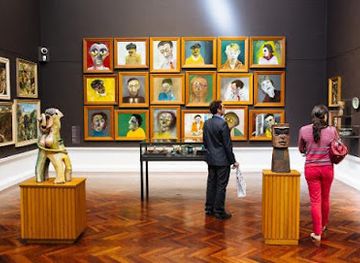
Art Gallery of South Australia
Explore the exquisite collection of the Art Gallery of South Australia, where art meets culture in the heart of Adelaide's vibrant North Terrace.
-
Tourist attraction
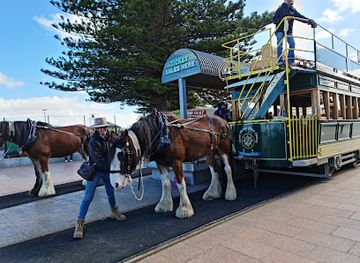
Victor Harbor Horse Drawn Tramway
Discover the enchanting Victor Harbor Horse Drawn Tramway, a timeless attraction offering picturesque coastal views and a nostalgic journey through history.
-
Garden
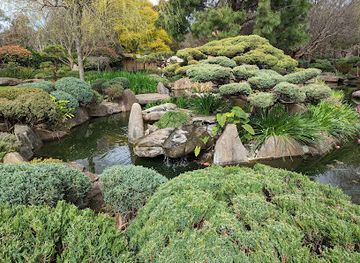
Adelaide Himeji Garden
Discover the serene beauty of Himeji Garden in Adelaide, where Japanese landscape design meets tranquil nature, perfect for a peaceful escape.
-
National park
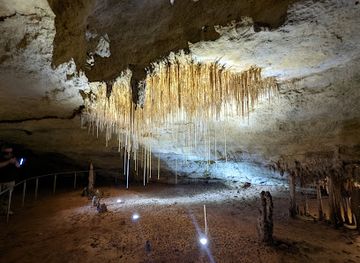
Naracoorte Caves National Park
Discover the enchanting limestone caves and rich fossil history at Naracoorte Caves National Park, a UNESCO World Heritage site in South Australia.
Best landmarks in South East South Australia
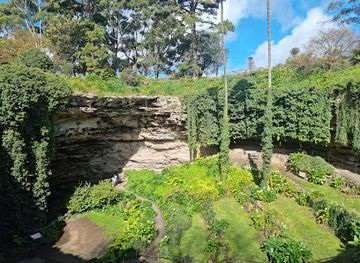
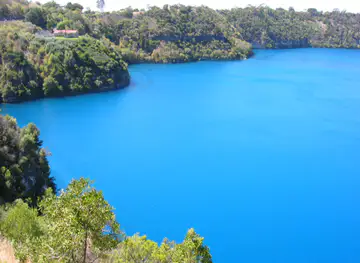
The Blue Lake is the defining urban landmark of Mount Gambier, occupying a volcanic crater whose colour changes seasonally and whose setting explains much about the city's geology. Umpherston Sinkhole is a markedly different geological landmark: a collapsed limestone cavity developed as a garden, with terraces and plantings descending below ground level. In the Naracoorte district, the cave chambers and karst formations of Naracoorte Caves National Park are significant both as physical features and as a record of ancient Australian fauna. Coonawarra's long corridor of vineyards and red terra rossa earth has become a recognisable cultural landscape, symbolising the South East's wine economy. Along the coast, Robe's heritage buildings and obelisk recall its port history, while the jetty at Beachport extends into the waters of Rivoli Bay and remains an important visual feature of the town. Canunda National Park contributes a broader natural landmark, with dunes, windswept beaches and heathland marking the transition from settled agricultural country to the Southern Ocean.
-
Tourist attraction
Umpherston Sinkhole / Balumbul
Experience the breathtaking beauty of Umpherston Sinkhole, a sunken garden oasis in Mount Gambier, South Australia, perfect for nature lovers and adventurers.
-
Natural history museum
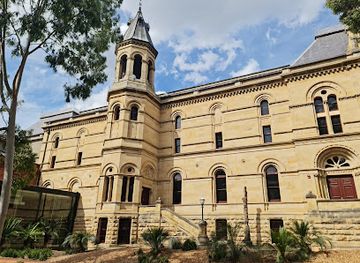
South Australian Museum
Explore the South Australian Museum, a treasure trove of natural history and culture in Adelaide, showcasing Australia's unique heritage and biodiversity.
-
Park
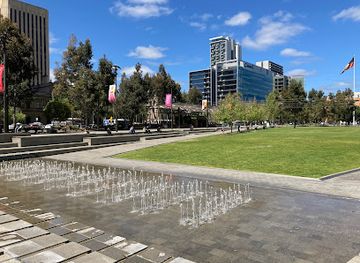
Victoria Square
Discover the beauty of Victoria Square, Adelaide's lush urban park filled with history, culture, and vibrant community events.
-
Tourist attraction
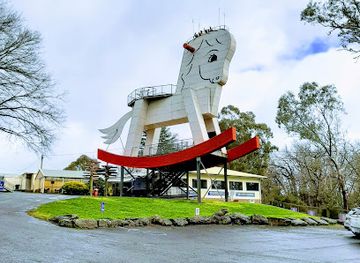
Big Rocking Horse
Discover the Big Rocking Horse in Gumeracha, a unique tourist attraction with a charming animal park, delightful cafe, and fun shopping experiences.
Explore South East South Australia on the map
Plan your trip on one map. See where the top cities, national parks and sights are, and book hotels and experiences in a few clicks.
Best hotels in South East South Australia
Best restaurants in South East South Australia
Dining across South East South Australia reflects a productive agricultural and coastal region rather than one single culinary tradition. Restaurants, cafés, pubs and rural inns commonly use South Australian beef, lamb, pork, dairy, seasonal vegetables and locally grown fruit, while coastal towns provide seafood and fish-and-chip shops alongside more contemporary menus. Coonawarra, Wrattonbully and Padthaway wines are natural companions to regional meals, with cellar doors often offering tastings or food to complement the wines. Penola and Mount Gambier provide the broadest choice of cafés, bakeries and restaurants, while Robe, Beachport and Kingston SE have a stronger holiday and maritime emphasis. Naracoorte is useful for provisions and casual dining when exploring the cave country and wetlands. Farmers' markets, farm stalls and independent bakeries vary by town and season, so visitors should check local arrangements rather than assume a daily market. The best regional food experiences often balance produce-led cooking with relaxed country hospitality, rather than formal fine dining alone.
-
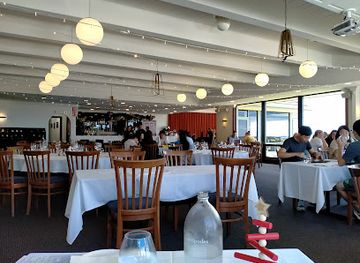
Restaurant
Thyme at The Lakes
Experience exquisite flavors and serene views at Thyme at The Lakes, Mount Gambier's premier dining destination.
Best bars in South East South Australia
Evening life in South East South Australia is generally based around historic pubs, hotel dining rooms, wine bars, breweries and relaxed cafés rather than a large nightclub scene. Mount Gambier has the region's broadest choice of evening venues, including pubs, restaurants and occasional live music, while Naracoorte and Penola offer a quieter town-centre atmosphere. In Coonawarra and the surrounding wine districts, cellar-door tastings and winery events are often daytime or early-evening activities, so check arrangements and organise a sober driver or transfer. Robe becomes busier during holiday periods, with pubs, restaurants and casual seaside venues forming the core of its nightlife. Smaller places such as Beachport and Kingston SE tend to close earlier and may have limited choices outside peak seasons. Local hotels can be useful for regional food, conversation and live entertainment, but opening patterns change, particularly on Sundays and during winter. Nightlife is best approached as part of a food, wine or coastal evening rather than as a dedicated clubbing destination.
-
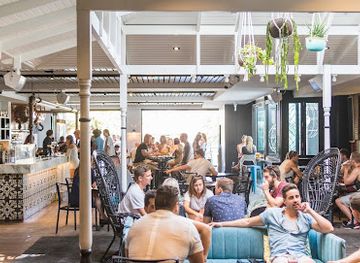
Bar
The Moseley
Experience the lively atmosphere of The Moseley, a premier bar and restaurant in Glenelg, with stunning ocean views and a vibrant nightlife.
-
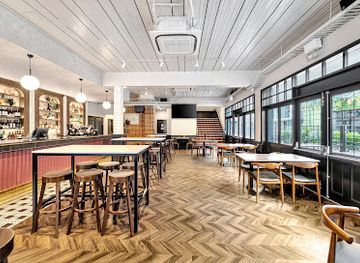
Pub
The Elephant British Pub
Experience authentic UK-inspired cuisine and vibrant atmosphere at The Elephant British Pub in the heart of Adelaide, perfect for all occasions.
-
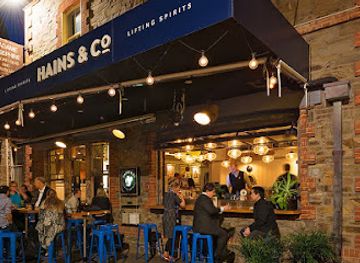
Bar
Hains & Co
Discover the vibrant atmosphere and exquisite cocktails at Hains & Co, Adelaide's premier cocktail bar for tourists and locals alike.
-
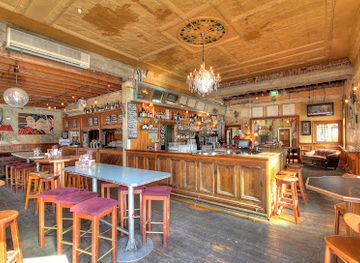
Bar
The Colonist
Discover The Colonist in Norwood: A lively bar and restaurant offering delicious food and a vibrant atmosphere for an unforgettable dining experience.
Best nightclubs in South East South Australia
Evening life in South East South Australia is generally based around historic pubs, hotel dining rooms, wine bars, breweries and relaxed cafés rather than a large nightclub scene. Mount Gambier has the region's broadest choice of evening venues, including pubs, restaurants and occasional live music, while Naracoorte and Penola offer a quieter town-centre atmosphere. In Coonawarra and the surrounding wine districts, cellar-door tastings and winery events are often daytime or early-evening activities, so check arrangements and organise a sober driver or transfer. Robe becomes busier during holiday periods, with pubs, restaurants and casual seaside venues forming the core of its nightlife. Smaller places such as Beachport and Kingston SE tend to close earlier and may have limited choices outside peak seasons. Local hotels can be useful for regional food, conversation and live entertainment, but opening patterns change, particularly on Sundays and during winter. Nightlife is best approached as part of a food, wine or coastal evening rather than as a dedicated clubbing destination.
-
Night club
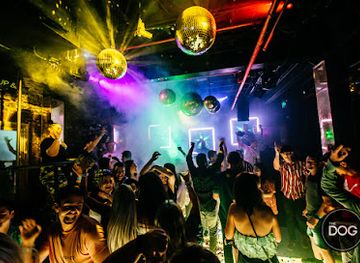
Fabric Nightclub Adelaide
Discover the electrifying nightlife at Fabric Nightclub, Adelaide's premier club for live music and unforgettable nights out.
-
Night club
Zhivago
Discover the electrifying nightlife of Zhivago in Adelaide, where great music meets vibrant crowds for an unforgettable experience.
-
Night club
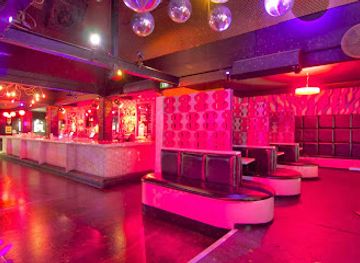
Sugar
Experience the electrifying nightlife at Sugar, Adelaide's premier nightclub, where music, lights, and energy come together for an unforgettable evening.
-
Adult entertainment club
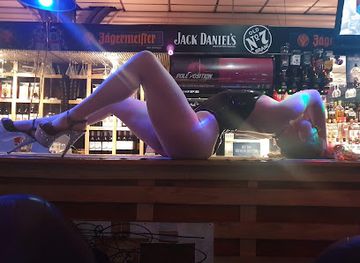
Pole Position Entertainment Venue
Experience Adelaide's vibrant nightlife at Pole Position Entertainment Venue, where captivating performances and stylish ambiance come together.

Best shops in South East South Australia
Shopping in South East South Australia is concentrated in the high streets and small commercial centres of Mount Gambier, Naracoorte, Penola, Robe, Beachport and Kingston SE. Mount Gambier offers the widest range of everyday retail, while the smaller towns are better suited to independent galleries, homewares, antiques, books, clothing and locally made gifts. Wine is the most obvious regional purchase, with Coonawarra, Wrattonbully and Padthaway cellar doors offering bottles and tasting-room selections; check transport arrangements before buying for a self-drive itinerary. Farm shops and roadside stalls may sell seasonal fruit, vegetables, preserves or other produce, though availability depends on harvests and local opening patterns. Coastal towns often have galleries and craft businesses with work inspired by beaches, wetlands and rural life. Markets are generally periodic rather than permanent, so confirm dates locally. Regional specialties make more useful souvenirs than generic merchandise, but travellers should observe airline and Australian biosecurity rules when carrying food, plants or natural materials.
-
Shopping mall
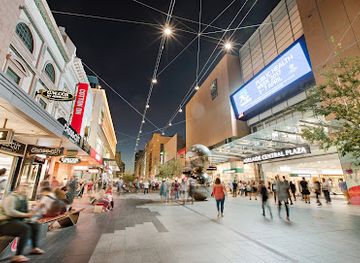
Rundle Mall
Explore Rundle Mall in Adelaide: A Premier Shopping Destination with Unique Boutiques, Delicious Dining, and a Lively Atmosphere.
-
Shopping mall
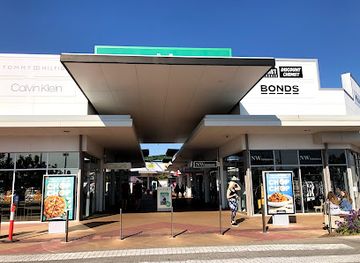
Harbour Town Premium Outlets Adelaide
Experience incredible shopping deals at Harbour Town Premium Outlets Adelaide, featuring top brands at unbeatable prices in a vibrant setting.
-
Gift shop
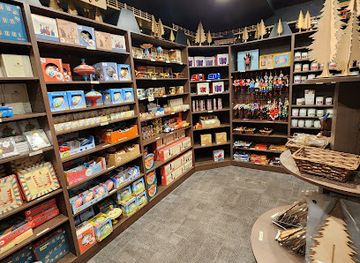
The German Village Shop Hahndorf
Explore The German Village Shop in Hahndorf for unique gifts, handcrafted treasures, and a taste of authentic German culture in Australia.
-
Cafe
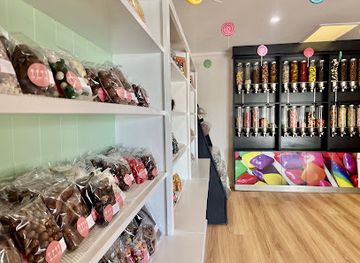
The Candy Store & Cafe
Discover the enchanting flavors of The Candy Store & Cafe in Kingston SE, where sweet treats and delightful ambiance await every visitor.
Get your free copy of our complete guide to South East South Australia, delivered straight to you.
Everything on this page, from attractions and restaurants to essentials and local phrases, in one PDF you can read offline, print or share.
Already have an account? Sign in
Your South East South Australia guide is ready.
We'll send it to · Not you? Sign out

Getting your guide ready…
We are putting together a fresh copy of the South East South Australia guide. This can take up to a minute.
This can take a few moments. If your browser asks, choose Allow so the download can start. You'll find the guide in your Downloads folder.
Nothing happened? Download it again
Sorry, the guide is taking longer than usual. Please try again in a minute, or get it by email instead.
South East South Australia essentials
Currency and Payment
Safety
Emergency Situations
Do's and Don'ts
Local Tips
From Eve
Local phrases worth knowing
You don't need to get them perfect. A few words go a long way, and locals appreciate the effort.
Basics
| English | Local | Say it |
|---|---|---|
| Hello | G'day | [g'day] |
| Goodbye | See ya | [see ya] |
| Yes | Yeah | [yeh] |
| No | Nah | [nah] |
| Please/You're welcome | No worries | [no worries] |
| Thank you | Thanks mate | [thanks mate] |
| Excuse me/Sorry | Sorry mate | [sorry mate] |
| How are you? | How's it going? | [how's it going?] |
| Fine. And you? | Good. And you? | [good. And you?] |
| Do you speak English? | You speak English? | [you speak English?] |
| I don't understand | I don't get it | [I don't get it] |
Eating & Drinking
| English | Local | Say it |
|---|---|---|
| I'd like to see the menu, please | Can I see the menu, please? | [can I see the menu, please?] |
| I don't eat meat | I'm a vegetarian | [I'm a vegetarian] |
| Cheers! | Cheers! | [cheers!] |
| I would like to pay, please | Can I get the bill, please? | [can I get the bill, please?] |
Emergencies
| English | Local | Say it |
|---|---|---|
| Help! | Help! | [help!] |
| Go away! | Go away! | [go away!] |
| Call the Police! | Call the cops! | [call the cops!] |
| Call a doctor! | Get a doctor! | [get a doctor!] |
| I'm lost | I'm lost | [I'm lost] |
| I'm ill | I'm sick | [I'm sick] |
Shopping
| English | Local | Say it |
|---|---|---|
| I'd like to buy... | I want to buy... | [I want to buy...] |
| I'm just looking | Just browsing | [just browsing] |
| How much is it? | How much? | [how much?] |
| That's too expensive | That's a bit pricey | [that's a bit pricey] |
| Can you lower the price? | Can you do a better price? | [can you do a better price?] |
Time & Numbers
| English | Local | Say it |
|---|---|---|
| What time is it? | What time is it? | [what time is it?] |
| It's one o'clock | It's one o'clock | [it's one o'clock] |
| Half past (10) | Half past ten | [half past ten] |
| Morning | Morning | [morning] |
| Afternoon | Arvo | [arvo] |
| Evening | Evening | [evening] |
| Yesterday | Yesterday | [yesterday] |
| Today | Today | [today] |
| Tomorrow | Tomorrow | [tomorrow] |
| 1 | One | [one] |
| 2 | Two | [two] |
| 3 | Three | [three] |
| 4 | Four | [four] |
| 5 | Five | [five] |
| 6 | Six | [six] |
| 7 | Seven | [seven] |
| 8 | Eight | [eight] |
| 9 | Nine | [nine] |
| 10 | Ten | [ten] |
Transport & Directions
| English | Local | Say it |
|---|---|---|
| Where's a/the...? | Where's the...? | [where's the...?] |
| What's the address? | What's the address? | [what's the address?] |
| Can you show me (on the map)? | Can you show me on the map? | [can you show me on the map?] |
| When's the next (bus)? | When's the next bus? | [when's the next bus?] |
| A ticket (to ....) | A ticket to ... | [a ticket to ...] |
History of South East South Australia
First Peoples and the Limestone Coast
The South East has been home to Aboriginal peoples for thousands of years, including the Bunganditj, Meintangk and Tanganekald peoples, among others whose traditional Country extends across different parts of the region. Caves, wetlands, freshwater sources, coastal resources and volcanic landscapes all feature in the cultural geography of the area. European settlement disrupted established communities through disease, dispossession and restrictions on movement, but Aboriginal cultural knowledge and continuing connections to Country remain important to the region's identity. Visitors should understand that many landscapes have significance beyond their geological or scenic value.
Volcanic Landscapes and Early European Exploration
The Mount Gambier area was shaped by relatively recent volcanic activity, which created craters, lakes and fertile soils across the region. European explorers and pastoralists entered the South East in the nineteenth century, encountering a landscape that was difficult to cross because of swamps, dense vegetation and seasonal flooding. The volcanic lakes and limestone formations gradually became navigational and settlement reference points. Mount Gambier was proclaimed a town in the 1850s, and its later growth was closely tied to agriculture, timber and regional administration.
Pastoral Settlement and the Port of Robe
Pastoral expansion transformed the South East during the nineteenth century as sheep grazing spread across the grasslands and uplands. Robe, founded in 1846, became an important port and immigration point, particularly for thousands of Chinese miners who landed there in the 1850s on their way to the Victorian goldfields. The town's stone buildings, harbour works and street plan retain traces of that period. Other coastal settlements, including Beachport and Kingston, developed through combinations of shipping, fishing, pastoral trade and local agricultural service.
Drainage, Agriculture and the Reworking of the Wetlands
Large parts of the lower South East were once seasonally inundated, with swamps, lagoons and dense scrub making transport and farming difficult. From the nineteenth century onwards, drainage schemes redirected water through channels and drains, opening land for grazing, cropping and settlement. The transformation brought economic benefits but also reduced or altered wetland habitats. Sites such as Bool Lagoon and other protected areas now preserve important remnants of the region's aquatic environments, while the channels and roads remain visible evidence of the engineering that reshaped the countryside.
Forestry and Regional Industry
Commercial forestry became an important part of the South East economy, particularly around Mount Gambier and the lower Limestone Coast. Pine plantations supplied timber for construction, processing and manufacturing, while sawmilling and associated industries supported regional employment. Forestry sits alongside farming, viticulture and tourism rather than replacing them, and its presence is visible in the regimented plantations that contrast with remnant native vegetation. The sector has also prompted continuing debate about water, biodiversity, land use and the balance between production and conservation.
Coonawarra and the Growth of South Australian Wine
Viticulture developed in the Coonawarra district during the nineteenth century, helped by fertile terra rossa soils over limestone and a climate moderated by the Southern Ocean. Early plantings eventually gave way to a strong regional wine industry, with red varieties, especially Cabernet Sauvignon, becoming central to Coonawarra's reputation. Later development in Padthaway and Wrattonbully broadened the South East's wine landscape. Cellar doors, vineyards and winery buildings now form part of the region's cultural economy, while the industry remains closely linked to soil, water and seasonal conditions.
Conservation and Heritage Tourism
During the twentieth century, scientific recognition of the South East's caves, wetlands, volcanic features and coastal ecosystems encouraged stronger protection. Naracoorte Caves became especially significant for its fossil deposits, which record ancient Australian megafauna and environmental change; the site was inscribed on the UNESCO World Heritage List in 1994. National parks and reserves also protect beaches, heathlands, lagoons and remnant forest. Tourism has consequently developed around interpretation and guided access, connecting the region's natural history with its continuing agricultural and coastal communities.
South East South Australia in Photos
Browse through our photo collection highlighting the charm and character of the destination.
Neighbouring regions of South East South Australia
The closest regions to South East South Australia, if you have time for more than one.
-
-

-

-

-


Swipe for more regions
Explore more

Explore more of Australia
Discover the diverse landscapes, vibrant cities, and unique wildlife of Australia, a captivating destination offering endless adventures and unforgettable experiences.
Explore Australia