

Free Limestone Coast Travel Guide & Mobile App
Explore Limestone Coast with free travel guides. Discover regional history, expert tips, proposed trips, and audio guides on web or mobile app.


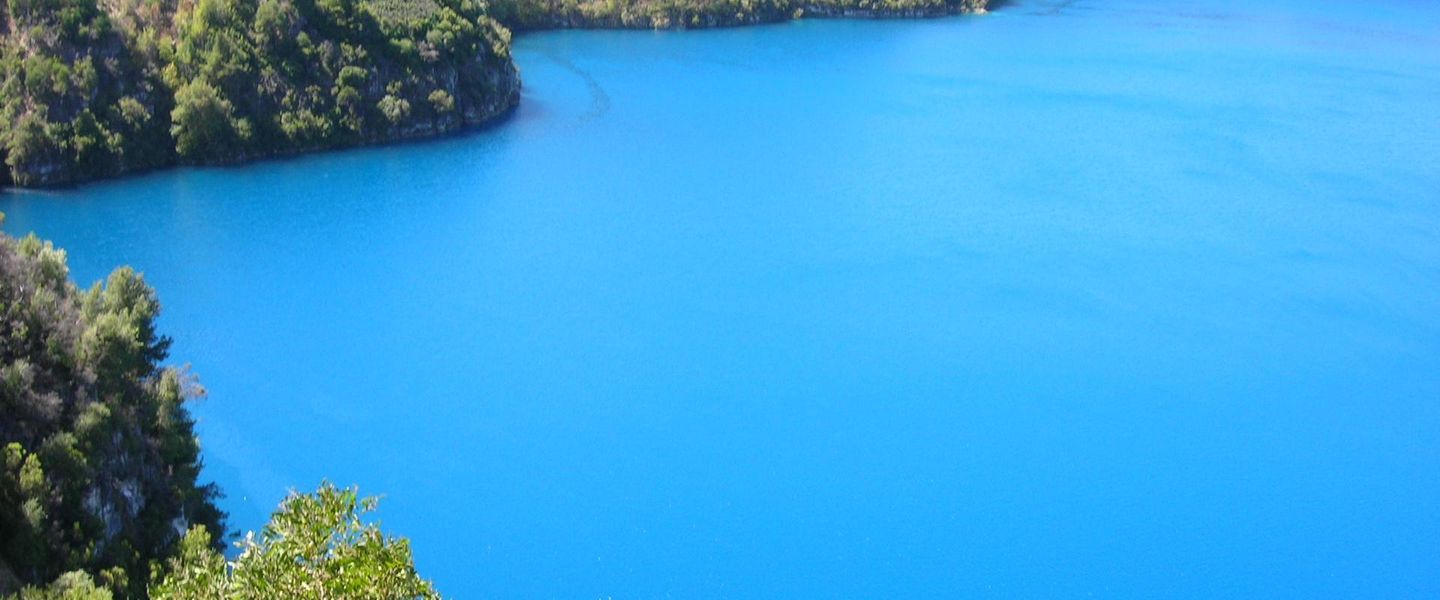


Explore South Australia's Limestone Coast for volcanic lakes, fossil-rich caves, Coonawarra wines, coastal towns and richly varied road-trip landscapes.
Read more about Limestone Coast
When is the best time to visit Limestone Coast?
Best: December–February · 25°C| Month | High (°C) | Rainfall (mm) |
|---|---|---|
| January (best) | 25 | 20 |
| February (best) | 25 | 22 |
| March | 23 | 25 |
| April | 20 | 45 |
| May | 17 | 60 |
| June | 15 | 70 |
| July | 14 | 75 |
| August | 15 | 70 |
| September | 18 | 60 |
| October | 21 | 50 |
| November | 23 | 40 |
| December (best) | 25 | 30 |
Getting to and around Limestone Coast
How to get there
Transportation
Best attractions in Limestone Coast
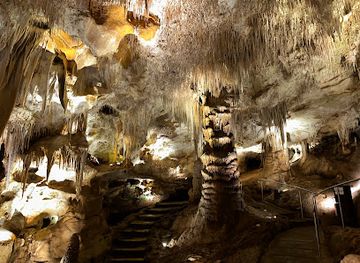
The Limestone Coast's attractions are closely tied to its geology and the way water moves through the landscape. In Mount Gambier, the Blue Lake and the Umpherston Sinkhole reveal different aspects of the region's volcanic and limestone foundations, while nearby Tantanoola Cave offers an accessible guided cave experience. Naracoorte Caves National Park is the outstanding scientific attraction, combining subterranean chambers, fossil deposits, interpretation and walking tracks. The Coonawarra and Wrattonbully districts bring cellar doors, vineyards and food experiences into a predominantly rural setting. Along the coast, Robe, Beachport and Kingston SE provide beaches, jetties, lagoons, dunes and opportunities for boating, fishing and coastal walks. National parks and reserves add birdwatching, wildlife observation and bushwalking, while wetlands, pine forests and agricultural landscapes show the region's environmental variety. Some attractions are seasonal or operate through guided access, so advance planning is useful, especially for caves and smaller regional museums.
-
Tourist attraction
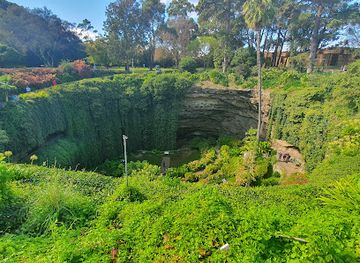
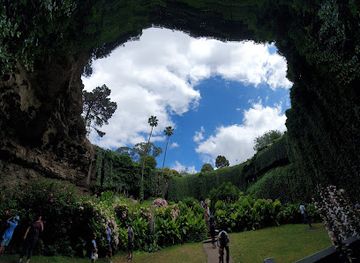
Umpherston Sinkhole / Balumbul
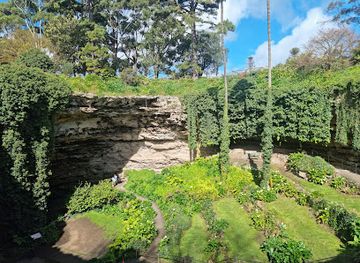
Explore the breathtaking Umpherston Sinkhole, a unique sunken garden in Mount Gambier, showcasing nature's beauty and a rich historical legacy.
-
National park
Naracoorte Caves National Park
Explore ancient caves, discover megafauna fossils, and uncover South Australia's unique natural history at this World Heritage site.
-
Park
Cave Garden / Thugi
Explore the breathtaking Cave Garden in Mount Gambier, a stunning park featuring a limestone sinkhole, vibrant gardens, and rich local history.
-
Tourist attraction
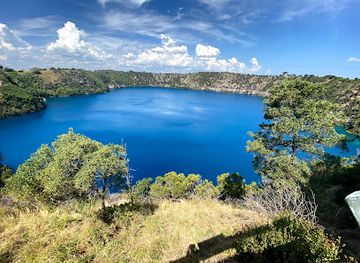
Blue Lake Lookout
Experience the breathtaking views of the Blue Lake Lookout, a must-visit attraction in Mount Gambier, South Australia, showcasing stunning natural beauty.
Best landmarks in Limestone Coast
The Blue Lake in Mount Gambier is the Limestone Coast's most recognisable natural landmark, occupying the crater of the region's largest maar volcano and displaying a notable seasonal colour change. The Umpherston Sinkhole, transformed into a garden within a collapsed limestone cavern, is a distinctive urban landmark that illustrates the area's underground geography. Naracoorte Caves National Park is significant not only for its chambers but also for the fossil record preserved beneath the Naracoorte landscape. Along the coast, the long jetties at Beachport and Kingston SE express the region's maritime and transport history, while Robe's Obelisk stands above the rugged Cape Dombey coastline as a prominent navigation and coastal symbol. In the wine country, the terra rossa soils and ordered vineyard rows around Coonawarra are agricultural landmarks rather than monumental structures, conveying how geology has shaped the regional economy. Historic streets and buildings in Penola add a human dimension to these natural and industrial markers.
-
Tourist attraction
Umpherston Sinkhole / Balumbul
Explore the breathtaking Umpherston Sinkhole in Mount Gambier, a unique sunken garden that showcases the beauty of nature in South Australia.
-
National park
Naracoorte Caves National Park
Discover the enchanting Naracoorte Caves National Park, a UNESCO World Heritage site filled with stunning limestone formations and rich ecological diversity.
-
Park
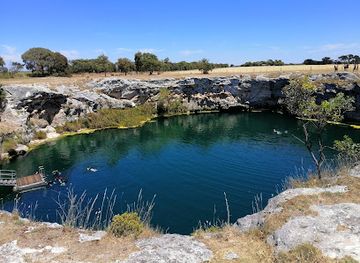
Tantanoola Caves Conservation Park
Explore the mystical Tantanoola Caves Conservation Park, a natural wonder showcasing stunning limestone caves and diverse wildlife in South Australia.
-
Tourist attraction
The Big Lobster
Experience the charm of The Big Lobster in Kingston SE, a must-visit attraction for seafood lovers and travelers seeking iconic Australian landmarks.
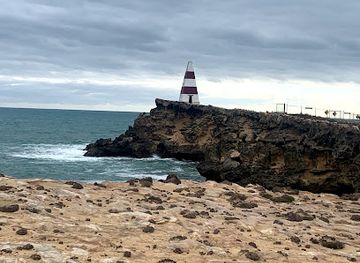
Explore Limestone Coast on the map
Plan your trip on one map. See where the top cities, national parks and sights are, and book hotels and experiences in a few clicks.
Best hotels in Limestone Coast
Best restaurants in Limestone Coast
Dining across the Limestone Coast reflects its vineyards, farms, fishing communities and regional towns. Coonawarra and Wrattonbully wines are natural partners for local menus, while Mount Gambier, Penola, Naracoorte and the coastal settlements offer cafés, pubs, bakeries and contemporary restaurants alongside cellar-door dining. Seafood is especially relevant around Robe, Beachport and Kingston SE, with local catches varying according to season and availability. South Australian lamb, beef, dairy produce, fresh vegetables and country baking are also common regional features. Penola and the wine districts provide the strongest concentration of food-and-wine experiences, whereas coastal dining places greater emphasis on cafés, fish, casual meals and views. Farmers' markets and roadside producers can be useful for discovering fruit, preserves, cheeses and other local goods, but opening days differ by town and season. Reservations are sensible for well-known regional restaurants and winery dining during weekends and holiday periods.
-
Steak
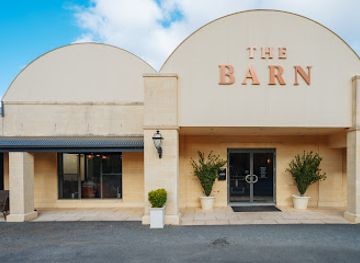
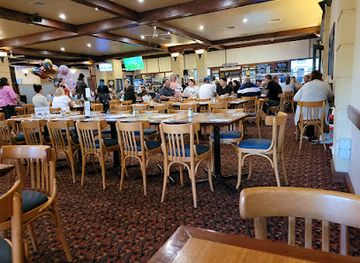
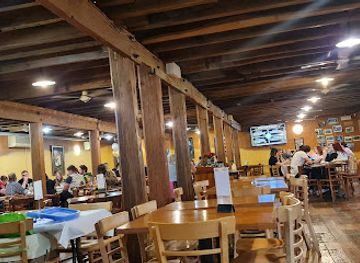
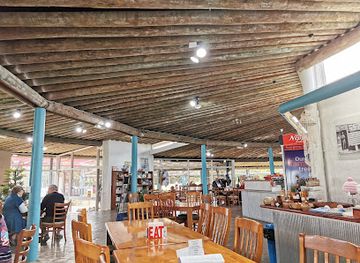
The Barn Steakhouse
Experience the finest steaks and exquisite wines at The Barn Steakhouse in Mount Gambier - A true culinary delight.
-
Bistro
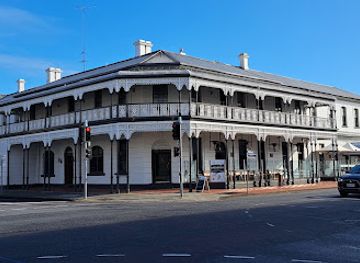
South Eastern Hotel
Experience authentic Australian hospitality at South Eastern Hotel in Mount Gambier with delicious food, drinks, and vibrant atmosphere.
-
Cafe
Sorrentos Cafe
Discover the best of modern Australian cuisine at Sorrentos Cafe in Mount Gambier—where flavor meets comfort.
-
Italian
Caffe Belgiorno
Experience authentic Italian cuisine at Caffe Belgiorno in Mount Gambier—home of exquisite pizzas and welcoming ambiance.
Best bars in Limestone Coast
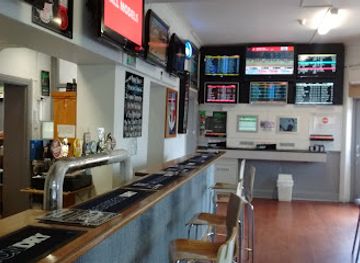
Evening life in the Limestone Coast is centred more on pubs, wine bars, restaurants and community venues than on a large nightclub scene. Mount Gambier has the broadest choice of evening dining, traditional pubs and occasional live entertainment, while Penola's wine-country character is expressed through cellar doors, restaurants and places serving local wines. Robe and Beachport become busier during holiday periods, with waterfront and town-centre venues offering relaxed meals and drinks, but their nightlife remains seasonal and relatively compact. In Naracoorte and other inland towns, historic hotels and local pubs are important social venues, often combining meals with televised sport or community events. Brewery and tasting experiences may be available in some towns, but commercial offerings change, so current arrangements should be checked. Visitors should not rely on late-night transport in rural districts and should plan a safe route back to their accommodation.
-
Tourist attraction
Umpherston Sinkhole / Balumbul
Explore the stunning beauty of Umpherston Sinkhole, a unique garden oasis nestled in a limestone sinkhole in Mount Gambier, South Australia.
-
Steak
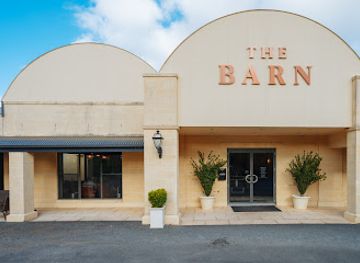
The Barn Steakhouse
Experience the finest locally sourced steaks at The Barn Steakhouse in Mount Gambier, where every bite is a celebration of flavor and quality.
-
Pub
Federal Hotel
Discover the essence of Australian pub culture at the Federal Hotel, Mount Gambier's iconic bistro-bar with a welcoming atmosphere and delicious cuisine.
-
Pub
Caledonian Inn
Discover the historic Caledonian Inn in Robe, where local flavors meet coastal charm in a welcoming pub atmosphere.
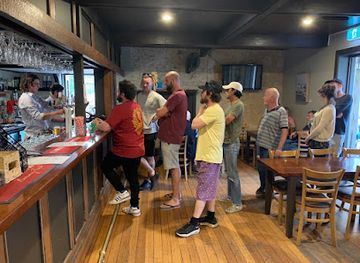
Best nightclubs in Limestone Coast
Evening life in the Limestone Coast is centred more on pubs, wine bars, restaurants and community venues than on a large nightclub scene. Mount Gambier has the broadest choice of evening dining, traditional pubs and occasional live entertainment, while Penola's wine-country character is expressed through cellar doors, restaurants and places serving local wines. Robe and Beachport become busier during holiday periods, with waterfront and town-centre venues offering relaxed meals and drinks, but their nightlife remains seasonal and relatively compact. In Naracoorte and other inland towns, historic hotels and local pubs are important social venues, often combining meals with televised sport or community events. Brewery and tasting experiences may be available in some towns, but commercial offerings change, so current arrangements should be checked. Visitors should not rely on late-night transport in rural districts and should plan a safe route back to their accommodation.
-
Tourist attraction
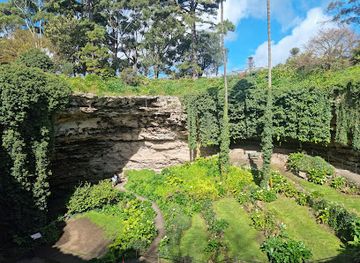
Umpherston Sinkhole / Balumbul
Experience the enchanting beauty of Umpherston Sinkhole, a stunning sunken garden in Mount Gambier, South Australia, perfect for relaxation and exploration.
-
Bistro
South Eastern Hotel
Discover the taste of local cuisine at South Eastern Hotel, a bistro in Mount Gambier offering a warm atmosphere and diverse menu options.
-
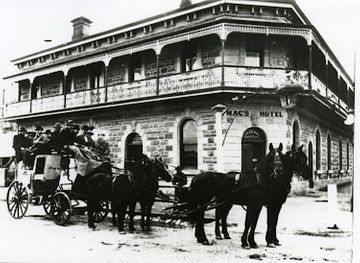
Hotel
Mac's Hotel
Experience the best of Mount Gambier at Mac's Hotel - where comfort meets vibrant nightlife in South Australia.
-
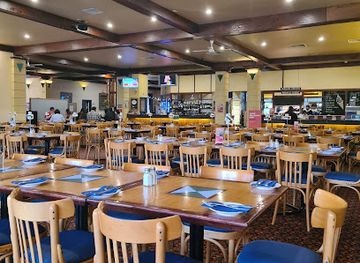
Restaurant
South Australian Hotel
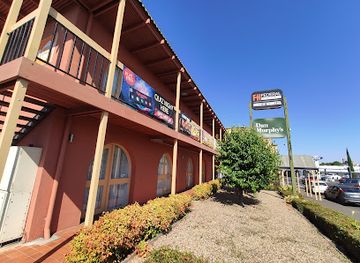
Discover the heart of Mount Gambier at the South Australian Hotel, where authentic Aussie hospitality meets delightful dining.
Best shops in Limestone Coast
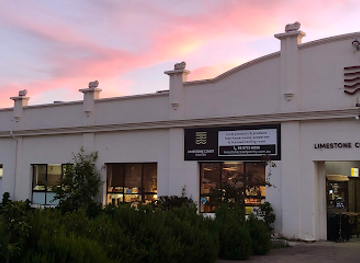
Shopping in the Limestone Coast is town-centred and strongly connected to local produce. Mount Gambier and Naracoorte have the broadest everyday retail choice, including supermarkets, services, independent shops and practical supplies for road travellers. Penola is the principal browsing stop in the wine country, with cellar doors, galleries, books, gifts and food products reflecting its heritage and viticultural setting. Robe and Beachport combine small independent retailers with coastal clothing, homewares, crafts and holiday necessities, while Kingston SE serves as a useful local shopping centre for the surrounding district. Farmers' markets and regional producers may offer wine, cheese, preserves, baked goods, fruit and other South Australian specialities, though market dates vary. Suitable souvenirs include Coonawarra or Wrattonbully wine, locally made food, Aboriginal art purchased through reputable and properly attributed channels, and work by regional artists or craftspeople. Retail hours can be shorter in smaller towns, particularly outside the main visitor season.
-
Tourist attraction
Umpherston Sinkhole / Balumbul
Umpherston Sinkhole: A stunning sunken garden in Mount Gambier, South Australia, showcasing nature’s beauty and history.
-
Park
Tantanoola Caves Conservation Park
Unveil the natural wonders of Tantanoola Caves Conservation Park, where stunning limestone formations meet lush landscapes in South Australia.
-
Cafe
Limestone Coast Pantry
Discover the Limestone Coast Pantry, a cozy cafe in Mount Gambier offering delicious meals, fresh coffee, and live music in a welcoming atmosphere.
-
Farm household tour
Echo Farm
Explore Echo Farm in Mount Gambier - A delightful mix of farm tours, animal encounters, and educational exhibits await you!
Get your free copy of our complete guide to Limestone Coast, delivered straight to you.
Everything on this page, from attractions and restaurants to essentials and local phrases, in one PDF you can read offline, print or share.
Already have an account? Sign in
Your Limestone Coast guide is ready.
We'll send it to · Not you? Sign out

Getting your guide ready…
We are putting together a fresh copy of the Limestone Coast guide. This can take up to a minute.
This can take a few moments. If your browser asks, choose Allow so the download can start. You'll find the guide in your Downloads folder.
Nothing happened? Download it again
Sorry, the guide is taking longer than usual. Please try again in a minute, or get it by email instead.
Limestone Coast essentials
Currency and Payment
Safety
Emergency Situations
Do's and Don'ts
Local Tips
From Eve
Local phrases worth knowing
You don't need to get them perfect. A few words go a long way, and locals appreciate the effort.
Basics
| English | Local | Say it |
|---|---|---|
| Hello | G'day | [g'day] |
| Goodbye | See ya | [see ya] |
| Yes | Yeah | [yeah] |
| No | Nah | [nah] |
| Please/You're welcome | No worries | [no worries] |
| Thank you | Thanks a lot | [thanks a lot] |
| Excuse me/Sorry | Sorry mate | [sorry mate] |
| How are you? | How’s it going? | [how's it going?] |
| Fine. And you? | Good, and you? | [good, and you?] |
| Do you speak English? | Do ya speak English? | [do ya speak English?] |
| I don't understand | I don’t get it | [I don't get it] |
Eating & Drinking
| English | Local | Say it |
|---|---|---|
| I'd like to see the menu, please | Can I see the menu, please? | [can I see the menu, please?] |
| I don't eat meat | I’m a vegetarian | [I’m a vegetarian] |
| Cheers! | Cheers! | [cheers] |
| I would like to pay, please | Can I get the bill, please? | [can I get the bill, please?] |
Emergencies
| English | Local | Say it |
|---|---|---|
| Help! | Help! | [help] |
| Go away! | Get lost! | [get lost] |
| Call the Police! | Call the cops! | [call the cops] |
| Call a doctor! | Get a doctor! | [get a doctor] |
| I'm lost | I’m lost | [I’m lost] |
| I'm ill | I’m not feeling well | [I’m not feeling well] |
Shopping
| English | Local | Say it |
|---|---|---|
| I'd like to buy... | I want to buy... | [I want to buy...] |
| I'm just looking | Just having a look | [just having a look] |
| How much is it? | How much is this? | [how much is this?] |
| That's too expensive | That's too pricey | [that's too pricey] |
| Can you lower the price? | Can you drop the price? | [can you drop the price?] |
Time & Numbers
| English | Local | Say it |
|---|---|---|
| What time is it? | What’s the time? | [what’s the time?] |
| It's one o'clock | It’s one o’clock | [it’s one o’clock] |
| Half past (10) | Half past ten | [half past ten] |
| Morning | Morning | [morning] |
| Afternoon | Arvo | [arvo] |
| Evening | Evening | [evening] |
| Yesterday | Yesterday | [yesterday] |
| Today | Today | [today] |
| Tomorrow | Tomorrow | [tomorrow] |
| 1 | One | [one] |
| 2 | Two | [two] |
| 3 | Three | [three] |
| 4 | Four | [four] |
| 5 | Five | [five] |
| 6 | Six | [six] |
| 7 | Seven | [seven] |
| 8 | Eight | [eight] |
| 9 | Nine | [nine] |
| 10 | Ten | [ten] |
Transport & Directions
| English | Local | Say it |
|---|---|---|
| Where's a/the...? | Where's the...? | [where's the...?] |
| What's the address? | What’s the address? | [what’s the address?] |
| Can you show me (on the map)? | Can you point it out on the map? | [can you point it out on the map?] |
| When's the next (bus)? | When's the next bus? | [when's the next bus?] |
| A ticket (to ....) | A ticket to... | [a ticket to...] |
History of Limestone Coast
Aboriginal Country and Ancient Landscapes
The Limestone Coast has long been Aboriginal Country, with cultural connections involving the Bunganditj, Meintangk and Ngarrindjeri peoples across different parts of the region. Waterholes, wetlands, coastlines, caves and volcanic landscapes have supported movement, food gathering and cultural knowledge over many generations. The region's limestone and volcanic formations are not simply scenic features; they form part of living cultural landscapes. Visitors should understand that access to some places may be guided or restricted and that Aboriginal heritage continues in contemporary communities, interpretation and cultural practice.
The Naracoorte Fossil Record
The caves near Naracoorte preserve one of Australia's most significant fossil deposits. Bones accumulated in caves and natural traps over hundreds of thousands of years, recording extinct megafauna and changing environments through the Pleistocene period. The deposits have helped scientists reconstruct past ecosystems and understand the effects of climate change and human presence on Australian wildlife. Naracoorte Caves National Park was recognised as part of the Australian Fossil Mammal Sites World Heritage property in 1994, giving the region an important place in global palaeontology as well as Australian natural history.
European Exploration and Pastoral Settlement
European exploration of the south-east of South Australia intensified during the nineteenth century, followed by pastoral expansion across the grasslands and lightly wooded country. Stations, stock routes and service settlements developed as sheep and cattle became central to the colonial economy. Penola grew as an important inland settlement, while Mount Gambier became a regional centre around its fertile volcanic soils and water resources. This period brought major disruption to Aboriginal communities and reshaped land use, transport and access to water throughout the Limestone Coast.
Ports, Timber and Coastal Enterprise
The coast supported fishing, shipping and timber-related industries, with Robe and Kingston SE serving as important local ports and Beachport developing around its harbour and maritime trade. Coastal transport was particularly valuable before modern roads and railways connected inland producers more efficiently with Adelaide and Melbourne. Timber harvesting and sawmilling also expanded in the south-east, especially around the region's pine and native forest resources. Reminders of this economic history survive in jetties, harbour structures, historic warehouses, railway remnants and the layout of older coastal settlements.
The Rise of Coonawarra Wine
Viticulture became one of the Limestone Coast's defining industries during the late nineteenth century. John Riddoch established a vineyard and winery near Penola in the 1890s, helping to develop Coonawarra's reputation for wines grown on its celebrated terra rossa soils. The district later became particularly associated with structured red wines, while vineyards expanded in nearby areas including Wrattonbully. Wine production has shaped local employment, architecture, tourism and food culture, and cellar doors now provide an accessible way to explore the region's agricultural history.
Railways and Regional Connections
Rail links played a major role in connecting the south-east with Adelaide, inland agricultural districts and Victoria. They enabled wool, grain, timber and other produce to reach larger markets while bringing visitors and supplies into regional towns. Although the historic railway system no longer performs the same role for passengers, its influence remains visible in town plans, former stations and transport corridors. Road travel is now the principal way to explore the Limestone Coast, reflecting a broader shift from coastal shipping and rail towards highways, freight vehicles and private touring.
Conservation and Regional Renewal
During the twentieth century, scientific research and conservation changed the way the Limestone Coast's caves, wetlands, forests and volcanic features were understood and managed. The protection of Naracoorte's fossils, the growth of national parks and reserves, and the recognition of important coastal habitats have made nature-based tourism a significant part of the regional economy. At the same time, viticulture, food production, forestry and marine industries have continued to evolve. The modern Limestone Coast therefore combines working rural landscapes with internationally important geological, fossil and ecological sites.
Limestone Coast in Photos
Browse through our photo collection highlighting the charm and character of the destination.
Neighbouring regions of Limestone Coast
The closest regions to Limestone Coast, if you have time for more than one.
-

-

-

-

-


Swipe for more regions
Explore more

Explore more of Australia
Discover the diverse landscapes, vibrant cities, and unique wildlife of Australia, a captivating destination offering endless adventures and unforgettable experiences.
Explore Australia