

Free Sunshine Coast Travel Guide & Mobile App
Explore Sunshine Coast with free travel guides. Discover regional history, expert tips, proposed trips, and audio guides on web or mobile app.


Explore the Sunshine Coast for surf beaches, rainforest walks, Glass House Mountains, wildlife, fresh produce and relaxed Queensland coastal towns.
Read more about Sunshine Coast
When is the best time to visit Sunshine Coast?
Best: April–May, September · 23–26°C| Month | High (°C) | Rainfall (mm) |
|---|---|---|
| January | 29 | 150 |
| February | 29 | 150 |
| March | 28 | 150 |
| April (best) | 26 | 125 |
| May (best) | 23 | 100 |
| June | 20 | 100 |
| July | 19 | 100 |
| August | 20 | 100 |
| September (best) | 23 | 125 |
| October | 25 | 150 |
| November | 27 | 150 |
| December | 28 | 150 |
Getting to and around Sunshine Coast
How to get there
Transportation
Top city travel guides in Sunshine Coast
The cities of Sunshine Coast, and the easiest places to base yourself.

Swipe for more cities
Best attractions in Sunshine Coast
The Sunshine Coast's attractions extend from surf beaches and coastal waterways to rainforest, mountains and working agricultural landscapes. Caloundra's beaches and headlands, Mooloolaba's harbour and Maroochy River provide opportunities for swimming, paddling, boating and coastal walking, while Mount Coolum offers a more strenuous climb with wide views across the plain. Inland, the Glass House Mountains support lookouts, scenic drives and walking trails, and the Blackall Range is known for rainforest reserves, gardens and highland villages. Kondalilla National Park, Mapleton National Park and Mary Cairncross Scenic Reserve protect subtropical forest and offer signed walks, though conditions can be steep or slippery. Wildlife experiences include Australia Zoo near Beerwah and smaller conservation-focused attractions, while the Big Pineapple at Woombye reflects the region's agricultural and tourism history. Galleries, produce stalls, craft venues and country markets add a cultural dimension to the hinterland, but opening arrangements and market days vary. The region works best as a series of coastal, mountain and rural excursions rather than a single sightseeing circuit.
-
Zoo
Australia Zoo
Discover the wonders of wildlife at Australia Zoo, where adventure meets conservation in the heart of Queensland.
-
National park
Noosa National Park
Explore the breathtaking landscapes and diverse wildlife of Noosa National Park, a must-visit destination on the Sunshine Coast of Queensland.
-
Tourist attraction
The Ginger Factory
Explore The Ginger Factory in Yandina, Queensland for a unique blend of education, shopping, and family-friendly fun centered around the world of ginger.
-
Aquarium
SEA LIFE Sunshine Coast Aquarium
Explore the mesmerizing underwater world at SEA LIFE Sunshine Coast Aquarium - a family-friendly adventure in Mooloolaba, Queensland.


Best landmarks in Sunshine Coast
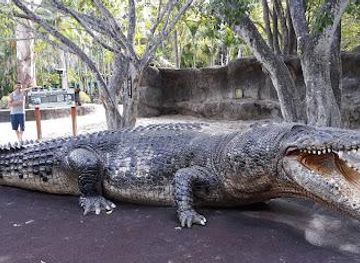
The Glass House Mountains are the Sunshine Coast's most recognisable natural landmarks, a group of volcanic peaks rising dramatically from the surrounding plains and carrying deep cultural significance for the Kabi Kabi and Jinibara peoples. Mount Coolum is another prominent volcanic formation, visible across the coastal plain and associated with a marked summit walk. Along the shore, Point Cartwright Lighthouse at Mooloolaba marks the entrance to the harbour and has become a familiar coastal reference point, while Caloundra's headlands and Pumicestone Passage define the southern edge of the region's beach landscape. The Big Pineapple at Woombye is a large roadside symbol of the area's agricultural and tourism history, even though its visitor facilities have changed over time. In the uplands, the historic character of Montville, Maleny and Mapleton is expressed through timber buildings, village streets and views over rainforest and farmland. Mary Cairncross Scenic Reserve is both a significant conservation site and a viewpoint towards the Glass House Mountains, linking the region's natural scenery with its environmental history.
-
Scenic spot
Mount Coot-Tha Summit Lookout
Experience spectacular views of Brisbane from Mount Coot-Tha Summit Lookout, a scenic gem offering nature, trails, and breathtaking landscapes.
-
National park
Noosa National Park
Explore Noosa National Park: A Coastal Paradise of Scenic Trails, Diverse Wildlife, and Stunning Ocean Views Await!
-
Aquarium
SEA LIFE Sunshine Coast Aquarium
Explore the underwater wonders at SEA LIFE Sunshine Coast Aquarium, where education meets adventure in a stunning coastal setting.
-
Botanical garden
Maleny Botanic Gardens & Bird World
Explore the captivating beauty of Maleny Botanic Gardens & Bird World, where lush landscapes and vibrant wildlife create a serene escape in Queensland's hinterland.


Explore Sunshine Coast on the map
Plan your trip on one map. See where the top cities, national parks and sights are, and book hotels and experiences in a few clicks.
Best hotels in Sunshine Coast
Best restaurants in Sunshine Coast
Sunshine Coast dining draws on the meeting of coast and hinterland. Seafood is prominent in coastal towns, with fish, prawns and other local catches appearing in casual eateries, harbour-side venues and contemporary menus, while hinterland kitchens make use of dairy products, seasonal fruit, vegetables and small-scale farm produce. Maleny and surrounding highland communities are associated with dairy farming and artisan food production, and local markets provide opportunities to find preserves, baked goods, tropical fruit and prepared foods. Cafés are an important part of the region's daytime culture, particularly in coastal centres and hinterland villages. Pubs, hotel dining rooms and relaxed family restaurants remain practical choices in smaller towns, while Mooloolaba, Maroochydore and Noosa's neighbouring region offer a broader range of cuisines; Noosa is outside the Sunshine Coast local government area. Menus change with supply and season, so regional dining is best approached through produce, locality and style rather than a single defining dish.
-
Tourist attraction
The Wharf Mooloolaba
Discover The Wharf Mooloolaba: A vibrant hub of dining, shopping & outdoor adventures on Queensland's stunning Sunshine Coast.
-
Asian
Rice Boi
Experience vibrant Asian fusion cuisine at Rice Boi in Mooloolaba - where every dish tells a story.
-
Restaurant
Sum Yung Guys Restaurant
Experience the vibrant flavors of Asia at Sum Yung Guys Restaurant in Noosaville - where culinary creativity meets warm hospitality.
-
Italian
Bella Venezia Restaurant Mooloolaba
Experience authentic Italian cuisine with breathtaking ocean views at Bella Venezia Restaurant in Mooloolaba.


Best bars in Sunshine Coast
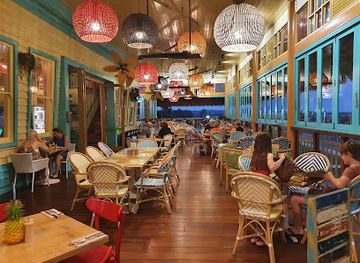
Evenings on the Sunshine Coast are concentrated in the larger coastal centres rather than spread evenly across the region. Mooloolaba has the strongest concentration of bars, restaurants and late venues around its beachfront and harbour area, while Maroochydore provides a broader mix of pubs, cocktail bars, live music and entertainment for residents and visitors. Caloundra has a more relaxed evening scene built around restaurants, hotel bars and occasional live performances. In the hinterland, nightlife generally centres on pubs, restaurants, small breweries, cafés and community venues, with earlier closing patterns than the coast. The region is not primarily a clubbing destination, and many visitors plan evenings around dining, sunset walks, local performances or relaxed drinks rather than large-scale nightlife. Venue schedules and licensing arrangements change, particularly outside the principal towns, so current local listings are useful for late-night plans.
-
Pub
Buderim Tavern
Discover the heart of Buderim at Buderim Tavern—an inviting pub with great food, drinks, and a vibrant atmosphere perfect for relaxation.
-
Pub
Banana Bender Pub
Experience the vibrant culture and delightful flavors at Banana Bender Pub, a top destination for tourists in Palmview, Queensland.
-
Pub
The Savvy Squire
Discover the culinary delights and vibrant atmosphere at The Savvy Squire, Mooloolaba's premier pub and dining destination.
-
Bar
Green Zebra Restaurant & Bar
Explore the flavors of modern Australian cuisine at Green Zebra Restaurant & Bar, a vibrant dining destination in Parrearra, Queensland.



Best nightclubs in Sunshine Coast
Evenings on the Sunshine Coast are concentrated in the larger coastal centres rather than spread evenly across the region. Mooloolaba has the strongest concentration of bars, restaurants and late venues around its beachfront and harbour area, while Maroochydore provides a broader mix of pubs, cocktail bars, live music and entertainment for residents and visitors. Caloundra has a more relaxed evening scene built around restaurants, hotel bars and occasional live performances. In the hinterland, nightlife generally centres on pubs, restaurants, small breweries, cafés and community venues, with earlier closing patterns than the coast. The region is not primarily a clubbing destination, and many visitors plan evenings around dining, sunset walks, local performances or relaxed drinks rather than large-scale nightlife. Venue schedules and licensing arrangements change, particularly outside the principal towns, so current local listings are useful for late-night plans.
-
Live music bar
Solbar
Experience the vibrant atmosphere of Solbar in Maroochydore, where delicious pizzas meet live music for an unforgettable night out.
-
Night club
Old Soul
Dive into the vibrant nightlife of Maroochydore at Old Soul, where great music and a lively atmosphere await every weekend.
-
Dance club
Lights Off Dance On
Experience the vibrant rhythm of Lights Off Dance On, a unique dance club where joy and community come to life in a lively atmosphere.
-
Night club
ZYPED
Discover ZYPED: The Ultimate Night Club Experience in Maroochydore, Where Music and Fun Come Together in a Vibrant Atmosphere!


Best shops in Sunshine Coast
Shopping on the Sunshine Coast ranges from practical coastal retail and independent boutiques to village galleries, produce stalls and farm shops in the hinterland. Mooloolaba and Maroochydore have the broadest selection of fashion, surf equipment, homewares, cafés and everyday retail, while Caloundra combines a traditional town-centre atmosphere with coastal holiday shopping. Hinterland settlements such as Maleny, Montville and Mapleton are better known for galleries, craft outlets, books, local artworks, antiques and small food producers than for large shopping centres. Markets and roadside stalls may offer fruit, vegetables, preserves, baked goods, honey, dairy products and handmade items, but schedules vary seasonally. Regional food products make practical souvenirs, provided they can be transported and stored safely. Visitors should distinguish locally made goods from generic beach merchandise, and check current trading days before travelling specifically for a market or rural shop.
-
Shopping mall
Sunshine Plaza
Explore Sunshine Plaza in Maroochydore, a vibrant shopping mall offering great retail options, dining delights, and family-friendly entertainment experiences.
-
Shopping mall
Kawana Shoppingworld
Explore Kawana Shoppingworld, a bustling shopping mall in Queensland offering a unique mix of retail, dining, and entertainment experiences for tourists.
-
Clothing store
Billy J Boutique - Warehouse (Not Open to the Public)
Explore the stylish offerings of Billy J Boutique in Kunda Park—where quality meets unique fashion for the discerning traveler.
-
Shopping mall
Big Top Shopping Centre
Discover a vibrant shopping experience at Big Top Shopping Centre, Maroochydore - where retail meets local culture!


Get your free copy of our complete guide to Sunshine Coast, delivered straight to you.
Everything on this page, from attractions and restaurants to essentials and local phrases, in one PDF you can read offline, print or share.
Already have an account? Sign in
Your Sunshine Coast guide is ready.
We'll send it to · Not you? Sign out

Getting your guide ready…
We are putting together a fresh copy of the Sunshine Coast guide. This can take up to a minute.
This can take a few moments. If your browser asks, choose Allow so the download can start. You'll find the guide in your Downloads folder.
Nothing happened? Download it again
Sorry, the guide is taking longer than usual. Please try again in a minute, or get it by email instead.
Sunshine Coast essentials
Currency and Payment
Safety
Emergency Situations
Do's and Don'ts
Local Tips
From Eve
Local phrases worth knowing
You don't need to get them perfect. A few words go a long way, and locals appreciate the effort.
Basics
| English | Local | Say it |
|---|---|---|
| Hello | G’day | [g'day] |
| Goodbye | See ya | [see ya] |
| Yes | Yeah | [yeh] |
| No | Nah | [nah] |
| Please/You're welcome | No worries | [no worries] |
| Thank you | Thanks | [thanks] |
| Excuse me/Sorry | Sorry mate | [sorry mate] |
| How are you? | How’s it going? | [how's it going] |
| Fine. And you? | Good, and you? | [good, and you] |
| Do you speak English? | Do ya speak English? | [do ya speak English] |
| I don't understand | I don’t get it | [I don’t get it] |
Eating & Drinking
| English | Local | Say it |
|---|---|---|
| I'd like to see the menu, please | Can I have a look at the menu? | [can I have a look at the menu] |
| I don't eat meat | I’m a vegetarian | [I'm a vegetarian] |
| Cheers! | Cheers! | [cheers] |
| I would like to pay, please | Can I get the bill, please? | [can I get the bill, please] |
Emergencies
| English | Local | Say it |
|---|---|---|
| Help! | Help! | [help] |
| Go away! | Get lost! | [get lost] |
| Call the Police! | Call the cops! | [call the cops] |
| Call a doctor! | Get a doctor! | [get a doctor] |
| I'm lost | I’m lost | [I'm lost] |
| I'm ill | I’m feeling crook | [I’m feeling crook] |
Shopping
| English | Local | Say it |
|---|---|---|
| I'd like to buy... | I wanna buy... | [I wanna buy] |
| I'm just looking | Just having a look, thanks | [just having a look, thanks] |
| How much is it? | How much's this? | [how much's this] |
| That's too expensive | That's a bit pricey | [that's a bit pricey] |
| Can you lower the price? | Can ya do a discount? | [can ya do a discount] |
Time & Numbers
| English | Local | Say it |
|---|---|---|
| What time is it? | What’s the time? | [what's the time] |
| It's one o'clock | It’s one o’clock | [it's one o'clock] |
| Half past (10) | Half past ten | [half past ten] |
| Morning | Morning | [morning] |
| Afternoon | Arvo | [arvo] |
| Evening | Evening | [evening] |
| Yesterday | Yesterday | [yesterday] |
| Today | Today | [today] |
| Tomorrow | Tomorrow | [tomorrow] |
| 1 | One | [one] |
| 2 | Two | [two] |
| 3 | Three | [three] |
| 4 | Four | [four] |
| 5 | Five | [five] |
| 6 | Six | [six] |
| 7 | Seven | [seven] |
| 8 | Eight | [eight] |
| 9 | Nine | [nine] |
| 10 | Ten | [ten] |
Transport & Directions
| English | Local | Say it |
|---|---|---|
| Where's a/the...? | Where’s a...? | [where's a] |
| What's the address? | What’s the address? | [what's the address] |
| Can you show me (on the map)? | Can ya show me on the map? | [can ya show me on the map] |
| When's the next (bus)? | When's the next bus? | [when's the next bus] |
| A ticket (to ....) | A ticket to... | [a ticket to] |
History of Sunshine Coast
Kabi Kabi and Jinibara Country
The Sunshine Coast is Country of the Kabi Kabi and Jinibara peoples, whose cultural connections with the coast, rivers, ranges and forests extend over many thousands of years. Indigenous knowledge shaped movement through the landscape, food gathering, seasonal practices and relationships with particular natural features. The Glass House Mountains, waterways and coastal plains remain important cultural places, not simply scenic backdrops. European accounts often misunderstood Aboriginal land management and society, so contemporary interpretation from Traditional Owner organisations is important when visiting cultural sites or learning about local history.
European Exploration and Early Settlement
European maritime exploration of the Queensland coast was followed by pastoral expansion and timber-getting during the nineteenth century. The region's forests attracted sawyers, while coastal inlets and rivers supported small settlements, transport and limited agriculture. Places including Caloundra, Mooloolaba and the hinterland developed at different speeds because the terrain was difficult and overland routes were limited. Early settlement disrupted Indigenous communities through land seizure, violence, introduced disease and restrictive colonial policies, consequences that remain part of the region's history.
Timber, Farming and Sugar
Timber was one of the earliest major European industries in the Sunshine Coast hinterland, with cedar and other valuable trees extracted from rainforests and ranges. Clearing opened land for dairying, fruit growing and mixed farming, while sugar production became significant in parts of the coastal lowlands. Nambour developed as an important commercial and transport centre connected with the sugar industry. The surviving pattern of farms, small townships and former industrial sites reflects an economy that once depended far more heavily on forest products and agriculture than the contemporary visitor economy does.
Railways and Regional Connection
Railway construction transformed access to the Sunshine Coast from the late nineteenth century onwards. Lines reaching the hinterland linked farming and timber communities with Brisbane and coastal ports, allowing produce and passengers to move more reliably. Stations helped towns such as Landsborough, Beerwah, Palmwoods and Nambour grow as service centres, although many coastal resort areas remained dependent on roads. The railway still follows a broadly inland route through the region and provides a useful alternative to driving for some journeys, but it does not serve every coastal settlement.
The Growth of Coastal Tourism
Beach recreation expanded markedly during the twentieth century as roads improved, private car ownership increased and Queensland's warm climate attracted holidaymakers. Coastal settlements gradually shifted from small fishing, farming and transport communities towards residential and resort economies. Mooloolaba, Maroochydore, Caloundra and Coolum each developed their own beach, harbour and commercial identities. Tourism brought employment and investment but also accelerated suburban growth, putting pressure on wetlands, dunes, waterways and farmland. Conservation reserves and coastal planning now form an important part of the region's future.
Modern Regional Identity
The contemporary Sunshine Coast combines a substantial residential population with tourism, education, health services, agriculture, technology and small business. Rapid development has made the coastal corridor more urban, while the hinterland retains a stronger agricultural, artistic and rural character. The creation of the Sunshine Coast local government area in 2008 brought several former council areas under one administration, reinforcing a shared regional identity while leaving distinct town and community traditions intact. Present-day cultural life reflects both the region's Indigenous heritage and its layered history of migration, farming, industry and seaside leisure.
Sunshine Coast in Photos
Browse through our photo collection highlighting the charm and character of the destination.
Neighbouring regions of Sunshine Coast
The closest regions to Sunshine Coast, if you have time for more than one.
-

-

-

-

-


Swipe for more regions
Explore more

Explore more of Australia
Discover the diverse landscapes, vibrant cities, and unique wildlife of Australia, a captivating destination offering endless adventures and unforgettable experiences.
Explore Australia