

Free Darling Downs Travel Guide & Mobile App
Explore Darling Downs with free travel guides. Discover regional history, expert tips, proposed trips, and audio guides on web or mobile app.


Explore Darling Downs for Toowoomba gardens, historic country towns, open farming landscapes, regional produce and inland Queensland heritage.
Read more about Darling Downs
When is the best time to visit Darling Downs?
Best: April, September–October · 22–26°C| Month | High (°C) | Rainfall (mm) |
|---|---|---|
| January | 31 | 80 |
| February | 30 | 70 |
| March | 28 | 60 |
| April (best) | 24 | 50 |
| May | 21 | 40 |
| June | 18 | 30 |
| July | 17 | 30 |
| August | 18 | 35 |
| September (best) | 22 | 40 |
| October (best) | 26 | 50 |
| November | 29 | 60 |
| December | 30 | 70 |
Getting to and around Darling Downs
How to get there
Transportation
Top city travel guides in Darling Downs
The cities of Darling Downs, and the easiest places to base yourself.
-

-

-

-

-


Swipe for more cities
Best attractions in Darling Downs
The Darling Downs offers a varied attraction landscape built around regional cities, heritage towns and working agricultural country. Toowoomba’s principal experiences include the Japanese Garden, Queens Park, Picnic Point and the Cobb+Co Museum, which explains the importance of coaching, transport and traditional craftsmanship in inland Queensland. The city’s parks and elevated position make it a useful starting point for exploring the range and the plains beyond. In the west, Dalby provides access to agricultural history, the Myall Creek district and Lake Broadwater Conservation Park, where visitors can camp, walk and observe birdlife in a bush setting. Jimbour House, north of Dalby, illustrates the scale of nineteenth-century pastoral development. Warwick, Allora and Clifton are well suited to heritage walks through civic buildings, churches, shopfronts and former railway precincts. Goondiwindi adds riverside scenery and botanic gardens near the Macintyre River, while smaller towns offer agricultural museums, local galleries, country events and produce markets. Outdoor options include fishing, birdwatching, camping, scenic drives and short walks, although conditions and facilities vary widely. The region’s appeal lies less in a single concentrated attraction than in the contrast between Toowoomba’s gardens and cultural venues, the open grain plains and the historic communities that serve them.
-
Tourist attraction
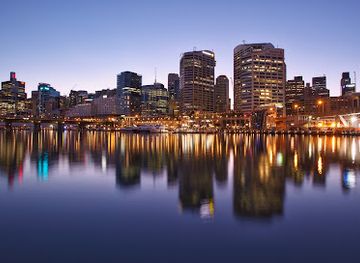
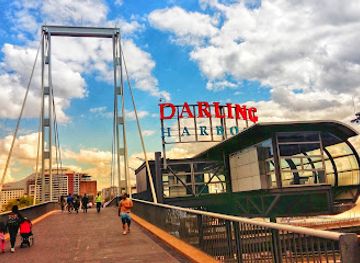
Darling Harbour
Experience the lively atmosphere and stunning scenery of Darling Harbour, Sydney's premier waterfront destination for tourists seeking adventure and relaxation.
-
Park
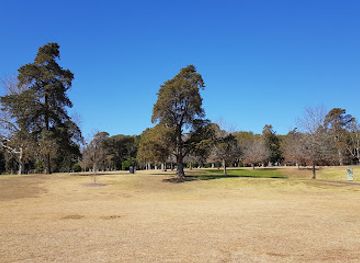
Queens Park Toowoomba
Discover Toowoomba's premier park: a blend of history, nature, and recreation in a stunning heritage-listed setting.
-
Tourist attraction
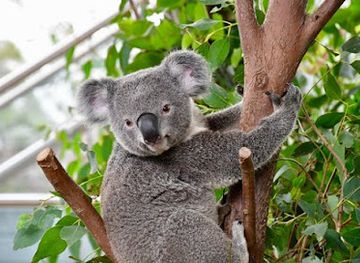
WILD LIFE Sydney Zoo
Explore WILD LIFE Sydney Zoo: A vibrant wildlife sanctuary in the heart of Sydney, showcasing iconic Australian animals and dedicated to conservation.
-
Garden
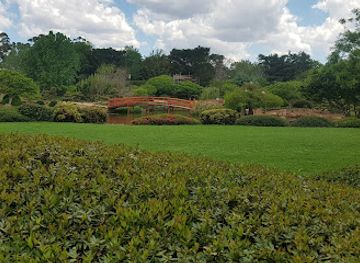
UniSQ Japanese Garden QLD
Discover tranquility and cultural beauty at the UniSQ Japanese Garden in Toowoomba, a serene park perfect for relaxation and reflection.
Best landmarks in Darling Downs
Toowoomba’s heritage character is anchored by Queens Park, one of the city’s defining landscaped spaces, and by the elevated lookout at Picnic Point, where the terrain falls towards the Lockyer Valley and gives the city its geographical identity. Historic streets and civic buildings around the city centre reflect Toowoomba’s development as a railway and commercial hub. In Dalby, the town’s position beside Myall Creek and its grain-handling infrastructure express the importance of watercourses, transport and agriculture to the western plains. Jimbour House is among the region’s most recognisable pastoral landmarks, representing the wealth and architectural ambition of the nineteenth-century station era. Warwick contains an extensive collection of late nineteenth- and early twentieth-century buildings, including churches, commercial façades and civic structures that reveal its former role as a southern Downs centre. Stone churches, verandah-fronted hotels, railway remnants and broad town squares recur in smaller settlements such as Allora and Clifton. At Goondiwindi, the Macintyre River and its associated parklands provide a natural landmark near the New South Wales border. Together, these places show how the region’s identity was shaped by elevation, rivers, railways, pastoral estates and agricultural settlement.
-
Tourist attraction
Darling Harbour
Experience the vibrant charm of Darling Harbour, Sydney's iconic waterfront destination filled with attractions, dining, and stunning views.
-
Zoo
Darling Downs Zoo
Discover the beauty of wildlife at Darling Downs Zoo, Queensland's premier family-friendly destination for animal lovers.
-
National park
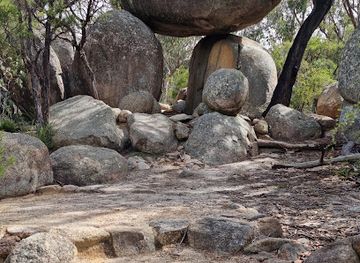
Girraween National Park
Experience the breathtaking landscapes and unique wildlife of Girraween National Park, a nature lover's paradise in Queensland, Australia.
-
Tourist attraction
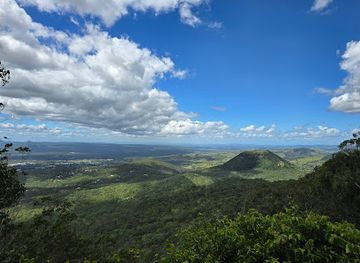
Picnic Point Lookout
Explore the stunning views and serene landscapes at Picnic Point Lookout in Rangeville, Queensland, a perfect getaway for nature lovers and families.
Explore Darling Downs on the map
Plan your trip on one map. See where the top cities, national parks and sights are, and book hotels and experiences in a few clicks.
Best hotels in Darling Downs
Best restaurants in Darling Downs
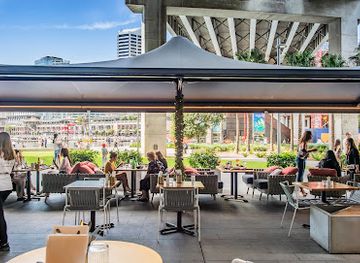
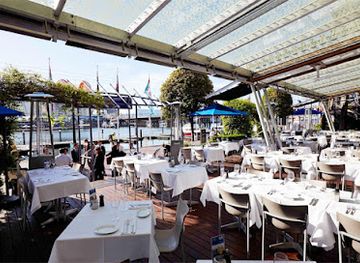
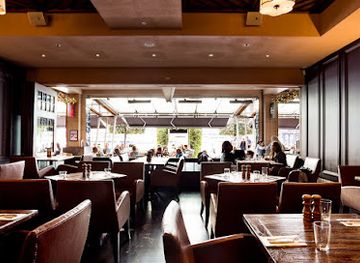
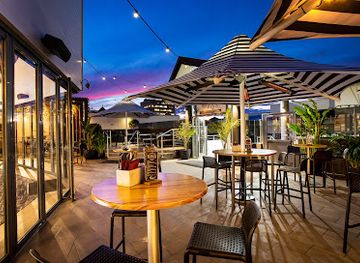
Dining on the Darling Downs reflects the region’s agricultural economy and the differing scale of its towns. Toowoomba has the broadest choice, with cafés, bakeries, contemporary Australian restaurants, Asian cuisines, pubs and dining rooms using locally sourced meat, vegetables and seasonal produce. In smaller centres, country hotels, cafés, bakeries and takeaway shops are often the most dependable options, with generous breakfast plates, pies, sandwiches and classic pub meals prominent on menus. Farm-gate stalls and local markets may offer fruit, vegetables, preserves, honey and other regional products, although availability changes with the season. Beef, lamb, grain-based foods and fresh farm produce are central to the wider culinary identity, while the cooler southern districts contribute orchard and vineyard products associated with the neighbouring Granite Belt. Visitors should not assume that every rural town offers late-night dining; checking meal times and arranging provisions before travelling into the plains is sensible. The most distinctive food experience is often the combination of a country bakery or hotel meal with a visit to a local market, farm shop or produce-growing district.
-
Modern Australian
Planar Restaurant
Indulge in modern Australian flavors at Planar Restaurant in Darling Harbour - where culinary excellence meets stunning waterfront views.
-
Seafood
Nick's Seafood Restaurant
Discover exquisite seafood dining at Nick's Seafood Restaurant in Darling Harbour - where fresh flavors meet stunning views.
-
Italian
Baia The Italian
Experience authentic Italian cuisine in Sydney's stunning Darling Harbour at Baia The Italian - where flavor meets waterfront views.
-
Restaurant
Fitzy's Toowoomba
Experience delightful Australian cuisine at Fitzy's Toowoomba – where great food meets vibrant atmosphere in Queensland.
Best bars in Darling Downs
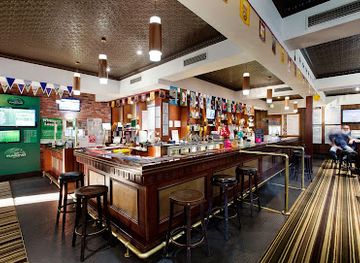
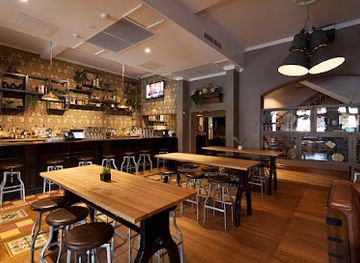
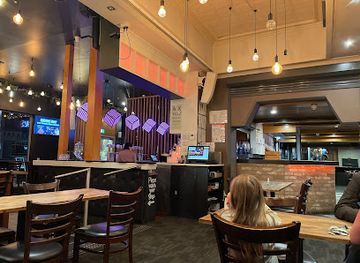
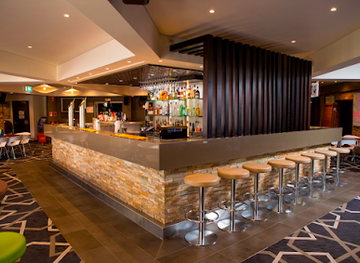
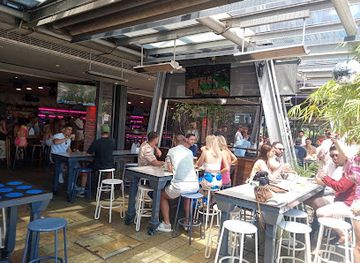
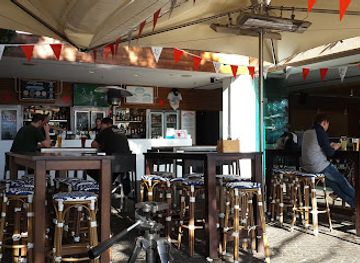
Nightlife in the Darling Downs is concentrated in Toowoomba, where visitors find contemporary bars, pubs, restaurants, live music and occasional arts or theatre events. The city’s evening scene is more varied than that of the smaller centres, but it remains compact compared with Queensland’s coastal nightlife destinations. Warwick, Dalby and Goondiwindi offer traditional pubs, clubs, hotel bars and modest live-entertainment programmes, often serving both local residents and visitors passing through. In rural districts, evenings are generally centred on dining, community events, regional shows or quiet accommodation rather than nightclubs. Historic hotels and country pubs remain important social spaces, while breweries and wine-focused venues are more likely to be found in Toowoomba and the southern uplands than across the wheat plains. Opening arrangements can change, particularly outside weekends and during holiday periods, so check locally rather than assuming a venue will serve late. Alcohol is only one part of the region’s evening culture; night markets, performances, heritage walks and seasonal festivals may provide alternatives when available.
-
Pub
Federal Hotel
Explore the vibrant atmosphere of Federal Hotel in Toowoomba, where delicious cuisine meets Australian hospitality for an unforgettable experience.
-
Pub
Fitzy's Toowoomba
Experience the vibrant atmosphere of Fitzy's Toowoomba, where delicious food, great drinks, and lively entertainment come together in the heart of Queensland.
-
Steak
The Cube Hotel
Experience delicious steaks and vibrant nightlife at The Cube Hotel, Toowoomba's premier steakhouse and entertainment venue.
-
Pub
The Southern Hotel Toowoomba
Discover the vibrant atmosphere and diverse menu at The Southern Hotel Toowoomba, where delicious dining meets great company.
Best nightclubs in Darling Downs
Nightlife in the Darling Downs is concentrated in Toowoomba, where visitors find contemporary bars, pubs, restaurants, live music and occasional arts or theatre events. The city’s evening scene is more varied than that of the smaller centres, but it remains compact compared with Queensland’s coastal nightlife destinations. Warwick, Dalby and Goondiwindi offer traditional pubs, clubs, hotel bars and modest live-entertainment programmes, often serving both local residents and visitors passing through. In rural districts, evenings are generally centred on dining, community events, regional shows or quiet accommodation rather than nightclubs. Historic hotels and country pubs remain important social spaces, while breweries and wine-focused venues are more likely to be found in Toowoomba and the southern uplands than across the wheat plains. Opening arrangements can change, particularly outside weekends and during holiday periods, so check locally rather than assuming a venue will serve late. Alcohol is only one part of the region’s evening culture; night markets, performances, heritage walks and seasonal festivals may provide alternatives when available.
-
Night club
Cargo Bar
Experience the vibrant nightlife of Sydney at Cargo Bar, offering stunning views, delicious cuisine, and an unforgettable party atmosphere.
-
Night club
Side Bar
Dive into Sydney's nightlife at Side Bar, where vibrant music and an energetic atmosphere create unforgettable memories in Haymarket.
-
Night club
Pontoon Bar
Pontoon Bar: A vibrant Sydney night club and bar offering stunning waterfront views, crafted cocktails, and an unforgettable nightlife experience.
-
Night club
Home The Venue
Discover the ultimate nightlife experience at Home The Venue, Sydney's lively hub for dancing, live music, and delectable dining.


Best shops in Darling Downs
Shopping on the Darling Downs is primarily regional and practical, with independent high-street businesses, supermarkets, country outfitters, bookshops, galleries, antique stores and cafés concentrated in Toowoomba, Warwick and Dalby. Toowoomba provides the widest selection, including larger retail precincts alongside small specialist shops and local art outlets. Warwick’s historic commercial centre is suited to browsing heritage streets, antiques, craft goods and traditional country supplies, while Dalby and Goondiwindi serve as useful shopping centres for surrounding rural districts. Farmers’ markets and seasonal town markets may offer honey, preserves, baked goods, fruit, vegetables, plants and handmade items, but dates and locations vary. Regional souvenirs are more likely to be practical or food-based than mass-produced: local produce, pottery, artworks, books about the Downs, woollen goods and country-style crafts are sensible choices. Farm shops can be rewarding when open, although they are not distributed consistently across the plains. Visitors should buy fuel, medication and specialist supplies in larger towns before heading into remote agricultural areas, where retail options may be limited and businesses may close earlier.
-
Shopping mall
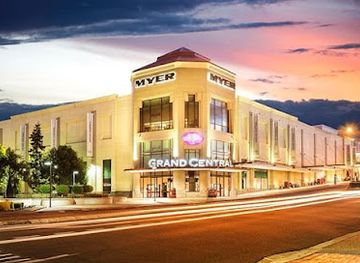
Grand Central Shopping Centre
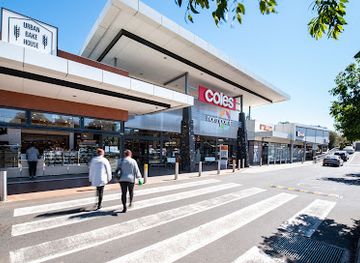
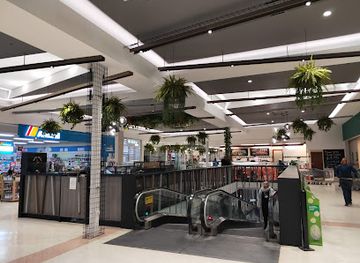
Discover a shopping haven at Grand Central Shopping Centre in Toowoomba, featuring diverse stores and delightful dining options for all ages.
-
Shopping mall
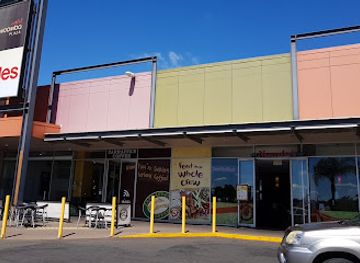
Toowoomba Plaza
Discover Toowoomba Plaza: Your ultimate shopping destination in Queensland with diverse stores, delicious dining, and family-friendly entertainment.
-
Shopping mall
Northpoint Shopping Centre
Explore Northpoint Shopping Centre, Toowoomba's premier shopping destination with diverse retail, dining options, and family-friendly amenities.
-
Shopping mall
Wilsonton Shopping Centre
Discover the vibrant shopping and dining experience at Wilsonton Shopping Centre, where local culture meets convenience in Queensland.
Get your free copy of our complete guide to Darling Downs, delivered straight to you.
Everything on this page, from attractions and restaurants to essentials and local phrases, in one PDF you can read offline, print or share.
Already have an account? Sign in
Your Darling Downs guide is ready.
We'll send it to · Not you? Sign out

Getting your guide ready…
We are putting together a fresh copy of the Darling Downs guide. This can take up to a minute.
This can take a few moments. If your browser asks, choose Allow so the download can start. You'll find the guide in your Downloads folder.
Nothing happened? Download it again
Sorry, the guide is taking longer than usual. Please try again in a minute, or get it by email instead.
Darling Downs essentials
Currency and Payment
Safety
Emergency Situations
Do's and Don'ts
Local Tips
From Eve
Local phrases worth knowing
You don't need to get them perfect. A few words go a long way, and locals appreciate the effort.
Basics
| English | Local | Say it |
|---|---|---|
| Hello | G'day | [g'day] |
| Goodbye | See ya | [see ya] |
| Yes | Yeah | [yeh] |
| No | Nah | [nah] |
| Please/You're welcome | No worries | [no worries] |
| Thank you | Thanks a lot | [thanks a lot] |
| Excuse me/Sorry | Sorry mate | [sorry mate] |
| How are you? | How ya going? | [how ya going] |
| Fine. And you? | Good, and you? | [good, and you] |
| Do you speak English? | Ya speak English? | [ya speak English] |
| I don't understand | I dunno | [I dunno] |
Eating & Drinking
| English | Local | Say it |
|---|---|---|
| I'd like to see the menu, please | Can I see the menu, please? | [can I see the menu, please] |
| I don't eat meat | I’m a vegetarian | [I'm a vegetarian] |
| Cheers! | Cheers! | [cheers] |
| I would like to pay, please | Can I get the bill, please? | [can I get the bill, please] |
Emergencies
| English | Local | Say it |
|---|---|---|
| Help! | Help! | [help] |
| Go away! | Bugger off! | [bugger off] |
| Call the Police! | Call the cops! | [call the cops] |
| Call a doctor! | Get a doctor! | [get a doctor] |
| I'm lost | I’m lost | [I'm lost] |
| I'm ill | I’m sick | [I'm sick] |
Shopping
| English | Local | Say it |
|---|---|---|
| I'd like to buy... | I wanna buy... | [I wanna buy] |
| I'm just looking | Just browsing, thanks | [just browsing, thanks] |
| How much is it? | How much is this? | [how much is this] |
| That's too expensive | That's a bit pricey | [that's a bit pricey] |
| Can you lower the price? | Can ya do a better price? | [can ya do a better price] |
Time & Numbers
| English | Local | Say it |
|---|---|---|
| What time is it? | What’s the time? | [what's the time] |
| It's one o'clock | It’s one o’clock | [it's one o'clock] |
| Half past (10) | Half past ten | [half past ten] |
| Morning | Morning | [morning] |
| Afternoon | Arvo | [arvo] |
| Evening | Evening | [evening] |
| Yesterday | Yesterday | [yesterday] |
| Today | Today | [today] |
| Tomorrow | Tomorrow | [tomorrow] |
| 1 | One | [one] |
| 2 | Two | [two] |
| 3 | Three | [three] |
| 4 | Four | [four] |
| 5 | Five | [five] |
| 6 | Six | [six] |
| 7 | Seven | [seven] |
| 8 | Eight | [eight] |
| 9 | Nine | [nine] |
| 10 | Ten | [ten] |
Transport & Directions
| English | Local | Say it |
|---|---|---|
| Where's a/the...? | Where’s the...? | [where’s the] |
| What's the address? | What’s the address? | [what’s the address] |
| Can you show me (on the map)? | Can ya point it out on the map? | [can ya point it out on the map] |
| When's the next (bus)? | When’s the next bus? | [when’s the next bus] |
| A ticket (to ....) | A ticket to... | [a ticket to] |
History of Darling Downs
First Peoples and Living Cultural Landscapes
The Darling Downs has long been home to Aboriginal peoples, including communities associated with the Jagera, Giabal, Jarowair, Bigambul and Githabul language groups, among others across the wider region. The plains, waterways and elevated country supported movement, food gathering, cultural practice and exchange. European settlement brought dispossession, violence and the disruption of established lifeways, while Aboriginal communities continued to live, work and maintain cultural connections. Today, the region’s history is not limited to pastoral buildings and railway towns; it also includes continuing Indigenous presence, knowledge of Country and cultural interpretation.
Exploration and Pastoral Expansion, 1827–1840s
Allan Cunningham’s crossing of the Great Dividing Range in 1827 opened a route from the Moreton Bay district towards the inland plains, which he named the Darling Downs after Governor Ralph Darling. Pastoralists soon followed, establishing large sheep and cattle runs on grasslands that Europeans regarded as highly suitable for grazing. The spread of stations transformed the landscape and established the economic pattern that would shape many towns. This period also brought severe disruption to Aboriginal communities, whose land was occupied without treaty or consent.
Townships, Roads and the Pastoral Economy
As pastoral settlement became more established, service centres developed at places including Warwick, Toowoomba and Dalby. Inns, stores, blacksmiths, churches and government buildings supported properties scattered across the plains. Warwick grew around the Condamine River and became an important southern commercial centre, while Toowoomba benefited from its position on the range and its cooler climate. The early economy was dominated by wool, cattle and transport, with produce moving towards the coastal settlements and ports.
Railways and the Opening of Agricultural Country
Railway construction in the nineteenth century changed the Darling Downs by reducing the cost and difficulty of moving people, livestock and crops. Toowoomba’s position on the route over the range strengthened its importance, while branch lines connected farming districts with larger markets. Rail access encouraged closer settlement and the expansion of wheat, maize and other crops. Many surviving station buildings, goods yards, railway hotels and civic structures in the towns reflect the period when railways were central to the region’s economy.
Cobb and Co and Inland Mobility
Before railways reached every district, Cobb and Co coaches connected settlements across Queensland, carrying passengers, mail and goods over long distances. The company’s workshops and changing stations formed part of a wider transport network that linked inland communities with Toowoomba and the coast. Toowoomba’s Cobb+Co Museum commemorates this era through surviving vehicles, demonstrations and displays about traditional crafts. The coaching age helped establish the regional routes and commercial relationships that continued after motor transport and railways became dominant.
Agricultural Intensification and Mechanisation
During the twentieth century, the Darling Downs became one of Queensland’s leading grain and livestock-producing regions. Mechanisation, irrigation, improved roads and agricultural research altered both farming practice and settlement patterns. Wheat, sorghum, cotton in suitable districts, oilseeds, poultry and intensive livestock production joined older pastoral activities. The change brought prosperity but also environmental pressures, including soil erosion, salinity and the reduction of native vegetation. The region’s broad fields, grain silos and agricultural machinery remain visible expressions of this continuing transformation.
Modern Regional Centres and Inland Connections
Today the Darling Downs combines established farming industries with education, health, manufacturing, logistics, energy and tourism. Toowoomba has expanded as a major inland Queensland centre, while smaller towns continue to serve surrounding properties and agricultural businesses. The development of the Wellcamp precinct and Toowoomba Wellcamp Airport has reinforced the city’s role as a freight and business gateway, although the region remains strongly identified with rural production. Heritage buildings and working landscapes now sit alongside modern transport and industry.
Darling Downs in Photos
Browse through our photo collection highlighting the charm and character of the destination.
Neighbouring regions of Darling Downs
The closest regions to Darling Downs, if you have time for more than one.
-

-

-

-

-


Swipe for more regions
Explore more

Explore more of Australia
Discover the diverse landscapes, vibrant cities, and unique wildlife of Australia, a captivating destination offering endless adventures and unforgettable experiences.
Explore Australia