

Free Southern Queensland Travel Guide & Mobile App
Explore Southern Queensland with free travel guides. Discover regional history, expert tips, proposed trips, and audio guides on web or mobile app.


Explore Southern Queensland for Brisbane culture, Gold Coast beaches, rainforest ranges, country towns, farm produce and Granite Belt wine.
Read more about Southern Queensland
When is the best time to visit Southern Queensland?
Best: April, September–October · 23–26°C| Month | High (°C) | Rainfall (mm) |
|---|---|---|
| January | 29 | 101 |
| February | 29 | 91 |
| March | 28 | 81 |
| April (best) | 25 | 71 |
| May | 21 | 61 |
| June | 19 | 51 |
| July | 19 | 41 |
| August | 20 | 51 |
| September (best) | 23 | 61 |
| October (best) | 26 | 71 |
| November | 28 | 81 |
| December | 29 | 91 |
Getting to and around Southern Queensland
How to get there
Transportation
Top city travel guides in Southern Queensland
The cities of Southern Queensland, and the easiest places to base yourself.
-

-

-

-

-


Swipe for more cities
Best attractions in Southern Queensland
Southern Queensland's attractions range from major urban institutions to mountain forests and productive rural landscapes. Brisbane offers the Queensland Art Gallery and Gallery of Modern Art, Queensland Museum and Science Centre, the State Library and riverfront cultural precincts, while the Gold Coast adds long beaches, family entertainment and a substantial hinterland. In the Scenic Rim, Lamington and Springbrook national parks protect subtropical rainforest, waterfalls, escarpments and rich birdlife; Tamborine Mountain provides lookouts, walks, galleries and food-focused stops. Toowoomba combines parks, gardens and heritage streets with access to the Darling Downs, where farming landscapes and country towns dominate. Around Stanthorpe and the Granite Belt, visitors find vineyards, orchards, granite formations and cooler-climate produce. Walking, birdwatching, cycling, scenic driving and farm visits are especially rewarding beyond the cities, although opening arrangements and public transport are more limited in rural districts.
-
Park
Paronella Park
Explore the magical Paronella Park in Queensland, where history and nature intertwine amid stunning waterfalls and lush gardens.
-
Botanical garden
Maleny Botanic Gardens & Bird World
Discover the serene beauty of Maleny Botanic Gardens & Bird World, a floral paradise and bird sanctuary in Queensland's lush hinterland.
-
Tourist attraction
Castle Hill Lookout
Discover the stunning vistas and hiking trails of Castle Hill Lookout, a must-see attraction in Townsville, Queensland, blending adventure with breathtaking natural beauty.
-
Scenic spot
Glass House Mountains Lookout
Discover the stunning vistas of the Glass House Mountains Lookout, a key scenic spot in Queensland, perfect for nature lovers and adventure seekers.


Best landmarks in Southern Queensland
Southern Queensland's most recognisable landmarks include Brisbane's Story Bridge, which crosses the river between the central city and eastern suburbs, and the historic buildings and cultural institutions around the city's riverfront. The Gold Coast's high-rise coastal skyline is a modern landmark in its own right, contrasting with the forested escarpments of the hinterland. In the Scenic Rim, the distinctive volcanic profile of Mount Barney and the cliffs, waterfalls and rainforest of Springbrook and Lamington provide some of the region's strongest natural symbols. Toowoomba's historic railway precinct and elevated setting mark the transition from the coastal plain to the Darling Downs, while the open agricultural landscapes west of the range express the region's pastoral importance. Around Stanthorpe, granite tors and balancing boulders give the Granite Belt a geological identity unlike the subtropical coast. These places are significant not merely as viewpoints, but as evidence of the region's river, volcanic, forest, farming and urban histories.
-
Scenic spot
Mount Coot-Tha Summit Lookout
Discover breathtaking views of Brisbane from Mount Coot-Tha Summit Lookout, a scenic spot perfect for nature lovers and photographers alike.
-
Tourist attraction
Picnic Point Lookout
Experience the stunning vistas of Rangeville at Picnic Point Lookout, a perfect blend of nature and tranquility for every traveler.
-
National park
Glass House Mountains National Park
Explore the breathtaking Glass House Mountains National Park, a top tourist attraction in Queensland, Australia, renowned for its stunning landscapes and outdoor adventures.
-
Hiking area
The Forts
Explore The Forts on Magnetic Island: A beautiful hiking area rich in history and wildlife, offering breathtaking views and diverse trails for all adventurers.


Explore Southern Queensland on the map
Plan your trip on one map. See where the top cities, national parks and sights are, and book hotels and experiences in a few clicks.
Best hotels in Southern Queensland
Best restaurants in Southern Queensland
Dining in Southern Queensland reflects the contrast between its coastal cities and inland food-producing districts. Brisbane has the broadest range of Australian and international cooking, with riverfront dining, neighbourhood cafés, Asian cuisines and contemporary restaurants. The Gold Coast combines casual seafood, modern Australian menus, beach cafés and dining influenced by its large visitor population. Inland, country pubs, bakeries, cafés and regional restaurants make use of beef, lamb, grains, stone fruit, vegetables and preserves from the Darling Downs, Lockyer Valley and Scenic Rim. The Granite Belt is known for cool-climate wines, cider, apples, berries and other orchard produce, with cellar-door tastings and seasonal farm products forming a central part of the visitor experience. Farmers' markets and local-produce outlets vary by town and day, so visitors should check current arrangements before making a special journey.
-
Restaurant
Rich & Rare Restaurant
Experience the vibrant culinary scene at Rich & Rare Restaurant in West End - where local flavors meet exceptional service.
-
Pub
The Southern Hotel Toowoomba
Experience the vibrant atmosphere at The Southern Hotel Toowoomba - where delicious food meets friendly service in Kearneys Spring.
-
Modern Australian
Alchemy Restaurant and Bar Brisbane
Experience culinary artistry at Alchemy Restaurant & Bar in Brisbane - where modern Australian meets Italian elegance by the riverside.
-
Steak
Bakehouse Steakhouse
Experience mouthwatering steaks and warm hospitality at Bakehouse Steakhouse in Ipswich – a must-visit culinary destination.


Best bars in Southern Queensland
Nightlife is concentrated in Brisbane and the Gold Coast, with a much quieter evening culture across the inland districts. Brisbane offers traditional pubs, small bars, breweries, live music, theatre and late dining in central and inner-city neighbourhoods, while the Gold Coast has hotel bars, beachfront venues, clubs and entertainment around Surfers Paradise and other coastal centres. These areas can be busy during holidays and major events, but the character changes outside the main strip. Toowoomba supports pubs, bars, live music and restaurants serving the surrounding population, while Warwick, Stanthorpe and Scenic Rim towns generally favour historic hotels, country pubs, cellar doors and early-evening dining over large nightclubs. In rural areas, check transport and taxi availability in advance, as venues may be widely separated and public services limited at night.
-
Grill
Blackbird Bar, Dining & Events
Savor the best of modern Australian cuisine at Blackbird Bar, Dining & Events, Brisbane's premier riverside dining destination.
-
Bar
Riverbar & Kitchen
Discover the vibrant flavors of Australia at Riverbar & Kitchen, a riverside gem offering exquisite dining and stunning views in Brisbane.
-
Cocktail bar
The Gresham Bar
Experience the vibrant cocktail culture of Brisbane at The Gresham Bar, where historic charm meets modern mixology.
-
Bar
LINA ROOFTOP
Discover LINA ROOFTOP, a stylish bar and restaurant in South Brisbane offering French cuisine, cocktails, and stunning skyline views.


Best nightclubs in Southern Queensland
Nightlife is concentrated in Brisbane and the Gold Coast, with a much quieter evening culture across the inland districts. Brisbane offers traditional pubs, small bars, breweries, live music, theatre and late dining in central and inner-city neighbourhoods, while the Gold Coast has hotel bars, beachfront venues, clubs and entertainment around Surfers Paradise and other coastal centres. These areas can be busy during holidays and major events, but the character changes outside the main strip. Toowoomba supports pubs, bars, live music and restaurants serving the surrounding population, while Warwick, Stanthorpe and Scenic Rim towns generally favour historic hotels, country pubs, cellar doors and early-evening dining over large nightclubs. In rural areas, check transport and taxi availability in advance, as venues may be widely separated and public services limited at night.
-
Night club
Cocktails Nightclub
Experience the electrifying nightlife at Cocktails Nightclub in Surfers Paradise, where unforgettable memories and incredible cocktails await.
-
Disco club
Lost Kingdom Nightclub
Lost Kingdom Nightclub: The Ultimate Destination for Nightlife Enthusiasts in Surfers Paradise, Australia
-
Night club
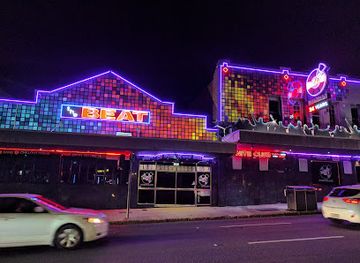
The Beat Megaclub
Experience the vibrant nightlife at The Beat Megaclub in Fortitude Valley, Brisbane's premier gay nightclub with electrifying music and an inclusive atmosphere.
-
Night club
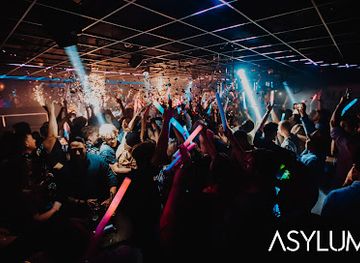
Asylum Nightclub
Experience the electrifying nightlife at Asylum Nightclub in Surfers Paradise, where the dance floor awaits your next unforgettable night out.


Best shops in Southern Queensland
Shopping varies sharply between Southern Queensland's cities and country towns. Brisbane has the region's largest concentration of department stores, independent retailers, bookshops, galleries, design stores and food markets, while the Gold Coast combines major shopping centres with beachside retail and outlets serving visitors. Toowoomba provides a useful inland mix of established shopping areas, independent businesses, galleries and local food shops. In the Scenic Rim, Darling Downs and Granite Belt, shopping is more closely tied to country-town main streets, weekend markets, cellar doors, farm shops, bakeries and roadside produce stalls. Regional purchases may include wine, cider, preserves, honey, stone fruit, local art, ceramics and handmade goods, but availability is seasonal and some producers open only at advertised times. Visitors should respect private farm property and confirm market dates rather than relying on a fixed weekly assumption.
-
 Shopping mall
Pacific Fair Shopping Centre
Experience the ultimate shopping and dining destination at Pacific Fair Shopping Centre, where coastal charm meets retail therapy.
-
Shopping mall
Westfield Chermside
Discover a shopping paradise at Westfield Chermside, featuring over 400 stores, diverse dining options, and family-friendly amenities in Queensland.
-
Gift shop
The Store Of Requirement Samford
Discover unique gifts and local artisan treasures at The Store of Requirement, an enchanting gem in Samford Village.
-
Gift shop
Australia the Gift - Head Office & Warehouse
Explore Australia the Gift for unique souvenirs that embody the spirit of Australia, from art to apparel, perfect for every traveler.


Get your free copy of our complete guide to Southern Queensland, delivered straight to you.
Everything on this page, from attractions and restaurants to essentials and local phrases, in one PDF you can read offline, print or share.
Already have an account? Sign in
Your Southern Queensland guide is ready.
We'll send it to · Not you? Sign out

Getting your guide ready…
We are putting together a fresh copy of the Southern Queensland guide. This can take up to a minute.
This can take a few moments. If your browser asks, choose Allow so the download can start. You'll find the guide in your Downloads folder.
Nothing happened? Download it again
Sorry, the guide is taking longer than usual. Please try again in a minute, or get it by email instead.
Southern Queensland essentials
Currency and Payment
Safety
Emergency Situations
Do's and Don'ts
Local Tips
From Eve
Local phrases worth knowing
You don't need to get them perfect. A few words go a long way, and locals appreciate the effort.
Basics
| English | Local | Say it |
|---|---|---|
| Hello | G'day | [g'day] |
| Goodbye | See ya | [see ya] |
| Yes | Yeah | [yeah] |
| No | Nah | [nah] |
| Please/You're welcome | No worries | [no worries] |
| Thank you | Thanks mate | [thanks mate] |
| Excuse me/Sorry | Sorry mate | [sorry mate] |
| How are you? | How's it going? | [how's it going?] |
| Fine. And you? | Good. And you? | [good. and you?] |
| Do you speak English? | You speak English? | [you speak English?] |
| I don't understand | I don't get it | [i don't get it] |
Eating & Drinking
| English | Local | Say it |
|---|---|---|
| I'd like to see the menu, please | Can I see the menu, please? | [can I see the menu, please?] |
| I don't eat meat | I’m a vegetarian | [i’m a vegetarian] |
| Cheers! | Cheers! | [cheers] |
| I would like to pay, please | Can I get the bill, please? | [can I get the bill, please?] |
Emergencies
| English | Local | Say it |
|---|---|---|
| Help! | Help! | [help] |
| Go away! | Get lost! | [get lost] |
| Call the Police! | Call the cops! | [call the cops] |
| Call a doctor! | Get a doctor! | [get a doctor] |
| I'm lost | I’m lost | [i’m lost] |
| I'm ill | I'm not feeling well | [i'm not feeling well] |
Shopping
| English | Local | Say it |
|---|---|---|
| I'd like to buy... | I want to buy... | [i want to buy...] |
| I'm just looking | Just browsing, thanks | [just browsing, thanks] |
| How much is it? | How much is this? | [how much is this?] |
| That's too expensive | That's a bit pricey | [that's a bit pricey] |
| Can you lower the price? | Can you do a better price? | [can you do a better price?] |
Time & Numbers
| English | Local | Say it |
|---|---|---|
| What time is it? | What’s the time? | [what’s the time?] |
| It's one o'clock | It's one o'clock | [it's one o'clock] |
| Half past (10) | Half past ten | [half past ten] |
| Morning | Morning | [morning] |
| Afternoon | Arvo | [arvo] |
| Evening | Evening | [evening] |
| Yesterday | Yesterday | [yesterday] |
| Today | Today | [today] |
| Tomorrow | Tomorrow | [tomorrow] |
| 1 | One | [one] |
| 2 | Two | [two] |
| 3 | Three | [three] |
| 4 | Four | [four] |
| 5 | Five | [five] |
| 6 | Six | [six] |
| 7 | Seven | [seven] |
| 8 | Eight | [eight] |
| 9 | Nine | [nine] |
| 10 | Ten | [ten] |
Transport & Directions
| English | Local | Say it |
|---|---|---|
| Where's a/the...? | Where's the...? | [where's the...?] |
| What's the address? | What’s the address? | [what’s the address?] |
| Can you show me (on the map)? | Can you show me on the map? | [can you show me on the map?] |
| When's the next (bus)? | When's the next bus? | [when's the next bus?] |
| A ticket (to ....) | A ticket to... | [a ticket to...] |
History of Southern Queensland
Aboriginal Country and Ancient Landscapes
Southern Queensland has been home to Aboriginal peoples for tens of thousands of years. Turrbal and Jagera Country includes the Brisbane area, Yugambeh peoples are associated with much of the Gold Coast and Scenic Rim, and Bundjalung, Githabul, Ugarapul and other groups maintain connections across the southern borderlands and inland districts. Rivers, ranges, wetlands, forests and food-gathering places formed part of complex cultural landscapes rather than an empty wilderness. Rock shelters, bora grounds, named places and continuing cultural practice reflect this deep history, although many sites are sensitive and not all are open to visitors.
Convict Settlement and the Brisbane River, 1820s–1840s
The Moreton Bay penal settlement was established at Redcliffe in 1824 and moved to the Brisbane River soon afterwards. Its purpose was to confine difficult convicts at a distant northern outpost of New South Wales, but the settlement also became the foundation of Brisbane. Convict labour shaped early roads, buildings and river infrastructure, while the surrounding region remained important to Aboriginal communities despite the disruptive effects of frontier occupation. When the penal settlement closed in 1842, free settlement expanded and Brisbane developed from an isolated prison outpost into a colonial town and port.
Pastoral Expansion and Frontier Conflict
From the 1840s, pastoral expansion moved across the Darling Downs, the Lockyer Valley, the inland ranges and the southern border country. Stations, stock routes and towns grew around sheep and cattle production, while agricultural settlers later cleared land for crops and orchards. This expansion brought violent conflict, dispossession and disease for Aboriginal peoples, whose resistance and survival are central to the region's history. Towns such as Toowoomba, Warwick and Stanthorpe emerged as service centres for pastoral and agricultural districts, linking inland production with Brisbane and coastal ports.
Railways, Agriculture and Regional Towns
Railway construction from the nineteenth century transformed the relationship between Brisbane, the coast and the inland tablelands. Lines over the Great Dividing Range and across the Darling Downs carried wool, grain, livestock and produce to markets while bringing settlers, machinery and manufactured goods in the opposite direction. Toowoomba became a major inland railway and commercial centre, and smaller towns gained importance as agricultural loading points. The railways also helped establish the pattern still visible today: a densely settled coastal east connected to productive but more thinly populated country districts.
Gold Coast Tourism and Coastal Urbanisation
The Gold Coast developed from a collection of coastal settlements and farming districts into a major holiday destination during the twentieth century. Improved roads, post-war car ownership, apartment construction and the growth of Surfers Paradise reshaped the shoreline, while theme parks, entertainment and high-rise development created a distinctive tourism economy. Behind the urban coast, the Border Ranges and rainforest valleys retained a different character and later gained stronger conservation protection. The Gold Coast's history therefore combines rapid metropolitan growth with older agricultural, forest and Aboriginal landscapes.
Conservation, Wine and a Diversifying Economy
Late twentieth- and early twenty-first-century Southern Queensland saw increasing recognition of rainforest, mountain and woodland environments, including the World Heritage-listed Gondwana Rainforests of Australia in the border ranges. The Scenic Rim and Granite Belt also developed broader visitor economies based on walking, food, wine, orchards and nature tourism, while Brisbane expanded as a national cultural and business centre. Agriculture remains fundamental in the Darling Downs, Lockyer Valley and southern districts, but the region's contemporary identity now brings together metropolitan services, coastal tourism, conservation and locally produced food and drink.
Southern Queensland in Photos
Browse through our photo collection highlighting the charm and character of the destination.
Neighbouring regions of Southern Queensland
The closest regions to Southern Queensland, if you have time for more than one.
-

-

-

-

-


Swipe for more regions
Explore more

Explore more of Australia
Discover the diverse landscapes, vibrant cities, and unique wildlife of Australia, a captivating destination offering endless adventures and unforgettable experiences.
Explore Australia