

Free Noosa Travel Guide & Mobile App
Plan your Noosa trip with Evendo. Get free guides to top attractions, restaurants, hotels, and bars. Web access or download the mobile app.


Noosa, Australia, pairs surf beaches, subtropical rainforest, river cruises, coastal walks and relaxed Queensland culture with memorable nature-led sightseeing.
Coastal Landscape
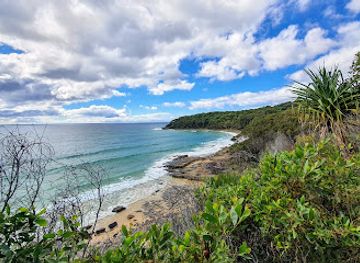
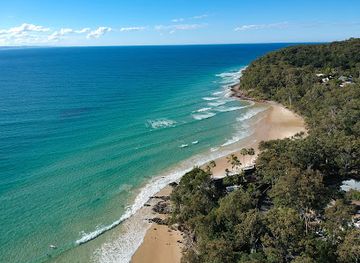
Noosa occupies a remarkably varied corner of Queensland’s Sunshine Coast, where the Pacific Ocean, the Noosa River and subtropical bushland meet. The best-known centre, Noosa Heads, curves around Laguna Bay, with Main Beach facing calm, clear water and a lively stretch of Hastings Street behind it. Beyond the beachfront, Noosa National Park protects coastal heath, eucalyptus forest and rainforest, while tracks along the headland reveal coves, pandanus-fringed cliffs and frequent views across the ocean.Read more about Noosa
Townships and River Life
Culture and Conservation
When is the best time to visit Noosa?
Best: June–August · 23–24°C| Month | High (°C) | Rainfall (mm) |
|---|---|---|
| January | 31 | 173 |
| February | 31 | 200 |
| March | 30 | 153 |
| April | 28 | 106 |
| May | 25 | 86 |
| June (best) | 23 | 64 |
| July (best) | 23 | 59 |
| August (best) | 24 | 61 |
| September | 27 | 74 |
| October | 30 | 121 |
| November | 32 | 145 |
| December | 32 | 171 |
Getting to and around Noosa
How to get there
Transportation
Best attractions in Noosa
Noosa’s principal attractions centre on its coastal scenery and waterways. Noosa National Park begins near Noosa Heads and offers tracks through paperbark woodland, rainforest and coastal heath, with the headland path passing viewpoints over Laguna Bay and secluded coves. Main Beach is the area’s best-known swimming shore, while the Noosa River provides a calmer setting for paddling, boating and riverside walks. In Noosaville, the foreshore parkland along Gympie Terrace is lined with palms, picnic spaces and river views, creating an easy-going contrast to the resort atmosphere of Hastings Street. Tewantin’s historic riverside setting helps explain the district’s earlier role as a port and service centre. Around the wider shire, the Everglades and North Shore offer nature-focused excursions rather than urban sightseeing, with wetlands, sand landscapes and remarkable birdlife reached through organised or independent trips.
-
Tourist attraction
The Ginger Factory
Discover the delightful world of ginger at The Ginger Factory in Yandina, Queensland, where adventure meets culinary magic.
42 min drive · 22 km from city centre
-
Beach
Noosa Heads Main Beach
Experience the beauty of Noosa Heads Main Beach, a perfect blend of sun, surf, and vibrant coastal culture in Queensland, Australia.
18 min walk · 1.5 km from city centre
-
Tourist attraction
The Wharf Mooloolaba
Experience the best of Mooloolaba at The Wharf - shopping, dining, and outdoor adventures await you by the sparkling ocean.
52 min drive · 32 km from city centre
-
National park
Great Sandy National Park
Experience the breathtaking landscapes of Great Sandy National Park, where lush rainforests meet stunning beaches in the heart of Queensland.
1 h 6 min drive · 46 km from city centre



Best landmarks in Noosa
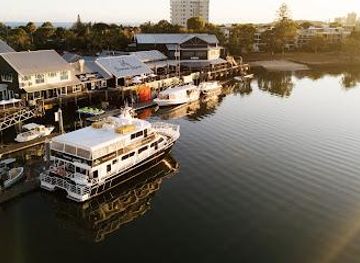
Noosa’s landmarks are primarily landscapes and civic places rather than grand historic buildings. The headland of Noosa National Park is the defining natural landmark, its coastal track tracing cliffs, beaches and rainforest above Laguna Bay. Noosa Main Beach and the curve of the bay form the visual centre of Noosa Heads, while Hastings Street represents the town’s later development as a resort and shopping precinct. Across the waterway, the Noosa River is central to the identity of Noosaville and Tewantin; its broad foreshore and ferry landings recall the importance of river transport. The Noosa River mouth, known locally as the Spit area, marks the meeting of river and ocean and gives access to beach and conservation landscapes. Historic Tewantin adds a different layer, preserving the setting of the former port town that preceded Noosa’s tourism boom.
-
National park
Noosa National Park
Discover Noosa National Park: A stunning mix of coastal beauty, diverse wildlife, and scenic hiking trails in Queensland, Australia.
6 min drive · 2.0 km from city centre
-
Beach
Noosa Heads Main Beach
Discover the stunning beauty and vibrant atmosphere of Noosa Heads Main Beach, Queensland's premier beach destination for relaxation and adventure.
18 min walk · 1.5 km from city centre
-
Bar
Noosa Heads Surf Life Saving Club
Discover the vibrant atmosphere and stunning ocean views at the Noosa Heads Surf Life Saving Club, a perfect spot for food, drinks, and community spirit.
16 min walk · 1.3 km from city centre
-
Modern Australian
Noosa Boathouse
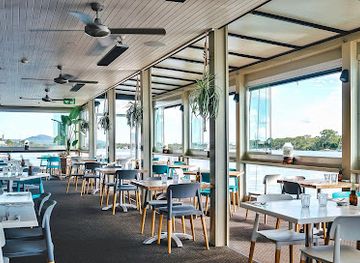
Noosa Boathouse: A waterfront dining experience featuring modern Australian cuisine with stunning views of the Noosa River.
9 min drive · 3.0 km from city centre
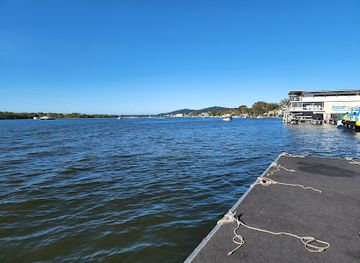
Explore Noosa on the map
Plan your Noosa trip on one map. See where the top attractions, landmarks, restaurants, bars and hotels are, find what's near where you're staying, and book hotels and experiences in a few clicks.
Best hotels in Noosa
Best restaurants in Noosa
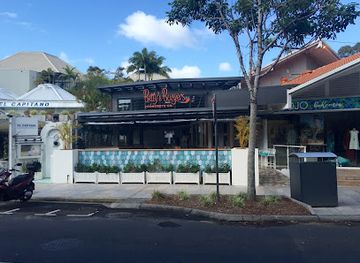
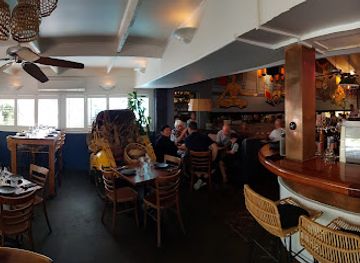
Noosa’s dining culture draws on Queensland produce, the Pacific coast and a strong outdoor lifestyle. Fresh seafood, prawns, coral trout where available, oysters, tropical fruit, locally grown vegetables and macadamias appear across menus, alongside Australian café staples and modern interpretations of regional ingredients. Hastings Street has the largest concentration of restaurants and cafés, ranging from relaxed daytime venues to more polished evening dining, while Gympie Terrace in Noosaville is valued for river views and an informal atmosphere. Tewantin provides everyday cafés, bakeries and local food businesses, and farmers’ markets in the wider area showcase produce, preserves and baked goods. Australian coffee culture is central to breakfast and brunch, while craft beer, Queensland wines and contemporary small-plate cooking reflect the region’s modern visitor economy without displacing its casual coastal character.
-
Hamburger
Betty's Burgers
Savor gourmet burgers and vibrant flavors at Betty's Burgers in Noosa Heads - where every bite is a taste of coastal paradise.
15 min walk · 1.2 km from city centre
-
Restaurant
Sum Yung Guys Restaurant
Experience the vibrant flavors of Queensland at Sum Yung Guys Restaurant in Noosaville - where every dish tells a delicious story.
6 min drive · 2.1 km from city centre
-
Modern Australian
Noosa Boathouse
Discover Noosa Boathouse: A Modern Australian culinary gem offering waterfront dining experiences with fresh local flavors in Noosaville.
9 min drive · 3.0 km from city centre
-
Modern Australian
Season Restaurant & Bar
Experience the vibrant flavors of Modern Australian cuisine at Season Restaurant & Bar in Noosa Heads.
18 min walk · 1.4 km from city centre
Best bars in Noosa
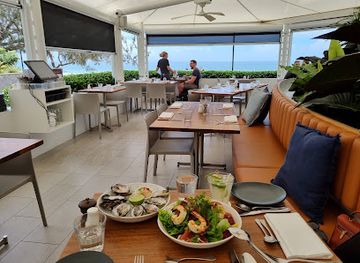
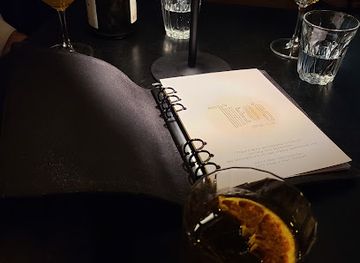
Noosa’s evenings are generally relaxed rather than club-focused. Hastings Street and adjoining Noosa Heads contain the greatest concentration of licensed venues, including hotel bars, cocktail lounges, casual pubs and restaurants where the night tends to begin with drinks or dinner. Noosaville’s Gympie Terrace offers a quieter riverside setting, with venues suited to sunset drinks and unhurried conversation. Live music is found through selected pubs, hotels and community events, while larger cultural programmes and performances vary by season. Nightclubs exist on a smaller scale than in Brisbane or the Gold Coast, and the town’s appeal after dark is more closely associated with dining, riverfront walks and socialising than with a dedicated party district. Visitors should plan transport back to quieter accommodation areas, particularly outside the central coastal precinct.
-
Bar
Bistro C
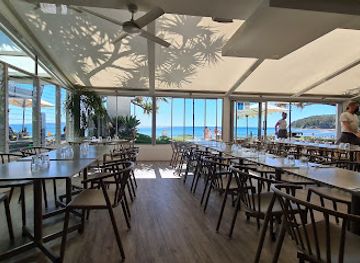
Experience the essence of Noosa Heads at Bistro C, where exquisite flavors meet breathtaking ocean views for an unforgettable dining experience.
17 min walk · 1.3 km from city centre
-
Pub
Noosa Reef Hotel
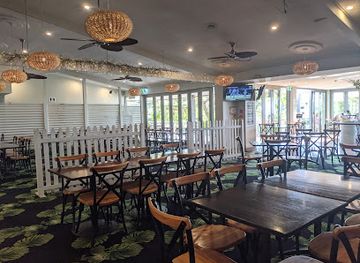
Experience the vibrant atmosphere and delicious cuisine at Noosa Reef Hotel, a top pub destination in Noosa Heads, Queensland.
8 min walk · 0.7 km from city centre
-
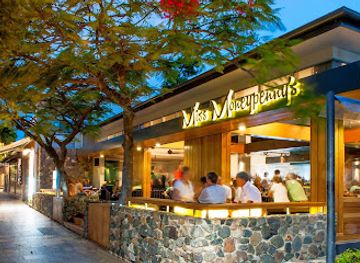
Bar
Miss Moneypenny's Noosa
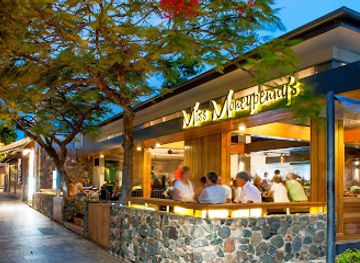
Discover the vibrant culinary and nightlife experience at Miss Moneypenny's Noosa, where exquisite cuisine meets exceptional cocktails in a lively atmosphere.
17 min walk · 1.4 km from city centre
-
Italian
Locale
Experience authentic Italian cuisine at Locale, where exquisite flavors meet breathtaking coastal views in Noosa Heads.
15 min walk · 1.2 km from city centre
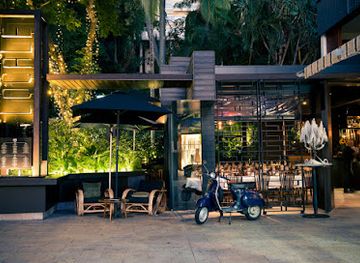
Best nightclubs in Noosa
Noosa’s evenings are generally relaxed rather than club-focused. Hastings Street and adjoining Noosa Heads contain the greatest concentration of licensed venues, including hotel bars, cocktail lounges, casual pubs and restaurants where the night tends to begin with drinks or dinner. Noosaville’s Gympie Terrace offers a quieter riverside setting, with venues suited to sunset drinks and unhurried conversation. Live music is found through selected pubs, hotels and community events, while larger cultural programmes and performances vary by season. Nightclubs exist on a smaller scale than in Brisbane or the Gold Coast, and the town’s appeal after dark is more closely associated with dining, riverfront walks and socialising than with a dedicated party district. Visitors should plan transport back to quieter accommodation areas, particularly outside the central coastal precinct.
-
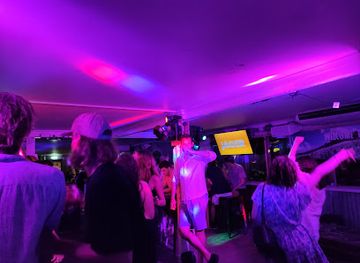
Bar
Miss Moneypenny's Noosa
Experience the vibrant mix of culinary delights and crafted cocktails at Miss Moneypenny's Noosa, the heart of Noosa Heads' nightlife.
17 min walk · 1.4 km from city centre
-
Bar
KB's Noosa
Discover the electrifying nightlife at KB's Noosa, where exceptional drinks meet unforgettable experiences in the heart of Noosa Heads.
5 min walk · 0.4 km from city centre
-
Irish pub
Flanagan's Irish Pub
Discover the lively atmosphere and delicious Irish cuisine at Flanagan's Irish Pub in Noosa Heads, where every visit feels like home.
8 min walk · 0.7 km from city centre
-
Bar
Theo's Social Club
Discover the vibrant energy and exceptional cuisine at Theo's Social Club in Noosa Heads, your perfect destination for dining and nightlife.
2 min walk · 0.1 km from city centre
Best shops in Noosa
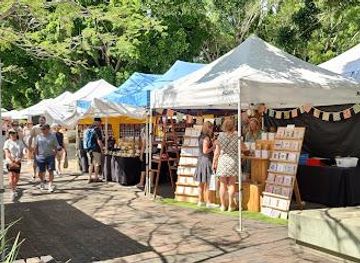
Shopping in Noosa ranges from resort-oriented boutiques to practical local retail and food markets. Hastings Street is the principal visitor precinct, with fashion, swimwear, homewares, galleries, jewellery and cafés arranged close to Main Beach. Noosaville’s Gympie Terrace and nearby streets offer independent shops, gifts, art, lifestyle goods and services in a less concentrated setting, while Tewantin has a more everyday local centre and regular market activity. Visitors can look for Queensland-made food products, macadamias, preserves, ceramics, textiles, artworks and beachwear, although genuine provenance varies and should be checked with individual sellers. Farmers’ and artisan markets in Noosa and the wider Sunshine Coast bring together fresh produce, baked goods, crafts and small-scale makers. Shopping hours and market days differ, particularly outside peak periods, so local listings are useful.
-
Market
Eumundi Markets
Explore Eumundi Markets, Queensland's vibrant hub of artisanal goods, fresh produce, and local culture, set in a picturesque landscape.
36 min drive · 16 km from city centre
-
Shopping mall
Noosa Village Shopping Centre
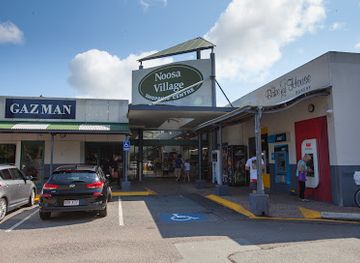
Explore Noosa Village Shopping Centre: A delightful blend of boutiques, cafes, and essential services in the heart of Noosaville, Queensland.
8 min drive · 2.7 km from city centre
-
Shopping mall
Noosa Fair Shopping Centre
Explore the vibrant Noosa Fair Shopping Centre, your ultimate shopping destination in Noosa Heads, Queensland, featuring diverse shops and delightful dining options.
3 min walk · 0.2 km from city centre
-
Shopping mall
Bay Village on Hastings
Discover the charm of Bay Village on Hastings, a vibrant shopping destination in Noosa Heads with unique boutiques, eateries, and a lively atmosphere.
17 min walk · 1.3 km from city centre
Get your free copy of our complete guide to Noosa, delivered straight to you.
Everything on this page, from attractions and restaurants to essentials and local phrases, in one PDF you can read offline, print or share.
Already have an account? Sign in
Your Noosa guide is ready.
We'll send it to · Not you? Sign out

Getting your guide ready…
We are putting together a fresh copy of the Noosa guide. This can take up to a minute.
This can take a few moments. If your browser asks, choose Allow so the download can start. You'll find the guide in your Downloads folder.
Nothing happened? Download it again
Sorry, the guide is taking longer than usual. Please try again in a minute, or get it by email instead.
Noosa essentials
Currency and Payment
Safety
Emergency Situations
Do's and Don'ts
Local Tips
From Eve
Local phrases worth knowing
You don't need to get them perfect. A few words go a long way, and locals appreciate the effort.
Basics
| English | Local | Say it |
|---|---|---|
| Hello | G'day | [g'day] |
| Goodbye | See ya | [see ya] |
| Yes | Yeah | [yeah] |
| No | Nah | [nah] |
| Please/You're welcome | No worries | [no worries] |
| Thank you | Cheers | [cheers] |
| Excuse me/Sorry | Sorry mate | [sorry mate] |
| How are you? | How ya goin'? | [how ya goin'] |
| Fine. And you? | Good thanks. You? | [good thanks. you?] |
| Do you speak English? | Speak English? | [speak english?] |
| I don't understand | I'm lost | [i'm lost] |
Eating & Drinking
| English | Local | Say it |
|---|---|---|
| I'd like to see the menu, please | Can I check the menu, mate? | [can i check the menu, mate?] |
| I don't eat meat | I'm vego | [i'm vego] |
| Cheers! | Cheers! | [cheers!] |
| I would like to pay, please | Can I pay now, mate? | [can i pay now, mate?] |
Emergencies
| English | Local | Say it |
|---|---|---|
| Help! | Help! | [help!] |
| Go away! | Bugger off! | [bugger off!] |
| Call the Police! | Ring the cops! | [ring the cops!] |
| Call a doctor! | Get a doctor! | [get a doctor!] |
| I'm lost | I'm buggered | [i'm buggered] |
| I'm ill | I'm crook | [i'm crook] |
Shopping
| English | Local | Say it |
|---|---|---|
| I'd like to buy... | I'm keen to buy... | [i'm keen to buy...] |
| I'm just looking | Just browsing | [just browsing] |
| How much is it? | How much? | [how much?] |
| That's too expensive | Too pricey, mate | [too pricey, mate] |
| Can you lower the price? | Can you do a better price? | [can you do a better price?] |
Time & Numbers
| English | Local | Say it |
|---|---|---|
| What time is it? | What's the time? | [what's the time?] |
| It's one o'clock | It's one | [it's one] |
| Half past (10) | Half ten | [half ten] |
| Morning | Mornin' | [mornin'] |
| Afternoon | Arvo | [arvo] |
| Evening | Evenin' | [evenin'] |
| Yesterday | Yesty | [yesty] |
| Today | Today | [today] |
| Tomorrow | Tomorra | [tomorra] |
| 1 | One | [one] |
| 2 | Two | [two] |
| 3 | Three | [three] |
| 4 | Four | [four] |
| 5 | Five | [five] |
| 6 | Six | [six] |
| 7 | Seven | [seven] |
| 8 | Eight | [eight] |
| 9 | Nine | [nine] |
| 10 | Ten | [ten] |
Transport & Directions
| English | Local | Say it |
|---|---|---|
| Where's a/the...? | Where's the...? | [where's the...?] |
| What's the address? | What's the addy? | [what's the addy?] |
| Can you show me (on the map)? | Can you point it out? | [can you point it out?] |
| When's the next (bus)? | When's the next bus? | [when's the next bus?] |
| A ticket (to ....) | A ticket to ... | [a ticket to ...] |
History of Noosa
Kabi Kabi and Jinibara Country
The Noosa region is part of the traditional Country of the Kabi Kabi people, also known as the Gubbi Gubbi, and is connected with neighbouring Jinibara Country in areas of the wider Sunshine Coast. Aboriginal communities maintained detailed knowledge of the coastline, waterways, forests and seasonal resources long before European settlement. The Noosa River and its lakes supported fishing, gathering and travel, while coastal and hinterland places carried cultural meaning. Contemporary knowledge of Noosa’s past increasingly acknowledges these continuing connections, including the importance of Indigenous names and the preservation of cultural heritage alongside environmental conservation.
Timber, Pastoral Settlement and Tewantin
European activity expanded in the nineteenth century as timber cutters, pastoralists and maritime traders entered the region. Tewantin developed as an important river port and service settlement, linked to the movement of timber and agricultural produce along the Noosa River. The surrounding forests supplied valuable hardwoods, while river transport connected inland areas with coastal shipping. Roads were limited and waterways remained central to commerce. Although much of the original working landscape has changed, Tewantin’s position beside the river reflects the practical geography that shaped early non-Indigenous settlement in the Noosa district.
Railways and the Rise of Tourism
Improved transport in the late nineteenth and early twentieth centuries helped transform Noosa from a remote timber and farming district into a leisure destination. The railway reached Tewantin in 1891, making the district more accessible from Brisbane and the growing settlements of southern Queensland, although the line later closed. Visitors were drawn by beaches, fishing, boating and a mild coastal climate. Noosa Heads gradually became the best-known holiday centre, while guesthouses and small businesses emerged to serve visitors. The transition from resource-based settlement to tourism laid the foundations for the region’s modern economy.
Conservation and the Noosa Headland
As development increased after the Second World War, pressure on beaches, wetlands and forests prompted stronger conservation campaigns. Noosa National Park was established in 1963, initially protecting the headland and later expanding to include additional landscapes. The park helped preserve coastal rainforest, heathland and habitat beside an increasingly popular town. Environmental activism became an important part of local civic identity, influencing planning decisions and the protection of the Noosa River catchment. The walking tracks and undeveloped headland seen today are therefore not simply remnants of an earlier landscape but products of sustained public concern for conservation.
A Protected Contemporary Destination
Noosa Shire was formed in its present administrative form in 1910, and the area continued to grow through the late twentieth century as holiday homes, resorts and permanent communities expanded. Noosa Heads, Noosaville and Tewantin developed distinct commercial and residential identities, while the wider shire retained substantial national park, river and rural landscapes. In 2009 Noosa was amalgamated with neighbouring councils into the Sunshine Coast regional authority, but a successful de-amalgamation campaign restored Noosa Shire as a separate local government area in 2014. Contemporary Noosa balances a large visitor economy with ongoing efforts to limit environmental pressure.
Noosa in Photos
Browse through our photo collection highlighting the charm and character of the destination.
Cities near Noosa
The closest cities to Noosa, if you have time for more than one stop.
-

-

-

-

-


Swipe for more cities
Explore more

Explore more of Australia
Discover the diverse landscapes, vibrant cities, and unique wildlife of Australia, a captivating destination offering endless adventures and unforgettable experiences.
Explore Australia