

Whitsunday Islands, Australia Travel Guide
Discover the Whitsunday Islands, a tropical oasis in Australia with pristine beaches, vibrant coral reefs, and endless adventures on land and sea.
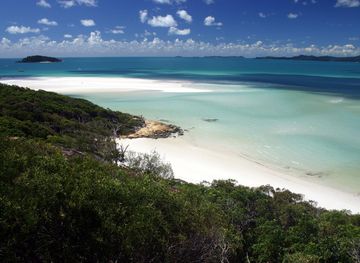
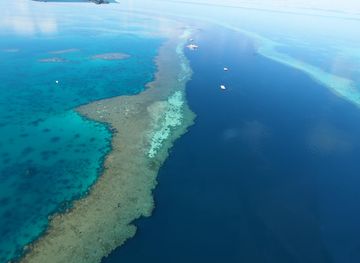
The Whitsunday Islands are a group of 74 stunning islands located off the coast of Queensland, Australia. This tropical paradise is known for its crystal-clear waters, pristine white sandy beaches, and vibrant coral reefs. The most famous of these is Whitehaven Beach, often listed among the world's best beaches. The pure silica sand of Whitehaven Beach creates a unique, bright white shore that contrasts beautifully with the turquoise waters. For those who love marine life, the Whitsundays offer some of the best snorkeling and diving spots on the Great Barrier Reef. You can swim alongside colorful fish, sea turtles, and even the occasional manta ray. The islands are also a sailor's dream, with calm seas and steady winds making it an ideal location for sailing adventures. Many visitors choose to explore the islands by chartering a yacht or joining a sailing tour. Apart from water activities, the Whitsunday Islands boast lush rainforests, hiking trails, and lookout points with breathtaking views. Hamilton Island is a popular choice for visitors, offering a range of accommodations, restaurants, and activities. Whether you're seeking relaxation or adventure, the Whitsunday Islands provide an unforgettable experience in a truly spectacular setting.

Know before you go
Hi, I'm Eve. Here are a few practical things to know before exploring Whitsunday Islands.
- Visit during the dry season from May to November when the weather is most pleasant.
- Book accommodation and tours in advance, especially during peak season.
- Pack reef-safe sunscreen to protect the delicate marine environment.
- Consider a seaplane or helicopter tour for breathtaking aerial views of the islands and the Great Barrier Reef.
- Take a day trip to Whitehaven Beach for its iconic white sands and crystal-clear waters.
- Bring a reusable water bottle, as many islands have water refill stations.
Top City Travel Guides in Whitsunday Islands
The cities of Whitsunday Islands, and the easiest places to base yourself.
Explore Whitsunday Islands: Things to Do, Places to Eat, Hotels & More
Handpicked recommendations for top attractions, local dining, accommodations, and more

Top Attractions & Sightseeing in Whitsunday Islands
Top-rated picks
Best Attractions

Ocean Rafting
Discover the breathtaking beauty of the Whitsunday Islands with Ocean Rafting, where adventure meets stunning natural landscapes in Australia.

Thundercat - Red Cat Adventures
Discover the breathtaking Whitsundays with Thundercat - Red Cat Adventures. Experience thrilling boat tours, stunning beaches, and vibrant marine life.

ZigZag Whitsundays Day Tour
Discover the breathtaking beauty of the Great Barrier Reef and Whitsunday Islands with ZigZag Whitsundays Day Tour, an unforgettable marine adventure.
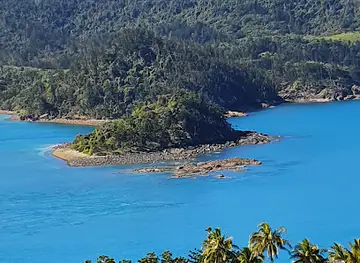
Cruise Whitsundays
Explore the breathtaking Whitsunday Islands and the Great Barrier Reef with Cruise Whitsundays, where adventure meets stunning natural beauty.

Best landmarks in Whitsunday Islands
Top-rated picks
Best Landmarks

Ocean Rafting
Discover the thrill of Ocean Rafting in the Whitsundays, where breathtaking beauty meets exhilarating boat adventures in the heart of Australia.

True Blue Sailing
Explore the breathtaking Whitsunday Islands with True Blue Sailing, a premier boat tour agency in Airlie Beach, Australia.

Thundercat - Red Cat Adventures
Discover the breathtaking Whitsunday Islands with Thundercat - Red Cat Adventures, where adventure and stunning scenery await every visitor.

ZigZag Whitsundays Day Tour
Discover the breathtaking beauty of Whitsunday Islands with ZigZag Whitsundays Day Tour - an unforgettable journey through Australia's tropical paradise.

Best restaurants in Whitsunday Islands
Top-rated picks
Best Restaurants

Northerlies Beach Bar & Grill - Airlie Beach
Discover Northerlies Beach Bar & Grill: A perfect blend of fresh cuisine and tropical ambiance at Airlie Beach.

Fish D'vine & The Rum Bar
Experience the best of Airlie Beach with fresh seafood and exquisite rum cocktails at Fish D'vine & The Rum Bar.
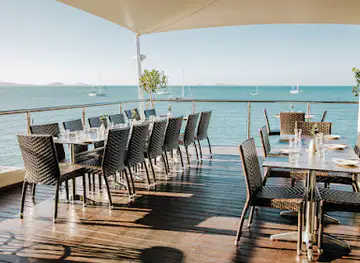
Sorrento Restaurant & Bar
Discover Sorrento Restaurant & Bar: where modern Australian meets Italian cuisine in the heart of Airlie Beach.

Marina Tavern
Discover Marina Tavern - Your Gateway to Relaxation and Entertainment in Whitsundays with Stunning Views and Delicious Cuisine.

Best bars in Whitsunday Islands
Top-rated picks
Best Bars

Northerlies Beach
Experience the perfect blend of stunning coastal views and delightful culinary offerings at Northerlies Beach, a must-visit destination in Queensland.

Reef View Hotel
Discover the beauty of Hamilton Island at Reef View Hotel, your gateway to adventure and relaxation in the Whitsundays.

Sorrento Restaurant & Bar
Experience the best of Italian cuisine with a stunning waterfront view at Sorrento Restaurant & Bar in Airlie Beach, perfect for every occasion.

Marina Tavern
Discover the lively Marina Tavern in Whitsundays, where stunning views meet delicious food and a vibrant atmosphere, perfect for relaxation and socializing.

Best nightclubs in Whitsunday Islands
Top-rated picks
Best Nightclubs

Marina Tavern
Discover Marina Tavern, a lively pub on Hamilton Island offering stunning views, delicious food, and a vibrant atmosphere for all visitors.

One Tree Hill
Experience breathtaking sunsets and refreshing cocktails at One Tree Hill, the ideal relaxation spot on Hamilton Island.

Hamilton Island
Explore the enchanting Hamilton Island, a tropical paradise in the Whitsundays, offering pristine beaches, vibrant marine life, and unforgettable adventures.

Mama Africa Bar & Nightclub
Discover the electrifying nightlife of Airlie Beach at Mama Africa Bar & Nightclub, where vibrant music meets unforgettable experiences.

Best shops in Whitsunday Islands
Top-rated picks
Best Shops

Whitsunday Plaza
Experience the vibrant shopping scene at Whitsunday Plaza in Cannonvale, Queensland, where retail therapy meets local cuisine in a charming setting.

Whitsunday Islands National Park
Explore the serene beauty and vibrant wildlife of Whitsunday Islands National Park, a stunning paradise in Queensland, Australia.

Hamilton Island IGA
Discover the convenience of Hamilton Island IGA, your one-stop shop for groceries, local produce, and beverages in the beautiful Whitsundays.

Whitsunday Shopping Centre
Discover the Whitsunday Shopping Centre: Your one-stop destination for shopping, dining, and local culture in the heart of Cannonvale.

Explore Whitsunday Islands on the Map
A handpicked selection of must-see spots in Whitsunday Islands, mapped for you.
Whitsunday Islands Essentials
-
The Whitsunday Islands are located off the coast of Queensland, Australia. The nearest major airport is Whitsunday Coast Airport (Proserpine Airport), which is about 30 minutes from Airlie Beach, the main gateway to the islands. From the airport, you can take a shuttle bus, taxi, or rent a car to reach Airlie Beach. Alternatively, you can fly into Hamilton Island Airport, which is located on one of the Whitsunday Islands. From Hamilton Island, ferries and water taxis can transport you to other islands in the Whitsundays.
-
Within the Whitsunday Islands, transportation options include ferries, water taxis, and private boat charters. Ferries operate regularly between Airlie Beach and popular islands such as Hamilton Island, Daydream Island, and Whitsunday Island. For more flexibility, you can hire a private boat or join a sailing tour to explore the islands. On Hamilton Island, golf buggies are a popular mode of transport and can be rented for getting around the island.
-
The official currency in Australia is the Australian Dollar (AUD). Credit and debit cards are widely accepted on the islands, including in hotels, restaurants, and shops. ATMs are available on Hamilton Island and at major tourist spots in Airlie Beach. It's advisable to carry some cash for smaller purchases or in case you visit more remote areas where card payment facilities might be limited.
-
The Whitsunday Islands are generally safe for tourists. However, it is important to take standard precautions. Avoid leaving valuables unattended on beaches or in public areas. Although the islands do not have high-crime areas specifically targeting tourists, it's always wise to stay vigilant. Be cautious when swimming, as marine stingers can be present in certain seasons. Always follow local guidelines and heed warnings about marine life.
-
In case of an emergency, dial 000 for police, fire, or medical assistance. Medical facilities are available on Hamilton Island and in Airlie Beach. For minor medical issues, there are first aid stations and pharmacies in these areas. It is highly recommended to have travel insurance that covers medical emergencies and evacuations. If you're out on a boat, ensure you have a VHF radio or a mobile phone with you.
-
Fashion: Do wear lightweight, breathable clothing suitable for tropical weather. Don’t forget to bring sun protection, including hats and sunscreen. Religion: The Whitsundays are secular, but do be respectful of any local customs or ceremonies you might encounter. Public Transport: Do be courteous and follow the rules when using ferries and other public transport. Don’t litter or leave belongings unattended. Greetings: Do greet people with a friendly smile or a casual 'Hi'. Australians are generally informal with greetings. Eating & Drinking: Do try local seafood and fresh produce. Don’t forget to stay hydrated, especially if you are out in the sun.
-
To experience the Whitsunday Islands like a local, consider visiting during the shoulder seasons (April-May and September-October) for fewer crowds and pleasant weather. Participate in local events and festivals, such as the Airlie Beach Festival of Music. Explore lesser-known spots like Langford Island for a more secluded experience. Engage with the locals; they are often happy to share insider tips and stories about the area.
When is the best time to visit Whitsunday Islands?
Useful Local Phrases for Whitsunday Islands
You don't need to speak the language perfectly. Even learning a few simple words can make conversations warmer—and locals usually appreciate the effort.
— Eve

Here are the phrases I use most often in Whitsunday Islands. Try a few—you'll be surprised how far they go! 😊
❤️
-
- HelloG'day
[guh-day] - GoodbyeSee ya
[see yah] - YesYeah
[yeh] - NoNah
[nah] - Please/You’re welcomeNo worries
[noh wuh-riz] - Thank youThanks heaps
[thanks heeps] - Excuse me/SorrySorry mate
[saw-ree mate] - How are you?How's it going?
[how's it goin'?] - Fine. And you?Good, you?
[good, you?] - Do you speak English?Can ya speak English?
[can yah speak English?] - I don't understandI don’t get it
[I don’t get it]
- HelloG'day
-
- I’d like to see the menu, pleaseCan I see the menu?
[can I see the menu?] - I don't eat meatI’m a vegetarian
[I’m a vege-tarian] - Cheers!Cheers!
[cheers] - I would like to pay, pleaseCan I get the bill?
[can I get the bill?]
- I’d like to see the menu, pleaseCan I see the menu?
-
- Help!Help!
[help] - Go away!Leave me alone!
[leave me alone!] - Call the Police!Call the cops!
[call the cops!] - Call a doctor!Get a doctor!
[get a doctor!] - I’m lostI’m lost
[I'm lost] - I’m illI’m unwell
[I'm un-well]
- Help!Help!
-
- I’d like to buy...I wanna buy...
[I wanna buy...] - I’m just lookingJust browsing
[just browsing] - How much is it?How much?
[how much?] - That’s too expensiveThat's a bit pricey
[that's a bit pry-see] - Can you lower the price?Can you drop the price?
[can you drop the price?]
- I’d like to buy...I wanna buy...
-
- What time is it?What’s the time?
[what's the time?] - It’s one o’clockIt’s one
[it's one] - Half past (10)Half past ten
[half past ten] - MorningMorning
[morning] - AfternoonArvo
[arvo] - EveningEvening
[evening] - YesterdayYesterday
[yesterday] - TodayToday
[today] - TomorrowTomorrow
[tomorrow] - 1One
[one] - 2Two
[two] - 3Three
[three] - 4Four
[four] - 5Five
[five] - 6Six
[six] - 7Seven
[seven] - 8Eight
[eight] - 9Nine
[nine] - 10Ten
[ten]
- What time is it?What’s the time?
-
- Where's a/the...?Where's the...?
[where's the...?] - What's the address?What's the address?
[what's the address?] - Can you show me (on the map)?Can you show me on the map?
[can you show me on the map?] - When's the next (bus)?When's the next bus?
[when's the next bus?] - A ticket (to ....)A ticket to...
[a ticket to...]
- Where's a/the...?Where's the...?
History of Whitsunday Islands
-
The Whitsunday Islands hold profound cultural significance for the Ngaro and Gia peoples, who have lived in the region for over 8,000 years. These indigenous groups have left behind a rich tapestry of cultural artifacts, including rock art, fish traps, and middens. The islands were a source of sustenance and spiritual connection, serving as a home base for fishing, hunting, and gathering. The traditional owners have a deep connection with the land and sea, which continues to influence the cultural landscape of the Whitsundays today.
-
On June 4, 1770, Captain James Cook sailed through the Whitsunday Passage on the HMS Endeavour, naming the region after the Whitsun, the Christian festival of Pentecost. Cook's exploration marked the first recorded European contact with the islands and significantly contributed to the mapping and understanding of Australia's eastern coastline. The passage is a key moment in the maritime history of the Whitsundays, as it opened the door for future exploration and settlement.
-
During the 19th century, the waters surrounding the Whitsunday Islands became a hub for whaling activities. Whaling stations were established on the islands, with whalers hunting humpback and southern right whales for their oil and baleen. This period saw a significant influx of European settlers who sought economic opportunities in the burgeoning whaling industry. The remnants of these whaling stations can still be found on some islands, providing a glimpse into this rugged and often brutal chapter of the region's history.
-
In the late 19th and early 20th centuries, the Whitsunday Islands saw an increase in European settlement, with sheep grazing becoming a prominent industry. Settlers established homesteads and pastoral leases, adapting to the challenging, yet breathtaking, island environment. The legacy of this era is still visible in the form of old homesteads and stone walls, which serve as a testament to the resilience and determination of early island settlers.
-
During World War II, the Whitsunday Islands played a strategic role in the defense of Australia. Several islands were used as military bases and lookouts, with installations such as radar stations and airstrips constructed to monitor and protect the eastern coastline from potential threats. The legacy of this period is evident in the remnants of military infrastructure scattered across the islands, offering a unique historical perspective for visitors interested in wartime history.
-
The post-war era saw the Whitsunday Islands transform into a premier tourist destination. The natural beauty of the islands, with their white sandy beaches, crystal-clear waters, and vibrant coral reefs, attracted visitors from around the world. The development of resorts and the establishment of the Great Barrier Reef Marine Park in 1975 further boosted the region's appeal. Today, tourism is the lifeblood of the Whitsundays, with visitors flocking to experience its unparalleled natural wonders and rich cultural heritage.
Neighbouring Regions of Whitsunday Islands
The closest regions to Whitsunday Islands, if you have time for more than one.


Your all‑in‑one travel companion app
Explore expert travel guides, compare and book tours, experiences, hotels, and more—all from the palm of your hand. Download now for seamless trip planning wherever your wanderlust takes you.


Explore More of Australia

Looking beyond Whitsunday Islands? Discover Australia for broader travel guides, local hot-spots, and regional highlights.
Explore AustraliaWhitsunday Islands in Photos
Browse through our photo collection highlighting the charm and character of the destination.


Whitsunday Islands: Australia's Tropical Paradise
The Whitsunday Islands are a group of 74 stunning islands located off the coast of Queensland, Australia. This tropical paradise is known for its crystal-clear waters, pristine white sandy beaches, and vibrant coral reefs. The most famous of these is Whitehaven Beach, often listed among the world's best beaches. The pure silica sand of Whitehaven Beach creates a unique, bright white shore that contrasts beautifully with the turquoise waters. For those who love marine life, the Whitsundays offer some of the best snorkeling and diving spots on the Great Barrier Reef. You can swim alongside colorful fish, sea turtles, and even the occasional manta ray. The islands are also a sailor's dream, with calm seas and steady winds making it an ideal location for sailing adventures. Many visitors choose to explore the islands by chartering a yacht or joining a sailing tour. Apart from water activities, the Whitsunday Islands boast lush rainforests, hiking trails, and lookout points with breathtaking views. Hamilton Island is a popular choice for visitors, offering a range of accommodations, restaurants, and activities. Whether you're seeking relaxation or adventure, the Whitsunday Islands provide an unforgettable experience in a truly spectacular setting.