

Free Queensland Travel Guide & Mobile App
Explore Queensland with free travel guides. Discover regional history, expert tips, proposed trips, and audio guides on web or mobile app.


Explore Queensland for Brisbane culture, tropical rainforest, reef islands, surf beaches, ancient landscapes and wide-open outback roads.
Read more about Queensland
When is the best time to visit Queensland?
Best: July–September · 21–26°C| Month | High (°C) | Rainfall (mm) |
|---|---|---|
| January | 31 | 200 |
| February | 31 | 180 |
| March | 30 | 160 |
| April | 28 | 140 |
| May | 25 | 120 |
| June | 22 | 100 |
| July (best) | 21 | 80 |
| August (best) | 23 | 60 |
| September (best) | 26 | 80 |
| October | 30 | 100 |
| November | 31 | 140 |
| December | 31 | 180 |
Getting to and around Queensland
How to get there
Transportation
Top city travel guides in Queensland
The cities of Queensland, and the easiest places to base yourself.
-

-

-

-

-

-


Swipe for more cities
Destinations in Queensland
Resorts, valleys and scenic spots worth a trip of their own.
-

-

-

-

-

-


Swipe for more destinations
Best attractions in Queensland
Queensland’s attractions range from major urban institutions to remote natural landscapes. Brisbane offers the Queensland Museum Kurilpa, Queensland Art Gallery and Gallery of Modern Art, the State Library and performing arts venues around South Bank, while the Gold Coast combines surf beaches with large-scale theme parks and wildlife attractions. Along the coast, reef excursions depart from centres including Cairns, Port Douglas, Townsville, Airlie Beach and the Capricorn Coast, with options varying from snorkelling and diving to glass-bottom viewing. The Wet Tropics around Cairns and the Daintree region provide rainforest walks, lookouts and opportunities to learn about ancient plant communities. K'gari is known for its sand landscapes, lakes and wildlife, while national parks in the southeast protect rainforest, escarpments and mountain country. Inland destinations such as Winton, Longreach and Mount Isa focus on fossils, pastoral history, transport and mining. Queensland’s protected areas reward careful planning: seasonal closures, tide conditions, four-wheel-drive requirements and weather can determine which walks, roads and water activities are practical.
-
Theme park
Sea World
Explore Sea World Gold Coast: A thrilling theme park adventure blending rides, marine exhibits, and conservation efforts for a fun-filled family day.
-
Tourist attraction
Capricorn Caves
Discover the hidden beauty of Capricorn Caves, Queensland's natural gem featuring stunning limestone formations and rich wildlife in a breathtaking underground adventure.
-
Boat tour agency
1770 Reef - Great Barrier Reef Eco Tours
Discover Lady Musgrave Island with 1770 Reef: Snorkel, explore, and experience the Southern Great Barrier Reef's natural beauty.
-
National park
Pinnacles National Park
Explore Pinnacles National Park in Hervey Range, Queensland, and discover stunning landscapes, unique rock formations, and diverse wildlife in a breathtaking natural setting.


Best landmarks in Queensland
Queensland’s most recognisable landmarks express its environmental scale as much as its built history. The Great Barrier Reef is the defining marine landmark, an extensive coral ecosystem visible through protected waters, reef tours and island landscapes rather than from every point on the mainland coast. In the tropical north, the Daintree and Wet Tropics rainforest form a powerful natural counterpoint, with dense forest, mountain backdrops and ancient ecological associations. K'gari, the world’s largest sand island, is distinguished by its shifting dunes, freshwater lakes and long beaches. Brisbane’s Story Bridge is a prominent civic and engineering landmark over the Brisbane River, while the city’s historic Customs House and colonial-era buildings reflect its development as a port and capital. The Gold Coast’s high-rise coastal skyline is a modern landmark of tourism and urban growth. Inland, the Australian Stockman’s Hall of Fame in Longreach, the mining landscapes around Mount Isa and the historic civic architecture of Charters Towers represent the state’s pastoral, industrial and regional identities.
-
Scenic spot
Mount Coot-Tha Summit Lookout
Experience the panoramic beauty of Brisbane from Mount Coot-Tha Summit Lookout, a stunning scenic spot that offers breathtaking views and serene nature.
-
Local history museum
Bee Gees Way
Explore Bee Gees Way in Redcliffe - a melodic tribute to the Bee Gees featuring artwork, memorabilia, and a glimpse into their legendary musical journey.
-
National park
Fort Lytton National Park
Discover the rich military history and stunning landscapes of Fort Lytton National Park, a unique national park experience in Queensland, Australia.
-
Heritage building
Old Government House
Explore Brisbane's Old Government House, a heritage landmark that tells the story of Queensland's past through stunning architecture and beautiful gardens.


Explore Queensland on the map
Plan your trip on one map. See where the top cities, national parks and sights are, and book hotels and experiences in a few clicks.
Best hotels in Queensland
Best restaurants in Queensland
Queensland’s dining reflects its coastal position, tropical agriculture, pastoral interior and multicultural cities. Brisbane has the state’s broadest restaurant scene, from contemporary Australian cooking and international cuisines to modern cafés and riverside dining. Along the coast, seafood is prominent, while northern menus may feature local prawns, mud crab, reef fish and tropical fruit when seasonally available. Bundaberg, the Sunshine Coast, the Atherton Tableland and the cane-growing districts contribute produce such as macadamias, avocados, mangoes, bananas, sugar-derived products and coffee. Country towns are well served by bakeries, cafés, clubs and pubs offering filling meals suited to long-distance travel, while remote roadhouses are practical rather than elaborate dining destinations. Farmers’ markets and regional produce shops are useful places to encounter fruit, preserves, baked goods and locally made products. Menus vary considerably by location, so regional specialities should be treated as local produce traditions rather than a single statewide cuisine.
-
Australian
Nu Nu Restaurant
Experience exquisite Australian cuisine with breathtaking views at Nu Nu Restaurant in Palm Cove.
-
Grill
Blackbird Bar, Dining & Events
Savor modern Australian cuisine at Blackbird Bar while enjoying stunning riverside views in Brisbane's vibrant dining scene.
-
Steak
Moda Steak . Tapas . Seasons
Discover exceptional dining at Moda Steak . Tapas . Seasons - where fine steaks meet exquisite tapas in a sophisticated setting.
-
Modern Australian
Ochre Restaurant
Discover the essence of Modern Australian cuisine at Ochre Restaurant in Cairns – where local produce meets exquisite culinary artistry.


Best bars in Queensland
Queensland’s evening life is concentrated in Brisbane, the Gold Coast and larger regional centres, with a quieter rhythm in rural and remote districts. Brisbane has cocktail bars, breweries, live music, theatres and late-night dining spread across the city centre and inner neighbourhoods. The Gold Coast combines bars, clubs, entertainment venues and restaurants around Surfers Paradise and other coastal centres, while Cairns and Fortitude Valley are established nightlife areas for visitors and residents, though venues and operating arrangements change. In towns such as Townsville, Toowoomba, Mackay and Rockhampton, evenings commonly centre on pubs, restaurants, breweries, live music and community venues rather than a large club circuit. Island and beach destinations may have seasonal nightlife linked to accommodation hubs, but many activities finish early after reef or outdoor excursions. Drink responsibly, use licensed transport or a taxi when needed, and remember that alcohol is not necessary to enjoy Queensland’s evening cultural scene.
-
Grill
Blackbird Bar, Dining & Events
Experience exquisite dining at Blackbird Bar, Dining & Events, where modern cuisine meets stunning river views in Brisbane.
-
Bar
Steampunk Surfers Paradise
Discover the unique charm of Steampunk Surfers Paradise - a bar, restaurant, and live music venue that redefines nightlife in Surfers Paradise.
-
Bar
Cocktails Nightclub
Experience the vibrant nightlife at Cocktails Nightclub in Surfers Paradise, where expertly crafted cocktails and electrifying music create unforgettable nights out.
-
Cocktail bar
The Gresham Bar
Experience the vibrant cocktail culture of Brisbane at The Gresham Bar, where classic meets contemporary in a delightful atmosphere.


Best nightclubs in Queensland
Queensland’s evening life is concentrated in Brisbane, the Gold Coast and larger regional centres, with a quieter rhythm in rural and remote districts. Brisbane has cocktail bars, breweries, live music, theatres and late-night dining spread across the city centre and inner neighbourhoods. The Gold Coast combines bars, clubs, entertainment venues and restaurants around Surfers Paradise and other coastal centres, while Cairns and Fortitude Valley are established nightlife areas for visitors and residents, though venues and operating arrangements change. In towns such as Townsville, Toowoomba, Mackay and Rockhampton, evenings commonly centre on pubs, restaurants, breweries, live music and community venues rather than a large club circuit. Island and beach destinations may have seasonal nightlife linked to accommodation hubs, but many activities finish early after reef or outdoor excursions. Drink responsibly, use licensed transport or a taxi when needed, and remember that alcohol is not necessary to enjoy Queensland’s evening cultural scene.
-
Night club
Mi Casa Nightclub Brisbane
Discover the electrifying nightlife at Mi Casa Nightclub Brisbane, where vibrant music and a lively atmosphere await you in Fortitude Valley.
-
Disco club
Lost Kingdom Nightclub
Discover the ultimate nightlife experience at Lost Kingdom Nightclub in Surfers Paradise, where electrifying music meets exquisite cocktails.
-
Night club
Prohibition
Discover Prohibition, a premier night club in Fortitude Valley, Brisbane, where vibrant nightlife meets creative cocktails and electrifying music.
-
Night club
The Beat Megaclub
Unleash your night at The Beat Megaclub, Brisbane's premier gay nightclub, offering vibrant entertainment and unforgettable experiences every night.




Best shops in Queensland
Shopping in Queensland varies from metropolitan retail to produce stalls and practical regional stores. Brisbane provides the state’s widest choice, including major city-centre arcades, department stores, independent boutiques, galleries, bookshops and design-led retailers, while the Gold Coast combines large shopping complexes with beachside fashion and souvenir outlets. In Cairns, Port Douglas and other northern tourism centres, visitors will find Indigenous art, jewellery, locally made crafts, tropical food products and reef- and rainforest-themed goods; provenance matters, so buy cultural art through reputable galleries and ask about the artist and authentication. Regional farmers’ markets offer seasonal fruit, vegetables, preserves, baked goods, coffee and handmade items, although market days vary. Towns in the interior are useful for wool, leather goods, pastoral memorabilia, books and supplies for road journeys rather than extensive fashion shopping. Queensland-made food products, macadamias, artwork and responsibly sourced craft items make more meaningful souvenirs than generic wildlife merchandise.
-
Shopping mall
Westfield Chermside
Explore Westfield Chermside, Queensland's premier shopping mall with over 400 retailers, vibrant dining spots, and family-friendly entertainment.
-
Gift shop
Brisbane Arcade
Discover unique boutiques and delightful gift shops at Brisbane Arcade, a historic shopping destination in the heart of Brisbane City.
-
Gift shop
The Store Of Requirement Samford
Explore a magical gift shop in Samford, offering Harry Potter-themed merchandise and unique treasures for fans of all ages.
-
Clothing store
Tragic Beautiful
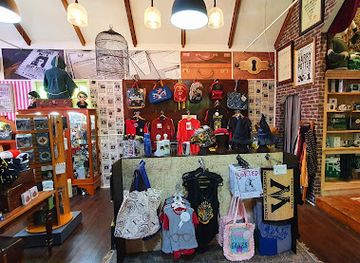
Discover Tragic Beautiful in Meadowbrook—your ultimate destination for trendy clothing, chic accessories, and stylish homewares in Queensland.



Get your free copy of our complete guide to Queensland, delivered straight to you.
Everything on this page, from attractions and restaurants to essentials and local phrases, in one PDF you can read offline, print or share.
Already have an account? Sign in
Your Queensland guide is ready.
We'll send it to · Not you? Sign out

Getting your guide ready…
We are putting together a fresh copy of the Queensland guide. This can take up to a minute.
This can take a few moments. If your browser asks, choose Allow so the download can start. You'll find the guide in your Downloads folder.
Nothing happened? Download it again
Sorry, the guide is taking longer than usual. Please try again in a minute, or get it by email instead.
Queensland essentials
Currency and Payment
Safety
Emergency Situations
Do's and Don'ts
Local Tips
From Eve
Local phrases worth knowing
You don't need to get them perfect. A few words go a long way, and locals appreciate the effort.
Basics
| English | Local | Say it |
|---|---|---|
| Hello | G'day | [g'day] |
| Goodbye | See ya | [see ya] |
| Yes | Yeah | [yeh] |
| No | Nah | [nah] |
| Please/You're welcome | No worries | [no worries] |
| Thank you | Thanks mate | [thanks mate] |
| Excuse me/Sorry | Sorry mate | [sorry mate] |
| How are you? | How's it going? | [how's it going?] |
| Fine. And you? | Good, you? | [good, you?] |
| Do you speak English? | Do ya speak English? | [do ya speak English?] |
| I don't understand | I don't get it | [I don't get it] |
Eating & Drinking
| English | Local | Say it |
|---|---|---|
| I'd like to see the menu, please | Can I see the menu, please? | [can I see the menu, please?] |
| I don't eat meat | I’m a vegetarian | [I'm a vegetarian] |
| Cheers! | Cheers! | [cheers] |
| I would like to pay, please | Can I get the bill, please? | [can I get the bill, please?] |
Emergencies
| English | Local | Say it |
|---|---|---|
| Help! | Help! | [help] |
| Go away! | Rack off! | [rack off] |
| Call the Police! | Call the coppers! | [call the coppers] |
| Call a doctor! | Get a doctor! | [get a doctor] |
| I'm lost | I'm lost | [I'm lost] |
| I'm ill | I'm unwell | [I'm unwell] |
Shopping
| English | Local | Say it |
|---|---|---|
| I'd like to buy... | I want to buy... | [I want to buy...] |
| I'm just looking | Just having a look | [just having a look] |
| How much is it? | How much is this? | [how much is this?] |
| That's too expensive | That's a bit pricey | [that's a bit pricey] |
| Can you lower the price? | Can ya do a better price? | [can ya do a better price?] |
Time & Numbers
| English | Local | Say it |
|---|---|---|
| What time is it? | What’s the time? | [what’s the time?] |
| It's one o'clock | It's one o'clock | [it's one o'clock] |
| Half past (10) | Half past ten | [half past ten] |
| Morning | Morning | [morning] |
| Afternoon | Arvo | [arvo] |
| Evening | Evening | [evening] |
| Yesterday | Yesterday | [yesterday] |
| Today | Today | [today] |
| Tomorrow | Tomorrow | [tomorrow] |
| 1 | One | [one] |
| 2 | Two | [two] |
| 3 | Three | [three] |
| 4 | Four | [four] |
| 5 | Five | [five] |
| 6 | Six | [six] |
| 7 | Seven | [seven] |
| 8 | Eight | [eight] |
| 9 | Nine | [nine] |
| 10 | Ten | [ten] |
Transport & Directions
| English | Local | Say it |
|---|---|---|
| Where's a/the...? | Where's the...? | [where's the...?] |
| What's the address? | What's the address? | [what's the address?] |
| Can you show me (on the map)? | Can ya show me on the map? | [can ya show me on the map?] |
| When's the next (bus)? | When's the next bus? | [when's the next bus?] |
| A ticket (to ....) | One ticket to ... | [one ticket to ...] |
History of Queensland
Aboriginal and Torres Strait Islander Queensland
Queensland has been home to Aboriginal peoples for tens of thousands of years, with hundreds of language groups and distinct cultural traditions across coastal, rainforest, savannah, desert and island environments. Torres Strait Islander peoples have longstanding connections with the islands and waters between Cape York and Papua New Guinea. Cultural knowledge, customary law, art, trade and relationships with country continue today. Visitors encounter this living heritage through cultural centres, guided experiences, galleries, protected places and interpretation, although access to some sites is restricted and local guidance should be followed.
European Exploration and Colonial Settlement
European exploration of the Queensland coast expanded during the eighteenth and nineteenth centuries, followed by pastoral settlement, ports and administrative centres. Queensland became a separate colony from New South Wales in 1859, with Brisbane as its capital. Settlement brought roads, railways, agriculture and commercial towns, but also dispossession, frontier violence and profound disruption to Aboriginal and Torres Strait Islander communities. The state’s historic buildings and town layouts therefore reflect both colonial development and a much longer Indigenous history.
Gold, Pastoralism and Regional Towns
Gold discoveries at places including Gympie, Charters Towers and Mount Morgan stimulated population growth, investment and transport construction during the nineteenth century. Pastoral expansion also shaped inland Queensland, while coastal districts developed sugar, timber and other agricultural industries. Towns such as Charters Towers retain civic buildings and streetscapes associated with the mining era, while regional museums and former railway centres reveal how supplies, workers and produce moved across a vast territory.
Sugar, Labour and Migration
Sugar became one of Queensland’s defining industries, particularly in the tropical coastal belt around Cairns, Innisfail, Mackay and Bundaberg. The industry depended heavily on South Sea Islander labour, including people brought under coercive systems often described as blackbirding, as well as workers from many migrant communities. The history of sugar is therefore also a history of exploitation, resistance, migration and cultural survival. Cane fields, mills, heritage collections and regional food traditions remain visible parts of this legacy.
Railways, Ports and the Opening of the Interior
Railways and coastal shipping connected Queensland’s ports with inland grazing, mining and agricultural districts. Lines extending west from coastal centres helped establish routes to towns such as Longreach and Mount Isa, while ports at Brisbane, Gladstone, Mackay, Townsville and Cairns supported export industries. These networks were costly to build across difficult terrain but enabled pastoral settlement, mineral development and administration over great distances. Contemporary visitors can still see the importance of rail and port infrastructure in regional museums, heritage stations and working industrial landscapes.
War and the Pacific
Queensland became an important base for Allied operations during the Second World War because of its position close to the Pacific theatre. Townsville, Brisbane and other centres hosted military facilities, hospitals, airfields and troop movements, while northern communities experienced the pressures of wartime logistics and defence. The conflict accelerated infrastructure development and brought people from across Australia and overseas into the state. Military museums, memorials and surviving sites provide context for this period without reducing Queensland’s history to wartime events alone.
The Growth of Tourism and Environmental Protection
From the later twentieth century, Queensland’s beaches, reef, rainforest, islands and subtropical climate became central to a rapidly expanding tourism economy. The protection of places such as the Great Barrier Reef, the Wet Tropics rainforests, Fraser Island, now officially K'gari, and numerous national parks helped establish a framework for conservation alongside recreation. Tourism has brought employment and investment but also environmental pressures, including coral stress, coastal development and visitor impacts. Management today increasingly combines scientific monitoring, Indigenous knowledge and regulated access.
Queensland in Photos
Browse through our photo collection highlighting the charm and character of the destination.
Neighbouring regions of Queensland
The closest regions to Queensland, if you have time for more than one.
-

-

-

-

-


Swipe for more regions
Explore more

Explore more of Australia
Discover the diverse landscapes, vibrant cities, and unique wildlife of Australia, a captivating destination offering endless adventures and unforgettable experiences.
Explore Australia