

Free The Whitsundays Travel Guide & Mobile App
Plan your The Whitsundays trip with Evendo. Get free guides to top attractions, restaurants, hotels, and bars. Web access or download the mobile app.


The Whitsundays pair Whitehaven Beach, coral reefs and island escapes with sailing, Indigenous heritage and tropical adventures in Queensland, Australia.
An Archipelago in the Coral Sea
The Whitsundays are a scattered group of 74 islands off the central Queensland coast, framed by the mainland resort town of Airlie Beach and the sheltered waters of the Whitsunday Passage. Most islands are forested, mountainous and uninhabited, while Hamilton Island, Daydream Island and several smaller islands provide bases for exploring the archipelago. The region belongs to the Great Barrier Reef World Heritage Area, placing coral gardens, mangrove channels and tropical marine life at the centre of its identity.Read more about The Whitsundays
Beaches, Reefs and Island Landscapes
Living Culture and Tropical Leisure
Getting to and around The Whitsundays
How to get there
Transportation
Best attractions in The Whitsundays
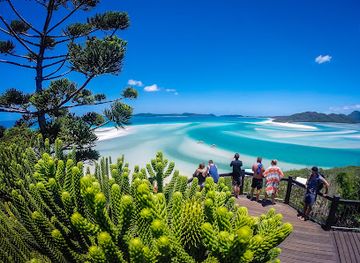
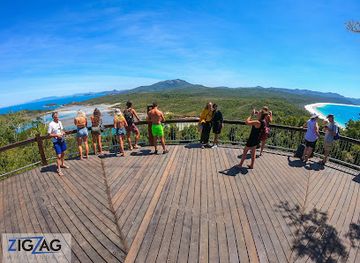
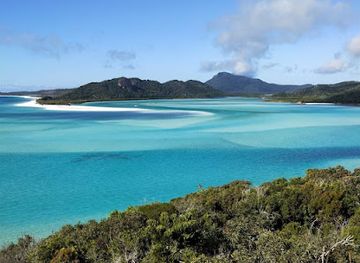
The Whitsundays' principal attractions are scattered between islands, beaches, rainforest and reef. Whitehaven Beach on Whitsunday Island is celebrated for its pale silica sand and long, undeveloped shoreline, while Hill Inlet at the beach's northern end is known for tidal patterns best seen from the Tongue Point lookouts and walking tracks. Hamilton Island offers galleries, walking trails, beaches and access to marine excursions, and Daydream Island combines resort facilities with educational displays about the surrounding reef ecosystem. On the mainland, Airlie Beach provides a waterfront swimming lagoon, marina views and access to Conway National Park, whose forested trails lead towards coastal lookouts. Boat trips and scenic flights extend sightseeing into the Great Barrier Reef, where coral gardens and marine life become the focus rather than island scenery. The variety lies in moving between these environments, from shaded rainforest and sheltered coves to open water and reef.
-
Boat tour agency
Ocean Rafting
Discover the stunning Whitsunday Islands with Ocean Rafting, offering thrilling boat tours and unforgettable experiences in the heart of Airlie Beach.
47 min drive · 27 km from city centre
-
Boat tour agency
Thundercat - Red Cat Adventures
Explore the breathtaking beauty of the Whitsundays with Thundercat - Red Cat Adventures, the premier boat tour agency in Airlie Beach.
47 min drive · 27 km from city centre
-
Tour operator
Cruise Whitsundays
Discover the breathtaking beauty of the Whitsunday Islands with Cruise Whitsundays, your gateway to adventure and relaxation in Queensland's tropical paradise.
46 min drive · 26 km from city centre
-
Scenic spot
Cedar Creek Falls
Experience the natural beauty of Cedar Creek Falls, a serene getaway in Queensland, featuring stunning waterfalls and lush landscapes perfect for adventure and relaxation.
47 min drive · 27 km from city centre


Best landmarks in The Whitsundays
Whitehaven Beach is the Whitsundays' defining natural landmark, recognised for its brilliant silica sand, forested island backdrop and long curve along Whitsunday Island. Hill Inlet, where tidal water moves across pale sandbanks, is an equally distinctive feature and a reminder that the region's most important landmarks are often geological and marine rather than built. The Whitsunday Passage, named during James Cook's 1770 voyage, remains the archipelago's central navigational landscape. On the mainland, the Airlie Beach waterfront and marina form the practical civic focus of the region, while Conway National Park protects a substantial remnant of tropical rainforest beside the settled coast. Hamilton Island's Chapel of the Holy Trinity, a small contemporary place of worship overlooking Dent Island, has become a recognisable resort-island structure. Together these places express the region through sea routes, protected landscapes, Indigenous sea country and carefully managed tourism.
-
Boat tour agency
Ocean Rafting
Discover the breathtaking Whitsunday Islands and Great Barrier Reef with Ocean Rafting's exhilarating boat tours and snorkeling adventures.
47 min drive · 27 km from city centre
-
Boat tour agency
ZigZag Whitsundays Day Tour
Discover the breathtaking Whitsundays with ZigZag's day tours, where adventure meets paradise in Australia's stunning Coral Sea.
47 min drive · 27 km from city centre
-
National park
Whitsunday Islands National Park
Explore the breathtaking Whitsunday Islands National Park, a nature lover's paradise with stunning beaches, vibrant marine life, and lush rainforest trails.
28 min drive · 9.2 km from city centre
-
Tour agency
Sailing Whitsundays
Discover the breathtaking beauty of the Whitsunday Islands with Sailing Whitsundays, where adventure meets relaxation in Australia's paradise.
47 min drive · 27 km from city centre

Explore The Whitsundays on the map
Plan your The Whitsundays trip on one map. See where the top attractions, landmarks, restaurants, bars and hotels are, find what's near where you're staying, and book hotels and experiences in a few clicks.
Best hotels in The Whitsundays
Best restaurants in The Whitsundays
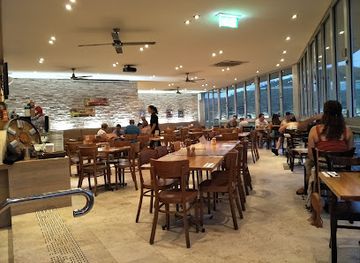
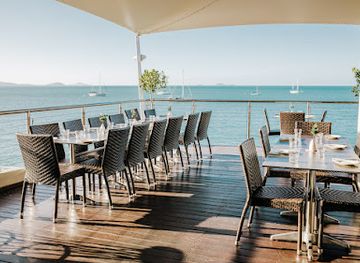
Dining in the Whitsundays is shaped by its coastal setting, Queensland produce and the practical rhythms of island and marine tourism. Airlie Beach has the broadest choice, with cafés, casual restaurants, takeaway shops, pubs and waterfront venues serving seafood, Australian staples, Asian-influenced dishes and contemporary fare. Resort islands offer restaurants and bars designed around accommodation areas, while charter boats and day cruises may provide meals suited to time on the water rather than an independent dining scene. Fresh fish and prawns are natural features of coastal menus, alongside tropical fruit, salads and locally sourced produce from the mainland region. Markets and casual food outlets in Airlie Beach bring a less formal atmosphere, though opening patterns can be seasonal. Visitors staying on smaller islands should plan provisions carefully, since dining choices and supply arrangements are more limited than on the mainland.
-
Grill
Northerlies Beach Bar & Grill - Airlie Beach
Discover Northerlies Beach Bar & Grill at Airlie Beach for delicious grilled dishes and breathtaking waterfront views in a vibrant setting.
51 min drive · 31 km from city centre
-
Restaurant
Fish D'vine & The Rum Bar
Experience the ultimate seafood dining at Fish D'vine & The Rum Bar in Airlie Beach - where local flavors meet tropical vibes.
46 min drive · 26 km from city centre
-
Restaurant
Sorrento Restaurant & Bar
Experience exquisite Italian dining at Sorrento Restaurant & Bar in Airlie Beach – where vibrant flavors meet breathtaking views.
47 min drive · 27 km from city centre
-
Cafe
Fat Frog Beach Cafe
Discover coastal dining at its finest with delicious breakfasts and lunches at Fat Frog Beach Cafe on Coral Esplanade.
49 min drive · 29 km from city centre


Best bars in The Whitsundays
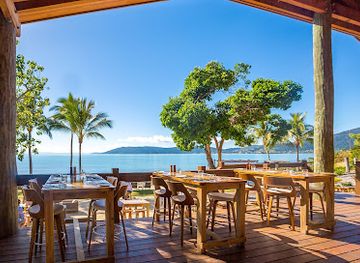
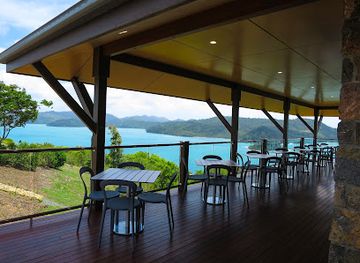
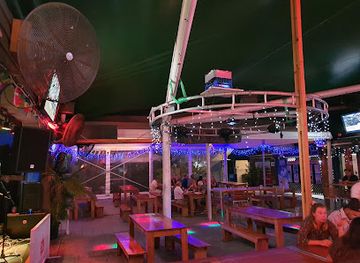
Evenings in the Whitsundays centre on relaxed waterfront socialising rather than a large, late-night club scene. Airlie Beach has the region's widest selection of pubs, bars, casual venues and live-music spaces, with activity concentrated around the main town and lagoon precinct. Visitors can find cocktails, Australian beer, wine and informal evening meals, while resort islands offer quieter lounges and bars overlooking beaches, marinas or gardens. Sunset cruises and sailing excursions provide a distinctly local alternative to land-based nightlife, using the passage and islands as the setting for an evening on the water. Some venues host live music or DJs, but the atmosphere varies with the season, weather and visitor numbers. Marine safety remains important: alcohol should never compromise instructions from skippers, and boat transfers after dark depend on organised services rather than casual travel between islands.
-
Grill
Northerlies Beach Bar & Grill - Airlie Beach
Experience the best of Airlie Beach at Northerlies Beach Bar & Grill, where fresh flavors meet stunning sea views in a tropical paradise.
51 min drive · 31 km from city centre
-
Bar
One Tree Hill
Experience breathtaking sunsets and refreshing cocktails at One Tree Hill, the ultimate bar destination on Hamilton Island.
18 min walk · 1.4 km from city centre
-
Pub
Marina Tavern
Experience the vibrant atmosphere of Marina Tavern, where delicious food, refreshing drinks, and stunning marina views create unforgettable moments on Hamilton Island.
16 min walk · 1.2 km from city centre
-
Pub
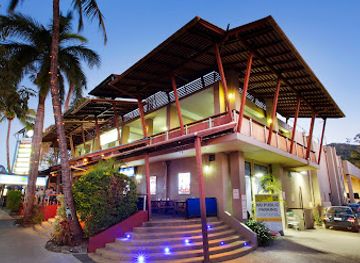
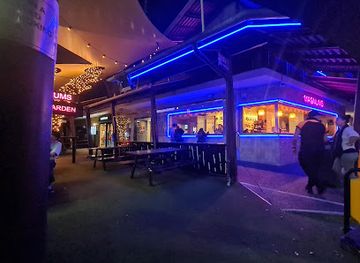
Magnums Hotel
Discover Magnums Hotel in Airlie Beach - a lively pub and event venue offering great drinks, entertainment, and a vibrant atmosphere.
47 min drive · 27 km from city centre
Best nightclubs in The Whitsundays
Evenings in the Whitsundays centre on relaxed waterfront socialising rather than a large, late-night club scene. Airlie Beach has the region's widest selection of pubs, bars, casual venues and live-music spaces, with activity concentrated around the main town and lagoon precinct. Visitors can find cocktails, Australian beer, wine and informal evening meals, while resort islands offer quieter lounges and bars overlooking beaches, marinas or gardens. Sunset cruises and sailing excursions provide a distinctly local alternative to land-based nightlife, using the passage and islands as the setting for an evening on the water. Some venues host live music or DJs, but the atmosphere varies with the season, weather and visitor numbers. Marine safety remains important: alcohol should never compromise instructions from skippers, and boat transfers after dark depend on organised services rather than casual travel between islands.
-
Bar
One Tree Hill
Experience breathtaking sunsets and crafted cocktails at One Tree Hill, Hamilton Island’s premier bar with stunning views of the Whitsunday Islands.
18 min walk · 1.4 km from city centre
-
Pub
Marina Tavern
Discover Marina Tavern, a vibrant pub in the Whitsundays offering stunning views, delicious food, and a lively atmosphere for all visitors.
16 min walk · 1.2 km from city centre
-
Pub
Magnums Hotel
Discover the lively Magnums Hotel, a premier pub and event venue in Airlie Beach, known for its vibrant nightlife, delicious food, and engaging events.
47 min drive · 27 km from city centre
-
Grill
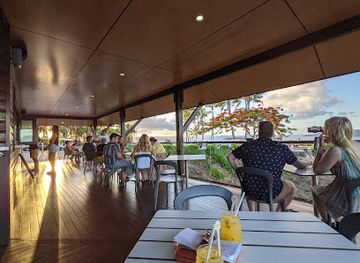
Beaches Bar & Grill
Experience the vibrant atmosphere and delicious cuisine at Beaches Bar & Grill in Airlie Beach, your perfect coastal retreat for food and live music.
47 min drive · 27 km from city centre
Best shops in The Whitsundays
Shopping in the Whitsundays is concentrated in Airlie Beach and the larger island resorts rather than in a traditional historic retail quarter. Airlie Beach has supermarkets, pharmacies, beachwear shops, dive and snorkelling retailers, galleries, souvenir stores and small independent businesses serving both residents and visitors. Local markets, when operating, provide stalls for crafts, artwork, clothing, prepared food and regional produce, though schedules can change with weather and season. Resort shopping on Hamilton Island and other developed islands focuses on holiday necessities, gifts, reef and sailing equipment, and Australian-made products. Useful purchases include sun protection, reusable water bottles, swimwear and light clothing, while locally themed art and marine-inspired crafts offer more distinctive souvenirs than mass-produced goods. Coral, shells, sand, wildlife products and protected natural material should never be removed from beaches or islands.
-
Shopping mall
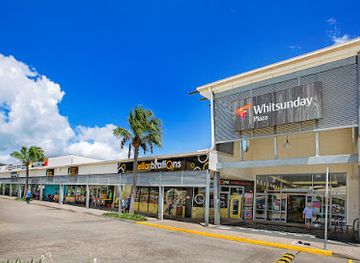
Whitsunday Plaza
Discover a shopping paradise at Whitsunday Plaza, featuring diverse shops, delightful dining, and vibrant community events in the heart of Cannonvale.
51 min drive · 31 km from city centre
-
Supermarket
Hamilton Island IGA
Hamilton Island IGA: Your one-stop supermarket for groceries, fresh produce, and local wines in the stunning Whitsundays.
11 min walk · 0.9 km from city centre
-
Shopping mall
Whitsunday Shopping Centre
Explore Whitsunday Shopping Centre for a perfect blend of shopping, dining, and community events in beautiful Cannonvale.
48 min drive · 28 km from city centre
-
Department store
BIG W Whitsunday
Explore BIG W Whitsunday for all your shopping needs in the heart of Cannonvale, Queensland, and enjoy a variety of products at competitive prices.
51 min drive · 31 km from city centre
Get your free copy of our complete guide to The Whitsundays, delivered straight to you.
Everything on this page, from attractions and restaurants to essentials and local phrases, in one PDF you can read offline, print or share.
Already have an account? Sign in
Your The Whitsundays guide is ready.
We'll send it to · Not you? Sign out

Getting your guide ready…
We are putting together a fresh copy of the The Whitsundays guide. This can take up to a minute.
This can take a few moments. If your browser asks, choose Allow so the download can start. You'll find the guide in your Downloads folder.
Nothing happened? Download it again
Sorry, the guide is taking longer than usual. Please try again in a minute, or get it by email instead.
The Whitsundays essentials
Currency and Payment
Safety
Emergency Situations
Do's and Don'ts
Local Tips
From Eve
Local phrases worth knowing
You don't need to get them perfect. A few words go a long way, and locals appreciate the effort.
Basics
| English | Local | Say it |
|---|---|---|
| Hello | G'day | [g'day] |
| Goodbye | Ta ta | [ta ta] |
| Yes | Yeah | [yeah] |
| No | Nah | [nah] |
| Please/You're welcome | No worries | [no worries] |
| Thank you | Cheers | [cheers] |
| Excuse me/Sorry | Sorry mate | [sorry mate] |
| How are you? | How ya goin'? | [how ya goin'] |
| Fine. And you? | Good. You? | [good. you?] |
| Do you speak English? | You speak English? | [you speak English?] |
| I don't understand | I'm lost mate | [I'm lost mate] |
Eating & Drinking
| English | Local | Say it |
|---|---|---|
| I'd like to see the menu, please | Can I have a look at the menu? | [can i have a look at the menu?] |
| I don't eat meat | I'm vego | [I'm vego] |
| Cheers! | Cheers! | [cheers!] |
| I would like to pay, please | Can I pay now, mate? | [can i pay now, mate?] |
Emergencies
| English | Local | Say it |
|---|---|---|
| Help! | Help! | [help!] |
| Go away! | Bugger off! | [bugger off!] |
| Call the Police! | Ring the cops! | [ring the cops!] |
| Call a doctor! | Get a doc! | [get a doc!] |
| I'm lost | I'm lost | [I'm lost] |
| I'm ill | I'm crook | [I'm crook] |
Shopping
| English | Local | Say it |
|---|---|---|
| I'd like to buy... | I wanna buy... | [i wanna buy...] |
| I'm just looking | Just browsing | [just browsing] |
| How much is it? | How much? | [how much?] |
| That's too expensive | Too pricey, mate | [too pricey, mate] |
| Can you lower the price? | Can you do it cheaper? | [can you do it cheaper?] |
Time & Numbers
| English | Local | Say it |
|---|---|---|
| What time is it? | What's the time? | [what's the time?] |
| It's one o'clock | It's one | [it's one] |
| Half past (10) | Half ten | [half ten] |
| Morning | Mornin' | [mornin'] |
| Afternoon | Arvo | [arvo] |
| Evening | Evenin' | [evenin'] |
| Yesterday | Yesty | [yesty] |
| Today | Today | [today] |
| Tomorrow | Tomorrer | [tomorrer] |
| 1 | One | [one] |
| 2 | Two | [two] |
| 3 | Three | [three] |
| 4 | Four | [four] |
| 5 | Five | [five] |
| 6 | Six | [six] |
| 7 | Seven | [seven] |
| 8 | Eight | [eight] |
| 9 | Nine | [nine] |
| 10 | Ten | [ten] |
Transport & Directions
| English | Local | Say it |
|---|---|---|
| Where's a/the...? | Where's the...? | [where's the...?] |
| What's the address? | What's the addy? | [what's the addy?] |
| Can you show me (on the map)? | Show me (on the map)? | [show me (on the map)?] |
| When's the next (bus)? | When's the next (bus)? | [when's the next (bus)?] |
| A ticket (to ....) | A ticket (to ....) | [a ticket (to ....)] |
History of The Whitsundays
Country of the Ngaro, Gia and Juru
The Whitsundays lie within the traditional lands and sea country of Aboriginal peoples including the Ngaro, Gia and Juru. The Ngaro are especially associated with the island group and the waters of the Whitsunday Passage, where generations developed detailed knowledge of tides, reefs, islands, plants and marine life. Archaeological evidence across the wider region records a long history of occupation, while rock shelters, shell middens and cultural places demonstrate that the islands were not an untouched wilderness before European arrival. Contemporary Traditional Owner organisations continue cultural, environmental and heritage work in the region, and visitors encounter this living connection through interpretation and guided experiences rather than through a purely colonial account of the islands.
Cook Charts the Whitsunday Passage
On 4 June 1770, during Lieutenant James Cook's voyage along Australia's eastern coast, HMS Endeavour entered the passage now known as the Whitsunday Passage. Cook named it after Whit Sunday, the Christian feast day on which he passed through the waters. His charts brought the archipelago into European navigational records, although they did not mark the beginning of the islands' history or establish European possession. The intricate channels, reefs and shoals later became important reference points for maritime mapping. Cook's naming survives in the modern regional identity, while the continuing use of Aboriginal place knowledge offers a broader understanding of the sea country he encountered.
Pastoral Expansion on the Mainland
In the nineteenth century, European settlement expanded around the mainland coast as pastoralism, timber-getting and maritime trade developed in Queensland. Proserpine and neighbouring coastal districts became associated with sugar production, which remains an important part of the Whitsunday hinterland's economic history. The islands themselves saw limited permanent settlement compared with the mainland, but their sheltered waters were used by vessels moving through the region. European expansion brought dispossession, violence and profound disruption to Aboriginal communities, as it did elsewhere in Queensland. The present landscape therefore reflects both an agricultural mainland history and an older Indigenous history that cannot be reduced to the era of tourism.
From Navigation to Tourism
The sheltered passages and attractive beaches gradually drew recreational sailors, anglers and holidaymakers, while improved roads, air links and marine services made the islands more accessible. Airlie Beach developed as the principal mainland gateway, and Hamilton Island became the largest purpose-built tourism centre in the archipelago. Resort development expanded from the late twentieth century, accompanied by marinas, charter operations and cruises to the outer Great Barrier Reef. Tourism created a new economic identity for the region, but it also increased the need to manage anchoring, waste, reef contact, marine traffic and pressure on fragile island environments.
Conservation and World Heritage
The Whitsundays form part of the Great Barrier Reef World Heritage Area, inscribed in 1981 for the reef system's exceptional ecological and geological significance. National parks and marine-park management protect many islands, beaches, forests and underwater habitats, although conservation remains an active task in the face of cyclones, coral bleaching, invasive species and visitor pressure. The region's modern identity is consequently shaped by both tourism and stewardship. Whitehaven Beach, Conway National Park and the surrounding reefs are not simply scenic backdrops; they are managed environments whose future depends on careful boating, low-impact recreation, scientific monitoring and recognition of Traditional Owner connections.
Travel experiences inspired by this city
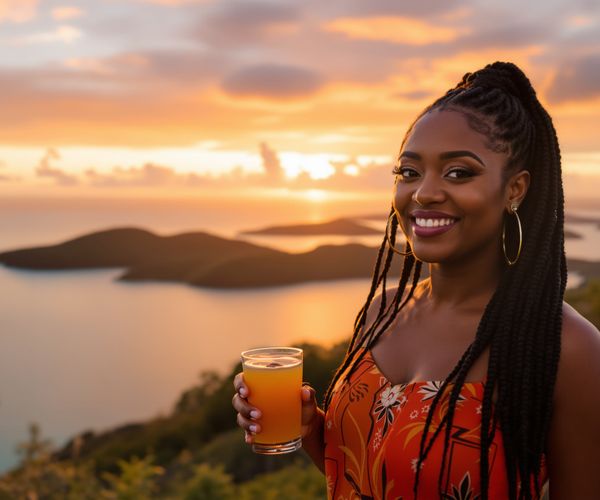

Swipe for more travel diaries
The Whitsundays in Photos
Browse through our photo collection highlighting the charm and character of the destination.
Cities near The Whitsundays
The closest cities to The Whitsundays, if you have time for more than one stop.
-

-

-

-

-


Swipe for more cities
Explore more

Explore more of Australia
Discover the diverse landscapes, vibrant cities, and unique wildlife of Australia, a captivating destination offering endless adventures and unforgettable experiences.
Explore Australia