
Northern Queensland, Australia Travel Guide
Northern Queensland: Dive into the Great Barrier Reef, explore the ancient Daintree Rainforest, and discover the scenic beauty of the Atherton Tablelands.
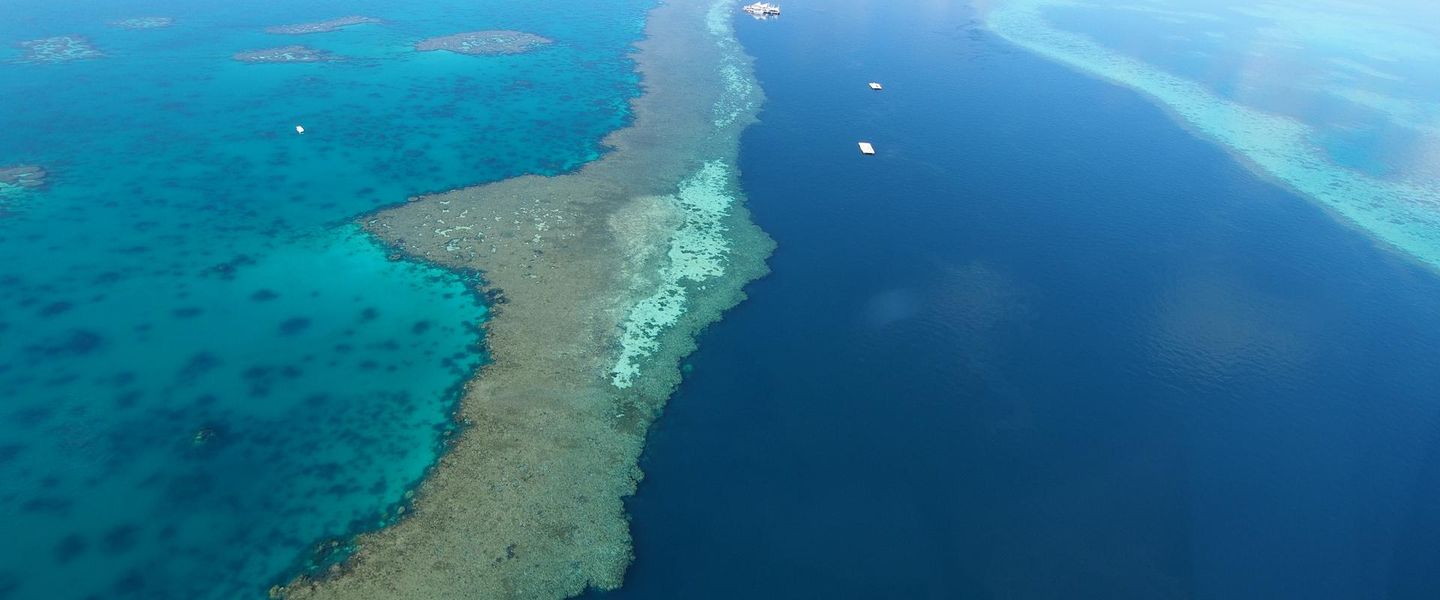
Northern Queensland is a treasure trove of natural beauty and cultural richness. This region is home to the Great Barrier Reef, one of the world's most famous natural wonders. Snorkeling and diving in these crystal-clear waters offer an unparalleled experience with vibrant marine life and stunning coral formations. The Daintree Rainforest, another jewel of Northern Queensland, is one of the oldest rainforests in the world. A visit here is like stepping back in time, with lush greenery, unique wildlife, and ancient plants. Guided tours provide insights into the ecosystem and the indigenous culture that has thrived here for thousands of years. The Atherton Tablelands offer a different kind of charm with their rolling hills, waterfalls, and quaint villages. This area is perfect for exploring by car, with plenty of stops for scenic views, local markets, and coffee plantations. Don't miss the chance to visit Kuranda, a picturesque village surrounded by rainforest, accessible by a scenic railway or a skyrail cableway. For those who love adventure, Northern Queensland doesn't disappoint. From white-water rafting on the Tully River to exploring the Outback's rugged terrain, there's no shortage of thrilling activities. And for a more relaxed pace, the coastal towns of Port Douglas and Cairns offer beautiful beaches, vibrant nightlife, and delicious seafood.

Know before you go
Hi, I'm Eve. Here are a few practical things to know before exploring Northern Queensland.
- Visit during the dry season (May to October) for the best weather and to avoid stinger season in the ocean.
- Book your Great Barrier Reef tours in advance, as they can fill up quickly, especially during peak season.
- Wear comfortable walking shoes and bring plenty of water when exploring the Daintree Rainforest.
- Rent a car to fully experience the Atherton Tablelands at your own pace.
- Check local markets in the Atherton Tablelands for fresh produce and unique handmade crafts.
Top City Travel Guides in Northern Queensland
The cities of Northern Queensland, and the easiest places to base yourself.

Destinations in Northern Queensland
Resorts, valleys and scenic spots worth a trip of their own.
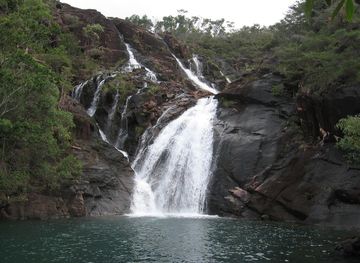
Explore Northern Queensland: Things to Do, Places to Eat, Hotels & More
Handpicked recommendations for top attractions, local dining, accommodations, and more

Top Attractions & Sightseeing in Northern Queensland
Top-rated picks
Best Attractions

Strand Park
Discover the beauty of Strand Park, a vibrant waterfront destination in Townsville, offering stunning views, lush greenery, and endless recreational activities.

Cedar Creek Falls
Experience the stunning beauty of Cedar Creek Falls in Queensland, a serene escape surrounded by nature and perfect for relaxation and adventure.
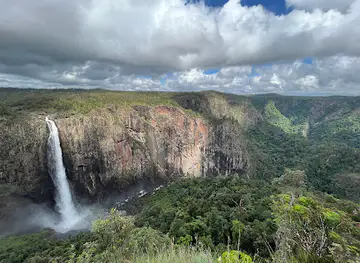
Wallaman Falls
Discover the breathtaking Wallaman Falls, the tallest waterfall in Australia, surrounded by lush rainforests and scenic hiking trails.

Magnetic Island National Park
Unveil the beauty of Magnetic Island National Park: a tropical paradise with stunning landscapes, diverse wildlife, and exciting adventures in Queensland.

Best landmarks in Northern Queensland
Top-rated picks
Best Landmarks
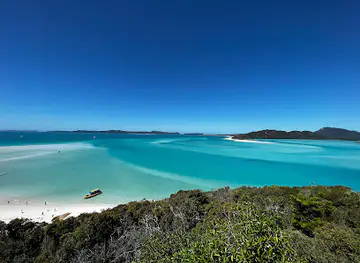
Great Barrier Reef Marine Park
Discover the Great Barrier Reef Marine Park: Australia's iconic underwater paradise filled with vibrant marine life and breathtaking coral reefs.
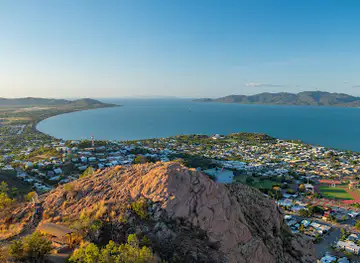
Castle Hill Lookout
Explore Castle Hill Lookout, a stunning vantage point in Townsville, offering breathtaking views, hiking trails, and unforgettable landscapes.
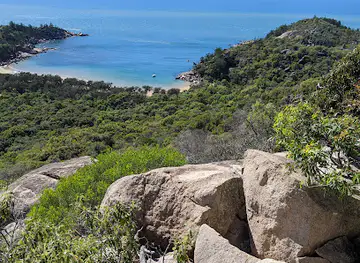
The Forts
Explore The Forts on Magnetic Island, where adventure meets history amidst breathtaking views and unique wildlife encounters.
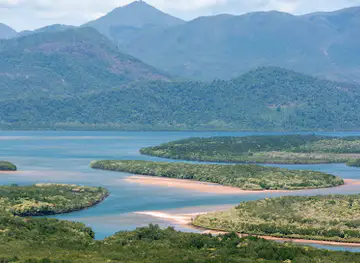
Hinchinbrook Lookout
Discover the breathtaking panoramas of Hinchinbrook Lookout, where stunning views meet the beauty of Queensland's coastline.

Best restaurants in Northern Queensland
Top-rated picks
Best Restaurants

The Watermark Townsville
Experience modern Australian cuisine with breathtaking ocean views at The Watermark Townsville - your ultimate dining destination on the Strand.

Northerlies Beach Bar & Grill - Airlie Beach
Experience coastal dining at its best at Northerlies Beach Bar & Grill in Airlie Beach – where great food meets stunning ocean views.

C Bar
Experience Modern Australian Cuisine at C Bar in Townsville - A Culinary Gem Perfect for Breakfast or Dinner.

Seaview Hotel
Experience exquisite dining at Seaview Hotel in Townsville - where stunning ocean views meet delicious grill specialties.

Best bars in Northern Queensland
Top-rated picks
Best Bars

Salt House
Experience the culinary delights of modern Australia at Salt House, a vibrant bar and restaurant with stunning waterfront views in Cairns.
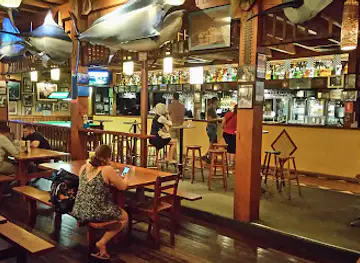
Cock & Bull
Discover Cock & Bull, a renowned pub and steakhouse in Cairns North, offering a delightful dining experience with local flavors and a friendly atmosphere.

Rattle n Hum Cairns
Experience the lively atmosphere and delicious grilled cuisine at Rattle n Hum Cairns, your perfect dining spot on the Esplanade.

Ellis Beach Bar & Grill
Savor delightful dishes and breathtaking views at Ellis Beach Bar & Grill, the ultimate beachside dining destination in Queensland.

Best nightclubs in Northern Queensland
Top-rated picks
Best Nightclubs

Hotel Hinchinbrook
Discover the authentic flavors of Australia at Hotel Hinchinbrook, where hearty meals and a warm atmosphere await in Ingham, Queensland.

Mama Africa Bar & Nightclub
Discover the electrifying nightlife at Mama Africa Bar & Nightclub, the ultimate destination for dancing and enjoying tropical cocktails in Airlie Beach.

FLNDRS Bar & Nightclub
Discover the vibrant nightlife of Townsville at FLNDRS Bar & Nightclub, where music and excitement come alive.

North Queensland Club
Discover the charm of North Queensland Club in Townsville, an elegant venue for relaxation and socializing with a touch of local culture.

Best shops in Northern Queensland
Top-rated picks
Best Shops

Cairns Central Shopping Centre
Discover Cairns Central Shopping Centre, a vibrant retail destination in the heart of Cairns, offering a blend of shopping, dining, and entertainment experiences.

Townsville Shopping Centre
Explore the vibrant Townsville Shopping Centre, where specialty shops and dining converge for an unforgettable shopping experience.

Willows Shopping Centre Townsville
Explore Willows Shopping Centre in Townsville for a diverse shopping experience, delightful dining options, and engaging community events.

Woolworths Ingham
Discover the convenience of Woolworths Ingham, your local supermarket for fresh produce and unique Australian products in Queensland.

Explore Northern Queensland on the Map
A handpicked selection of must-see spots in Northern Queensland, mapped for you.
Northern Queensland Essentials
-
Northern Queensland is accessible through several airports, with Cairns Airport (CNS) being the primary gateway for international and domestic flights. Townsville Airport (TSV) also serves domestic flights. From major Australian cities, you can fly directly to Cairns or Townsville. Additionally, long-distance buses and trains operate from Brisbane and other cities to Northern Queensland, providing scenic routes through the countryside.
-
Public transportation in Northern Queensland includes buses, taxis, and ride-sharing services like Uber. In Cairns and Townsville, local buses operate regularly. For exploring remote areas and natural attractions, renting a car is highly recommended. There are also organized tours and shuttle services that connect major tourist spots. Biking is a popular option for short distances, especially in the coastal towns.
-
The official currency is the Australian Dollar (AUD). Credit and debit cards are widely accepted in hotels, restaurants, and shops. ATMs are readily available in urban areas but can be scarce in remote regions, so it's wise to carry some cash. Mobile payment options like Apple Pay and Google Wallet are also accepted in many places.
-
Northern Queensland is generally safe for tourists. However, certain areas in Cairns and Townsville have higher crime rates, particularly at night. It's advisable to avoid isolated areas after dark and to keep your belongings secure. Be cautious of wildlife, especially in rural and coastal areas where encounters with crocodiles and jellyfish can occur. Always follow local safety guidelines.
-
In case of emergencies, dial 000 for police, fire, or medical assistance. Cairns and Townsville have well-equipped hospitals and medical facilities. Pharmacies are available for minor health issues. Ensure you have travel insurance that covers medical emergencies. For natural disasters like cyclones, follow local advisories and evacuation plans.
-
Fashion: Do wear lightweight, breathable clothing due to the tropical climate. Don't forget to pack sunscreen and a hat. Religion: Do respect indigenous cultures and traditions. Public Transport: Do have exact change for bus fares. Don't be loud or disruptive. Greetings: Do greet people with a friendly 'G'day' or 'Hello'. Eating & Drinking: Do try local seafood and tropical fruits. Don't litter, and always clean up after yourself.
-
To experience Northern Queensland like a local, visit the local markets where you can buy fresh produce and handmade crafts. Engage with locals to learn about indigenous culture and history. Don't miss out on the Great Barrier Reef and Daintree Rainforest. For a unique experience, take a scenic drive along the Captain Cook Highway, offering stunning coastal views.
When is the best time to visit Northern Queensland?
Useful Local Phrases for Northern Queensland
You don't need to speak the language perfectly. Even learning a few simple words can make conversations warmer—and locals usually appreciate the effort.
— Eve

Here are the phrases I use most often in Northern Queensland. Try a few—you'll be surprised how far they go! 😊
❤️
-
- HelloG'day
[g'day] - GoodbyeCatch ya later
[katch ya layta] - YesYeah
[yeh] - NoNah
[nah] - Please/You’re welcomeNo worries
[no wurries] - Thank youCheers
[cheers] - Excuse me/SorrySorry mate
[sorry mate] - How are you?How ya goin'?
[how ya goin'?] - Fine. And you?Good, you?
[good, you?] - Do you speak English?Do ya speak English?
[do ya speak English?] - I don't understandI don’t get it
[I don’t get it]
- HelloG'day
-
- I’d like to see the menu, pleaseCan I see the menu, please?
[can I see the menu, please?] - I don’t eat meatI’m a vego
[I’m a vego] - Cheers!Cheers!
[cheers] - I would like to pay, pleaseCan I get the bill, please?
[can I get the bill, please?]
- I’d like to see the menu, pleaseCan I see the menu, please?
-
- Help!Help!
[help] - Go away!Bugger off!
[bugger off] - Call the Police!Call the cops!
[call the cops] - Call a doctor!Get a doctor!
[get a doctor] - I’m lostI’m lost, mate
[I’m lost, mate] - I’m illI’m crook
[I’m crook]
- Help!Help!
-
- I’d like to buy...I wanna buy...
[I wanna buy...] - I’m just lookingJust browsing, thanks
[just browsing, thanks] - How much is it?How much for this?
[how much for this?] - That’s too expensiveThat’s a bit rich
[that’s a bit rich] - Can you lower the price?Can ya do a better price?
[can ya do a better price?]
- I’d like to buy...I wanna buy...
-
- What time is it?What’s the time?
[what’s the time?] - It’s one o’clockIt’s one o’clock
[it’s one o’clock] - Half past (10)Half past ten
[half past ten] - MorningMorning
[morning] - AfternoonArvo
[arvo] - EveningEvening
[evening] - YesterdayYesterday
[yesterday] - TodayToday
[today] - TomorrowTomorrow
[tomorrow] - 1One
[one] - 2Two
[two] - 3Three
[three] - 4Four
[four] - 5Five
[five] - 6Six
[six] - 7Seven
[seven] - 8Eight
[eight] - 9Nine
[nine] - 10Ten
[ten]
- What time is it?What’s the time?
-
- Where's a/the...?Where’s the ...?
[where’s the ...?] - What’s the address?What’s the address?
[what’s the address?] - Can you show me (on the map)?Can ya show me on the map?
[can ya show me on the map?] - When’s the next (bus)?When’s the next bus?
[when’s the next bus?] - A ticket (to ....)A ticket to ...
[a ticket to ...]
- Where's a/the...?Where’s the ...?
History of Northern Queensland
-
Northern Queensland is home to a rich tapestry of Indigenous cultures, including the Yidinji, Tjapukai, and Kuku Yalanji peoples. These Indigenous communities have lived in the region for thousands of years, developing unique customs, languages, and traditions. Their connection to the land is evident in the numerous rock art sites, ancient middens, and sacred places scattered across the area. The Indigenous peoples' deep understanding of the environment is reflected in their sustainable hunting and farming practices, as well as their rich oral histories and Dreamtime stories.
-
In 1770, British explorer Captain James Cook sailed up the eastern coast of Australia aboard the HMS Endeavour. During this voyage, he made several landings in Northern Queensland, most notably at what is now known as Cooktown. Cook's landing marked the first recorded European contact with the coastal Indigenous communities. The town of Cooktown was later named in his honor and serves as a reminder of this pivotal moment in Australian history.
-
The late 19th century saw Northern Queensland become a magnet for fortune seekers during the gold rush. The discovery of gold in areas such as the Palmer River in 1872 brought an influx of miners from around the world, including a significant number of Chinese immigrants. These goldfields played a crucial role in the development of the region, leading to the establishment of towns like Cooktown and Maytown. Although the gold rush eventually waned, its impact on the cultural and economic landscape of Northern Queensland remains evident.
-
During World War II, Northern Queensland found itself on the front lines of the Pacific Theater. The region hosted several key military installations, including airfields, supply depots, and training camps. Townsville, in particular, became a crucial base for Allied forces. The presence of Australian and American troops left a lasting influence on the area, with many wartime structures and relics still visible today. The war also had a significant impact on the local communities, as they supported the war effort through various means.
-
The Great Barrier Reef, located off the coast of Northern Queensland, is one of the world's most renowned natural wonders. This UNESCO World Heritage site has been home to Indigenous Australians for thousands of years, who have a deep spiritual connection to the reef. European exploration and scientific study of the reef began in earnest with Captain Cook's voyage and continued through the 19th and 20th centuries. Today, the Great Barrier Reef is a major tourist attraction and an important focus of marine conservation efforts, highlighting the region's unique natural heritage.
-
Northern Queensland's warm climate and fertile soil have made it an ideal location for sugar cane cultivation. The sugar industry has been a cornerstone of the region's economy since the late 19th century, with towns like Cairns, Innisfail, and Mackay becoming key centers for sugar production. The industry has also influenced the cultural landscape, with a diverse workforce that includes descendants of South Sea Islanders, who were brought to the region as laborers. The legacy of the sugar industry is still evident in the region's agricultural practices and local festivals.
Neighbouring Regions of Northern Queensland
The closest regions to Northern Queensland, if you have time for more than one.



Your all‑in‑one travel companion app
Explore expert travel guides, compare and book tours, experiences, hotels, and more—all from the palm of your hand. Download now for seamless trip planning wherever your wanderlust takes you.


Explore More of Australia

Looking beyond Northern Queensland? Discover Australia for broader travel guides, local hot-spots, and regional highlights.
Explore AustraliaNorthern Queensland in Photos
Browse through our photo collection highlighting the charm and character of the destination.


Discover the Wonders of Northern Queensland
Northern Queensland is a treasure trove of natural beauty and cultural richness. This region is home to the Great Barrier Reef, one of the world's most famous natural wonders. Snorkeling and diving in these crystal-clear waters offer an unparalleled experience with vibrant marine life and stunning coral formations. The Daintree Rainforest, another jewel of Northern Queensland, is one of the oldest rainforests in the world. A visit here is like stepping back in time, with lush greenery, unique wildlife, and ancient plants. Guided tours provide insights into the ecosystem and the indigenous culture that has thrived here for thousands of years. The Atherton Tablelands offer a different kind of charm with their rolling hills, waterfalls, and quaint villages. This area is perfect for exploring by car, with plenty of stops for scenic views, local markets, and coffee plantations. Don't miss the chance to visit Kuranda, a picturesque village surrounded by rainforest, accessible by a scenic railway or a skyrail cableway. For those who love adventure, Northern Queensland doesn't disappoint. From white-water rafting on the Tully River to exploring the Outback's rugged terrain, there's no shortage of thrilling activities. And for a more relaxed pace, the coastal towns of Port Douglas and Cairns offer beautiful beaches, vibrant nightlife, and delicious seafood.