

Free Central Highlands Travel Guide & Mobile App
Explore Central Highlands with free travel guides. Discover regional history, expert tips, proposed trips, and audio guides on web or mobile app.


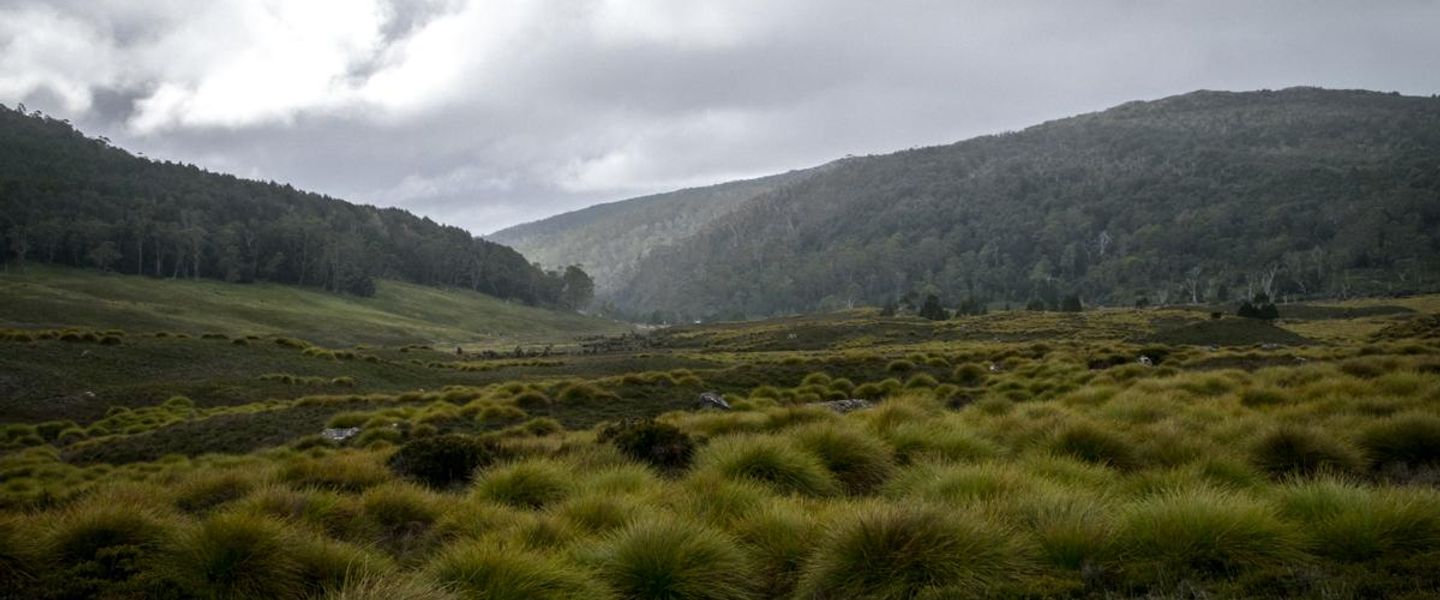


Explore Central Highlands for Carnarvon Gorge walks, sapphire gemfields, sandstone plateaux, rural towns and Queensland’s broad inland scenery.
Read more about Central Highlands
When is the best time to visit Central Highlands?
Best: April, September–October · 23–25°C| Month | High (°C) | Rainfall (mm) |
|---|---|---|
| January | 30 | 110 |
| February | 30 | 100 |
| March | 28 | 90 |
| April (best) | 25 | 70 |
| May | 21 | 56 |
| June | 18 | 46 |
| July | 18 | 40 |
| August | 19 | 43 |
| September (best) | 23 | 50 |
| October (best) | 25 | 61 |
| November | 28 | 70 |
| December | 29 | 85 |
Getting to and around Central Highlands
How to get there
Transportation
Best attractions in Central Highlands
Central Highlands attractions are defined by scale, geology and the contrast between working inland country and protected landscapes. Carnarvon Gorge is the region’s best-known walking destination, with a long gorge track leading to shaded side gorges, waterholes and Aboriginal rock-art sites; it rewards a full day or longer rather than a brief stop. Blackdown Tableland National Park offers lookouts, forest walks and sandstone scenery above the surrounding plains, while Minerva Hills National Park near Springsure provides volcanic landforms and expansive rural views. Around Emerald, Lake Maraboon supports fishing, boating and lakeside recreation, subject to local conditions and regulations. The Sapphire Gemfields, including Rubyvale, Sapphire and Anakie, provide opportunities to learn about prospecting and try fossicking in designated locations. Blackwater’s mining heritage adds an industrial dimension, while smaller museums, galleries and regional collections explain agriculture, railways, gemstones and coal. Wildlife watching, birding, camping, scenic driving and short bushwalks are central to the experience, but distances and weather mean that visitors should select a manageable group of attractions rather than attempt the whole region in a single day.
-
Tourist attraction
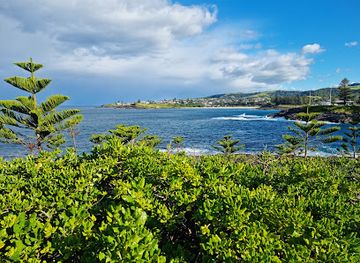
Kiama Lighthouse
Guiding ships since 1887, Kiama Lighthouse offers stunning views and a glimpse into the region's rich maritime history on the NSW South Coast.
-
Tourist attraction
Sri Venkateswara Temple Helensburgh Limited NSW Australia
Explore the spiritual serenity of Sri Venkateswara Temple in Helensburgh, where stunning architecture meets rich cultural traditions.
-
Tourist attraction
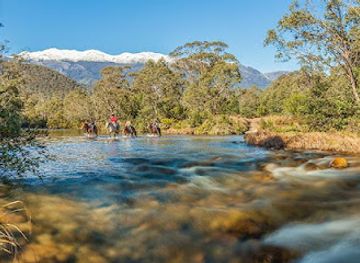
Kosciuszko National Park
Explore the breathtaking landscapes and diverse wildlife of Kosciuszko National Park, Australia's majestic alpine playground.
-
Tourist attraction
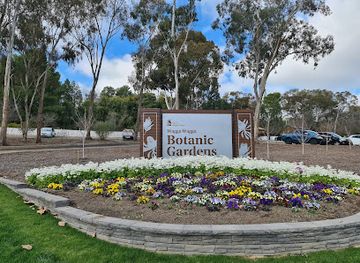
City of Wagga Wagga Botanic Gardens
Experience the vibrant beauty and tranquility of the City of Wagga Wagga Botanic Gardens, a captivating destination for nature lovers in New South Wales.

Best landmarks in Central Highlands
Carnarvon Gorge is Central Highlands’ most recognisable natural landmark, its sheer sandstone walls and narrow side gorges creating a dramatic corridor through the surrounding woodland. The gorge’s Aboriginal rock-art places give the landscape cultural significance as well as geological interest. Blackdown Tableland forms another major regional landmark: its elevated sandstone plateau, escarpments and broad views mark a clear transition between the high country and the plains below. Lake Maraboon and Fairbairn Dam are prominent features near Emerald, representing the importance of water infrastructure to the district’s irrigated agriculture and recreation. The Sapphire Gemfields around Rubyvale, Sapphire and Anakie have a more human-scale identity, with prospecting landscapes, shafts and settlements shaped by gemstone mining. Near Springsure, the hills of Minerva Hills rise above a historic pastoral district and provide distinctive views across fields and ranges. Together these places express the region’s main visual themes: ancient sandstone, inland water, volcanic country, open agricultural land and the physical traces of mining.
-
Visitor center
Fitzroy Falls Visitor Centre
Experience breathtaking views and rich biodiversity at the Fitzroy Falls Visitor Centre, your gateway to the Southern Highlands' natural wonders.
-
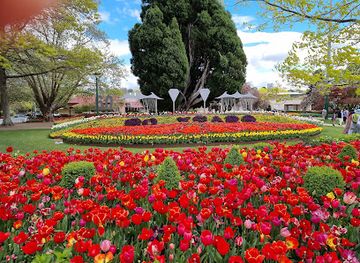
Garden
Corbett Gardens
Discover the enchanting beauty of Corbett Gardens in Bowral, a floral paradise perfect for picnics, leisurely strolls, and seasonal festivals.
-
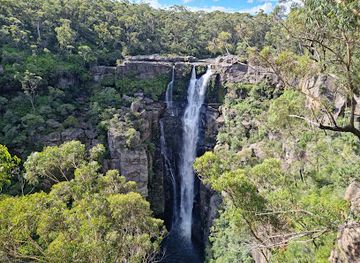
Scenic spot
Carrington Falls
Experience the enchanting beauty of Carrington Falls in New South Wales, a serene haven of nature perfect for picnics, photography, and outdoor adventures.
-
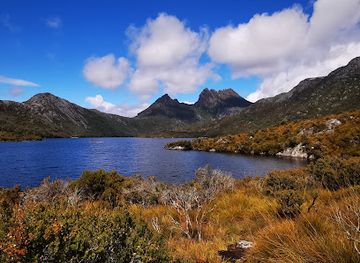
National park
Cradle Mountain-Lake St Clair National Park
Discover the breathtaking beauty and diverse wildlife of Cradle Mountain-Lake St Clair National Park, Tasmania's adventure wonderland.

Explore Central Highlands on the map
Plan your trip on one map. See where the top cities, national parks and sights are, and book hotels and experiences in a few clicks.
Best hotels in Central Highlands
Best restaurants in Central Highlands
Dining in Central Highlands reflects Queensland country life, farming and long-distance travel. Emerald has the broadest choice of cafés, takeaway outlets, pubs and restaurants, with menus commonly centred on familiar Australian produce and practical meals for residents, workers and travellers. Smaller towns and gemfield settlements tend to offer a more limited selection, often focused on cafés, bakeries, hotel dining and casual food. Regional agricultural production adds fresh fruit, vegetables, grains and locally raised meat to the wider food economy, while lake and bush settings encourage picnics and self-catering. Farmers’ markets and seasonal produce sales may provide a more direct connection with local growers, although schedules vary. In remote areas, shop and kitchen hours can be limited, so carrying provisions is sensible. The culinary identity is less about a single defining dish than about generous country portions, straightforward hospitality and the practical food traditions of mining, farming and road travel.
-
Restaurant
Eschalot Restaurant
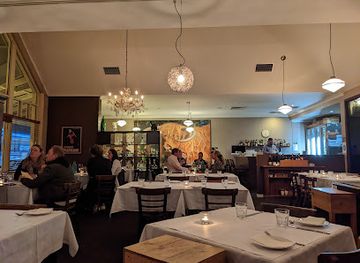
Experience fine dining at Eschalot Restaurant in Berrima - where local flavors meet exquisite culinary artistry.
-
Restaurant
Harry’s on Green Lane Bowral
Discover Harry’s on Green Lane in Bowral: A delightful fusion of café charm and fine dining with an exceptional wine selection.
-
Restaurant
Scottish Arms Hotel
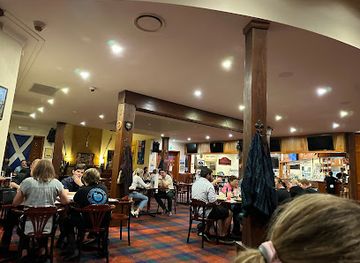
Discover the essence of Australian pub culture at Scottish Arms Hotel in Bowral – where tradition meets contemporary cuisine.
-
Italian
Onesta Cucina
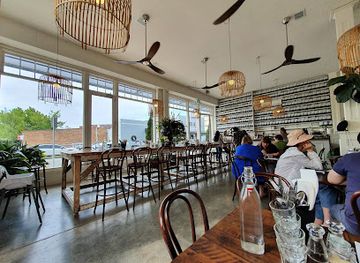
Discover authentic Italian cuisine at Onesta Cucina in Bowral - where every meal tells a story.
Best bars in Central Highlands
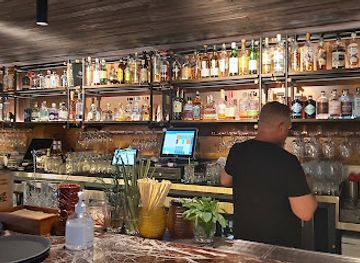
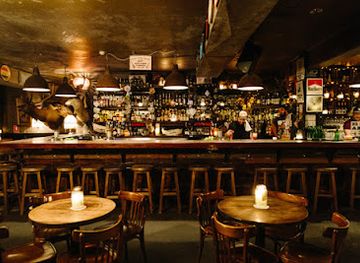
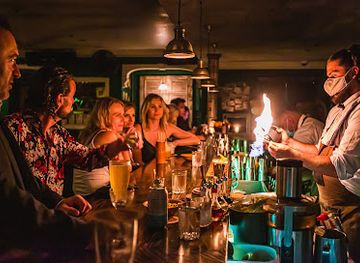
Central Highlands nightlife is modest and town-based rather than club-oriented. In Emerald, evening options include hotel bars, pubs, casual restaurants and occasional live entertainment, while Blackwater, Springsure and the gemfield settlements generally rely on local pubs, clubs and small dining venues. These are places for a meal, conversation and community events more often than late-night dancing. Visitors staying near Carnarvon Gorge or Blackdown Tableland should expect dark skies and quiet evenings, with entertainment centred on camping, stargazing and listening to the landscape rather than organised nightlife. Some accommodation venues may provide licensed dining, but opening arrangements vary and should be checked locally. Drink-driving distances are substantial, so plan transport carefully and never drive after drinking. The region’s breweries, bars or seasonal events should be treated as supplementary experiences rather than a guaranteed part of every itinerary.
-
Cocktail bar
Stitch Bar
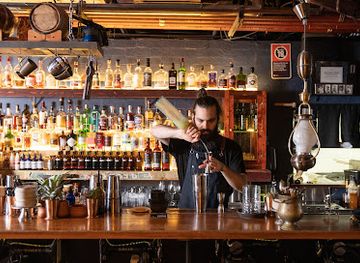
Experience the best of Sydney nightlife at Stitch Bar, where delicious cocktails and American diner favorites come together in a vibrant setting.
-
Bar
The Rook
Discover The Rook, Sydney's premier rooftop bar and restaurant, where stunning views meet delicious food and crafted cocktails for an unforgettable experience.
-
Bar
Shady Pines Saloon
Experience the unique blend of vintage charm and modern mixology at Shady Pines Saloon, a must-visit bar in Darlinghurst for every traveler.
-
Bar
The Lobo
Experience the vibrant atmosphere and creative cocktails at The Lobo, Sydney's hidden gem for nightlife enthusiasts.
Best nightclubs in Central Highlands
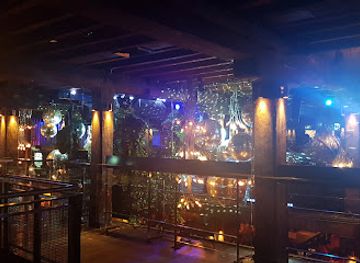
Central Highlands nightlife is modest and town-based rather than club-oriented. In Emerald, evening options include hotel bars, pubs, casual restaurants and occasional live entertainment, while Blackwater, Springsure and the gemfield settlements generally rely on local pubs, clubs and small dining venues. These are places for a meal, conversation and community events more often than late-night dancing. Visitors staying near Carnarvon Gorge or Blackdown Tableland should expect dark skies and quiet evenings, with entertainment centred on camping, stargazing and listening to the landscape rather than organised nightlife. Some accommodation venues may provide licensed dining, but opening arrangements vary and should be checked locally. Drink-driving distances are substantial, so plan transport carefully and never drive after drinking. The region’s breweries, bars or seasonal events should be treated as supplementary experiences rather than a guaranteed part of every itinerary.
-
Night club
The Argyle
Experience the best of Sydney's nightlife at The Argyle, a vibrant night club offering cocktails, live music, and delicious dining in The Rocks.
-
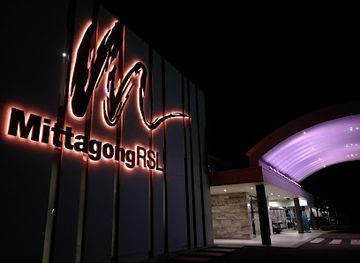
RSL Club
Mittagong RSL Club
Discover the vibrant atmosphere of Mittagong RSL Club, where great food, drinks, and family-friendly fun await in the heart of the Southern Highlands.
-
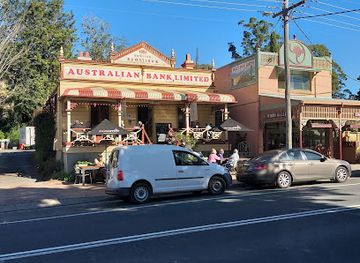
Pub
The Friendly Inn Hotel
Discover the vibrant atmosphere of The Friendly Inn Hotel in Kangaroo Valley, where delicious food, live music, and community spirit come together.
-
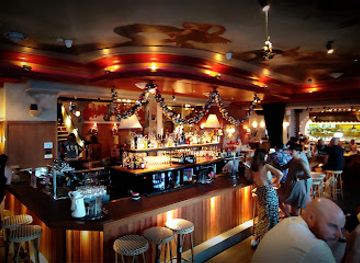
Night club
The Imperial Erskineville
Discover the lively atmosphere of The Imperial Erskineville, a vibrant night club and bar that celebrates Sydney's LGBTQ+ culture with unforgettable events and culinary delights.
Best shops in Central Highlands
Shopping in Central Highlands is practical, locally focused and closely linked to regional industries. Emerald is the main retail centre, with supermarkets, everyday services, independent shops, cafés and outlets serving surrounding rural communities. Smaller towns provide essential supplies rather than extensive browsing, while the Sapphire Gemfields offer the region’s most distinctive specialist shopping. Rubyvale, Sapphire and Anakie have gem shops and businesses selling cut and rough stones, jewellery and fossicking-related items; ask about provenance, treatment and certificates when buying valuable stones. Local produce, preserves, baked goods and seasonal agricultural products may appear through farm shops or markets, although availability changes. Regional galleries and craft outlets can provide locally made gifts, while mining and pastoral themes inform some souvenirs. Visitors should stock up on food, fuel and outdoor supplies before heading into remote districts, where retail choice is limited and distances between services are considerable.
-
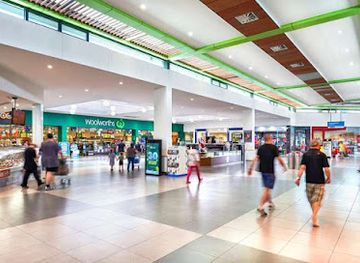
Shopping mall
Highlands Shopping Centre
Explore the Highlands Shopping Centre in Craigieburn, where shopping, dining, and entertainment come together for an unforgettable experience.
-
Shopping mall
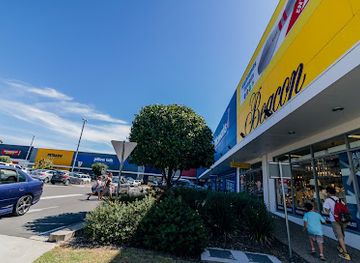
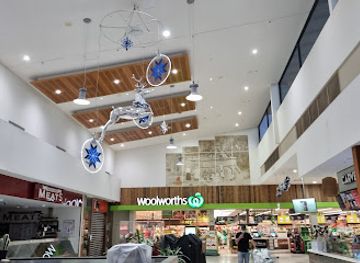
Central Highlands Marketplace
Explore the vibrant Central Highlands Marketplace in Emerald, QLD, where shopping, dining, and local culture come together in a delightful experience.
-
Shopping mall
Highlands Hub
Explore the Highlands Hub in Mittagong: Your ultimate shopping outlet destination with diverse brands and entertainment options.
-
Shopping mall
Highlands Marketplace
Experience the charm of Highlands Marketplace, a vibrant shopping hub in Mittagong with diverse shops, delightful food, and local culture.

Get your free copy of our complete guide to Central Highlands, delivered straight to you.
Everything on this page, from attractions and restaurants to essentials and local phrases, in one PDF you can read offline, print or share.
Already have an account? Sign in
Your Central Highlands guide is ready.
We'll send it to · Not you? Sign out

Getting your guide ready…
We are putting together a fresh copy of the Central Highlands guide. This can take up to a minute.
This can take a few moments. If your browser asks, choose Allow so the download can start. You'll find the guide in your Downloads folder.
Nothing happened? Download it again
Sorry, the guide is taking longer than usual. Please try again in a minute, or get it by email instead.
Central Highlands essentials
Currency and Payment
Safety
Emergency Situations
Do's and Don'ts
Local Tips
From Eve
Local phrases worth knowing
You don't need to get them perfect. A few words go a long way, and locals appreciate the effort.
Basics
| English | Local | Say it |
|---|---|---|
| Hello | G'day | [guh-day] |
| Goodbye | See ya | [see yah] |
| Yes | Yeah | [yeh] |
| No | Nah | [nah] |
| Please/You’re welcome | No worries | [no wuh-riz] |
| Thank you | Cheers | [cheers] |
| Excuse me/Sorry | Sorry mate | [saw-ree mate] |
| How are you? | How ya going? | [how yah going] |
| Fine. And you? | Good. And you? | [good. and you?] |
| Do you speak English? | Do ya speak English? | [do yah speak English] |
| I don't understand | I don't get it | [I don't get it] |
Eating & Drinking
| English | Local | Say it |
|---|---|---|
| I’d like to see the menu, please | Can I see the menu, please? | [can I see the menu, please?] |
| I don't eat meat | I’m a veggie | [I'm a veggie] |
| Cheers! | Cheers! | [cheers] |
| I would like to pay, please | Can I get the bill, please? | [can I get the bill, please?] |
Emergencies
| English | Local | Say it |
|---|---|---|
| Help! | Help! | [help] |
| Go away! | Leave me alone! | [leave me alone] |
| Call the Police! | Call the coppers! | [call the coppers] |
| Call a doctor! | Get a doc! | [get a doc] |
| I’m lost | I’m a bit lost | [I'm a bit lost] |
| I’m ill | I’m feeling crook | [I'm feeling crook] |
Shopping
| English | Local | Say it |
|---|---|---|
| I’d like to buy... | I wanna buy... | [I wanna buy...] |
| I’m just looking | Just looking, thanks | [just looking, thanks] |
| How much is it? | How much? | [how much?] |
| That’s too expensive | That’s a bit pricey | [that’s a bit pricey] |
| Can you lower the price? | Can ya drop the price? | [can yah drop the price?] |
Time & Numbers
| English | Local | Say it |
|---|---|---|
| What time is it? | What’s the time? | [what’s the time?] |
| It’s one o’clock | It’s one o’clock | [it’s one o'clock] |
| Half past (10) | Half past ten | [half past ten] |
| Morning | Morning | [morning] |
| Afternoon | Arvo | [arvo] |
| Evening | Evening | [evening] |
| Yesterday | Yesterday | [yesterday] |
| Today | Today | [today] |
| Tomorrow | Tomorrow | [tomorrow] |
| 1 | One | [one] |
| 2 | Two | [two] |
| 3 | Three | [three] |
| 4 | Four | [four] |
| 5 | Five | [five] |
| 6 | Six | [six] |
| 7 | Seven | [seven] |
| 8 | Eight | [eight] |
| 9 | Nine | [nine] |
| 10 | Ten | [ten] |
Transport & Directions
| English | Local | Say it |
|---|---|---|
| Where's a/the...? | Where’s the nearest...? | [where’s the nearest...?] |
| What’s the address? | What’s the address? | [what’s the address?] |
| Can you show me (on the map)? | Can ya show me on the map? | [can yah show me on the map?] |
| When's the next (bus)? | When’s the next bus? | [when’s the next bus?] |
| A ticket (to ....) | A ticket to... | [a ticket to...] |
History of Central Highlands
Aboriginal custodianship and rock-art heritage
Central Highlands lies across the traditional lands of several Aboriginal peoples, including the Gangalu, Wangan and Jagalingou, and Bidjara peoples, with custodial boundaries varying across the region. Their relationships with waterways, woodland, grassland and sandstone country extend over many thousands of years. Carnarvon Gorge contains significant Aboriginal cultural places, including stencil and engraved rock art, while other landscapes retain stories and knowledge that are not always publicly recorded. Visitors should treat rock shelters, art sites and natural places respectfully and follow park guidance about photography, access and protection.
Pastoral expansion in the nineteenth century
European pastoral expansion into Central Queensland accelerated during the nineteenth century, bringing sheep and cattle stations into landscapes already managed and travelled by Aboriginal communities. Grazing shaped settlement patterns, roads and later regional boundaries, while contact brought profound disruption, violence, displacement and disease to Aboriginal peoples. Springsure and surrounding districts became important pastoral areas, and the survival of station buildings, cemeteries and rural landscapes helps explain the region’s colonial history. The pastoral economy remains part of Central Highlands identity, although agriculture and mining now share its economic importance.
Railways and the rise of Emerald
The railway was decisive in transforming Central Highlands from a mainly pastoral frontier into a connected inland region. Emerald was established in the late nineteenth century and became an important railway and commercial centre as lines extended through Central Queensland. Rail transport linked farms, mines and settlements with coastal ports and larger markets, encouraging the growth of towns and services. Today, railway heritage remains visible in the region’s transport history, while Emerald continues to function as the principal administrative and shopping centre for a wide rural area.
The sapphire fields
Sapphires were discovered in the Central Queensland gemfields during the late nineteenth century, and prospecting became a defining influence around Anakie, Sapphire and Rubyvale. The fields attracted individual fossickers, small mining ventures and dealers, creating a culture distinct from the region’s larger agricultural and pastoral industries. Gem mining has fluctuated over time, but the character of the settlements still reflects this history through fossicking grounds, gem shops, mining stories and displays. Visitors should remember that access and digging rules vary between public and private land.
Coal mining and industrial transformation
Large-scale coal mining became increasingly important in the Central Highlands during the twentieth century, particularly around Blackwater, Bluff and the Bowen Basin coalfields. Open-cut mines, rail infrastructure and associated services reshaped employment, settlement and the regional economy. Coal trains remain a familiar presence, carrying production towards export facilities on the Queensland coast. Mining has also brought environmental and social debates, including questions about land use, water and the long-term future of communities that developed around the industry.
Agricultural development and irrigation
Central Highlands agriculture expanded through improved transport, irrigation and changing farming technology. The Nogoa River system and Lake Maraboon, created by Fairbairn Dam in the 1970s, support irrigation and help underpin production in the Emerald district. Cropping, cotton, horticulture and grazing operate alongside mining, making the region’s economy more diverse than its coal profile alone suggests. The irrigated landscape around Emerald contrasts with drier grazing country elsewhere and demonstrates how water infrastructure has altered both the appearance and productivity of the inland plains.
National parks and heritage conservation
The protection of places such as Carnarvon Gorge, Blackdown Tableland and Minerva Hills reflects a modern shift towards conserving Central Highlands’ geological, ecological and cultural heritage. These parks protect sandstone formations, forests, creek systems, wildlife habitat and Aboriginal cultural sites while providing carefully managed opportunities for walking and camping. Conservation has not erased the region’s working landscape: national parks sit beside grazing properties, farms, roads and mines. Their importance lies in preserving representative parts of the highlands and ranges for future generations.
Central Highlands in Photos
Browse through our photo collection highlighting the charm and character of the destination.
Neighbouring regions of Central Highlands
The closest regions to Central Highlands, if you have time for more than one.
-

-

-

-

-


Swipe for more regions
Explore more

Explore more of Australia
Discover the diverse landscapes, vibrant cities, and unique wildlife of Australia, a captivating destination offering endless adventures and unforgettable experiences.
Explore Australia