

Far North Queensland, Australia Travel Guide
Explore Far North Queensland: Home to the Great Barrier Reef, Daintree Rainforest, and vibrant coastal towns like Cairns and Port Douglas.
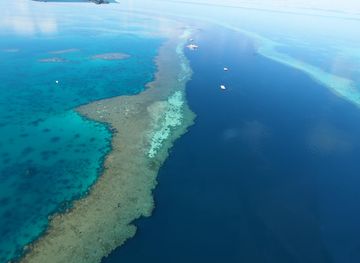
Far North Queensland, located in Australia, is a paradise for nature lovers and adventure seekers. This stunning region is home to the Great Barrier Reef, the world's largest coral reef system. Snorkeling and diving here offer an unforgettable experience, allowing you to witness an underwater world teeming with colorful marine life. The Daintree Rainforest, another gem of Far North Queensland, is one of the oldest rainforests in the world. A visit here will transport you to a lush, green wonderland where you can explore walking trails, spot exotic wildlife, and learn about the unique flora and fauna. The rainforest meets the reef at Cape Tribulation, a perfect spot for those who want to experience both natural wonders in one day. Cairns, the gateway to Far North Queensland, is a vibrant city with a relaxed atmosphere. It offers a variety of attractions, from the Cairns Esplanade and Lagoon to the bustling night markets. Don't miss the chance to take a scenic railway or a skyrail to Kuranda, a charming village nestled in the rainforest mountains. Port Douglas, a short drive north of Cairns, is a chic coastal town known for its beautiful Four Mile Beach and upscale resorts. It's also the closest mainland point to the Great Barrier Reef, making it an ideal base for reef excursions. With its blend of natural beauty, cultural experiences, and adventure activities, Far North Queensland promises an unforgettable holiday experience.

Know before you go
Hi, I'm Eve. Here are a few practical things to know before exploring Far North Queensland.
- Book reef tours in advance, especially during peak season, to ensure availability.
- Visit the Daintree Rainforest early in the morning for the best chance to see wildlife.
- Wear reef-safe sunscreen to protect the coral and marine life.
- Take a guided night walk in the rainforest to experience its nocturnal wonders.
- Use insect repellent when exploring the rainforest to avoid mosquito bites.
- Try local delicacies like barramundi and tropical fruits at Cairns' night markets.
- Rent a car for flexibility and ease of travel between attractions.
Top City Travel Guides in Far North Queensland
The cities of Far North Queensland, and the easiest places to base yourself.

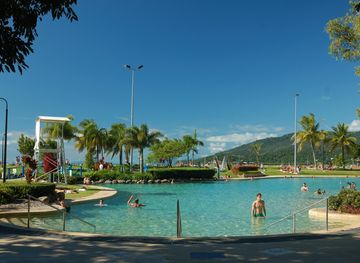

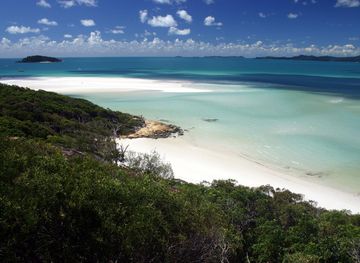
Destinations in Far North Queensland
Resorts, valleys and scenic spots worth a trip of their own.

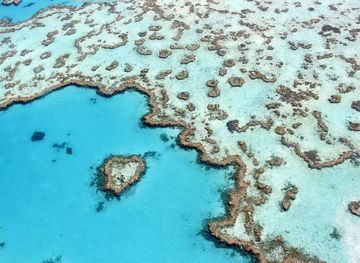
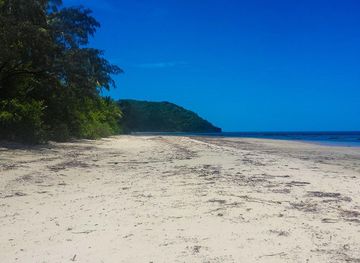
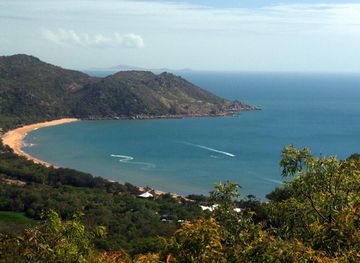
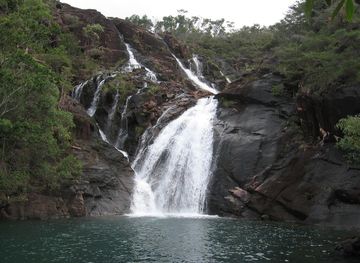
Explore Far North Queensland: Things to Do, Places to Eat, Hotels & More
Handpicked recommendations for top attractions, local dining, accommodations, and more

Top Attractions & Sightseeing in Far North Queensland
Top-rated picks
Best Attractions

Skyrail Rainforest Cableway
Experience breathtaking vistas and an immersive journey through the ancient Daintree Rainforest with the Skyrail Rainforest Cableway in Queensland.

Hartley's Crocodile Adventures
Explore the wild side of Queensland at Hartley's Crocodile Adventures, home to thrilling crocodile shows and diverse Australian wildlife encounters.
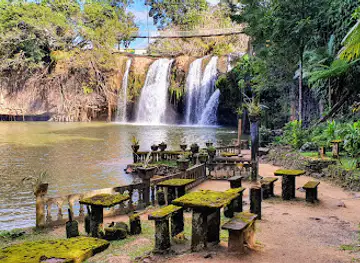
Paronella Park
Discover a magical Spanish castle in the heart of the Australian rainforest. Explore ruins, waterfalls, and lush gardens at Paronella Park.

Barron Falls
Explore the breathtaking Barron Falls in Queensland, a UNESCO World Heritage site featuring stunning waterfalls and lush rainforest trails.

Best landmarks in Far North Queensland
Top-rated picks
Best Landmarks

Mount Coot-Tha Summit Lookout
Discover the stunning beauty of Brisbane from Mount Coot-Tha Summit Lookout, the perfect spot for breathtaking views and nature trails.

Skyrail Rainforest Cableway
Discover the breathtaking Skyrail Rainforest Cableway, a scenic journey above the lush, ancient rainforests of Queensland, Australia.

Hartley's Crocodile Adventures
Immerse yourself in the wild wonders of Hartley's Crocodile Adventures, where unforgettable wildlife encounters await in Queensland's lush landscape.

Paronella Park
Explore the stunning Paronella Park, a perfect blend of natural beauty and historical charm in Queensland's lush landscape.

Best restaurants in Far North Queensland
Top-rated picks
Best Restaurants

Daintree Ice Cream Company
Experience tropical flavors in a stunning rainforest setting at Daintree Ice Cream Company—where every scoop tells a story.

Turtle Rock Cafe
Savor fresh, rainforest-fresh meals and Allpress coffee on a tropical deck in Cape Tribulation, where ancient Daintree meets the Great Barrier Reef—just steps from the beach.

Osprey's Restaurant Port Douglas
Experience exquisite dining at Osprey's Restaurant in Port Douglas - where local flavors meet stunning ocean views.
Daintree Ecolodge
Experience unparalleled luxury and nature at Daintree Ecolodge – your gateway to Australia's ancient rainforest.

Best bars in Far North Queensland
Top-rated picks
Best Bars
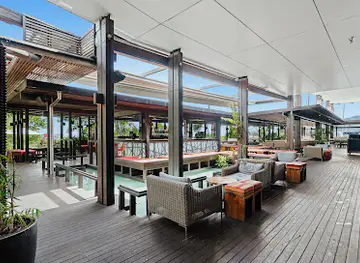
Salt House
Discover the vibrant Salt House in Cairns - a stunning bar and modern Australian restaurant with breathtaking waterfront views and a lively atmosphere.
Cock & Bull
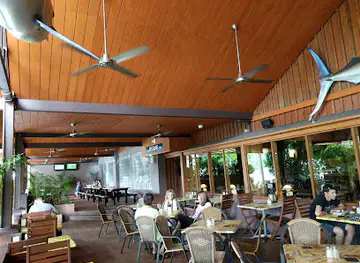
Discover Cock & Bull, Cairns' favorite pub and steakhouse, offering delicious meals and a lively atmosphere perfect for tourists.

Rattle n Hum Cairns
Experience the vibrant atmosphere of Rattle n Hum Cairns, where delicious grill cuisine meets a lively pub ambiance, perfect for tourists and locals alike.

P.J.O'Brien's Irish Pub
Discover the vibrant spirit of Ireland at P.J.O'Brien's Irish Pub in Cairns, where live music, hearty food, and a lively atmosphere await you.

Best nightclubs in Far North Queensland
Top-rated picks
Best Nightclubs

The Woolshed
Experience Cairns' nightlife at The Woolshed, a lively night club and bar offering a vibrant atmosphere and diverse crowd for unforgettable evenings.

Daintree Village Hotel and General Store
Experience authentic Australian hospitality at Daintree Village Hotel and General Store, where local culture meets delicious cuisine in a charming setting.

Covergirls Bar & Lounge
Discover the ultimate nightlife experience at Covergirls Bar & Lounge in Cairns, featuring vibrant entertainment and a lively atmosphere.

Bar 94 Club & Beer Garden
Discover Cairns' nightlife at Bar 94 Club & Beer Garden - where disco vibes meet the charm of an open-air beer garden.

Best shops in Far North Queensland
Top-rated picks
Best Shops

Cairns Central Shopping Centre
Explore a vibrant shopping paradise at Cairns Central Shopping Centre, your go-to destination for retail therapy and delightful dining experiences in tropical Queensland.

The Pier, Cairns
Discover the vibrant shopping and dining experience at The Pier, Cairns, where local culture meets stunning waterfront views.

Myer Cairns
Discover the ultimate shopping experience at Myer Cairns, where fashion, homewares, and gifts come together in a vibrant department store.

Kuranda Heritage Markets
Explore the vibrant Kuranda Heritage Markets, where local artisans showcase unique crafts and delicious Australian produce amidst stunning natural beauty.

Explore Far North Queensland on the Map
A handpicked selection of must-see spots in Far North Queensland, mapped for you.
Far North Queensland Essentials
-
Far North Queensland is accessible via Cairns Airport, which is the main international and domestic gateway. Direct flights are available from major Australian cities such as Sydney, Melbourne, and Brisbane, as well as international destinations like Tokyo, Singapore, and Hong Kong. Once in Cairns, you can rent a car, take a bus, or catch a train to explore other parts of Far North Queensland.
-
Within Far North Queensland, transportation options include rental cars, buses, and trains. Cairns has a well-established public transport system operated by Sunbus, which services the city and surrounding areas. For longer journeys, Queensland Rail operates the Spirit of Queensland, a train service connecting Brisbane to Cairns. Taxis and ride-sharing services like Uber are also readily available.
-
The official currency in Australia is the Australian Dollar (AUD). Credit and debit cards are widely accepted, and ATMs are plentiful in cities and towns. It is advisable to carry some cash for use in more remote areas where card facilities may be limited. Contactless payment methods, such as Apple Pay and Google Wallet, are also commonly accepted.
-
Far North Queensland is generally a safe destination for tourists. However, caution is advised in certain areas, particularly in Cairns' CBD and some parts of Townsville at night, where petty crimes like theft and pickpocketing can occur. Always be aware of your surroundings, avoid isolated areas after dark, and keep your belongings secure.
-
In case of emergency, dial 000 for police, fire, or medical assistance. Hospitals with emergency departments are located in Cairns and Townsville. Pharmacies are available in most towns for minor health concerns. Make sure to have travel insurance that covers medical emergencies and keep a list of emergency contacts handy.
-
Fashion: Do wear lightweight, breathable clothing and sun protection. Don't wear swimwear outside of beaches and pools. Religion: Do respect local traditions, particularly in Aboriginal communities. Public Transport: Do have exact change for buses, and don't eat or drink on public transport. Greetings: Do greet people with a friendly 'hello' or 'g'day'. Eating & Drinking: Do try local seafood and tropical fruits. Don't leave tips, as it is not customary in Australia.
-
To experience Far North Queensland like a local, visit the Cairns Esplanade Lagoon and Rusty's Markets for fresh produce and local crafts. Engage with locals at community events and festivals such as the Cairns Indigenous Art Fair. Explore the Daintree Rainforest and Great Barrier Reef for breathtaking natural experiences. Don't miss trying a traditional 'Aussie' barbecue at one of the many public parks.
When is the best time to visit Far North Queensland?
Useful Local Phrases for Far North Queensland
You don't need to speak the language perfectly. Even learning a few simple words can make conversations warmer—and locals usually appreciate the effort.
— Eve

Here are the phrases I use most often in Far North Queensland. Try a few—you'll be surprised how far they go! 😊
❤️
-
- HelloG'day
[guh-day] - GoodbyeSee ya
[see yah] - YesYeah
[yeh] - NoNah
[nah] - Please/You're welcomeNo worries
[noh wuh-riz] - Thank youCheers
[cheers] - Excuse me/SorrySorry mate
[sor-ree mate] - How are you?How ya going?
[how yah goin'] - Fine. And you?Good, you?
[good, you?] - Do you speak English?You speakin' English?
[you speakin' Inglis?] - I don't understandI don't get it
[I don't get it]
- HelloG'day
-
- I'd like to see the menu, pleaseCan I see the menu?
[can I see the menu?] - I don't eat meatI don't eat meat
[I don't eat meat] - Cheers!Cheers!
[cheers] - I would like to pay, pleaseCan I get the bill, please?
[can I get the bill, please?]
- I'd like to see the menu, pleaseCan I see the menu?
-
- Help!Help!
[help] - Go away!Get lost!
[get lost] - Call the Police!Call the cops!
[call the cops] - Call a doctor!Call a doc!
[call a doc] - I'm lostI'm lost
[I'm lost] - I'm illI'm crook
[I'm crook]
- Help!Help!
-
- I'd like to buy...I wanna buy...
[I wanna buy...] - I'm just lookingJust having a look
[just havin' a look] - How much is it?How much?
[how much?] - That's too expensiveThat's a bit rich
[that's a bit rich] - Can you lower the price?Can you do a better price?
[can you do a better price?]
- I'd like to buy...I wanna buy...
-
- What time is it?What time?
[what time?] - It's one o'clockIt's one o'clock
[it's one o'clock] - Half past (10)Half past ten
[half past ten] - MorningMorning
[morning] - AfternoonArvo
[arvo] - EveningEvening
[evening] - YesterdayYesterday
[yesterday] - TodayToday
[today] - TomorrowTomorrow
[tomorrow] - 1One
[one] - 2Two
[two] - 3Three
[three] - 4Four
[four] - 5Five
[five] - 6Six
[six] - 7Seven
[seven] - 8Eight
[eight] - 9Nine
[nine] - 10Ten
[ten]
- What time is it?What time?
-
- Where's a/the...?Where's the...?
[where's the...?] - What's the address?What's the address?
[what's the address?] - Can you show me (on the map)?Can you show me on the map?
[can you show me on the map?] - When's the next (bus)?When's the next bus?
[when's the next bus?] - A ticket (to ....)A ticket to...
[a ticket to...]
- Where's a/the...?Where's the...?
History of Far North Queensland
-
Far North Queensland has been home to Indigenous Australian peoples for tens of thousands of years. The region's rich cultural heritage includes the traditions and customs of groups such as the Yidinji, Djabugay, and Kuku Yalanji. Rock art sites, such as those found in the Quinkan region near Laura, offer a glimpse into the spiritual and daily lives of these communities.
-
The first recorded European exploration of Far North Queensland was conducted by Captain James Cook in 1770. Cook's ship, the HMS Endeavour, ran aground on a reef near what is now Cooktown. The crew spent seven weeks repairing the ship, during which time they had extensive interactions with the local Guugu Yimithirr people.
-
The discovery of gold in the Palmer River in 1872 sparked a gold rush that brought thousands of prospectors to Far North Queensland. Towns like Cooktown and Maytown flourished as bustling hubs of activity. The influx of people and wealth had a significant impact on the region's development and also led to conflicts with Indigenous populations.
-
The late 19th and early 20th centuries saw the rise of the sugarcane industry in Far North Queensland. Areas like the Atherton Tablelands and the coastal plains became key agricultural zones. The industry attracted a diverse workforce, including South Sea Islanders, who played a crucial role in the labor-intensive cultivation and harvesting of sugarcane.
-
During World War II, Far North Queensland was a strategic location for Allied forces. The city of Cairns and other coastal areas were used as bases for troops and supply lines. The region's airfields and ports became crucial in the Pacific Theatre, and remnants of military installations can still be found today.
-
The Great Barrier Reef, one of the world's natural wonders, has long been a significant feature of Far North Queensland. Declared a UNESCO World Heritage Site in 1981, the reef has been central to the region's tourism industry. Efforts to protect and preserve this unique ecosystem continue to shape environmental policies and research initiatives.
-
Far North Queensland is known for its cultural diversity, influenced by waves of immigration over the years. The region's multicultural communities include descendants of Chinese miners from the gold rush era, Italian farmers who settled in the early 20th century, and more recent immigrants from Asia and the Pacific Islands. This rich tapestry of cultures is reflected in local festivals, cuisine, and traditions.
-
The Daintree Rainforest, one of the oldest rainforests in the world, is located in Far North Queensland. Efforts to conserve this unique biodiversity hotspot have been ongoing since the 1980s, culminating in its inscription as a UNESCO World Heritage Site in 1988. The Daintree is home to numerous endemic species and is an important area for scientific research and ecotourism.
Neighbouring Regions of Far North Queensland
The closest regions to Far North Queensland, if you have time for more than one.



Your all‑in‑one travel companion app
Explore expert travel guides, compare and book tours, experiences, hotels, and more—all from the palm of your hand. Download now for seamless trip planning wherever your wanderlust takes you.


Explore More of Australia

Looking beyond Far North Queensland? Discover Australia for broader travel guides, local hot-spots, and regional highlights.
Explore AustraliaFar North Queensland in Photos
Browse through our photo collection highlighting the charm and character of the destination.




Discover the Wonders of Far North Queensland
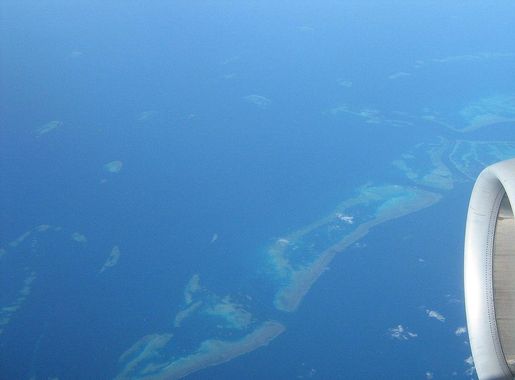
Far North Queensland, located in Australia, is a paradise for nature lovers and adventure seekers. This stunning region is home to the Great Barrier Reef, the world's largest coral reef system. Snorkeling and diving here offer an unforgettable experience, allowing you to witness an underwater world teeming with colorful marine life. The Daintree Rainforest, another gem of Far North Queensland, is one of the oldest rainforests in the world. A visit here will transport you to a lush, green wonderland where you can explore walking trails, spot exotic wildlife, and learn about the unique flora and fauna. The rainforest meets the reef at Cape Tribulation, a perfect spot for those who want to experience both natural wonders in one day. Cairns, the gateway to Far North Queensland, is a vibrant city with a relaxed atmosphere. It offers a variety of attractions, from the Cairns Esplanade and Lagoon to the bustling night markets. Don't miss the chance to take a scenic railway or a skyrail to Kuranda, a charming village nestled in the rainforest mountains. Port Douglas, a short drive north of Cairns, is a chic coastal town known for its beautiful Four Mile Beach and upscale resorts. It's also the closest mainland point to the Great Barrier Reef, making it an ideal base for reef excursions. With its blend of natural beauty, cultural experiences, and adventure activities, Far North Queensland promises an unforgettable holiday experience.