

Achensee Travel Guide - Free Web & App
Your ultimate guide to Achensee. Discover top landmarks, proposed trips, and local tips. Free on the web or via the Evendo companion app.


Achensee, Austria’s largest mountain lake, combines clear alpine water, Karwendel and Rofan peaks, villages, hiking, sailing and Tyrolean heritage.
Lake, Mountains and Villages
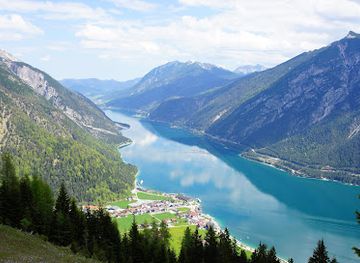
Achensee lies in northern Tyrol, close to the Bavarian border and about 20 kilometres north-east of Innsbruck. Known as the largest lake in Tyrol, it occupies a long, narrow valley between the Karwendel mountains to the west and the Rofan range to the east. Its deep blue-green water, steep wooded slopes and high limestone summits create a landscape that feels more alpine than its relatively accessible location suggests. The lake is divided among the villages of Pertisau, Maurach, Achenkirch, Eben am Achensee and Steinberg am Rofan, each offering a different perspective on the region.Read more about Achensee
A Landscape for Every Season
Tyrolean Heritage
When is the best time to visit Achensee?
Best: June–August · 21–23°C| Month | High (°C) | Rainfall (mm) |
|---|---|---|
| January | 1 | 40 |
| February | 2 | 40 |
| March | 7 | 50 |
| April | 11 | 60 |
| May | 16 | 70 |
| June (best) | 21 | 80 |
| July (best) | 23 | 90 |
| August (best) | 22 | 90 |
| September | 18 | 80 |
| October | 13 | 70 |
| November | 7 | 60 |
| December | 3 | 50 |
Getting to and around Achensee
How to get there
Transportation
Best attractions in Achensee
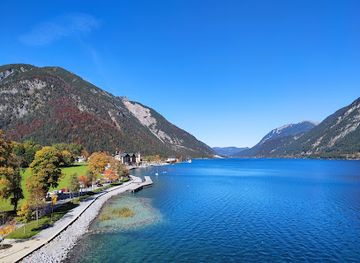
Achensee's principal attraction is the lake itself, whose long shoreline provides changing views towards the Karwendel and Rofan ranges. Pertisau opens into the Karwendel valleys, including routes towards the Gramai and Falzthurn areas, while Maurach gives access to the Rofan by cable car and to the southern shore. Achenkirch occupies the northern end, where the lake narrows towards the Achen Valley. The Gaisalm, an alpine pasture on the western shore, can be reached on foot or by boat when services operate. The Achensee cog railway offers a historic journey between Jenbach and Seespitz, and the Tiroler Steinöl Vitalberg in Pertisau interprets the region's oil-shale tradition. In winter, the surrounding villages and slopes become bases for skiing, cross-country routes and snow walks, with the exact range of open facilities depending on weather and season.
-
Tourist attraction
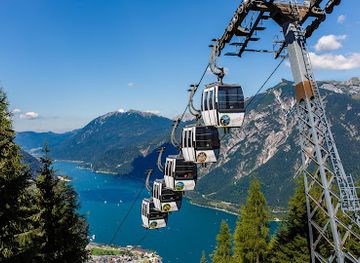
Karwendel-Bergbahn
Experience the breathtaking views and serene landscapes of the Karwendel-Bergbahn in Pertisau, Austria—your gateway to Alpine adventures.
-
Boat tour agency
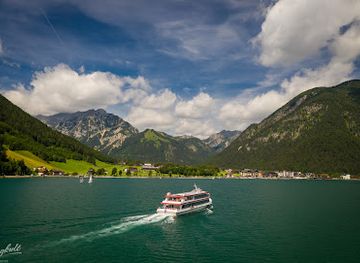
Achenseeschifffahrt GmbH
Explore the breathtaking waters of Lake Achensee with Achenseeschifffahrt GmbH, the premier boat tour agency in the heart of Tyrol.
-
Tourist attraction
Dalfazer Wasserfall
Experience the breathtaking beauty of Dalfazer Wasserfall, a stunning waterfall nestled in the Karwendel region, perfect for hiking and scenic views.
-
Tourist attraction
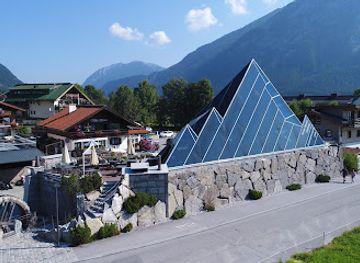
Tyrolean Shale Oil & Vitalberg
Discover the unique blend of beauty and wellness at Tyrolean Shale Oil & Vitalberg, a must-visit attraction in Pertisau showcasing natural shale oil.
Best landmarks in Achensee
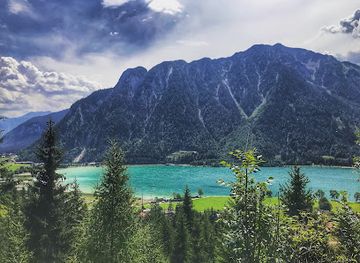
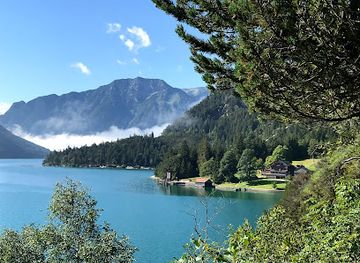
Achensee is defined by the physical contrast between its deep alpine water, the limestone walls of the Karwendel and the ridges of the Rofan. The lake's western shore leads towards the Gaisalm and the Karwendel valleys, while the southern village of Maurach stands below the Rofan range. The Achensee cog railway, with its historic route from Jenbach to Seespitz, is a major heritage landmark and an enduring symbol of access to the region. In Pertisau, the Tiroler Steinöl tradition provides a cultural landmark rooted in local oil-shale extraction. Lakeside churches, traditional farm buildings and long-established village centres add human scale to the landscape, while the surrounding mountain passes, pastures and marked viewpoints express the area's relationship with alpine travel, farming and conservation.
-
Mountain cable car
Karwendel-Bergbahn
Experience the breathtaking views and outdoor adventures at Karwendel-Bergbahn, your gateway to the Tyrolean Alps.
-
 Hotel
HotelTravel Charme Fürstenhaus am Achensee
Discover unparalleled luxury and wellness at Travel Charme Fürstenhaus am Achensee, your perfect alpine retreat by the stunning Achensee Lake.
-
Boat tour agency
Achenseeschifffahrt GmbH
Discover the breathtaking beauty of Lake Achensee with scenic boat tours by Achenseeschifffahrt, a must-visit attraction in Pertisau, Austria.
-
Observation deck
Lake Observation Deck
Discover unparalleled vistas and serene landscapes at Achensee's Lake Observation Deck, a breathtaking escape into nature's beauty.

Explore Achensee on the map
Plan your trip on one map. See where the top attractions, landmarks, restaurants and hotels are, and book hotels and experiences in a few clicks.
Best hotels in Achensee
Best restaurants in Achensee
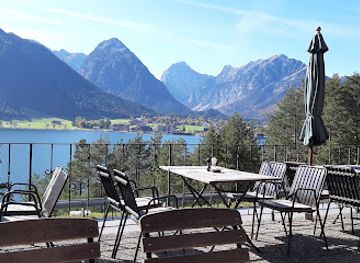
Food around Achensee reflects Tyrolean mountain farming and the wider cuisine of western Austria. Visitors will find regional dishes such as hearty dumplings, käsespätzle, soups, game where offered, and sweet specialities including apple strudel and Kaiserschmarrn, alongside dairy products and locally produced meats. Traditional inns, hotel restaurants, cafés and mountain huts are concentrated in Pertisau, Maurach and Achenkirch, while food options are more limited on remote paths and at isolated viewpoints. Menus often draw on alpine ingredients, although sourcing varies between establishments. The lakeside villages are also useful places to buy provisions before a walk, and farm shops or direct-sales outlets may offer cheese, bread, preserves and other regional products when open. Mountain-hut meals are part of the hiking culture, but visitors should check seasonal opening arrangements before planning a route around a particular stop.
-
Restaurant
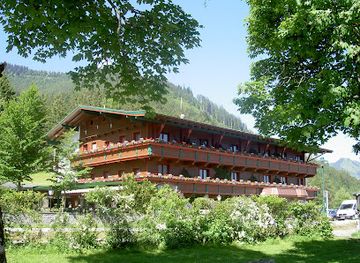
Restaurant-Cafe Bergkristall
Discover authentic Austrian cuisine at Restaurant-Cafe Bergkristall in Eben am Achensee – where homemade meals meet breathtaking mountain views.
-
Restaurant
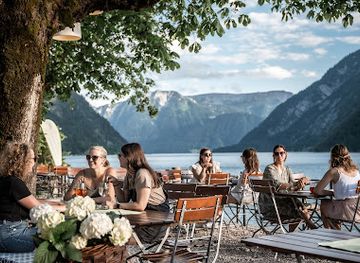
Gasthaus Gaisalm
Discover Gasthaus Gaisalm: A cozy restaurant by Achensee offering traditional Tyrolean cuisine in a stunning lakeside setting.
-
Restaurant
Entners am See
Discover culinary delights and breathtaking views at Entners am See in Pertisau – your perfect lakeside escape.
-
Restaurant
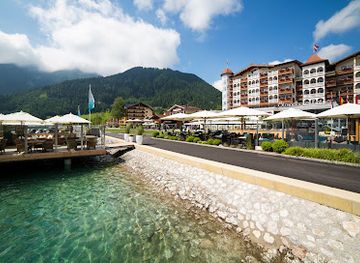
Seehotel St. Hubertus
Experience culinary delights and serene lakeside views at Seehotel St. Hubertus in Pertisau am Achensee.
Best bars in Achensee
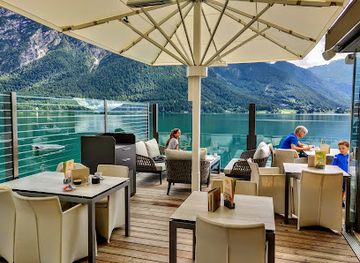
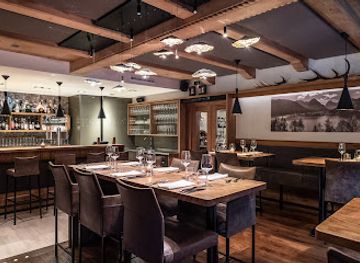
Achensee is a quiet alpine destination rather than a clubbing centre. Evening life is concentrated in the hotels, traditional inns and village pubs of Pertisau, Maurach and Achenkirch, where visitors may find local beer, Austrian wine, schnapps and informal conversation after a day outdoors. Some accommodation venues offer seasonal music or cultural programmes, but these should not be assumed to run throughout the year. The atmosphere is generally relaxed and early-closing compared with Austria's larger cities, and options become especially limited outside the settled villages. Innsbruck has a much broader nightlife scene, but it lies beyond the destination and requires an evening journey, making it impractical as a casual extension of a night at Achensee.
-
Restaurant
Restaurant-Cafe Bergkristall
Discover a culinary oasis at Restaurant-Cafe Bergkristall, where local flavors meet stunning mountain views in Eben am Achensee.
-
Bar
SCHOLASTIKA - SeeMomente am Achensee
Discover the culinary gem of SCHOLASTIKA at Achensee, offering a delightful fusion of European flavors, picturesque views, and a welcoming atmosphere.
-
Cafe
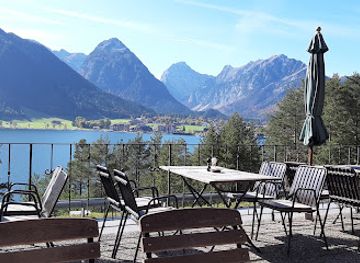
Seebar Achensee
Experience the beauty of Achensee at Seebar, a cozy café with stunning views and a delightful menu, perfect for a relaxing break.
-
Bar
ESSBAR Pertisau
Discover the vibrant flavors of Tyrol at Essbar Pertisau, where fine dining meets a lively bar experience amidst stunning alpine scenery.
Best nightclubs in Achensee
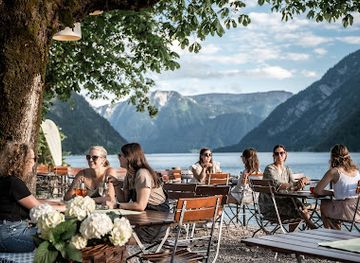
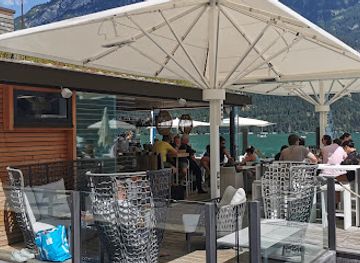
Achensee is a quiet alpine destination rather than a clubbing centre. Evening life is concentrated in the hotels, traditional inns and village pubs of Pertisau, Maurach and Achenkirch, where visitors may find local beer, Austrian wine, schnapps and informal conversation after a day outdoors. Some accommodation venues offer seasonal music or cultural programmes, but these should not be assumed to run throughout the year. The atmosphere is generally relaxed and early-closing compared with Austria's larger cities, and options become especially limited outside the settled villages. Innsbruck has a much broader nightlife scene, but it lies beyond the destination and requires an evening journey, making it impractical as a casual extension of a night at Achensee.
-
Bar
SCHOLASTIKA - SeeMomente am Achensee
Discover culinary excellence at SCHOLASTIKA - SeeMomente am Achensee, where European flavors meet stunning lakeside views in Achenkirch.
-
Cafe
Seebar Achensee
Experience the serene charm of Seebar Achensee, where stunning lake views meet delightful cuisine in a cozy café atmosphere.
-
Disco club
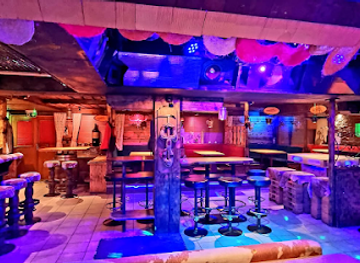
Stefan’s Laterndl - Bar Diskothek
Stefan’s Laterndl in Pertisau: Dive into a world of dance, cocktails, and unforgettable nightlife experiences.
-
Bar
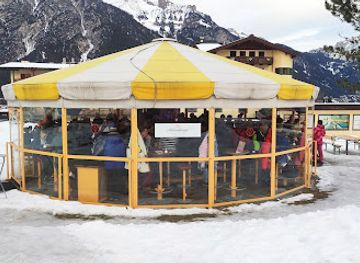
Umbrella Apre Ski Bar
Umbrella Apre Ski Bar in Pertisau: The perfect blend of relaxation and stunning mountain views after a thrilling day on the slopes.
Best shops in Achensee
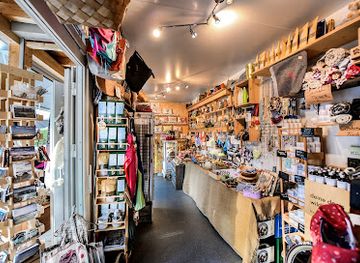
Shopping at Achensee is modest and locally focused rather than urban or luxury-oriented. Pertisau, Maurach and Achenkirch have village shops, outdoor retailers and businesses serving walkers, cyclists and winter visitors, while larger everyday purchases may be easier in Jenbach or elsewhere in the Inn Valley. Visitors can look for Tyrolean food products, mountain cheeses, farm-made specialities, traditional clothing, woodwork, local art and souvenirs connected with the lake and mountains. The Tiroler Steinöl tradition is represented through products and interpretation in Pertisau, although availability varies by retailer. Farm shops and direct-sales outlets may offer regional produce, but they are often seasonal or independently operated, so opening arrangements should be checked locally rather than assumed.
-
Store
Tyrolean Shale Oil & Vitalberg
Explore the healing wonders of Tyrolean Shale Oil at the Vitalberg, a blend of museum, store, and café in stunning Pertisau, Austria.
-
Herb shop
Kräuterhüttl am Achensee
Explore herbal wonders, soothing massages, and delightful treats at Kräuterhüttl am Achensee, your perfect retreat in the heart of nature.
-
Sporting goods store
Sport Wöll
Discover top-quality sporting goods at Sport Wöll, your essential stop for outdoor adventures in Pertisau, near Achensee, Austria.
-
Sporting goods store
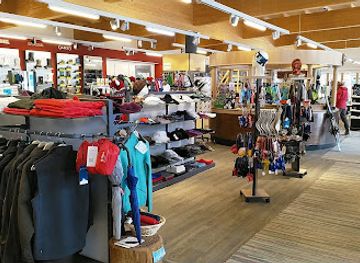
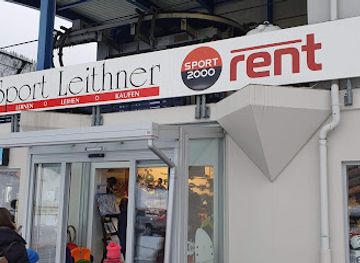
Sport Leithner
Explore Pertisau with Sport Leithner: Your one-stop shop for ski and bicycle rentals in the heart of the Alps.
Get your free copy of our complete guide to Achensee, delivered straight to you.
Everything on this page, from attractions and restaurants to essentials and local phrases, in one PDF you can read offline, print or share.
Already have an account? Sign in
Your Achensee guide is ready.
We'll send it to · Not you? Sign out

Getting your guide ready…
We are putting together a fresh copy of the Achensee guide. This can take up to a minute.
This can take a few moments. If your browser asks, choose Allow so the download can start. You'll find the guide in your Downloads folder.
Nothing happened? Download it again
Sorry, the guide is taking longer than usual. Please try again in a minute, or get it by email instead.
Achensee essentials
Currency and Payment
Safety
Emergency Situations
Do's and Don'ts
Local Tips
From Eve
Local phrases worth knowing
You don't need to get them perfect. A few words go a long way, and locals appreciate the effort.
Basics
| English | Local | Say it |
|---|---|---|
| Hello | Servus | [ser-voos] |
| Goodbye | Auf Wiedersehen | [ouf vee-der-zay-en] |
| Yes | Ja | [yah] |
| No | Nein | [nine] |
| Please/You're welcome | Bitte | [bit-teh] |
| Thank you | Danke | [dahn-keh] |
| Excuse me/Sorry | Entschuldigung | [ent-shool-di-goong] |
| How are you? | Wie geht es dir? | [vee gate ess deer] |
| Fine. And you? | Gut. Und dir? | [goot oond deer] |
| Do you speak English? | Sprichst du Englisch? | [shprikhst doo eng-lish] |
| I don't understand | Ich verstehe nicht | [ikh fer-shteh-eh nikht] |
Eating & Drinking
| English | Local | Say it |
|---|---|---|
| I'd like to see the menu, please | Ich möchte die Speisekarte sehen, bitte | [ikh merkhte dee shpi-zeh-kar-teh zay-en, bit-teh] |
| I don't eat meat | Ich esse kein Fleisch | [ikh ess-eh kine flysh] |
| Cheers! | Prost! | [prohst] |
| I would like to pay, please | Ich möchte bezahlen, bitte | [ikh merkhte beh-tsah-len, bit-teh] |
Emergencies
| English | Local | Say it |
|---|---|---|
| Help! | Hilfe! | [hil-fuh] |
| Go away! | Geh weg! | [geh vehg] |
| Call the Police! | Rufen Sie die Polizei! | [roo-fen zee dee po-lee-tsay] |
| Call a doctor! | Rufen Sie einen Arzt! | [roo-fen zee i-nen ar-tst] |
| I'm lost | Ich habe mich verirrt | [ikh hah-beh mikh feh-rirt] |
| I'm ill | Mir ist schlecht | [meer ist shlehkt] |
Shopping
| English | Local | Say it |
|---|---|---|
| I'd like to buy... | Ich möchte ... kaufen | [ikh merkhte ... kow-fen] |
| I'm just looking | Ich schaue nur | [ikh shou-eh noor] |
| How much is it? | Wie viel kostet das? | [vee feel kos-tet das] |
| That's too expensive | Das ist zu teuer | [das ist tsoy toy-er] |
| Can you lower the price? | Können Sie den Preis senken? | [keu-nen zee den preis zehn-ken] |
Time & Numbers
| English | Local | Say it |
|---|---|---|
| What time is it? | Wie spät ist es? | [vee shpet ist es] |
| It's one o'clock | Es ist ein Uhr | [es ist iyn oor] |
| Half past (10) | Halb elf | [halb elf] |
| Morning | Morgen | [mor-gen] |
| Afternoon | Nachmittag | [nahkh-mit-tahk] |
| Evening | Abend | [ah-bent] |
| Yesterday | Gestern | [ges-tern] |
| Today | Heute | [hoi-teh] |
| Tomorrow | Morgen | [mor-gen] |
| 1 | Eins | [iyns] |
| 2 | Zwei | [tsvai] |
| 3 | Drei | [dry] |
| 4 | Vier | [feer] |
| 5 | Fünf | [foonf] |
| 6 | Sechs | [zeks] |
| 7 | Sieben | [zee-ben] |
| 8 | Acht | [ahkt] |
| 9 | Neun | [noyn] |
| 10 | Zehn | [tsayn] |
Transport & Directions
| English | Local | Say it |
|---|---|---|
| Where's a/the...? | Wo ist ein/der...? | [vo ist iyn/dehr] |
| What's the address? | Was ist die Adresse? | [vas ist dee ah-dreh-suh] |
| Can you show me (on the map)? | Können Sie es mir zeigen (auf der Karte)? | [keu-nen zee es meer tsee-ghen (ouf dehr kar-teh)] |
| When's the next (bus)? | Wann kommt der nächste (Bus)? | [vahn kohmt dehr nekh-ste (boos)] |
| A ticket (to ....) | Eine Fahrkarte (nach ....) | [i-ne fahr-kar-teh (nahkh ....)] |
History of Achensee
A Glacial Alpine Basin
Achensee occupies a glacially shaped valley whose steep sides and deep basin were formed by the movement of ice through the Northern Limestone Alps. The surrounding Karwendel and Rofan mountains are dominated by limestone geology, producing cliffs, ridges and distinctive alpine relief. This geological setting explains the lake's elongated form and the dramatic contrast between open water, forested slopes and exposed summits. Human history developed within this demanding terrain, where access routes, pasture and forestry were closely shaped by the mountain environment.
Farming, Pasture and Abbey Influence
For centuries, communities around Achensee depended on mountain farming, grazing and forestry. The lake and its surrounding land were historically connected with the Benedictine abbey at Fiecht, whose influence extended across parts of the region. Seasonal alpine pastures supported cattle and dairy production, while wooded slopes supplied timber. Villages such as Achenkirch, Pertisau and Maurach grew along routes linking the Inn Valley with the lake and the lands north of the Alpine divide. Parish churches, farm buildings and traditional land use remain visible reminders of this rural history.
The Rise of Lake Shipping
Achensee's position as a high mountain lake made water transport useful for residents, visitors and the movement of goods. Commercial passenger shipping developed in the late nineteenth century, helping connect the settlements along the shore and encouraging tourism. Boats also provided access to lakeside points that were difficult to reach by road or footpath. This tradition continues in modern form, although contemporary services are primarily designed for sightseeing and local connections rather than the transport economy that first made regular lake navigation important.
Railway and Early Tourism
The Achensee Railway opened in 1889, linking Jenbach in the Inn Valley with the lake at Seespitz. Its steam-operated cog railway reduced the difficulty of reaching the high lake and played an important part in the development of tourism. The railway remains one of the area's most recognisable historic features, preserving a nineteenth-century approach to the mountains while connecting with contemporary visitor travel. Roads, hotels and organised excursions subsequently made Achensee increasingly accessible to visitors from Tyrol and neighbouring regions.
Water Power and Industrial Change
Achensee also became part of Tyrol's modern energy infrastructure. Water from the lake is used in the hydroelectric system descending towards Jenbach, where the power station takes advantage of the considerable difference in elevation between the lake and the Inn Valley. The scheme, developed in the early twentieth century, brought industrial technology into a landscape previously dominated by farming, forestry and tourism. Today, the lake therefore represents both a recreational landscape and a managed water resource, with its natural appearance existing alongside long-established engineering works.
Conservation and Contemporary Recreation
Modern Achensee tourism is shaped by the protection and careful management of the surrounding alpine environment, including the neighbouring Karwendel landscape and its extensive network of forests, meadows and mountain habitats. Hiking, cycling, winter sports and lake recreation have replaced many older forms of travel, yet remain dependent on the same terrain and weather conditions. Visitor management, marked paths and respect for grazing land and wildlife are increasingly important as the lake serves as a gateway to sensitive mountain environments as well as a destination in its own right.
Achensee in Photos
Browse through our photo collection highlighting the charm and character of the destination.
Neighbouring destination travel guides
The closest destinations to Achensee, if you have time for more than one.
-

-

-
-

-


Swipe for more destinations
Explore more

Explore more of Zillertal
Discover Zillertal, Austria's enchanting alpine valley, where breathtaking landscapes and thrilling outdoor activities await in every season.
Explore Zillertal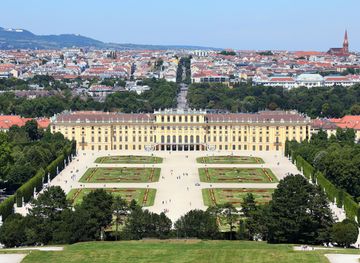
Explore more of Austria
Discover Austria's blend of alpine landscapes, rich cultural heritage, and culinary delights, from Vienna's historic charm to Tyrol's dramatic beauty.
Explore Austria