

Free Burgenland Travel Guide & Mobile App
Explore Burgenland with free travel guides. Discover regional history, expert tips, proposed trips, and audio guides on web or mobile app.


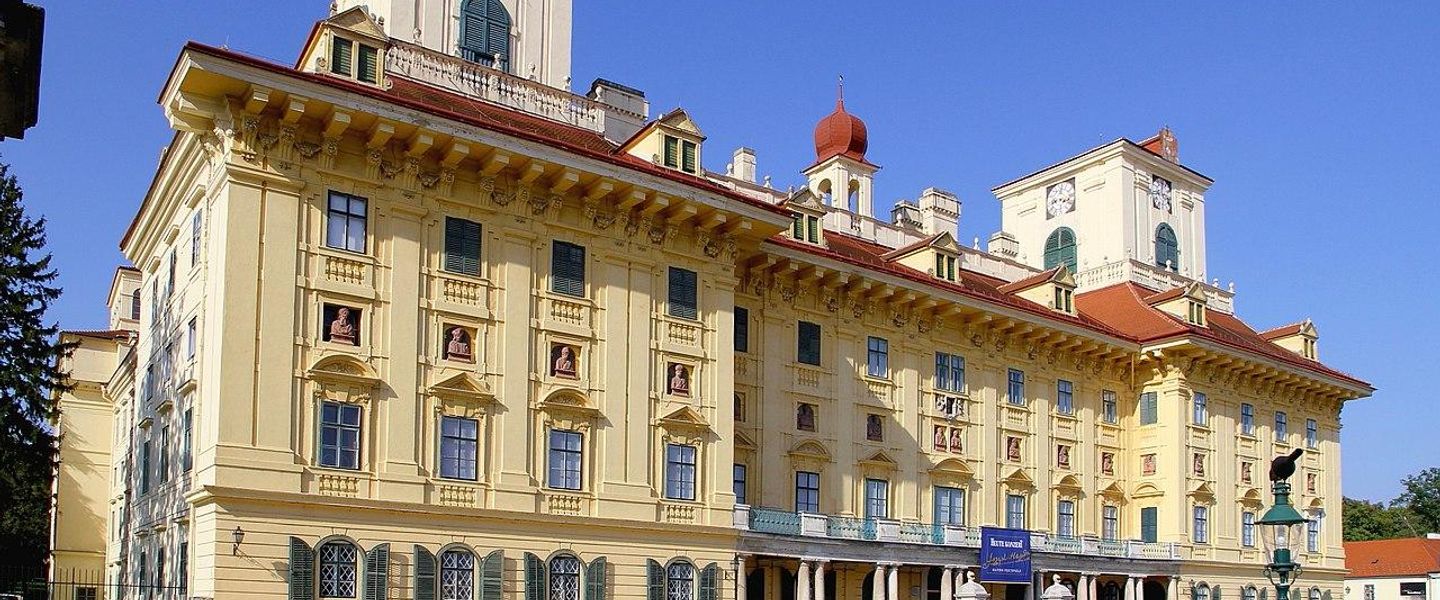


Explore Burgenland for Lake Neusiedl wetlands, Esterházy heritage, cycling routes, thermal spas and characterful vineyards in eastern Austria.
Read more about Burgenland
When is the best time to visit Burgenland?
Best: June–August · 23–25°C| Month | High (°C) | Rainfall (mm) |
|---|---|---|
| January | 3 | 40 |
| February | 5 | 40 |
| March | 10 | 50 |
| April | 16 | 60 |
| May | 20 | 70 |
| June (best) | 23 | 80 |
| July (best) | 25 | 80 |
| August (best) | 24 | 80 |
| September | 19 | 60 |
| October | 14 | 50 |
| November | 7 | 50 |
| December | 3 | 40 |
Getting to and around Burgenland
How to get there
Transportation
Top city travel guides in Burgenland
The cities of Burgenland, and the easiest places to base yourself.

Swipe for more cities
Destinations in Burgenland
Resorts, valleys and scenic spots worth a trip of their own.
-
-

-

-


Swipe for more destinations
Best attractions in Burgenland
Burgenland's attractions combine wetlands, wine country, courtly heritage and a relaxed outdoor culture. Around Lake Neusiedl, the Neusiedler See–Seewinkel National Park offers marked trails, wildlife observation and guided access to a landscape of reed beds, saline lakes and open pasture. Cycling routes link lakeside villages such as Podersdorf am See, Illmitz and Rust, while sailing and windsurfing are particularly associated with the exposed northern shore. Eisenstadt provides the region's strongest concentration of cultural attractions, led by Schloss Esterházy, its Haydn associations and historic churches. Castles add a defensive dimension: Forchtenstein dominates the Rosalia hills, while Güssing rises above southern Burgenland. Museums such as the Dorfmuseum Mönchhof present regional rural life, crafts and domestic architecture. In the south, thermal resorts, vineyard roads and nature parks encourage slower itineraries, with walking and cycling through rolling hills rather than high-mountain terrain. The attraction landscape is notable for its scale and variety: a single day can move from a Baroque palace to bird-rich wetlands or from a wine village to a hilltop fortress without leaving the province.
-
Tourist attraction
Zotter Schokolade
Experience the magic of chocolate at Zotter Schokolade, a unique factory and shop in Riegersburg, Austria, where flavor and craftsmanship unite.
-
Castle
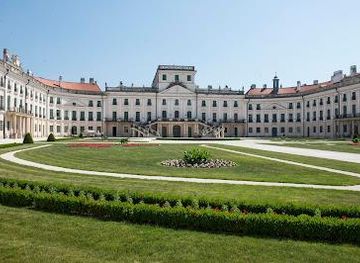
Esterházy-kastély
Experience the splendor of Esterházy Castle in Fertőd, Hungary, where history, architecture, and beautiful gardens await every visitor.
-
Historical landmark
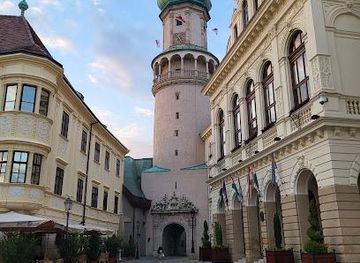
Fire Tower
Discover the rich history and breathtaking views at Sopron's Fire Tower, a treasured landmark and museum in Hungary's charming city.
-
Castle
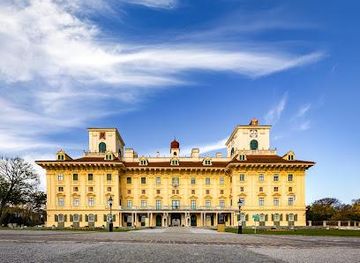
Esterházy Palace
Discover the opulence of Austria's Esterházy Palace in Eisenstadt, a baroque masterpiece with a rich cultural and musical heritage.
Best landmarks in Burgenland
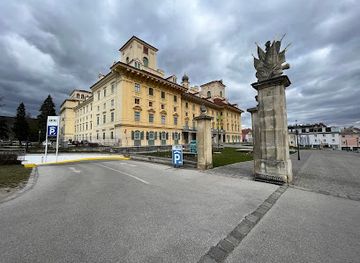
Schloss Esterházy in Eisenstadt is Burgenland's most prominent architectural landmark, a Baroque and later historic palace associated with the Esterházy princes and Joseph Haydn's court career. On the western shore of Lake Neusiedl, Rust's preserved old town is recognised by its historic façades, narrow streets and characteristic stork nests on the rooftops. Forchtenstein Castle, set on a wooded spur above the Rosalia hills, is an imposing reminder of the province's role as a frontier between Austrian and Hungarian lands. In the south, Güssing Castle occupies a volcanic hill and forms one of the region's most memorable silhouettes, while Burg Schlaining represents another important fortified centre with a strong modern peace-education identity. The Basilica of Frauenkirchen is a significant pilgrimage and architectural site in northern Burgenland. Beyond built heritage, the reed belt and open horizon of Lake Neusiedl are landmarks in their own right, expressing the province's distinctive meeting point of Central European wetlands, vineyards and Pannonian grassland.
-
Castle
Esterházy Palace
Discover the opulence and history of Esterházy Palace, a stunning Baroque castle in Eisenstadt, Austria, rich in culture and musical heritage.
-
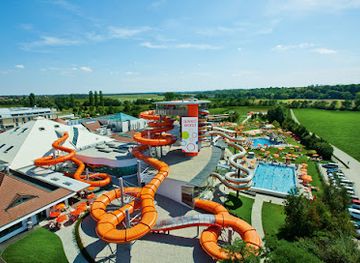
Water park
Sonnentherme Lutzmannsburg
Discover the ultimate water adventure at Sonnentherme Lutzmannsburg, Austria's top water park, featuring thrilling slides and relaxing wellness areas.
-
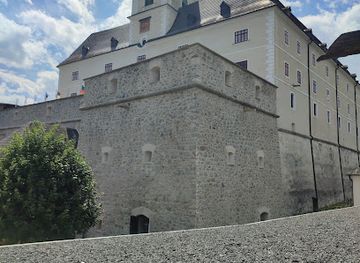
Fortress
Forchtenstein Castle
Discover the enchanting Forchtenstein Castle, a historical fortress in Austria offering breathtaking views and rich cultural experiences.
-
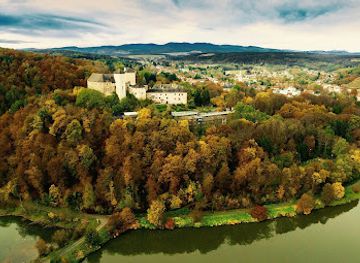
Historical landmark
Burg Lockenhaus
Explore the historic Burg Lockenhaus, a stunning castle offering rich history, breathtaking views, and a unique venue for unforgettable events in Austria.
Explore Burgenland on the map
Plan your trip on one map. See where the top cities, national parks and sights are, and book hotels and experiences in a few clicks.
Best hotels in Burgenland
Best restaurants in Burgenland
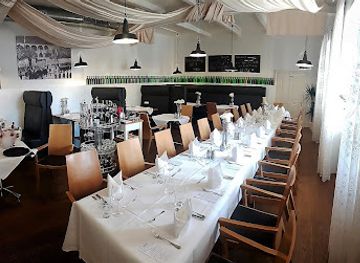
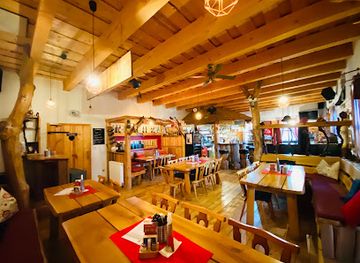
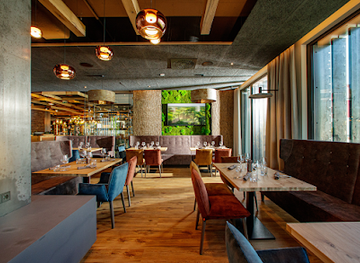
Burgenland's food reflects its Pannonian climate and its long relationship with Hungary and neighbouring communities. Menus may include paprika-seasoned stews, freshwater fish from the Lake Neusiedl area, seasonal game, pumpkin and pumpkin-seed products, local fruit and substantial Austrian dishes. In wine-growing districts, Buschenschanken serve regional wines with cold platters, breads, spreads and produce from nearby farms; these informal wine taverns are central to the province's food culture, although opening days vary. Northern Burgenland is especially associated with vineyards near the lake, while Blaufränkisch is a notable red-wine speciality of central and southern districts. White wines and sweet wine styles are also important, and local producers often offer tastings by arrangement. Market stalls, bakeries and farm shops provide practical ways to sample regional products, while Eisenstadt and the larger towns offer a broader selection of contemporary Austrian and international cooking.
-
Restaurant
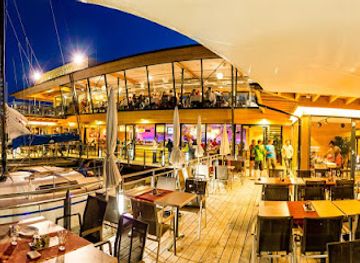
Seerestaurant Katamaran
Experience exquisite dining at Seerestaurant Katamaran, where culinary delights meet breathtaking lakeside views in Rust, Austria.
-
Restaurant
Kastell Stegersbach
Experience authentic Austrian cuisine at Kastell Stegersbach – where local flavors meet warm hospitality in a picturesque setting.
-
Restaurant
Lutschburger Stub`n - Heuriger Restaurant
Discover Lutschburger Stub`n: Authentic Austrian flavors await you in a cozy setting with exquisite local wines.
-
Restaurant
Bullinarium
Experience exquisite steaks at Bullinarium in Markt Allhau - where culinary excellence meets warm hospitality.
Best bars in Burgenland
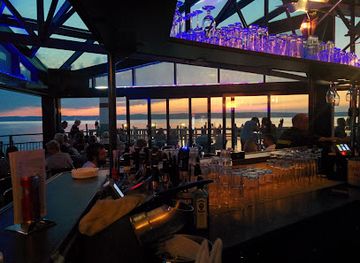
Evening life in Burgenland is generally sociable and local rather than centred on large club districts. Traditional inns, wine taverns and village restaurants provide the main after-dark settings, particularly in vineyard areas where a tasting may extend into an informal supper. Eisenstadt has the province's broadest choice of bars, cafés and cultural evenings, while Rust and the larger Lake Neusiedl resorts become busier during the warmer months. Breweries, wine bars and occasional live-music venues add variety, but many rural places close earlier than visitors from major cities may expect. Seasonal festivals and lakeside events can create livelier nights, though programmes change from year to year. Arrange transport before drinking or visiting a remote Buschenschank, since late public transport is limited in many countryside districts. Nightclubs exist in some larger settlements, but clubbing is not the defining feature of Burgenland's evening culture.
-
Bar
Sunset-Bar
Discover the enchanting Sunset-Bar, a lakeside gem in Podersdorf am See, offering cocktails, sunsets, and unforgettable moments.
-
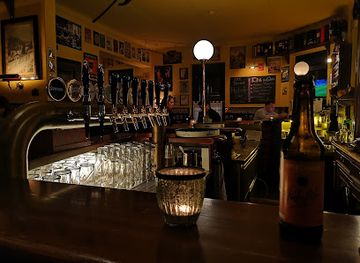
Irish pub
Tamdhu
Discover the charm of Tamdhu, an authentic Irish pub in Oberwart offering traditional dishes and a vibrant atmosphere for an unforgettable experience.
-
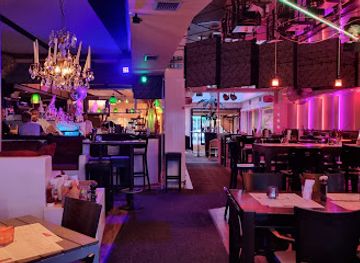
Bar
Mangoo Restaurant - Bar
Enjoy a lively dining experience at Mangoo Restaurant - Bar in Eisenstadt, where delicious food meets vibrant nightlife.
-
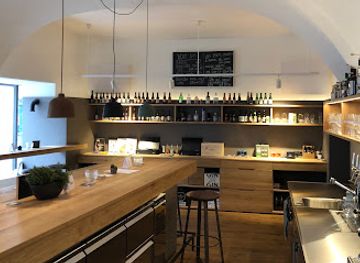
Bar
hopfen & soehne
Discover the vibrant atmosphere of Hopfen & Söhne, Eisenstadt's premier destination for craft beer, coffee, and local gifts.
Best nightclubs in Burgenland
Evening life in Burgenland is generally sociable and local rather than centred on large club districts. Traditional inns, wine taverns and village restaurants provide the main after-dark settings, particularly in vineyard areas where a tasting may extend into an informal supper. Eisenstadt has the province's broadest choice of bars, cafés and cultural evenings, while Rust and the larger Lake Neusiedl resorts become busier during the warmer months. Breweries, wine bars and occasional live-music venues add variety, but many rural places close earlier than visitors from major cities may expect. Seasonal festivals and lakeside events can create livelier nights, though programmes change from year to year. Arrange transport before drinking or visiting a remote Buschenschank, since late public transport is limited in many countryside districts. Nightclubs exist in some larger settlements, but clubbing is not the defining feature of Burgenland's evening culture.
-
Bar
The G-Club
Experience the vibrant nightlife of Eisenstadt at The G-Club, where expertly crafted drinks and a lively atmosphere await.
-
Disco club
RAHA Club-Lounge-Bar
Discover the vibrant nightlife at RAHA Club-Lounge-Bar, the premier disco venue in Oberpullendorf with affordable drinks and an energetic atmosphere.
-
Disco club
Level 7
Experience the vibrant nightlife at Level 7 in Gloggnitz, Austria's ultimate disco club and bar for unforgettable nights.
-
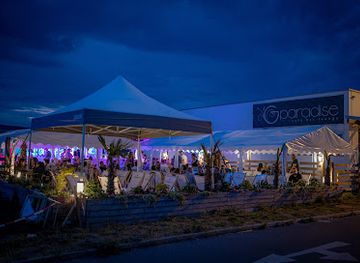
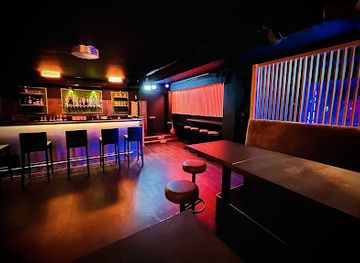
Night club
Kings Club
Experience the vibrant nightlife at Kings Club in Wiener Neustadt, where energetic parties meet relaxing sauna sessions for an unforgettable evening.


Best shops in Burgenland
Shopping in Burgenland is strongest in its market towns, village wine districts and independent food-producing communities rather than in large luxury retail centres. Eisenstadt offers the broadest selection of everyday shops, local produce and craft-oriented businesses, while Rust, Neusiedl am See and other lakeside towns combine small retailers with galleries, wine merchants and visitor services. Farm shops and winery cellars are good places to buy Blaufränkisch, white wines, grape products, pumpkin-seed oil, honey, fruit preserves and regional spirits, subject to transport and customs rules when taking bottles abroad. Seasonal farmers' markets provide breads, cheeses, cured meats and vegetables, and some villages hold regular produce markets whose days should be checked locally. Look for ceramics, textiles, woodwork and locally made gifts rather than generic souvenirs. In rural areas, opening times can be limited outside the main season, so plan shopping during daytime and carry cash for smaller producers.
-
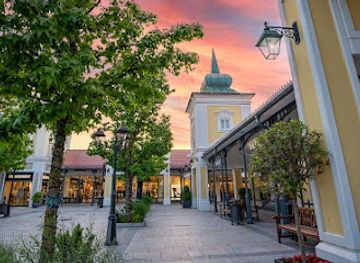
Outlet mall
Designer Outlet Parndorf
Discover unbeatable savings on designer brands at Designer Outlet Parndorf, a premier shopping destination near Vienna, Austria.
-
Outlet mall
Fashion Outlet Parndorf
Discover unbeatable deals on luxury brands at Fashion Outlet Parndorf, Austria's premier shopping destination for fashion lovers.
-
Shopping mall
PADO Shopping Galerien
Discover a shopping haven at PADO Shopping Galerien in Parndorf, where quality brands meet delightful dining and entertainment for every visitor.
-
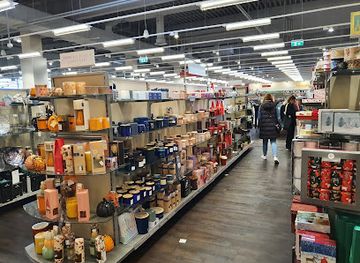
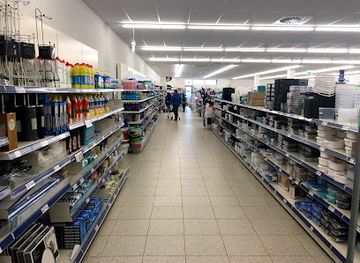
Gift shop
Action Oberwart
Explore Action Oberwart for an unforgettable shopping experience, featuring an eclectic mix of gifts, DIY supplies, and local treasures.

Get your free copy of our complete guide to Burgenland, delivered straight to you.
Everything on this page, from attractions and restaurants to essentials and local phrases, in one PDF you can read offline, print or share.
Already have an account? Sign in
Your Burgenland guide is ready.
We'll send it to · Not you? Sign out

Getting your guide ready…
We are putting together a fresh copy of the Burgenland guide. This can take up to a minute.
This can take a few moments. If your browser asks, choose Allow so the download can start. You'll find the guide in your Downloads folder.
Nothing happened? Download it again
Sorry, the guide is taking longer than usual. Please try again in a minute, or get it by email instead.
Burgenland essentials
Currency and Payment
Safety
Emergency Situations
Do's and Don'ts
Local Tips
From Eve
Local phrases worth knowing
You don't need to get them perfect. A few words go a long way, and locals appreciate the effort.
Basics
| English | Local | Say it |
|---|---|---|
| Hello | Grüß Gott | [Grewss Got] |
| Goodbye | Auf Wiedersehen | [Owf Veederzayn] |
| Yes | Ja | [Yah] |
| No | Nein | [Nyn] |
| Please/You’re welcome | Bitte | [Bitt-eh] |
| Thank you | Danke | [Dahn-keh] |
| Excuse me/Sorry | Entschuldigung | [Ent-shool-dee-goong] |
| How are you? | Wie geht's? | [Vee gates?] |
| Fine. And you? | Gut. Und dir? | [Goott. Oond deer?] |
| Do you speak English? | Sprechen Sie Englisch? | [Shprekken zee Eng-lish?] |
| I don't understand | Ich verstehe nicht | [Eekh fershteh nikht] |
Eating & Drinking
| English | Local | Say it |
|---|---|---|
| I'd like to see the menu, please | Ich hätte gern die Speisekarte, bitte | [Eekh het-teh gurn dee Shpyze-kahrt-eh, bitt-eh] |
| I don't eat meat | Ich esse kein Fleisch | [Eekh ess-eh kyn Fleysh] |
| Cheers! | Prost! | [Prohst!] |
| I would like to pay, please | Ich möchte bezahlen, bitte | [Eekh merkh-teh be-zah-len, bitt-eh] |
Emergencies
| English | Local | Say it |
|---|---|---|
| Help! | Hilfe! | [Hil-feh!] |
| Go away! | Geh weg! | [Geh veg!] |
| Call the Police! | Rufen Sie die Polizei! | [Roofen zee dee Pol-ee-tsai!] |
| Call a doctor! | Rufen Sie einen Arzt! | [Roofen zee eye-nen Artzt!] |
| I'm lost | Ich bin verloren | [Eekh bin fer-lo-ren] |
| I'm ill | Ich bin krank | [Eekh bin krank] |
Shopping
| English | Local | Say it |
|---|---|---|
| I'd like to buy... | Ich möchte kaufen... | [Eekh merkh-teh kau-fen...] |
| I'm just looking | Ich schaue nur | [Eekh shau-eh noor] |
| How much is it? | Wie viel kostet es? | [Vee feel koss-tet es?] |
| That's too expensive | Das ist zu teuer | [Dahs ist tsoo toy-er] |
| Can you lower the price? | Könnten Sie den Preis senken? | [Kern-ten zee den Pryce senken?] |
Time & Numbers
| English | Local | Say it |
|---|---|---|
| What time is it? | Wie spät ist es? | [Vee shpaht ist es?] |
| It's one o'clock | Es ist ein Uhr | [Es ist ayn Oor] |
| Half past (10) | Halb (10) | [Hahlb (10)] |
| Morning | Morgen | [Mor-gen] |
| Afternoon | Nachmittag | [Nahk-mit-tag] |
| Evening | Abend | [Ah-bend] |
| Yesterday | Gestern | [Geh-stern] |
| Today | Heute | [Hoy-teh] |
| Tomorrow | Morgen | [Mor-gen] |
| 1 | Eins | [Eyns] |
| 2 | Zwei | [Zvy] |
| 3 | Drei | [Dry] |
| 4 | Vier | [Veer] |
| 5 | Fünf | [Foonf] |
| 6 | Sechs | [Zex] |
| 7 | Sieben | [Zee-ben] |
| 8 | Acht | [Acht] |
| 9 | Neun | [Noyn] |
| 10 | Zehn | [Tseen] |
Transport & Directions
| English | Local | Say it |
|---|---|---|
| Where's a/the...? | Wo ist ein/das...? | [Vo ist ayn/dahs...?] |
| What's the address? | Wie ist die Adresse? | [Vee ist dee Ah-dress-eh?] |
| Can you show me (on the map)? | Könnten Sie mir (auf der Karte) zeigen? | [Kern-ten zee meer (owf der Kar-teh) tsighen?] |
| When's the next (bus)? | Wann kommt der nächste (Bus)? | [Vahn komt der nay-sht-eh (Boos)?] |
| A ticket (to ....) | Ein Ticket (nach ....) | [Ayn Ticket (nahkh ....)] |
History of Burgenland
Prehistoric Settlements and the Pannonian Plain
Burgenland has been inhabited since prehistoric times, benefiting from fertile soils, water, salt-rich wetlands and routes across the Pannonian Plain. Archaeological remains from Neolithic farming communities, Bronze Age settlements and the Iron Age testify to repeated movement and exchange across what is now the Austrian-Hungarian border. The landscape around Lake Neusiedl was never an empty wilderness: people adapted to fluctuating water levels, cultivated the surrounding land and used the region as a corridor between Central Europe and the Balkans.
Roman Pannonia
Under Roman rule, much of present-day Burgenland formed part of the province of Pannonia and lay close to the empire's Danube frontier. Roads, military installations, farms and settlements connected the region with important centres including nearby Carnuntum, which lies outside Burgenland in Lower Austria. Roman influence is visible through archaeological evidence across the province, including remains associated with rural estates and settlements. The period established transport and administrative patterns that continued to shape eastern Austria long after Roman authority withdrew.
Medieval Frontier Lordships
During the Middle Ages, the region developed as a frontier zone between the Austrian lands and the Kingdom of Hungary. Fortified settlements and castles guarded routes through the hills and plains, while monasteries, market towns and estate centres organised agriculture and trade. Strongholds such as Güssing, Forchtenstein and Schlaining represent different phases of this defensive history. The medieval political landscape was complex, with noble families and Hungarian institutions exerting influence across territories that did not correspond to modern national borders.
The Esterházy Princes and Eisenstadt
From the seventeenth century, the Esterházy family became the dominant landowning dynasty in much of northern and central Burgenland. Their residence at Eisenstadt developed into a significant court, and Schloss Esterházy was expanded and remodelled to express the family's wealth and status. The composer Joseph Haydn served the Esterházy court for decades, leaving a major musical legacy in the town. The family's estates, patronage and administrative influence helped shape the architecture, culture and economic organisation of the region.
Habsburg Borderland and Mixed Communities
For centuries, Burgenland belonged politically to Hungary within the Habsburg lands rather than to the Austrian part of the monarchy. Its population included German-speaking, Hungarian, Croatian and Roma communities, with their languages and religious traditions contributing to the region's cultural complexity. Agriculture, viticulture and cross-border trade were central to everyday life, while military conflict with the Ottoman Empire affected the wider frontier. This layered history remains visible in village churches, bilingual traditions, foodways and the varied architecture of market towns.
Joining Austria in 1921
After the First World War and the dissolution of Austria-Hungary, the predominantly German-speaking western districts of Hungary were assigned to Austria under the post-war settlement. The territory became the Austrian federal state of Burgenland in 1921, although the transition was contested and Sopron, known in German as Ödenburg, ultimately remained in Hungary after a plebiscite. The change reoriented administration, transport and economic connections towards Austria while leaving strong family, cultural and commercial links across the new border.
The Iron Curtain and the European Borderland
After 1945, Burgenland's eastern frontier with Hungary became part of the heavily guarded Iron Curtain. Cross-border movement and traditional local connections were sharply restricted, and many border districts became economically peripheral within Austria. The opening of the border in 1989 transformed the region's outlook. Today, cross-border cooperation, shared environmental management around Lake Neusiedl and European cultural routes have replaced much of the former division, although the twentieth-century frontier remains an important part of local memory.
Burgenland in Photos
Browse through our photo collection highlighting the charm and character of the destination.
Neighbouring regions of Burgenland
The closest regions to Burgenland, if you have time for more than one.
-

-

-

-

-


Swipe for more regions
Explore more
Explore more of Austria
Discover Austria's blend of alpine landscapes, rich cultural heritage, and culinary delights, from Vienna's historic charm to Tyrol's dramatic beauty.
Explore Austria