

Free Thermenregion Travel Guide & Mobile App
Explore Thermenregion with free travel guides. Discover regional history, expert tips, proposed trips, and audio guides on web or mobile app.


Explore Austria’s Thermenregion for spa towns, Wienerwald walks, historic villages and distinctive Lower Austrian wines close to Vienna.
Read more about Thermenregion
When is the best time to visit Thermenregion?
Best: June–August · 24–26°C| Month | High (°C) | Rainfall (mm) |
|---|---|---|
| January | 3 | 30 |
| February | 5 | 30 |
| March | 10 | 40 |
| April | 14 | 50 |
| May | 20 | 60 |
| June (best) | 24 | 70 |
| July (best) | 26 | 70 |
| August (best) | 25 | 70 |
| September | 20 | 50 |
| October | 15 | 40 |
| November | 9 | 40 |
| December | 5 | 30 |
Getting to and around Thermenregion
How to get there
Transportation
Best attractions in Thermenregion
The Thermenregion’s attractions combine spa culture, wine country and the eastern Wienerwald. Baden is the principal cultural centre, with thermal facilities, the Kurpark, museums, landscaped promenades and nineteenth-century architecture. Visitors interested in music history can explore the Beethovenhaus, while those seeking relaxation can choose from the town’s established bathing tradition. South and west of Baden, the wine villages of Gumpoldskirchen, Pfaffstätten, Sooß, Bad Vöslau, Guntramsdorf and Traiskirchen offer cellar lanes, vineyard walks, seasonal festivals and Heurige. Mödling and the wooded hills around it provide a different setting, with forest trails, viewpoints and historic settlements. The wider Wienerwald landscape is suited to walking and cycling, although routes quickly become more demanding on the slopes. Family outings may include local museums, parks and accessible bathing facilities, while history-minded visitors can combine churches, castles and old town centres. The region is most rewarding when several types of experience are linked: a morning in a spa town, an afternoon among vineyards or woodland and an evening meal with local wine. Its attractions are not concentrated in one monumental site but spread through a close network of towns, villages, landscapes and living traditions.
-
Tourist attraction
Belvedere-Schlossgarten
Stroll through Vienna's Belvedere Palace Garden, a stunning Baroque landscape connecting art, history, and serene beauty.
-
Tourist attraction
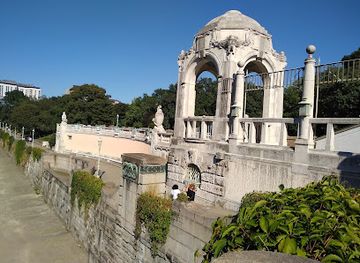
Stadtpark
Escape to Vienna's Stadtpark: a historic green oasis with monuments, tranquil gardens, and the iconic Johann Strauss statue.
-
Tourist attraction
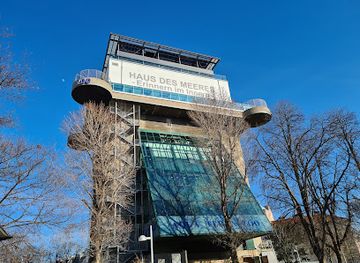
Haus des Meeres
Explore a world of marine and terrestrial life in a historic WWII flak tower with panoramic views of Vienna.
-
Tourist attraction
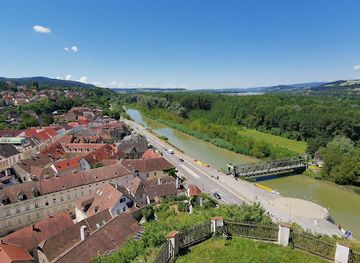
Melk Abbey
Explore Austria's Baroque jewel: Melk Abbey, a UNESCO site with stunning architecture, library, and Danube views.

Best landmarks in Thermenregion
Baden’s Kurpark is one of the region’s most recognisable landmarks, a landscaped urban park rising behind the spa town and combining promenades, monuments, historic buildings and views towards the surrounding hills. The town’s spa architecture and the Beethovenhaus add cultural significance to its public face. In the vineyards, the parish church of Gumpoldskirchen and the village’s historic lanes form a striking ensemble that expresses the long relationship between settlement and wine production. Bad Vöslau is marked by its spa heritage and the surrounding wine slopes, while Mödling’s old town leads towards the wooded Wienerwald at the foot of the Anninger. Maria Enzersdorf, on the northern edge of the region, is associated with Liechtenstein Castle, whose medieval appearance reflects the strategic importance of the foothills south of Vienna. The Seegrotte at Hinterbrühl, a former gypsum mine with underground lake, is another notable industrial and geological site in the wider Thermenregion Wienerwald landscape. These places are significant not merely for their appearance but because they show the region’s main historical layers: Roman and later bathing culture, medieval fortification, aristocratic estates, wine-growing villages and the use of the Wienerwald for work and recreation.
-
Castle
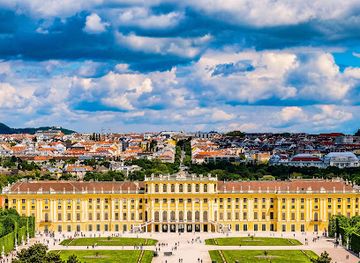
Schönbrunn Palace
Explore Vienna's imperial past at the magnificent Schönbrunn Palace, a UNESCO World Heritage site with stunning gardens and rich history.
-
Cathedral
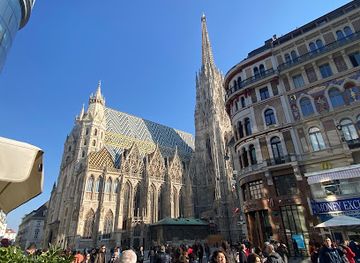
St. Stephen's Cathedral
Discover Vienna's iconic St. Stephen's Cathedral: a Gothic masterpiece with a rich history, stunning architecture, and breathtaking city views.
-
Museum
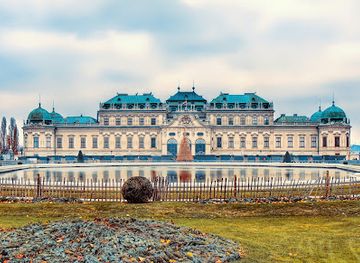
Belvedere Palace
Explore Baroque architecture and world-renowned Austrian art at Vienna's iconic Belvedere Palace and museum complex.
-
Historical place
Hofburg
Explore the Hofburg Palace in Vienna: a majestic journey through Austria's imperial history, art, and culture. A must-see landmark!

Explore Thermenregion on the map
Plan your trip on one map. See where the top cities, national parks and sights are, and book hotels and experiences in a few clicks.
Best hotels in Thermenregion
Best restaurants in Thermenregion
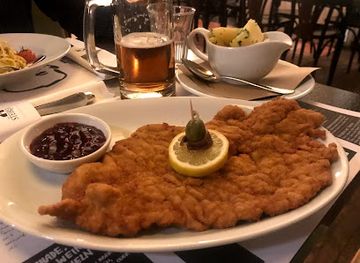
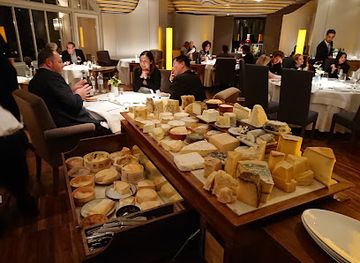
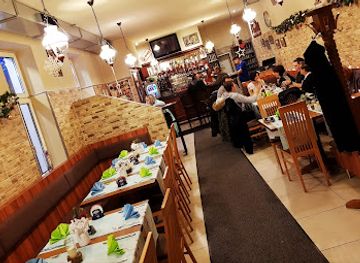
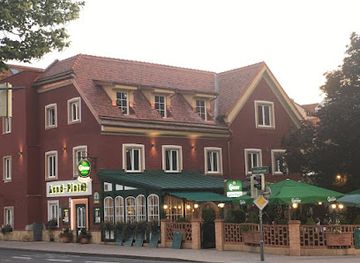
Dining in Thermenregion is closely tied to Lower Austrian wine culture and the seasonal rhythm of the vineyards. Traditional Heurige serve the current local wine alongside cold platters, bread, spreads, salads and regional specialities; some also offer warm dishes, but menus vary considerably. Gumpoldskirchen, Pfaffstätten, Sooß, Bad Vöslau and other wine villages are natural places to look for this style of meal. Baden and Mödling provide a broader restaurant choice, from cafés and traditional Austrian kitchens to contemporary dining rooms. Expect familiar national dishes as well as locally sourced produce, pastries and seasonal menus rather than a single dish that defines the whole region. Rotgipfler and Zierfandler are important local wine discoveries, with other white and red varieties widely available. The best approach is to ask about the current vintage, cellar selection and house specialities, and to remember that some Heurige open only at particular times of year. Farmers’ markets and specialist food shops in the larger towns are useful for bread, cheese, cured meats and edible gifts.
-
Austrian
Der Steirer
Experience authentic Austrian flavors at Der Steirer – Graz's premier destination for delicious local cuisine and fine wines.
-
Fine Dining
Steirereck
Experience unparalleled fine dining at Steirereck in Vienna - where innovative Austrian cuisine meets elegant ambiance.
-
Austrian
Alt Wiener Stuben
Discover the heart of Vienna through authentic Austrian cuisine at Alt Wiener Stuben – a culinary haven where tradition meets taste.
-
Restaurant
Gasthaus Lendplatzl
Experience authentic Austrian cuisine at Gasthaus Lendplatzl in Graz - where tradition meets warmth in every bite.
Best bars in Thermenregion
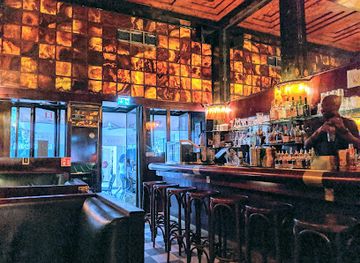
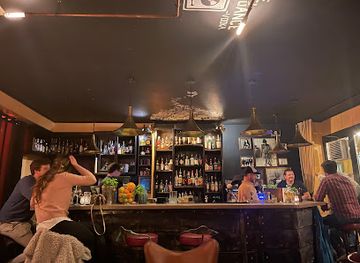
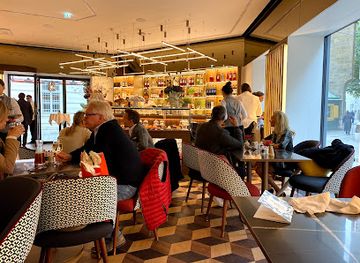
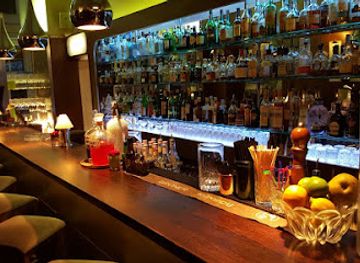
Evenings in Thermenregion are generally centred on wine taverns, traditional inns, cafés and restaurants rather than a large nightclub circuit. Heurige provide the defining local setting: visitors may sit in a courtyard or simple dining room, taste regional wines and enjoy conversation without the atmosphere of a formal bar. Baden has the broadest evening choice, including hotel bars, wine-focused venues, cultural performances and restaurants, while Mödling offers a younger and more urban feel because of its proximity to Vienna and its larger resident population. Smaller villages become quiet earlier, although a busy wine festival or seasonal local event can change the atmosphere. The region also has a strong spa-oriented evening culture, with visitors combining bathing or a concert with dinner. Check current arrangements before travelling, especially for village taverns, as opening patterns are often more limited than in Vienna. Nightclubs exist on a modest scale, but Thermenregion is better suited to unhurried evenings, live music, wine tasting and convivial dining than to an all-night club itinerary.
-
Cocktail bar
Loos American Bar
Discover the elegance of Loos American Bar in Vienna, where exquisite cocktails meet a historic ambiance in the heart of the city.
-
Cocktail bar
Needle Vinyl Bar
Discover the unique charm of Needle Vinyl Bar in Vienna, where eclectic cocktails meet the soulful sounds of vinyl records for an unforgettable nightlife experience.
-
Restaurant
Bar Campari
Experience the essence of Vienna at Bar Campari, where local flavors meet a vibrant atmosphere in the heart of the city.
-
Cocktail bar
Grüner Kakadu
Discover the lively Grüner Kakadu cocktail bar in Vienna, where unique drinks and a vibrant atmosphere create unforgettable evenings.
Best nightclubs in Thermenregion
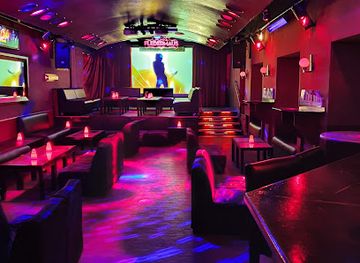
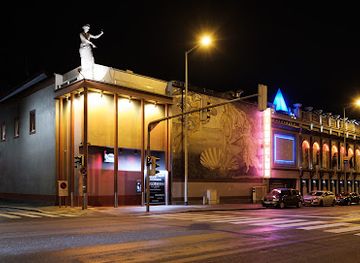
Evenings in Thermenregion are generally centred on wine taverns, traditional inns, cafés and restaurants rather than a large nightclub circuit. Heurige provide the defining local setting: visitors may sit in a courtyard or simple dining room, taste regional wines and enjoy conversation without the atmosphere of a formal bar. Baden has the broadest evening choice, including hotel bars, wine-focused venues, cultural performances and restaurants, while Mödling offers a younger and more urban feel because of its proximity to Vienna and its larger resident population. Smaller villages become quiet earlier, although a busy wine festival or seasonal local event can change the atmosphere. The region also has a strong spa-oriented evening culture, with visitors combining bathing or a concert with dinner. Check current arrangements before travelling, especially for village taverns, as opening patterns are often more limited than in Vienna. Nightclubs exist on a modest scale, but Thermenregion is better suited to unhurried evenings, live music, wine tasting and convivial dining than to an all-night club itinerary.
-
Disco club
Cabaret Fledermaus
Discover the vibrant nightlife of Vienna at Cabaret Fledermaus, where eclectic music and energetic crowds create unforgettable evenings.
-
Disco club
Half Moon Club
Discover the electrifying atmosphere of Half Moon Club, Salzburg's premier disco club for an unforgettable nightlife experience filled with music and fun.
-
Night club
Colosseum Graz - Laufhaus mit Bar
Discover Graz's vibrant nightlife at Colosseum Graz, a premier night club offering unforgettable experiences and lively entertainment.
-
Night club
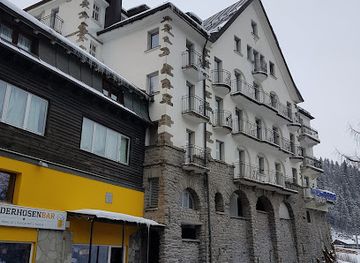
Wührers discotheque
Experience the ultimate nightlife at Wührers Discotheque in Bad Gastein, where music, energy, and unforgettable moments come together.

Best shops in Thermenregion
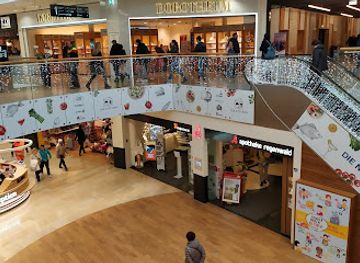
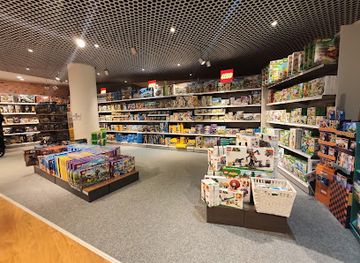
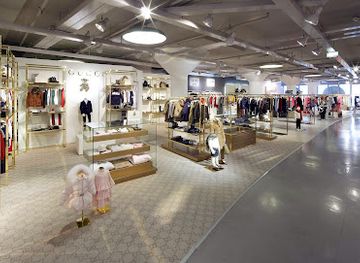
Shopping in Thermenregion is strongest in Baden and Mödling, where historic centres contain everyday high-street shops, independent retailers, cafés, galleries, bookshops and specialist food businesses. Smaller wine villages offer a more focused experience, with direct sales from wineries, cellar doors and seasonal opportunities to buy bottles, grape products and local food for a journey home. Look for Rotgipfler and Zierfandler from established producers, as well as regional white and red wines suited to different budgets. Farmers’ markets and town markets vary by municipality and date, so current local information is preferable to assuming a daily market. Craft and gift shopping tends to be modest rather than extensive, with ceramics, regional delicacies, stationery, art and wine accessories more common than luxury retail. Baden’s spa identity also supports shops selling wellness products and traditional souvenirs. Visitors should carry reusable packaging for bottles where possible and remember that some small producers accept cards only intermittently, making cash useful when buying directly from a vineyard.
-
Shopping mall
Westfield Donau Zentrum
Discover the ultimate shopping and dining experience at Westfield Donau Zentrum in Vienna, a vibrant hub for retail therapy and culinary delights.
-
 Shopping mall
G3 Shopping Resort Gerasdorf
Discover shopping paradise at G3 Shopping Resort Gerasdorf, where fashion, beauty, and technology meet in an unforgettable retail experience.
-
Shopping mall
Kaufhaus Gerngross
Explore Kaufhaus Gerngross in Vienna for a unique shopping experience with diverse brands and delightful dining options.
-
Department store
Steffl
Discover luxury and local charm at Steffl, Vienna's iconic department store offering shopping, gourmet treats, and breathtaking city views.
Get your free copy of our complete guide to Thermenregion, delivered straight to you.
Everything on this page, from attractions and restaurants to essentials and local phrases, in one PDF you can read offline, print or share.
Already have an account? Sign in
Your Thermenregion guide is ready.
We'll send it to · Not you? Sign out

Getting your guide ready…
We are putting together a fresh copy of the Thermenregion guide. This can take up to a minute.
This can take a few moments. If your browser asks, choose Allow so the download can start. You'll find the guide in your Downloads folder.
Nothing happened? Download it again
Sorry, the guide is taking longer than usual. Please try again in a minute, or get it by email instead.
Thermenregion essentials
Currency and Payment
Safety
Emergency Situations
Do's and Don'ts
Local Tips
From Eve
Local phrases worth knowing
You don't need to get them perfect. A few words go a long way, and locals appreciate the effort.
Basics
| English | Local | Say it |
|---|---|---|
| Hello | Hallo | [Hah-loh] |
| Goodbye | Auf Wiedersehen | [Owf Vee-der-zay-en] |
| Yes | Ja | [Yah] |
| No | Nein | [Nine] |
| Please/You're welcome | Bitte | [Bi-teh] |
| Thank you | Danke | [Dahn-keh] |
| Excuse me/Sorry | Entschuldigung | [Ent-shool-dee-goong] |
| How are you? | Wie geht's? | [Vee gates?] |
| Fine. And you? | Gut. Und dir? | [Gooot. Oond deer?] |
| Do you speak English? | Sprechen Sie Englisch? | [Shpre-chen Zee Eng-lish?] |
| I don't understand | Ich verstehe nicht | [Ish fer-shtay-eh nikht] |
Eating & Drinking
| English | Local | Say it |
|---|---|---|
| I'd like to see the menu, please | Ich möchte die Speisekarte sehen, bitte | [Ish merkh-teh dee Shpy-ze-kar-teh zay-en, bi-teh] |
| I don't eat meat | Ich esse kein Fleisch | [Ish es-seh kyan Flysh] |
| Cheers! | Prost! | [Prohst!] |
| I would like to pay, please | Ich möchte bezahlen, bitte | [Ish merkh-teh beh-tsah-len, bi-teh] |
Emergencies
| English | Local | Say it |
|---|---|---|
| Help! | Hilfe! | [Hil-feh!] |
| Go away! | Geh weg! | [Gay vek!] |
| Call the Police! | Rufen Sie die Polizei! | [Roo-fen Zee dee Po-lee-tsai!] |
| Call a doctor! | Rufen Sie einen Arzt! | [Roo-fen Zee eye-nen Artzt!] |
| I'm lost | Ich habe mich verlaufen | [Ish hah-beh mikh fer-lau-fen] |
| I'm ill | Ich bin krank | [Ish bin krank] |
Shopping
| English | Local | Say it |
|---|---|---|
| I'd like to buy... | Ich möchte ... kaufen | [Ish merkh-teh ... kau-fen] |
| I'm just looking | Ich schaue nur | [Ish shau-eh noor] |
| How much is it? | Wie viel kostet das? | [Vee feel kost-et das?] |
| That's too expensive | Das ist zu teuer | [Das ist tsoo toy-er] |
| Can you lower the price? | Könnten Sie den Preis senken? | [Kurn-ten Zee den Pryce sen-ken?] |
Time & Numbers
| English | Local | Say it |
|---|---|---|
| What time is it? | Wie spät ist es? | [Vee shpate ist es?] |
| It's one o'clock | Es ist ein Uhr | [Es ist ine Oor] |
| Half past (10) | Halb elf | [Halb elf] |
| Morning | Morgen | [Mor-gen] |
| Afternoon | Nachmittag | [Nahkh-mi-tahg] |
| Evening | Abend | [Ah-bend] |
| Yesterday | Gestern | [Gehs-tern] |
| Today | Heute | [Hoy-teh] |
| Tomorrow | Morgen | [Mor-gen] |
| 1 | Eins | [I-ns] |
| 2 | Zwei | [Ts-vi] |
| 3 | Drei | [Dry] |
| 4 | Vier | [Feer] |
| 5 | Fünf | [Foonf] |
| 6 | Sechs | [Zex] |
| 7 | Sieben | [Zee-ben] |
| 8 | Acht | [Akh-t] |
| 9 | Neun | [Noyn] |
| 10 | Zehn | [Tsayn] |
Transport & Directions
| English | Local | Say it |
|---|---|---|
| Where's a/the...? | Wo ist ein/das...? | [Vo ist ine/das...?] |
| What's the address? | Wie ist die Adresse? | [Vee ist dee Ah-dres-se?] |
| Can you show me (on the map)? | Könnten Sie mir (auf der Karte) zeigen? | [Kurn-ten Zee meer (owf der Kar-teh) tsai-gen?] |
| When's the next (bus)? | Wann kommt der nächste (Bus)? | [Vahn komt der nay-sh-teh (Boos)?] |
| A ticket (to ....) | Ein Ticket (nach ...) | [Ine Ti-ket (nahkh ...)] |
History of Thermenregion
Roman Aquae and the Thermal Springs
The thermal springs at Baden were known in Roman times, when the settlement was called Aquae. Roman visitors valued the warm mineral waters and established bathing facilities in a landscape already connected to the road network south of Vindobona, the Roman settlement that became Vienna. Although much of the visible Roman fabric has disappeared, the ancient association between Baden, healing waters and leisure shaped the town’s later development. The name Baden itself preserves this long connection with bathing and remains central to the region’s identity.
Medieval Wine Villages and Monastic Influence
During the Middle Ages, settlements on the eastern edge of the Wienerwald developed within the political and economic orbit of the Babenberg and later Habsburg lands. Vine cultivation became an important form of land use on the sunny slopes around Gumpoldskirchen, Pfaffstätten and neighbouring villages. Religious institutions and lay landlords helped organise agricultural production, while parish churches, vineyards and fortified estates gave the settlements their enduring structure. Many present-day cellar lanes and historic village centres reflect this long period of wine-growing continuity.
Baden under the Habsburgs
Baden’s springs gained renewed importance under the Habsburg monarchy, when the town became a fashionable summer and spa residence for visitors from Vienna. Emperor Franz I regularly stayed in Baden during the early nineteenth century, and court connections encouraged the construction of gardens, villas and public facilities. The town’s spa culture expanded beyond medical bathing to include promenades, concerts and social life. These developments established the architectural and cultural character that still distinguishes Baden from the more agricultural wine villages nearby.
Beethoven and the Nineteenth-Century Spa Culture
Ludwig van Beethoven spent periods in Baden, particularly in the early nineteenth century, seeking relief from illness and working during his stays. His former residence is now associated with the Beethovenhaus Baden and offers an insight into the composer’s connection with the town. Beethoven was one of many artists and visitors drawn to the combination of thermal waters, proximity to Vienna and cultivated social life. The wider nineteenth century also brought landscaped parks, villas, improved roads and a more formal spa identity to Baden.
The Southern Railway and Regional Connections
The arrival of the railway in the nineteenth century transformed the relationship between the Thermenregion and Vienna. Rail connections made Baden and the surrounding settlements more accessible to spa visitors, wine merchants, workers and day-trippers, while supporting the growth of suburban communities in the northern part of the region. The railway also strengthened the economic links between vineyards, local markets and the capital. Modern travellers still benefit from this historical infrastructure, particularly on routes serving Mödling, Baden and the towns along the southern Vienna corridor.
Wine Production, Phylloxera and Modern Renewal
Like wine-growing areas across Europe, the Thermenregion faced severe disruption from phylloxera and other nineteenth-century vineyard problems. Replanting, changing markets and the gradual professionalisation of Austrian viticulture altered the balance between varieties and production methods. In the twentieth and twenty-first centuries, growers increasingly emphasised quality, site expression and the region’s traditional grapes, notably Rotgipfler and Zierfandler. Heurige culture remains important, but contemporary wineries now sit alongside long-established agricultural customs and help present the region’s wine heritage to a wider audience.
Modern Spa, Heritage and Wine Tourism
After the political and economic changes of the twentieth century, the Thermenregion developed as a leisure landscape within easy reach of Vienna rather than solely as an aristocratic spa destination. Baden’s historic centre and spa facilities, the Wienerwald’s recreational trails and the wine villages’ cellar culture now form a connected tourism offer. The region’s modern identity depends on balancing residential growth and commuter links with the protection of vineyards, forests, historic buildings and rural traditions. This combination explains why the area is visited both for short excursions and for slower cultural stays.
Thermenregion in Photos
Browse through our photo collection highlighting the charm and character of the destination.
Neighbouring regions of Thermenregion
The closest regions to Thermenregion, if you have time for more than one.
-

-

-

-

-


Swipe for more regions
Explore more
Explore more of Austria
Discover Austria's blend of alpine landscapes, rich cultural heritage, and culinary delights, from Vienna's historic charm to Tyrol's dramatic beauty.
Explore Austria