

Free Seewinkel Travel Guide & Mobile App
Explore Seewinkel with free travel guides. Discover regional history, expert tips, proposed trips, and audio guides on web or mobile app.


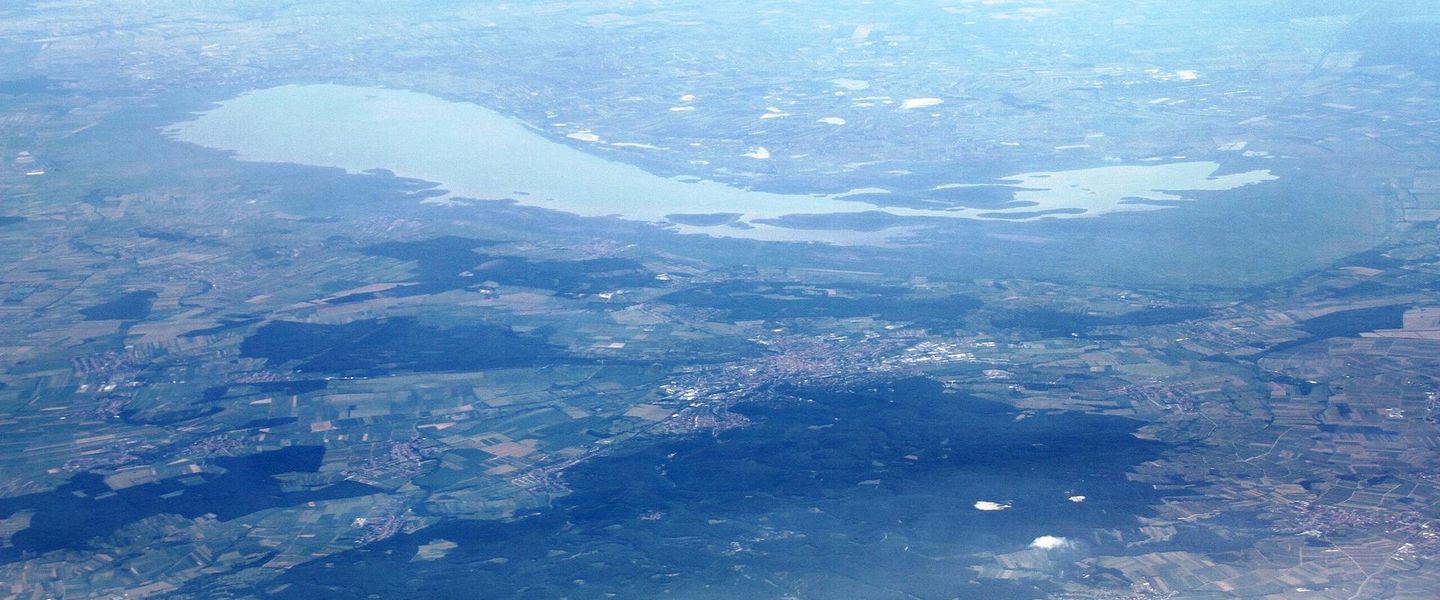


Explore Seewinkel in eastern Austria for salt lakes, rare birds, cycling, vineyards and the windswept shores of Lake Neusiedl.
Read more about Seewinkel
When is the best time to visit Seewinkel?
Best: June–August · 23–25°C| Month | High (°C) | Rainfall (mm) |
|---|---|---|
| January | 3 | 25 |
| February | 5 | 25 |
| March | 9 | 30 |
| April | 14 | 35 |
| May | 19 | 45 |
| June (best) | 23 | 45 |
| July (best) | 25 | 50 |
| August (best) | 24 | 50 |
| September | 20 | 40 |
| October | 15 | 35 |
| November | 7 | 30 |
| December | 4 | 25 |
Getting to and around Seewinkel
How to get there
Transportation
Destinations in Seewinkel
Resorts, valleys and scenic spots worth a trip of their own.
-
-


Swipe for more destinations
Best attractions in Seewinkel
Seewinkel’s attractions centre on its unusual landscape rather than on a dense collection of urban monuments. The Neusiedler See–Seewinkel National Park is the principal draw, protecting reedbeds, alkaline meadows, open steppe and shallow salt lakes where seasonal water levels shape habitats for large numbers of birds. Observation towers, marked walks and guided excursions provide better access and interpretation than wandering into sensitive areas. Around Illmitz and Apetlon, the Lacken offer changing views and strong opportunities for birdwatching, while the lakeside at Podersdorf am See supports swimming, sailing, windsurfing and cycling. The region’s network of village roads and vineyards is well suited to leisurely bicycle trips, and horse-based traditions remain part of the local rural setting. Frauenkirchen adds religious and architectural interest through its baroque basilica, while wine cellars, farm landscapes and village museums help explain how people have adapted to the dry, flat Pannonian environment. The most rewarding itinerary balances protected nature with working villages, vineyards and time beside the shallow lake.
-
Amusement park
Familypark Neusiedlersee
Experience Austria's largest amusement park: Familypark Neusiedlersee, offering thrilling rides, enchanting forests, and fun for the whole family!
-
Wax museum
Madame Tussauds Vienna
Experience the magic of celebrity and history at Madame Tussauds Vienna, where lifelike wax figures await to enchant visitors of all ages.
-
Tourist attraction
Podersdorf Lighthouse
Discover the charm of Podersdorf Lighthouse, a picturesque symbol of Podersdorf am See, offering stunning views and rich cultural experiences.
-
Neusiedl am See
Experience the breathtaking beauty and rich culture of Neusiedl am See, a serene lakeside town perfect for outdoor adventures and relaxation.


Best landmarks in Seewinkel
The Neusiedler See–Seewinkel National Park is Seewinkel’s defining landmark, not as a single monument but as a protected cultural landscape of reedbeds, salt lakes, meadows and open horizons. Its observation towers and carefully managed viewing points express the region’s importance as a meeting place for Central European wetland and steppe habitats. The shallow eastern shore of Lake Neusiedl, particularly around Podersdorf am See, is another signature feature: wind, reeds and a broad, almost sea-like horizon explain the area’s long association with sailing and waterside recreation. Frauenkirchen Basilica, a prominent baroque pilgrimage church, provides the region with one of its most recognisable architectural landmarks. In the villages, compact streets, whitewashed or pastel façades, wine-cellar entrances and agricultural buildings preserve the visual character of historic Burgenland settlements. Around Illmitz and Apetlon, the salt lakes themselves are the most distinctive natural landmarks, although their size, colour and water levels change markedly with weather and season. Together these places show why Seewinkel is defined by the relationship between nature, farming and village life.
-
National park
Lake Neusiedl - Seewinkel National Park
Discover Austria's Neusiedler See-Seewinkel National Park: A unique steppe lake landscape, a birdwatcher's paradise, and a UNESCO World Heritage site.
-
Catholic church
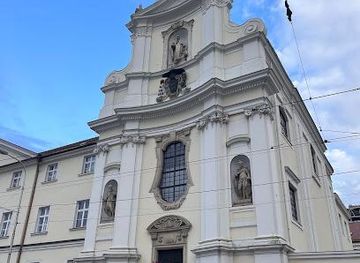
Church of St. Elizabeth of Hungary (Alžbetínky)
Discover Bratislava's Blue Church: A stunning Art Nouveau masterpiece with a fairytale-like blue facade and rich cultural history.

Explore Seewinkel on the map
Plan your trip on one map. See where the top cities, national parks and sights are, and book hotels and experiences in a few clicks.
Best hotels in Seewinkel
Best restaurants in Seewinkel
Dining in Seewinkel reflects Burgenland’s position between Austrian and Hungarian culinary traditions, with menus often built around seasonal vegetables, freshwater fish, pork, poultry and substantial home-style dishes. Local wines are central to the experience: Welschriesling, Grüner Veltliner, Zweigelt and other regional varieties are served in wine taverns, cellar establishments and village restaurants. Heuriger-style venues and Buschenschank establishments typically offer a focused selection of cold plates, breads, cheeses, meats and regional specialities rather than an extensive restaurant menu; opening arrangements vary, so checking locally is sensible. Podersdorf am See provides the broadest choice of lakeside and casual dining, while Illmitz, Apetlon and the smaller villages are better known for rural wine culture and intimate cellar settings. Farmers’ produce, seasonal fruit and pastries add variety, and fish from the Lake Neusiedl area may appear on menus, though visitors should not assume that every dish is locally caught. Meals are often best paired with a regional wine and taken at an unhurried pace.
-
Restaurant
Leopoldauer Alm
Discover the essence of Austrian cuisine at Leopoldauer Alm - where tradition meets flavor in every bite.
-
 Hotel
St Martins Therme & Lodge
Discover luxury and tranquility at St Martins Therme & Lodge - your ultimate spa retreat in Frauenkirchen, Austria.
-
Cafe
Vollpension
Experience Vienna's culinary charm at Vollpension: A nostalgic café offering delicious pastries, hearty vegetarian dishes, and a cozy atmosphere.
-
Hotel
Hilton Vienna Waterfront
Discover unparalleled luxury at Hilton Vienna Waterfront with stunning Danube views and top-notch amenities in the heart of Austria's capital.


Best bars in Seewinkel
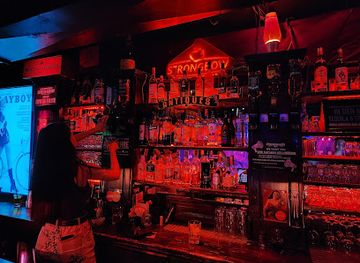
Seewinkel does not have a large late-night club scene; evening life is concentrated in wine taverns, traditional inns, village restaurants and lakeside establishments. Illmitz, Apetlon, Frauenkirchen and Podersdorf am See offer the greatest concentration of places to eat and drink, with Podersdorf developing a more seasonal holiday atmosphere around the lake. Local wine cellars and Buschenschank venues are the region’s most distinctive evening settings, particularly during the warmer months, while pubs provide a more informal option for residents and visitors. Some lakeside venues may host music or extend their evening activity in summer, but schedules and opening arrangements are changeable. In the countryside, distances and limited late public transport make it sensible to plan a return journey in advance, especially if travelling between villages. The focus is on conversation, food, wine and open-air summer life rather than on all-night entertainment.
-
Cocktail bar
Needle Vinyl Bar
Discover the enchanting Needle Vinyl Bar in Vienna, where exquisite cocktails meet a vibrant atmosphere filled with music and charm.
-
Wine bar
Golser Grammel Boscha - Heuriger
Discover the heart of Austrian wine culture at Golser Grammel Boscha, a charming wine bar in Gols offering delightful local wines and traditional cuisine.
-
Restaurant
Wine shop Fabian Inh Johann Sloboda
Discover the essence of Austrian wines at Wine Shop Fabian, Podersdorf am See's premier destination for wine enthusiasts and culinary delights.
-
Wine bar
Gowerl-Haus Buschenschank
Discover Gowerl-Haus Buschenschank, a cozy wine bar in Illmitz, offering exquisite local wines and traditional Austrian cuisine in a charming setting.


Best nightclubs in Seewinkel
Seewinkel does not have a large late-night club scene; evening life is concentrated in wine taverns, traditional inns, village restaurants and lakeside establishments. Illmitz, Apetlon, Frauenkirchen and Podersdorf am See offer the greatest concentration of places to eat and drink, with Podersdorf developing a more seasonal holiday atmosphere around the lake. Local wine cellars and Buschenschank venues are the region’s most distinctive evening settings, particularly during the warmer months, while pubs provide a more informal option for residents and visitors. Some lakeside venues may host music or extend their evening activity in summer, but schedules and opening arrangements are changeable. In the countryside, distances and limited late public transport make it sensible to plan a return journey in advance, especially if travelling between villages. The focus is on conversation, food, wine and open-air summer life rather than on all-night entertainment.
-
Disco club
Cabaret Fledermaus
Discover the vibrant nightlife of Vienna at Cabaret Fledermaus, a lively disco club and bar that promises unforgettable nights filled with music and dance.
-
Night club
A-Danceclub
Experience the electrifying nightlife of Vienna at A-Danceclub, a premier night club and bar with vibrant music and a welcoming atmosphere.
-
Night club
Scotch Club
Discover the heart of Vienna's nightlife at Scotch Club, where great music meets an extensive drink selection in an inviting ambiance.
-
Night club
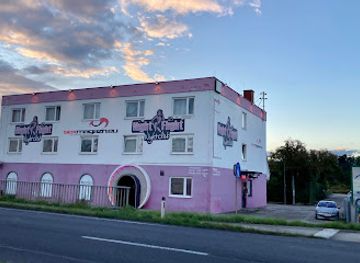
Nightclub Night Flight
Discover the electrifying energy of Nightclub Night Flight in Traun, where unforgettable nights of music and dance await every party lover.


Best shops in Seewinkel
Shopping in Seewinkel is primarily local and food-oriented rather than focused on large retail centres. Village wine shops, cellar doors and direct-sale farms offer bottles from the surrounding vineyards, along with grape juice, preserves and seasonal produce. Podersdorf am See has the broadest holiday-oriented selection, including practical cycling and watersports supplies, while Frauenkirchen functions as a more substantial local shopping centre for everyday needs. Small shops and market stalls may sell regional honey, pumpkin-seed products, fruit, cheese, cured meats and handmade goods, though availability varies by season and village. The towns and villages are also useful places to look for ceramics, textiles, woodwork and modest craft souvenirs connected with Burgenland’s rural culture. Visitors should distinguish locally produced wine and food from generic products marketed as Austrian souvenirs, and should check customs and airline requirements when carrying liquids. For broader fashion, electronics or specialist retail, Vienna, Bratislava or larger towns outside Seewinkel provide a much wider choice.
-
Outlet mall
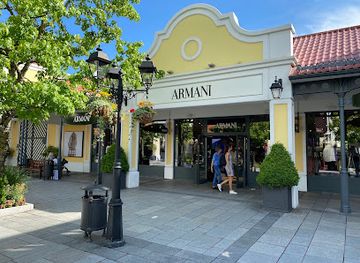
Designer Outlet Parndorf
Experience the ultimate shopping spree at Designer Outlet Parndorf, where luxury meets affordability in a picturesque shopping environment.
-
Shopping mall
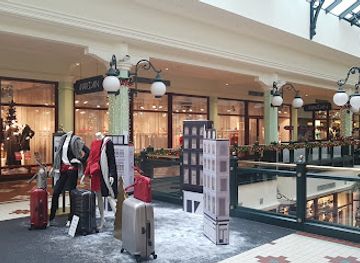
Westfield Shopping City Süd
Discover the ultimate shopping experience at Westfield Shopping City Süd, featuring diverse shops, dining, and entertainment in a modern atmosphere.
-
Outlet mall
Fashion Outlet Parndorf
Shop top designer brands at unbeatable prices in Fashion Outlet Parndorf, Austria's leading outlet destination for fashion lovers.
-
Outlet mall
Designer Outlet Salzburg
Shop at Designer Outlet Salzburg for incredible discounts on top brands while enjoying the beautiful Austrian scenery.


Get your free copy of our complete guide to Seewinkel, delivered straight to you.
Everything on this page, from attractions and restaurants to essentials and local phrases, in one PDF you can read offline, print or share.
Already have an account? Sign in
Your Seewinkel guide is ready.
We'll send it to · Not you? Sign out

Getting your guide ready…
We are putting together a fresh copy of the Seewinkel guide. This can take up to a minute.
This can take a few moments. If your browser asks, choose Allow so the download can start. You'll find the guide in your Downloads folder.
Nothing happened? Download it again
Sorry, the guide is taking longer than usual. Please try again in a minute, or get it by email instead.
Seewinkel essentials
Currency and Payment
Safety
Emergency Situations
Do's and Don'ts
Local Tips
From Eve
Local phrases worth knowing
You don't need to get them perfect. A few words go a long way, and locals appreciate the effort.
Basics
| English | Local | Say it |
|---|---|---|
| Hello | Hallo | [hah-loh] |
| Goodbye | Auf Wiedersehen | [owf vee-der-zayn] |
| Yes | Ja | [yah] |
| No | Nein | [nayn] |
| Please/You're welcome | Bitte | [bit-teh] |
| Thank you | Danke | [dahn-keh] |
| Excuse me/Sorry | Entschuldigung | [ent-shool-dee-goong] |
| How are you? | Wie geht's? | [vee gates] |
| Fine. And you? | Gut. Und dir? | [goot. oond deer] |
| Do you speak English? | Sprechen Sie Englisch? | [shpreh-chen zee eng-lish] |
| I don't understand | Ich verstehe nicht | [ikh fer-shteh-eh nikht] |
Eating & Drinking
| English | Local | Say it |
|---|---|---|
| I'd like to see the menu, please | Ich hätte gerne die Speisekarte, bitte | [ikh heh-teh gehr-neh dee shy-zeh-kar-teh, bit-teh] |
| I don't eat meat | Ich esse kein Fleisch | [ikh es-seh kīn flysh] |
| Cheers! | Prost! | [prohst] |
| I would like to pay, please | Ich möchte bezahlen, bitte | [ikh moech-teh beh-zahl-en, bit-teh] |
Emergencies
| English | Local | Say it |
|---|---|---|
| Help! | Hilfe! | [hil-feh] |
| Go away! | Geh weg! | [geh veg] |
| Call the Police! | Rufen Sie die Polizei! | [roo-fen zee dee poh-li-tsai] |
| Call a doctor! | Rufen Sie einen Arzt! | [roo-fen zee eye-nen artst] |
| I'm lost | Ich habe mich verlaufen | [ikh hab-eh mikh fer-lau-fen] |
| I'm ill | Ich bin krank | [ikh bin krank] |
Shopping
| English | Local | Say it |
|---|---|---|
| I'd like to buy... | Ich möchte ... kaufen | [ikh moech-teh ... kau-fen] |
| I'm just looking | Ich schaue nur | [ikh sha-u-eh noor] |
| How much is it? | Wie viel kostet das? | [vee feel kost-et das] |
| That's too expensive | Das ist zu teuer | [das ist tsoo toy-er] |
| Can you lower the price? | Könnten Sie den Preis senken? | [kuen-ten zee den price zen-ken] |
Time & Numbers
| English | Local | Say it |
|---|---|---|
| What time is it? | Wie spät ist es? | [vee shpaet ist es] |
| It's one o'clock | Es ist ein Uhr | [es ist ine ooh-er] |
| Half past (10) | Halb (10) | [halp (10)] |
| Morning | Morgen | [mor-gen] |
| Afternoon | Nachmittag | [nahkh-mit-tag] |
| Evening | Abend | [ah-bent] |
| Yesterday | Gestern | [ges-tern] |
| Today | Heute | [hoy-teh] |
| Tomorrow | Morgen | [mor-gen] |
| 1 | Eins | [ines] |
| 2 | Zwei | [tsvai] |
| 3 | Drei | [dry] |
| 4 | Vier | [feer] |
| 5 | Fünf | [fuenf] |
| 6 | Sechs | [zex] |
| 7 | Sieben | [zee-ben] |
| 8 | Acht | [ahkt] |
| 9 | Neun | [noyn] |
| 10 | Zehn | [tsayn] |
Transport & Directions
| English | Local | Say it |
|---|---|---|
| Where's a/the...? | Wo ist ein/das ...? | [voh ist ine/das ...?] |
| What's the address? | Was ist die Adresse? | [vas ist dee ah-dres-seh] |
| Can you show me (on the map)? | Können Sie mir (auf der Karte) zeigen? | [kuen-nen zee mir (owf der kar-teh) tsai-gen] |
| When's the next (bus)? | Wann kommt der nächste (Bus)? | [van komt der naech-ste (boos)?] |
| A ticket (to ....) | Ein Ticket (nach ....) | [ine ti-ket (nahkh ....)] |
History of Seewinkel
Prehistoric Settlement on the Pannonian Plain
The flat lands around Lake Neusiedl have attracted settlement since prehistoric times, when communities used the lake, wetlands and fertile margins for fishing, grazing and agriculture. Archaeological remains from the wider Burgenland area show repeated occupation by farming societies and later Iron Age cultures. The landscape was never simply empty steppe: its shallow waters, reedbeds and seasonally changing grasslands formed a productive environment, though settlement patterns shifted as the lake level and climate changed.
Roman Pannonia and the Lake Frontier
During the Roman period, the Seewinkel lay within the broader province of Pannonia, a frontier zone shaped by military roads, estates, trade and contact between Roman communities and peoples beyond the imperial boundary. The principal Roman centres lay elsewhere in the province, but the region’s position between the Danube corridor and the western Pannonian plain gave it strategic and economic importance. Traces of Roman influence are part of the wider archaeological context of Burgenland, even though Seewinkel is better known today for its wetlands and rural landscapes.
Medieval Borderlands and Hungarian Connections
For much of the Middle Ages, the area formed part of the borderlands associated with the Kingdom of Hungary and the western Hungarian plain. Villages, churches, agricultural estates and routes across the lake district developed amid changing political control and periodic insecurity. The region’s place names, food traditions and cultural connections reflect this long relationship with Hungary. The shallow lake and open terrain facilitated movement in some seasons but also made the area vulnerable to flooding, drought and frontier conflict.
Ottoman Wars and the Fortified Border
The Ottoman advance into Central Europe and the wars between the Habsburg monarchy and the Ottoman Empire affected the wider Neusiedler See region from the sixteenth century onwards. Villages suffered disruption, while estates and settlements were repeatedly reorganised as military and political power shifted. Although Seewinkel is not defined by a single surviving fortress comparable with major castle towns elsewhere in Austria, its historical landscape was shaped by the insecurity of a frontier between the Habsburg domains and Ottoman-influenced Hungary.
Habsburg Estate, Church and Agricultural Landscapes
Under Habsburg rule, much of Burgenland’s rural economy developed through large estates, ecclesiastical holdings, vineyards, livestock and grain cultivation. The area around Frauenkirchen became especially associated with religious and estate influence, while villages across Seewinkel retained their agricultural character. Roads, parish churches, wine cellars and field patterns preserved elements of this period. The region’s present-day combination of vineyards, farm plots and compact settlements is rooted in centuries of adaptation to the lake’s changing water levels and the demands of estate agriculture.
Burgenland Joins Austria in 1921
After the First World War and the dissolution of Austria-Hungary, the predominantly German-speaking western part of Hungary became the Austrian province of Burgenland in 1921, following negotiations and local resistance, including the special status granted to Sopron outside Austria. Seewinkel consequently became part of the new Austrian federal province while maintaining close linguistic, family and economic connections across the Hungarian border. This change established the region’s modern national context without erasing its Pannonian character.
From Agricultural Borderland to Protected Landscape
The twentieth century brought mechanised farming, improved roads, tourism and a gradual revaluation of wetlands that had often been regarded as unproductive or in need of drainage. The Neusiedler See–Seewinkel National Park was created in 1993 in cooperation with Hungary, giving formal protection to a transboundary landscape of reedbeds, salt meadows, shallow lakes and steppe habitats. Conservation, wine tourism, cycling and birdwatching now complement agriculture, while the region continues to manage the pressures of drought, water-level change and intensive land use.
Seewinkel in Photos
Browse through our photo collection highlighting the charm and character of the destination.
Neighbouring regions of Seewinkel
The closest regions to Seewinkel, if you have time for more than one.
-

-

-
-

-


Swipe for more regions
Explore more
Explore more of Austria
Discover Austria's blend of alpine landscapes, rich cultural heritage, and culinary delights, from Vienna's historic charm to Tyrol's dramatic beauty.
Explore Austria