

Free Vienna Woods Travel Guide & Mobile App
Explore Vienna Woods with free travel guides. Discover regional history, expert tips, proposed trips, and audio guides on web or mobile app.


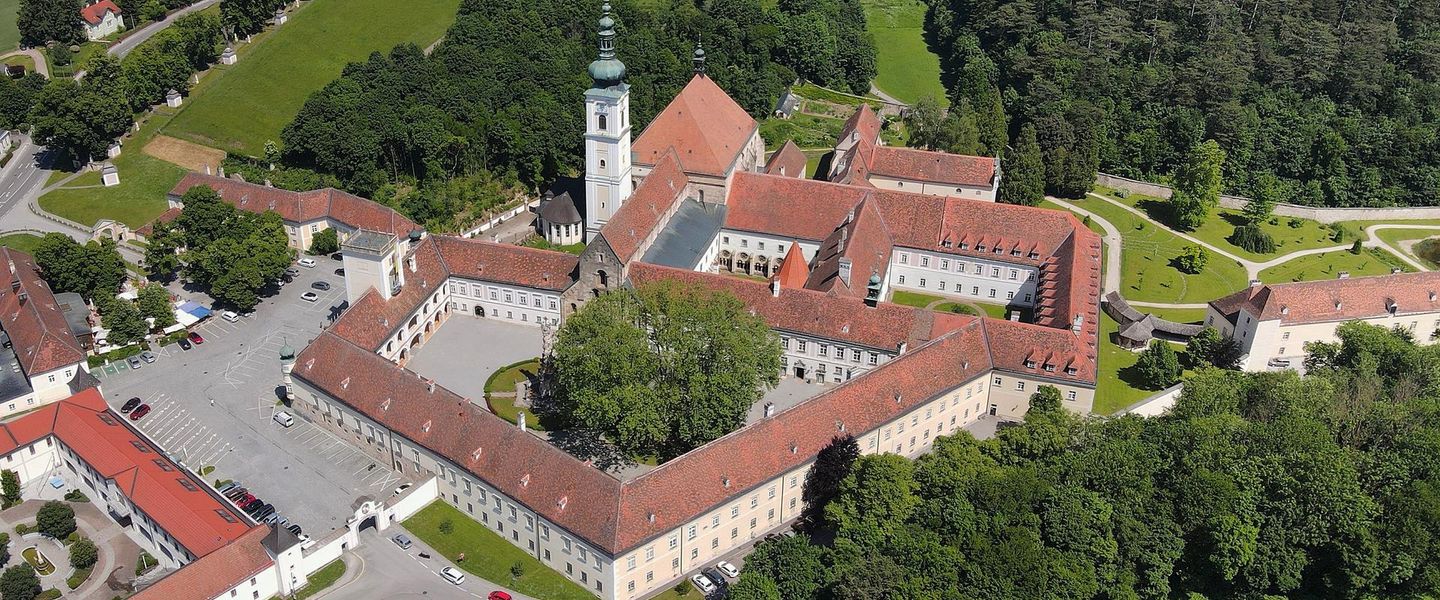


Explore the Vienna Woods around Austria’s capital for woodland walks, vineyards, monasteries, viewpoints and historic Lower Austrian towns.
Read more about Vienna Woods
When is the best time to visit Vienna Woods?
Best: June–August · 23–25°C| Month | High (°C) | Rainfall (mm) |
|---|---|---|
| January | 3 | 25 |
| February | 5 | 27 |
| March | 10 | 30 |
| April | 15 | 35 |
| May | 20 | 40 |
| June (best) | 23 | 45 |
| July (best) | 25 | 50 |
| August (best) | 25 | 45 |
| September | 20 | 40 |
| October | 14 | 35 |
| November | 7 | 30 |
| December | 4 | 27 |
Getting to and around Vienna Woods
How to get there
Transportation
Top city travel guides in Vienna Woods
The cities of Vienna Woods, and the easiest places to base yourself.

Swipe for more cities
Best attractions in Vienna Woods
The Vienna Woods offer a varied programme of forest walks, cultural excursions and rural landscapes close to Austria’s capital. In Vienna, the Lainzer Tiergarten combines woodland, meadows and historic imperial associations, while the hills around Kahlenberg and Cobenzl provide walks and views across the city and Danube plain. South of Vienna, the paths above Mödling and the Anninger are popular for hiking through limestone woodland and open grassland. Heiligenkreuz Abbey provides a major medieval and religious focus, and Mayerling gives historical context to the late Habsburg period. The former Seegrotte gypsum mine at Hinterbrühl offers an unusual underground attraction, subject to its current visitor arrangements. Vineyards, village centres and wine taverns around Perchtoldsdorf, Gumpoldskirchen and Baden add cultural and culinary interest, while the Biosphere Reserve protects habitats ranging from mature forest to dry meadows. The region is especially suited to half-day and full-day excursions, with opportunities for walking, cycling, nature observation, heritage visits and relaxed meals rather than a concentration of large-scale theme attractions.
-
Castle
Schönbrunn Palace
Experience the opulence and history of Schönbrunn Palace, Vienna's grand baroque treasure surrounded by stunning gardens.
-
Amusement park
Prater
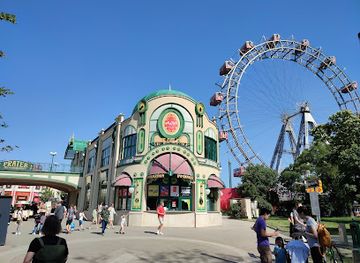
Experience the thrill of rides and the serenity of nature at Prater, Vienna's iconic amusement park, blending excitement with picturesque landscapes.
-
Museum
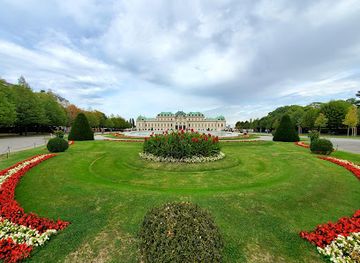
Belvedere Palace
Explore the stunning Belvedere Palace in Vienna, a baroque masterpiece with impressive art collections and breathtaking gardens that capture Austria's rich history.
-
Park
Schönbrunn Palace Park
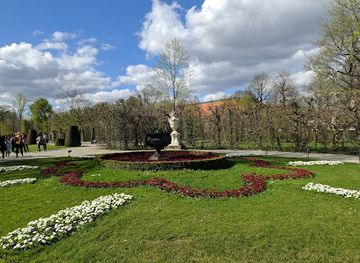
Explore the breathtaking Schönbrunn Palace Park in Vienna, a UNESCO World Heritage site featuring stunning gardens, historical architecture, and cultural treasures.


Best landmarks in Vienna Woods
Heiligenkreuz Abbey is the Vienna Woods’ outstanding medieval landmark, with Romanesque and Gothic elements, a working monastic tradition and a long association with the Cistercian order. Above Maria Enzersdorf, Liechtenstein Castle occupies a dramatic limestone ridge and reflects the defensive and aristocratic history of the southern Wienerwald. Mayerling’s former hunting lodge, now connected with a Carmelite convent, is a significant late-imperial site because of the tragedy involving Crown Prince Rudolf in 1889. Within Vienna, the Lainzer Tiergarten’s walls and Hermesvilla recall the Habsburg use of the forest as an enclosed hunting ground. The hills themselves are important natural landmarks: the Anninger rises above Mödling, while Kahlenberg and Leopoldsberg form a recognisable northern edge overlooking Vienna and the Danube. Historic vineyard settlements such as Perchtoldsdorf and Gumpoldskirchen add a human scale, with church towers, old streets and wine-growing slopes showing how settlement and woodland have developed together.
-
Castle
Schönbrunn Palace
Explore Vienna's majestic Schönbrunn Palace: a UNESCO World Heritage site with imperial history, stunning Baroque architecture, and vast gardens.
-
Cathedral
St. Stephen's Cathedral
Explore Vienna's iconic Gothic cathedral, a symbol of Austrian history, with towering views, intricate art, and fascinating catacombs.
-
Amusement park
Prater
Experience Vienna's iconic amusement park and green oasis, blending thrilling rides, historical charm, and natural beauty in one unique destination.
-
Museum
Belvedere Palace
Discover Austrian art and Baroque splendor at the Belvedere Palace, home to Klimt's 'The Kiss' and stunning gardens in Vienna.
Explore Vienna Woods on the map
Plan your trip on one map. See where the top cities, national parks and sights are, and book hotels and experiences in a few clicks.
Best hotels in Vienna Woods
Best restaurants in Vienna Woods
Dining in the Vienna Woods follows the transition from metropolitan Vienna to Lower Austria’s vineyards and market towns. Traditional Heurige are central to the regional experience, particularly around Perchtoldsdorf, Gumpoldskirchen and other eastern foothill communities, where local wine is served in informal taverns alongside seasonal and straightforward Austrian dishes. Menus may include cold platters, spreads, salads, soups, schnitzel, dumplings and pastries, although each establishment has its own style and opening pattern. Rural inns and restaurants in towns such as Mödling, Baden and Klosterneuburg broaden the choice, while Vienna’s adjoining districts provide everything from cafés to contemporary dining. Local wines, especially those associated with the Vienna Basin and Lower Austrian vineyards, are more distinctive to the region than any single signature dish. Farmers’ produce, bread, dairy products and seasonal vegetables appear widely, and walkers should not assume that every small village has food available between conventional meal periods.
-
Austrian
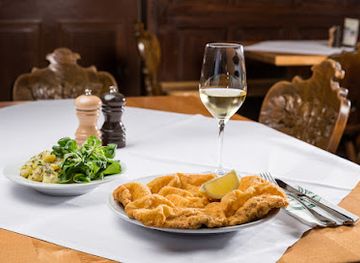
Figlmüller Bäckerstraße
Experience authentic Austrian cuisine at Figlmüller Bäckerstraße in Vienna - home of the legendary Wiener Schnitzel.
-
Cafe
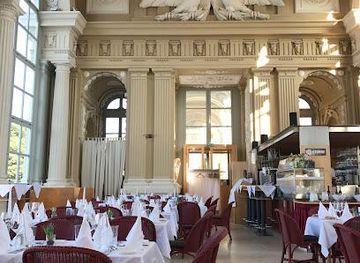
Café Gloriette
Regal coffeehouse atop Schönbrunn with imperial views, Viennese pastries, and baroque elegance blending history and modern Viennese charm.
-
Restaurant
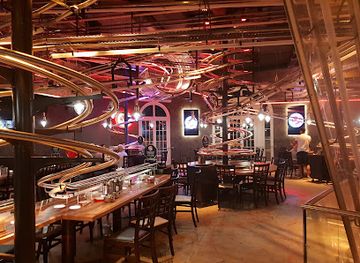
ROLLERCOASTERRESTAURANT Vienna
Discover an unforgettable dining adventure at ROLLERCOASTERRESTAURANT Vienna—where thrilling rides meet exquisite cuisine!
-
Gourmet grocery store
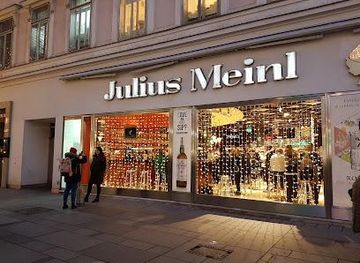
Julius Meinl am Graben
Vienna's legendary gourmet haven since 1862: exquisite global delicacies, aromatic coffees, fine teas, fresh seafood, and elegant cafés in historic Graben elegance.
Best bars in Vienna Woods
Evening life in the Vienna Woods is generally relaxed and social rather than centred on a large nightclub scene. Heurige and traditional inns provide the characteristic setting, particularly in vineyard villages on the eastern and southern margins, where evenings may extend over wine, simple food and conversation. Mödling, Baden and Perchtoldsdorf have more concentrated selections of restaurants, cafés, wine bars and occasional live-music venues, while Vienna’s western districts offer the city’s full range of theatres, concert halls, pubs and late-night establishments. Some breweries, cellar venues and seasonal outdoor settings add variety, but opening arrangements can change and rural services are limited outside the main towns. The most rewarding evening plans often combine a village meal or wine tasting with a return to Vienna, rather than expecting a continuous nightlife district among the forested hills.
-
Irish pub
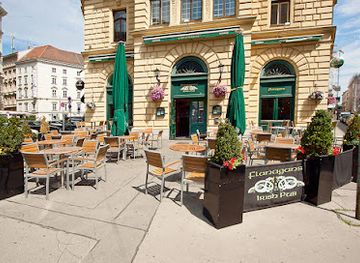
Flanagans
Discover Flanagans, Vienna's vibrant Irish pub and gastropub offering a delightful blend of Irish cuisine and culture in a lively atmosphere.
-
Bar
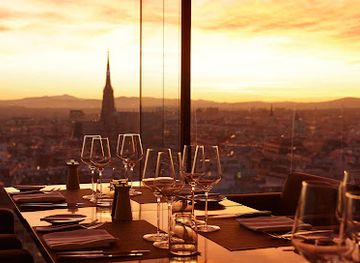
Das LOFT
Experience luxury dining with breathtaking views at Das LOFT, Vienna's premier fine dining restaurant and bar.
-
Bar
Travel Shack Vienna
Discover a lively karaoke bar in Vienna where great drinks, music, and fun come together for an unforgettable night.
-
Cocktail bar
Loos American Bar
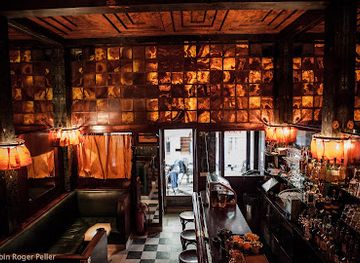
Discover the elegance of Loos American Bar, an iconic cocktail bar in Vienna blending exquisite drinks with rich architectural heritage.
Best nightclubs in Vienna Woods
Evening life in the Vienna Woods is generally relaxed and social rather than centred on a large nightclub scene. Heurige and traditional inns provide the characteristic setting, particularly in vineyard villages on the eastern and southern margins, where evenings may extend over wine, simple food and conversation. Mödling, Baden and Perchtoldsdorf have more concentrated selections of restaurants, cafés, wine bars and occasional live-music venues, while Vienna’s western districts offer the city’s full range of theatres, concert halls, pubs and late-night establishments. Some breweries, cellar venues and seasonal outdoor settings add variety, but opening arrangements can change and rural services are limited outside the main towns. The most rewarding evening plans often combine a village meal or wine tasting with a return to Vienna, rather than expecting a continuous nightlife district among the forested hills.
-
Disco club
U4 Vienna
Experience the vibrant nightlife at U4 Vienna, a premier disco club known for its electrifying atmosphere and diverse music events.
-
Disco club
Flex
Discover Flex in Vienna: A premier disco club and bar, perfect for an unforgettable night out by the Danube Canal.
-
Disco club
Flucc
Experience the electrifying atmosphere of Flucc, Vienna's premier disco club, where music, dance, and creativity converge for an unforgettable night out.
-
Disco club
Cabaret Fledermaus
Discover the electrifying atmosphere of Cabaret Fledermaus, Vienna's iconic disco club blending music, dance, and vibrant nightlife.

Best shops in Vienna Woods
Shopping in the Vienna Woods is strongest in historic towns and vineyard communities rather than in large retail districts. Mödling, Baden and Perchtoldsdorf have established town-centre shops, cafés, galleries and specialist businesses, while Vienna’s western districts provide broader everyday and designer choices. Village wine taverns and wine estates are useful places to look for bottles from the Vienna Basin and Lower Austria, subject to individual producers’ opening arrangements. Farmers’ markets and direct farm sales may offer seasonal fruit, vegetables, honey, preserves, bread and other regional produce, although market days vary. Craft and food shops can provide more meaningful souvenirs than generic tourist goods: wine, local delicacies, ceramics, textiles and books connected with the region’s monasteries, landscape or cultural history. Baden and Mödling also have antique, art and independent retail traditions, but visitors should expect shorter hours and a quieter pace in smaller settlements, especially outside the main excursion season.
-
Shopping mall
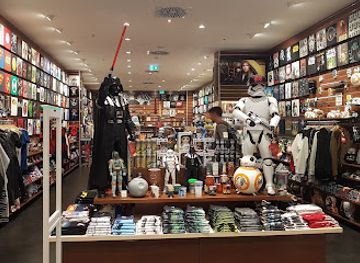
Westfield Shopping City Süd
Explore Westfield Shopping City Süd, Austria's ultimate shopping destination with a diverse mix of stores, dining options, and entertainment for the whole family.
-
Shopping mall
Westfield Donau Zentrum
Explore the vibrant shopping and dining hub of Westfield Donau Zentrum, where fashion meets flavor in Vienna's largest shopping mall.
-
Shopping mall
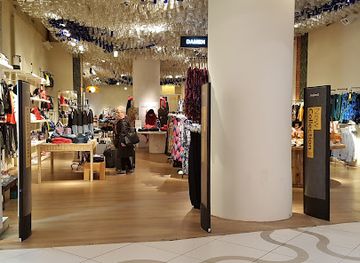
Wien Mitte The Mall
Discover Wien Mitte The Mall: Vienna's vibrant shopping hub featuring a diverse range of stores, dining options, and entertainment experiences.
-
Shopping mall
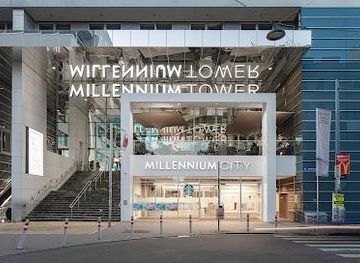
Millennium City
Discover Millennium City, Vienna's premier shopping mall offering a blend of retail, dining, and entertainment experiences for all tourists.

Get your free copy of our complete guide to Vienna Woods, delivered straight to you.
Everything on this page, from attractions and restaurants to essentials and local phrases, in one PDF you can read offline, print or share.
Already have an account? Sign in
Your Vienna Woods guide is ready.
We'll send it to · Not you? Sign out

Getting your guide ready…
We are putting together a fresh copy of the Vienna Woods guide. This can take up to a minute.
This can take a few moments. If your browser asks, choose Allow so the download can start. You'll find the guide in your Downloads folder.
Nothing happened? Download it again
Sorry, the guide is taking longer than usual. Please try again in a minute, or get it by email instead.
Vienna Woods essentials
Currency and Payment
Safety
Emergency Situations
Do's and Don'ts
Local Tips
From Eve
Local phrases worth knowing
You don't need to get them perfect. A few words go a long way, and locals appreciate the effort.
Basics
| English | Local | Say it |
|---|---|---|
| Hello | Hallo | [HAH-loh] |
| Goodbye | Auf Wiedersehen | [OWF VEE-dair-zay-en] |
| Yes | Ja | [YAH] |
| No | Nein | [NINE] |
| Please/You're welcome | Bitte | [BIT-tuh] |
| Thank you | Danke | [DAHN-kuh] |
| Excuse me/Sorry | Entschuldigung | [ENT-shool-dee-goong] |
| How are you? | Wie geht's? | [VEE gates?] |
| Fine. And you? | Gut. Und dir? | [GOOT. OOND deer?] |
| Do you speak English? | Sprechen Sie Englisch? | [SHPREH-ken zee ENG-lish?] |
| I don't understand | Ich verstehe nicht | [IKH fer-SHTAY-uh nikht] |
Eating & Drinking
| English | Local | Say it |
|---|---|---|
| I'd like to see the menu, please | Ich hätte gerne die Speisekarte, bitte | [IKH HET-teh GERN-uh dee SHPY-zeh-KAHR-tuh, BIT-tuh] |
| I don't eat meat | Ich esse kein Fleisch | [IKH ESS-uh KINE FLYSH] |
| Cheers! | Prost! | [PROHST] |
| I would like to pay, please | Ich möchte zahlen, bitte | [IKH MERK-teh TSAH-len, BIT-tuh] |
Emergencies
| English | Local | Say it |
|---|---|---|
| Help! | Hilfe! | [HIL-fuh] |
| Go away! | Geh weg! | [GAY veg!] |
| Call the Police! | Rufen Sie die Polizei! | [ROO-fen zee dee POH-lee-tsai!] |
| Call a doctor! | Rufen Sie einen Arzt! | [ROO-fen zee EYE-nen ARTZ!] |
| I'm lost | Ich habe mich verlaufen | [IKH HAH-beh mikh fer-LAU-fen] |
| I'm ill | Ich bin krank | [IKH bin KRANK] |
Shopping
| English | Local | Say it |
|---|---|---|
| I'd like to buy... | Ich möchte kaufen... | [IKH MERK-teh KOW-fen...] |
| I'm just looking | Ich schaue nur | [IKH SHOW-uh noor] |
| How much is it? | Wie viel kostet es? | [VEE feel KOH-stet es?] |
| That's too expensive | Das ist zu teuer | [DAS ist tsoo TOY-er] |
| Can you lower the price? | Könnten Sie den Preis senken? | [KERN-ten zee den PRYSS ZEN-ken?] |
Time & Numbers
| English | Local | Say it |
|---|---|---|
| What time is it? | Wie spät ist es? | [VEE shPAYT ist es?] |
| It's one o'clock | Es ist ein Uhr | [ES ist ine OOR] |
| Half past (10) | Halb (10) | [HALB (10)] |
| Morning | Morgen | [MOR-gen] |
| Afternoon | Nachmittag | [NAHKH-mit-tahg] |
| Evening | Abend | [AH-bent] |
| Yesterday | Gestern | [GES-tairn] |
| Today | Heute | [HOY-tuh] |
| Tomorrow | Morgen | [MOR-gen] |
| 1 | Eins | [EINS] |
| 2 | Zwei | [TSWY] |
| 3 | Drei | [DRY] |
| 4 | Vier | [FEER] |
| 5 | Fünf | [FYOONF] |
| 6 | Sechs | [ZEX] |
| 7 | Sieben | [ZEE-ben] |
| 8 | Acht | [AHKT] |
| 9 | Neun | [NOYN] |
| 10 | Zehn | [TSAYN] |
Transport & Directions
| English | Local | Say it |
|---|---|---|
| Where's a/the...? | Wo ist ein/das...? | [VOH ist ine/DAS...?] |
| What's the address? | Wie lautet die Adresse? | [VEE LOUT-et dee AH-dress-uh?] |
| Can you show me (on the map)? | Könnten Sie mir (auf der Karte) zeigen? | [KERN-ten zee meer (OWF dare KAR-tuh) TSY-gen?] |
| When's the next (bus)? | Wann kommt der nächste (Bus)? | [VAHN komt dare NAY-shtuh (BOOS)?] |
| A ticket (to ....) | Ein Ticket (nach ....) | [INE TICKET (nahkh ....)] |
History of Vienna Woods
Prehistoric settlement and the edge of the Roman world
The Vienna Woods and their eastern foothills have been used by people since prehistoric times, with archaeological evidence from settlements and burial sites in the wider Vienna Basin and Lower Austrian approaches. The forested hills lay close to the Danube frontier of the Roman Empire, whose major military and commercial centres included Vindobona, in modern Vienna, and Carnuntum farther east. Roman roads and settlement patterns influenced the surrounding lowlands, although the wooded uplands remained less intensively urbanised. This position between the Alpine foothills and the Danube corridor helped make the region a long-standing transition zone between forest, farmland and metropolitan routes.
Medieval monasteries and managed woodland
During the Middle Ages, religious foundations and secular landowners shaped the Vienna Woods through farming, forestry and settlement. Heiligenkreuz Abbey, founded in 1133 in the southern Wienerwald, became a major Cistercian centre and remains one of the region’s most important medieval complexes. Klosterneuburg Abbey, to the north-east of the wider forested zone, also influenced landholding and viticulture around the Vienna Basin. Woodland was not an untouched wilderness: it supplied timber, pasture and game, while valleys and edges were cleared for villages, vineyards and agricultural fields.
Habsburg hunting grounds and imperial influence
The Vienna Woods became closely associated with the Habsburg court as Vienna grew into the political centre of the monarchy. Forests around the capital were used for hunting and leisure, and estates, roads and lookout points reflected the interests of aristocratic landowners. The Lainzer Tiergarten, originally an imperial hunting enclosure, preserves this history within Vienna’s western districts. Court connections also shaped nearby residences and estates, while the scenic hills and vineyards increasingly served as recreational territory for Vienna’s expanding population. The balance between private control, public access and development has remained a recurring issue in the region.
The Vienna Woods in the nineteenth century
The nineteenth century transformed the Wienerwald from a primarily rural resource into a landscape closely linked with metropolitan recreation. Improved roads and railways made settlements such as Baden, Mödling and nearby vineyard villages easier to reach from Vienna. Artists, writers and composers were drawn to the forested hills, spa towns and wine country, while the Biedermeier period encouraged excursions into the countryside. The region’s cultural image was reinforced by music and popular descriptions of the Viennese landscape, even as forestry, quarrying, farming and suburban growth continued to alter parts of the woodland edge.
Mayerling and the late imperial era
Mayerling, south-west of Vienna near Alland, became internationally known after Crown Prince Rudolf, only son of Emperor Franz Joseph I and Empress Elisabeth, died there with Baroness Mary Vetsera in 1889. The former hunting lodge was subsequently converted into a Carmelite convent, and the event has remained one of the most discussed tragedies of the late Habsburg period. Mayerling is not representative of the whole Vienna Woods, but its history illustrates the area’s continuing connection with imperial estates, aristocratic hunting and the political world centred on Vienna.
Conservation and the Biosphere Reserve
Rapid suburban expansion and infrastructure development in the twentieth century prompted sustained concern for the Vienna Woods as an open landscape beside a growing capital. Public campaigns and planning measures helped protect significant woodland, meadows and agricultural areas from more intensive development. In 2005, the Wienerwald Biosphere Reserve was recognised by UNESCO’s Man and the Biosphere Programme. Its purpose is not to exclude human activity but to balance conservation with forestry, farming, settlements, recreation and research. The designation reflects the region’s importance as both an ecological corridor and a lived cultural landscape.
Vienna Woods in Photos
Browse through our photo collection highlighting the charm and character of the destination.
Neighbouring regions of Vienna Woods
The closest regions to Vienna Woods, if you have time for more than one.
-

-

-

-

-


Swipe for more regions
Explore more
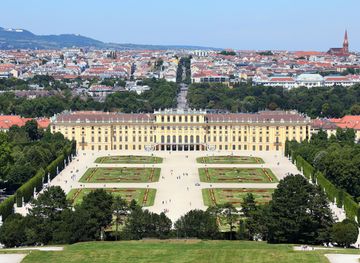
Explore more of Austria
Discover Austria's blend of alpine landscapes, rich cultural heritage, and culinary delights, from Vienna's historic charm to Tyrol's dramatic beauty.
Explore Austria