

Mariatrost (Graz) Travel Guide - Free
Explore Mariatrost in Graz with Evendo's free guide. Find the best shops, historic streets, restaurants, and gems on web or mobile.


Mariatrost in Graz pairs a Baroque pilgrimage basilica with forest walks, tram heritage, quiet lanes and the green foothills of Austria’s Styrian capital.
A Hillside District Beyond Central Graz
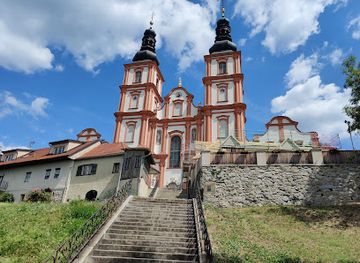
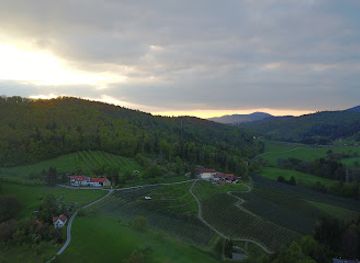
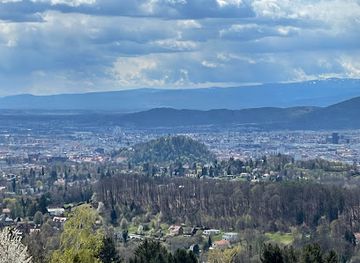
Mariatrost occupies the northeastern edge of Graz, where the city's built-up streets give way to wooded slopes, meadows and the lower hills of eastern Styria. It feels less like a conventional urban quarter than a historic settlement absorbed into the city: houses and small local businesses line Mariatroster Straße, while lanes climb towards forests and rural-looking pockets around Fölling and Kroisbach. The district's defining sight is the Basilica of Mariatrost, a Baroque church set on a hill above the surrounding landscape and reached by a broad flight of steps.Read more about Mariatrost
Pilgrimage, Architecture and Everyday Life
Woodland Walks and a Slower Pace
Best attractions in Mariatrost
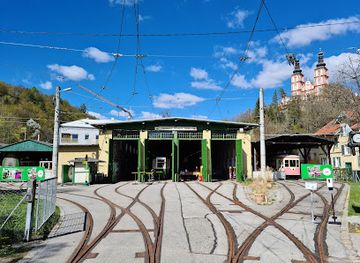
The Basilica of Mariatrost is the district's principal attraction, reached by a formal staircase and admired for its Baroque façade, ornate interior and elevated setting above northeastern Graz. The church remains an active place of worship as well as a pilgrimage destination, so visits should take account of religious services. Nearby, the Tramway Museum Graz presents historic trams, technical equipment and the story of Graz's electric transport network in a setting closely connected with the line that still serves Mariatrost. For a change of pace, Rettenbachklamm offers a wooded gorge with streams, rock formations and footpaths within the district's greener margins. The journey itself is part of the appeal: tram 1 follows the urban corridor out of central Graz before arriving at a landscape of church hill, gardens, scattered houses and forest tracks.
-
Tourist attraction
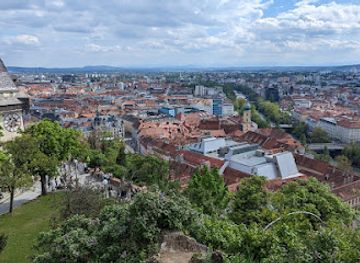
Schlossberg Graz
Explore Schlossberg Graz, the iconic hilltop fortress offering scenic views, rich history, and lush parklands perfect for every traveler.
19 min drive · 6.3 km from neighbourhood centre
-
Tourist attraction
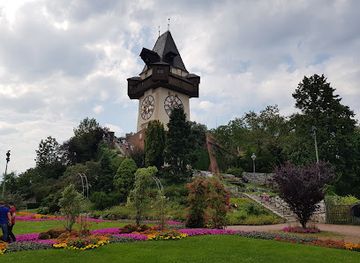
Uhrturm
Discover the Uhrturm, Graz's historic clock tower offering stunning views, rich history, and a quintessential experience in Austria's architectural marvel.
20 min drive · 6.5 km from neighbourhood centre
-
Tourist attraction
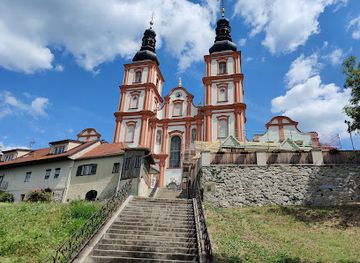
Mariatrost Basilica
Discover the breathtaking Mariatrost Basilica in Graz, a stunning Baroque church offering spiritual serenity and stunning views.
13 min walk · 1.0 km from neighbourhood centre
-
Tourist attraction
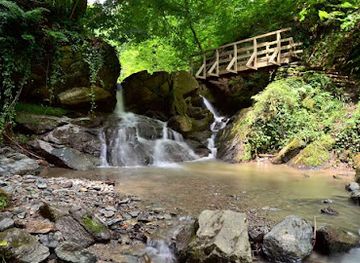
Rettenbachklamm
Explore the stunning Rettenbachklamm in Graz, Austria, where breathtaking scenery and invigorating hiking trails await every nature enthusiast.
5 min drive · 1.7 km from neighbourhood centre
Best landmarks in Mariatrost
The Basilica of Mariatrost is Mariatrost's defining landmark, its twin-towered Baroque façade and hilltop staircase forming a strong visual focus above the district. Built in the early eighteenth century for the Pauline order, the church expresses the importance of pilgrimage in Styria through its richly decorated interior and prominent setting. The surrounding religious complex and forecourt help explain how a rural settlement acquired a regional identity. A different kind of landmark is the former tramway setting associated with the Tramway Museum Graz, where preserved vehicles and transport infrastructure connect the district to the city's urban development. Mariatroster Straße is itself significant as the historic corridor that binds Graz to Mariatrost, while the nearby wooded Rettenbachklamm represents the natural landscape that has remained central to the district's character.
-
Catholic church
Mariatrost Basilica
Explore the stunning Mariatrost Basilica, an architectural gem in Graz, Austria, blending baroque beauty with spiritual serenity.
13 min walk · 1.0 km from neighbourhood centre
-
Hiking area
Rettenbachklamm
Discover the serene beauty of Rettenbachklamm, a hiking gem in Graz offering stunning landscapes and invigorating trails for nature lovers.
5 min drive · 1.7 km from neighbourhood centre
-
Landmark
Stephanienwarte
Discover the breathtaking vistas of Graz from Stephanienwarte, a historic lookout tower surrounded by serene natural beauty.
7 min drive · 2.4 km from neighbourhood centre
-
Museum
Tramway Museum Graz
Explore the rich history of transportation at the Tramway Museum Graz, featuring vintage trams and engaging exhibits in a charming setting.
16 min walk · 1.3 km from neighbourhood centre
Explore Mariatrost on the map
A handpicked selection of must-see spots in Mariatrost, mapped for you.
Best hotels in Mariatrost
Best restaurants in Mariatrost
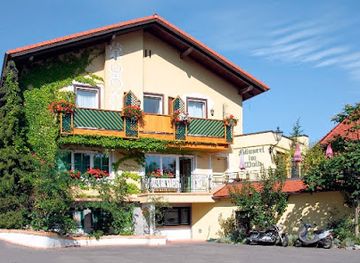
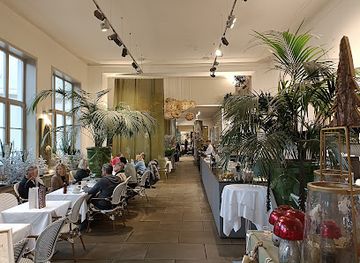
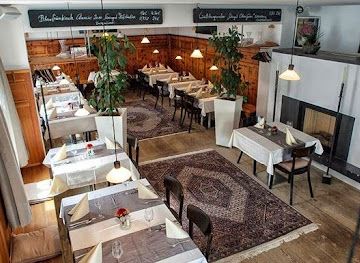
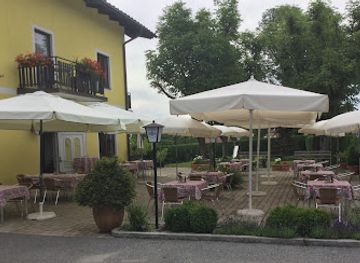
Mariatrost's food scene is small-scale and locally oriented rather than a restaurant quarter. Around the basilica and along Mariatroster Straße, visitors find places suited to a pause during a church visit or walk, including traditional Austrian cooking, cafés and straightforward daytime refreshments, while the wider residential area has scattered neighbourhood establishments rather than a concentrated dining strip. The district's rural edge makes seasonal Styrian ingredients and familiar regional dishes a natural fit, although the selection is more limited than in central Graz. The pilgrimage setting also gives food and drink a practical role for visitors following the tram route or spending time on the surrounding paths. Anyone planning a longer excursion towards Rettenbachklamm should arrange food and water in advance, as woodland routes do not offer a continuous line of cafés or shops.
-
Restaurant
Häuserl im Wald
Discover Häuserl im Wald: A hidden gem in Graz blending exquisite cuisine with serene natural surroundings for an unforgettable dining experience.
8 min drive · 2.8 km from neighbourhood centre
-
Restaurant
Purberg
Experience exquisite dining and breathtaking views at Purberg in Graz - where culinary artistry meets serene ambiance.
14 min drive · 4.5 km from neighbourhood centre
-
Restaurant
Wienerwirt
Experience authentic Austrian flavors at Wienerwirt in Graz – where traditional cuisine meets cozy dining.
11 min drive · 3.7 km from neighbourhood centre
-
Restaurant
Gasthaus Meinhart
Experience authentic Austrian cuisine at Gasthaus Meinhart in Graz's scenic Mariatrost district – where tradition meets taste.
6 min drive · 2.0 km from neighbourhood centre
Best bars in Mariatrost
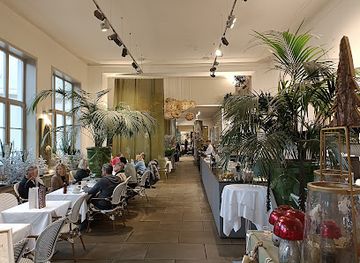
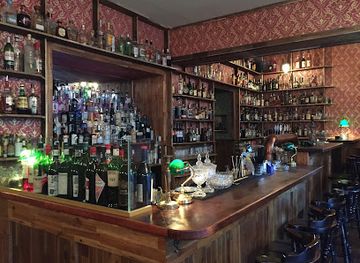
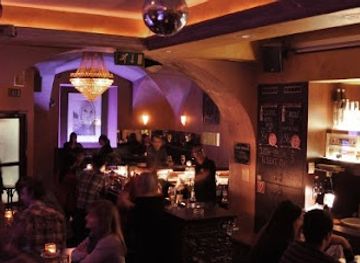
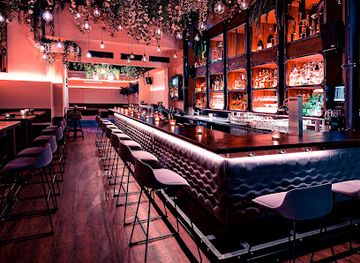
Mariatrost is not a nightlife district, and evenings here are shaped more by residential quiet, local dining and the atmosphere around the basilica than by clubs or late-night entertainment. A handful of traditional restaurants and neighbourhood drinking places may provide an informal evening stop, particularly along Mariatroster Straße, but the offer is dispersed and modest. Visitors seeking cocktail bars, live music or nightclubs will find a much broader choice in central Graz and should plan the return journey rather than expect a late-night scene at the tram terminus. After dark, the wooded paths and quieter roads around Mariatrost are suited to neither casual wandering nor nightlife exploration; public transport and well-lit main routes are the practical options.
-
Restaurant
Purberg
Discover the culinary delights of Purberg, a premium restaurant and café in Graz, renowned for its exquisite menu and inviting atmosphere.
14 min drive · 4.5 km from neighbourhood centre
-
Cocktail bar
The Churchill
Experience the art of mixology at The Churchill, Graz’s premier cocktail bar offering innovative drinks and a stylish atmosphere.
17 min drive · 5.6 km from neighbourhood centre
-
Bar
Merano
Experience the vibrant nightlife of Merano at this chic cocktail bar and lounge, where expertly crafted drinks await you.
17 min drive · 5.6 km from neighbourhood centre
-
Bar
Moridal - Die Bar
Discover the energetic nightlife at Moridal - Die Bar in Graz, where cocktails and dancing create an unforgettable evening experience.
17 min drive · 5.7 km from neighbourhood centre
Best nightclubs in Mariatrost
Mariatrost is not a nightlife district, and evenings here are shaped more by residential quiet, local dining and the atmosphere around the basilica than by clubs or late-night entertainment. A handful of traditional restaurants and neighbourhood drinking places may provide an informal evening stop, particularly along Mariatroster Straße, but the offer is dispersed and modest. Visitors seeking cocktail bars, live music or nightclubs will find a much broader choice in central Graz and should plan the return journey rather than expect a late-night scene at the tram terminus. After dark, the wooded paths and quieter roads around Mariatrost are suited to neither casual wandering nor nightlife exploration; public transport and well-lit main routes are the practical options.
-
Night club
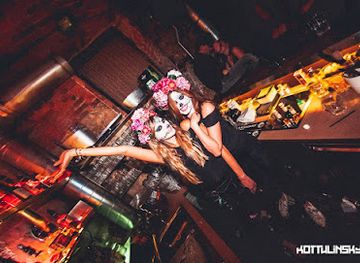
Kottulinsky - Der Club in Graz
Discover the vibrant nightlife of Graz at Kottulinsky, where dance, music, and style come together for an unforgettable experience.
17 min drive · 5.7 km from neighbourhood centre
-
Night club
Club Q
Discover the pulse of Graz's nightlife at Club Q, where great music, vibrant atmosphere, and unforgettable nights await you.
20 min drive · 6.6 km from neighbourhood centre
-
Night club
Der Klub
Dive into Graz's nightlife at Der Klub, where electrifying music and vibrant atmosphere create the ultimate party experience.
17 min drive · 5.7 km from neighbourhood centre
-
Night club
Hasenstall
Experience the vibrant nightlife of Graz at Hasenstall, a premier night club offering electrifying music and unforgettable dance parties.
20 min drive · 6.5 km from neighbourhood centre

Best shops in Mariatrost
Shopping in Mariatrost is primarily practical and neighbourhood-based, concentrated around the main road and local services rather than a major retail destination. Small shops, bakeries and everyday businesses serve residents and people travelling to the basilica, while cafés and food outlets provide useful stops along the tram corridor. The district does not have a large traditional market, specialist shopping street or established concentration of boutiques, so visitors looking for design shops, books, antiques or extensive food shopping should head towards central Graz or another dedicated retail area. The most distinctive purchase connected with Mariatrost is likely to be a modest religious or cultural memento from the pilgrimage setting, though availability varies. Its commercial character reflects the district's residential scale and green, peripheral setting more than a visitor-oriented shopping economy.
-
Gift shop
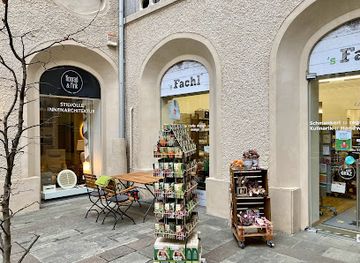
's Fachl Graz - Geschenke & Souvenirs
Discover unique gifts and local specialties at 's Fachl Graz, your go-to souvenir shop for authentic Graz treasures.
20 min drive · 6.7 km from neighbourhood centre
-
Gift shop
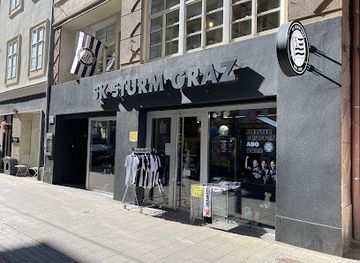
Fan Shop SK Sturm
Discover the heart of SK Sturm Graz at the Fan Shop, where sports memorabilia and team spirit come alive in the vibrant city of Graz.
20 min drive · 6.6 km from neighbourhood centre
-
Supermarket
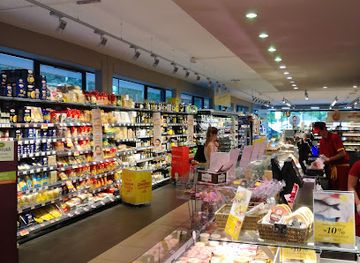
BILLA
Explore the flavors of Graz at BILLA Supermarket, where fresh produce and local delicacies await every tourist.
12 min drive · 3.9 km from neighbourhood centre
-
Discount supermarket
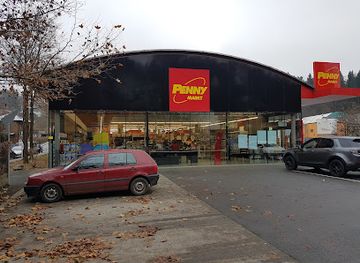
PENNY Markt
Explore Graz's PENNY Markt: Your destination for affordable groceries and local flavors in a vibrant supermarket atmosphere.
8 min drive · 2.7 km from neighbourhood centre
Mariatrost essentials
Getting There
Getting Around
Safety
Emergency Situations
Do's and Don'ts
Local Tips

From Eve
Local phrases worth knowing
You don't need to get them perfect. A few words go a long way, and locals appreciate the effort.
Basics
| English | Local | Say it |
|---|---|---|
| Hello | Servus | [SEHR-voos] |
| Goodbye | Auf Wiedersehen | [owf VEE-der-zay-en] |
| Yes | Ja | [yah] |
| No | Nein | [nine] |
| Please/You're welcome | Bitte | [BIT-tuh] |
| Thank you | Danke | [DAHN-kuh] |
| Excuse me/Sorry | Entschuldigung | [ent-SHOOL-di-goong] |
| How are you? | Wie geht es dir? | [vee gayt es deer] |
| Fine. And you? | Gut. Und dir? | [goot oond deer] |
| Do you speak English? | Sprechen Sie Englisch? | [SHPRE-khen zee ENG-lish] |
| I don't understand | Ich verstehe nicht | [ikh fer-SHTAY-uh nikht] |
Eating & Drinking
| English | Local | Say it |
|---|---|---|
| I'd like to see the menu, please | Ich hätte gerne die Speisekarte, bitte | [ikh HEH-tuh GEHR-nuh dee SHPY-suh-kahr-tuh, BIT-tuh] |
| I don't eat meat | Ich esse kein Fleisch | [ikh EHS-suh kine FLY-sh] |
| Cheers! | Prost! | [prohst] |
| I would like to pay, please | Ich möchte bitte zahlen | [ikh muhkh-tuh BIT-tuh ZAH-len] |
Emergencies
| English | Local | Say it |
|---|---|---|
| Help! | Hilfe! | [HEEL-fuh] |
| Go away! | Geh weg! | [gay vekh] |
| Call the Police! | Rufen Sie die Polizei! | [ROO-fen zee dee poh-LEE-tsy] |
| Call a doctor! | Rufen Sie einen Arzt! | [ROO-fen zee EYE-nen ahrts] |
| I'm lost | Ich habe mich verirrt | [ikh HAH-buh meekh fuh-REERT] |
| I'm ill | Ich bin krank | [ikh been krahngk] |
Shopping
| English | Local | Say it |
|---|---|---|
| I'd like to buy... | Ich möchte ... kaufen | [ikh muhkh-tuh ... KOW-fen] |
| I'm just looking | Ich schaue nur | [ikh SHOW-uh noor] |
| How much is it? | Wie viel kostet es? | [vee feel KOS-tet es] |
| That's too expensive | Das ist zu teuer | [dahs ist tsoo TOY-er] |
| Can you lower the price? | Können Sie den Preis senken? | [KERN-en zee den prys ZEN-ken] |
Time & Numbers
| English | Local | Say it |
|---|---|---|
| What time is it? | Wie spät ist es? | [vee SHPAYT ist es] |
| It's one o'clock | Es ist ein Uhr | [es ist iyn oor] |
| Half past (10) | Halb ... (zehn) | [halb ... (tsayn)] |
| Morning | Morgen | [MOHR-guhn] |
| Afternoon | Nachmittag | [NAHKH-mit-tahk] |
| Evening | Abend | [AH-bent] |
| Yesterday | Gestern | [GEHS-tehrn] |
| Today | Heute | [HOI-tuh] |
| Tomorrow | Morgen | [MOHR-guhn] |
| 1 | Eins | [ines] |
| 2 | Zwei | [tsvai] |
| 3 | Drei | [dry] |
| 4 | Vier | [feer] |
| 5 | Fünf | [foonf] |
| 6 | Sechs | [zeks] |
| 7 | Sieben | [zee-ben] |
| 8 | Acht | [ahkht] |
| 9 | Neun | [noyn] |
| 10 | Zehn | [tsayn] |
Transport & Directions
| English | Local | Say it |
|---|---|---|
| Where's a/the...? | Wo ist ein/der...? | [voh ist iyn/dehr] |
| What's the address? | Wie ist die Adresse? | [vee ist dee ah-dreh-suh] |
| Can you show me (on the map)? | Können Sie mir das zeigen (auf der Karte)? | [KERN-en zee meer dahs TSY-gen (owf dehr KAR-tuh)] |
| When's the next (bus)? | Wann kommt der nächste (Bus)? | [vahn kohmt dehr NEHKH-stuh (boos)] |
| A ticket (to ....) | Eine Fahrkarte (nach ...) | [iyn-uh FAHR-kahr-tuh (nahkh ...)] |
History of Mariatrost
From Rural Settlement to Pilgrimage Site
Mariatrost developed in the rural landscape northeast of Graz, an area of farms, woodland and scattered settlements rather than a dense urban quarter. Its later identity was shaped by a Marian pilgrimage tradition associated with a devotional image of the Virgin Mary. A small chapel preceded the present church, attracting worshippers from Graz and the surrounding Styrian countryside. The name Mariatrost refers to this Marian devotion, while the surrounding slopes retained a distinctly rural character for much longer than the expanding city centre.
The Baroque Basilica Rises
The present Basilica of Mariatrost was built between 1714 and 1724 for the Pauline order, with work continuing on its decoration and the surrounding religious complex during the eighteenth century. Its elevated position, monumental staircase and twin-towered façade gave the pilgrimage site a powerful presence across the northeastern approaches to Graz. The richly ornamented interior belongs to the Baroque tradition, and the church became one of Styria's notable pilgrimage destinations. Its religious importance also encouraged paths, inns and settlement around the hill.
Transport Connects Mariatrost with Graz
The district's relationship with Graz changed as roads and public transport made the pilgrimage site easier to reach. The tram connection along Mariatroster Straße eventually became particularly significant, bringing residents and visitors directly towards the basilica and linking the formerly peripheral settlement with the urban centre. The historic tramway association remains visible through the Tramway Museum Graz, which preserves vehicles and equipment connected with the development of public transport in the city and its surrounding districts.
Incorporation and Suburban Change
Mariatrost was incorporated into Graz in the twentieth century as the city expanded beyond its historic core, bringing a once semi-rural municipality into the metropolitan framework. Residential development increased along the main road and in the surrounding valleys, although wooded slopes and open land remained important features. The district is now both a local residential area and a destination for church visitors, walkers and people interested in Graz's tram history. Its contemporary character still reflects the coexistence of suburban housing, pilgrimage heritage and accessible countryside.
Mariatrost in Photos
Browse through our photo collection highlighting the charm and character of the destination.
Neighbourhoods near Mariatrost
The closest neighbourhoods to Mariatrost, if you have time for more than one stop.
-

-

-

-

-


Swipe for more neighbourhoods
Explore more

Explore more of Graz
Graz, Austria blends a UNESCO-listed old town, Schlossberg views, modern art, Styrian cuisine and lively cultural life in a compact city setting.
Explore Graz