

Free Innviertel Travel Guide & Mobile App
Explore Innviertel with free travel guides. Discover regional history, expert tips, proposed trips, and audio guides on web or mobile app.


Explore Innviertel in Upper Austria for historic market towns, Inn riverside scenery, Bavarian influences, woodland walks, moorland and regional food.
Read more about Innviertel
When is the best time to visit Innviertel?
Best: June–August · 23–26°C| Month | High (°C) | Rainfall (mm) |
|---|---|---|
| January | 3 | 40 |
| February | 4 | 45 |
| March | 9 | 50 |
| April | 14 | 55 |
| May | 19 | 60 |
| June (best) | 23 | 65 |
| July (best) | 26 | 70 |
| August (best) | 25 | 75 |
| September | 21 | 70 |
| October | 15 | 65 |
| November | 8 | 60 |
| December | 3 | 55 |
Getting to and around Innviertel
How to get there
Transportation
Best attractions in Innviertel
Innviertel's attractions are spread across historic towns, river landscapes and rural nature rather than concentrated in one major sightseeing centre. Braunau am Inn offers a compact old town and important ecclesiastical architecture, while Schärding is known for its colourful historic streets and position on the Inn. Ried im Innkreis provides museums, cultural venues and a useful base for exploring the surrounding countryside. Reichersberg Abbey is a major heritage stop, combining a long religious history with views towards the Inn valley. Nature-oriented visitors can explore trails and observation areas around the Ibmer Moor, Austria's largest raised bog, or walk and cycle in the wooded Kobernaußerwald. Geinberg adds thermal bathing and wellness to the regional offer. Smaller attractions include village churches, traditional farm landscapes, local breweries, cycling routes and riverside paths. The best itineraries alternate between town-centre heritage and open countryside, allowing time for the region's less hurried scale.
-
Tourist attraction
Mirabell Palace
Explore Mirabell Palace in Salzburg, a baroque masterpiece with stunning gardens and rich history, perfect for sightseeing and cultural experiences.
-
Tourist attraction
Mozart's Birthplace
Discover the enchanting world of Mozart's Birthplace in Salzburg, a museum dedicated to the life and legacy of the legendary composer.
-
Tourist attraction
Haus der Natur
Explore the fascinating world of nature and science at Haus der Natur in Salzburg, a must-visit natural history museum for all ages.
-
Tourist attraction
Mozartplatz
Discover Mozartplatz, a vibrant square in Salzburg, where history meets music and culture in a stunning setting.
Best landmarks in Innviertel
The most recognisable landmarks of Innviertel reveal its borderland history and close relationship with the Inn. Reichersberg Abbey, an Augustinian monastery above the river near the Austrian-Bavarian frontier, is a major ecclesiastical landmark whose buildings and long institutional history give the surrounding valley a strong sense of place. Schärding's historic centre is distinguished by rows of brightly coloured Baroque façades, especially around the central town streets, reflecting its past as a prosperous trading settlement. In Braunau am Inn, the parish church of St Stephen is notable for its Gothic architecture and tall tower, one of the town's most visible features. The medieval and early modern townscape of Braunau also includes remnants of its historic fortifications and civic buildings. The Ibmer Moor is a natural rather than architectural landmark: its raised-bog landscape represents a rare wetland environment in the region. Together, these places express Innviertel's combination of religious heritage, river commerce, urban history and protected countryside.
-
Historical place
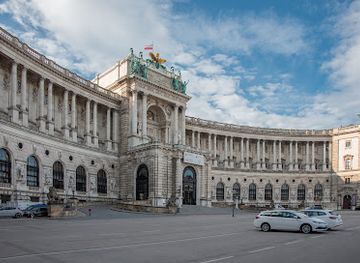
Hofburg
Discover the grandeur of Hofburg, Vienna's imperial palace, a historical landmark showcasing rich culture, stunning architecture, and royal heritage.
-
Fortress
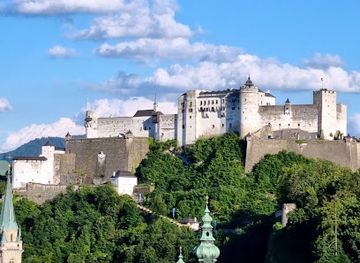
Fortress Hohensalzburg
Discover the rich history and breathtaking views at Fortress Hohensalzburg, a must-visit landmark in Salzburg, Austria, blending heritage and stunning scenery.
-
Castle
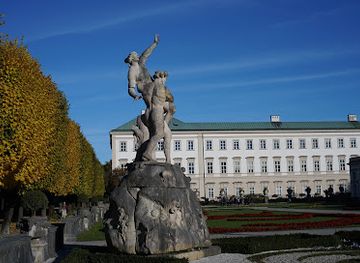
Mirabell Palace
Experience the elegance of Mirabell Palace, a historical gem in Salzburg renowned for its breathtaking gardens and rich cultural heritage.
-
Tourist attraction
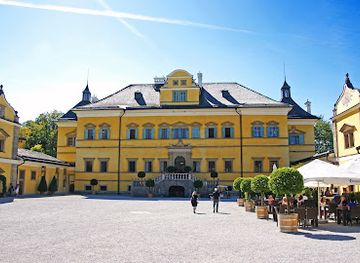
Schloss Hellbrunn
Discover the charm of Schloss Hellbrunn, a baroque palace in Salzburg with enchanting gardens and whimsical trick fountains, perfect for tourists seeking history and beauty.
Explore Innviertel on the map
Plan your trip on one map. See where the top cities, national parks and sights are, and book hotels and experiences in a few clicks.
Best hotels in Innviertel
Best restaurants in Innviertel
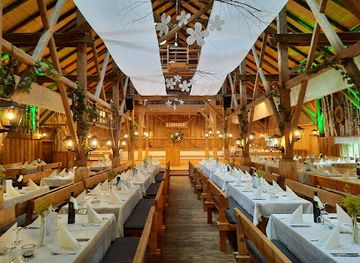
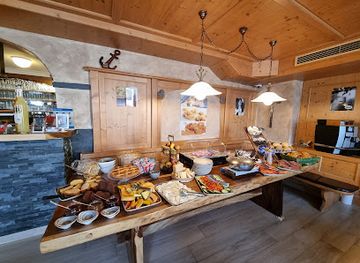
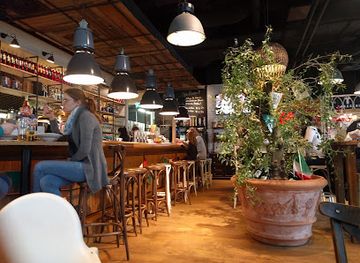
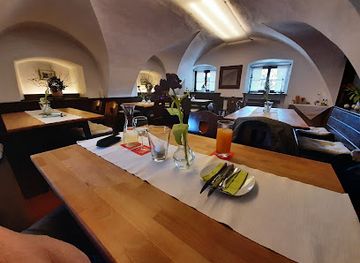
Innviertel's cooking reflects its position between Upper Austria and Bavaria, with hearty dishes based on pork, beef, dumplings, potatoes, seasonal vegetables and locally produced dairy. Traditional Gasthäuser remain important places to encounter regional food, particularly in market towns and villages, while cafés serve Austrian pastries, coffee and light meals. Bread, farmhouse cheeses, cured products and seasonal produce appear in local shops and farmers' markets, although availability varies by town and day. The Inn and nearby lakes and wetlands do not make the region primarily a seafood destination; its culinary identity is more strongly agricultural and dairy-based. Beer has a visible place in the local food culture, with regional breweries and beer served alongside classic dishes. In larger towns, contemporary restaurants broaden the choice without replacing the traditional inn. Menus can change with the season, and a little German vocabulary is useful when ordering in smaller rural establishments.
-
Restaurant
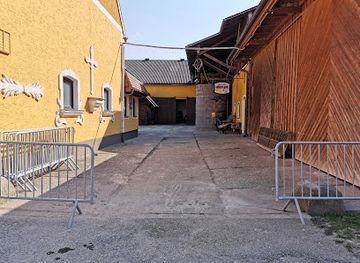
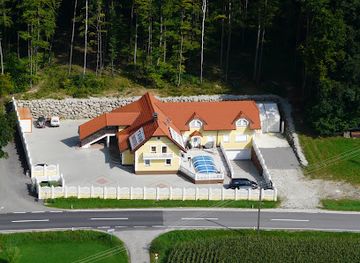
Loryhof
Experience authentic Austrian cuisine at Loryhof in Wippenham - where tradition meets flavor in a cozy atmosphere.
-
Pizza
Ristorante Pizzeria "Zum kleinen Italiener"
Experience authentic Italian flavors at Ristorante Pizzeria 'Zum kleinen Italiener' in Geinberg – where every meal feels like a trip to Italy.
-
Italian
Ernesto
Experience authentic Italian flavors at Ernesto in Ried im Innkreis – where every dish tells a story of culinary tradition.
-
Austrian
Stiftskeller Mattsee
Experience authentic Austrian cuisine at Stiftskeller Mattsee, where local flavors meet stunning lakeside views.
Best bars in Innviertel
Evenings in Innviertel usually centre on traditional pubs, brewery-linked restaurants, wine bars and cafés rather than a large nightclub circuit. Braunau am Inn, Ried im Innkreis and Schärding offer the broadest choice of places to eat and have a drink, with activity generally concentrated around their central streets and squares. Historic inns and village pubs remain part of local social life, while larger towns may offer occasional live music, cultural performances and late-opening bars. Geinberg's visitor economy adds evening dining and wellness-oriented venues, but it is not a major club destination. Nightlife is often quieter outside Friday and Saturday, and rural establishments may close earlier than international visitors expect. The region's evening appeal lies in relaxed meals, local beer, conversation and small-town cultural events rather than an intensive party scene.
-
Bar
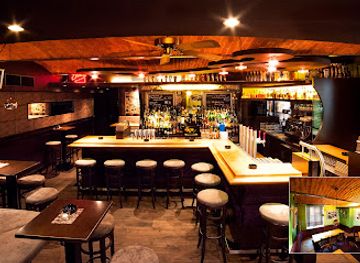
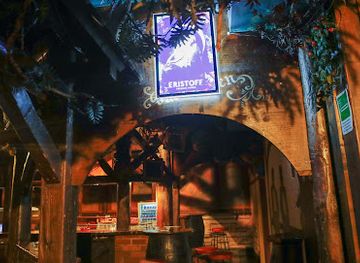
Rieders Cafe & Cocktailbar
Discover the vibrant atmosphere and exquisite cocktails at Rieders Cafe & Cocktailbar in Ried im Innkreis, the perfect spot for relaxation.
-
Irish pub
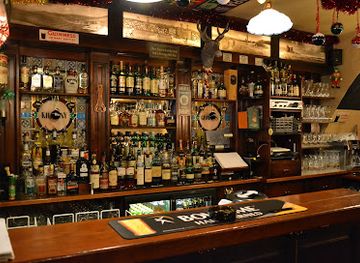
Irish Viking Pub
Discover the vibrant atmosphere of the Irish Viking Pub, where authentic Irish cuisine meets live music and sports excitement in Ried im Innkreis.
-
Cocktail bar
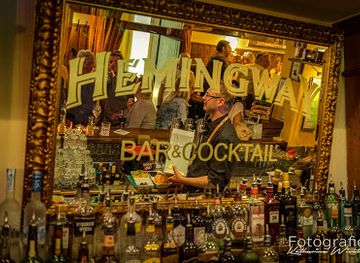
Hemingway Bar & Cocktail
Experience the perfect blend of handcrafted cocktails and delicious bistro fare at Hemingway Bar & Cocktail in Ried im Innkreis.
-
Bar
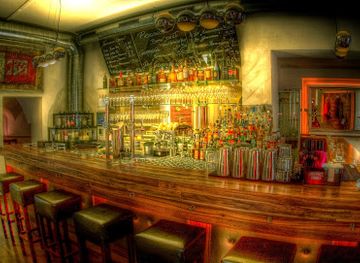
auswärts.bar
Discover the vibrant nightlife at auswärts.bar in Ried im Innkreis, where local charm meets a lively atmosphere for an unforgettable experience.
Best nightclubs in Innviertel
Evenings in Innviertel usually centre on traditional pubs, brewery-linked restaurants, wine bars and cafés rather than a large nightclub circuit. Braunau am Inn, Ried im Innkreis and Schärding offer the broadest choice of places to eat and have a drink, with activity generally concentrated around their central streets and squares. Historic inns and village pubs remain part of local social life, while larger towns may offer occasional live music, cultural performances and late-opening bars. Geinberg's visitor economy adds evening dining and wellness-oriented venues, but it is not a major club destination. Nightlife is often quieter outside Friday and Saturday, and rural establishments may close earlier than international visitors expect. The region's evening appeal lies in relaxed meals, local beer, conversation and small-town cultural events rather than an intensive party scene.
-
Disco club
Discothek Lavie
Dive into the vibrant nightlife of Handenberg at Discothek Lavie, the ultimate disco club for music lovers and dance enthusiasts.
-
Disco club
Disco M1
Discover the electrifying nightlife of Disco M1 in Antiesenhofen, the perfect spot for dance lovers and social gatherings.
-
Night club
Nightclub Eveline
Discover the lively nightlife at Nightclub Eveline in Kremsmünster, where great music and an electrifying atmosphere await.
-
Night club
Nachtclub Dolce Vita
Nachtclub Dolce Vita: A premier nightlife destination in Unterhaunsberg, where every night is a celebration of music, dance, and unforgettable moments.

Best shops in Innviertel
Shopping in Innviertel is focused on practical market-town high streets, independent retailers, weekly markets and regional food rather than large-scale luxury districts. Ried im Innkreis, Braunau am Inn and Schärding provide the widest selection of everyday shops, cafés, books, clothing and locally oriented businesses, while smaller towns serve their surrounding agricultural communities. Visitors can look for farmhouse cheeses, bread, honey, cured products, spirits and other Upper Austrian specialities in food shops and producers' outlets, although opening arrangements vary. Craft shops, galleries and seasonal markets may offer ceramics, woodwork, textiles and locally made gifts, but these are best regarded as occasional regional finds rather than a standard retail circuit. Schärding's historic centre is particularly suitable for browsing alongside a town visit, while market days elsewhere offer a more direct connection with local produce. Check dates locally, as farmers' markets and village events are often weekly or seasonal rather than permanent attractions.
-
Shopping mall
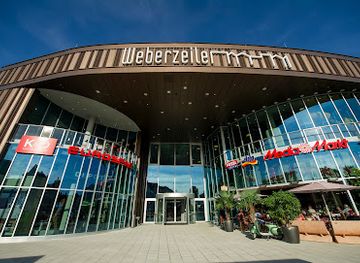
WEBERZEILE
Experience the best shopping, dining, and entertainment at Weberzeile, Ried im Innkreis's premier shopping destination.
-
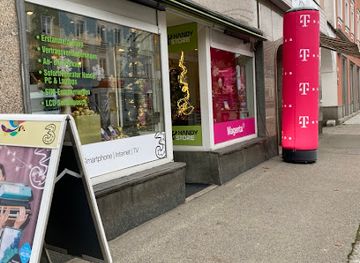
Cell phone store
Handystore Altheim
Explore Handystore Altheim for top-notch mobile devices and accessories in the heart of Austria, ensuring you stay connected on your travels.
-
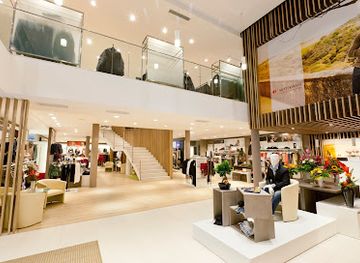
Clothing store
Mittermayr Modehaus
Explore Mittermayr Modehaus in Aspach for stylish clothing and personalized service in a charming shopping experience.
-
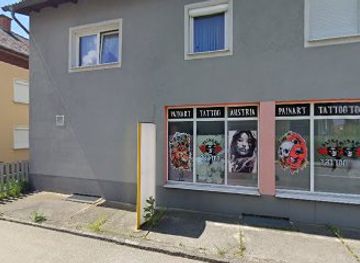
Tattoo shop
Pain Art Tattoo Austria
Experience exceptional artistry at Pain Art Tattoo in Altheim, Austria, where your body becomes a canvas for unique and meaningful tattoos.
Get your free copy of our complete guide to Innviertel, delivered straight to you.
Everything on this page, from attractions and restaurants to essentials and local phrases, in one PDF you can read offline, print or share.
Already have an account? Sign in
Your Innviertel guide is ready.
We'll send it to · Not you? Sign out

Getting your guide ready…
We are putting together a fresh copy of the Innviertel guide. This can take up to a minute.
This can take a few moments. If your browser asks, choose Allow so the download can start. You'll find the guide in your Downloads folder.
Nothing happened? Download it again
Sorry, the guide is taking longer than usual. Please try again in a minute, or get it by email instead.
Innviertel essentials
Currency and Payment
Safety
Emergency Situations
Do's and Don'ts
Local Tips
From Eve
Local phrases worth knowing
You don't need to get them perfect. A few words go a long way, and locals appreciate the effort.
Basics
| English | Local | Say it |
|---|---|---|
| Hello | Grüß Gott | [Greeß Got] |
| Goodbye | Auf Wiedersehen | [Owff Veederzayn] |
| Yes | Ja | [Ya] |
| No | Nein | [Nayn] |
| Please/You're welcome | Bitte | [Bitt-e] |
| Thank you | Danke | [Dank-e] |
| Excuse me/Sorry | Entschuldigung | [Ent-shool-dee-goong] |
| How are you? | Wie geht's? | [Vee gates?] |
| Fine. And you? | Gut. Und dir? | [Goot. Oond deer?] |
| Do you speak English? | Sprechen Sie Englisch? | [Shpreck-en Zee Eng-lish?] |
| I don't understand | Ich verstehe nicht | [Ish fer-shtay-e nikt] |
Eating & Drinking
| English | Local | Say it |
|---|---|---|
| I'd like to see the menu, please | Ich möchte die Speisekarte sehen, bitte | [Ish merkt-e dee Shpieze-kart-e zayn, bitt-e] |
| I don't eat meat | Ich esse kein Fleisch | [Ish ess-e kine Flesh] |
| Cheers! | Prost! | [Prohst!] |
| I would like to pay, please | Ich möchte bezahlen, bitte | [Ish merkt-e be-zahl-en, bitt-e] |
Emergencies
| English | Local | Say it |
|---|---|---|
| Help! | Hilfe! | [Hil-fe!] |
| Go away! | Geh weg! | [Gay vek!] |
| Call the Police! | Rufen Sie die Polizei! | [Roo-fen Zee dee Po-li-tsai!] |
| Call a doctor! | Rufen Sie einen Arzt! | [Roo-fen Zee eye-nen Arts-t!] |
| I'm lost | Ich bin verloren | [Ish bin fer-lo-ren] |
| I'm ill | Ich bin krank | [Ish bin krank] |
Shopping
| English | Local | Say it |
|---|---|---|
| I'd like to buy... | Ich möchte ... kaufen | [Ish merkt-e ... kauf-en] |
| I'm just looking | Ich schaue nur | [Ish shau-e noor] |
| How much is it? | Wie viel kostet es? | [Vee feel kost-et es?] |
| That's too expensive | Das ist zu teuer | [Das ist zoo toy-er] |
| Can you lower the price? | Können Sie den Preis senken? | [Kern-en Zee den Price senk-en?] |
Time & Numbers
| English | Local | Say it |
|---|---|---|
| What time is it? | Wie spät ist es? | [Vee shpayt ist es?] |
| It's one o'clock | Es ist ein Uhr | [Es ist ine Oor] |
| Half past (10) | Halb (10) | [Halb (10)] |
| Morning | Morgen | [Morg-en] |
| Afternoon | Nachmittag | [Nach-mit-tahg] |
| Evening | Abend | [Ah-bent] |
| Yesterday | Gestern | [Gest-ern] |
| Today | Heute | [Hoy-te] |
| Tomorrow | Morgen | [Morg-en] |
| 1 | Eins | [I-ns] |
| 2 | Zwei | [Tsvy] |
| 3 | Drei | [Dry] |
| 4 | Vier | [Fear] |
| 5 | Fünf | [Foonf] |
| 6 | Sechs | [Zex] |
| 7 | Sieben | [Zee-ben] |
| 8 | Acht | [Acht] |
| 9 | Neun | [Noyn] |
| 10 | Zehn | [Tsen] |
Transport & Directions
| English | Local | Say it |
|---|---|---|
| Where's a/the...? | Wo ist ein/das ...? | [Vo ist ine/das ...?] |
| What's the address? | Was ist die Adresse? | [Vas ist dee Ad-res-se?] |
| Can you show me (on the map)? | Können Sie mir (auf der Karte) zeigen? | [Kern-en Zee meer (owf dare Kar-te) tsai-gen?] |
| When's the next (bus)? | Wann kommt der nächste (Bus)? | [Vann komt dare neks-te (Boos)?] |
| A ticket (to ....) | Ein Ticket (nach ...) | [Ine Ticket (nahkh ...)] |
History of Innviertel
Prehistoric settlement and Roman frontiers
The Innviertel has been settled since prehistoric times, with archaeological evidence showing the long agricultural use of its fertile plains and wooded margins. Under Roman rule, the region lay near the frontier zone between the provinces of Noricum and Raetia, with roads, farms and smaller settlements connected to larger centres elsewhere in the Alpine Danube world. The River Inn was both a natural route and a boundary of practical importance. Although the most monumental Roman remains lie outside the region, Roman-era finds and road patterns help explain the area's enduring role as a north-western passage through what is now Upper Austria.
The Innviertel under Bavarian rule
For much of the medieval and early modern period, Innviertel belonged to Bavaria rather than Austria. Towns along the Inn developed through agriculture, crafts, river trade and regional administration, while churches and monasteries shaped the cultural landscape. Reichersberg Abbey, founded in the twelfth century, became an important religious and intellectual institution. The border was not simply a line between states: dialect, family connections and commercial links crossed the river, helping to create the distinctive Bavarian-Austrian character that remains visible in local speech, architecture and food.
River trade and the growth of market towns
The Inn supported transport and commerce, linking settlements in present-day Upper Austria and Bavaria with wider Danube routes. Schärding benefited from its position as a trading town and developed an impressive historic centre of merchants' houses. Braunau and Obernberg also grew through their frontier and market functions, while inland towns such as Ried served agricultural hinterlands. The region's economy remained predominantly rural, but mills, breweries, crafts and small manufacturing gradually added to the occupation of its towns and villages.
The transfer from Bavaria to Austria in 1779
The Treaty of Teschen in 1779 transferred the Innviertel from Bavaria to the Habsburg monarchy after the War of the Bavarian Succession. The change placed the region within the political framework of Austria while leaving its Bavarian historical inheritance intact. This is the event most often used to define Innviertel in its modern political sense. Administrative changes followed, but the area's borderland identity did not disappear; instead, it became a distinctive regional feature within Upper Austria.
Napoleonic upheaval and the return to Austria
The Napoleonic wars unsettled the region's political status. After Austria's defeat in 1809, the Innviertel was again assigned to Bavaria, remaining there until the settlement that followed the Congress of Vienna. In 1816 it returned to Austria and was incorporated into the Austrian lands that later formed modern Upper Austria. These changes affected administration, military movements and taxation, while the region's towns and villages continued to rely on farming, trade and established parish communities.
The Braunau Parliament and Bavarian resistance, 1705
Before the transfer to Austria, Braunau became associated with the Bavarian popular resistance to Habsburg occupation during the War of the Spanish Succession. The so-called Braunau Parliament met in 1705 and is remembered as an early representative assembly formed during the uprising. Its military and political influence was short-lived, and the revolt was suppressed, but the episode gives Braunau a place in the political history of early modern Bavaria. It also illustrates the strategic importance of the Inn frontier during periods of European conflict.
Agriculture, industry and modern regional life
During the nineteenth and twentieth centuries, Innviertel remained strongly agricultural while its towns expanded through food processing, engineering, commerce and service industries. Improved roads and railways connected market centres with Linz, Salzburg and Bavarian towns, changing the movement of people and goods. Dairy farming, brewing and other rural industries retained importance, while newer employers diversified the economy. Today the region balances productive farmland and small-town life with tourism based on wellness, heritage, cycling, walking and the conservation of wetlands and river landscapes.
Innviertel in Photos
Browse through our photo collection highlighting the charm and character of the destination.
Neighbouring regions of Innviertel
The closest regions to Innviertel, if you have time for more than one.
-

-

-

-

-


Swipe for more regions
Explore more
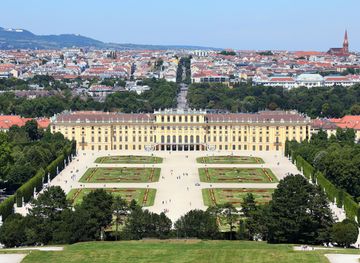
Explore more of Austria
Discover Austria's blend of alpine landscapes, rich cultural heritage, and culinary delights, from Vienna's historic charm to Tyrol's dramatic beauty.
Explore Austria